REVIEW · POKHARA
Pokhara: 9-Day Annapurna Base Camp Trek with Poon Hill
Book on GetYourGuide →Operated by MTA Trekking Pvt. Ltd. · Bookable on GetYourGuide
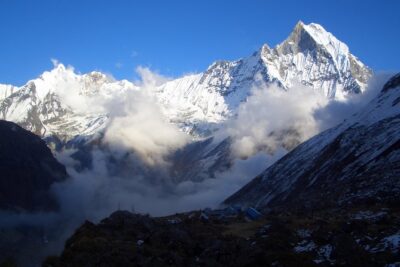
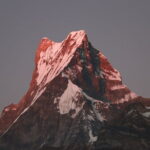
Sunrise over Annapurna can steal your breath. This 9-day trek strings together the big-ticket views at Poon Hill and the quieter, step-by-step mountain life as you pass villages, rivers, and rhododendron forests on the way toward Annapurna Base Camp.
I really like the way this route balances peak moments with real trail time: you get those classic views of Annapurna South, Hiunchuli, and Fishtail, but you also spend days moving through forests and local communities instead of rushing straight to a summit.
The main thing to watch is effort planning. The climb up to Ulleri includes over 3,000 steps, and it can feel relentless even when you’re carrying only your day gear.
In This Review
- Key moments worth planning for
- The real appeal: Poon Hill plus Annapurna Base Camp, without the chaos
- Pokhara to Nayapul and Tikhedhunga: warm-up walking in the Modi Khola valley
- Ulleri to Ghorepani: the stairs test, then comfort
- Poon Hill sunrise and the forest stretch to Tadapani or Chuile
- Chuile to Sinuwa: river confluences and calmer walking
- Deurali (3,200 m): forests, big peaks, and altitude you can feel
- Annapurna Base Camp (4,130 m): the peak-day you came for
- Down to Bamboo: recovery starts the moment you descend
- Bamboo to Jhinu Dada hot spring: soak, refuel, repeat
- Jhinu Dada to Lakeside Pokhara: finishing with a soft landing
- Guides, pace, and the human side of the trek
- Lodges and meals: cozy tea houses, real menu choices
- Price and value: $487 with planning support, plus a few extra costs
- Altitude, monsoon weather, and leeches: how to stay comfortable
- What to bring (so your trek doesn’t turn annoying)
- Should you book this Annapurna Base Camp with Poon Hill trek?
- FAQ
- Where does the trek start and how do I get there?
- What language is the live guide?
- What are the highest and lowest points on the route?
- Are meals included in the price?
- Does the package include permits and taxes?
- Is the trek safe for everyone at altitude?
Key moments worth planning for
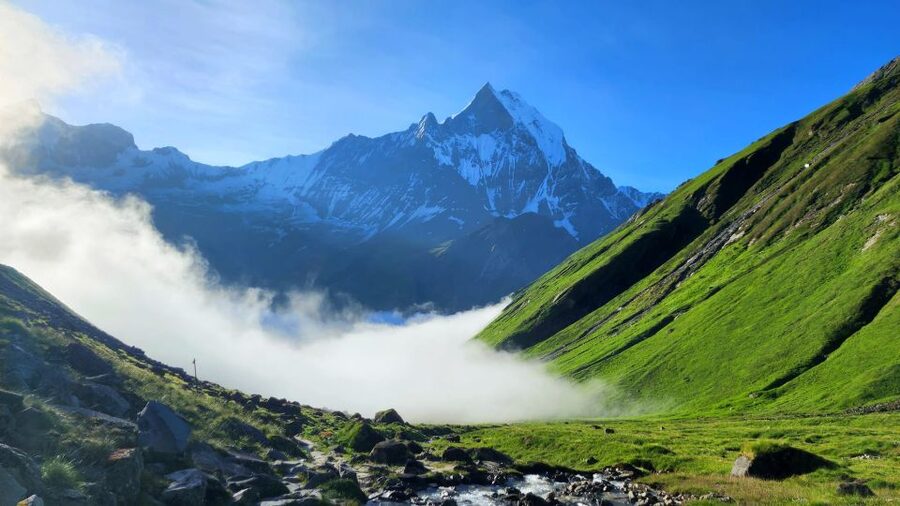
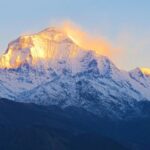
- Poon Hill sunrise at 3,210 m with big orange-red snow color chances when skies cooperate
- Ulleri’s step climb before you settle into the welcoming village of Ghorepani
- Rhododendron forest trekking on multiple days, especially as flowers are in season
- Annapurna Base Camp at 4,130 m—the day you finally reach the glacier-and-peak heart of the region
- Jhinu Dada hot spring at about 1,600 m for sore-muscle recovery
- English/Hindi live guiding plus logistics handled, so you spend energy on walking, not paperwork
The real appeal: Poon Hill plus Annapurna Base Camp, without the chaos
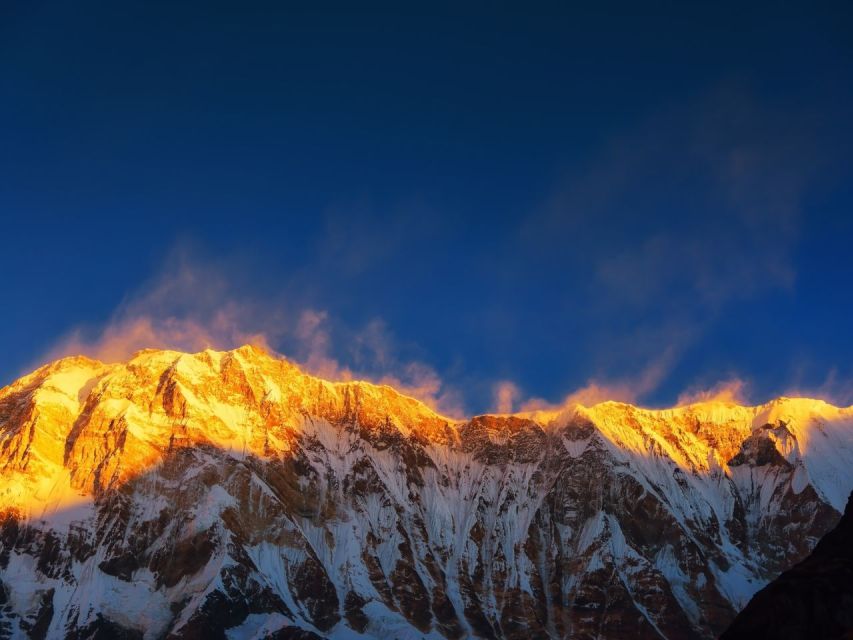
This trek is popular for a reason: you get two different kinds of wow. Poon Hill is a sunrise viewing point—short, early, and dramatic. Annapurna Base Camp is a full-on destination day—higher, steeper at the end, and visually intense as glaciers and snowfields fill your horizon.
I also like the rhythm. You start lower around Pokhara’s hills, gradually gain altitude, and then you descend again through places like Bamboo and Jhinu Dada. That downshift matters because your legs need a break after the big day at Base Camp.
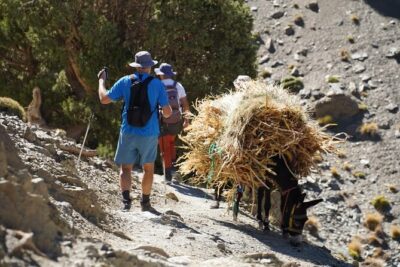
Finally, I appreciate the local touch. You don’t just “pass through” the Annapurna region—you walk village routes, eat at tea houses, and get a chance to learn daily mountain traditions through real interaction.
You can also read our reviews of more tours and experiences in Pokhara.
Pokhara to Nayapul and Tikhedhunga: warm-up walking in the Modi Khola valley
Your trek starts with a 2-hour cab ride from Pokhara to Nayapul, then about 3 hours on foot to Tikhedhunga (around 1,570 m). This is a good first day because it’s not yet the grind. You’ll follow the scenic Modi Khola River, pass charming villages, and move through stretches of rhododendron forest.
Why I think this matters: the first day sets your “walking pace truth.” You’ll learn quickly how your breathing feels and how your pack sits. Even with an easier start, you’ll still end the day at a proper overnight in a cozy tea house—exactly what you want before the taller climbs start.
Ulleri to Ghorepani: the stairs test, then comfort
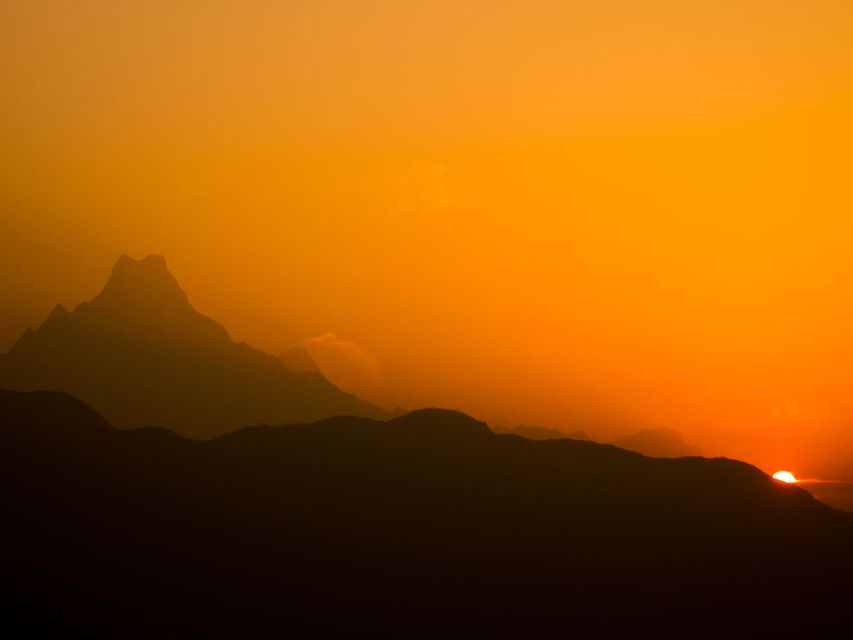
Day 2 is where many people feel the trek shift into work. You’ll hike from Tikhedhunga to Ghorepani (around 2,840 m) for about 6 hours, including the climb up to Ulleri village. The route includes over 3,000 steps, and you’ll do it surrounded by blooming rhododendrons.
A practical way to handle this: don’t sprint the steps. Let the pace be slow and steady, and think of it like stair-by-stair progress rather than one big challenge. You’ll be glad you did when your thighs start talking.
Once you reach Ghorepani, you get the payoff: a welcoming village and an easy-to-settle-in tea house for the night. Ghorepani also sets you up for the next day’s early start.
Poon Hill sunrise and the forest stretch to Tadapani or Chuile
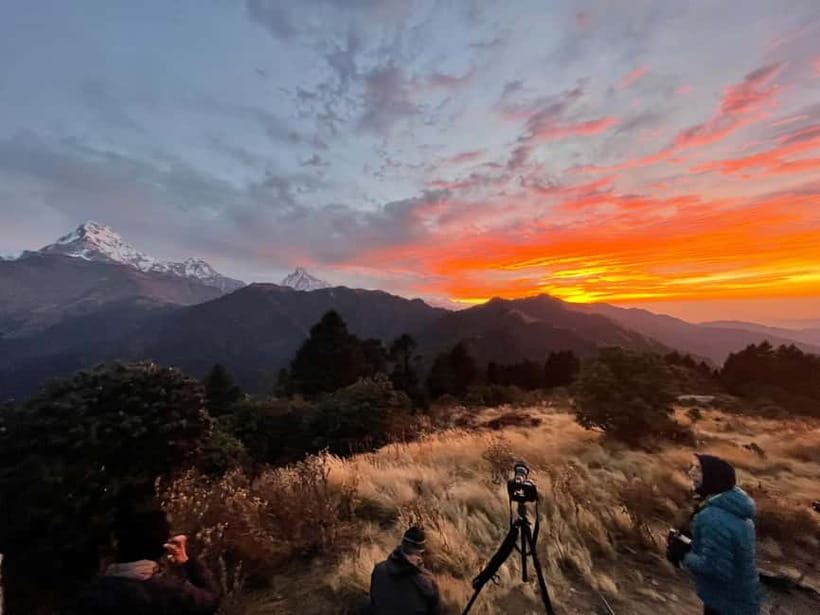
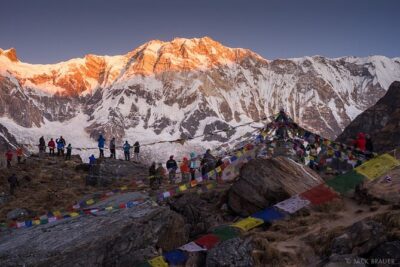
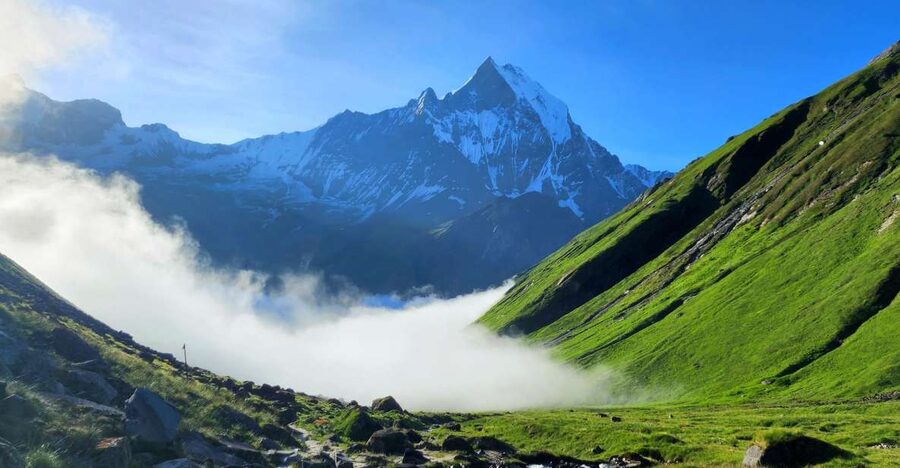
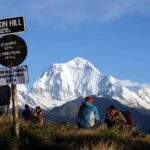
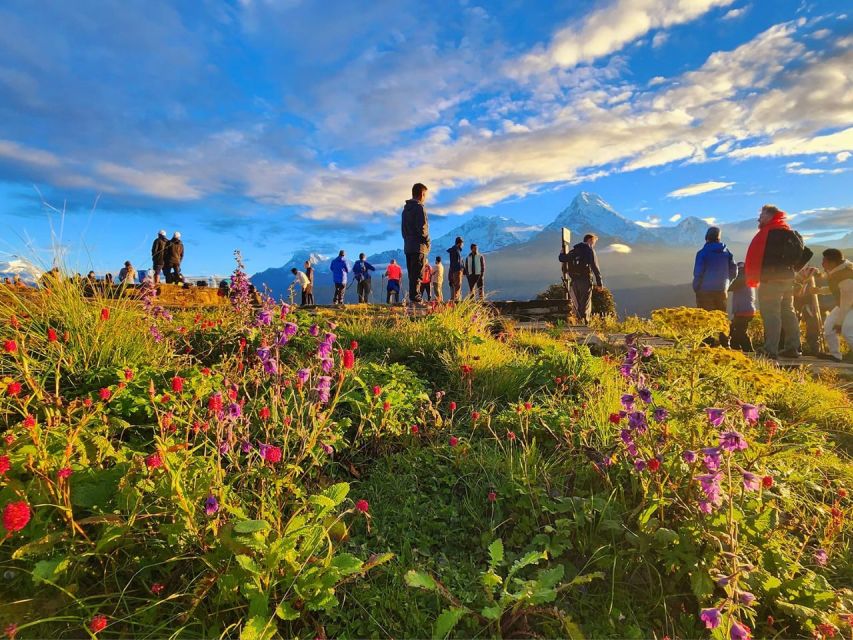
Day 3 has the trek’s signature early moment. You’ll rise for sunrise viewing at Poon Hill (3,210 m) (about 1 hour for the sunrise experience), then continue onward by foot into the forest toward Tadapani or Chuile (around 2,400 m), again about 6 hours of hiking.
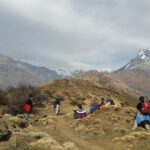
This is the day where the trek shows its two faces. Sunrise gives you the big sky drama and snow reflections. After that, the trail work becomes quieter: you’re trekking through woodland scenes that feel different from the stair-heavy days.
You’ll sleep in a cozy hotel in this natural setting. It’s not “luxury,” but it’s exactly the kind of mountain comfort that keeps you moving well the next morning.
Chuile to Sinuwa: river confluences and calmer walking
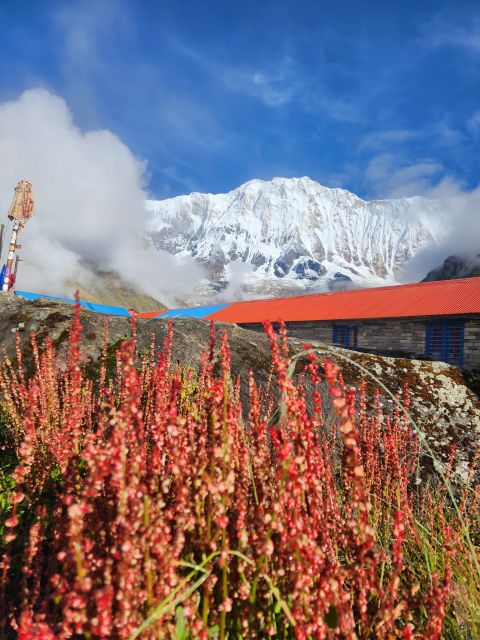
Day 4 goes from Chuile to Sinuwa (about 2,170 m) in roughly 5 hours. You’ll keep heading deeper into the Annapurna region, and you’ll cross the convergence of the Kumrung and Modi Rivers.
That confluence detail is more than trivia. River junctions often mean the trail follows valleys that feel steadier—less about constant pounding uphill, more about keeping your rhythm as scenery changes. It’s a good day to steady your mind after sunrise and push days.
Deurali (3,200 m): forests, big peaks, and altitude you can feel
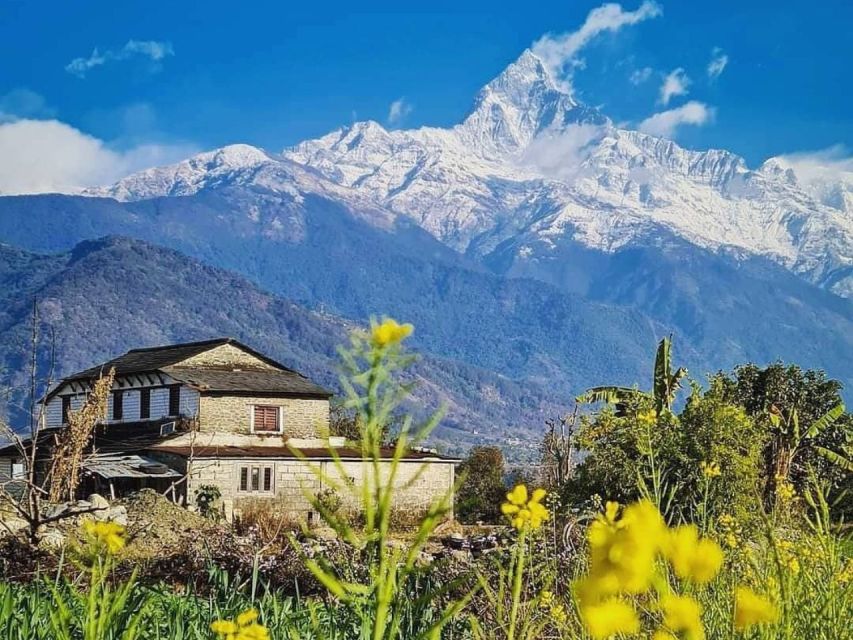
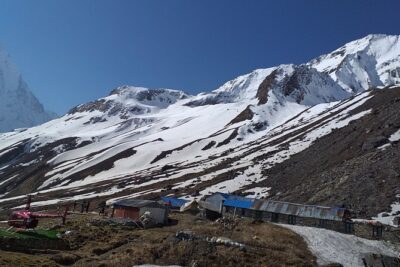
Day 5 takes you from Sinuwa to Deurali (about 3,200 m) for around 6 hours. This is another forest-and-view day, with the towering backdrop of Annapurna and Machhapuchhre.
Even when you don’t have a major “altitude scare,” you’ll likely notice the air at this height. Your body can feel it in small ways—breathing rate, slower recovery between climbs, and a slightly heavier step.
This is also where good guiding and pacing pay off. A live guide who watches how you move can help you avoid that common mistake: pushing too hard because you’re still excited from the earlier scenery.
Annapurna Base Camp (4,130 m): the peak-day you came for
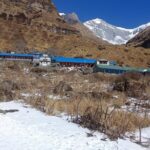
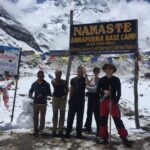
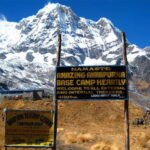
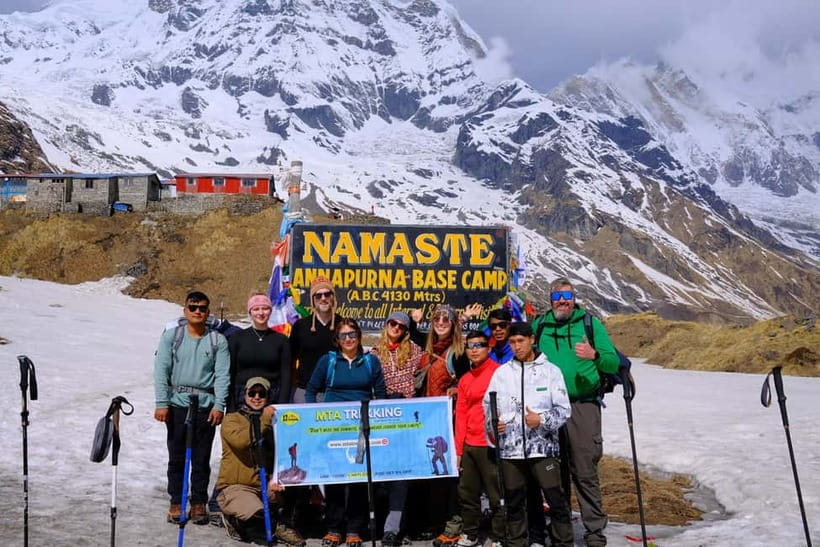
Day 6 is the big one. From Deurali, you hike up to Annapurna Base Camp (4,130 m) in about 6 hours. This is when the mountains go from “impressive” to “in your face,” with snow-capped peaks and glaciers surrounding you.
Why this day feels worth the earlier effort: Base Camp doesn’t just offer a view—it offers a sense of arriving at the mountain’s core. The scale changes. You stop thinking in hours and start thinking in moments.
If you’re prone to getting winded, plan for a slower pace than you think you need. The goal isn’t to race. It’s to reach Base Camp feeling steady enough to enjoy what you worked for.
Down to Bamboo: recovery starts the moment you descend
Day 7 takes you from Annapurna Base Camp down to Bamboo (about 2,300 m) for around 6 hours. This is a descent day, but don’t treat it like a stroll.
Your knees and feet will still work. The trick is to keep your steps controlled. A slower cadence and firm foot placement usually make this day feel easier than you expect.
Also, Bamboo is a morale anchor. You’ve done the hardest altitude effort, and now you get to see the region open back up as you drop. You’ll sleep in Bamboo, letting your body reset for the final day’s hot spring payoff.
Bamboo to Jhinu Dada hot spring: soak, refuel, repeat
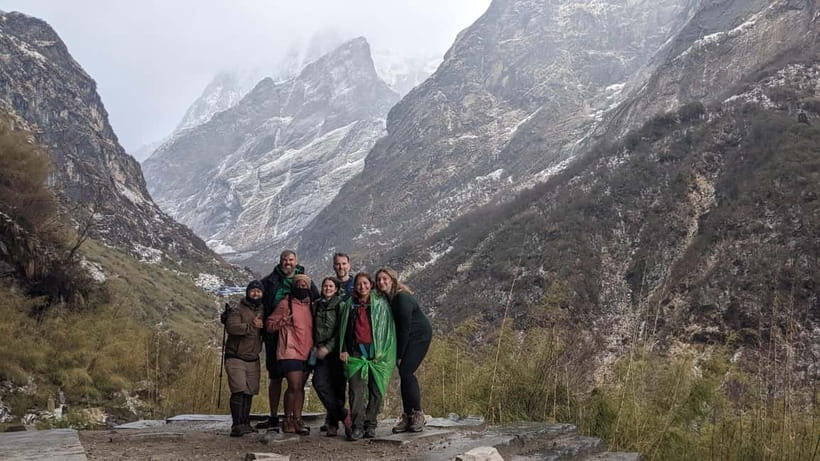
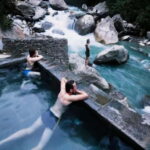
Day 8 moves from Bamboo to Jhinu Dada hot spring (about 1,600 m) in about 5 hours. The highlight is right in the name: you get access to natural hot springs, which are perfect for relaxing tired muscles.
This is the kind of recovery you can feel the next morning. A warm soak can loosen the tightness that descents cause, so by the time you’re back on the trail again, your body feels more cooperative.
It’s also a nice emotional shift. After days of altitude focus and view focus, you get to enjoy a simple pleasure: warm water and rest.
Jhinu Dada to Lakeside Pokhara: finishing with a soft landing
On Day 9, you return toward Lakeside Pokhara with about 2 hours of trekking plus a comfortable ride. Your overall journey closes with that feeling of relief and gratitude—like you’ve earned your way back down into warmth and normal routines.
There’s also a practical side: your transfer is handled, and you’re not left figuring out how to coordinate transport after a long trek. That kind of logistics support is part of what makes this package work.
Guides, pace, and the human side of the trek
This is a private group trek with a live guide in English and Hindi. That matters more than it sounds, because a guide doesn’t just point the way. They help you keep a safe pace, manage timing, and make sure your day-to-day plans line up with what the trail is doing.
Recent trips show real care in guiding—people have specifically praised guides such as Lalit and Pratiksha for being kind, patient, and professional. I also like that the experience includes the mountain’s workforce. A porter named Rickson has been highlighted for carrying bags with dedication and a big smile, even on steep trails.
Two practical notes for you:
- Expect early mornings. Poon Hill sunrise requires you to move quickly before the crowd energy builds.
- If you’re traveling with your own porter or carrying a personal share, ask how bag distribution will work for you. The trek is long enough that small comfort decisions matter.
Lodges and meals: cozy tea houses, real menu choices
You’ll sleep in accommodations along the way, including cozy tea houses and hotels in places like Tikhedhunga, Ghorepani, and the deeper trekking stops. Food is part of the experience: menu options at the huts let you choose what feels right that day.
One important pricing note: meals are included only for the full package. If you’re not on the full package, you’ll want to budget for meals as you go. Either way, bring cash for soft drinks or extra snacks since those aren’t part of the core inclusions.
Price and value: $487 with planning support, plus a few extra costs
At $487 per person, the value comes from what’s already handled for you. The package includes:
- Transportation during the trek
- Trekking permits and paperwork
- Government taxes
- Accommodation
- Staff expenses during the trek
What you should expect to pay on your own:
- Soft and hard drinks
- Travel and rescue insurance
- Personal expenses like phone calls, laundry, bar bills, and battery recharge
- Bottled or boiled water, and hot shower costs if offered
- Trekking poles and sleeping bags (not included)
So how do you judge the deal fairly? If you want the route mapped out, permits taken care of, and overnight lodging already arranged, this price can feel reasonable for Nepal trekking. If you already have permits and lodging preferences and you plan to self-organize, the cost could feel less “deal-like.” Most people choose this package because it removes headaches when you’re focused on the trail itself.
Altitude, monsoon weather, and leeches: how to stay comfortable
Altitude is part of the story here. The trek reaches 4,130 m at Annapurna Base Camp, and altitude sickness is possible, though it’s described as rarely happening. Still, you should take it seriously.
If you want a simple safety approach, do this:
- Walk slower than you think you need.
- Tell your guide immediately if you feel worse, not better.
Also note the limitations: this trek is not suitable for pregnant women, people with altitude sickness, or people over 70.
Weather and insects matter too. In the monsoon season (June–August), conditions can be erratic with heavy rainfall. That same period often means leeches on the lower trails. A practical mitigation plan is wearing long pants tucked into gaiters and using insect repellent.
What to bring (so your trek doesn’t turn annoying)
From the basics listed for this trek, make sure you have:
- Comfortable shoes
- Weather-appropriate clothing
- Sunscreen
- Sunglasses
And since items like trekking poles, sleeping bags, and crampons are not included, if you use them you’ll want to bring your own. If you don’t use them normally, you might still appreciate poles on steep descents—just know it’s your responsibility to pack them.
Should you book this Annapurna Base Camp with Poon Hill trek?
I’d book this if you want a classic Annapurna route with organized logistics, a real chance at Poon Hill sunrise, and a satisfying “finish” via Jhinu Dada hot springs. It’s a strong fit for people who can handle lots of walking and especially the stair-heavy Ulleri section, and for travelers who like tea houses, village routes, and staying flexible day to day.
I wouldn’t book it if you’re not comfortable with altitude exposure up to 4,130 m, or if you fall into the stated non-suitable categories (pregnancy, altitude sickness issues, or over 70). And if you’re going in monsoon season, go in with the mindset that rain, leeches, and slick trails are real—bring the gear and follow your guide’s advice.
If that sounds like your kind of adventure—walking toward snow, then soaking your legs after—you’ll likely find this trek a well-paced, memorable way to experience the Annapurna region.
FAQ
Where does the trek start and how do I get there?
The pickup is from Pokhara. You’ll travel by cab as part of the trek, including a 2-hour ride from Pokhara to Nayapul on the first day.
What language is the live guide?
The live tour guide is available in English and Hindi.
What are the highest and lowest points on the route?
Annapurna Base Camp is reached at about 4,130 meters. The Jhinu Dada hot spring area is around 1,600 meters.
Are meals included in the price?
Meals are included only for the full package. Soft and hard drinks are not included.
Does the package include permits and taxes?
Yes. Trekking permits and paperwork, plus government taxes, are included.
Is the trek safe for everyone at altitude?
Altitude sickness is possible since the route reaches high elevations, and it’s stated that the trek is not suitable for people with altitude sickness. It is also not suitable for pregnant women and people over 70.