REVIEW · POKHARA
Kathmandu: 10-Day Annapurna Circuit Trek via Thorong La Pass
Book on GetYourGuide →Operated by MTA Trekking · Bookable on GetYourGuide
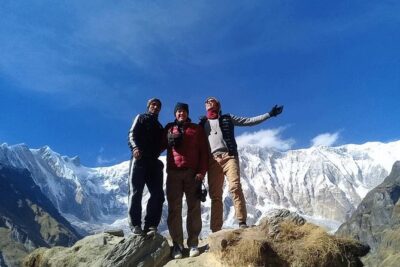
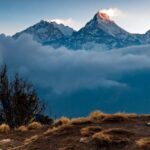
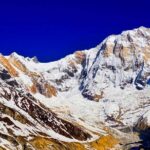
Thorong La tests your lungs and rewards your eyes. This 10-day Annapurna Circuit via Thorong La Pass stitches together Tibetan villages, high passes, and jaw-dropping views of Annapurna, Dhaulagiri, and Machapuchare while you reach 5,416m at the top. I love how the itinerary builds in real breathing room, especially the extra acclimatization day in Manang, and how it mixes big mountain moments with small community stops. The one drawback to take seriously is altitude risk: this is a high-pass trek where Acute Mountain Sickness can hit even motivated hikers.
I also like that this trek package handles the big logistics—hotel pickup, permits (including TIMS), transport, and all trek meals—so you can focus on pacing and enjoying the walk. You’ll still need to bring your warm layers and plan for cold nights at elevation, but the core trip runs in a structured, straightforward way.
In This Review
- Key Things That Make This Trek Worth It
- Why the Annapurna Circuit via Thorong La Feels Different
- Price and Value: What $456 Covers (and What It Doesn’t)
- The Altitude Plan: How the Schedule Helps You Breathe
- Day 1: Kathmandu to Besisahar and Dharapani
- Day 2: Dharapani to Chame Through Oak and Pine
- Day 3: Chame to Upper Pisang With Apple Orchards and Views
- Day 4: Upper Pisang to Manang and the Manang Valley Payoff
- Day 5: Acclimatize in Manang (and Go Easy on Purpose)
- Day 6: Manang to Yak Kharka (Short Hike, Big Altitude)
- Day 7: Yak Kharka to Thorong Phedi and the Approach to the Pass
- Day 8: Thorong Phedi to Muktinath via Thorong La Pass (5,416m)
- Day 9: Muktinath to Jomsom via Kagbeni
- Day 10: Jomsom to Pokhara by Public Bus
- Tea Houses, Meals, and What Your Daily Routine Really Becomes
- Your Guide, Local Support, and the Small Things That Keep You Safe
- Who Should (and Shouldn’t) Choose This Trek
- Should You Book This Annapurna Circuit Trek via Thorong La?
- FAQ
- What is the highest point on this trek?
- How long is the trek?
- Where does the trek start and end?
- Are permits and TIMS included?
- Are meals and accommodations included?
- Do you include transport within Nepal?
- What languages will the guide speak?
- Is trekking gear included?
Key Things That Make This Trek Worth It
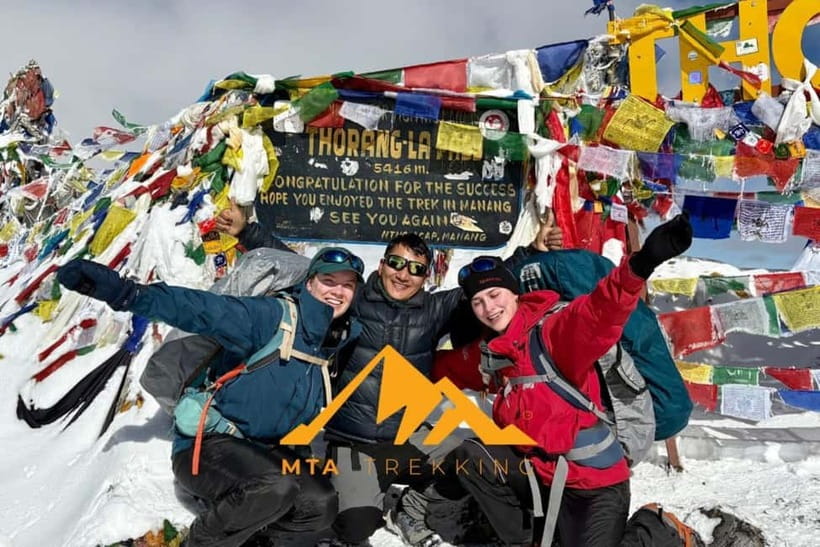
- Thorong La Pass at 5,416m: the signature high point of the Annapurna Circuit
- Manang acclimatization day: extra time to adjust before the hardest climb
- Culture stops in Chame, Upper Pisang, and Manang: Tibetan-influenced villages and local hospitality
- Tea house and lodge rhythm: predictable days with included meals, plus the freedom to rest when needed
- Muktinath and Kagbeni: spiritual stops and Mustang-style village scenery on the back half
Why the Annapurna Circuit via Thorong La Feels Different
The Annapurna Circuit isn’t just a point-to-point hike. It’s a slow change of worlds. You start in the lower hills around Kathmandu’s orbit, then climb through forested stretches, pass into higher and drier terrain, and end up in places that feel more like Tibetan highlands than South Asian valleys.
Crossing Thorong La is the big reason this route stands out, but it’s the whole arc that makes it special. From higher trails you get repeated chances to spot major Himalayan landmarks, and the route gives you enough days that the experience doesn’t feel rushed. You’re not only climbing to “a number on a map”—you’re watching the environment shift as you gain elevation and time in the mountains.
A practical note: this trek is physical. Even if your legs are ready, the air at altitude can slow your body down. That’s exactly why the schedule matters, and why you should respect the acclimatization day and the gradual approach to the pass.
You can also read our reviews of more tours and experiences in Pokhara.
Price and Value: What $456 Covers (and What It Doesn’t)
At $456 per person, this trek is aimed at covering the predictable costs that usually eat up time on your end: permits, transport, guides, and meals.
Here’s what you’re getting that directly reduces risk and friction:
- Pick up and drop off from your Kathmandu and Pokhara hotel areas
- TIMS card and permit for the trek
- Experienced government registered local guide
- All meals (breakfast, lunch, dinner) during the trekking days
- Tea house and lodge accommodations during the trek
- All included transport between trek stages
- One night in Pokhara after the trek (Hotel Orchid)
- Farewell dinner in Pokhara
- Emergency rescue assistance
What you’re not getting (and why you should plan ahead):
- Travel and rescue insurance: this is non-negotiable for a high-pass trek. The data here recommends helicopter-evac coverage up to 5,400m, and you should treat that guidance seriously.
- Trekking gear: you’ll need to bring or rent what you need on the comfort-and-safety side (warm layers, proper hiking shoes, etc.).
- Drinks and personal expenses: battery recharges, hot showers (where available), and snacks add up.
In plain terms: $456 looks like a trekking value because it’s covering the parts that normally require extra research and last-minute decisions. Your biggest job becomes packing right and hiking smart.
The Altitude Plan: How the Schedule Helps You Breathe
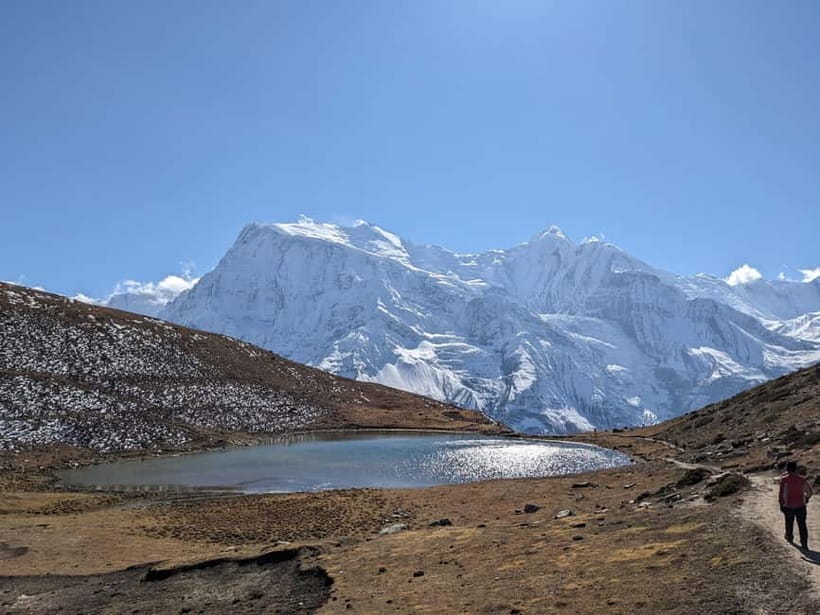
This trek’s structure is built around acclimatization, and it’s worth understanding why.
You climb in steps, with maximum altitudes rising across multiple days:
- Day 02 tops around 2,670m (Chame)
- Day 03 reaches 3,200m (Upper Pisang)
- Day 04 gets you to 3,540m (Manang approaches)
- Day 05 is the big acclimatization day in Manang with a high point listed at 4,050m
- Day 06 and 07 bring you up toward the pass area: Yak Kharka (4,050m) and Thorong Phedi (4,450m)
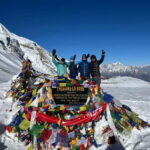
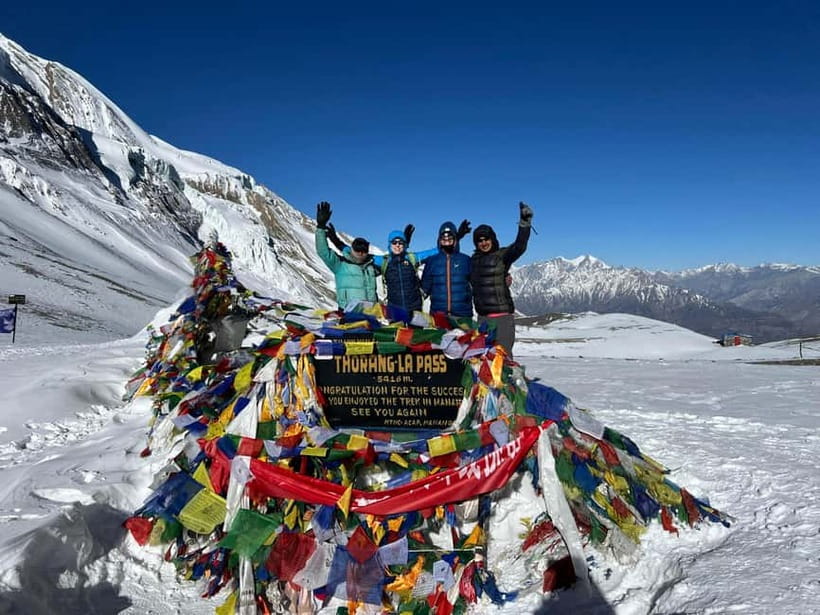
- Day 08 is the summit day for the route, crossing at Thorong La (5,416m)
That Manang day is the difference between a “cross your fingers” climb and a more controlled mountain experience. The trek also gives you a short hike option on Day 05 (like exploring glacier-related spots) which helps your body adjust while keeping effort manageable.
Still, altitude can’t be bullied. Acute Mountain Sickness risk is explicitly called out, and your safest move is to take slow steps, rest when you need to, and never treat altitude like a check-box.
Day 1: Kathmandu to Besisahar and Dharapani
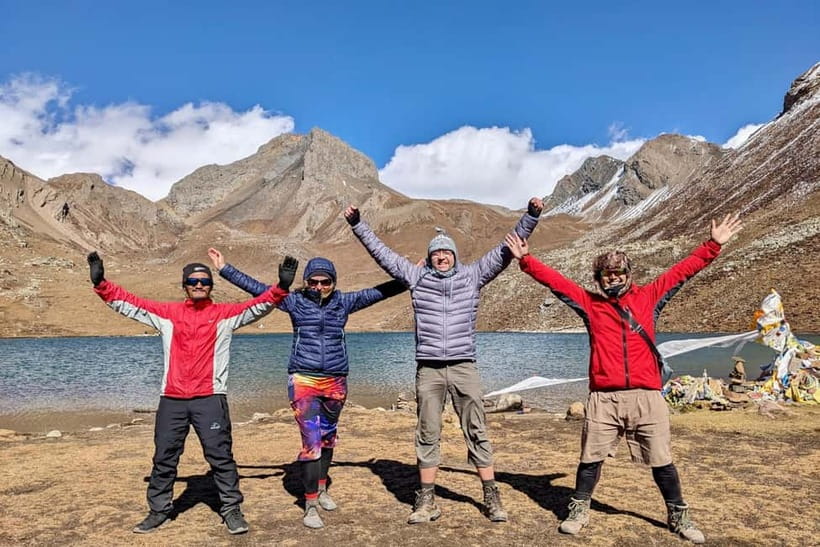
This is mostly travel, but it matters. You’ll go by bus from Kathmandu to Besisahar (about 7–8 hours), then transfer by sharing jeep to Dharapani.
Why this start works:
- You’re easing into the region before your first real climb.
- You get countryside views and a sense of the terrain you’ll be crossing later.
What to watch for: a long first day can make your sleep lighter and your legs stiff. It’s a good idea to set up your room with warm layers ready, since the mountain nights can feel colder fast.
Day 2: Dharapani to Chame Through Oak and Pine
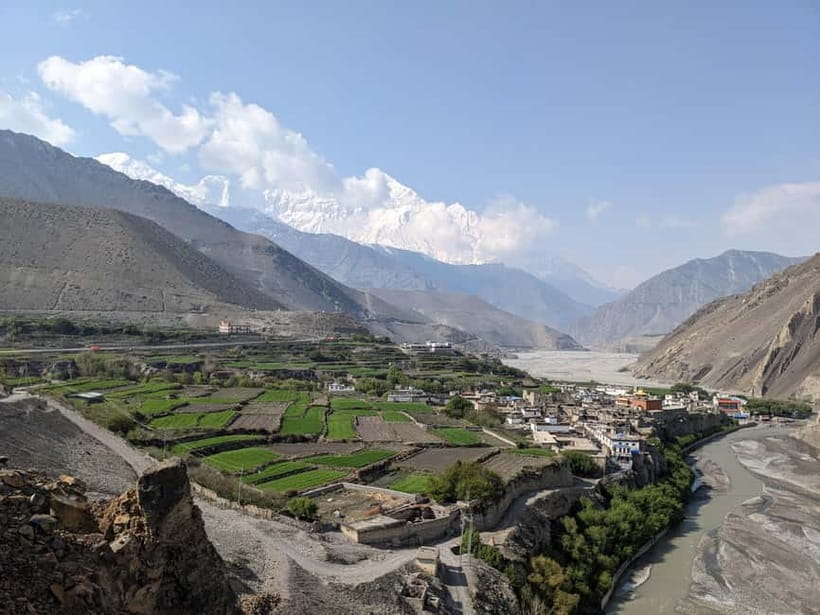
You hike from Dharapani to Chame (about 6 hours). The trek heads into oak and pine forests, then opens views toward Annapurna country—your first real taste of the Himalayan scale.
Along the way, you’ll pass through a Bhote village and Buddhist temple in Bagarchhap, then continue to places like Timang at the foot of Lamjung Himal before leveling out toward Chame. You’ll sleep in a tea house.
Why Chame is a smart stop:
- It’s high enough to start acclimatization gently.
- The village set-up makes it easier to settle in rather than hiking late into the evening.
A small consideration: forests can mean cooler, damp trail sections. Bring clothes you can layer on and off without wrestling your pack.
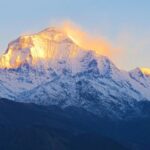
Day 3: Chame to Upper Pisang With Apple Orchards and Views
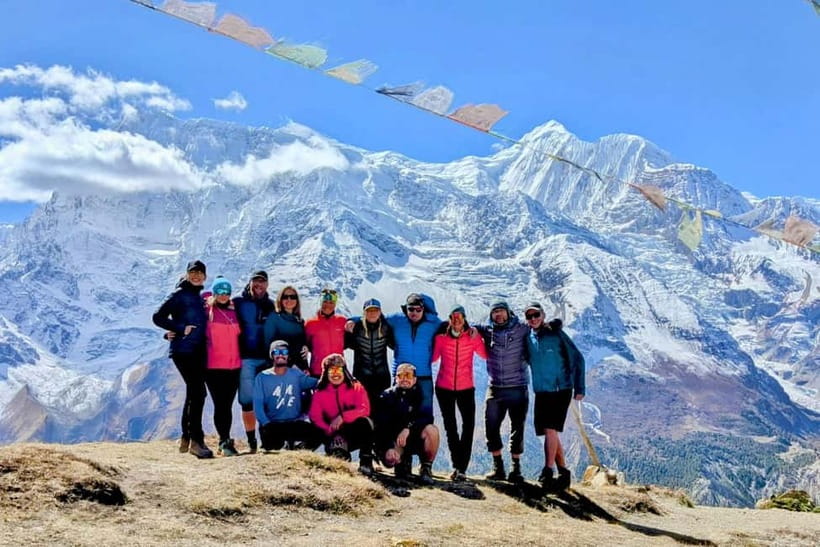
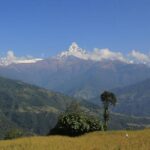
Day 03 is a classic transition day: from forest and grassy stretches into a more open, village-and-valley rhythm. You’ll hike about 5–6 hours to Upper Pisang, with a max altitude around 3,200m.
The route includes:
- Views of Lamjung Himal
- An apple orchard stretch (yes, in trekking country you can smell the seasons)
- A climb into Bhratang Valley
- Then a descent toward Pisang/Upper Pisang
Upper Pisang is worth the effort because it feels like a higher vantage point into the Manang-side world. You’re also building endurance steadily before the harder elevation days.
Day 4: Upper Pisang to Manang and the Manang Valley Payoff
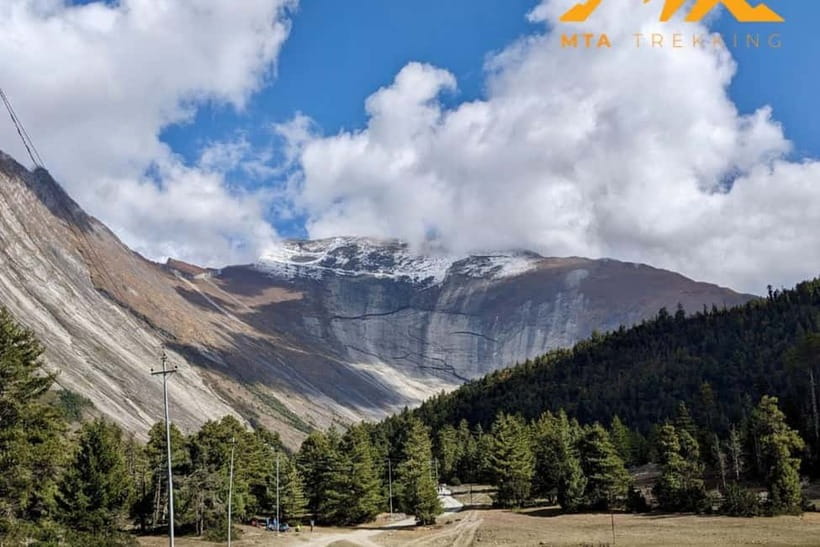
This day runs about 5–6 hours, topping around 3,540m. The hike focuses on panoramic mountain sightlines and the way the valley opens up around you.
You’ll pass notable features and views, including:
- Manang Valley
- Mentions of Tilicho Peak, Annapurna III, and Annapurna IV
- Crossing the Marsyangdi River on a wooden bridge
- Villages like Mungji and Braga
You end in Manang, which is a trekking hub for a reason: the town gives you options for short exploring, community life, and (most importantly) a chance to adjust.
Drawback to plan for: this is a long enough day that you shouldn’t treat Day 05 like a “normal” day. Take it easy in Manang even if you feel good.
Day 5: Acclimatize in Manang (and Go Easy on Purpose)
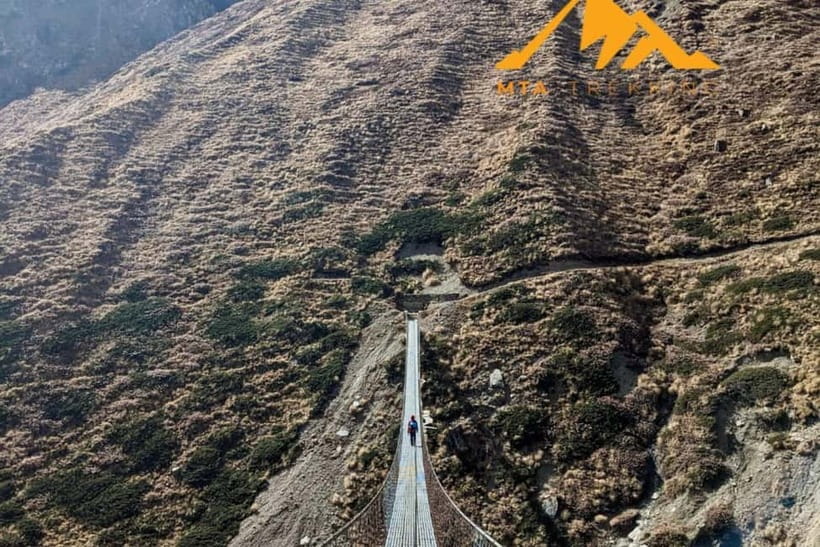
Day 05 is built for breathing. You acclimatize in Manang with a high point listed at 4,050m.
What you can do (optional):
- A short day trek toward an area associated with an icefall
- Or exploring to Gangapurna Glacier Lake
Why this day is valuable:
- Your body gets time to respond to altitude before the push toward Thorong Phedi and the pass.
- You can use the day to walk gently, drink water carefully, and figure out how your stomach and sleep behave at elevation.
If you’re watching your comfort, this is the day to troubleshoot. Slow down, hydrate, and don’t chase altitude thrills with extra detours.
Day 6: Manang to Yak Kharka (Short Hike, Big Altitude)
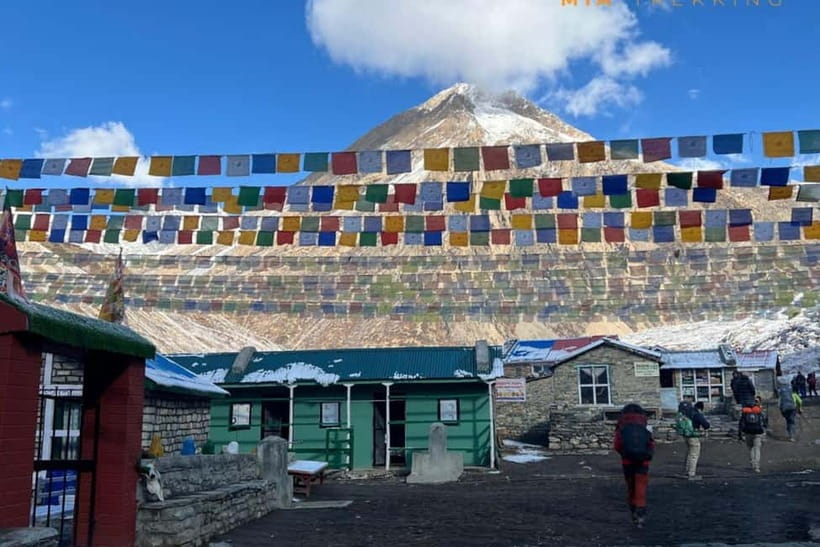
The hike from Manang to Yak Kharka is listed at about 4 hours, but don’t let the time fool you. The max altitude is again around 4,050m, and at this point the air starts demanding respect.
The upside: you get wide mountain views and a slower day that lets your body work through the altitude. The key is to hike at a pace that keeps your breathing controlled. You’ll feel your effort differently here than at lower elevations.
Practical tip: pack your day so you’re not digging through your bag constantly. Every stop costs time at altitude.
Day 7: Yak Kharka to Thorong Phedi and the Approach to the Pass
Day 07 runs 4–5 hours with a max altitude around 4,450m. This is your ramp-up day for the Thorong La crossing.
The route includes:
- A gradual ascent to a hilltop
- A descent to the headwaters of the Marsyangdi
- A crossing over a wooden bridge
- Then a climb on the right bank of the Marsyangdi River as you approach the pass
This is where mental focus matters. The better you manage your energy here, the more confident you’ll feel on Day 08. If you have questions about pacing, this is a good day to ask them—your guide’s job is to keep you moving safely, not just to point the direction.
And in the real-world sense, guides like Ghanshyam or Gansham (names you may encounter on this trek) are the type who help hikers match the pace to the person, not the calendar. That’s gold when altitude is the boss.
Day 8: Thorong Phedi to Muktinath via Thorong La Pass (5,416m)
This is the centerpiece day: 7–8 hours and a max altitude of 5,416m as you cross Thorong La Pass. After that, you descend toward Muktinath with views of Mustang Valley and Dhaulagiri.
Crossing a pass at this height changes everything:
- Your breathing rate can spike fast.
- Your energy feels more fragile.
- Your sense of time becomes practical: step, rest, step.
What you’ll likely feel on the way down: relief mixed with that post-achievement energy. You’ve done the hardest work. Now you get to shift to enjoying the descent and the wider open valleys.
Also, Muktinath isn’t just a place to sleep—it’s part of the route’s spiritual draw. The trek hands you this stop as the day’s reward.
Safety note: the trek explicitly emphasizes emergency readiness and AMS risk. Your best plan is to follow your guide’s pacing and stop making the pass your personal ego test.
Day 9: Muktinath to Jomsom via Kagbeni
Day 09 is listed at 7–8 hours with a route Muktinath to Jomsom via Kagbeni.
Kagbeni is where the trek adds a distinct cultural texture. This is a village area that feels shaped by Mustang-style highland life, and it’s a nice contrast to the higher pass day. You’re still hiking, but the vibe shifts from “survive the altitude” to “enjoy the route.”
Why this matters: it gives your body a chance to recover while still keeping your hiking days active rather than turning the final leg into a dragged-out travel day.
Day 10: Jomsom to Pokhara by Public Bus
The finish is a long transit day: Jomsom to Pokhara by public bus (about 8 hours).
You’ll close the loop in Pokhara with your included one-night accommodation at Hotel Orchid, plus a farewell dinner. This is a good day to treat your body like you’re still in recovery mode. Stretch, drink water, and keep your warm layers handy—Pokhara nights can feel cool after the trek.
Tea Houses, Meals, and What Your Daily Routine Really Becomes
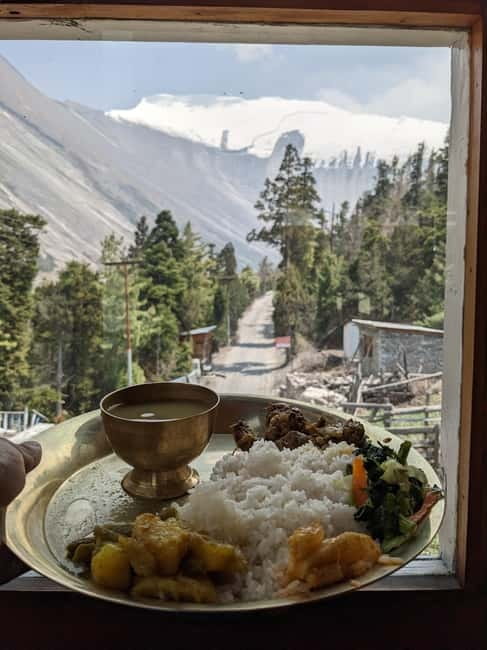
This trek runs on tea house and lodge stays, with breakfast, lunch, and dinner included during the trek days. That means you’re not spending time searching for food options or negotiating every meal after a long hike.
What you should expect day-to-day:
- You’ll hike until midday or afternoon, then settle into a lodge/tea house for rest.
- Meals are part of the rhythm: eat, warm up, plan your next steps, and sleep early when possible.
A practical reality of high-altitude trekking: your appetite can change as you climb. The best approach is to eat what’s available and keep portions sensible. Your goal is steady energy, not a food adventure.
Your Guide, Local Support, and the Small Things That Keep You Safe
This trip is run with an experienced government registered local guide and includes emergency rescue assistance if needed.
What you’ll want from that guide on a trek like this:
- Help interpreting how your body is coping with altitude
- Support with pace and rest planning
- Practical advice about water and staying warm
One small but meaningful detail you’ll appreciate is how some guides handle water safety. For example, Gansham (a guide name that comes up with this trekking style) is described as having purifier tablets available. It’s smart for you to confirm what’s provided and what you should bring, so you aren’t stuck improvising at elevation.
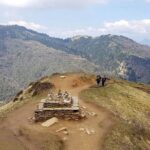
Also, the trek includes cultural time and village visits (like Manang village exploration and a hike to the stupa). That turns the day from purely physical into genuinely human. You’re not just walking through dots on a trail map.
Who Should (and Shouldn’t) Choose This Trek
This trek makes sense if you:
- Want the iconic Annapurna Circuit route with the real Thorong La Pass moment
- Can handle high altitude and follow an acclimatization plan
- Prefer a structured package with meals, permits, transport, and lodging handled for you
It’s not suitable for:
- Children under 15
- People with altitude sickness
- People over 70
- People with respiratory issues
- Pregnant women
If any of those apply to you, don’t try to “tough it out.” Altitude trekking is unforgiving.
Should You Book This Annapurna Circuit Trek via Thorong La?
If you’re fit, altitude-ready, and you want a clear, guided route through some of the most famous trekking scenery in Nepal, this is a strong option. The value is real because it includes permits, meals, tea house/lodge accommodations, and transport—so you spend less time coordinating and more time walking and resting well. The schedule also gives you what many hikers need most: a Manang acclimatization day before the pass.
I’d only pass (or at least pause) if you’re unsure about altitude safety for your health situation, or if you’re the type who wants to ignore pacing advice. This trek doesn’t reward rushing. It rewards smart steps, steady hydration, and listening to your guide when the air gets thin.
If you want, tell me your age, hiking experience, and when you’re going. I can help you sanity-check the altitude pacing and what to prioritize in packing.
FAQ
What is the highest point on this trek?
The trek crosses Thorong La Pass at 5,416 meters.
How long is the trek?
The total duration is 10 days.
Where does the trek start and end?
It starts in Kathmandu and finishes in Pokhara, with the trekking portion moving through Besisahar, Dharapani, Chame, Upper Pisang, Manang, Yak Kharka, Thorong Phedi, Muktinath, Kagbeni, and Jomsom.
Are permits and TIMS included?
Yes. The package includes the permit and TIMS card.
Are meals and accommodations included?
Yes. You get breakfast, lunch, and dinner during the trek, plus tea house and lodge accommodations for trek nights.
Do you include transport within Nepal?
Yes. All transport between destinations and to/from included activities is included, including Kathmandu to Besisahar by sharing jeep and Besisahar to Dharapani by sharing jeep, and Jomsom to Pokhara by public bus.
What languages will the guide speak?
The guide is listed as English and Hindi.
Is trekking gear included?
No. Trekking gears are not included, so you’ll need to bring or rent what you need.