REVIEW · POKHARA
Ghorepani Poonhill Private Trek – 2 nights / 3 days
Book on Viator →Operated by Peaceful Nepal · Bookable on Viator
Sunrise views start with an early alarm. This 2 nights / 3 days trek in Nepal’s Annapurna region is built for big mountain views and small-group comfort, with a licensed English-speaking guide and a sunrise morning at Poon Hill. I also like that it’s private, so your plan feels steady instead of rushed, and you get the practical transfers that keep you from worrying about logistics. One consideration: you’ll start early (including a pre-dawn hike), and the trail does involve stone staircases.
You’re trading “relaxing” time for classic hiking rhythm. Day 2 includes the noticeably stepped sections on the way to Ghorepani, and that can feel longer than the clock says if you’re not used to going uphill for hours. Still, at this length it’s a very doable way to enjoy the Annapurna and Dhaulagiri views without committing to a weeks-long trek.
In This Review
- Key highlights to expect on this private trek
- Why Poon Hill and Ghorepani are a smart 3-day target
- The 6:00 am start in Pokhara: what it means for your day
- Day 1: Nayapul to Tikhedhunga or Ulleri (forest paths and real uphill)
- Ulleri and Tikhedhunga as the first altitude step
- Day 2: Ghorepani—stone staircases and rhododendron forests
- Why the sunrise hike to Poon Hill matters
- Returning to Pokhara: Ulleri to Pokhara by bus
- What your $450 is really buying (and where it saves you time)
- The guide experience: why Bishnu gets highlighted
- Pace, difficulty, and who this hike fits best
- Practical tips to make your days feel smoother
- Should you book the Ghorepani Poon Hill Private Trek?
- FAQ
- How long is the Ghorepani Poon Hill Private Trek?
- Where does the trek start and end?
- What time does the experience start?
- Is pickup from Pokhara included?
- What permits are included?
- What kind of accommodation and meals are included?
- How do you get back to Pokhara after the trek?
- Is this a private tour?
- What is the cancellation timeline for a full refund?
Key highlights to expect on this private trek
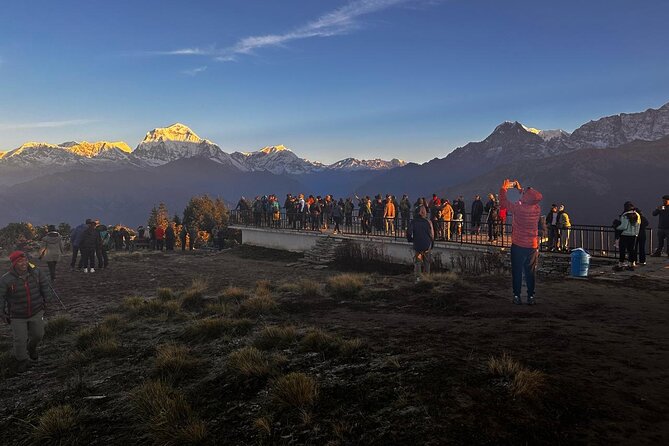
- Poon Hill sunrise at 3,210 m for views of the Annapurna and Dhaulagiri ranges
- Teahouse accommodation with breakfast, lunch, and dinner included during the trek
- Licensed English-speaking guide, including names like Bishnu popping up in feedback for professionalism and support
- Pokhara-to-Nayapul transfer by private vehicle and a return drive by bus from Ulleri
- Short-trek pacing that works for most people looking for a compact Annapurna experience
Why Poon Hill and Ghorepani are a smart 3-day target
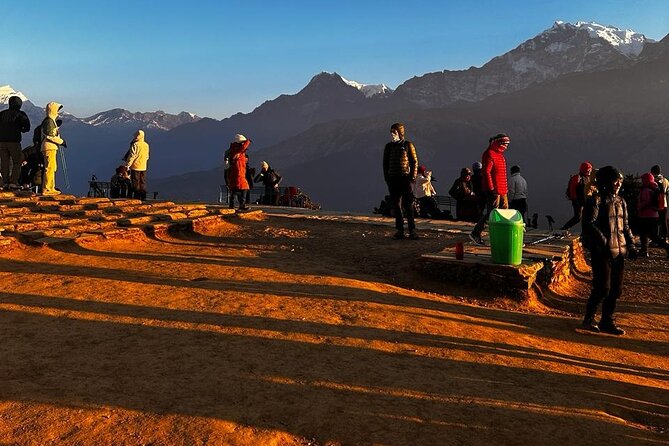
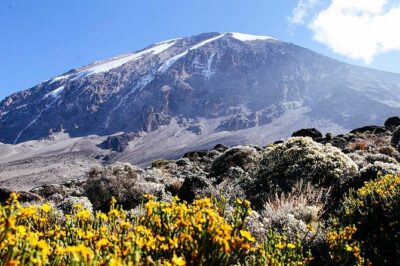
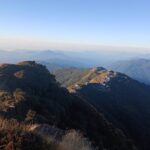
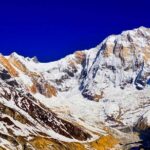
If you want the Annapurna region without a major time commitment, this route makes a lot of sense. You get a full hiking arc across two days, then a classic sunrise finale at Poon Hill, which sits at 3,210 meters and looks across the Annapurna and Dhaulagiri ranges.
I also like how the trek combines scenery with rhythm. You’ll move through lower forested sections on the way up, then reach Ghorepani in time for the morning push, which keeps the plan feeling cohesive rather than scattered.
The other value piece is guidance. When the plan includes a licensed English-speaking guide, it’s easier to keep your pace realistic, handle small moments like route choices or timing, and focus on the actual hiking experience instead of micro-planning.
You can also read our reviews of more tours and experiences in Pokhara.
The 6:00 am start in Pokhara: what it means for your day
Your experience has a 6:00 am start time. That early start is not random; it’s what makes the timing work so you can reach the right trail moments for sunrise on Day 3.
It also affects how you pack your energy. You’ll want to keep your evenings light and your sleep consistent, because the next morning starts early again. If you’re the type who wakes slowly, build in a little extra margin for getting ready.
On the good side, early starts usually mean cooler hiking temperatures and more forgiving light for photos. Just remember that you’re planning around the clock more than around comfort.
Day 1: Nayapul to Tikhedhunga or Ulleri (forest paths and real uphill)
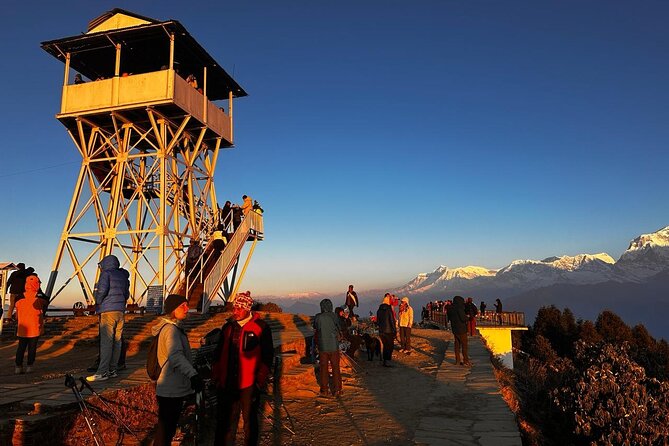
Day 1 begins with a private vehicle ride from Pokhara to Nayapul, about 1 to 1.5 hours. Once you reach Nayapul, the trek officially starts from there, and you hike toward either Tikhedhunga or Ulleri.
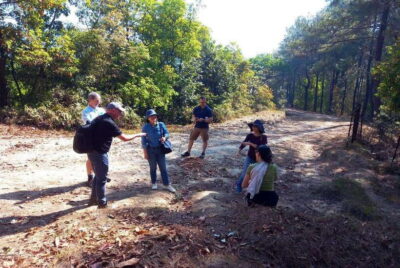
This first day is a gentle introduction rather than a sudden wall of climbing. You walk through forested paths and along streams for stretches, and there’s uphill progress as you get closer to Ulleri. That mix matters because it helps you warm up without immediately burning your legs.
The “Tikhedhunga or Ulleri” detail is important for expectations. Ulleri typically means more climbing before you settle in for the night, so if you’re sensitive to stairs and steep approaches, it’s worth checking what your exact route length will feel like on your day.
Ulleri and Tikhedhunga as the first altitude step
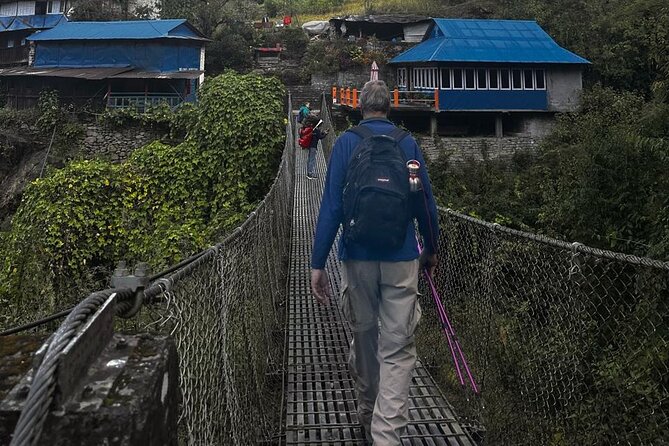
Even though this is a short trek, the early segments still act like an altitude on-ramp. Walking through forest and stream corridors helps break the hike into smaller visual moments, so your focus stays forward instead of stuck on how long you’ve been climbing.
This is also where your guide’s role becomes practical. A good guide doesn’t just translate words; they help you manage pace so you don’t arrive at the next section too drained. In past feedback for this operator, the name Bishnu comes up alongside themes of feeling comfortable and safe, and that kind of calm presence is especially useful on a first day.
One drawback here: if you start too fast, the uneven uphill can catch you later. You don’t need to force speed—just keep moving steadily and let the trail do the work.
Day 2: Ghorepani—stone staircases and rhododendron forests
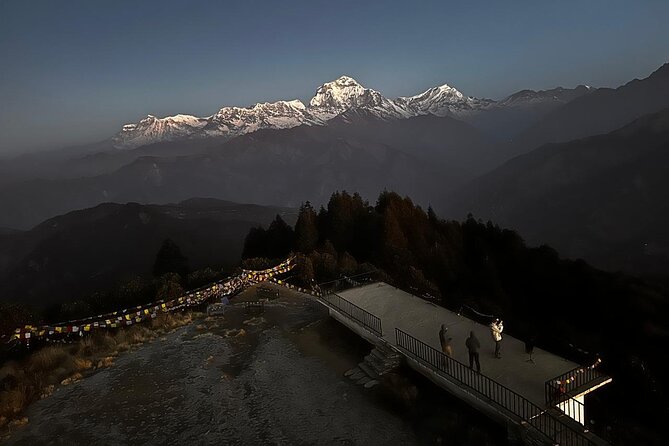
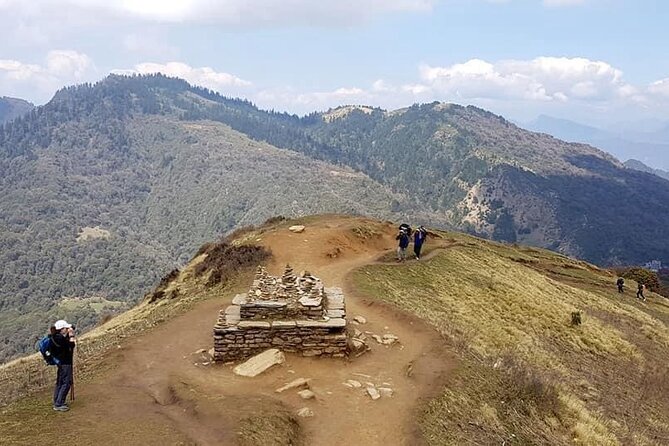
After breakfast, you trek toward Ghorepani, with about 5 hours of hiking time expected. This is the day where the route becomes more “trekking-traditional,” with sections known for stone staircases and rhododendron forests.
Stone steps are the kind of thing your legs feel right away. They may not look scary on a map, but they can slow your rhythm and demand consistent effort. If you’re coming from sea level or you haven’t hiked in a while, plan to take your breaks before your energy drops.
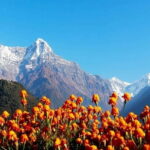
The rhododendron forest detail is the scenic payoff. During spring, these blooms can make the trail feel extra special, and even outside bloom season the forest shade helps keep the hike visually interesting. Either way, Ghorepani is a key stepping stone: it positions you for the sunrise push on Day 3.
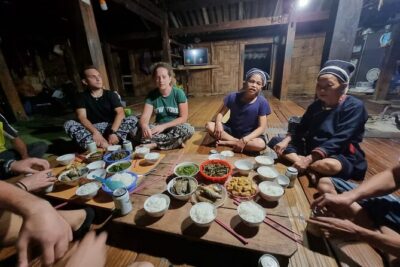
Teahouse staying also becomes relevant this day. Knowing you’ll have a place to rest and eat after a full afternoon of walking makes pacing easier, and it’s part of why this trek works as a compact trip rather than a “do-it-all” challenge.
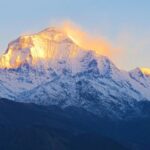
Why the sunrise hike to Poon Hill matters
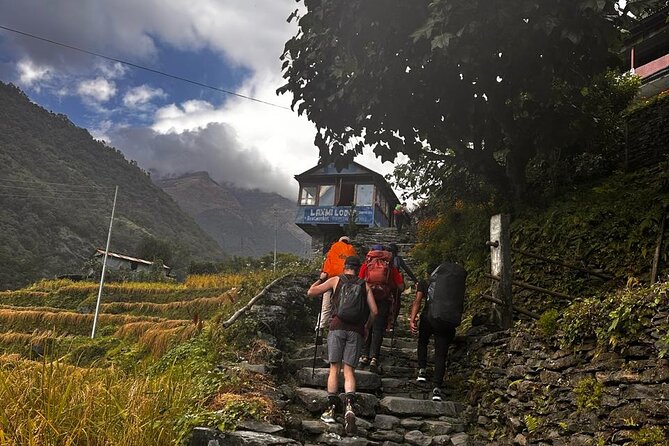
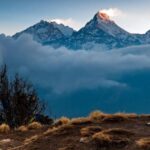
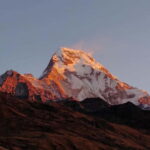
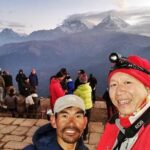
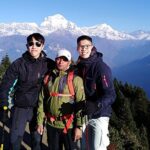
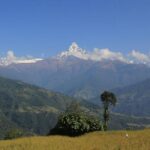
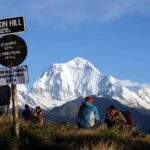
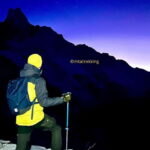
Day 3 starts early, with a pre-dawn hike to Poon Hill. The hike from your sleeping area is about 45 minutes to 1 hour, and the goal is sunrise over the Annapurna and Dhaulagiri ranges.
This is the moment most people come for, and for good reason. Poon Hill is positioned at 3,210 meters, which helps deliver expansive views without needing a longer high-altitude trek. You’re getting the payoff of the Himalayas in a timeframe that still feels doable.
Timing is everything. Sunrise means you’ll be moving when visibility is still limited, so the value of a guide is real—not just for navigation, but for keeping the group together and on schedule.
The other practical benefit: the sunrise hike is short. Once you’ve done the climb to the viewpoint, you get your views and then you can focus on the day ahead without another all-day grind.
Returning to Pokhara: Ulleri to Pokhara by bus
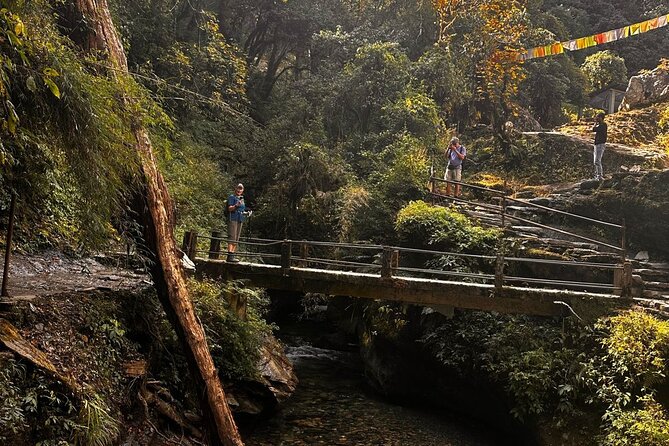
After the sunrise experience, you finish the trek and head down. Your return is scheduled as a drive from Ulleri to Pokhara by local bus, taking about 3 hours.
This return method matters because it keeps your trip from turning into one long back-and-forth hike. After early morning and a short climb, that bus ride is a straightforward way to reset—especially if you’re traveling with limited time in Pokhara.
One thing to keep in mind: the bus is likely to be more “practical” than comfortable. If you’re the type who’s easily bothered by long ride sessions, pack a small set of comfort items (like a warm layer) for the return.
What your $450 is really buying (and where it saves you time)
At $450 for about 3 days, the value comes from what’s bundled, not just the headline price. Your trip includes:
- Required trekking permits, including TIMS card and the Annapurna Conservation Area Permit
- Teahouse accommodation during the trek
- A licensed English-speaking guide
- Pokhara to Nayapul by private vehicle and Ulleri to Pokhara by bus
- Meals: breakfast (2), lunch (3), dinner (2)
That mix is the “less stress” part. Getting permits and arranging transport can be the time-sink on your own, and those details add up quickly when you’re squeezing a trek into a short schedule.
Also, you’re doing this as a private tour/activity. That’s not just a marketing line—it usually means fewer waiting games, a pace that matches your group, and less confusion about where everyone stands.
Pickup is offered, and you also get a mobile ticket, which reduces the last-minute scramble when you’re dealing with early departures.
The guide experience: why Bishnu gets highlighted
The strongest repeated theme around this operator is the guide’s attitude and support. In feedback, the name Bishnu is mentioned with a consistent pattern: being professional, helping you feel comfortable, and staying ready to assist when anything comes up.
That matters because short treks still have plenty of moving parts: early starts, changing trail conditions, and the normal fatigue curve of hiking days. A guide who stays calm and practical can turn the trek from just scenery into a smoother experience.
You’ll also appreciate the English-speaking element. Even when you already know basic trail etiquette, it helps to have someone who can explain timing, route logic, and what to expect from each section. For a first Annapurna trek, that kind of clarity is a real quality-of-life upgrade.
Pace, difficulty, and who this hike fits best
This trek is described as suitable for most fitness levels, and the route design supports that idea. It’s short, with moderate daily hiking hours and a sunrise hike that’s relatively brief at 45 minutes to 1 hour.
That said, “easy” can still mean “work.” Day 2’s stone staircases and the uphill push on the way to Ulleri are the parts most likely to slow you down. If stairs make your knees angry, go slower than you think you need to. Your guide can help you find a rhythm that keeps you moving without overcorrecting.
This is also a good fit if you want a private plan but don’t want to spend a week away from Pokhara. You’ll start there, end there, and keep the rest of your travel days more flexible.
Practical tips to make your days feel smoother
A few no-drama tips can help you enjoy this trek more:
- Start the day with water and snacks you’re comfortable with, since you’ll be hiking for several hours each day.
- Keep your energy steady on the stone stair sections by taking small breaks, not big stops.
- Plan for a very early morning on Day 3; it’s short, but it happens before sunrise.
If you’re relying on public transport at any point outside the included transfers, note that the experience is listed as near public transportation. That can help you if you’re moving around Pokhara before or after the trek.
Finally, if you travel with a service animal, it’s allowed for this experience. That’s an important detail when you’re comparing trekking operators.
Should you book the Ghorepani Poon Hill Private Trek?
I’d book this if you want the Annapurna experience in a compact format. The combination of permits + guide + teahouse stays + meals + transfers makes it hard to beat for convenience, and the sunrise setup at Poon Hill is a strong payoff for the effort.
I would hesitate if you dislike early mornings or you want a trek with minimal stair effort. Day 2’s stone staircases are part of the deal, and the pre-dawn Day 3 hike means you’re planning your trip around the clock.
If your goal is classic mountain views, a short hiking rhythm, and a private, guide-led flow that starts and ends in Pokhara, this is a solid choice.
FAQ
How long is the Ghorepani Poon Hill Private Trek?
The trek runs for about 3 days, with 2 nights.
Where does the trek start and end?
You start in Pokhara and travel to Nayapul to begin the trek. You end by returning to Pokhara from Ulleri.
What time does the experience start?
The start time is listed as 6:00 am.
Is pickup from Pokhara included?
Pickup is offered, and you also have a Pokhara to Nayapul private vehicle transfer included.
What permits are included?
The included permits are the TIMS card and the Annapurna Conservation Area Permit.
What kind of accommodation and meals are included?
You stay in teahouse accommodation during the trek. Meals included are breakfast (2), lunch (3), and dinner (2).
How do you get back to Pokhara after the trek?
You return from Ulleri to Pokhara by local bus, which takes about 3 hours.
Is this a private tour?
Yes. It’s a private tour/activity, and only your group will participate.
What is the cancellation timeline for a full refund?
You can cancel up to 3 days in advance for a full refund, with the cutoff based on local time.