REVIEW · POKHARA
Pokhara: 3-Day Ghorepani, Poon Hill & Ghandruk Trek
Book on GetYourGuide →Operated by Snow Peak Tours and Travels pvt.ltd. · Bookable on GetYourGuide
Three days, two sunrise chances, and a lot of stairs. This Pokhara-based trek to Ghorepani, Poon Hill, and Ghandruk brings big Annapurna views into a short schedule, with a certified guide keeping the whole route readable and relaxed.
I really like the payoff of Poon Hill sunrise—you start in the dark and finish with that wide Himalayan glow. I also like the cultural angle at Ghandruk, where terraced fields, stone houses, and prayer flags make the last day feel special, not just scenic. One thing to consider: the included meal setup can feel pricey, so it’s smart to pay attention to what meal option you choose.
In This Review
- Quick Hits: What Makes This Trek Click
- Pokhara to Ulleri: Why the Start Feels Like a Real Expedition
- Day 1 to Ghorepani: Stone Steps, Forest Shade, and First Big Views
- Poon Hill at Sunrise: The Early Morning Moment Worth Planning For
- Day 2 to Tadapani: Rhododendron Trails and a Smarter Second Half
- Day 3 to Ghandruk: Gurung Village Life, Terraces, and Prayer Flags
- Tea Houses, Meals, and the Real Meaning of Included Comfort
- Guides: Why Clear Explanations Make the Difference
- Price and Logistics: What You’re Actually Paying For ($190)
- What to Pack and What to Prepare (Passport, Insurance, Layers)
- Getting There Smoothly: Pickup Options and Travel-Time Reality
- Who This Trek Suits Best (and Who Might Want Another Option)
- Should You Book This 3-Day Ghorepani–Poon Hill–Ghandruk Trek?
- FAQ
- How long is the Pokhara Ghorepani, Poon Hill & Ghandruk trek?
- What is the starting time for the 3-day trek?
- Where can I be picked up in Pokhara?
- What languages will the guide speak?
- Is this a private group trek?
- What’s included in the price?
- Do I need travel insurance?
- Is a porter available, and how much does it cost?
Quick Hits: What Makes This Trek Click
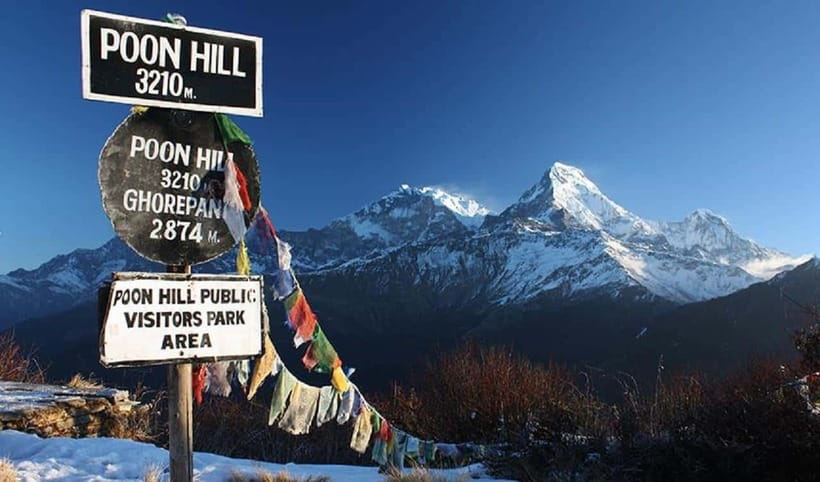
- Poon Hill at 3,210 m: early start, then a sky show of sunrise colors over the peaks
- Ghorepani at 2,840 m: a classic base town with views and tea house convenience
- Rhododendron trail vibes: a quieter second day through forests and birdsong
- Ghandruk at village pace: time to walk, chat, and look at colorful prayer flags
- Private-group guiding: English, Hindi, or Nepali explanations with a certified guide
Pokhara to Ulleri: Why the Start Feels Like a Real Expedition
The trek begins with a drive out of Pokhara, and that matters more than you might think. You’re not just “starting to hike”; you’re transitioning from lakeside life into the Annapurna foothills, with winding roads and small settlements along the way.
You’ll get picked up from one of several Pokhara locations—including Pokhara International Airport (PIA), Pokhara Lakeside, Sarangkot, and nearby Lakeside-area addresses. Then the route mixes bus/coach and jeep/SUV time on the way to the trail starting point. In plain terms: expect a travel day first, then real legs work once you’re on the trail.
If you’re tight on timing, this is still a 3-day trek, but the first day starts with enough movement that you should keep your arrival buffer in mind. I like tours that build that into the schedule because it reduces the stress of trying to scramble to meet a start time.
You can also read our reviews of more tours and experiences in Pokhara.
Day 1 to Ghorepani: Stone Steps, Forest Shade, and First Big Views
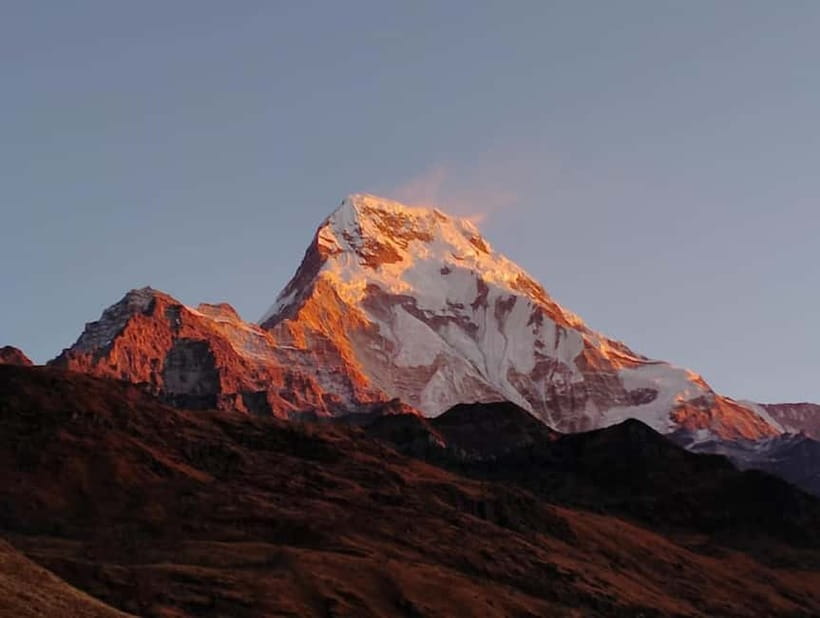
Day 1 has two phases: a scenic transfer to the trail start at Ulleri, then a gradual climb that ends in Ghorepani (2,840 m). The Ulleri part includes a short break and photo stops—built in pauses where you can stretch a bit and take in the area before the uphill begins.
Once you start trekking, you’ll climb through forested paths and stone steps. This is the kind of walking that suits people who want a manageable “entry ramp” into altitude and trail rhythm. It’s not described as a technical climb, so it feels more like steady effort than scrambling.
By the time you reach Ghorepani, the air feels crisp and you get that early “mountain town” atmosphere. Tea house life here is the practical kind: you rest up, eat, and prepare for a very early morning the next day. Even if you’re not chasing hardcore fitness goals, this first day earns the sunrise later because it gets your legs used to hiking before you go for heights.
Poon Hill at Sunrise: The Early Morning Moment Worth Planning For
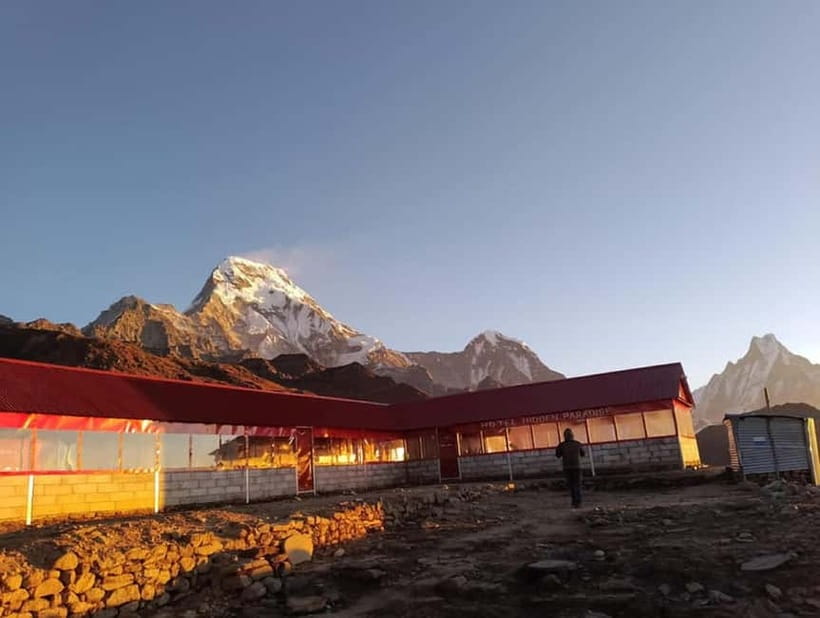
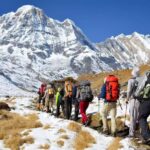
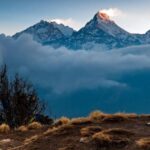
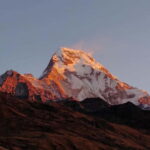
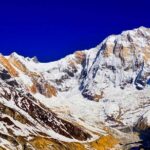
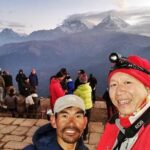
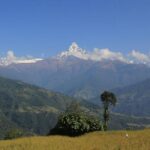
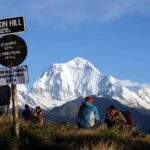
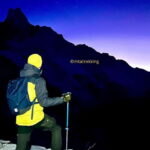
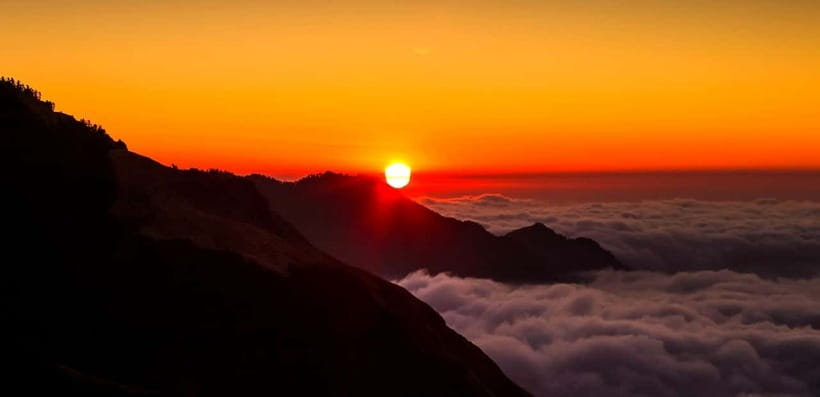
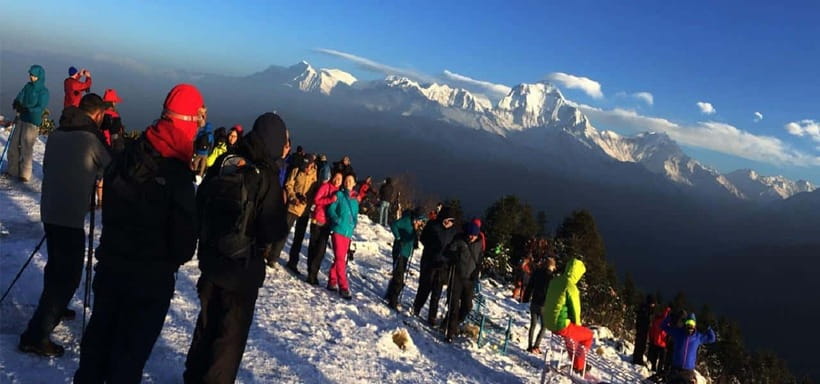
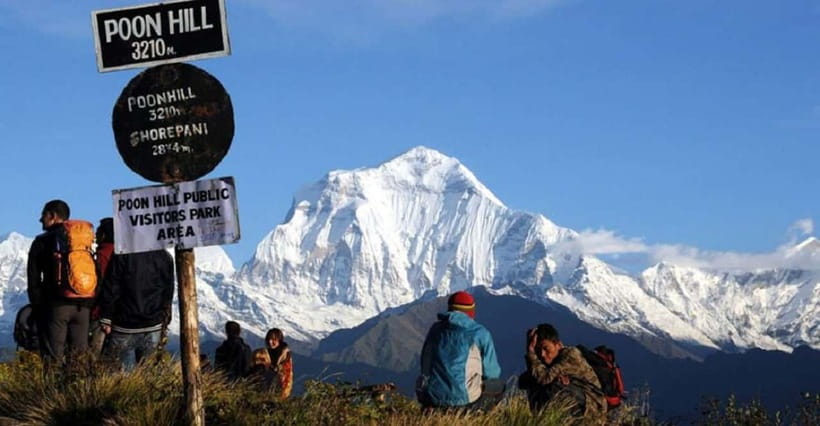
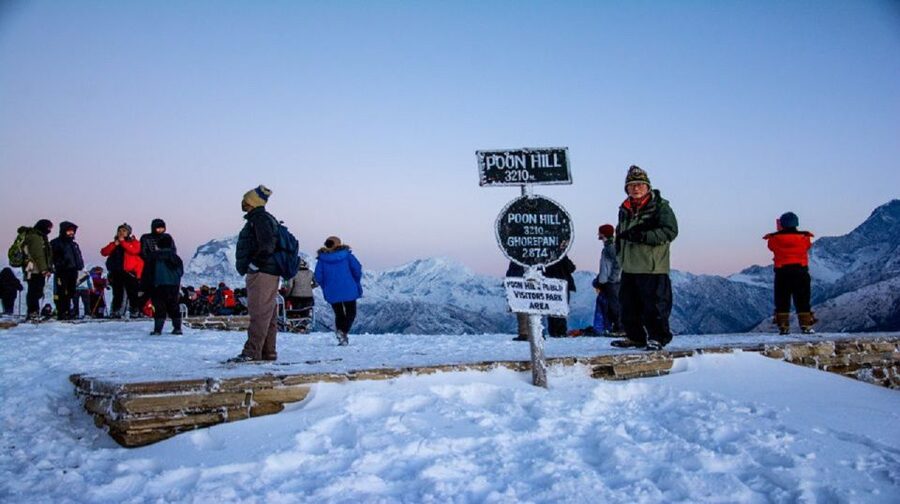
The main headline of the trek is Poon Hill sunrise. You’ll start before dawn to reach the viewpoint at 3,210 m, and the schedule gives about 1.5 hours for sunrise and photos. The whole point is timing: you want that first light when the snow-capped peaks catch pink, orange, and gold tones.
This is also where a good guide earns their keep. You’re dealing with darkness, cold air, and crowds of people moving with the same mission. A certified guide plus a private-group approach can make it easier to keep things calm—fewer questions, fewer “wait, which way?” moments.
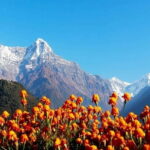
After the sunrise moment, you trek onward toward Tadapani (2,630 m). The trail described for this stretch runs through rhododendron forests, with birdsong and a quieter feel once you’ve already had the big view. That contrast is nice: intense sunrise payoff, then a gentler, forest-walk mood that helps you reset before the evening.
One more practical note: early starts can make you hungry fast. I recommend you treat breakfast and snacks seriously, even if some beverages or extra items cost extra.
Day 2 to Tadapani: Rhododendron Trails and a Smarter Second Half
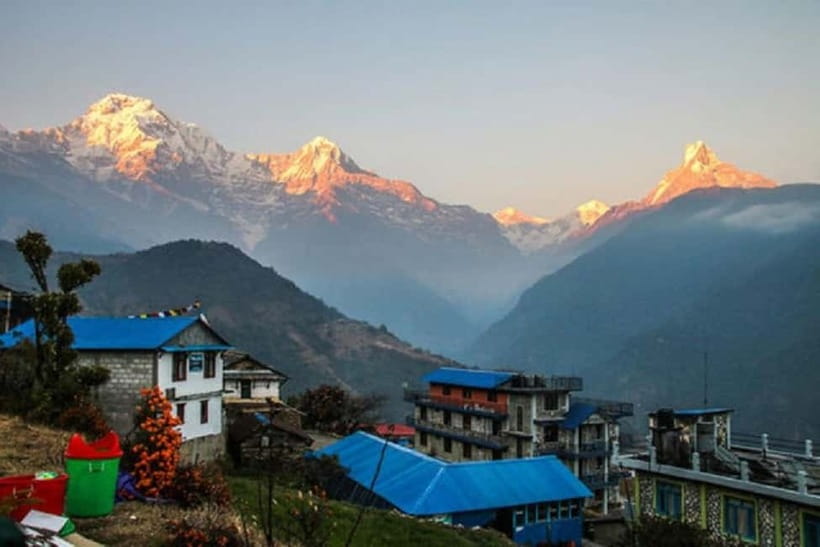
Day 2 isn’t just about sunrise; it’s also about what happens after you’ve seen the peaks. The route heads from the heights of Poon Hill down toward Tadapani, and the drop in elevation pairs well with a more relaxed pace.
The walking through rhododendron forests is a big part of the appeal. This isn’t just pretty scenery; it gives you shade, textured trails, and something to notice besides your own breathing. If you’re the type who gets bored on repetitive uphill walking, this section tends to keep attention focused on what’s around you: the forest sounds, the vegetation at your feet, and the small surprises you notice while you’re moving.
You’ll spend the night in the tea house/lodge area at this stage of the trek. That matters because your morning tomorrow includes exploring and then heading back toward Pokhara, so you want a comfortable base that doesn’t feel chaotic.
Day 3 to Ghandruk: Gurung Village Life, Terraces, and Prayer Flags
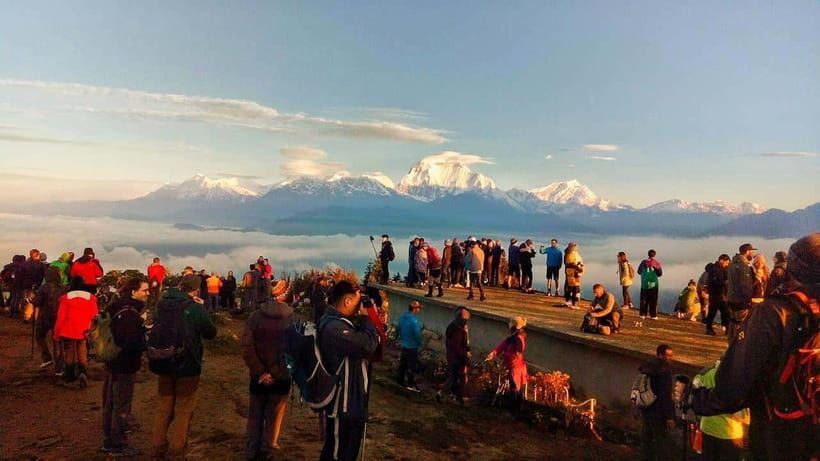
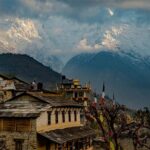
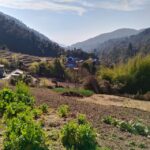
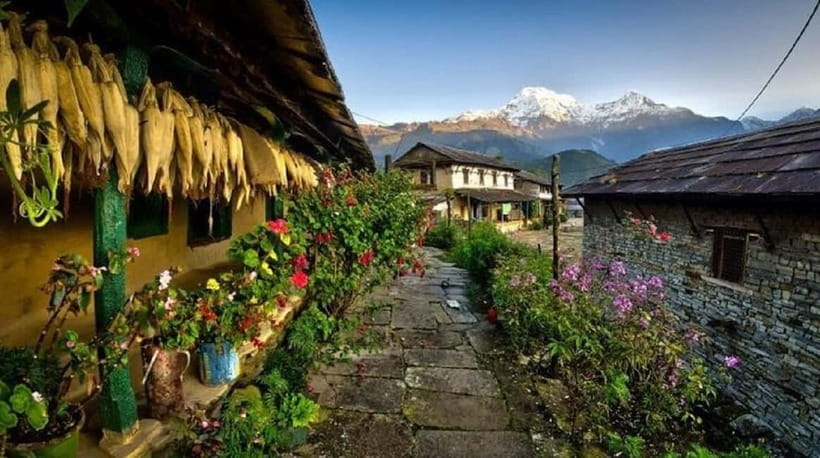
The final day shifts from viewpoint hunting to village time. The trek heads to Ghandruk, described as a Gurung village with terraced fields, stone houses, and colorful prayer flags against the Himalayan backdrop.
This is one of the best “trade-offs” of a short trek. You get sunrise at altitude on day 2, then you get to spend time at human scale on day 3. Instead of only looking outward, you’re encouraged to slow down—walk around, interact with locals, and explore at a comfortable speed.
The plan also includes a chance to check out the village before you start the return journey. After that, you’ll drive back toward Pokhara in the afternoon as the light softens. That matters because it helps the trek end on a calm note rather than with a rushed scramble at the end.
Tea Houses, Meals, and the Real Meaning of Included Comfort
Accommodation is described as simple tea houses or lodges along the trekking route. In other words, don’t expect hotel-style rooms—do expect working facilities where you can sleep, warm up, and eat. The good news is that this route includes sleeping bags as needed and trekking sticks, so you’re not always buying gear from scratch.
Meals are where you should be alert. The tour states that meals are included depending on your chosen option, which means the cost and the exact menu can vary. One traveler flagged that the meal plan felt expensive (they mentioned NR 40k for 3 days) and noted it might cost about half if meals were paid directly at the tea houses. I can’t tell you what option you’ll get, but I can tell you to check the meal option before you commit—this is a place where value can swing.
Also remember: personal snacks and beverages are not included. That’s normal on trekking routes, but it affects daily spending. If you want budget predictability, plan your water and snack strategy early.
Guides: Why Clear Explanations Make the Difference
This is a guided trek with an experienced and certified trekking guide, plus a private group format. The guide language options listed are English, Hindi, and Nepali—so you’re not stuck with guessing what a sign means or why you’re pausing.
The standout theme from guide experiences you might encounter here is clarity. In named examples, guides such as Anil and Sanjay are praised for being friendly and giving clear, detailed explanations. Another named guide, Jeet, is described as genuinely bright and helpful. Even if you don’t get the exact same guide, the format is built around the idea that you shouldn’t feel lost.
That matters on a short trek like this. With only three days, you don’t have extra time to figure things out yourself. A guide helps you keep the pace, understand what you’re seeing (especially around peaks and names), and notice details you’d miss alone, like small wildlife around the trail and everyday village life.
Price and Logistics: What You’re Actually Paying For ($190)
At $190 per person for a 3-day route, the value mostly comes from what the package takes off your plate. The included list covers:
- Round-trip transportation between your hotel/PIA and the trek starting point
- Permits and fees for the trek
- Tea house/lodge accommodation along the route
- A certified guide plus guide costs (meals, insurance, salary, and transport)
- Trekking gear like sticks and sleeping bags as needed
- Government and local taxes
That’s the practical heart of the price. You’re paying to avoid coordinating permits, route logistics, and guide support on your own—especially helpful if you’re only in Pokhara for a short window.
The optional add-on is a porter at $15 per day. If you’re carrying your own bag and you want an easier time, it’s a straightforward way to reduce strain. But if you’re comfortable packing light, you may not need it.
The main price-related caution is the meal option choice. Since meals can be “included depending on the option,” you should confirm what’s actually covered so you don’t get surprised by the NR cost of meal plans versus tea house purchases.
What to Pack and What to Prepare (Passport, Insurance, Layers)
You’ll need a passport or ID card. Trek permits are part of the included package, but identity is still required for the process.
Also note: travel insurance is mandatory. And there’s mention that emergency rescue services are available if needed. That doesn’t mean you should treat risk lightly, but it does mean the trek is run with safety planning in mind.
For clothing, the only hard requirement stated is identity. Still, basic common sense helps: you’ll be out at dawn for Poon Hill at 3,210 m, so bring warm layers and be ready for cold. I’d rather overpack a layer than end up borrowing one mid-hike.
Getting There Smoothly: Pickup Options and Travel-Time Reality
This itinerary includes travel segments before and after trekking. It calls out bus/coach time (3 hours) and jeep/SUV time (2 hours) on the outward journey, plus additional driving time later.
You also get multiple pickup and drop-off locations, including Lakeside Road, Pokhara International Airport, and Sarangkot. That’s useful because it prevents you from having to wake up early and then fight across town to catch a shared vehicle.
If you’re planning flights, I recommend building in buffer time around your pickup. Road travel on mountain routes can be slower than city driving, and this trek starts the clock early.
Who This Trek Suits Best (and Who Might Want Another Option)
This 3-day Ghorepani, Poon Hill, & Ghandruk trek is a great fit if you want:
- A compact Annapurna experience without a long time commitment
- Sunrise views as a priority
- Cultural village time, not only viewpoints
- A guided route that reduces decision fatigue
It may feel like a lot of movement for people who hate early mornings or who want lots of free time for independent exploration. The schedule is packed on purpose: sunrise, then continued walking, then village exploration, then the drive back.
If your fitness level is basic-to-moderate, this tends to work well because it’s framed as a walking trek with tea house stops and a structured route. You’re still climbing, but the pacing is designed for a short itinerary rather than a grueling multi-week hike.
Should You Book This 3-Day Ghorepani–Poon Hill–Ghandruk Trek?
If you want sunrise at Poon Hill, village time at Ghandruk, and a guided structure that handles permits and logistics, I think booking makes sense. The $190 price is strongest when you value convenience, a certified guide, and transport support from Pokhara.
My decision rule is simple: book it if you confirm the meal option details and pack for an early cold morning. Skip it or reconsider if you hate pre-dawn starts or if meal costs would stretch your budget—because food pricing can change your total real expense fast on short treks.
FAQ
How long is the Pokhara Ghorepani, Poon Hill & Ghandruk trek?
It’s a 3-day trek.
What is the starting time for the 3-day trek?
Starting times vary, so you need to check availability to see the specific departure times.
Where can I be picked up in Pokhara?
Pickup options include Pokhara International Airport (PIA), Pokhara Lakeside, Sarangkot, and two Lakeside-area addresses (Lakeside-6 and Lakeside Road).
What languages will the guide speak?
The live tour guide speaks English, Hindi, and Nepali.
Is this a private group trek?
Yes, it’s listed as a private group.
What’s included in the price?
The price includes round-trip transportation between your hotel/PIA and the trek starting point, permits and fees, meals (depending on your chosen option), tea house/lodge accommodation, a certified trekking guide, guide expenses, local taxes, and trekking gear such as trekking sticks and sleeping bags as needed.
Do I need travel insurance?
Yes. Travel insurance is mandatory for your safety and peace of mind.
Is a porter available, and how much does it cost?
A porter is optional and costs $15 per day.