REVIEW · KATHMANDU
12 Days Everest Base Camp Trekking
Book on Viator →Operated by Blissful Himalayas · Bookable on Viator
Lukla flights set the pace fast. This 12-day Everest Base Camp trek with Blissful Himalayas is built around the reality of the Khumbu: early mountain transport and a steady plan for altitude so you’re not guessing day by day. I like that you’re traveling with a licensed English-speaking guide who’s responsible for the pacing, permissions, and day flow.
I also like how much of your daily “stuff” is handled for you. You get all meals during the trek (breakfast, lunch, dinner with tea/coffee at breakfast) and twin-sharing teahouses, so you can focus on walking, resting, and taking in the views instead of budgeting every hour.
One consideration: this is high-altitude travel, and a lot can depend on timing and conditions—especially the Lukla flight and good-weather trekking days. If you’re the type who hates uncertainty, you’ll want to read weather notes closely before you commit.
In This Review
- Key things to know before you go
- The 12-day rhythm that keeps Everest Base Camp realistic
- From Kathmandu to Lukla: where your Everest story starts
- Phakding to Namche Bazaar: bridges, gradual climbs, and first big views
- Acclimatization days in Namche and Dingboche: buying altitude safety with a slower pace
- Namche Bazaar: a chance to adjust
- Dingboche: more time before the higher country
- Into Sagarmatha National Park: the classic view day pieces
- From Dingboche to the Khumbu Glacier zone: where your focus shifts to footing
- Lobuche to Everest Base Camp via Gorak Shep: the big moment and the hard-earned calm
- Kala Patthar sunrise day: the view day you’ll remember on quiet evenings
- The descent back: easier walking, more knee risk
- Price and value: what $1,399 really buys you
- The guide factor: why names and organization show up for a reason
- Teahouse life and meal plans: how you’ll fuel the high altitude
- What to pack for a trek like this (practical, not fancy)
- Should you book Blissful Himalayas for Everest Base Camp?
- FAQ
- FAQ
- What’s the starting point for the trek?
- How long is the Everest Base Camp trek?
- Are domestic flights included in the price?
- Do I need a permit for this trek?
- Are meals included during the trek?
- What kind of accommodation will I have on the trek?
- Is a guide included, and what language do they speak?
- Is a porter included?
- Can I cancel for a full refund?
Key things to know before you go
- Lukla to Kathmandu flying is part of the experience, with early flights on both ends.
- Acclimatization days are built in (Namche and Dingboche), which helps you manage altitude risk.
- Permits included (Sagarmatha National Park Permit and TIMS), so you won’t chase paperwork mid-trip.
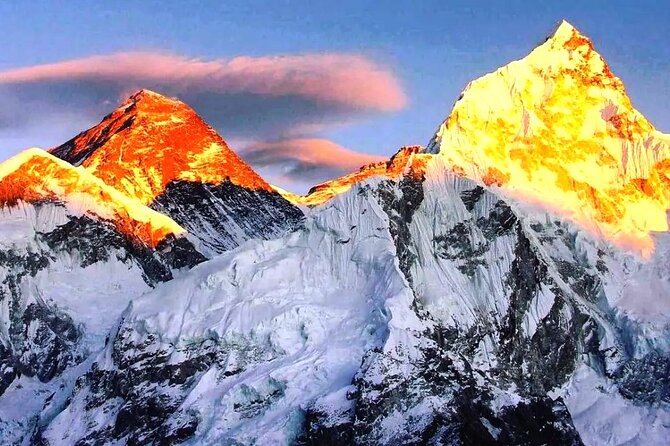
- Kala Patthar sunrise is scheduled for a major big-moment view day.
- You’re in a private group (only your group participates), not a mixed public hike.
- Altitude monitoring support includes a pulse oximeter in the basic first-aid kit.
The 12-day rhythm that keeps Everest Base Camp realistic
Everest Base Camp is not just a single long hike. It’s a series of altitude decisions. This schedule spreads the climb out and gives you rest days where it matters, instead of pushing you to “power through.” That’s one reason the trek feels achievable even when the altitude gets serious.
You’ll walk hard at times, but the plan includes time in the main altitude hubs—Namche Bazaar and Dingboche—so your body has a chance to adjust. I like that approach because altitude success is often less about grit and more about good pacing. When you follow a plan like this, you’re not improvising your own acclimatization.
Also, Blissful Himalayas is a long-running operator in Nepal (in business since 2011). That matters because trekking here depends on practical know-how: how to keep you moving, how to coordinate domestic flights, and how to keep permits and meals lined up.
You can also read our reviews of more tours and experiences in Kathmandu.



From Kathmandu to Lukla: where your Everest story starts
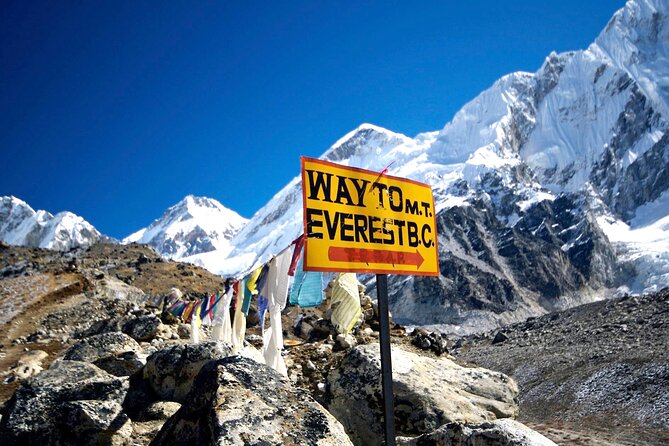
Your trip begins in Kathmandu with an airport pickup and an early domestic flight to Lukla. Lukla sits around 2,800m / 9,184ft, and landing there is often the moment where the trek stops being theory and becomes real life.
A couple practical points matter a lot here:
- You’ll start early to catch the flight, which means a more disciplined morning routine.
- During peak season, the flight may run via Ramechhap instead of Kathmandu, depending on logistics.
The good part: you’re not trying to arrange flights and ground transfers yourself. You get round-trip domestic airfare included, plus ground transportation for your airport transfer in Kathmandu. When you’re heading into a remote area, that kind of coordination is real value, not just a line item.
Phakding to Namche Bazaar: bridges, gradual climbs, and first big views
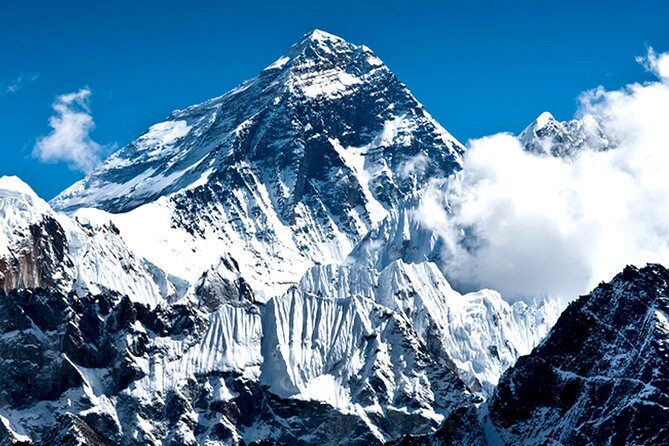
After you arrive and begin trekking from Lukla toward Fakding, the route continues to Namche Bazaar, the main trading and acclimatization center in the Khumbu. This day includes multiple suspension bridges and a gradual ascent along the trail.
Why this day matters: it’s where you learn the “feel” of the trail. Early in a trek, your legs are adjusting to:
- the steady uphill rhythm,
- the uneven footwork,
- and the way your breathing changes as elevation rises.
Namche is also the first place where you’ll get that sense of community. It’s a town, not a wilderness camp, so you can reset your routine: hydrate, eat well, and plan your next moves calmly.
Acclimatization days in Namche and Dingboche: buying altitude safety with a slower pace
This trek does something smart: it doesn’t treat acclimatization like an extra. It treats it like part of the itinerary.
Namche Bazaar: a chance to adjust
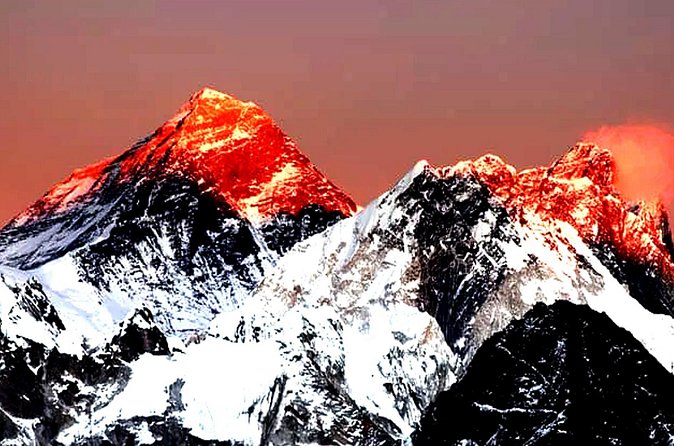
You’ll spend a full day in Namche to explore and acclimatize. There’s also an optional hike to Everest View Hotel, which is designed for panoramic views of Everest and nearby peaks. Even if you don’t chase the optional viewpoint, the key point is that you’re not climbing every day after a big elevation jump.




Dingboche: more time before the higher country
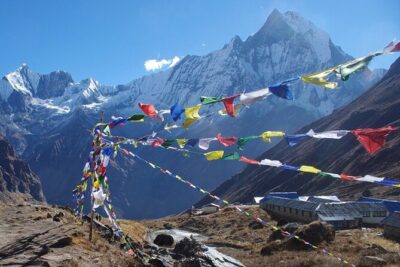
After Namche, you’ll trek to Dingboche, a village in the Khumbu Valley where you can enjoy wide-ranging Himalayan views (including Island Peak and other surrounding peaks, depending on conditions).
Then you’ll get another acclimatization day in Dingboche, with optional hikes to nearby spots like Nagarjun Hill or Chukhung (mentioned as options). This is where your body starts to “catch up.” If you’ve never done high altitude before, these pauses can be the difference between feeling okay and dealing with a rough day.
Also, the operator includes a basic first-aid kit with a pulse oximeter. That doesn’t guarantee you won’t feel altitude effects, but it shows they’re thinking about monitoring, not ignoring symptoms.
Into Sagarmatha National Park: the classic view day pieces
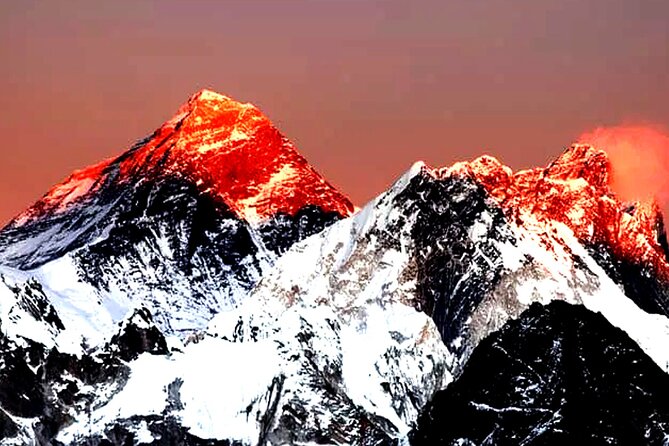
As you move deeper into the Khumbu region, you’ll spend a day in Sagarmatha National Park. This part of the trek is described as a panoramic view day with major peaks such as Everest, Nuptse, and Ama Dablam on the route. You’ll also spend time walking through a rhododendron forest during the descent portion.
Why I think this matters: the park day is often when trekkers start remembering they didn’t just come to “survive.” You’re still working, but the scenery here is part of the reward system. The best way to enjoy it is simple: keep your pace steady, stop when you need to breathe, and don’t rush every photo moment.
From Dingboche to the Khumbu Glacier zone: where your focus shifts to footing
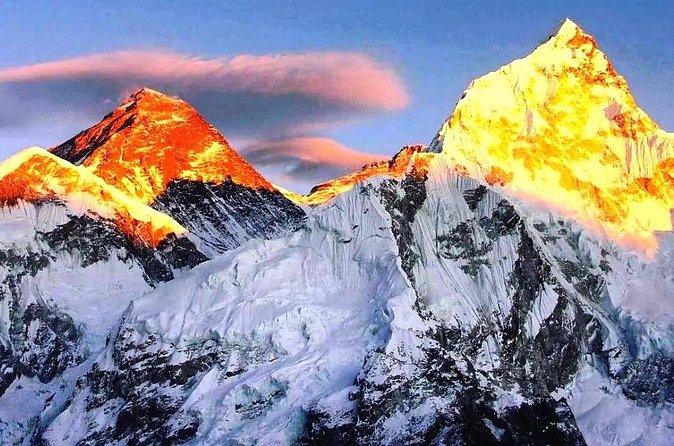
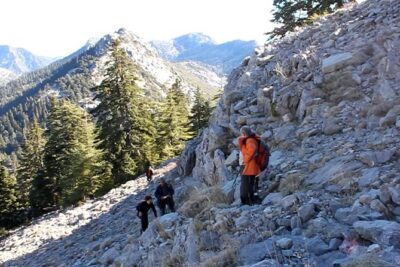
After Dingboche and its acclimatization day, the trek pushes toward higher and wilder terrain. On the way to the glacier zone, you’ll cross the Khumbu River early and then ascend gradually through rocky terrain and glacial moraines.
This is the day where your trekking technique starts to count more than your speed. On moraine and uneven ground, you’ll rely on:
- careful steps,
- frequent micro-rests,
- and consistent hydration.
The glacier-area views are a major highlight. But this is also a mentally demanding day because conditions can feel stark and more “mountain harsh.” Keep an eye on how you’re breathing and don’t treat it like a normal hike.
Lobuche to Everest Base Camp via Gorak Shep: the big moment and the hard-earned calm
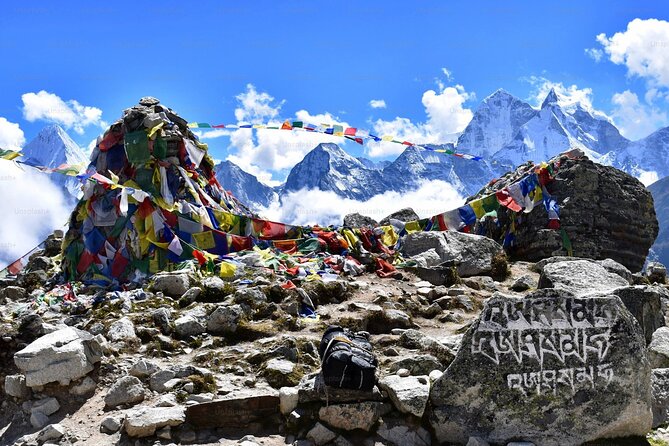
Your final approach route goes from Lobuche to Gorak Shep, the last settlement before Everest Base Camp. You’ll reach there, have lunch, settle your bags, and then continue on to Everest Base Camp.
This day is long in trekking time, but it’s structured in a way that helps you make the transition from “walking day” into “arrival day.” When you arrive at Base Camp, you’ll have time to explore the area and take in what you came for: the human-scale experience of standing near the world’s most famous mountain base camp.
A real advantage of an organized trek here: you’re not making hard decisions with limited energy. Your guide manages the flow so you can stay present—walk, stop, eat, and then explore without constantly checking logistics.
Kala Patthar sunrise day: the view day you’ll remember on quiet evenings
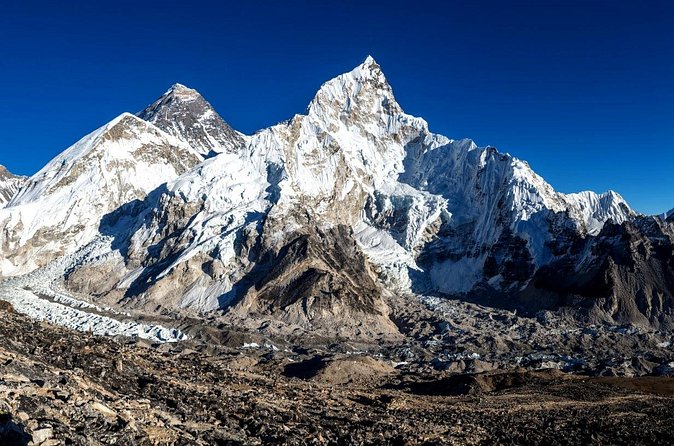
The next morning includes the classic challenge: a hike to Kala Patthar for sunrise views over Mt. Everest, Lhotse, and other peaks. You’ll do the climb early, return to Gorak Shep, and then continue the day’s recovery routine.
This is often considered the best viewpoint moment because sunrise can shape visibility and contrast dramatically. Even if clouds move in, the effort still tends to feel worth it because of the scale you see from that height.
Practical note: sunrise days are cold and tiring. Your best move is to keep layers ready, keep a steady pace, and avoid sprinting uphill just to “get it done.” You’re earning the view by pacing your body.
The descent back: easier walking, more knee risk
Coming down is usually easier than going up, but your body still has to manage it. The plan flags this clearly: you’ll need careful steps and good balance, because knees may hurt on the return.
That’s why I recommend you treat the descent like a real skill practice. Shorten your stride, use trekking poles if you have them, and don’t let fatigue turn your feet into a metronome of stumbles.
You’ll trek through Sagarmatha National Park again on the return side, then finish with a short final trek day. That final trekking day includes time to celebrate your success with your guide, porters (if you requested porter service), and fellow trekkers, and then you’ll fly back to Kathmandu the next morning.
Price and value: what $1,399 really buys you
At $1,399 per person, this trek isn’t “budget cheap,” but it’s also not paying just for a walking route. The value comes from what’s included:
What’s included:
- Airport pickup and drop-off
- One night deluxe hotel in Kathmandu with breakfast
- Round-trip domestic airfare between Kathmandu (or Ramechhap in peak season) and Lukla
- Twin-sharing teahouse lodging during the trek
- All meals during the trek (breakfast, lunch, dinner), including tea/coffee at breakfast
- Licensed, experienced English-speaking trekking guide (salary, meals, accommodation, equipment, and insurance covered)
- Trekking permits (Sagarmatha National Park Permit and TIMS)
- A basic first aid kit with a pulse oximeter
- Government taxes and official service charges
What’s not included:
- International airfare to/from Kathmandu
- Nepal visa fee
- Travel and medical insurance (highly recommended)
- Porter service for trekkers (available upon request)
- Personal expenses like extra snacks, drinks, laundry, hot showers, Wi-Fi
- Tips for guides/porters/support staff
Why this matters for your wallet: the Lukla flights plus meals and permits are often the big moving parts that can add up fast when you organize everything separately. If you hate administrative overhead—permits, coordinating flights, and daily meal planning—this package format pays you back.
Also, you get a private tour setup: only your group participates. That can feel more comfortable than crowded group trekking, especially on those cold, windy viewpoint days.
The guide factor: why names and organization show up for a reason
In Nepal, your guide’s job isn’t only translating. It’s keeping your day smooth, your timing sensible, and your choices safe. In past experiences with Blissful Himalayas, Ramchandra shows up as a guide name connected to thoughtful organization and a customized feeling.
That lines up with what you should look for in an EBC trek:
- clear pacing on altitude days,
- practical decision-making on route timing,
- and keeping permits and daily logistics handled.
Even if you’re a confident walker, having that kind of support is what turns a stressful trek into a manageable one.
Teahouse life and meal plans: how you’ll fuel the high altitude
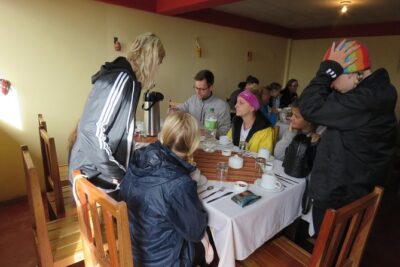
You’ll stay in local teahouses with twin-sharing accommodation. Meals are included for breakfast/lunch/dinner during the trek, with tea/coffee at breakfast.
That’s helpful because teahouses can vary, and you shouldn’t have to fight your energy with guesswork. The best strategy is to eat what’s available and stick to familiar, warm foods when you can. After long walking days, simple meals become a gift.
Still, you’ll likely want extra snacks you personally prefer, since personal expenses are not included. If you’re someone who counts carbs or needs specific foods to stay steady, plan to carry a small buffer.
What to pack for a trek like this (practical, not fancy)
The data doesn’t list gear, so you should plan your own packing list. For this kind of route—Lukla altitude, glacier-zone cold, sunrise hikes—think in layers and prioritize warmth.
You’ll want:
- warm base layers and a good insulating layer,
- a reliable rain shell (weather can shift fast),
- gloves and a hat for morning starts,
- solid boots or shoes with good grip,
- a daypack for water and essentials,
- and basic altitude comfort items (like lip balm and hydration support).
Also, ask about trekking poles and plan to use them on descents if you get knee stress. The trek specifically warns that knees can get sore on the way down, and poles are one of the simplest ways to reduce that impact.
Should you book Blissful Himalayas for Everest Base Camp?
If you want a trek where logistics are handled—domestic flights, permits, guides, meals, and teahouse stays—this is a strong fit. The biggest wins are the planned acclimatization days, the organized progression toward Base Camp and Kala Patthar, and the included support items like a guide plus altitude monitoring gear (pulse oximeter).
You should think twice if:
- you’re very sensitive to altitude and know you need a highly conservative plan,
- you dislike weather-dependent timing (the trek requires good weather),
- or you prefer a more DIY style where you control every detail yourself.
If you’re a moderate-fit traveler who wants an Everest trek that stays practical day after day, this package format is the kind that helps you spend your energy on walking instead of planning.
FAQ
FAQ
What’s the starting point for the trek?
The trip is based in Kathmandu, Nepal, and includes pickup in Kathmandu. On day one, you travel from Kathmandu to Lukla by early domestic flight.
How long is the Everest Base Camp trek?
It runs about 12 days (approx.).
Are domestic flights included in the price?
Yes. Round-trip domestic airfare is included between Kathmandu (or Ramechhap during peak season) and Lukla.
Do I need a permit for this trek?
You do need permits, but they are included: Sagarmatha National Park Permit and a TIMS card.
Are meals included during the trek?
Yes. All meals during the trek are included: breakfast, lunch, and dinner (with tea/coffee with breakfast).
What kind of accommodation will I have on the trek?
You’ll stay in twin-sharing accommodation in local teahouses during the trek.
Is a guide included, and what language do they speak?
Yes. You get a licensed, experienced English-speaking trekking guide, and their salary, meals, accommodation, equipment, and insurance are included.
Is a porter included?
Porter service is not included by default. Porter service is available upon request.
Can I cancel for a full refund?
Yes. You can cancel up to 24 hours in advance for a full refund. If the trek is canceled due to poor weather, you’ll be offered a different date or a full refund.