REVIEW · KATHMANDU
Annapurna Base Camp Trek -13 Days
Book on Viator →Operated by Himalayan Adventure Treks and Tours Pvt Ltd · Bookable on Viator
Your legs meet the Himalaya in 13 days. This private Annapurna Base Camp trek from Kathmandu is built for real ease on the logistics—hotels, transfers, permits, tea-house stays, and trek meals are handled—so you can focus on walking and seeing. I like that you get personal pacing with an experienced guide and porter support, and I like that so many essentials are included (paperwork, government fees, and most meals) before you ever start climbing. One thing to watch: the package price does not cover your visa, international flights, travel insurance, or tips, and the trek is still demanding enough to require moderate fitness and altitude stamina.
In practice, the trip feels like two great vacations stitched together: Kathmandu and Pokhara first, then the trek. You’ll have time to get oriented with Pokhara’s lakeside vibe (including an evening walk around Fewa Lake), and you’ll also get one of the best-known perks of this region: a pre-dawn push for Poon Hill sunrise.
In This Review
- Key Takeaways Before You Go
- Kathmandu and Pokhara First: Getting Set Up the Smart Way
- Day 3 to Day 4: Nayapul to Tirkhedhunga/Ulleri and the Real Start of Climbing
- Poon Hill Sunrise (Day 5): The Big View at Manageable Effort
- Chhomrong: Where Village Life Meets Big Annapurna Views
- Sinuwa, Himalaya, and the Approach Phase (Day 7 to Day 8)
- Annapurna Base Camp: Sunrise, Then Breakfast, Then Down (Day 9)
- Day 10 Hot Springs: The Day Your Legs Get a Break
- Trek Out: Waterfalls, Rhododendron Zones, and the Modi River Follow (Day 11)
- Cable Car Day: Manakamana Temple and a Cultural Farewell (Day 12)
- Airport Exit (Day 13): You’ll Leave With Time to Breathe
- Price and Value: What You’re Actually Paying For
- The Guide and Porter Team: Why Private Service Matters on ABC
- Accommodation and Meals: Tea Houses Without the Guesswork
- Who Should Book This Trek (and Who Should Re-think)
- Should You Book This Annapurna Base Camp Package?
- FAQ
- Is this a private trek or a shared group?
- Where does the tour start, and when?
- Are permits included for the trek?
- Are meals included during the trekking days?
- Do I need to arrange hotel stays in Kathmandu and Pokhara?
- Is the Nepal visa fee included?
- Are tips included for the guide and porter?
Key Takeaways Before You Go
- Private group service: you walk at your own pace with a guide and porter support
- Meals and tea-house lodging included: less decision-making during long hiking days
- Permits and paperwork handled: TIMS and ACAP permits are taken care of for you
- An itinerary with built-in recovery: a mix of uphill work, rest-friendly village stops, and scenic payoffs
- Operator responsiveness: past trekkers describe fast help with itinerary changes when weather hit
- Two cities worth using: Kathmandu and Pokhara hotels reduce stress before and after the trek
Kathmandu and Pokhara First: Getting Set Up the Smart Way
Most trekking problems start before you step onto the trail. Here, you land in Kathmandu and get a company representative meet-and-transfer you to your hotel, so you’re not fumbling with phones, money, or transport on day one. You’ll also get time to meet your trek team and group—useful when you’re trying to sort out questions like your clothing layers, trekking pace, or dietary needs.
Then you head to Pokhara by private car, with a whole afternoon window to settle in. Pokhara is where you’ll shake off airport energy and enjoy the view of the Annapurna and Dhaulagiri mountain ranges. The itinerary specifically includes an evening walk around Fewa Lake, which is a nice low-effort activity after travel.
Why this matters: a good trek starts with a good reset. Two nights in Kathmandu and two in Pokhara (both in 3 hotels with breakfast) make it easier to show up rested, not rushed.
You can also read our reviews of more tours and experiences in Kathmandu.
Day 3 to Day 4: Nayapul to Tirkhedhunga/Ulleri and the Real Start of Climbing
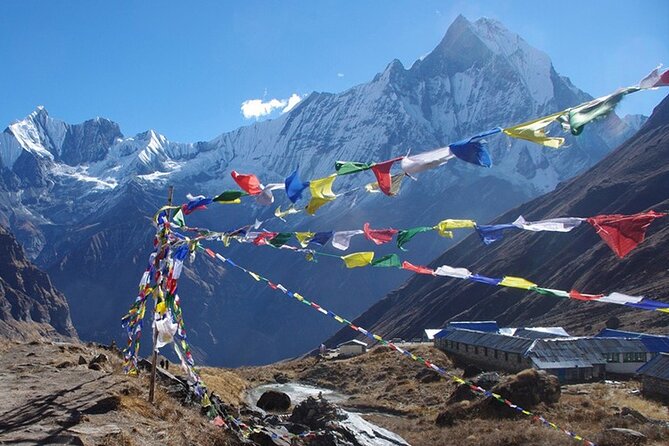
On paper, the trek begins after a drive to Nayapul (about 1050m). In reality, you’re starting your altitude story immediately, with a climb to Tirkhedhunga (around 1570m) via Birethanti and the Ulleri route. The itinerary gives you about 3–4 hours to reach Tirkhedhunga, with an optional extra hop up the Ulleri hill if you still have energy.
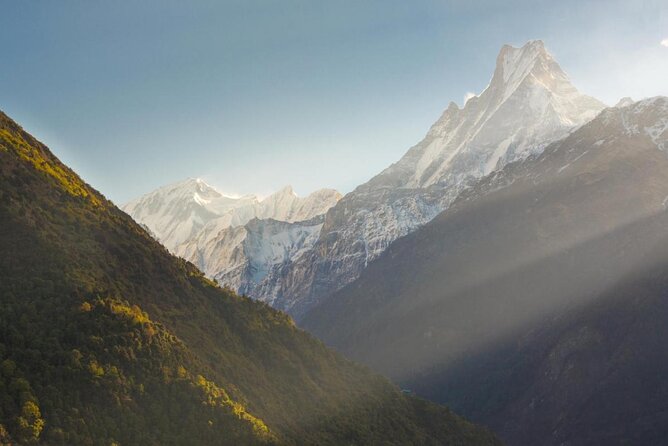
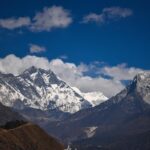
Day 4 continues with the classic pattern of the region: a steep ascent for the first couple hours, then a gentler stretch through Magar villages. You’ll pass areas like Ulleri (2070m) and Banthati, and the payoff is the mountain views—Machhapuchhare (Fish Tail), Himchuli, and Annapurna South are called out among the visible peaks.
Practical note for your body: these early days are where knees and calves get their first “hello.” If you tend to start fast, this is the day to slow down. You’ll do better with steady effort than with a hero pace.
Poon Hill Sunrise (Day 5): The Big View at Manageable Effort
Day 5 is built around an early hike to Poon Hill (3210m) to catch sunrise. This is one of those trek perks that rewards you whether you’re a serious mountain person or just love good lighting and big skies.
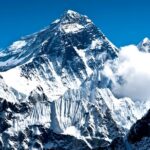
The sunrise list is detailed: Dhaulagiri, Tukuche Peak, Nilgiri, Varaha Shikhar, Annapurna I and South, Annapurna III and IV, Machhapuchhare, Lamjung Himal, and other snow-capped peaks. Even if you don’t memorize every name, the moment still lands—you’ll see a wide spread of ridgelines and peaks at once.
What you gain here is confidence. After a day of early effort, you get proof that the trek is working, which makes the days ahead feel less like “just walking” and more like progress.
Chhomrong: Where Village Life Meets Big Annapurna Views
The trail from Tadapani to Chhomrong takes about 5–6 hours (roughly 7–8 kilometers across varied terrain). This section is described with lush forests and charming villages plus big mountain views, and you get a warm welcome in Chhomrong village itself.
Chhomrong is also called out as a popular Gorkha area. There’s a very practical detail in the plan too: Chhomrong is noted as being known for pizza. That’s not the “reason” to trek, but it’s a funny little morale boost on a day when your appetite finally catches up with your effort.
The other benefit is scenery. The itinerary mentions great views of the Annapurna range from Chhomrong, which makes this day feel like a proper midpoint celebration rather than a simple stop-over.
Sinuwa, Himalaya, and the Approach Phase (Day 7 to Day 8)
Day 7 shifts the vibe. You descend on stone stairways, cross rocky trail sections, and you’re warned about stinging nettles along the way. That’s the kind of detail you want on a trek: not “beautiful clouds,” but actual plant-life issues you can prepare for with the right clothing.
You’ll reach Sinuwa and a check post (about 2350m), then continue down into bamboo and rhododendron forests. After a short muddy trail, the plan has you reach Himalaya (around 2920m).
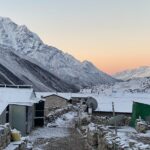
Day 8 focuses on views as you continue toward Annapurna Base Camp. Mount Hiunchuli, Annapurna South and I, Annapurna III, Gangapurna, and Machhapuchhare are specifically mentioned. You’re also moving through alpine forest before approaching Base Camp at about 4170m, where the views become more panoramic.
This is where you’ll notice the trekking “feel” changing. The walking is still walking, but the air and the terrain make every rest break count. If your plan includes a private pace, use it—stop when you need to, not just when the group expects it.
Annapurna Base Camp: Sunrise, Then Breakfast, Then Down (Day 9)
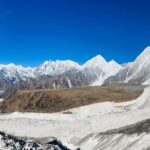
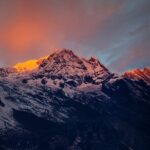
Day 9 is the emotional peak: morning sunrise from the Annapurna ranges and the “glacier, green valley, and eye-catching mountains” view at Annapurna Base Camp. After breakfast, you walk down to Bamboo, which takes about 5–6 hours.
You might assume the hardest part is the final push up. For many people, the harder part is actually leaving once the view is done and you have to go back down. The plan does you a favor by giving you a clear structure: sunrise first, then food, then descent.
What to watch for on the descent to Bamboo: lower legs take the hit. Bring poles if you use them, wear shoes with good grip, and keep steps shorter on stone and uneven ground.
Day 10 Hot Springs: The Day Your Legs Get a Break
Day 10 includes a mix of uphill and downhill. You descend gradually up to Bamboo through rhododendron, oaks, and bamboo, then the trail goes steeply up to Kuldi Ghar. After some flatter trekking to Sinuwa, you descend again—down to Chhomrong Khola and then down a stone staircase toward Chhomrong (noting it as almost an hour).
Then comes the steep final section down to Jhinudanda. The reward is surprisingly specific: from the town, you walk about 20 minutes to reach the Hot Spring at the bank of the Modi Khola. This isn’t a vague wellness idea—it’s a real scheduled recovery moment.
If you’ve ever finished a long trek and thought, I need to reverse time by 3 hours, this is the day that helps.
Trek Out: Waterfalls, Rhododendron Zones, and the Modi River Follow (Day 11)
Day 11 starts with a descent where you’ll observe waterfalls. Then it turns into a gentle ascent through streams and terraces. The itinerary brings you to Birethanti (about 1025m), with the next trail segment continuing to Nayapul while following the Modi river.
This is a good day to shift your mind from “peak performance” to “steady finishing.” You’re not climbing Base Camp again—you’re working your way home one step at a time, and the scenery along the Modi river makes that job easier.
Cable Car Day: Manakamana Temple and a Cultural Farewell (Day 12)
After trekking, the itinerary keeps the momentum with a full day of getting back into Nepal life. You head up to Damauli, Dumre, Muglin, and Kurintar, where Nepal’s first cable car joins the Manakamana Temple. From Naubishe, you climb up to Thankot—the gateway to Kathmandu.
In the evening, you’re scheduled for a farewell dinner at an authentic Nepalese restaurant with a cultural performance. After 10+ days of walking, it’s a thoughtful way to close the loop: food, music, and time to swap stories with your guide and porter team.
Airport Exit (Day 13): You’ll Leave With Time to Breathe
On your final day, you get an airport transfer with a representative, aiming to reach the airport about 3 hours before your scheduled flight. That extra buffer matters in Nepal, where timing can be less predictable than at home.
Then you fly out with space to plan your next trip—because once you’ve seen the Annapurna region from inside the trekking route, you tend to think about it again quickly.
Price and Value: What You’re Actually Paying For
At $1,200 per person for a 13-day private package, the value is in the number of “hard to manage” items they handle for you.
What’s included that usually costs time or stress if you self-arrange:
- Kathmandu and Pokhara 3 hotels (two nights each, with breakfast)
- Private transfers, including airport pickup and end-of-trek airport transfer
- TIMS and ACAP permit coverage
- Tea-house/ lodge accommodations during the trek
- Meals during the trek (breakfast/lunch/dinner are included in specified counts)
- An experienced guide and a porter system (listed as 1 porter for 2 clients)
- Paperwork handling, government taxes, and a duffle bag return
- A first aid kit plus travel rescue arrangement
What’s not included (so you don’t get surprised):
- Nepal visa fee
- International flights
- Travel and rescue insurance
- Personal expenses (phone calls, laundry, bottle/boiled water, shower basics, battery recharge, and similar items)
- Tips for guide and porter
- Any extra hotel nights if timing shifts due to early return or other reasons
My take: if you want to trek without turning your vacation into a logistics project, this package price can be a fair deal. If you already know how to set up permits, guides, and tea-house bookings on your own, then you’d compare costs differently. For most people, convenience is the real “value currency” here.
The Guide and Porter Team: Why Private Service Matters on ABC
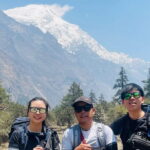
This trek is often advertised as scenery first, but the day-to-day experience is really about people. In the supplied feedback, guides named Prakash, Badri Kakri, Bharat (also written with slightly different spelling across messages), and porters like Surman, Perlad/Parlad, plus others such as Manoj and Urken Sherpa get repeated credit.
What you should care about:
- A guide who helps you manage pace and trail choices
- Porters who carry weight so you can hike more safely and comfortably
- Ongoing support when conditions change
Several comments also mention how the operator handled itinerary changes fast when weather disrupted other routes—like shifting from Everest Base Camp to Annapurna Base Camp when conditions forced a change. That’s reassuring if you’re worried about the inevitable reality of mountain weather.
Accommodation and Meals: Tea Houses Without the Guesswork
One of the strongest “comfort” pieces in this trip is that you’re not searching each day for food and beds. Lodges and tea-house accommodations are part of the plan, and meals during trekking are included (with breakfast, lunch, and dinner counts given).
What I like for your planning: you can pack with less fear. You don’t need to calculate food budgets day by day. You can also tell yourself, simply, that you’ll be fed at the right times for hiking energy.
What to remember: tea-house lodging is still basic by hotel standards. You’ll be trading luxuries for access and proximity to the trail. The trade is usually worth it on Annapurna Base Camp.
Who Should Book This Trek (and Who Should Re-think)
This package fits best if you want:
- A private experience rather than a crowded group feel
- Guide and porter support with a moderate pacing approach
- Hotels in Kathmandu and Pokhara so you’re not starting the trek half-exhausted
- A structured route that includes a big sunrise day at Poon Hill
You might re-think it if:
- You hate stairs and steep starts (the early climb and the descent stair sections are real)
- You’re looking for a fully “easy” hike—this still asks for moderate fitness and altitude tolerance
- You don’t want to budget extra for visa, insurance, and tips
If you’re 60+ or you’re simply returning to long-distance walking, the private structure and porter support can be a big help—as long as you build a pace you can sustain.
Should You Book This Annapurna Base Camp Package?
Yes, if your priority is a well-run ABC trek with permits, meals, and lodging sorted, plus private guide/porter help so you can spend your energy on the trail. The trek also includes smart “support days”: Pokhara for mental decompression, a major sunrise payoff at Poon Hill, and a hot spring recovery moment near the Modi Khola.
Before you book, do two quick checks:
- Budget the items not included: visa, insurance, flights, and tips.
- Be honest about fitness: moderate doesn’t mean casual on ABC. If you can handle uneven steps for multiple days, you’ll likely be happy here.
If that sounds like you, this is a strong way to get to Annapurna Base Camp without making your vacation a part-time travel agent project.
FAQ
Is this a private trek or a shared group?
This is a private tour/activity, and only your group participates.
Where does the tour start, and when?
The meeting point is Tribhuvan Airport in Kathmandu, Nepal, with a start time of 7:00 am.
Are permits included for the trek?
Yes. The package includes TIMS and ACAP permit coverage.
Are meals included during the trekking days?
Yes. Breakfast, lunch, and dinner are included during the trek (with counts listed in the package details). Vegetarian options are also available if you request them when booking.
Do I need to arrange hotel stays in Kathmandu and Pokhara?
No. The package includes two nights in Kathmandu (3 hotel) and two nights in Pokhara (3 hotel), each with breakfast.
Is the Nepal visa fee included?
No. The Nepal visa fee is not included and you’re expected to obtain it in Kathmandu airport.
Are tips included for the guide and porter?
No. Tips for the guide and porter are not included.