REVIEW · KATHMANDU
Explore The Beauty Of Langtang Valley In 8-Days Trek
Book on Viator →Operated by Bold Himalaya Treks and Travels Pvt Ltd · Bookable on Viator
Langtang Valley rewards slow steps and good planning. This 8-day trek is set up with a flexible pace, friendly English guidance, and classic highlights like Kyanjin Gompa. I also like that you get meals and teahouse accommodation included, so you can focus on walking and breathing the mountain air.
The main thing to consider is altitude and effort. The route climbs up to 4,984m at Tserko Ri (optional), so you’ll want to take your time and follow your guide’s pace, especially if you’re new to high-altitude trekking.
If you want an authentic Himalayan experience without the stress of logistics, this one is a solid match. It’s organized like a small-group trek, with real breaks built in for photos, breakfast stops, and regrouping.
In This Review
- Key highlights worth caring about
- Price and value: what $270 really buys you
- Getting to the trail: Kathmandu to Syabrubesi by shared jeep
- Day 1 stop: Syabrubesi, your launchpad village
- Day 2 hike: Lama Hotel, bridges over Bhote Koshi and Langtang
- Day 3: Langtang Village, where forests and meadows take over
- Day 4: Kyanjin Gompa, panoramic views at 3,870m
- Day 5: Tserko Ri option for 360-degree Himalayan views
- Day 6: back to Lama Hotel, retracing with lessons learned
- Day 7: Syafru area to Syabrubesi, finishing with green hills and rivers
- Day 8: back to Kathmandu, a 6-hour drive and a calmer mood
- Guides and support: English help that goes beyond directions
- Teahouses and meals: what “included” feels like day to day
- Culture night: the “yes, that counts” extra
- Who this Langtang Valley trek suits best
- Should you book Bold Himalaya’s 8-day Langtang Valley trek?
- FAQ
- What is the duration of the Langtang Valley trek?
- Where does the trip start?
- What route does the itinerary follow?
- Is pick-up and drop-off included?
- Are meals included in the price?
- Are teahouse stays included?
- Is there an option for an extra peak hike?
- What is the cancellation policy?
Key highlights worth caring about
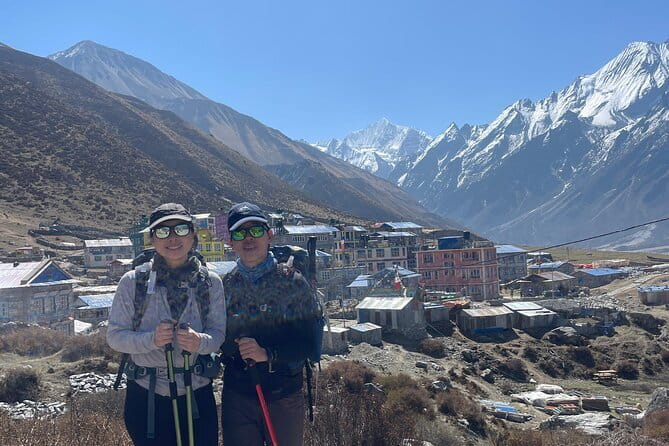
- Small-group structure: licensed English guide for up to 5 trekkers, plus it’s a private activity for your group.
- Teahouses + full meals: breakfast (7), lunch (8), dinner (7), and accommodation along the trek route.
- Big views without rushing: scenic day segments, with Kyanjin Gompa as the key “wow” base.
- Optional peak day: Tserko Ri hike gives 360-degree Himalayan views if you feel good.
- Kathmandu support: pickup/drop-off, and the operator is known for hands-on help in Kathmandu when things go off track.
Price and value: what $270 really buys you
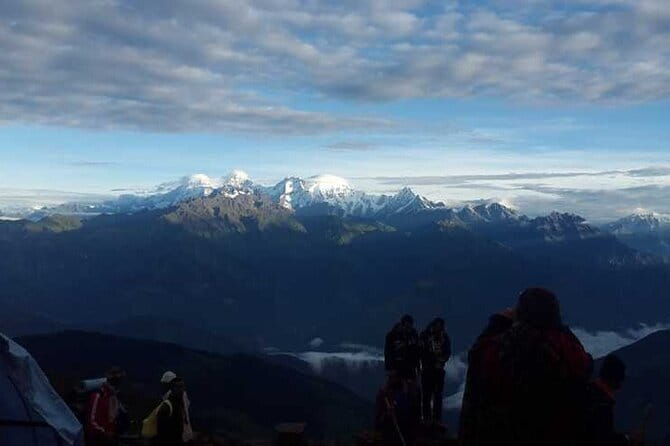
At $270 per person, this trek is priced more like a guided walking package than a barebones trek. The value comes from what’s included: teahouse accommodation along the route, a licensed trekking guide (with salary, meals, lodging, and insurance), and three meals most days. You’re also covered with pickup and drop-off in Kathmandu, which saves time and hassle on arrival.
On the surface, $270 can look “cheap” compared to some trekking brands. But the real question is what you’d otherwise spend on logistics. Here, you don’t have to line up transport from Kathmandu, worry about guide services, or negotiate day-to-day meals and lodging while you’re busy adjusting to altitude.
Also, the trek is fully customizable. That matters because “Langtang Valley” can mean different things to different people. You might want more photo breaks. Or you might want to keep a steady rhythm and save energy for the views day.
You can also read our reviews of more tours and experiences in Kathmandu.



Getting to the trail: Kathmandu to Syabrubesi by shared jeep
Day 1 starts with a shared jeep drive of about 6 hours to Syabrubesi. The plan isn’t just transit; it’s your first taste of the region, with mountain valleys, villages, rivers, and waterfalls along the way. This is one of those practical touches that makes the trek feel less like a jump off a cliff and more like a gradual move into the Himalaya.
The meeting point is at Tribhuvan International Airport in Kathmandu (near Ring Road). The tour also includes hotel pickup and drop-off in Kathmandu, with Kathmandu accommodation options ranging from 3-star to 5-star hotels at extra cost. That’s useful if you want to arrive early and still sleep comfortably before the trail starts.
One small “do this now” tip: after booking, you’re asked to send a copy of your passport so documents can be prepared. And once you land, get a local SIM card so communication stays easy with your team.
Day 1 stop: Syabrubesi, your launchpad village
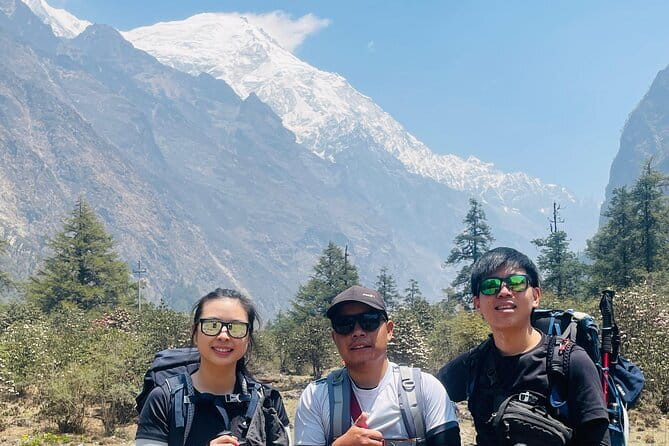
Syabrubesi is where the trekking mindset clicks on. You’ll spend your first day moving from city pace into trail pace, and then wake up ready to start hiking the next morning. Since the itinerary is designed with regular breaks and refreshments, you’re not thrown into a punishing schedule immediately.
Why this stop matters: you’re not just changing locations. You’re adjusting to rhythm. The walk days after this tend to build gradually, and starting with a calmer first transition can help you settle into altitude thinking.
Day 2 hike: Lama Hotel, bridges over Bhote Koshi and Langtang
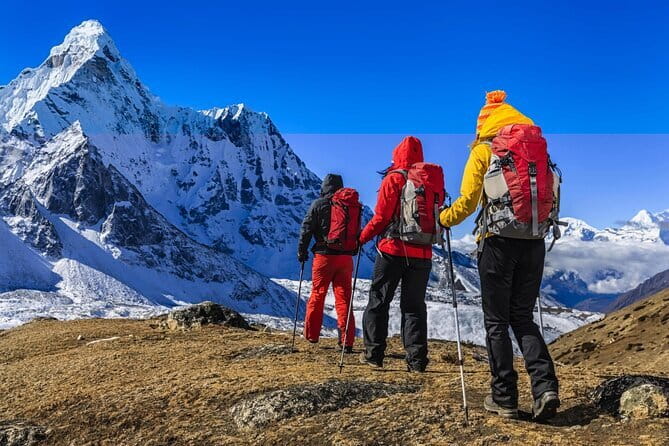
On Day 2, you trek from Syabrubesi to Lama Hotel at about 2,380m. The walk takes around 5.5 hours, and the path includes suspension bridges over Bhote Koshi and the Langtang area. Even if you’ve crossed bridges before, this kind of river crossing sets the tone: you’re moving through valleys where water is a constant force shaping the route.
You’ll also be walking through a mix of scenery that changes with elevation—less city sound, more wind and river noise, and more forest feel. The day isn’t listed as the longest, but it still asks you to stay steady and not sprint the climbs.
Practical tip: keep your water intake consistent and don’t treat the bridge crossings like sightseeing pauses. Take them as part of the effort, then regroup on calmer stretches.
Day 3: Langtang Village, where forests and meadows take over
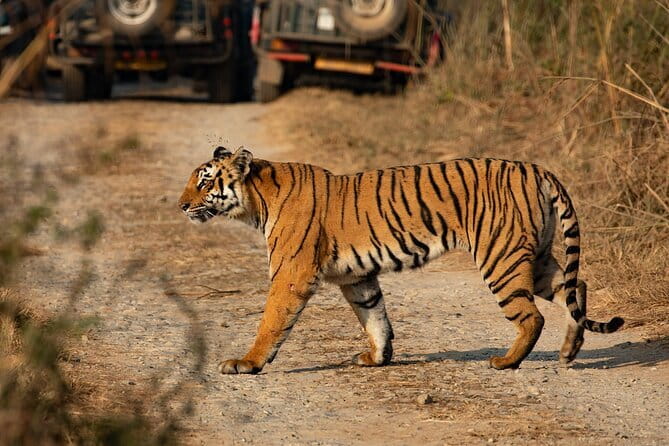
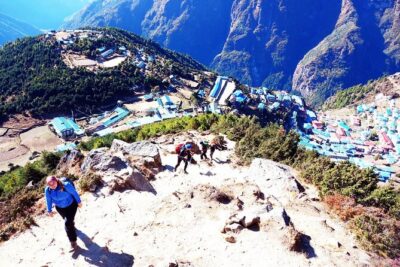
Day 3 climbs from Lama Hotel to Langtang Village (around 3,430m) in about 6 hours. This is where the trekking scenery tends to feel more alive: you move through forests and out toward meadows as you gain altitude.
Langtang Village is also the emotional checkpoint of the trek. By now, you’ve hiked past the “first day legs” phase. You’ve crossed the big early obstacles, and the trail starts to feel like it’s opening up into the heart of the valley.
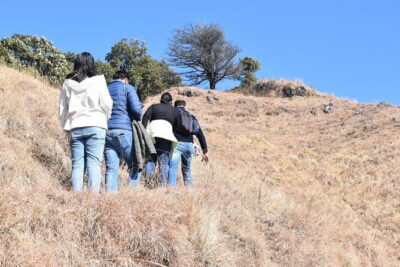
If you’re a beginner, this is also a good day to practice your pacing habits. The operator specifically recommends walking at your own pace to acclimate more effectively, and that kind of advice is exactly what you want when the route starts getting serious.




Day 4: Kyanjin Gompa, panoramic views at 3,870m
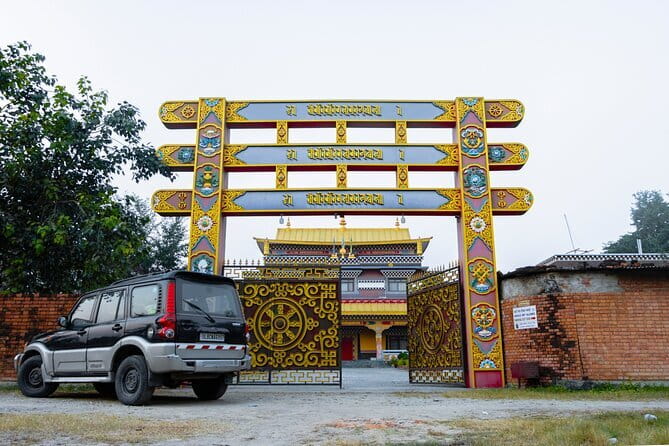
Day 4 goes from Langtang Village to Kyanjin Gompa at about 3,870m. The walk is about 4.5 hours, and it’s described as short and scenic with big panoramic views. That combination matters: you get the altitude change without a long grind.
Kyanjin Gompa is the place many people imagine when they think about a Langtang Valley trek. You’re higher now, the air feels thinner, and the surrounding peaks start showing up in a more dramatic way. Even if you’re tired when you arrive, the payoff tends to come fast because the views are the whole point.
A good strategy: arrive, rest, then take the first look slowly. Don’t rush to cover everything right away. High places need a few minutes of settling before your body feels normal again.
Day 5: Tserko Ri option for 360-degree Himalayan views
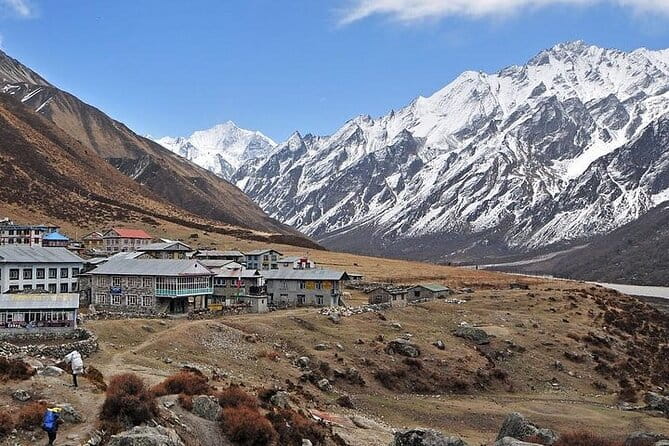
Day 5 is built around Kyanjin Gompa, with an optional hike to Tserko Ri (about 4,984m). If you choose it, plan for around 7 hours total for that peak day. This is the day for the big skyline views—360 degrees of Himalayan terrain when weather cooperates.
If you’re not going for the peak hike, the plan still includes time to explore around Kyanjin Gompa and soak up the mountain context you’ve earned.
My advice: pick this based on energy and how you slept. If you’re still feeling heavy in the morning, it’s smart to go with the main viewpoint day instead of forcing the summit push. The trek design gives you the choice, and that flexibility is genuinely useful.
Day 6: back to Lama Hotel, retracing with lessons learned
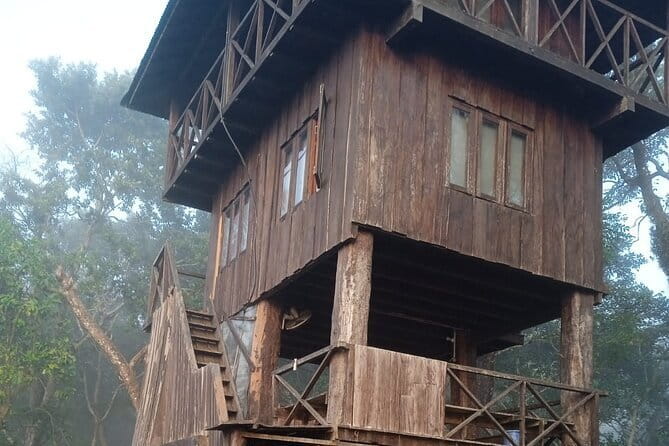
Day 6 returns from Kyanjin Gompa to Lama Hotel (around 2,380m) in about 6 hours. Retracing your steps can sound boring, but it rarely feels that way. You’ll notice changes in light, in trail texture, and in what you think about when you see the valley from a different angle.
It also becomes a “body feedback” day. After the higher-altitude days, you can judge how you’re coping with fatigue and breathing. You’re not adding new extremes today, which makes it a good recovery-style move before the final descent.
Also, because the itinerary includes regular breaks and refreshments, you’re not stuck in a long slog without support.
Day 7: Syafru area to Syabrubesi, finishing with green hills and rivers
Day 7 trekking back to Syabrubesi is about 5 hours. The route passes through lush green forest sections and rolling hills, with soothing river sounds along the way. This is your “closing credits” day on the trail: enough walking to feel complete, not so much that it destroys your legs right before Kathmandu.
The stop listing includes Syafru, which signals a more textured descent—places where the trail feels alive with water and greenery. By this point, you’ll likely be feeling better about the altitude, but still treat descents carefully on slippery or uneven ground.
Day 8: back to Kathmandu, a 6-hour drive and a calmer mood
Day 8 brings you from Syabrubesi to Kathmandu by drive in about 6 hours. This is the day for reflecting on what you learned on the trail. You’ll get scenic views of mountains and charming towns along the way, and then you’re back in the city where your feet can finally fully relax.
If you’re adding extra nights in Kathmandu, it’s a smart way to avoid travel-day stress. You also have the chance to do a real meal shower day: hot shower, good food, and time to buy anything you missed.
Guides and support: English help that goes beyond directions
A trek lives or dies by guidance. Here, you get an in-person English guide who shares knowledge of Himalayan culture and nature. That kind of context matters because it turns “pretty scenery” into real understanding of what you’re walking through.
The high praise around Bold Himalaya isn’t only about route knowledge. People specifically mention custom attention to needs and warm support from the start. Names that show up in that story include Sorbit (also spelled Sobit) for welcoming help and responsive problem-solving in Kathmandu, and Garap for strong support during a first high-altitude trek.
Even without naming every example, the practical takeaway for you is simple: you want a guide who notices how you’re doing, not just where you should step next. This itinerary is built with regular breaks, refreshments, and a pace that can be slowed down for beginners.
Teahouses and meals: what “included” feels like day to day
This trip includes accommodation in the best teahouses along the trek route. That phrasing is important because teahouses can vary a lot in comfort. With these inclusions, you aren’t hunting for beds while also managing fatigue.
Meals are also handled: breakfast (7), lunch (8), dinner (7), plus some seasonal fruits during the trek. Translation: you can plan your energy around predictable food, and you don’t have to guess where your next meal will come from. It’s one less mental load, especially when altitude starts messing with appetite.
What’s not included is bar bills and personal expenses. So if you enjoy a post-walk tea, beer, or extra snacks, budget a bit for it. But the essentials are covered so you’re not stuck paying big surprises.
Culture night: the “yes, that counts” extra
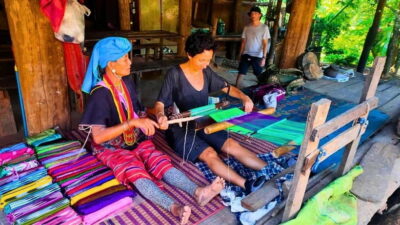
You also get one special cultural show and a farewell dinner program. In trekking tours, this kind of add-on can feel like filler. Here, it’s more useful than you might think because it gives you a structured moment in Kathmandu to connect the trip to local life before you fly home.
It’s also a good morale boost. After several days of moving and climbing, a cultural performance and farewell dinner can feel like the emotional punctuation mark.
Who this Langtang Valley trek suits best
This trek fits a lot of people because the schedule includes flexibility and options. Most importantly, it’s suitable for beginners who walk at their own pace, and it can also work for experienced trekkers who want a clean route with clear structure.
I’d especially consider it if you:
- want an English-speaking guide who focuses on both trail safety and cultural/nature context
- prefer a small-group feel with support rather than a solo “figure it out” approach
- like the idea of optional ambition (Tserko Ri) instead of forcing every participant onto the same summit
If you’re the type who loves to sprint from one landmark to another, you might find the regular break structure slower than you expected. But if your goal is to actually enjoy the valley, not just conquer it, that slower rhythm is a feature.
Should you book Bold Himalaya’s 8-day Langtang Valley trek?
Yes, if your definition of value is a guided trek that handles the annoying parts for you: guide support, teahouses, meals, and Kathmandu pickup/drop-off. The $270 price becomes easier to justify because you’re not building the trip yourself.
But book with care if altitude scares you or you want a super-fast itinerary. The route climbs up to major viewpoints, and there’s an optional peak hike to nearly 5,000m. This trek is designed for pacing and acclimation, yet your body still decides what’s realistic on peak day.
Also, if you need help with smooth city logistics, this operator appears strong in that area. People have praised hands-on support in Kathmandu when unexpected problems popped up, and that kind of back-up is comforting when you’re far from home.
If you’re ready for the Langtang Valley in an 8-day timeframe with real guide support and included comfort, this is a thoughtful way to do it.
FAQ
What is the duration of the Langtang Valley trek?
The trek is about 8 days.
Where does the trip start?
The start point is Tribhuvan International Airport in Kathmandu.
What route does the itinerary follow?
You drive from Kathmandu to Syabrubesi, then trek through Lama Hotel, Langtang Village, Kyanjin Gompa, with an optional hike to Tserko Ri, and then return via Lama Hotel and Syafru back to Syabrubesi before driving back to Kathmandu.
Is pick-up and drop-off included?
Yes. The tour includes pick up and drop off in Kathmandu.
Are meals included in the price?
Yes. Breakfast is included for 7 days, lunch for 8 days, and dinner for 7 days. Some seasonal fruits may also be provided.
Are teahouse stays included?
Yes. Accommodation in teahouses along the trek route is included.
Is there an option for an extra peak hike?
Yes. There is an optional hike to Tserko Ri (about 4,984m) from Kyanjin Gompa.
What is the cancellation policy?
You can cancel for a full refund up to 24 hours in advance. If you cancel less than 24 hours before the experience starts, the amount paid is not refunded.