REVIEW · RISHIKESH
Chandrashila and Tungnath Himalayan Trekking and Camping
Book on Viator →Operated by Yeti Outdoors · Bookable on Viator
Chandrashila and Tungnath cram a lot of magic into a short trek, and it’s a great fit if you want real Himalayan altitude without weeks on the trail. I like the combo of Chandrashila summit views and the calm, almost storybook Deoriatal lake moments. The trekking route also moves through evergreen pine, deodar, and rhododendron forests, so the scenery stays interesting even when you’re not staring at peaks.
My other favorite part is how the experience stays practical: you get guides and porters/helpers, you eat well on trek, and you’re not left figuring out tents and sleeping bags at the last second. The big thing to consider is that this is marketed as an easy trek, but the final push from Tungnath toward Chandrashila includes a steep section, and weather can change fast at altitude.
If you plan smart, you’ll be rewarded with that peaceful summit feeling people chase for years. This is also the kind of trek where a good leader matters, and Yeti Outdoors runs it with trek leaders like Rishabh, plus program leaders like Manish Badoni, who focus on both route and pacing.
In This Review
- Key highlights worth planning around
- Chandrashila and Tungnath: why this trek feels so high-impact
- Getting there from Rishikesh: pickup, meeting point, and road reality
- The trail’s first personality: evergreen forests and big views
- Deoriatal lake: the calm stop that makes the trek feel magical
- Tungnath at 3,680m: spiritual ground meets altitude pressure
- The summit push to Chandrashila (3,992m) and that steep 2km leg
- Camping under starry skies: what’s actually included on nights out
- Price and value: what $155.76 buys you in real trekking terms
- Who should book this trek, and who should think twice
- Packing and weather strategy that matches this route
- Should you book Chandrashila and Tungnath with Yeti Outdoors?
- FAQ
- How long is the Chandrashila and Tungnath trek?
- What is the highest altitude reached on this trek?
- Is this trek really easy?
- What time does the trek start and where do we meet?
- What’s included in the price?
- What is not included?
- What’s the cancellation policy and what happens in poor weather?
Key highlights worth planning around
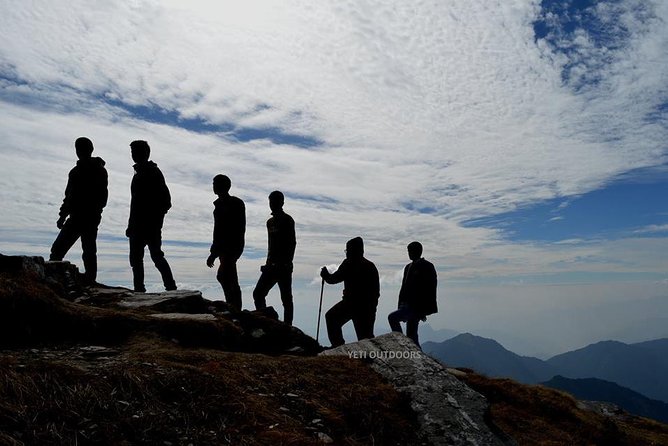
- Tungnath + Chandrashila in one trip: reach Tungnath at 3,680m and climb to Chandrashila up to 3,992m
- Deoriatal lake stop: a serene lake setting with wildlife and birds nearby
- “Highest Shiva shrine” spiritual landmark: Tungnath/Chandrashila area is known for this religious significance
- Camping under starry skies: tents and sleeping bags are included, plus all meals on trek
- Early-morning summit strategy: starting early helps you aim for a full 360° view by late morning
- Evergreen forest walking: pine, deodar, and rhododendron forests keep the trail visually varied
Chandrashila and Tungnath: why this trek feels so high-impact
This trek is built around a simple idea: give you summit effort plus scenic variety, without turning it into a long, exhausting slog. In about four days of trekking (inside a 6-day trip), you get mountain panoramas, a famous spiritual stop, and a lake moment that feels almost unreal.
You also get clear altitude landmarks. You’ll reach Tungnath at 3,680m, then continue toward Chandrashila, with the trip’s max altitude listed at 3,992m. That matters because it helps you plan pacing and expectations. You’re not going to the highest peaks on earth, but you are high enough that breathing can feel different, especially if you move too fast.
One more reason this trek works: it’s accessible enough that friends and family can manage it when they’re realistic about effort. The trail is described as easy overall, and that fits the broad shape of the experience. Still, there’s one detail that can catch people off guard: the final stretch between Tungnath temple and Chandrashila is highly steep, and it’s called out as about 2 km. In other words, it’s not a gentle stroll all the way to the top.
You can also read our reviews of more tours and experiences in Rishikesh.
Getting there from Rishikesh: pickup, meeting point, and road reality
The trip is based in the Rishikesh area, with the start meeting point at Yeti Outdoors and a start time of 9:00 am. Pickup is offered, but if you’re not using it, you’ll still meet at the organizer’s point and begin from there.
Transportation specifics can vary depending on how your group is routed. In one common pattern shared in a route description, people meet around Dehradun ISBT, take a bus up toward Ukhimat, then transfer to a jeep toward Sari village. If your departure uses a similar route, it’s worth mentally preparing for a scenic but bumpy ride on mountain roads. That’s not a complaint, just good planning: wear something you can sit in comfortably for a while, and keep a light layer handy because weather changes quickly in the hills.
Also, transportation can be arranged on request for an extra charge. If you’re coming from far away, I’d treat transport as part of your budget math, not an afterthought.
The trail’s first personality: evergreen forests and big views
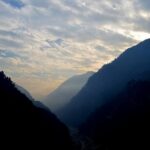
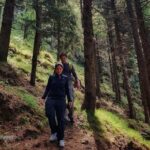
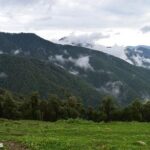
Early on, this trek leans heavily into “walk through forests, get rewarded with viewpoints.” You’ll move among evergreen pine, deodar, and rhododendron forests, which is a huge plus because the trail doesn’t look the same hour after hour. Even when visibility isn’t perfect, the forest tones and textures keep the walking satisfying.
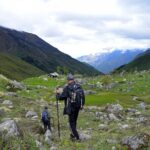
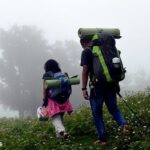
This is also the stage where you set your pace. If you start too fast, you’ll feel it later when the route turns steeper. Guides on this trek place an emphasis on knowing the path and keeping you moving steadily, including leaders like Rishabh, who’s specifically mentioned for knowing the route well.
One thing I like about treks like this is the rhythm. You’ll take short breaks, look back toward valleys, then continue. It’s not just a single photo moment; it’s a gradual build-up toward the big mountain panoramas.
Deoriatal lake: the calm stop that makes the trek feel magical
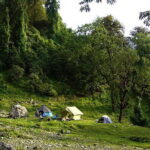
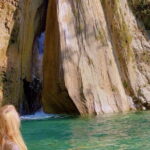
Deoriatal is one of the defining features of this itinerary. It’s described as beautiful in a fairy-tale way, where you can see animals and birds drinking sparkling water from the lake. That kind of detail is exactly why people remember this trek long after the summit photo.
This lake stop also gives your body a mental reset. Instead of constant climbing, you get a quieter, more reflective moment. It’s the kind of place where you’ll notice small things: birdsong, the way the air feels near the water, and how the day’s pace can slow down without stopping the trek.
If you’re the type who enjoys nature breaks more than constant altitude, Deoriatal will likely be one of your strongest moments on the trip.
Tungnath at 3,680m: spiritual ground meets altitude pressure
Tungnath sits at 3,680m, and it’s not just a viewpoint. The Tungnath/Chandrashila region is known for being home to the highest Shiva shrine. That religious importance changes the vibe: you’re not only hiking to scenery, you’re arriving at a place people come to with devotion.
Now for the practical side. Altitude can still affect you here. This is why I don’t treat the trek label “easy” as a promise of zero discomfort. You might feel low-oxygen or altitude fatigue, and one caution shared is to be careful with children because altitude sickness can be a real issue for younger trekkers.
If you’re going, plan to go slower than you think you should on the way to Tungnath. A trekking guide’s job isn’t just route-finding. It’s helping you maintain a pace that keeps your breathing steady.

The summit push to Chandrashila (3,992m) and that steep 2km leg
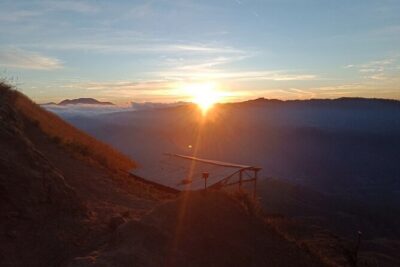
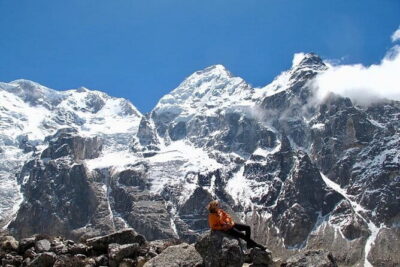
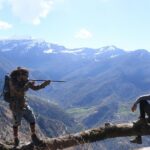
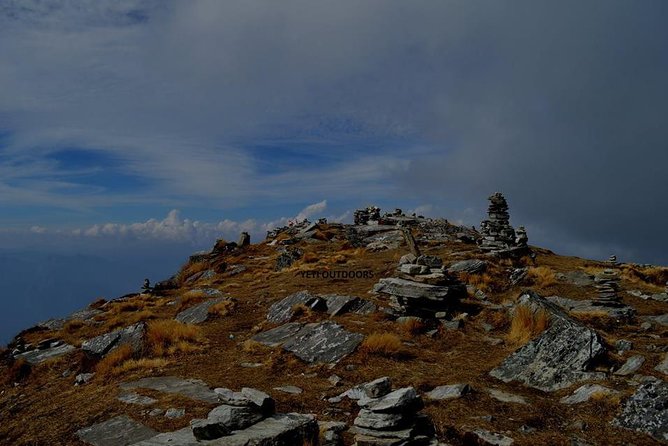
Chandrashila is where the trip earns its reputation. Your max altitude is listed at 3,992m, and the big reward is the summit feeling: peace, calm, and an enormous sense of space above the clouds and treeline.
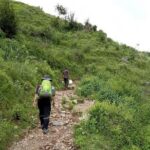
But getting there has a specific challenge: the last 2 km between Tungnath temple and Chandrashila peak is described as highly steep and difficult. That’s the part where planning matters most.
Here are two pieces of guidance you can actually use:
- Start early for the summit window. One practical tip given is to start early enough to reach by around 11 am to catch a strong 360° view.
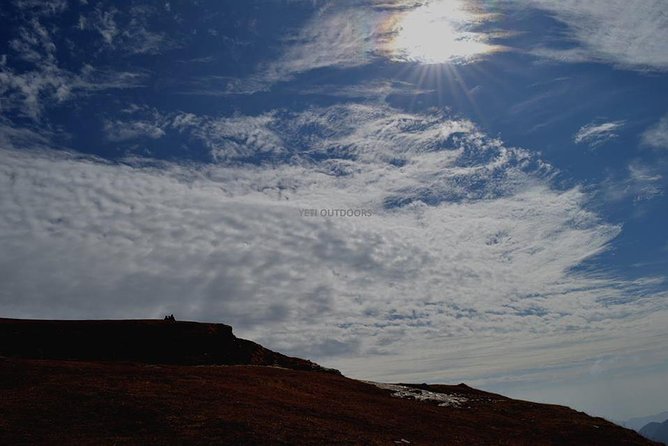
- Expect weather swings even in short time windows. Reports mention scorching sun, wind, and showers. At altitude, that can feel colder fast, even when the sun is hot.
When conditions are good, the viewpoint is worth it. When conditions are rough, the mountain still offers something: wind tests your focus, and you learn how quickly the sky can change. Either way, the final approach is where you’ll feel most connected to the work you’ve already done.
Camping under starry skies: what’s actually included on nights out
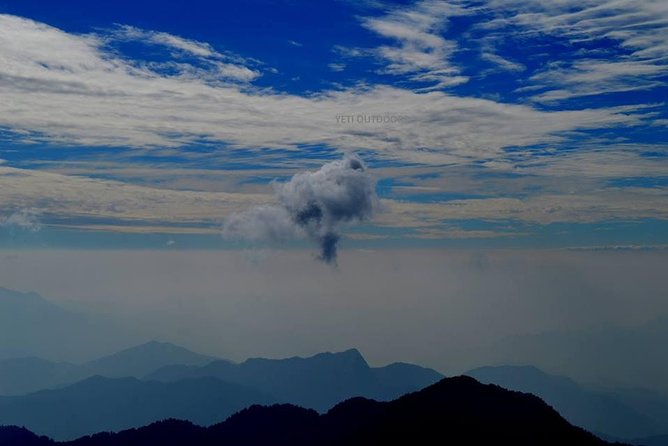
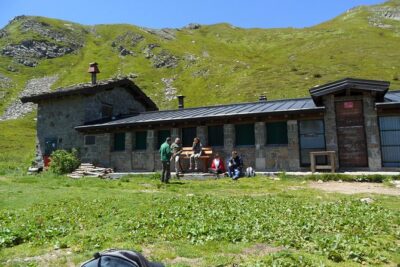
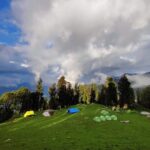
This trek is a camping experience, and it’s not one of those “maybe you’ll get gear” setups. Tents and sleeping bags are included, plus the trek has kitchen/central equipment. You also get all meals on trek, and permits/entry fees are covered.
That means you can pack less stress and carry less guesswork. You can focus on layers and comfort rather than trying to solve logistics while also trying to acclimatize.
One of the strongest emotional points here is the night sky. Camping under the stars is listed as a feature, and it’s easy to see why people remember it: at higher elevations, night feels open and quiet. Add in a warm meal and a proper sleeping setup, and the trek ends up feeling like more than just a hiking day.
Price and value: what $155.76 buys you in real trekking terms
At $155.76 per person for an approximately 6-day trip, this is positioned as a short, organized Himalayan experience. The best way to judge value is to look at what’s taken off your plate.
Included:
- Guides, cooks, helpers, porters/mules
- All meals on trek
- Tents and sleeping bags
- Entry fees and permits
- All taxes
- Technical and kitchen/central equipment
Not included:
- Insurance and costs related to natural disruptions like landslides or road blockage
- Personal expenses
- Stay and food in Mussoorie/transit
- Transportation can be arranged for an additional charge
So here’s my practical take: the price makes sense if you want a guided, hassle-light trek where meals and camping gear are handled. If you were planning to hike independently, you’d still need permits, food planning, and safety decisions. That said, you still need to budget for what isn’t covered, especially transit and insurance.
Who should book this trek, and who should think twice
This trek is described as easy trek, and it’s said to be perfectly doable with family and friends thanks to easy accessibility and terrain. In real life, the “easy” label often means the overall effort is manageable, not that every section is flat.
I’d especially recommend it if you:
- Want Tungnath + Chandrashila as a focused goal
- Like scenery that blends forest walking with mountain views and lake quiet
- Prefer having a guide and a team handling cooking and camping setup
I’d think twice if you:
- Are bringing very young children, since altitude sickness can be an issue and the trek includes a steep section near the end
- Have health concerns related to altitude and breathing
- Expect perfect weather and want an activity with zero exposure to wind or rain
Packing and weather strategy that matches this route
The route’s weather is described as uncertain, with scorching sun, winds, and showers. That combination screams for a simple layering approach and a rain-ready mindset.
What I’d focus on:
- Keep a light rain layer even when the day starts sunny
- Plan for wind at higher points (a hat and warm layer can matter)
- Bring sun protection because early mountain sun can feel intense
- Wear shoes you trust for steep steps near the summit area
If you’re the type who likes checklists, you’re going to feel better about this trek if you prep for changing conditions rather than betting on one forecast.
Should you book Chandrashila and Tungnath with Yeti Outdoors?
Yes, you should book if you want a short, organized trek with real variety: forest walking, a lake stop at Deoriatal, Tungnath at 3,680m, and a Chandrashila summit push to 3,992m. The value is strongest when you want meals and camping gear taken care of, plus experienced leadership on the path.
Skip it or choose a different plan if steep sections and altitude feel like a deal-breaker for your group. Also, if you can’t handle weather changes, be aware that the mountains don’t follow schedules.
FAQ
How long is the Chandrashila and Tungnath trek?
The duration is listed as 6 days (approx.), with the experience including about four days of trekking.
What is the highest altitude reached on this trek?
The maximum altitude reached is 3,992m / 13,100 feet.
Is this trek really easy?
The trek is described as easy level, but there is an important consideration: the final leg between Tungnath temple and Chandrashila peak is noted as highly steep (about 2 km) and can be difficult.
What time does the trek start and where do we meet?
You meet at Yeti Outdoors and the start time is 9:00 am. The activity ends back at the meeting point.
What’s included in the price?
The price includes tents and sleeping bags, technical/kitchen/central equipment, all meals on trek, guides/cooks/helpers/porters/mules, plus entry fees and permits and all taxes.
What is not included?
Not included are insurance and claims due to natural calamity, personal expenses, stay and food in Mussoorie/transit, and transportation (unless arranged on request for an additional charge).
What’s the cancellation policy and what happens in poor weather?
Cancellation is free up to 24 hours in advance for a full refund. The experience requires good weather; if it’s canceled due to poor weather, you’ll be offered a different date or a full refund.