REVIEW · RISHIKESH
Naag Tibba Trekking and Hiking 2 Nights and 3 Days
Book on Viator →Operated by Yeti Outdoors · Bookable on Viator
First-time hikers get a clear win here. Naag Tibba, the serpent’s peak near Rishikesh, is a simple route with serious summit rewards. I love the forest-to-view contrast and I like the camp comfort setup with meals handled for you. The only real consideration: you still climb up to 9915 feet, so bring steady energy and don’t expect a flat walk.
This 2-nights/3-days trek is built for people who want that Himalayan-feels—cool air, campsite routine, and panoramic peak sights—without committing to a long, punishing expedition. You’ll reach up to 3022m, and it’s described as an easy trek with a beginner-friendly challenge that helps you get confident for bigger treks later.
Logistics are also practical: you start at Yeti Outdoors (9:00 am), and the experience is set up as a private group with guides and support staff. At $131.86 per person, it’s a value play because meals, permits, tents, sleeping bags, and the work of porters/mules are included—just note that Mussoorie transit/stay costs are not.
In This Review
- Key highlights worth your attention
- Naag Tibba is a great first Himalayan summit (9915 feet, big viewpoints)
- Day-by-day: what the 3 days feel like, step by step
- Day 1: Pantwari to Naag Tibba base (settling in the right way)
- Day 2: Naag Tibba base to Jhandi top and onward to Devalsari village
- Day 3: Devalsari hike toward Mussoorie, then back to Yeti Outdoors
- What’s included makes a real difference: meals, tents, permits, and support
- Guides and the small human touches that make it work
- Price and value: is $131.86 a fair deal?
- Best time to go, plus weather reality (and what to pack)
- Who should book Naag Tibba, and who should think twice
- Should you book Naag Tibba with Yeti Outdoors?
- FAQ
- Where is the meeting point and what time does the trek start?
- What is the maximum altitude reached on this trek?
- Is Naag Tibba suitable for beginners?
- What is included in the tour price?
- Is pickup offered?
- Is Mussoorie stay or transit food included?
- What is the best time to go?
- Are service animals allowed?
Key highlights worth your attention
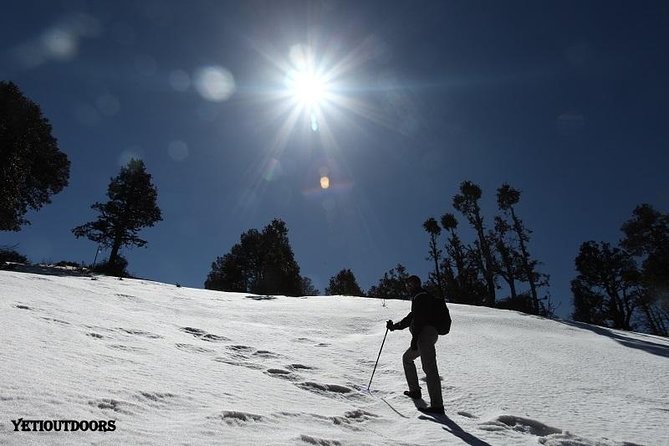
- Beginner-friendly to Naag Tibba (9915 ft / 3022m) without a long, hard commitment
- Himalayan panoramas including Bandarpoonch, the Gangotri group, Kedarnath, and the Doon valley
- Meals on trek + camping gear included (tents and sleeping bags, plus kitchen equipment)
- Guides and support staff are part of the package, with porters/mules for logistics
- Starry-night camping that feels like real outdoor time, not a quick photo stop
Naag Tibba is a great first Himalayan summit (9915 feet, big viewpoints)
Naag Tibba (about 9915 feet / 3022m) is often recommended as a starter peak because it doesn’t play games. You get a proper mountain environment—forests, altitude feel, and a real sense of arrival—without the complexity of higher-altitude expeditions.
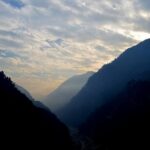
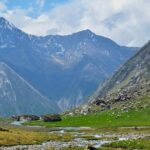
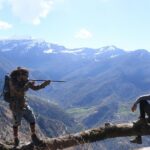
The payoff is the views. From the summit area, you’re set up to look across a wide Himalayan panorama. On clear days, the sights can include Bandarpoonch peak, the Gangotri group of peaks, Kedarnath in the north, and the Doon valley. That’s a lot of “wow” for a trek that’s positioned as an easy beginner route.
What I like most is the balance: this is not just a “walk to a rock.” It’s a walk through forest that gradually turns into open perspective. If you’re the type who wants to earn the view with your own legs (even if you move slowly), Naag Tibba fits.
And it’s also a smart training option. Even if you’re not chasing a grand long-distance trek yet, this kind of climb teaches your body pacing, how to handle cold nights, and how to keep going when the trail gets steeper.
You can also read our reviews of more tours and experiences in Rishikesh.
Day-by-day: what the 3 days feel like, step by step
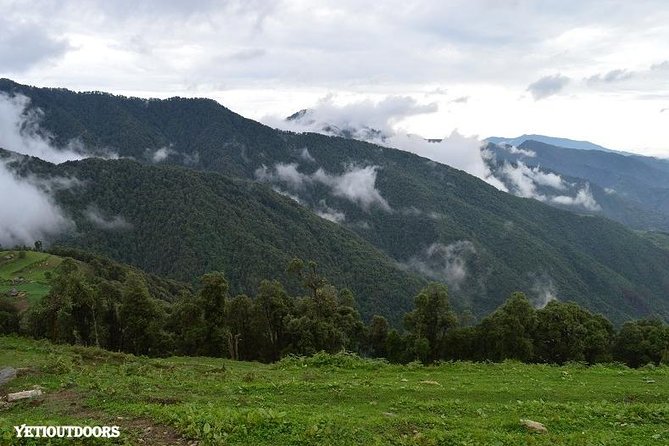
Your trek runs over 3 days with 2 nights of camping and a finish back at the starting meeting point area. The exact hiking effort varies by pace and weather, but the structure stays consistent: start from the Pantwari side, build toward Naag Tibba, then finish through the Devalsari/Mussoorie side.
Day 1: Pantwari to Naag Tibba base (settling in the right way)
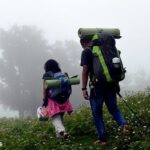
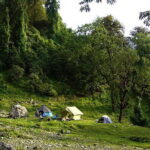
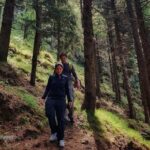
Day 1 is about getting into the rhythm. You leave Pantwari and hike up toward the Naag Tibba base area, moving through forest and changing terrain as the altitude feel starts to build.
This first day matters more than people expect. It’s where you learn how your breathing reacts, how your legs warm up after the first steady climb, and what your ideal walking pace is. Since you’re not expected to sprint, it’s a good day to practice slow-and-consistent, with small breaks instead of long stops.
You’ll also get into the campsite groove: meals are included on trek, and you’ll use the provided camping setup (tents and sleeping bags). That means you’re not scrambling to figure out gear logistics after a long day of walking.
Tip for comfort: keep your day pack simple—water, a warm layer, and a few essentials. Anything extra will feel annoying once you’re climbing steadily.
Day 2: Naag Tibba base to Jhandi top and onward to Devalsari village
Day 2 pushes a bit more. You move from the Naag Tibba base toward Jhandi top, then continue to Devalsari village area for the night.
This day is often where first-timers notice the shift from “hiking” to “mountain hiking.” The route climbs and changes character, and you’ll feel more of that altitude and cold air, especially near viewpoints.
The real value here is what the day teaches you:
- how to keep going when the incline stops being gentle
- how to take in views without burning all your energy on stopping too often
- how to transition from climb mode to camp mode smoothly
And you’re not doing it alone. Your team includes guides and support staff (including porters/mules), so the experience is more about your walking and less about handling everything yourself.
Day 3: Devalsari hike toward Mussoorie, then back to Yeti Outdoors
Day 3 is the wrap-up day. You hike from the Devalsari area and finish toward Mussoorie, with the tour ending back at the meeting point area.
This is usually when you feel either strangely strong (because you’re used to the effort by now) or a little tired (because Day 1 and Day 2 stacked up). Either way, it’s the “come down and reflect” moment. The route closure also helps first-timers, since you’re not forced to plan a complicated end-of-trek logistics puzzle.

What’s included makes a real difference: meals, tents, permits, and support
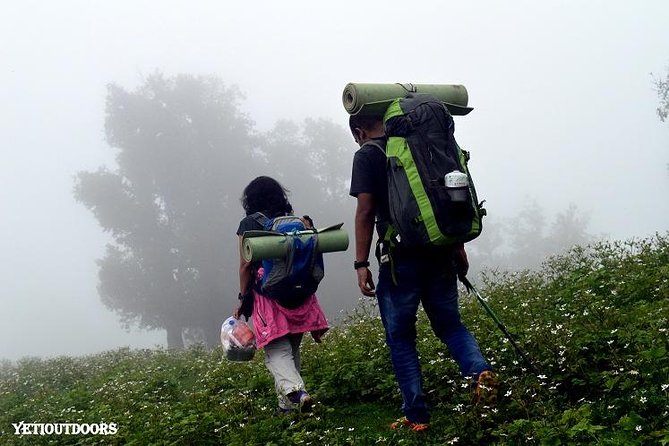
This trip is priced to cover the stuff that normally becomes a hidden headache on mountain travel.
Here’s what’s included:
- all meals on trek
- use of technical/kitchen/central equipment, including tents and sleeping bags
- all fees and taxes
- guides, cooks, helpers, and porters/mules
- entry fees and permits
That matters because it protects your time and energy. If you had to source meals, arrange permits, and rent the right camping gear separately, the “cheap trek” idea can evaporate fast.
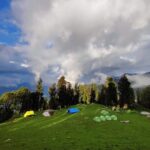
You’re also set up for an actual camping experience, not just a quick overnight. Equipment is provided, and the camp setup is designed to be comfortable enough that you can sleep and recover. After a day at altitude, sleep quality is the difference between feeling okay for Day 3 or feeling like a tired zombie.
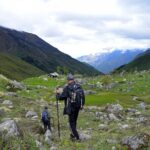
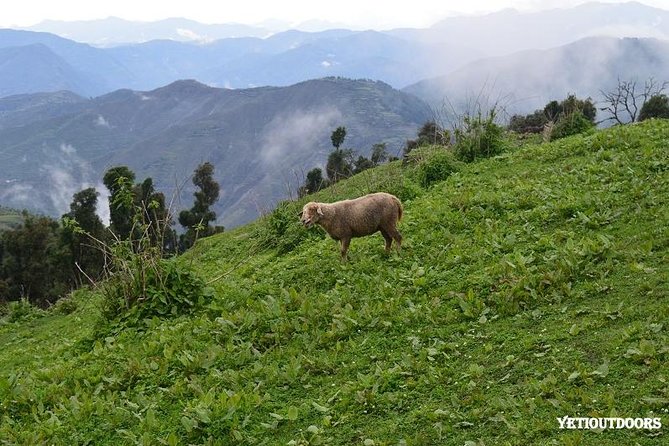
One extra detail to expect: you’ll likely see the support animals used for carry work. That’s part of how the trek stays manageable for everyone.
Guides and the small human touches that make it work
Naag Tibba succeeds because the experience is guided and staffed, not self-organized.
From the info available, you may work with guides such as Manish (names you may see include Manish Badoni and Manish Nag Tibba), with team members like Rishabh and Ashish also mentioned as part of the operation. There’s also an owner named Vipul, tied to trip organization.
What you should care about: these guides don’t just point the way. They bring local knowledge—especially around the forests you walk through. One of the standout themes tied to this experience is the way guides talk to you along the trail, including stories and attention to flora. That turns the trek from exercise-only into something more memorable.
You’ll also get a real sense of hospitality because cooks and helpers are part of the plan. Meals on trek aren’t an afterthought; they’re part of your recovery cycle.
And the team approach shows up in how smoothly the days are planned. First-timers and families especially benefit when someone else handles timing, gear flow, and the “what now?” moments.
Price and value: is $131.86 a fair deal?
At $131.86 per person, Naag Tibba looks like a budget trek—until you list what’s actually included.
You’re paying for:
- meals for the full trekking days
- tents and sleeping bags
- permits and entry fees
- guides plus kitchen staff
- porters/mules and the logistics side
If you tried to DIY even part of that, you’d spend money fast on local transportation coordination, gear rental, and permit/fee handling. You’d also lose time and peace of mind.
So the value angle is real: you’re buying a ready-to-happen outdoor package where your main job is walking, staying warm, and showing up on time. For a beginner-friendly Himalayan start, that’s a solid deal.
Best time to go, plus weather reality (and what to pack)
This trek is listed as available all year around, which is great if you can’t plan your life months ahead. That said, the experience requires good weather. If weather cancels the trek, you’ll be offered a different date or a full refund.
What that means for you practically:
- be ready for cooler temperatures at night
- don’t assume clear skies every day
- plan for the possibility that the schedule could shift due to conditions
For packing, keep it simple but don’t skimp on warmth. You’ll want layers for daytime hikes and colder evenings, plus rain protection just in case. If you run cold easily, a warmer layer and gloves will matter more than you think.
Also, since this is a trekking-camping setup, it helps to bring a few personal comfort items (things like a lip balm for dry air or a small headlamp), even though the big camping gear is provided.
Who should book Naag Tibba, and who should think twice
This trek is a smart match for:
- first-time hikers who want a real mountain summit feeling
- people training for longer Himalayan treks (it’s a confidence builder)
- families with kids, since it’s described as an approachable challenge (one trip included a 10-year-old in the group)
- anyone who wants starry-night camping without spending days wrestling gear
You might think twice if:
- you hate cold nights and unpredictable weather, because camping at altitude is part of the experience
- you’re expecting a very light walk. Even though it’s rated easy, you still climb to 9915 feet.
- you want all costs to include Mussoorie stay or transit. Those aren’t included in the package, and transportation can be arranged for an extra charge if needed.
Also consider the drive element. One note tied to this experience is that the drive can be a bit exhausting—so plan to travel rested and don’t schedule something intense right before you go.
Should you book Naag Tibba with Yeti Outdoors?
If you want a beginner Himalayan trek that feels organized, includes the important logistics, and delivers big-view rewards, I think Naag Tibba is a strong choice. The included meals, camping gear (tents and sleeping bags), and support team make it easier to focus on the mountains instead of the admin.
Book it if:
- you want a guided start to trekking in the region near Mussoorie/Dehradun
- you’re motivated by summit views and forest walking
- you like the idea of camping under the starry sky with your days planned for you
Skip it or ask more questions first if:
- you’re very sensitive to altitude fatigue
- you’re hoping for full-cost coverage that includes Mussoorie lodging and food during transit
- your dates are tightly fixed and you can’t handle a weather-related schedule change
Bottom line: this trek is built for people who want Himalayan reality without overcomplicating the journey.
FAQ
Where is the meeting point and what time does the trek start?
The trek starts at Yeti Outdoors, with a start time of 9:00 am. The activity ends back at the meeting point.
What is the maximum altitude reached on this trek?
The highest altitude reached is 3022m / 9915 feet.
Is Naag Tibba suitable for beginners?
Yes. It’s described as a perfect beginner trek and the level is listed as easy.
What is included in the tour price?
Meals on trek, tents and sleeping bags, technical/kitchen/central equipment, guides and support staff, all fees and taxes, and entry fees/permits are included.
Is pickup offered?
Pickup is offered. If you need transportation arranged beyond that, it can be arranged on request for an additional charge.
Is Mussoorie stay or transit food included?
No. Personal expenses and stay/food in Mussoorie, plus food during transit, are not included.
What is the best time to go?
It’s listed as all year around. The trek still requires good weather.
Are service animals allowed?
Yes, service animals are allowed.