REVIEW · HANOI
Trekking Sapa – Bac Ha Market: Sleep on Train & Homestay
Book on Viator →Operated by Go Asia Travel · Bookable on Viator
Sapa gets a lot of hype, but this route earns attention fast. You start with an overnight train out of Hanoi, then switch into village life with an overnight in Ta Van homestay, plus easy-to-follow treks and Sunday-style culture in Bac Ha. I love how the trip mixes big views with small moments, like walking village trails with a local H’Mong guide and spending real time with homestay hosts instead of just passing through.
One heads-up: you’ll spend a chunk of your time on the move (train and transfers), and the homestay stay uses public bathroom facilities, so pack for comfort, not luxury.
In This Review
- Key Things That Make This Tour Feel Worth It
- Price and Logistics: How This $56 Tour Packs a Lot In
- Day 1: Hanoi to Sapa, Then Cat Cat and Lao Chai
- The Ta Van Overnight: Homestay Sleep and Culture Time
- Day 2: Giang Ta Chai Village and a Long Hang in Ta Van
- Day 3 in Bac Ha: Sunday Market, Hoang A Tuong, and a Quiet Village Walk
- The Ha Giang option from Sapa
- What’s Included vs. What You Must Plan For
- Trekking Reality: Footwear, Water, and the Light-Bag Rule
- Guide Quality and Customer Support That Actually Helps
- Tradeoffs: Where This Tour Will Feel Tight
- Who Should Book This, and Who Might Skip It
- Should You Book Trek Sapa to Bac Ha Market With Train and Homestay?
- FAQ
- How long is the Trek Sapa – Bac Ha Market tour?
- Where does the tour start and end?
- How do the transfers work between Hanoi and Sapa?
- Do I sleep in a homestay?
- What village stops are included besides Bac Ha Market?
- Is Bac Ha Market included year-round?
- What entrance fees are included?
- What meals are included in the price?
- Can I extend the trip to Ha Giang?
- What cancellation window do I have?
Key Things That Make This Tour Feel Worth It

- Overnight train from Hanoi to Sapa means you use nighttime travel time instead of losing a whole day.
- Ta Van homestay sleepover gives you real contact with daily life in a Zday village by the Muong Hoa stream.
- Cat Cat + Lao Chai treks cover classic valley scenery and village walks with an ethnic guide.
- Bac Ha Market is Sunday-only, so this plan lines up with the market day schedule.
- Private car + guide for Bac Ha makes the market and history stops feel organized, not rushed.
- Small group size (max 15) keeps the experience easier to manage when you’re trekking and switching transport.
Price and Logistics: How This $56 Tour Packs a Lot In
At about $56 per person for roughly 3 days, this is the kind of deal that works best when you actually want the full “Sapa to Bac Ha” arc. What you’re paying for isn’t just sightseeing—it’s meals, guides, entrance fees for key stops, and the heavy lifting of getting you around (train and transfers).
Here’s the practical angle: the tour is built around different transfer options (sleeper bus or night train, depending on what you choose). You’ll also end back at the Hanoi meeting point at Ga Hà Nội (120 Lê Duẩn). If you’ve ever lost half a day trying to coordinate transport on your own, you’ll feel the value immediately.
The group runs up to 15 travelers, which matters more than it sounds. With a small group, it’s easier to keep pace on the walking days and keep everyone together when schedules shift slightly.
You can also read our reviews of more tours and experiences in Hanoi.



Day 1: Hanoi to Sapa, Then Cat Cat and Lao Chai

The day kicks off at Ga Hà Nội (120 Lê Duẩn, Cua Nam). You meet the group to catch the SP1/SP2/SP3 train departing at 21:30 for Sapa. In the early morning, the plan has you picked up at Lao Cai Train Station at 5:00 am for the short ride into Sapa town (about 40 km). That’s a lot of travel, but it’s also efficient.
Once you’re in Sapa, you get breakfast, then switch into “light bag” mode for a short trek. The first village stop is Cat Cat, where you’ll walk with a local H’Mong guide. Cat Cat is known for waterfall scenery and the Muong Hoa stream vibe, plus terraced fields in the area. You’ll also have a chance to see older French-era infrastructure, including a hydro electric power plan from the French time, and you can visit schools as part of the visit.
After Cat Cat, you move into Lao Chai Trail territory. Lao Chai is home to Black H’Mong people, and the walk runs along the Muong Hoa valley and stream at the foot of Fansipan mountain. The trek time is about 3 hours, and it’s the kind of village walk where the payoff is steadier than the adrenaline: terraced views, homes along the route, and the sense that this is local life, not staged tourism.
A realistic note: day 1 is active, but it’s not a marathon. Still, bring sturdy shoes and expect uneven paths.
The Ta Van Overnight: Homestay Sleep and Culture Time
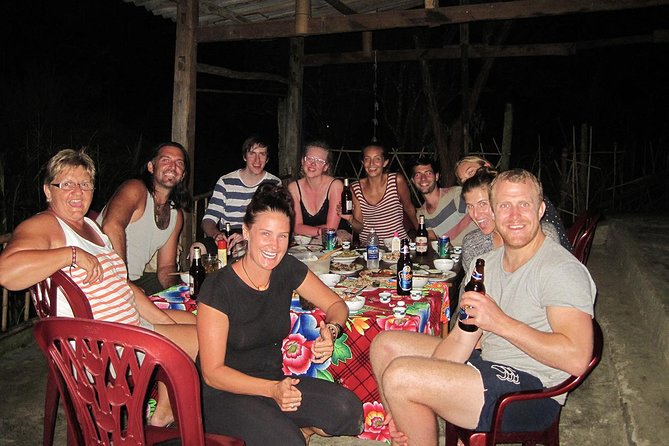
After your village walks, your day centers on Ta Van Village, home to the Zday people. Ta Van sits by the Muong Hoa stream, with views that make early mornings and late afternoons especially nice. You’ll spend the night here at a homestay (and this is one of the strongest reasons to pick this specific tour).
You’ll get a shared room or a single mattress, plus a public bathroom setup. That’s not “bad,” but it is real. If you like a predictable setup, bring a small towel and keep toiletries simple.
What I think makes Ta Van matter is that the tour’s design puts you with a local English-speaking guide in Sapa (guides may change depending on the route), and you’re guided through the ethnic-group context rather than just being dropped in front of a photo spot. The key outcome you should look for: you learn what you’re seeing—how the villages work, how people live, and what traditions mean in day-to-day life.
If you’re lucky and your group is paired with a guide like Suà (a name that came up with strong praise for cultural teaching), you’ll likely get more out of the walk than just scenery.
Day 2: Giang Ta Chai Village and a Long Hang in Ta Van
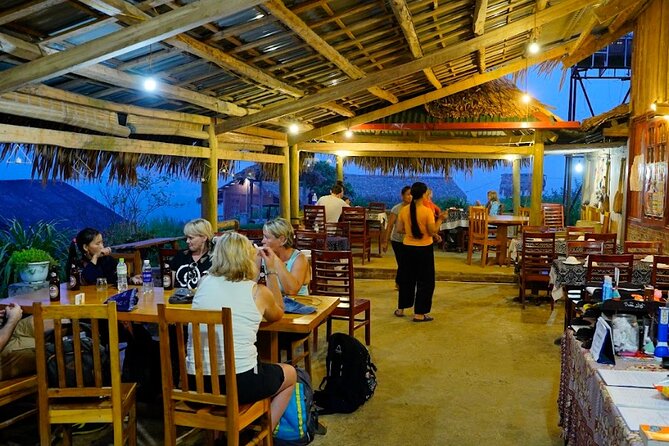
Day 2 starts with Giang Ta Chai Village, where Red Zdao, Zday, and Black H’Mong people live together. The walk here takes about 2 hours, and the emphasis is on views over the Muong Hoa valley, with bamboo forest scenery and terraced fields.
Then the tour gives you something many tight itineraries skip: time to actually stay. Back in Ta Van, you spend about 10 hours with the homestay host. The schedule is open enough that you can rest, chat, and slow down.
This is where the experience turns from “tour” to “place.” You’re not sprinting between stops; you’re living with the rhythm of the village for a day—eating, observing, and asking questions when it feels natural.
Because your time isn’t packed into minute-by-minute activities, you can also adjust if the walking days feel harder than you expected. The tour expects moderate physical fitness, so there’s flexibility, but it’s still trekking through real terrain.
Day 3 in Bac Ha: Sunday Market, Hoang A Tuong, and a Quiet Village Walk
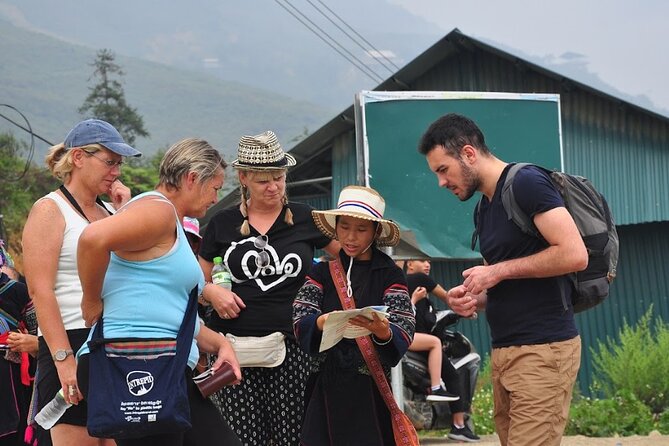
Day 3 is where the plan earns its name. You head to Bac Ha Market, and here’s the big practical detail: Bac Ha Market happens only on Sunday morning. If your dates don’t line up with Sunday, this stop won’t work the same way, so it’s worth confirming your departure date when you book.
At the market, you’ll see older-style exchange behaviors and modern trading side by side. That means you can spot locals swapping items like pig, souvenirs, and hens to get other goods. It’s not just “market browsing.” It’s a living system.
After the market, you visit Hoang A Tuong’s Castle, a key site because it ties to the King of H’Mong people history—this is described as the residence and ruling place in the past. The time at the castle is shorter (around 30 minutes), but it gives the market stop context.
Then you add a calmer walk near Bac Ha: Pho village is close to the market, and you’ll have a short walk on peaceful roads to see daily life. The stop is brief (about 30 minutes), but it helps break the momentum of market crowds.





The Ha Giang option from Sapa
If you want to chain your trip instead of returning straight to Hanoi first, there’s an extra option to go to Ha Giang directly from Sapa. The plan lists departures at 14:30 and 19:00. At 14:30, a limousine bus (18 seats) picks you up at May hotel for about 6 hours to Ha Giang.
This is a smart choice if you’re building a longer north Vietnam loop. It also saves you from backtracking.
What’s Included vs. What You Must Plan For
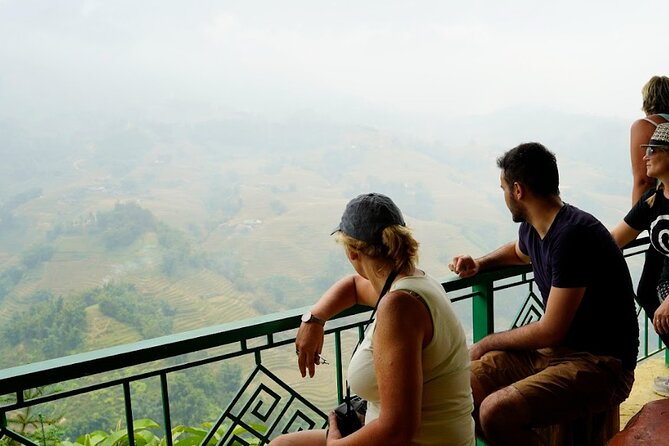
This tour includes a solid base of logistics:
- Meals: dinner and lunch (3) and breakfast (3)
- Transfers: Hanoi to Sapa to Hanoi via sleeper bus depending on options, plus overnight train depending on option
- Guides: a local English-speaking guide in Sapa (may change depending on routes)
- Homestay: Ta Van overnight (shared room or single mattress), with public bathroom
- Local tour in Bac Ha: private car and guide
- Entrance fees: Ta Van and Hoang A Tuong palace
- Government tax: 8%
Not included: drinks, travel insurance, tips, and holiday surcharge of 700,000 VND per person on specified dates (April 30, May 1, September 1–3, December 31, Jan 1).
So plan to budget a bit for drinks, and consider how you’ll handle tipping. Also, bring cash for small purchases at the market since you’ll likely want snacks or simple souvenirs while you’re walking.
Trekking Reality: Footwear, Water, and the Light-Bag Rule

This is a trekking tour, but it’s built for typical fitness levels—not extreme mountaineering. You’ll likely do a mix of village trails and shorter paths. The itinerary includes short trek prep with a light bag in Sapa, so don’t plan to carry a full backpack.
What I recommend you pack:
- Comfortable trekking shoes (mud and uneven paths are part of the reality)
- Water (you’re outdoors for multiple hours across the days)
- A light rain layer even if skies look clear
- Small day bag that stays manageable during village walks
- Basic meds for the usual stuff: upset stomach, blisters, headache
The tour is proud of its mud-road trekking. If you’ve got a hiking mindset, you’ll likely enjoy it. If you hate getting your shoes a little dirty, bring the right kind of footwear and you’ll be fine.
Guide Quality and Customer Support That Actually Helps

One of the most valuable parts of this experience is how it treats the guide as more than a walking companion. The route includes ethnic village context, and the guide role is about helping you understand what you’re seeing—culture, village life, and meaning behind places.
You’ll also have attentive customer service, with a travel consultant “always with you” to handle problems during the trip. That’s not a small detail. When you’re switching between train, bus transfers, and homestay schedules, having someone who can smooth out hiccups reduces stress fast.
A name that shows up in strong feedback is Suà, specifically praised for teaching lots about culture and the places you visit. You can’t guarantee a particular guide, since guides can change by route, but the program’s intent is clear: you’re meant to leave with understanding, not just photos.
Tradeoffs: Where This Tour Will Feel Tight
Be honest with yourself about your tolerance for logistics. This trip includes:
- overnight train scheduling from Hanoi at 21:30
- early pickup into Sapa around 5:00 am
- multiple walking blocks across three days
If you prefer slow travel with zero moving parts, you might find the schedule intense. It’s not a fault; it’s just the deal you’re making for value.
Also, homestay comfort is practical, not glossy. Expect shared sleeping setups and public bathroom arrangements. If you need private bathrooms or high-end bedding, you’ll want a different style of lodging.
Who Should Book This, and Who Might Skip It
This tour is a great fit if you want:
- Sapa plus Bac Ha in one trip
- real village time in Ta Van (not just a quick stop)
- Sunday-market energy at Bac Ha Market
- guided context with an English-speaking guide
You might want to skip it if:
- you hate early starts and overnight transport
- you need private bathroom facilities
- you want a totally unstructured day with no schedule at all
Should You Book Trek Sapa to Bac Ha Market With Train and Homestay?
I think this is a strong booking when you like guided trekking, village culture, and good value for money. The overnight train cuts down wasted time, and the Ta Van homestay turns the trip into something more grounded than a typical day tour.
If you’re the type who can enjoy mud paths, short treks, and learning from a real guide, this tour will fit you well. Confirm your travel dates so the Bac Ha Market Sunday morning timing works, then pack for trekking reality and you’ll be set.
FAQ
How long is the Trek Sapa – Bac Ha Market tour?
It runs about 3 days.
Where does the tour start and end?
It starts at Ga Hà Nội (120 Lê Duẩn, Cua Nam, Đống Đa, Hanoi) and ends back at the same meeting point.
How do the transfers work between Hanoi and Sapa?
You meet at Hanoi train station to catch an overnight train departing around 21:30 (SP1/SP2/SP3), then you’re picked up around 5:00 am at Lao Chai station to reach Sapa. The tour also mentions sleeper bus options depending on what you choose.
Do I sleep in a homestay?
Yes. You sleep overnight in Ta Van village at a homestay, with a shared room or a single mattress and a public bathroom.
What village stops are included besides Bac Ha Market?
In Sapa you visit Cat Cat, trek via Lao Chai Trail, and spend the Ta Van stay. On day 2 there’s a stop at Giang Ta Chai Village.
Is Bac Ha Market included year-round?
The market is described as taking place on Sunday morning, so it aligns with that schedule.
What entrance fees are included?
Entrance fees for Ta Van and Hoang A Tuong palace are included.
What meals are included in the price?
Meals included are breakfast (3), lunch (3), and dinner.
Can I extend the trip to Ha Giang?
Yes. There’s an extra option to start Ha Giang directly from Sapa, with departures at 14:30 and 19:00. The 14:30 option is listed as a limousine bus (18 seats) taking about 6 hours.
What cancellation window do I have?
You can cancel up to 6 days in advance for a full refund.