REVIEW · HANOI
Hanoi: 3-Day Sapa Trek with Homestay
Book on GetYourGuide →Operated by VIETNAM OPENTOUR CO LTD · Bookable on GetYourGuide
Sapa has a way of making you slow down. This 3-day trek pairs rice-terrace views with a real homestay night and shared meals. I like the mix of village walks and hands-on time with local families, and I also like that the route keeps you moving without feeling rushed. One thing to consider: homestay comfort isn’t hotel comfort, and the trek can feel cold in winter and foggy at higher altitude.
A big part of the value is how much you get done in a short time: Hanoi to Sapa by bus, then two nights in the area. I also appreciated the human touch from guides like Chu, who kept the day flowing and looked after everyone during the walk. The itinerary can shift based on conditions, so it helps to expect a plan that adapts, not a script carved in stone.
In This Review
- Key things that make this Sapa trek worth your time
- Sapa Trek With Homestay: The real “why” behind this 3 days
- Who this is best for
- Day 1: Hanoi to Sapa, then Cat Cat Village by foot
- Day 1 drawback to plan for
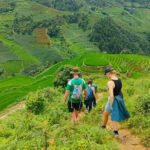
- Day 2: Hmong terraces at Y Linh Ho, then Lao Chai to Ta Van homestay
- What makes Day 2 valuable (and what can go wrong)
- Day 3: Sunrise views, bamboo forest trek, silk waterfall, and back to Hanoi
- Winter reality check: cold and fog
- Guide details that actually help you enjoy the trek
- Price and value: what you’re really paying for at $182
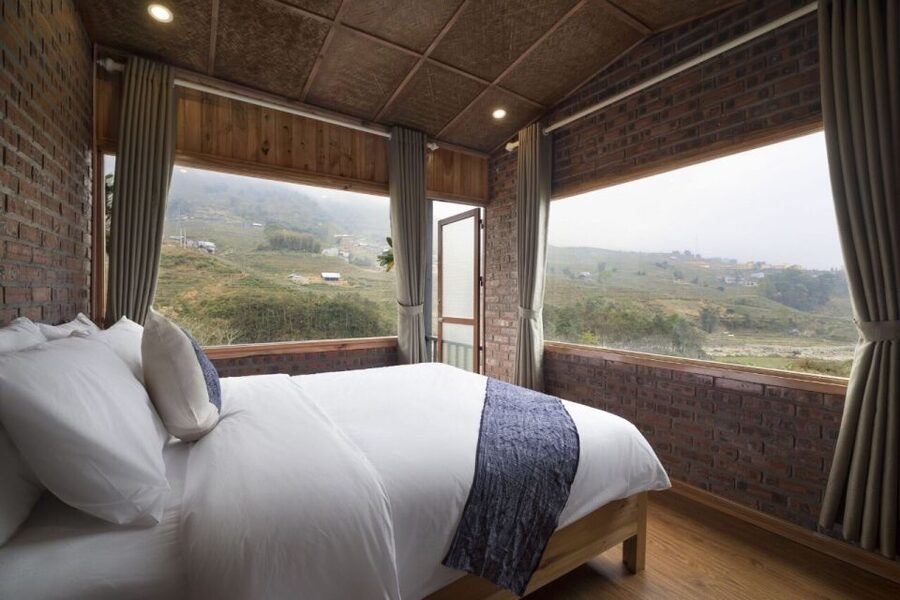
- Homestay comfort: what to expect and how to make it work
- When the plan changes: what I’d confirm before you go
- What to bring: the packing list that keeps you comfortable
- Best-fit travelers (and who should skip it)
- Should you book this Sapa trek with homestay?
- FAQ
- How long is the Sapa trek?
- Where does pickup happen in Hanoi?
- What’s included in the price?
- Do I stay in a hotel and a homestay?
- Is the homestay like a hotel?
- What should I bring for the trek?
- Is this tour suitable for pregnant women or medical conditions?
- How big is the group?
Key things that make this Sapa trek worth your time
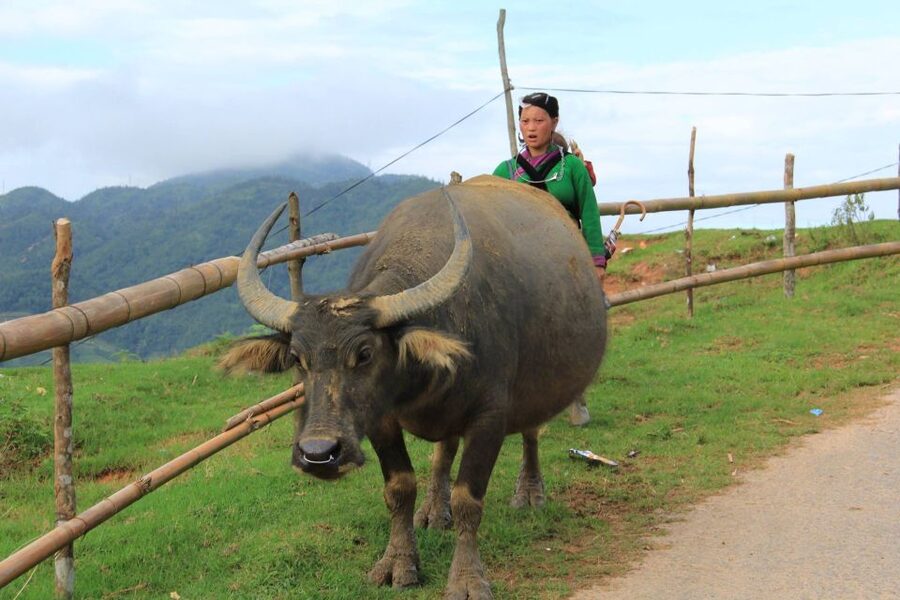
- Cat Cat Village + waterfall + hydropower views on Day 1, with craft and culture stops along the way
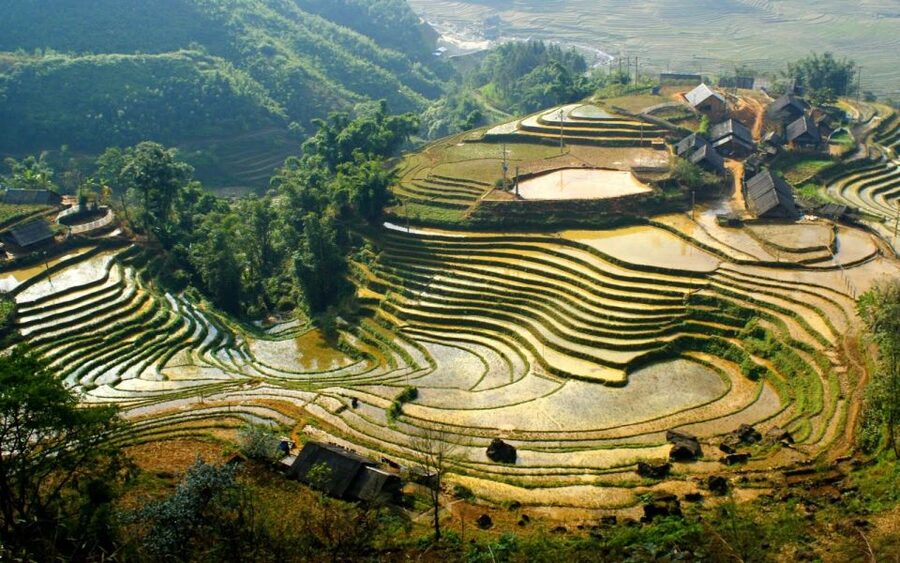
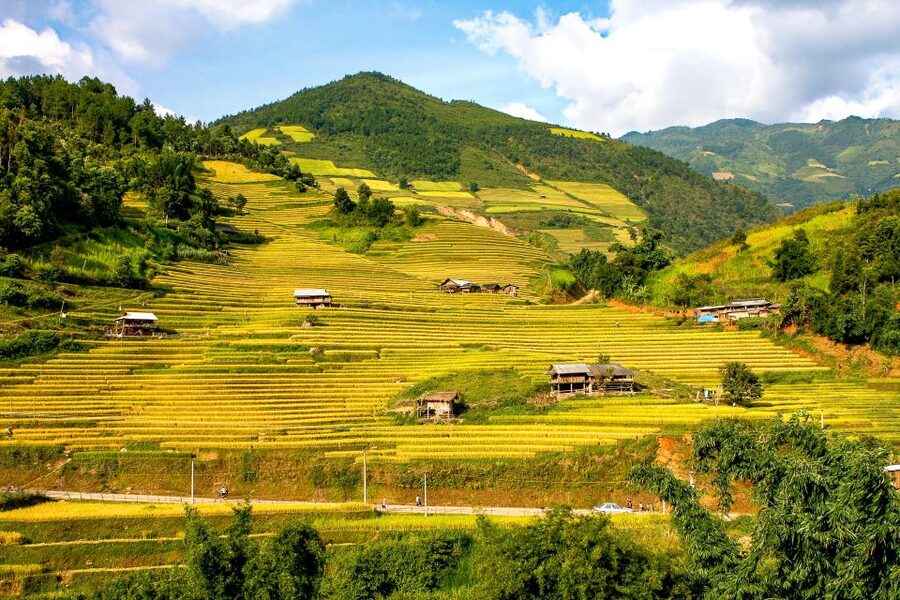
- Y Linh Ho terrace photos from an Hmong village with very old, inherited-looking rice fields
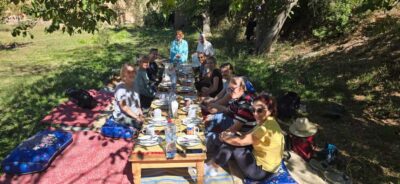
- Ta Van overnight with a Giay family plus cooking and dinner together
- Early morning pancakes and hot drinks outdoors on Day 3, paired with terrace views
- A bamboo forest and a silk waterfall trek before finishing at Giang Ta Chai
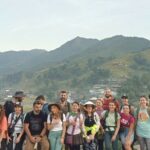
- Small group size (up to 10) so you’re not swallowed by a crowd
Sapa Trek With Homestay: The real “why” behind this 3 days

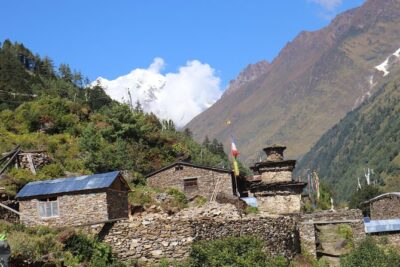
This trip lives in northern Vietnam’s layered world: hill villages, rice terraces, and ethnic cultures that are still very much part of daily life. The best part is the balance. You get classic viewpoints around Sapa, but you also get something more practical: you’re walking between communities, eating with your hosts, and seeing how the day works when the guest is not the center of attention.
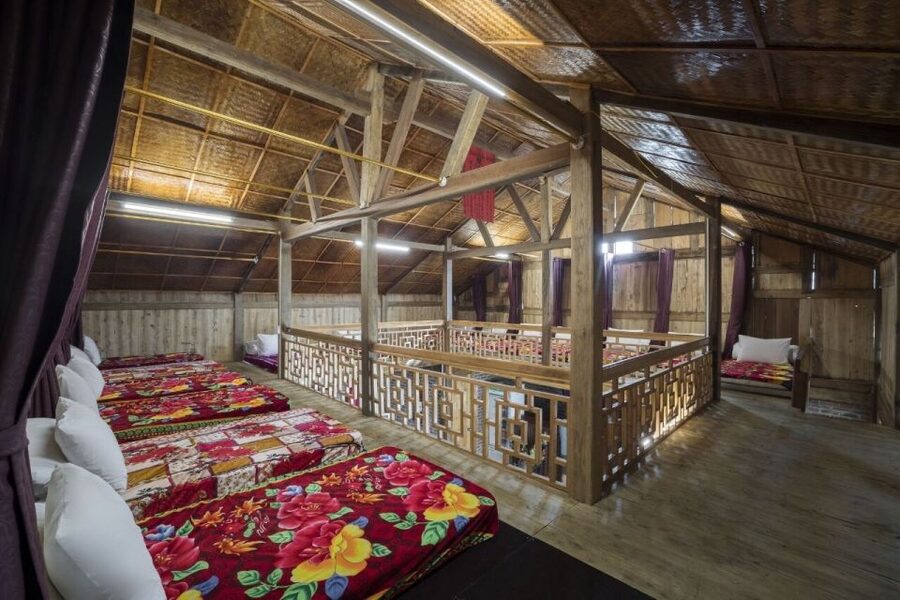
Price-wise, $182 per person can feel like a lot until you add up what’s included. You’re getting round-trip transportation between Hanoi and Sapa (by modern shuttle/bus), an English-speaking guide for the Hanoi–Sapa segment, a local English-speaking guide while in Sapa, multiple meals, and overnight stays—one night in a shared Dzay homestay (with private rooms available for an extra cost). For a short trek like this, that kind of package setup tends to be the difference between a smooth trip and a messy one.
You can also read our reviews of more tours and experiences in Hanoi.
Who this is best for
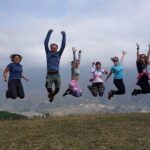
You’ll likely enjoy this most if you want active sightseeing without needing to plan every leg. This works well for couples, solo travelers, and small groups who are comfortable walking on uneven paths and don’t mind that the homestay side of travel is more basic than a hotel bed.
If you want luxury comforts, you should know what you’re signing up for. Homestay facilities are not the same as hotels in Sapa. That’s not a complaint. It’s the trade.
Day 1: Hanoi to Sapa, then Cat Cat Village by foot
Day 1 starts early in the Hanoi Old Quarter. Pickup is included from the Old Quarter area, typically around 6:30–7:00 AM, or you can meet at 6:45 AM at 9 Hàng Hương, Hàng Mã, Hoàn Kiếm. You’ll also see pickup connected to 204 Trần Quang Khai before boarding a big bus.
The bus ride itself is part of the experience. This is not a quick hop; Sapa sits up high, and the road gives you time to reset. There are comfort breaks along the way (one around Lao Cai city, and another in/near Lao Cai before approaching Sapa). You arrive in Sapa Town with a quick cultural snapshot: you’ll see traditional costume styles tied to local ethnic groups such as H’Mong, Dzao, and Tay.
After check-in, your afternoon begins with a village walk. At about 2:30 PM, you head from the hotel toward Cat Cat Village for an approximately 3 km exploration route. Cat Cat is known historically as a colonial French discovered area and an early 20th-century resort location for officials. Today, it’s still a living village.
What I like here is that the walk isn’t only about scenery. You visit:
- the hydropower station
- the Cat Cat waterfall
- craft and cultural stops tied to locals, including weaving, carved silver, and hand-forged agricultural tools
Then you return by foot (again about 3 km) back toward Sapa Town. Dinner happens around 6:30–7:00 PM, and you overnight in a hotel in Sapa.
Day 1 drawback to plan for
This day is manageable, but it also sets expectations. You’ll be around market and craft activity, and you may feel some pressure to buy items. One review highlighted that craft-selling can happen even while you’re walking. If you hate sales interactions, treat this as a heads-up. You can be polite and firm, and you don’t have to buy to enjoy the walk.
Day 2: Hmong terraces at Y Linh Ho, then Lao Chai to Ta Van homestay

Day 2 starts with an early breakfast and check-out before 8:30 AM. Then you’re on foot heading down toward Y Linh Ho, a village where the Hmong minority lives.
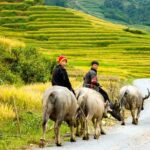
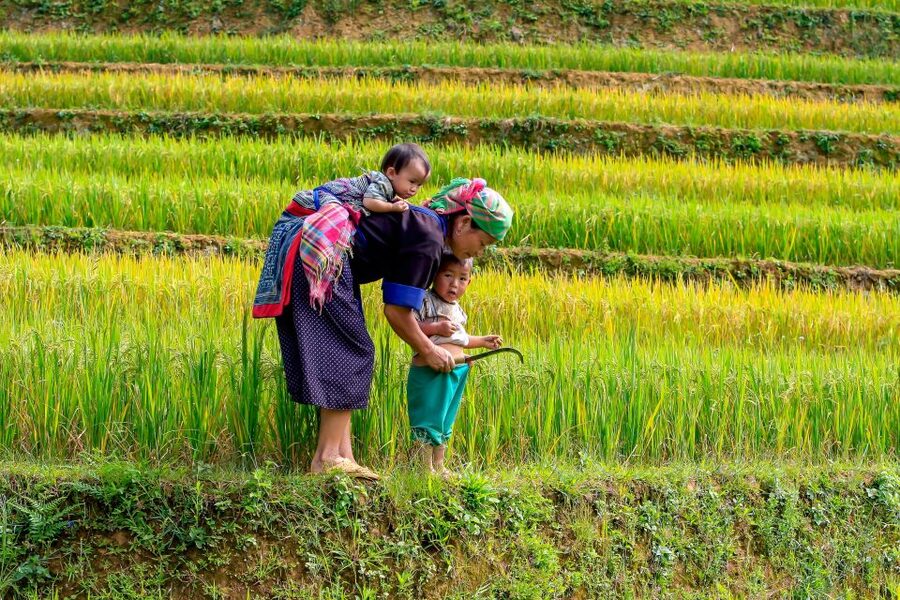
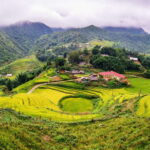
This is where the views get specific. Y Linh Ho is a great place for photographs of hereditary terraces estimated around 100 years old. Even if you’re not a “pro photographer,” it helps to know what you’re looking at: these terraces aren’t just scenic backdrops. They reflect how families adapted hillside farming over generations.
From there, you move to Lao Chai. You stop for about an hour lunch break (lunch is included). Lao Chai is also where you get a stronger sense of village life as part of the walk, not as a separate detour.
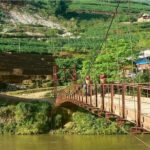
Then you continue to Ta Van, described as an established Hmong and Giay village. Here’s the pivot point of the trip: instead of a hotel night, you’re welcomed by a local Giay family and stay overnight in their home.
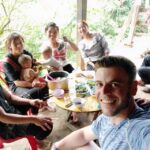
Dinner is not just “served.” You’re included in the rhythm of the evening, with cooking and having dinner with the local family. This is the moment where the homestay stops being a checkbox and starts feeling like cultural exchange.

What makes Day 2 valuable (and what can go wrong)
The value is that the day connects three levels:
1) terrace views (Y Linh Ho)
2) village base (Lao Chai)
3) home life (Ta Van)
That connection is what makes the trek feel more meaningful than a drive-through scenic stop.
The “what can go wrong” is simple: weather and operating conditions can change routes and timing. The trip also notes that the itinerary can be changed due to weather, tide levels, and operating conditions. That means you should mentally allow for some variation, even if you’re excited for every detail.
Day 3: Sunrise views, bamboo forest trek, silk waterfall, and back to Hanoi
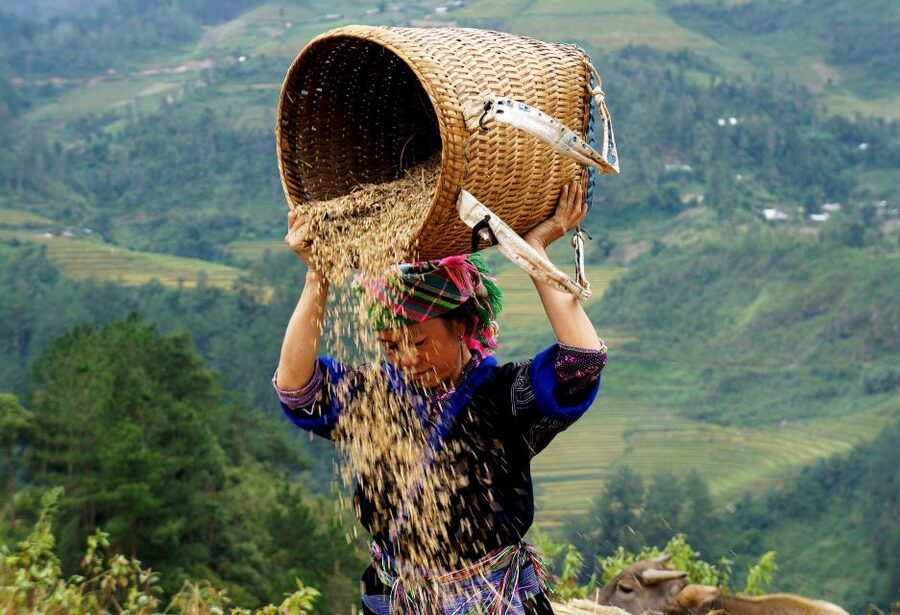
Day 3 is an early-morning wake-up. The experience is designed so you get the rural soundscape—rooster or pigs—then breakfast outdoors, with pancakes, hot tea, or hot coffee. You’re also treated to sensational views across the rice terraces, which can be dramatic in the early hours.
After breakfast, you say goodbye to the homestay family and start the trek again. The walk includes an enchanting bamboo forest and a stop at the silk waterfall, then continues to Giang Ta Chai. You’ll trek for a few hours, and then you stop for picnic lunch with scenic views.
From Giang Ta Chai, you head back to the main road and catch a car or minivan back to Sapa Town. You’ll get back around 2:00 PM, have a shower at your hotel, and then a 3:00 PM shuttle drives you to the bus office for the trip back to Hanoi.
Before you leave, you get sandwiches to take away with you. That’s a small touch, but it matters when you’re traveling by road again.
Winter reality check: cold and fog
Sapa’s altitude means conditions can be tricky, especially in December, January, February, and March. The trip notes it can be foggy then. If you’re traveling in those months, pack for cool damp mornings and visibility that might limit views. Bring warm layers and a scarf and hat as recommended.
Guide details that actually help you enjoy the trek
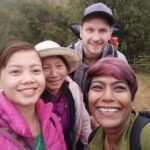
Your experience depends on how smoothly the day is managed. The trip uses English-speaking guides, including a local English-speaking guide in Sapa. In one standout review, a guide named Chu was described as cheerful and tireless, and he gave lots of context about the Black Hmong and how life in the tribe works.
There was also a practical mention: Chu protected the group from stray dogs. The review noted the dogs were about 1.45 m high, and the guide handled the situation. That’s not something you should fear, but it does point to the value of having a confident local guide who knows how to keep things calm.
Price and value: what you’re really paying for at $182
Let’s translate the $182 into what matters on the ground. This is not just a walking tour. It’s:
- transport between Hanoi and Sapa (modern shuttle bus with an experienced driver)
- a tour guide in English during the Hanoi–Sapa portion and again locally in Sapa
- 3 lunches, 2 dinners, and 1 breakfast
- 2 bottles of water
- 2 nights of lodging (one hotel night in Sapa, one homestay night)
When meals and guidance are included, you avoid the usual extra costs and confusion. It also reduces decision fatigue—especially on a trek where you want your energy for the walking.
The main “cost” you should plan for is what’s not included: beverages, travel insurance, and personal expenses. Also, if you want a private room in the homestay, that’s available for an extra cost.
Homestay comfort: what to expect and how to make it work
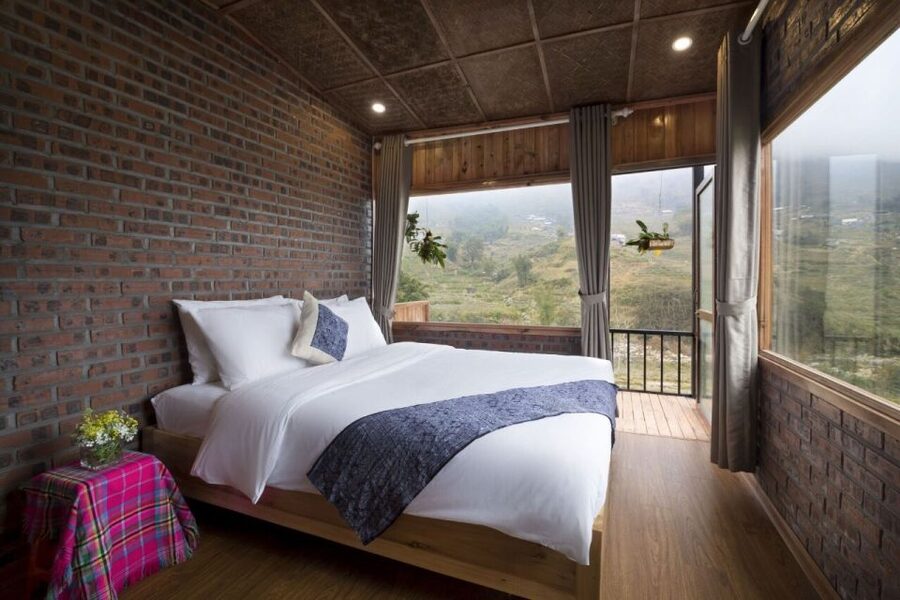
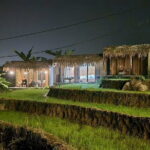
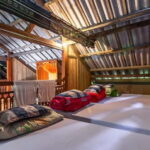
A homestay is a different kind of “stay.” The trip is clear that homestay facilities are not like hotels in Sapa. In other words: expect basic setups, family-run routines, and less control over comfort than you’d get in a modern room with strict temperature settings.
Here’s how to make the night easier on you:
- pack warm clothing for evening and morning
- treat the breakfast and dinner as part of the experience, not an optional add-on
- be ready to follow the household rhythm (especially since you might wake to farm sounds)
Also, you’ll be cooking and eating with your hosts on Day 2, which is exactly why this is special. It’s not just sleeping in someone’s home; it’s sharing an evening in their world.
When the plan changes: what I’d confirm before you go
One key point from real-world expectations: the trip can run a bit differently than the exact promotional details you might be imagining. The itinerary notes changes can happen due to weather and operating conditions. In addition, one review reported differences such as no picnic elements and no stilt-house aspect, and also no return train rides (the trip itself is by bus).
So before you book, consider sending a quick message to ask about the specifics you care about most:
- do you expect a picnic on Day 3 (it’s listed, but ask what happens if conditions shift)?
- will there be stilt-house-style sights, or does the homestay involve a different setup?
- is every leg by bus/minivan as planned, without train segments?
You don’t need every detail. You just need the parts that affect how you feel about the day.
What to bring: the packing list that keeps you comfortable
The trip is straightforward about what you should carry. You’ll want:
- passport or ID card
- comfortable shoes (and ideally hiking shoes)
- warm clothing
- weather-appropriate clothing
- sunglasses and sunscreen
- insect repellent
- scarf and hat for cooler months
This is a trek in a place where mornings can feel chilly fast. Proper footwear matters more than fancy clothes. Also, bring cash for personal expenses. Vietnam Dong is best, though US dollars, euros, and Australian dollars can be accepted in Sapa.
Best-fit travelers (and who should skip it)
This trek is a good fit for you if you:
- enjoy walking on uneven paths
- like cultural context and local meals
- want a small group experience (limited to 10)
- are okay with basic homestay living
It’s not suitable for pregnant women or people with pre-existing medical conditions. There’s also a note that 9 km of walking isn’t recommended for older guests or children, which is a good signal that pace and endurance matter here.
Should you book this Sapa trek with homestay?
If you want a short, guided trek that mixes classic Sapa sights with a real home-meal experience, this is a solid choice. The strongest reasons to book are the rice-terrace village route, the Giay homestay dinner/cooking, and the practical inclusion of meals and guides. The guide support you get, including someone like Chu who knows the terrain and the culture, can make a big difference on a multiday walk.
I’d only hesitate if you’re sensitive to cold, don’t handle basic homestays well, or hate any pressure around craft sales. Also, if a very specific version of the itinerary matters to you, message the operator first so you know what can change when weather or conditions shift.
If you’re flexible and ready for rural northern Vietnam, you’ll likely come away with more than photos—you’ll have stories from the table and the path.
FAQ
How long is the Sapa trek?
It runs for 3 days.
Where does pickup happen in Hanoi?
Pickup is included from the Old Quarter area of Hoan Kiem district (around 6:30–7 AM), or you can meet at 6:45 AM at 9 Hàng Hương, Hàng Mã, Hoàn Kiếm, Hà Nội.
What’s included in the price?
Included are pickup in meeting point, a modern shuttle bus with an experienced driver, 2 bottles of water, English-speaking tour guide between Hanoi and Sapa, a local English-speaking tour guide in Sapa, 3 lunches, 2 dinners, and 1 breakfast, plus shared accommodation in a Dzay homestay (private rooms can be added for extra cost).
Do I stay in a hotel and a homestay?
Yes. The trip includes one night at a 3-star hotel in Sapa and one night in a local homestay.
Is the homestay like a hotel?
No. The tour notes that homestay facilities are not the same as hotels in Sapa.
What should I bring for the trek?
Bring passport or ID card, comfortable shoes and/or hiking shoes, warm clothing, weather-appropriate clothing, sunglasses, sunscreen, and insect repellent. A scarf and hat are recommended for cooler months.
Is this tour suitable for pregnant women or medical conditions?
No. It’s not suitable for pregnant women and it’s not suitable for people with pre-existing medical conditions.
How big is the group?
The group is small, limited to 10 participants.