REVIEW · HANOI
3-Day Pu Luong Natural Reserve from Hanoi, Trek with Local Guide
Book on Viator →Operated by Vietmountain Travel · Bookable on Viator
A quiet trail can change your whole mood. This 3-day Pu Luong trek from Hanoi is built around small village life, homestays, and real time on the paths through rice terraces.
You’ll start in Hanoi, then head out to the Pu Luong Nature Reserve with a local expert and spend nights with Thai and Muong families.
What I especially like is the chance to meet White Thai locals and slow down inside stilt-house village routines, not just pass through. I also like that the trip is structured to reduce stress: private door-to-door pickup and a guide who handles the details so you can focus on the views and conversations.
One thing to consider: this is an active, outdoor itinerary. Comfortable shoes matter, and long travel days mean you’re giving up a chunk of time in exchange for a more authentic pace.
In This Review
- Pu Luong trek highlights you’ll actually feel on the ground
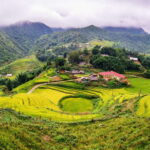
- Pu Luong Nature Reserve: rice terraces, bamboo water wheels, and village calm
- Private door-to-door pickup from Hanoi Old Quarter: less hassle, more trail time
- Day 1: Hanoi to Hieu Village, then Don Village terraces, and a homestay dinner
- Day 2: The early trek to Eo Ken Village (start slow, end happy)
- Day 3: Ban Cong stroll with a suspension bridge, then mountain views back to Hanoi
- Homestays and meals: vegetarian option, bottled water, and cultural exchange that doesn’t feel forced
- Price and value: why $475 can make sense for a 3-day Pu Luong trek
- Trekking reality check: what to bring and how to stay comfortable
- Who should book this Pu Luong trek (and who should skip it)
- Book it or pass: my practical verdict
- FAQ
- How much does the 3-day Pu Luong trek from Hanoi cost?
- Where are pickup and drop-off provided in Hanoi?
- Is the guide English-speaking?
- Are entrance fees and trekking activities included?
- Can I get vegetarian meals?
- What should I bring for the trek?
- What if weather causes cancellation or changes?
Pu Luong trek highlights you’ll actually feel on the ground
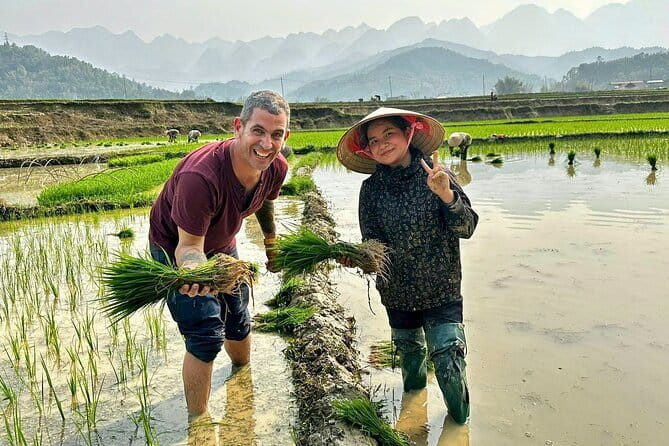
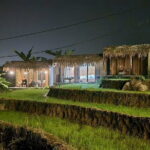
- Stilt-house homestays that keep you close to daily rhythms in the village
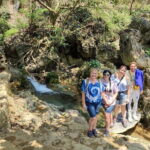
- Terraced rice walks through Thai hamlets like Hieu, Don, Eo Ken, and Ban Cong
- Bamboo water wheels and local farming know-how that show how people live with nature
- A local English-speaking guide named John (based on one of the best-rated experiences shared)
- Private, door-to-door transport from Hanoi Old Quarter with a safe, modern vehicle
- Meals included, including vegetarian on request, so you’re not hunting food after trekking
Pu Luong Nature Reserve: rice terraces, bamboo water wheels, and village calm
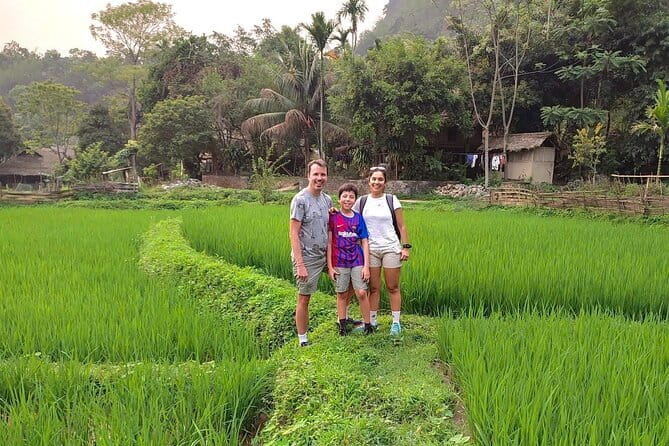
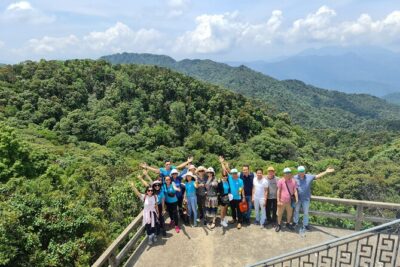
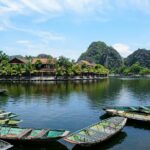
Pu Luong is the kind of place where time feels slower—villages first, scenery second. The region is known for terraced rice fields and the way people shape daily life around the land and water.
What makes this trek stand out is that you’re not only walking the outside view. You’re getting a front-row seat to how Thai and Muong communities farm, cook, and socialize, including traditional bamboo water wheels—one of those details that turns a photo into a story.
You’ll also notice the “crowd pressure” is low compared with big-name day trips. The route is built around villages and trails, so you’re more likely to share the path with locals and quiet moments than with tour buses.
You can also read our reviews of more tours and experiences in Hanoi.

Private door-to-door pickup from Hanoi Old Quarter: less hassle, more trail time
This is a private tour/activity, meaning it’s just your group. That matters because Pu Luong is not next door to Hanoi. You want your start and finish to be smooth.
You also get private, modern, air-conditioned transportation with a safe driver, plus pickup and drop-off in Hanoi Old Quarter. If you’re staying outside the Old Quarter, you’ll want to confirm how pickup works for your exact location before you book.
There’s also a 24/7 hotline support included after confirmation. I like that for a trip like this, because trekking plans and timing can feel more serious than a city itinerary.
Day 1: Hanoi to Hieu Village, then Don Village terraces, and a homestay dinner
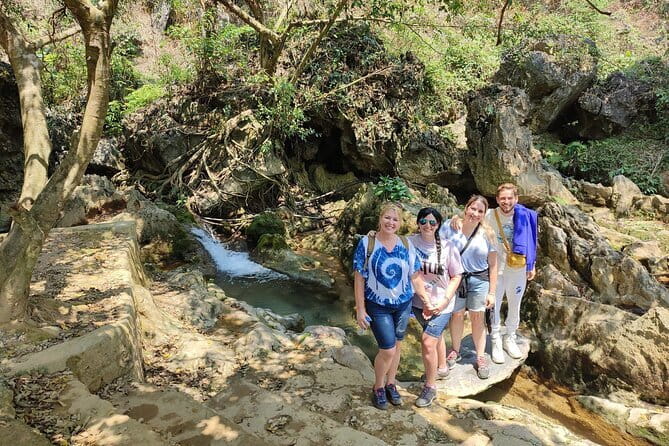
Day 1 is where you switch gears—from city energy to mountain rhythm. You’ll start with a Hanoi segment (Old Quarter) and then head toward Pu Luong Nature Reserve to begin the trekking part of your trip.
Hieu Village is where the day eases in. You’ll stroll through the village at the pace of daily life, with farmers working the rice paddies around you. This isn’t a hard-sell stop. It’s more like a gentle landing: watch, learn, ask questions, and get used to the fresh mountain air.
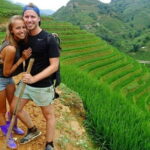
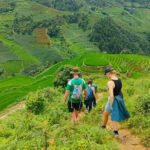
Later in the afternoon, you trek toward Don Village, which is known for its breathtaking terraced paddy fields. The walk here is one of those “why people travel” moments. Even if you don’t call yourself a hardcore photographer, this is the kind of setting where you’ll naturally slow down and frame shots carefully.
By the late afternoon you return to the homestay, rest, then dinner comes with cultural exchange. The schedule includes dinner at about 6:30 pm with a Thai family, which is a big part of why this tour feels human instead of like a checklist.
Day 2: The early trek to Eo Ken Village (start slow, end happy)
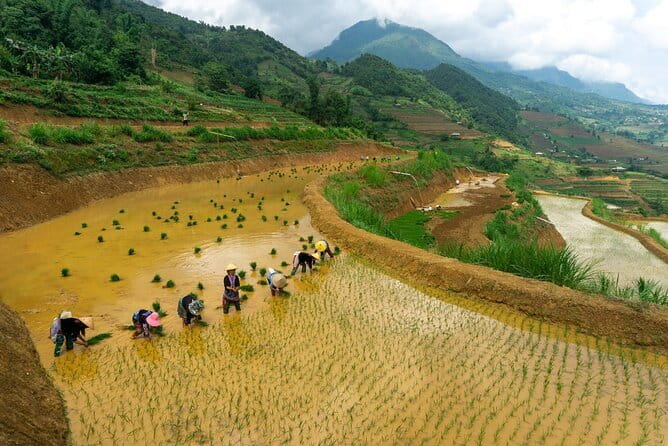
Day 2 starts early—wake up in the village atmosphere, then have breakfast at the homestay. This is a real rhythm shift, because you’re not rushing out in the dark just for the sake of it. It’s more about catching the calm part of the day.
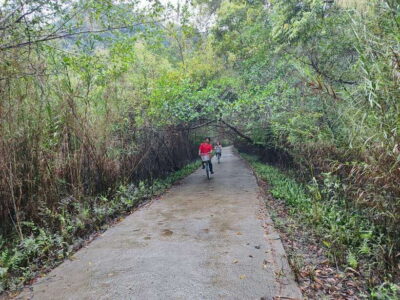
After breakfast, you hike along a scenic hilly path to Eo Ken Village. The focus here is not just the route; it’s the meeting. You get time to interact with locals and see rural life up close at a walking pace.
This is the day I recommend for anyone who wants their legs to work but not their brain to feel overloaded. It’s active, but the tone stays relaxed.
Day 3: Ban Cong stroll with a suspension bridge, then mountain views back to Hanoi
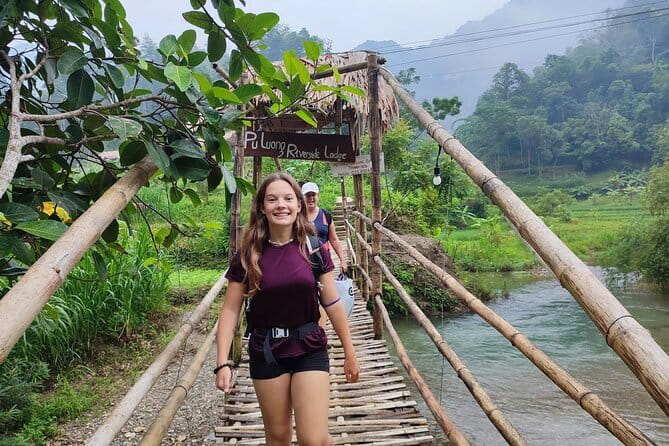
On Day 3, you’ll enjoy breakfast again and then travel to Ban Cong. The walk is described as a leisurely 2.5 km, so it’s more about enjoying the scene and the village feel than pushing for distance.
A key moment here is crossing a suspension bridge. Bridges tend to be crowd magnets on popular routes, but on this kind of trek they usually feel more personal—just you, the line of the path, and the sense of moving through the valley.
After the walk, you’ll continue back toward Hanoi with mountain views along the way. Lunch is included, then you aim to arrive back in Hanoi around 5:30 pm and return to your hotel.
That end-of-day timing is practical. You get a real arrival back in town without losing the whole night to transit.

Homestays and meals: vegetarian option, bottled water, and cultural exchange that doesn’t feel forced

Meals are included throughout the trip: breakfast twice, lunch three times, and dinner twice. Bottled water is also provided. That combination matters because trekking days can make “small” food decisions take over your whole mood.
Vegetarian food is available on request. If you eat plant-based, message ahead so the homestay can plan properly. Don’t assume every place will automatically understand the phrase vegetarian on the day.
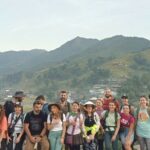
The dinner on Day 1 is specifically set aside for cultural exchange with a Thai family. From what’s been shared in strong reviews, this is often the emotional highlight—the kind of night where people share stories, you ask questions, and you realize how much daily life looks different just a few hours outside Hanoi.
Also: bring a positive attitude about sharing space. Homestays are not hotels. That’s the point.
Price and value: why $475 can make sense for a 3-day Pu Luong trek

At $475 per person for about 3 days, this is not a budget impulse buy. But for what you’re getting, it can be good value.
Here’s what’s included in the price:
- Entrance fees, trekking activities, and village visits
- Travel insurance
- Bottled water and the scheduled meals
- An enthusiastic English-speaking local guide (other languages available on request)
- Private door-to-door pickup and drop-off in Hanoi Old Quarter
- Private modern air-conditioned transport with a driver
- 24/7 hotline support
What’s not included is tips for the guide and driver, plus beverages and personal expenses. So plan a small extra amount for gratuities, and also expect that you’ll want extra water or drinks beyond what’s provided.
If you compare this to cobbling together separate transport + guides + tickets + meals, the structure becomes the selling point. You pay for fewer moving parts, especially on a route that’s hard to DIY without local help.
Trekking reality check: what to bring and how to stay comfortable

The tour notes that most travelers can participate, but it’s still trekking in rural terrain. The easiest way to enjoy it is to show up prepared.
Bring:
- Comfortable shoes and trekking-ready clothing
- A small backpack
- Hat, sunglasses
- Water bottle
- Mosquito spray and sunscreen
Also keep in mind: Day 1 is described as a longer day, and Day 2 and Day 3 include village walks and hikes. You don’t need to be a mountaineer. You do need to be willing to walk steadily and take breaks when offered.
If rain or humidity hits, trails can get slick. Even though the tour doesn’t spell out weather conditions, the clothing guidance is a clear hint: you’ll be outdoors for several hours at a time.
Who should book this Pu Luong trek (and who should skip it)
This trip is a great fit if you want:
- A local-guide experience with village visits
- Homestay nights in stilt houses
- Terraced rice walks plus cultural exchange
- A trip that feels quieter and less rushed
It may not be your best match if:
- You hate long travel days. The schedule has a full Day 1.
- You only want short, flat walks and no outdoor time.
- You require a highly controlled hotel-style routine. Homestays are part of the deal.
It’s also family-possible with limits: children must be accompanied by at least one adult. Service animals are allowed.
Book it or pass: my practical verdict
I’d book this if your dream trip is Pu Luong for the people as much as the scenery. The combination of village time, stilt-house evenings, and included meals makes it feel well-supported without turning into a performance.
I’d think twice if you’re looking for a strictly low-effort vacation. This is active, and you’ll get more out of it if you pack well and pace yourself.
If you do book, send a note about vegetarian needs early, and come with questions you’d genuinely like answered about village life. The best moments here are the conversations, not just the photos.
FAQ
How much does the 3-day Pu Luong trek from Hanoi cost?
It costs $475 per person.
Where are pickup and drop-off provided in Hanoi?
Pickup and drop-off are offered in Hanoi Old Quarter.
Is the guide English-speaking?
Yes, the included guide is English-speaking. Other languages are available on request.
Are entrance fees and trekking activities included?
Yes. Entrance fees, trekking activities, and village visits are included.
Can I get vegetarian meals?
Vegetarian food is available on request.
What should I bring for the trek?
Wear comfortable shoes and trekking-appropriate clothing. Also bring a small backpack, hat, sunglasses, water bottle, mosquito spray, and sunscreen.
What if weather causes cancellation or changes?
If the experience has to be cancelled due to poor weather, you’ll be offered a different date or experience, or a full refund.