REVIEW · HANOI
Sapa Hard Trekking by Bus for 2 days
Book on Viator →Operated by Wati Travel · Bookable on Viator
Early mornings, big mountain rewards.
This Sapa hard trekking trip mixes an active 2-day walk (about 10 miles/16 km total) with a real homestay night, plus meals and round-trip coach from Hanoi. I really like the day-one valley route through Lao Chai (H’Mong) and on to Ta Van (Tay), because you get views from both up high and down in the paddies. One consideration: the walking is not a stroll, and rustic conditions mean you should plan for sore legs and simple sleeping comforts.
On day two, the trek continues through a bamboo forest toward Giang Ta Chai (Red Dzao), a village known for weaving. I like that you’re not just watching scenery—you’re walking village paths and ending the day with lunch and the ride back. If you’re picky about comfort or you dislike early starts, this is the kind of trip that will feel demanding.
You’re also kept on a tight schedule: hotel pickup in Hanoi’s Old Quarter, a midday arrival in Sapa, a homestay dinner that you help cook, then back to Hanoi around 10:00 pm. It’s a focused, value-packed format for active people who want Sapa culture and countryside, not just one viewpoint.
In This Review
- Key Points Worth Marking
- The Big Idea: Active Trekking plus an Actual Village Night
- Day One: Hanoi Pickup, Midday Arrival, and the Lao Chai → Ta Van Walk
- Lunch in Sapa: Start with local fuel
- The trek: Lao Chai (H’Mong) and Ta Van (Tay)
- Arrive at the homestay around 5:00 to 6:00 pm
- Day Two: Breakfast, Bamboo Forest Trek, and Red Dzao Weaving in Giang Ta Chai
- Bamboo forest section: calm walking, focused scenery
- Giang Ta Chai: weaving skills as the cultural center
- Lunch and the ride back to Sapa
- Return to Hanoi: about 10:00 pm arrival
- What This Trip Is Really Like on the Ground
- You should expect rustic, not hotel-perfect
- You need comfort with uneven walking
- Group size helps: max 20 with an English-speaking guide
- Transport and Timing: Why the Schedule Works (and where it can bite)
- The upside: included coach and full meal planning
- The friction points: early pickup and late return
- A note on changing your own transport plans
- Value for $97.44: Where the Money Goes
- What to Pack and How to Prepare (So You Enjoy It)
- Who Should Book This Trek (and Who Should Skip)
- Should You Book Sapa Hard Trekking by Bus for 2 Days?
- FAQ
- How long is the Sapa trekking tour?
- What is included in the price?
- Where are the pickup and drop-off in Hanoi?
- What villages does the trek pass through?
- Is the trek difficult?
- How many people are in the group?
- What is the minimum age to join?
Key Points Worth Marking

- 6:30 am departure from Hanoi Old Quarter means you’ll start trekking sooner than most
- Day-one hike is 3 to 4 hours, linking Lao Chai (H’Mong) to Ta Van (Tay)
- Homestay includes dinner where you cook together with the host family
- Day-two bamboo forest walk leads to Giang Ta Chai (Red Dzao) and their weaving tradition
- About 10 miles/16 km total walking distance over two days for an active crowd
- Max 20 travelers with a local English-speaking guide for better group flow
The Big Idea: Active Trekking plus an Actual Village Night
This trip’s main pull is the combination. You get a two-day trek through Sapa’s mountain valleys and rice-growing areas, and then you sleep in a small village home rather than a hotel. That pairing matters because Sapa is more than views. The best moments come when you’re walking through lived-in terrain—paths between fields, village lanes, and the everyday routines of families who live there year-round.
The tour is labeled hard trekking, and the numbers back that up. You’re covering about 10 miles (16 km) total across two days, with day one’s main trekking stretch lasting 3 to 4 hours. There’s no pretending this is easy. But it’s also not an all-day endurance test with technical climbing. It’s a long hike broken into manageable chunks, supported by meals and transportation.
The other thing I like is how the itinerary balances the cultural stops with the walking. You’re not dropping out of the trek every hour for a performance. Instead, you move through villages—Lao Chai, Ta Van, then Giang Ta Chai—and the stops feel like part of the hike rather than interruptions.
You can also read our reviews of more tours and experiences in Hanoi.



Day One: Hanoi Pickup, Midday Arrival, and the Lao Chai → Ta Van Walk
Your morning starts early. The bus pickup is scheduled from 6:15 to 6:30 am, and it’s specifically from hotels in Hanoi’s Old Quarter. If you’re staying outside that area, plan on arranging your own way to the pickup zone, because hotel drop-off isn’t included.
After departure, you’ll get one or two short breaks along the way to stretch and use the restroom. Then you arrive in Sapa at about 12:30 pm. That timing is important: it means you don’t waste the whole first day waiting. You’ll go for lunch in Sapa and then you’re trekking.
Lunch in Sapa: Start with local fuel
Once you arrive, the staff picks you up for lunch. Exact dishes aren’t listed, but you’re getting a proper Vietnamese meal before you hit the trail. For me, this is a smarter setup than forcing you to trek on an empty stomach and hoping you can grab snacks later.
The trek: Lao Chai (H’Mong) and Ta Van (Tay)
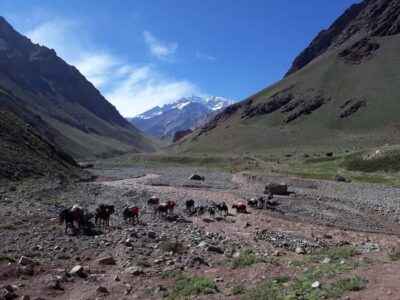
The first trekking window is 3 to 4 hours. The route goes through Lao Chai, home of the H’Mong, and then continues to Ta Van, home of the Tay, where you stop at a homestay for the night.
Here’s what I think you’ll notice most during this section:
- You’ll see valley views from different heights—some moments are more “top view,” others are more “bottom view” looking into the rice paddies and mountain folds.
- You’ll be walking in a valley setting, surrounded by mountains, which makes the scenery feel both close and huge at the same time.
The tour also calls out that there are many spots for you to witness the valleys. In practice, that means you’ll likely have short pauses for photos and viewpoints as you move, not just one dramatic overlook at the end.
Arrive at the homestay around 5:00 to 6:00 pm
Your homestay arrival is scheduled for about 5:00 to 6:00 pm. That’s a good time window because it gives you enough daylight to settle in and participate without feeling rushed.
Instead of a quick check-in and then leaving, you get a hands-on cultural moment:
- The host family welcomes you.
- You have the chance to cook dinner together in the traditional way.
- You eat, learn about day-to-day life, and then enjoy a starry night in the village.
Even if you’ve done homestays before, the dinner-cooking part is often the difference between a “sleep somewhere” experience and a real exchange. Just remember: this is rustic village living. You’ll want an open attitude and patience.



Day Two: Breakfast, Bamboo Forest Trek, and Red Dzao Weaving in Giang Ta Chai

The second day starts with breakfast at the homestay. Then you continue trekking toward Giang Ta Chai village, home of the Red Dzao.
Bamboo forest section: calm walking, focused scenery
Your trek includes a segment through a bamboo forest. The walking there tends to feel different than open paddies and valley paths. It’s often cooler and quieter, and the light filtering through plants makes the walk feel gentler—even while you’re still moving.
Giang Ta Chai: weaving skills as the cultural center
Giang Ta Chai is famous for weaving. The tour doesn’t describe a formal workshop format, but it does frame the village visit around that skill, so expect the guide to explain what makes weaving important and how the community’s identity connects to it.
This is where I think the trek becomes more than scenery. When a village tradition is tied to everyday work—making textiles, using patterns, passing skills along—you get a better sense of what’s behind the visual culture you see.
Lunch and the ride back to Sapa
After the trekking, you have lunch. Then you get on a car/bus back to Sapa. The timing is tight enough to keep the trip efficient, but not so rushed that you’ll feel like you’re constantly sprinting between activities.
Return to Hanoi: about 10:00 pm arrival
At 3:30 pm, you board the bus back to Hanoi city. Dinner is arranged as well: it’s prepared and given to you before the bus arrives in Sapa. Then around 10:00 pm, you reach Hanoi again and the bus stops at a bus station/bus office.
So the full day doesn’t end at “back in Sapa.” It continues all the way to Hanoi, meaning you’ll keep moving rather than spending a second night in Sapa.
What This Trip Is Really Like on the Ground
This is the part that matters most when you’re deciding if it fits you.
You should expect rustic, not hotel-perfect
You’re sleeping at a homestay for one night, so plan for simple accommodations. The itinerary focuses on the cultural experience and the shared dinner, not luxury. If you need strong hotel standards to feel comfortable, this won’t match that.
You need comfort with uneven walking
Even though the route sounds straightforward, the tour calls it hard trekking for a reason. You’re walking about 16 km total, and day one includes a few hours of trekking terrain in mountain valley conditions. This is also why they recommend sporty clothes and good walking shoes, plus a hat and sunglasses.
I treat “good walking shoes” as a must, not a suggestion. In Sapa trekking, your feet take the biggest hit. A cushiony trail runner is usually more helpful than flimsy sandals or worn-out shoes.
Group size helps: max 20 with an English-speaking guide
The tour max is 20 travelers, and you have a local English-speaking guide. That size tends to be large enough for lively energy, but small enough that the group moves as one unit. It also means the guide can manage pacing and explanations without everyone feeling lost.
Transport and Timing: Why the Schedule Works (and where it can bite)
This tour is built around one big travel loop: Hanoi → Sapa → Hanoi. That’s part of the value.
The upside: included coach and full meal planning
You get round-trip transport by air-conditioned coach, plus bottled water and all meals listed in the itinerary (breakfast, lunch, dinner). That matters because trekking in rural areas can get expensive fast if you’re forced to buy everything yourself.
The friction points: early pickup and late return
The schedule is intense:
- Pickup starts before 6:30 am.
- You arrive in Sapa around 12:30 pm.
- You’re back in Hanoi around 10:00 pm.
If you hate early starts, you may feel grumpy for the first half day. And if you want a slow recovery day in Hanoi, plan something gentler for the next day because you’ll still be tired from two days of walking.
A note on changing your own transport plans
You might see other people combine sleeper trains and transfers to reach Lao Cai, then continue to Sapa by bus. This tour already includes the coach from Hanoi, so if you change transport, you’ll want to double-check timing with the operator so you don’t miss the trekking connection.
Value for $97.44: Where the Money Goes
At about $97.44 per person, the price isn’t just for “walking in mountains.” You’re also buying:
- Round-trip coach between Hanoi and Sapa
- Homestay accommodation for one night
- A local English-speaking guide
- Meals across both days (breakfast, lunch, dinner)
- Bottled water and taxes/fees included in the package
When you compare that to trying to stitch together coach + a guide + homestay + meals on your own, this package format usually makes sense—especially if you want a clean plan with fewer moving parts.
One value caution: this is a hard trekking experience. If you compare it to a gentler 1-day option or a purely cultural tour, you’re paying for effort and included support (meals, guide, transport). If you’re okay with the physical demand, the cost looks reasonable.
What to Pack and How to Prepare (So You Enjoy It)
The tour recommends sporty clothes, good walking shoes, hat, and sunglasses. I’d treat that as your baseline.
Bring these in particular:
- Walking shoes with grip for uneven paths
- A hat for sun exposure
- Sunglasses for bright valley light
- Sporty, breathable clothes you don’t mind getting dusty
Also think about a practical mindset. You’ll be outside, walking for hours, and sleeping in a homestay environment. If you go expecting spotless comfort, you’ll spend energy on disappointment instead of enjoyment.
Finally, tell the operator about dietary requirements when booking. The itinerary includes meals, so it’s best to flag needs before you go.
Who Should Book This Trek (and Who Should Skip)
This is a strong match if you:
- Like active days and can handle about 16 km total hiking
- Want village life, not just photo stops
- Feel comfortable with rustic homestay conditions
- Enjoy learning directly from people in the places you walk through
You might want to skip (or choose an easier Sapa option) if you:
- Prefer minimal walking or have limited mobility
- Expect hotel-style comfort at night
- Hate early mornings and late returns
The tour also has a minimum age of 14 and requires at least 2 people per booking, so it’s set up for small groups and families with teens.
Should You Book Sapa Hard Trekking by Bus for 2 Days?
If you’re the type who likes your travel to include effort, conversations, and a real night in a village, I’d book this. The package is built around walking routes that connect Lao Chai → Ta Van → Giang Ta Chai, plus the standout experience of cooking dinner with your host family. That combination is hard to replicate DIY unless you already know how to organize guides, transport, and a homestay.
But go in with the right expectations: this is not a soft sightseeing day. It’s early, active, and rustic. If you can handle that, the payoff is a Sapa visit that feels lived-in, not just scenic.
FAQ
How long is the Sapa trekking tour?
The tour runs for about 2 days.
What is included in the price?
It includes 1-night homestay accommodation, round-trip air-conditioned coach transport from Hanoi, a local English-speaking guide, bottled water, and meals listed in the itinerary (breakfast, lunch, dinner).
Where are the pickup and drop-off in Hanoi?
Pickup is only included from hotels in the Old Quarter. Hotel drop-off is not included; you return to Hanoi and the bus stops at a bus station or bus office.
What villages does the trek pass through?
Day one treks through Lao Chai (H’Mong) and then Ta Van (Tay). Day two treks toward Giang Ta Chai (Red Dzao).
Is the trek difficult?
It’s described as active/hard trekking. It covers about 10 miles (16 km) total and suits participants comfortable with rustic conditions and good walking fitness.
How many people are in the group?
The tour has a maximum of 20 travelers.
What is the minimum age to join?
The minimum age is 14 years, and children must be accompanied by an adult.