REVIEW · KATHMANDU
Manaslu Trekking
Book on Viator →Operated by World Himalaya Treks & Expeditions · Bookable on Viator
A mountain circuit trek with real off-the-radar energy is hard to beat. The Manaslu Circuit loops Mount Manaslu’s orbit and trades the crowds of bigger routes for a more remote, backpacker-friendly feel. I like how this trip starts with hands-on Kathmandu sights, so you’re not thrown straight onto the trail. I also like the way the operator handles the big stuff up front: permits, guide and porter support, and full-board meals on trek days. The one catch to consider is that this is a serious hiking program, not a casual stroll, and you’ll want solid stamina for long days and the high Larkya Bhanjyang crossing.
Before you step onto the trail, you get a guided cultural block in Kathmandu that’s more than checklist tourism. You’ll visit key sites like Pashupatinath Temple, Boudhanath Stupa, and Swayambhunath (Monkey Temple), then do a briefing and meet your trekking team. A possible drawback: some travelers underestimate how quickly the walking days ramp up once you’re out of Kathmandu, so don’t treat the first city days as an easy warm-up.
In This Review
- Key highlights at a glance
- Why the Manaslu Circuit Feels Quieter Than Other Treks
- Kathmandu Warm-Up: Temples, Markets, and a Real Briefing
- River Valleys and Gurung Villages: Where the Trek Starts to Feel Real
- Namrung, Samagaun, and Manaslu Base Camp: The Big-Mountain Window
- Larkya Bhanjyang and Bhimtang: The Hard Day That Changes Everything
- Tilje, Chamje, and the Drive Back to Kathmandu
- Price and Logistics: What You’re Paying For (and Why It’s Not Just the Daily Rate)
- Fitness, Altitude, and Packing: How to Make This Trek Easier on Yourself
- Who This Trek Suits Best (and Who Might Rethink It)
- Should You Book This Manaslu Trek?
- FAQ
- How long is the Manaslu Trekking experience?
- What is the cost per person?
- Does the package include airport pickup and drop-off?
- Where is the meeting point in Kathmandu?
- Is this trek private or shared?
- What permits and fees are included?
- What meals are included, and are beverages included?
- What accommodation do you get in Kathmandu and on the trek?
- What fitness level do you need?
- Is travel insurance included, and what if I need to cancel?
Key highlights at a glance
- Manaslu Circuit route: a less crowded alternative to Annapurna and Everest regions
- Permits handled: trekking permit, national park entry fees, and TIMS card included
- Big cultural start in Kathmandu: Pashupatinath, Boudhanath, and Swayambhunath with a professional guide
- Comfort + support on trek: teahouses or mountain lodges, plus an experienced guide and porters (1 porter for 2 people)
- High pass centerpiece: Larkya Bhanjyang ascent through tundra and juniper with panoramic payoff
- Full-board meals included: breakfast, lunch, and dinner during the trekking portion
Why the Manaslu Circuit Feels Quieter Than Other Treks
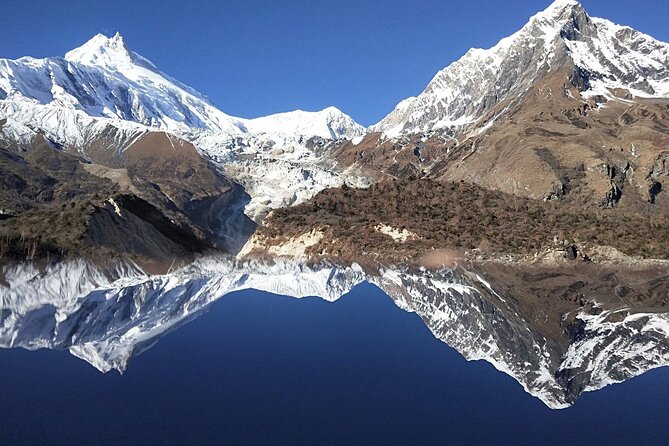
If you’ve trekked in Nepal before, you know how fast the vibe can change from calm valleys to busy trail traffic. The Manaslu region is often described as less commercial and less packed than the Annapurna and Everest corridors, and that’s the core appeal here. You’re still in the Himalayas doing a classic circuit, but the road to those views tends to feel more personal.
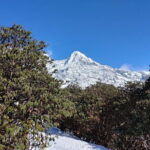
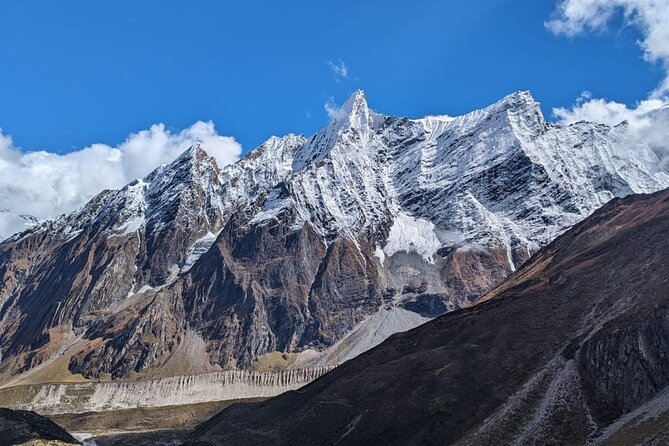
What really matters for you is the mix of remoteness and variety. This is a route that circles Mount Manaslu (8,163 meters), so your days are built around alternating river walking, village segments, and high-altitude terrain. You don’t just get one kind of scenery. You pass through Sal forests, bamboo and rhododendron zones, then move toward tundra and juniper as the route climbs toward the pass.
There’s also a practical angle: this trek requires a special permit. That’s not fun in the moment, but it usually means the logistics are taken seriously by the operator. In this case, the trip includes the necessary permits and entry fees upfront, so you’re not spending time chasing paperwork during a limited travel window.
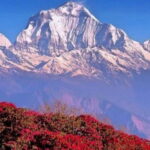
Finally, this route has “big mountain window” days—especially around Samagaun, the Manaslu Base Camp area, and the Larkya Bhanjyang crossing—where the effort starts to pay off. You’ll be tired, yes. But you’ll feel like you earned your views.
You can also read our reviews of more tours and experiences in Kathmandu.
Kathmandu Warm-Up: Temples, Markets, and a Real Briefing
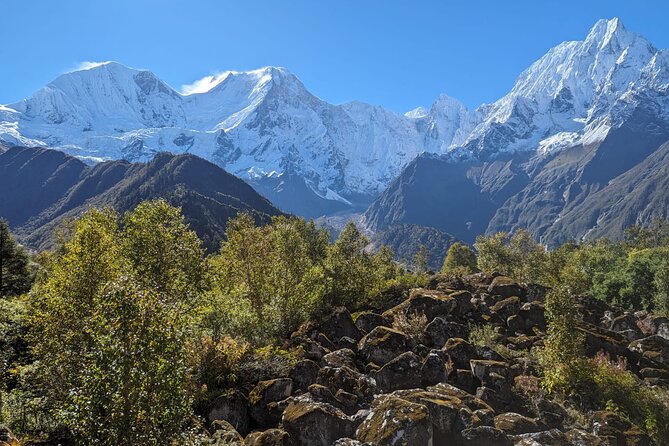
The Kathmandu portion isn’t filler. It sets your momentum. Day 1 brings arrival support and a welcome dinner in a typical Nepalese restaurant, right in the heart of Kathmandu. Day 2 is guided sightseeing in the Kathmandu Valley, including stops at Pashupatinath Temple and Boudhanath Stupa, plus Swayambhunath, known as the Monkey Temple.
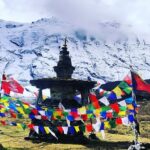
For me, the value is simple: you get your bearings with a professional city guide, not just a grab-and-go map. These sites aren’t just pretty backdrops. They’re working religious spaces, and they help you understand the Nepal you’ll meet on the trail—Buddhist and Hindu influences side by side, from prayer wheels to temple courtyards.
There’s also a tactical reason this matters. Right after the sightseeing, you prepare for the trek and meet your trekking staff. You learn the plan, meet the people responsible for moving you through the mountains, and get that calm, organized feeling that reduces stress later. When you’re walking for days, you want confidence that logistics are handled.
One consideration: Kathmandu is busy by default, so use the time wisely. Sleep, hydrate, and don’t turn your welcome dinner into a late-night experiment. You’re only one good night away from walking much better on day three.
River Valleys and Gurung Villages: Where the Trek Starts to Feel Real
Once you head onto the trekking route, the day-to-day rhythm becomes very “walk, pause, look, repeat.” Days in this trek often run around 5–6 hours, with plenty of ups and downs and frequent changes in trail feel. Early on, you’ll move through Sal forests and along sections above the Budhi Gandaki rapids, which gives the trekking a sense of motion even when you’re stationary at a viewpoint.
You’ll pass through village and river segments that show you the human side of the Himalayas, not just the summit math. For example, the route takes you past rice terraces and through a Gurung village area like Labubesi, then onward to places such as Machha Khola. In these parts, your days aren’t only about distance. They’re about reading the terrain—where the trail climbs, where it flattens, and how the river shapes the route.
Another highlight is the presence of hot springs. The trek includes a stop area at Tatopani, where you can encounter a small hot spring. It’s not a luxury spa moment, but it can be a morale boost after a long day of stairs and suspension bridge crossings.
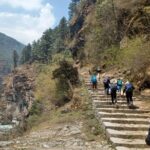
You’ll also cross multiple suspension bridges and navigate steep stair sections. That matters because, on a trek like this, the hardest part isn’t always the steepest grade. It’s the combination—steep trail plus repeated crossings plus uneven footing. The operator keeps you on a route with a mix of built trail and natural sections, so you’ll have a chance to settle into a steady pace.
By the time you reach places like Jagat and Deng, the trekking vibe shifts from initial curiosity to full routine: morning packing, steady hiking, then a camp or lodge night that feels earned.
Namrung, Samagaun, and Manaslu Base Camp: The Big-Mountain Window
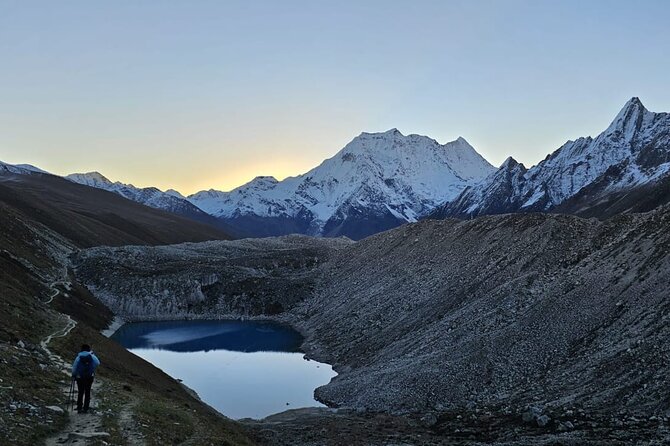
This is where the trek starts to look and feel more like a classic high-altitude journey. As you move deeper into the Manaslu region, the vegetation and cultural tone shift. You’ll climb through bamboo and rhododendron forests and enter areas like the Nupri region, then reach Namrung.
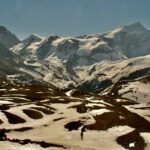
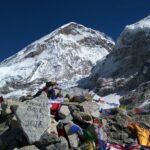
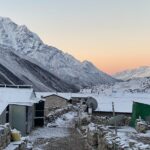
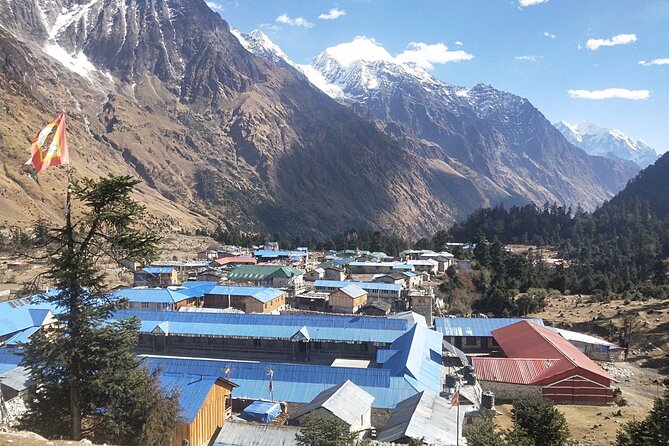
From there, the route leads toward the Manaslu Base Camp area. What you should expect is an atmosphere change as the valley opens and the terrain becomes more exposed. Base camp zones can feel surprisingly stark compared to the earlier forested hiking, and that contrast is part of the point. You see more sky. The mountains feel closer, and every weather change becomes more noticeable.
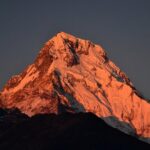
Then you reach Samagaun, a key stop with strong mountain viewpoints. The trail brings glimpses of Peak 29 and—more importantly—views of Manaslu itself. You also have time to explore the monastery and village in Samagaun. That’s a meaningful break. It’s not just “rest.” You get context for the region’s spirituality and day-to-day life, which makes the trek feel rooted instead of just scenic.
It’s also worth noting that you’ll spend multiple days in this general zone (including time around Samagaun). That rhythm helps with acclimatization in the most practical way: you gain altitude while not treating every day as a forced sprint toward the pass.
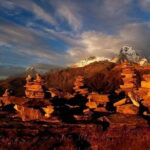
If you’re the type who likes photographing mountain textures—snow lines, rock faces, layered ridges—this section will be one of your best stretches.
Larkya Bhanjyang and Bhimtang: The Hard Day That Changes Everything
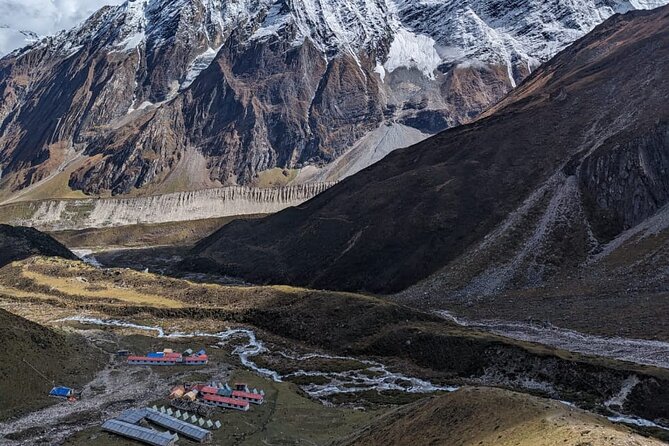
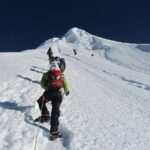
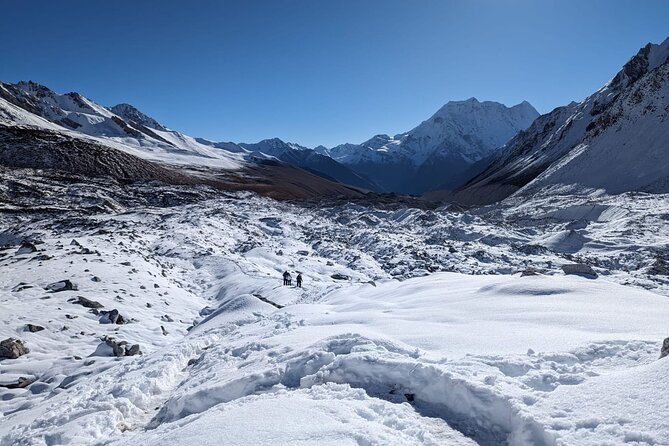
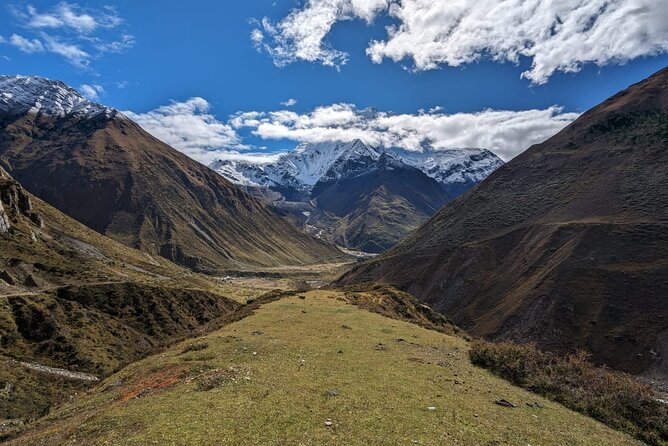
The high point of this trek is the crossing of Larkya Bhanjyang. The route climbs through tundra and juniper, which is a big visual clue that you’re leaving the comfort zone of forest walking behind. Tundra routes can feel open and exposed, and you’ll likely notice wind more here.
The practical challenge is energy management. Even when the trail isn’t at “steep cliff” levels, high passes drain you. Your job is to keep your breathing calm and your pace steady. Don’t race to the next bend. In the thin air, a consistent rhythm is everything.
After the pass, you descend toward Bimthang, which includes panoramic views. The sense you’ll get is that the mountains don’t just sit there; they shape your route. You’ll also reach the Bhimtang Lake viewpoint, with a descent through forest sections that helps reset your legs.
This segment is the emotional hinge of the Manaslu Circuit. Before the pass, you’re building altitude and anticipation. After it, the trail shifts from “can we do it?” to “we’re really here.” That’s why the effort feels different.
If the weather turns, this is where it can matter most. On a cloudy day, the pass can feel more severe and the viewpoints less defined. On a clear day, the view payoff is the kind you remember for a long time.
Tilje, Chamje, and the Drive Back to Kathmandu
After the big pass segment, the remaining trekking is still work, but it usually feels more like finishing a chapter than starting a new fight. You’ll descend through areas that include Tilje, then walk on toward Chamje through scrub forest terrain.
Chamje is a final trekking stop before you drop back toward Kathmandu by road. On this trip, you get a drive back to Kathmandu through the countryside, which is a welcome change after days of trail movement. It gives you a chance to eat a proper meal, sleep in a real bed, and let your body reset.
Once back in Kathmandu, you get leisure time. There’s a full day where you can relax or explore Thamel, which is useful if you want a low-key night market wander or just a long shower and laundry. On the final day, it’s last-minute shopping or activities, then transfer to the airport.
The finishing days matter more than many people think. Trekking fatigue builds quietly. Having downtime at the end reduces that “rush out the country” stress that can spoil the whole trip.
Price and Logistics: What You’re Paying For (and Why It’s Not Just the Daily Rate)
At $1,900 per person for about 17 days, this isn’t a budget trek. But you’re also not paying only for walking. The price covers a lot of the behind-the-scenes work that normally costs time, coordination, and nerves.
Here’s what stands out as good value in the package:
- Airport pickup and drop in Kathmandu
- Three-star deluxe twin-share accommodation in Kathmandu with breakfast
- Guided sightseeing in Kathmandu Valley, including local market time
- Trek-day full-board meals (breakfast/lunch/dinner during the trekking period)
- All necessary trekking permits, national park entry fees, and TIMS card
- An experienced guide, plus porters (with the ratio 1 porter for 2 people), and their expenses and insurance
- A medical kit box for first aid
- A duffel bag and T-shirt
That last set is small, but it signals the trip isn’t only improvising. Also, beverages are not included, which is common on treks—so budget for water, tea/coffee, and any extra drinks you want.
One thing to think about with price: a trek like this gets more expensive when you add permits, trained staffing, and meal planning. If you were to build it yourself, you’d spend a lot of time coordinating and still risk missing something. This tour price is paying for continuity.
So the value equation depends on your style. If you want a “show up and go” experience with the paperwork handled and people trained to keep you moving, this cost can feel reasonable. If you’re a do-it-yourself hiker with gear and permit experience, it might feel pricey.
Fitness, Altitude, and Packing: How to Make This Trek Easier on Yourself
The trip asks for moderate physical fitness. In practical terms, you should expect daily hiking that can include steep sections, stairs, river crossings, and long stretches on uneven ground. Many days are around 5–6 hours, and the trail conditions change from forest to exposed terrain.
Your best strategy is to prepare your legs for repetitive uphill work. Also, get used to walking on uneven surfaces before you arrive, even if it’s just stairs and hills near home.
Altitude is part of the deal. You’ll cross Larkya Bhanjyang, and higher passes are where even fit hikers can slow down. Don’t measure success by speed. Measure it by steady breathing and consistent effort.
On gear: the info provided mentions porter equipment like boots and jacket as required for trekking, plus a duffel bag and T-shirt. It doesn’t list personal gear items for you, so you should plan to bring your own core hiking layers, rain protection, and comfortable day boots. If you rely on a single pair of shoes, bring backups in your mind, if not your suitcase.
Finally, remember that beverages aren’t included. Carrying a water plan helps you avoid decision fatigue at each stop.
Who This Trek Suits Best (and Who Might Rethink It)
This trek is a great fit if you want:
- A challenging circuit with real scenery variety
- A less crowded alternative to the most famous Nepal trekking corridors
- The support structure of a guide and porters (including a porter ratio of 1 for 2 people)
- Full-board meal comfort and Kathmandu cultural preparation
It may not be the right match if you:
- Want a flat, easy hike with low effort
- Hate long walking days and prefer short sightseeing-only outings
- Don’t have the patience for high pass terrain and slower acclimatized pacing
If you’re traveling as a group, note that this is a private tour/activity, meaning only your group participates. That can be a big quality-of-life win if you prefer a quieter pace and less crowd management.
Should You Book This Manaslu Trek?
I’d book it if your dream trek includes the combination of remote mountain walking and strong cultural grounding in Kathmandu, and you want the heavy logistics handled for you—permits, staffing, meals, and transfers included.
I’d hesitate if you’re new to trekking or if you’re chasing a gentle walk. This route has real climbing days and a high pass centerpiece. If you can train a bit and respect pacing, it becomes a satisfying challenge instead of a stress test.
If you’re on the fence, ask yourself one question: do you want effort rewarded with a quieter circuit and serious mountain views? If yes, the Manaslu Circuit is a strong choice.
FAQ
How long is the Manaslu Trekking experience?
The trip is listed as about 17 days. The trek itself is typically around 14 to 16 days, starting in Arughat and ending in Besisahar, with extra days for Kathmandu.
What is the cost per person?
It’s $1,900.00 per person.
Does the package include airport pickup and drop-off?
Yes. Airport pickup and drop are included.
Where is the meeting point in Kathmandu?
The meeting point is World Himalaya Treks & Expeditions at सात घुम्ती मार्ग, Kathmandu 44600, Nepal.
Is this trek private or shared?
This is a private tour/activity. Only your group will participate.
What permits and fees are included?
All necessary trekking permits, national park entry fees, and the TIMS card are included.
What meals are included, and are beverages included?
Breakfast, lunch, and dinner are included during the trekking portion (with full-board meals covered as part of the trek). Beverages are not included.
What accommodation do you get in Kathmandu and on the trek?
In Kathmandu, you get three-star deluxe twin-share accommodation with breakfast. During the trek, accommodation is in teahouses or mountain lodges (with overnight at camps on multiple trekking days).
What fitness level do you need?
Travelers should have a moderate physical fitness level.
Is travel insurance included, and what if I need to cancel?
Travel insurance is not included. You can cancel up to 6 days in advance for a full refund.