REVIEW · POKHARA
Annapurna Sanctuary Trek
Book on Viator →Operated by Outshine Adventure Pvt Ltd · Bookable on Viator
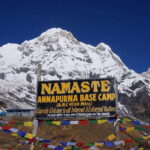
Himalayas, handled with practical support. This Annapurna Sanctuary trek from Pokhara is built for travelers who want the big Annapurna Base Camp payoff with private-car transfers and a professional team focused on comfort and safety. You’ll also hit a top elevation of 13,484 feet (4,110 meters) and base your nights in guesthouses for eight days.
What I like most is how much the package covers. You get an English-speaking, licensed guide plus local porters on a shared basis, and you’re not left guessing about permits or basic cold-weather gear. I also appreciate the included down jacket and sleeping bag (if necessary), which can save you weight and money.
One thing to watch: meals and drinks aren’t included, and the trip’s timing info looks a little mixed (it’s described as a 9-day ABC package, while the duration field shows 2 days). If you book, I’d confirm the exact travel dates and budget for lunch/dinner once you’re trekking.
In This Review
- Key highlights to look for
- What You’re Really Getting on the Annapurna Sanctuary Trek
- Price and Value: Where the Money Actually Goes
- Pokhara to Nayapul: The Start That Saves Your Energy
- The Kathmandu Stop: Durbar Square, Swayambhunath, Boudhanath, Pashupatinath
- Trekking Days: Lodges, Porters, and a Real Altitude Ceiling
- Gear and Permits: Down Jacket, Sleeping Bag, TIMS, and Conservation Pass
- Group Size, Guides, and Communication That Actually Helps
- What’s Missing: Meals, Drinks, and Tips You Should Expect
- Cancellation and Timing: Don’t Get Tricked by the Duration Field
- Who Should Book This Trek (and Who Should Reconsider)
- Should You Book the Annapurna Sanctuary Trek With Outshine Adventure?
- FAQ
- What does the Annapurna Sanctuary trek cost?
- How long is the trek?
- What’s the highest altitude?
- Is breakfast included?
- Are meals and drinks included during the trek?
- Are permits included?
- What’s the cancellation policy?
- Do I need a passport?
Key highlights to look for
- Private car pickup and drop in Pokhara, including transfers via Nayapul
- Max altitude of 13,484 ft / 4,110 m on the Annapurna Base Camp route
- Eight nights in best-available lodges/guesthouses during the trekking portion
- Down jacket and sleeping bag included if you need them for conditions
- Permits handled with Annapurna Conservation Area permits and a TIMS card
What You’re Really Getting on the Annapurna Sanctuary Trek
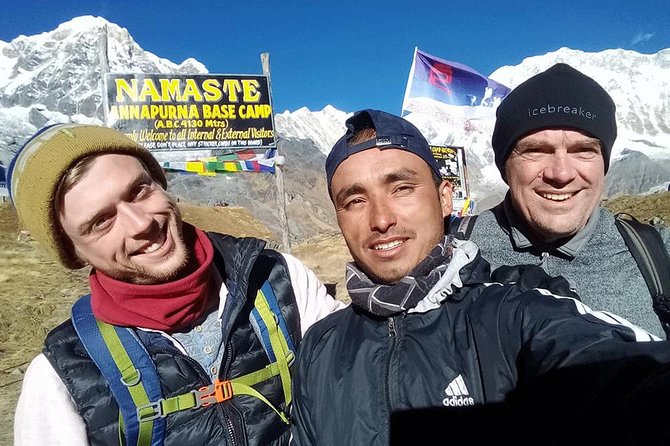
This is an Annapurna Base Camp–style trek that’s marketed as a “Sanctuary” experience but is clearly centered on reaching Annapurna Base Camp and operating out of Pokhara. In real terms, that means you’re paying for the structure: staff, lodging, and the permits that can slow down independent planning.
The best way to think about the value here is not the mountain views (you will get those). It’s the logistics. You travel with a licensed guide, you’re assigned a porter to carry your luggage (shared by two people), and your conservation and safety paperwork is included via the TIMS card plus Annapurna conservation permits. That’s the stuff that turns a dream trip into a smooth trip.
I also like that the trek is designed around a professional team meant to support comfort and safety, not just “show up and hope.” The package includes staff food/insurance/equipment and even medicine for trekking staff, so the company is running this like a real operation.
You can also read our reviews of more tours and experiences in Pokhara.
Price and Value: Where the Money Actually Goes
At $668.66 per person, this looks like a midrange option on a trek where many costs pile up fast. The key value levers are:
- Guide + porter support (you’re not on your own)
- Eight nights of lodging in guesthouses/lodges
- Permits (TIMS card + Annapurna conservation park permits)
- Down jacket and sleeping bag included if required
- Taxes handled by the operator
- Breakfast included twice (so you start some mornings with less hassle)
The big thing not included is also clear: meals and drinks during the mountain days are on you, and tips are expected. So your “true trip cost” is the base price plus what you spend on food at tea houses plus tipping.
If you want to travel light, the included down gear is a hidden savings. Buying or renting a warm down jacket and a sleeping bag for a single trek can cost nearly as much as the trek package itself. Here, you’re being helped with that decision.
Pokhara to Nayapul: The Start That Saves Your Energy
Your experience starts in Pokhara, with a meeting time listed at 7:00 am. From there, you’re picked up and taken by private car. The package specifically mentions Pokhara / Nayapul / Pokhara transfers, which is a practical clue: you’re minimizing the time spent figuring out local transport when your body is fresh.
This matters because Annapurna routes typically demand a calm, steady start. When you’re not spending your morning negotiating buses, you can focus on hydration, packing your day bag, and getting into the walking rhythm early.
One more nice detail: the group size is capped at 15 travelers, which usually means less waiting around. On treks, waiting can add up fast.
The Kathmandu Stop: Durbar Square, Swayambhunath, Boudhanath, Pashupatinath
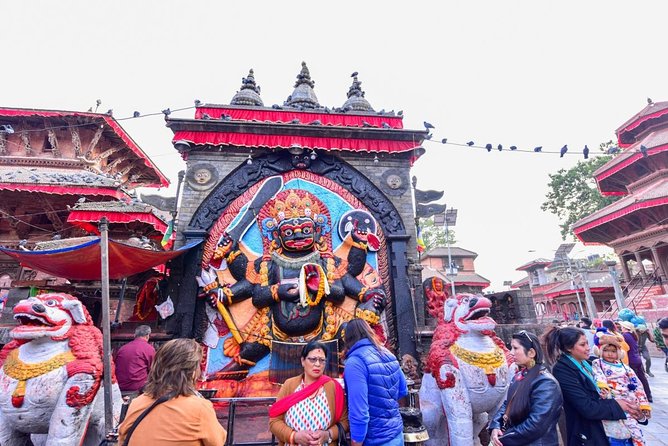
The itinerary includes a Kathmandu sightseeing block for about 2 hours, pairing classic cultural stops: Kathmandu Durbar Square, Swayambhunath, Boudhanath, and Pashupatinath.
Here’s the honest way to judge this part: in two hours, you’re getting highlights, not a deep, slow exploration. If your goal is temple-hopping with time to wander, pause for tea, and read the details, this window is tight. But if you want a quick taste of the major sites and then get back to the mountains, it works.
Why it’s still worth doing: those stops are powerful places for getting your bearings on Nepal’s spiritual and cultural vibe before the trekking rhythm takes over. You’ll see major religious landmarks, and it gives context to the trip beyond just the altitude chart.
Trekking Days: Lodges, Porters, and a Real Altitude Ceiling
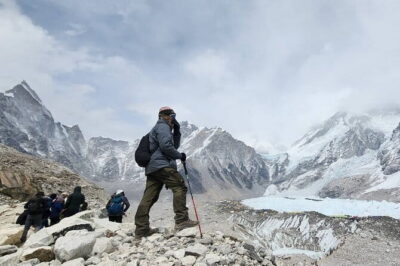
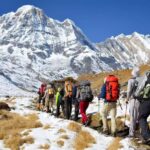
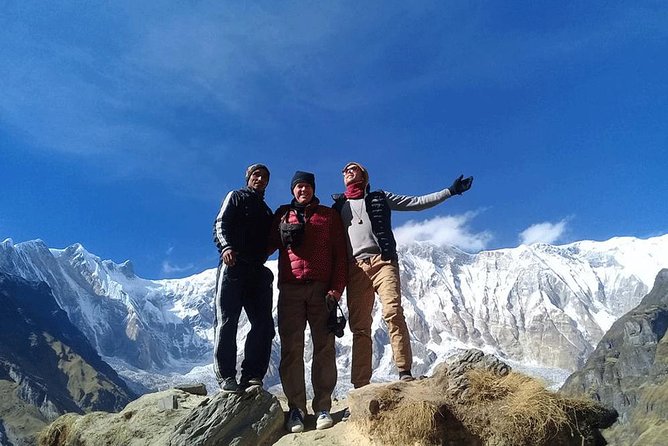
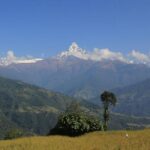
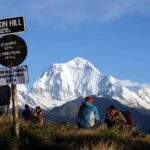
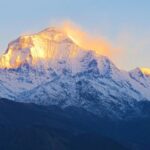
The trekking segment is the heart of this package: a multi-day trek toward Annapurna Base Camp, with a maximum elevation listed at 13,484 feet (4,110 meters) and 8 nights in lodges/guesthouses. That “eight nights” detail is important. It signals you’ll be sleeping in established trekking accommodation rather than rough-camping your whole route.
You’re also traveling with:
- A local licensed English and native language speaking guide
- A porter for luggage, shared on a two-person basis
- A team that includes logistics support such as medicine and insurance for trekking staff
On an Annapurna trek, the porter piece can make a huge difference. Less weight on your back often means you can keep your stride steadier, which helps on steep sections and saves you from the late-afternoon slump.
As for the altitude: a top of 13,484 feet is not “just a number.” Even if you feel fine at the start, your body will adjust more slowly than you’d like. Your guide’s job becomes more than directions—they help set a safe pace and keep the day-to-day plan realistic.
I’d also treat “moderate physical fitness level” (explicitly stated for this trip) as a practical requirement, not a marketing phrase. Bring trekking shoes, be comfortable walking for long days, and be ready for changing weather.
Gear and Permits: Down Jacket, Sleeping Bag, TIMS, and Conservation Pass
This is one of the cleanest parts of the package: the cold-weather basics and the legal/route requirements are handled.
Included gear (if needed) is a down jacket and sleeping bag from Outshine Adventure. That’s a big deal on Annapurna routes because nighttime temperatures can surprise you, even when daytime feels manageable.
Permits are included too:
- Annapurna conservation park permits
- TIMS card
Those are not small-ticket items, and they can be frustrating if you try to do everything yourself. Having them in the package reduces uncertainty and keeps you from losing time hunting paperwork while you’re excited and ready to go.
Group Size, Guides, and Communication That Actually Helps
This trek runs with maximum 15 travelers, and that small-group feel usually keeps things calmer. You also get a mix of support: an English-speaking guide plus local porters, with staffing that’s set up to handle the day-to-day needs of trekkers.
One standout theme from the people who’ve done this before: the team’s communication and responsiveness. The company’s owner, Gokul, is described as patient and attentive, with detailed pre-trek briefings. You also get named support in the guide/porter layer, including guides like Kumar, Prakash, and Chhabi, and a porter named Parkash (spelled a couple ways in the feedback). There’s also mention of Asmita as part of the organization’s center support.
There’s also a practical note on language: at least some travelers were able to communicate in Spanish, which is a big help if you’re not comfortable living your whole trek in English. If Spanish support matters to you, I’d ask before you book so expectations match reality.
What’s Missing: Meals, Drinks, and Tips You Should Expect
This package includes lodging and some breakfasts, but it explicitly leaves out standard meals and drinks during the trek.
So you should expect to pay for your lunches and dinners at the tea-house level, and plan for your appetite to vary with altitude and weather. Bring a simple strategy: eat what you can, drink enough, and don’t assume you’ll always feel like a big meal.
Tips are also expected for trekking staff. That’s normal in Nepal, and it’s good to budget for it now rather than later. If you’re trying to keep the trip cost tight, treat “tipping + meals” as the realistic add-on to the headline price.
Cancellation and Timing: Don’t Get Tricked by the Duration Field
The trip data includes a free cancellation window (up to 24 hours in advance for a full refund). Still, the larger “timing” concern is that you’ll see two different duration signals: the package is described as a 9-day Annapurna Base Camp trek, but the duration line also shows 2 days (approx.).
That mismatch isn’t automatically bad, but it is a reason to confirm. Ask the operator to write out your exact dates and what portion is included in your booking: trekking days, Kathmandu time, and the pickup/dropoff schedule.
This isn’t about nitpicking. It’s about making sure you’re not mentally packing for one kind of trip while your itinerary is built for another.
Who Should Book This Trek (and Who Should Reconsider)
This is a great fit if:
- You want guided support and a clear plan without doing permits on your own
- You’d like help with gear (down jacket and sleeping bag if needed)
- You prefer a small group capped at 15
- You value a practical team presence, including owner support like Gokul and guide help from named staff (Kumar, Prakash, Chhabi)
You might reconsider if:
- You insist on having all meals included (this one doesn’t)
- You’re not comfortable managing extra costs like meals, drinks, and tipping
- You want a long, slow Kathmandu exploration; the Kathmandu component is listed as about two hours total
- Your schedule can’t accommodate the possibility that the trek planning is longer than the “2 days” label suggests
Should You Book the Annapurna Sanctuary Trek With Outshine Adventure?
I’d book this if you want a straightforward way to do Annapurna Base Camp with the work handled for you: guide, porter support, permits, lodge nights, and cold-weather gear support. The price makes sense because it’s covering the parts that commonly inflate independent planning—especially permits and staffing.
I wouldn’t book it blindly if you hate uncertainty around dates. The safest move is to confirm the exact number of trek days and the full sequence of transfers and Kathmandu time before you pay. If you do that, you’ll be set up for a trekking trip that’s serious about comfort while still letting the Himalayas do their job.
FAQ
What does the Annapurna Sanctuary trek cost?
The price listed is $668.66 per person.
How long is the trek?
The information you’re given describes it as a 9-day Annapurna Base Camp package, while the duration field also shows 2 days (approx.). You should confirm the exact dates and how many trekking days are included when you book.
What’s the highest altitude?
The trek lists a maximum elevation of 13,484 feet (4,110 meters).
Is breakfast included?
Yes. Breakfast is included 2 times.
Are meals and drinks included during the trek?
No. Standard meals and drinks during the mountain trekking portion are not included.
Are permits included?
Yes. The package includes Annapurna conservation park permits and a TIMS card.
What’s the cancellation policy?
You can cancel up to 24 hours in advance for a full refund.
Do I need a passport?
Yes. A current valid passport is required on the day of travel.