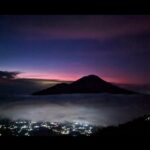
Mount Batur’s sunrise hike is a rare combo: dark-sky trek, summit breakfast, then a waterfall tucked inside a cave. The timing is the whole point, and this tour is built around it, with a flashlight ascent and early access to the crater views.
I especially like the clear structure: hike up first, breakfast at the top, then explore the caldera rim before heading down. I also like that you get practical support for the trek, including trekking poles and a flashlight, so you’re not trying to improvise in the dark. A driver and guides such as Putu, Nawe, and Ada come up repeatedly for being on time, friendly, and focused on safe pacing.
The main drawback to consider is that sunrise depends on conditions. If the weather is cloudy, you may not get the full sky show, though you’ll still do the hike and visit Tukad Cepung.
In This Review
- Key points to know before you go
- Why this Mt. Batur sunrise trek starts at 2:00 am
- Pickup routes and how the day flows (8 to 10 hours)
- Flashlight climb, trekking poles, and pacing that actually helps
- Summit breakfast: where the best views meet real fuel
- Exploring the caldera rim before heading down
- Tukad Cepung Waterfall: getting the sun beam effect
- Price and value: what $65 buys you in Bali
- What can go wrong (and how to plan for it)
- Guides and drivers make or break the experience
- Who this fits best (and who should choose differently)
- Should you book Mt. Batur sunrise + Tukad Cepung?
- FAQ
- What time does the tour start?
- Where do you get picked up from?
- What’s included for the trek and breakfast?
- Is this tour private?
- How long is the whole day?
- What happens if the weather is bad?
Key points to know before you go
- Start time at 2:00 am: early pickup, flashlight hike, and a sunrise-first plan
- Gear provided: trekking poles and a flashlight for the climb
- Summit breakfast included: banana sandwich, hard-boiled egg, seasonal fruit, tea or coffee
- Caldera time plus photos: crater rim walking and a well-known west-side photo spot
- Tukad Cepung waterfall cave: best light tends to be around late morning
- Private experience: only your group participates, with guide support at your pace
Why this Mt. Batur sunrise trek starts at 2:00 am
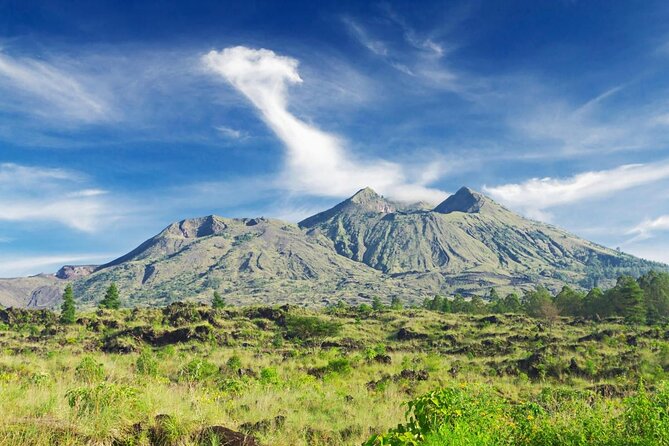
You’re leaving while most of Bali is still asleep, and that’s not a gimmick. A 2:00 am start is what makes sunrise at the top realistic, since Mt. Batur is a “hike first, see the world wake up later” kind of outing.
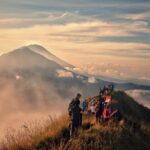
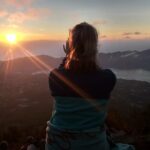
That early timing also explains the vibe. You’ll be walking in the dark with a flashlight, and the goal isn’t to rush. It’s to get you to the summit while the sky is still changing—dark to orange-yellow, then to bright daylight. If you hate mornings, save your judgment until you see the light shift across the caldera.
You can also read our reviews of more tours and experiences in Ubud.

Pickup routes and how the day flows (8 to 10 hours)
This is set up as a full morning/early day plan, roughly 8 to 10 hours total. You’ll have pickup offered from Seminyak, Kuta, Nusa Dua, Jimbaran, Sanur, and Ubud. That matters because a long drive in the middle of the day is one thing; a long drive before dawn is another. Pickup helps you stay on schedule, especially when the hike itself is time-sensitive.
Once you’re picked up, the day runs like this:
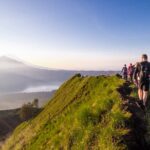
- Hike Mt. Batur toward sunrise (with flashlight support)
- Breakfast at the summit
- Explore the caldera rim, then start descending
- Continue to Tukad Cepung Waterfall
- Spend about an hour at the waterfall (photo time included)
The itinerary keeps moving, but it isn’t a hard sprint. Guides reportedly set pace to match people’s ability, and that’s important on uneven volcanic ground.
Flashlight climb, trekking poles, and pacing that actually helps
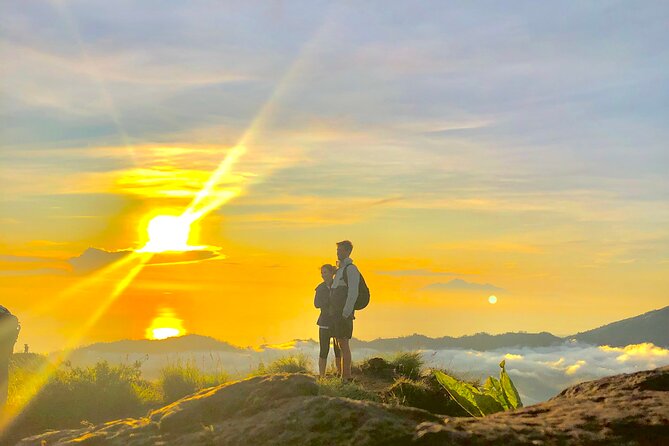
The tour includes trekking poles and a flashlight, which is exactly what you want on a pre-dawn volcano trek. Without them, you’d be dealing with slippery footing and dark footing errors—fun for nobody.
What makes the experience feel smoother is the pace. Guides on this route are used to different fitness levels and will adjust how you move. In practice, that means you can take breaks without feeling like you’re slowing the group down, since this is designed as a private guided experience for your group.
If you’re wondering whether this is too hard, the guidance is “moderate physical fitness.” That’s a good sign: it’s not marketed as a casual stroll, but it’s also not framed as for extreme athletes only. If you can handle steady uphill walking for a stretch, you’ll likely do fine with sensible pacing and the poles.
Summit breakfast: where the best views meet real fuel
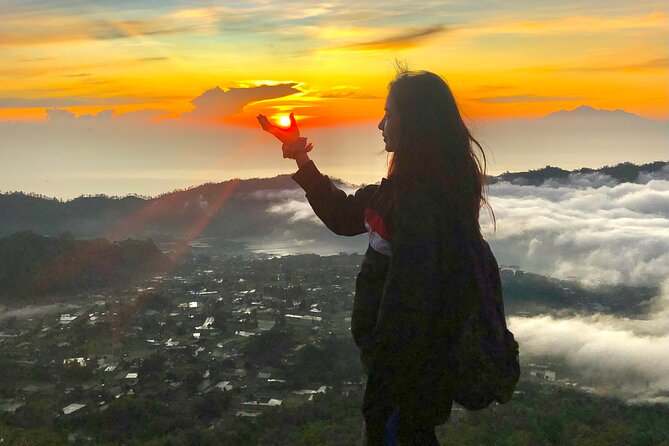
Breakfast at the summit is one of the best parts of this tour, because it turns the sunrise from a quick glance into a moment you can actually enjoy. The included meal is practical and portable: banana sandwich, hard-boiled egg, seasonal fruits, and tea or coffee.
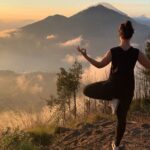
I like that you’re not just handed a granola bar and rushed back down. You get time at the summit while the light is doing its thing, and then you eat as daylight arrives. It’s also the moment when photos tend to go from shaky to focused—tripods not required, because you’ll be guided to good angles and clear spots around the crater rim.
A bonus: guides often help with photography and route choices. If you’re trying to avoid the worst crowds or want better crater angles, this is where a good guide earns their paycheck.
Exploring the caldera rim before heading down
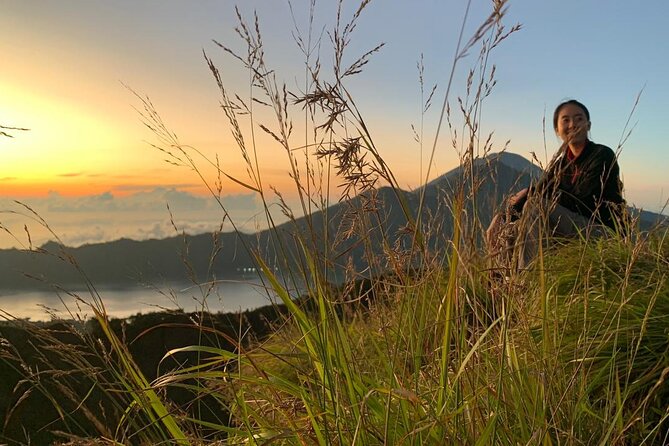
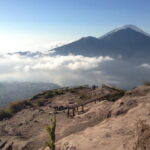
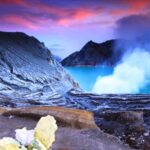
After breakfast, you’ll walk the crater rim area and explore the caldera. This is where you’ll get that “standing on an ancient volcano” feeling, not just the sunrise postcard view.
There’s also mention of a specific west spot for photos, which is helpful because it gives you a target. Instead of wandering and guessing where the best angle is, you’re directed toward viewpoints that make sense for the light and crater shape.
Then comes the descent. You’ll go down by a different route than the one you hiked up, which keeps the day from feeling like a nonstop backtrack. It’s also practical: walking down a volcano can be easier when the route is chosen with footing in mind.

Tukad Cepung Waterfall: getting the sun beam effect
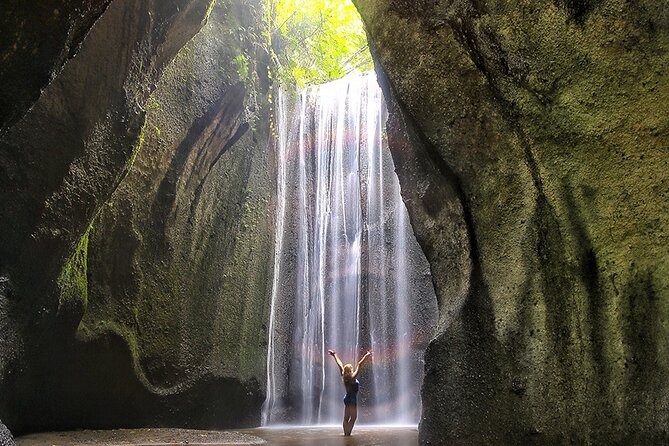
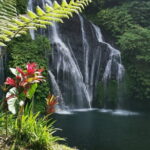
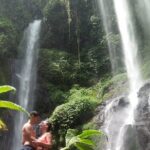
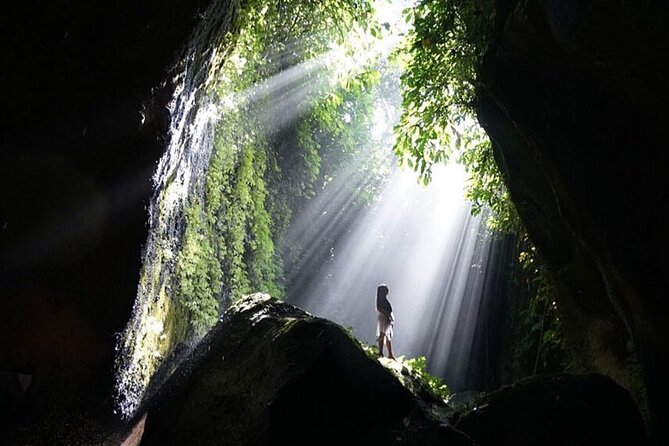
After the volcano, you head to Tukad Cepung Waterfall, famous for being inside a cave system. The waterfall view works differently here. You’re not just looking at water; you’re watching how a beam of sunlight hits the opening and lights up the cave.
Timing helps. The best chance for those sun rays is when you arrive closer to late morning—around 10:00 am is often cited as ideal for getting the light effects. The schedule of the day makes this workable because you finish the summit portion and then transition to the waterfall.
The waterfall visit is about one hour, and that’s enough for a slow look and photos without turning it into a long slog. Bring your camera expectations down a notch: this is a cave, so lighting changes as clouds pass and the sun angle shifts.
Price and value: what $65 buys you in Bali
At $65 per person, this tour sits in the category of “very reasonable for an early-morning sunrise + two major sights.” You’re paying for more than a driver and a ticket. You’re paying for the timing, the guided route, and the included climb essentials.
Here’s what you effectively get for the money:
- Private guided experience (your group only)
- Pickup from several areas
- Flashlight and trekking poles
- Summit breakfast (not just a snack)
- Admission included for both the volcano portion and the waterfall portion
- All fees and taxes included
What you don’t get is also clear: you’ll need your own shoes, jacket/extra warmth, and anything personal (drinks, extra layers). That’s normal for this kind of hike. The key value point is that you’re not paying extra for the basics that keep you safe and comfortable in the dark.
If you’re traveling with someone, the “group discount” note can be a plus, but the experience itself is still private for your group.
What can go wrong (and how to plan for it)
The tour requires good weather. That’s not small talk—it’s a real factor for sunrise viewing. If conditions are poor, you might get less sunrise drama than you hoped for. In that case, the upside is that you still get the hike, crater time, and the waterfall.
I’d pack for variability even if the forecast looks good. A sunrise trek means cooler air at altitude and before dawn, and a cave waterfall means damp surfaces and changing light. Even if you’re not told exactly what temperature to expect, you’ll feel the cold more than you’d expect if you only pack for midday Bali.
Also, sunrise windows are tight. If you’re traveling with a group that includes people who run late, remind them this schedule is not forgiving. The whole day is built around being at the summit at the right time.
Guides and drivers make or break the experience
This tour is guided from start to finish, and the names that show up—Putu, Nawe, and Ada—fit a pattern: safe, friendly, and tuned to comfort. People also mention that drivers were punctual and good at handling stops en route, plus guides adjusting the hike to match ability.
Why it matters: on Mt. Batur, the “hard part” isn’t just the climb. It’s footing in the dark, choosing a line that feels steady, and timing sunrise without panic. A guide who understands the route can also help you find calmer crater paths—like a less-crowded loop style option—so the day feels more like discovery than line-waiting.
Who this fits best (and who should choose differently)
This is a strong fit for:
- Couples or small groups who want private guiding and a calm pace
- People who like early starts if the reward is worth it
- Travelers who want both volcano views and a distinctive cave waterfall in one day
It’s less ideal for:
- Anyone who really struggles with moderate uphill walking in pre-dawn conditions
- Travelers who don’t want to plan around sunrise timing and weather swings
If you’re an experienced hiker, you’ll still benefit from the poles, flashlight, and route knowledge. If you’re not, the guided pacing and private structure help you stay comfortable.
Should you book Mt. Batur sunrise + Tukad Cepung?
I think this tour is worth booking if you want a day that’s more than one photo stop. The combo is smart: summit breakfast turns the sunrise into an event, and Tukad Cepung adds something visually different from open-air viewpoints.
Book it if you’re okay with the early pickup and can meet the moderate fitness level. Skip it if weather dependence would ruin your mood, or if you dislike early starts so much you’d rather sleep through the sky show.
If you do book, wear the right shoes and bring warm layers. The climb is short-to-moderate but in cooler darkness, and the cave portion rewards steady footing. Then show up with flexible expectations for sunrise. Even when the sky doesn’t fully cooperate, you’ll still experience the crater and the cave waterfall light game.
FAQ
What time does the tour start?
The start time is 2:00 am, so pickup happens very early.
Where do you get picked up from?
Pickup is offered from Seminyak, Kuta, Nusa Dua, Jimbaran, Sanur, and Ubud.
What’s included for the trek and breakfast?
You’ll get a flashlight and trekking poles, plus breakfast at the summit: banana sandwich, hard-boiled egg, seasonal fruits, and tea or coffee.
Is this tour private?
Yes. It’s described as a private guided experience, with only your group participating.
How long is the whole day?
The duration is about 8 to 10 hours.
What happens if the weather is bad?
This experience requires good weather. If it’s canceled due to poor weather, you’ll be offered a different date or a full refund.