REVIEW · UBUD
Bali Pure trek with spiritual journey, purification ceremony, local priest -Ubud
Book on Viator →Operated by Bintang Komodo Tours · Bookable on Viator
A river can wash more than dirt. This full-day Ubud experience pairs a countryside trek—bamboo, rice terraces, and temple-tucked paths—with a purification ceremony led by a local ritual context, so your day moves from scenery to spirit. I also love the Kintamani bamboo forest views over the volcano and lake, because the walking doesn’t feel like a chore; it’s a slow lead-in to the rest of the day.
This tour is not just sightseeing. It also includes dressing in a traditional sarong, making offerings, and going through a water-based cleansing ritual, plus a visit to a local priest/healer afterward. One possible drawback is that you’ll need to be comfortable with the practical side of ritual participation (it’s hands-on, and weather matters).
In This Review
- Key things to know before you go
- Why This Ubud Spiritual Day Feels Different Than Typical Bali Tours
- The 7:30am Start: Timing, Pace, and What to Expect From an 8-Hour Day
- Kintamani Bamboo Forest Trek and Coffee-Plantation Breakfast
- Tampaksiring Purification Ceremony by a River Temple
- Visiting a Local Priest/Healer in Ubud: After-Cleansing Spiritual Conversation
- Rice Terraces, Villages, and Temples on the Return to Ubud
- Price and Value: What You Get for $95
- Who This Tour Suits Best (and Who Might Skip It)
- A Simple Booking Checklist So You Don’t Overthink It
- Should You Book Bali Pure Trek With Spiritual Journey in Ubud?
- FAQ
- What’s the total duration of the Bali Pure trek and spiritual journey?
- Where does the tour take place?
- What time does the tour start?
- Is pickup and drop-off included?
- What happens during the purification ceremony?
- What should I wear for the ceremony?
- What’s included in the price?
- What if the weather is bad?
Key things to know before you go
- Sarong, towel, and bottled water are included, so you’re not hunting for basics when it’s time for the ceremony.
- Melukat-style purification happens at an ancient temple by the river, with free-flowing water used for cleansing.
- You’ll trek first, starting around Kintamani, before switching gears to spiritual stops near Tampaksiring and back toward Ubud.
- Entrance fees are covered, and the itinerary lists admissions as free for the stops.
- A local priest/healer visit is part of the program, designed to help you feel relaxed and rejuvenated afterward.
- Plan for the day to depend on good weather, since the experience requires it and can be rescheduled or refunded if conditions are poor.
Why This Ubud Spiritual Day Feels Different Than Typical Bali Tours
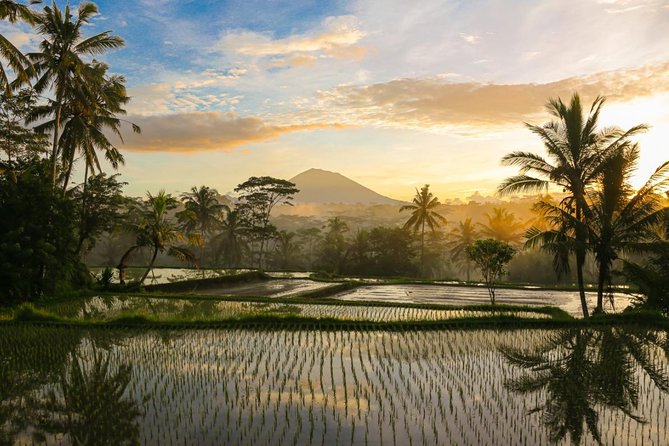
Most Bali tours give you temples, maybe a rice terrace, and a photo stop. This one stacks experiences in a more intentional order: scenery, walking, cleansing, then conversation with a priest/healer. That sequencing matters. You start with nature and local village life, then you’re guided into a ritual framework where water and prayer are used to reset your mental and physical state.
I like that the day stays grounded in everyday Balinese life. You’re not only watching rituals from a distance. You get practical help for participation—like dressing in a sarong and using the provided towel—so the moment has structure, not guesswork.
And yes, it’s spiritual, but it’s also cultural tourism done carefully: your guide explains Bali history, Bali Hinduism, and what’s going on around you as you move from one place to the next.
You can also read our reviews of more tours and experiences in Ubud.

The 7:30am Start: Timing, Pace, and What to Expect From an 8-Hour Day
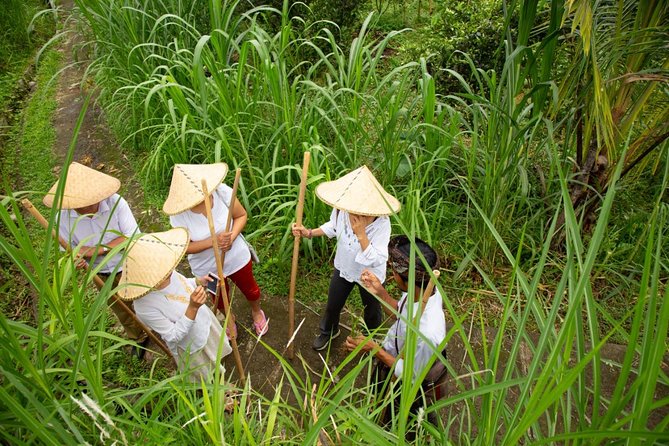
Start time is 7:30 am, and the tour runs about 8 hours. The schedule is built to let you do the most active parts while the morning is still fresh, then transition into more seated/ceremonial stops later.
Here’s the practical rhythm:
- You begin with a drive from Ubud toward the Kintamani area.
- You have breakfast during a coffee plantation stop, then you walk for around 3 hours.
- You shift to Tampaksiring for a 1-hour purification ceremony.
- You then spend around 3 hours visiting a local priest/healer and sharing time for lunch and cultural chat.
- The final portion includes 2 hours of temple/sight stops back toward Ubud, plus a short drop-off.
Because it’s a full day with both trekking and ritual participation, I’d treat it like a day that needs one main goal: pay attention. You’ll enjoy it more if you keep your phone for photos but don’t try to capture every second. The guide’s explanations are part of the value.
Kintamani Bamboo Forest Trek and Coffee-Plantation Breakfast
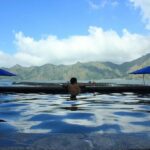
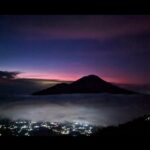
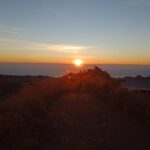
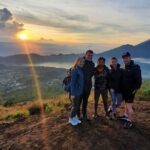
The day kicks off with a drive to the Kintamani starting area, described as a place where you’ll be amazed by the largest bamboo forest in Bali, plus big views over the volcano and lake. If you’ve only seen Bali from viewpoints, this is a different angle: you’re walking through the landscape rather than looking at it from behind a fence.
Before the trek, there’s breakfast at a coffee plantation. This is one of the easiest parts of the itinerary to enjoy because it’s low pressure and sensory:
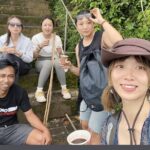
- You get coffee and/or tea.
- There’s a coffee tasting and a small breakfast.
- You can also sample fruits during the plantation stop.
In one past experience, the fruit and coffee/tea variety were memorable enough that the traveler highlighted the tastes and the way the morning felt like a treat rather than a stop you rush through.
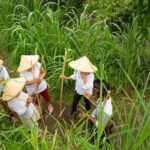
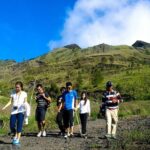
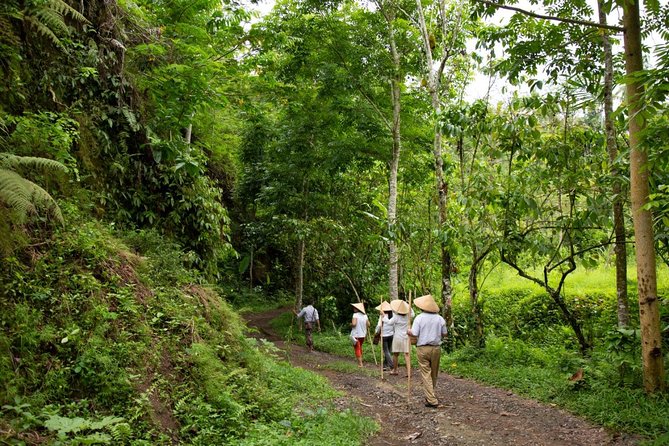
Then the trek begins. The route is described as going through lush jungle-like areas, passing secret temples, and moving between villages and rice terraces. Your guide also explains what you’re looking at, tying it back to Balinese history and religion.
What to watch for: the itinerary doesn’t market the trek as a gentle stroll, and it clocks in at about 3 hours. If you’re nursing an injury or you dislike uneven walking, you’ll want to tell the operator in advance so the route can match your comfort level.
Tampaksiring Purification Ceremony by a River Temple
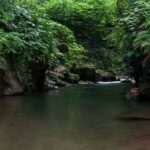
After the trek, you head to Tampaksiring for a private water purification at an ancient Hindu temple on the river. This is the heart of the day’s spiritual focus.
Here’s how the ceremony is explained in the itinerary:
- A purification ritual involves being cleansed by free-flowing water to ward off disease and purify your mind and body.
- You do this beneath the stream of a waterfall.
- You participate using the provided towel and sarong, which is helpful because you’re not trying to figure out attire on the fly.
Even if you approach it with curiosity rather than belief, it’s worth treating it like a cultural practice. The more you follow the guide’s cues, the smoother the experience feels. And because the stop is listed as about 1 hour, it’s not one of those experiences that eats your whole day with waiting.
One practical consideration: you should expect that water and ceremony space may get messy. Wear clothing you’re okay with getting wet and consider whether you’ll be comfortable in a sarong for the required time.
Visiting a Local Priest/Healer in Ubud: After-Cleansing Spiritual Conversation
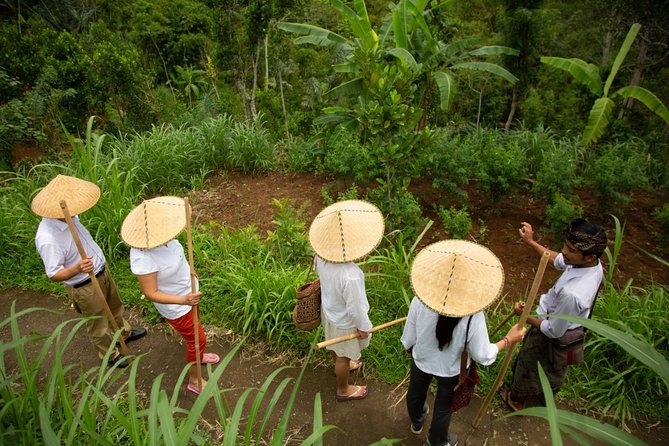
Right after the purification, the program shifts into meeting a local priest/healer. The goal of this part is specifically described as helping you feel relaxed, healthier, and rejuvenated after the ritual.
This section is set for about 3 hours, and it includes:
- The visit to the priest/healer.
- Time in the village for lunch.
- Learning more about Balinese culture.
- An opportunity to chat with locals.
That mix is what I like. In many places, spiritual tourism can feel like a one-time performance. Here, you’re given time to slow down after the ritual, then you’re shown how daily life continues alongside religious practice.
In one of the experiences tied to this tour, the traveler also mentioned learning about ideas like Tri Hita Karana, a philosophy often connected with balance in life (spirit, people, and nature). Even if you don’t know the concept before you arrive, it gives you a framework to interpret what you’ve just participated in.
What to watch for: spiritual practices can bring up big feelings, even for people who consider themselves skeptical. If you tend to get anxious in intense settings, come with a calm mindset. You can always focus on what the guide is explaining rather than trying to force meaning.

Rice Terraces, Villages, and Temples on the Return to Ubud
Once lunch is done, the itinerary still doesn’t let the day turn into a straight drive back. You’ll visit additional temples and “secret spots” on the way back toward Ubud.
This final stretch is listed as about 2 hours. It’s a good length because it lets you:
- regroup after the ritual and priest/healer visit,
- see more temple architecture in daylight,
- and get a last dose of the countryside feel before the drop-off.
I like this “slow finish” structure. Instead of rushing to the last activity, you get time to reflect on what you just experienced while still seeing real Balinese spaces, not just a single stop.
Price and Value: What You Get for $95
At $95, the value depends on how you weigh time, transport, and included ceremony support.
What’s included:
- Private transportation (and pickup is offered).
- Towel and sarong for the purification ceremony.
- Bottled water.
- Coffee and/or tea plus a free coffee tasting with small breakfast.
- Lunch.
- All fees and taxes (and the itinerary lists admission tickets as free at the stops).
What’s not included:
- Donations/gratitudes.
For me, the key value isn’t just that things are “included.” It’s that you’re paying for a day with transport + guidance + a hands-on cultural ritual setup. When you factor those pieces in, the price starts to look like less of a sightseeing deal and more of a guided cultural access pass.
Consideration: the “not included” donation part is normal in many ritual contexts. It doesn’t mean you must overspend. It does mean you shouldn’t be surprised if the priest/healer or ceremony context suggests leaving something. If you want to participate smoothly, set aside a small amount in your budget.
Who This Tour Suits Best (and Who Might Skip It)
This is a great fit if you:
- like walking and want a countryside element (not just temple photos),
- enjoy learning how Bali Hindu ritual connects to everyday life,
- are curious about healing traditions and how a Balinese priest/healer frames well-being,
- want a structured day with an included sarong/towel setup so you don’t feel out of place.
It might not be ideal if you:
- strongly prefer purely secular sightseeing,
- hate wet situations (the purification involves free-flowing water and waterfall stream context),
- need a low-impact day only. The trek component is a real chunk of the schedule at around 3 hours.
A Simple Booking Checklist So You Don’t Overthink It
Before you go, I’d think through three things:
- Your comfort level with religious ritual participation (sarong, offerings, water cleansing).
- Your walking comfort for a half-day trek feel within the schedule.
- Weather expectations, since the experience requires good weather and can be rescheduled or refunded if it can’t run.
If you’re going to ask questions to the guide, ask about what to expect during the ceremony and how to behave respectfully. Clear expectations make the day feel smooth.
Should You Book Bali Pure Trek With Spiritual Journey in Ubud?
Book it if you want Bali that feels more like a lived-in culture than a highlight reel. The combination of a Kintamani bamboo forest trek, a river purification ceremony, and a local priest/healer visit gives you three different ways to experience the same theme: mind-body reset through place, water, prayer, and guidance.
Skip it if you’d rather stay purely observational, or if you know you’re not comfortable with wet rituals or walking time. Also, if your schedule is tight and you can’t handle weather-related changes, consider that the experience requires good weather.
For the right traveler, this is one of those days that sticks—not because it’s loud or flashy, but because it’s structured around participation, not just watching.
FAQ
What’s the total duration of the Bali Pure trek and spiritual journey?
The tour runs for about 8 hours.
Where does the tour take place?
It’s based around Ubud, with stops including Kintamani and Tampaksiring.
What time does the tour start?
The start time is 7:30 am.
Is pickup and drop-off included?
Pickup is offered, and the tour ends with a drop-off at your hotel.
What happens during the purification ceremony?
You participate in a private water purification at an ancient Hindu temple on the river, where you’re cleansed with free-flowing water to purify your mind and body.
What should I wear for the ceremony?
You’ll be provided a sarong and a towel for the purification ceremony, which helps with the attire part of participating.
What’s included in the price?
Included are private transportation, bottled water, towel and sarong, coffee/tea with coffee tasting and a small breakfast, and lunch. The itinerary also lists admissions as free for the stops.
What if the weather is bad?
The experience requires good weather. If it’s canceled due to poor weather, you’ll be offered a different date or a full refund.