REVIEW · KATHMANDU
Kanchenjunga South Base Camp Trek – 13 Days
Book on Viator →Operated by Breeze Adventure Pvt Ltd · Bookable on Viator
Remote trails, big mountain views. This 13-day Kanchenjunga South Base Camp trek is for you if you want Everest-level scenery with far fewer trekkers—and you care about the slow, local, lived-in feel of Nepal’s far east.
I especially like the trek’s varied day-to-day rhythm: rice-and-millet fields at the start, waterfall forest days in the middle, and then that long, quiet push toward the southern wall of Kanchenjunga. I also like how the route is clearly built for real recovery, with teahouses along the way and planned rest built into the schedule—so you’re not constantly guessing what tomorrow will cost you.
One possible drawback: you’re signing up for limited facilities and long travel days, including overnight bus travel and a few stretches of steep climbing, so it helps to be comfortable with basic comforts and moving steadily.
In This Review
- Key Points to Know Before You Go
- Kanchenjunga South Base Camp: Why This Trek Feels Different
- Cost and What You’re Really Paying For ($2,095.34)
- Breeze Adventure Logistics: Pickup, Group Size, and Permits That Matter
- Day-by-Day: Kathmandu to Ilam to Taplejung
- Days 3 to 5: First Mountain Glimpses, Suspension Bridges, and Yamphudin
- Days 6 to 8: Forest Theatre, Yalung Glacier Views, and the Run to Ramche
- Day 9 Excursion: The Southern Wall, Three Summits, and Glacier Time
- Days 10 to 12: Returning Calmly via Tseram, Then the Ranipul Shortcut
- Day 13: Back to Kathmandu for a Farewell Dinner
- Culture, Wildlife Chances, and the Stuff You Can Actually Plan For
- Packing and Fitness: What Moderate Really Means Here
- When the Guide Matters: Galje, Kishwor, and Pace Matching
- Should You Book This Kanchenjunga South Base Camp Trek?
- FAQ
- How many days is the Kanchenjunga South Base Camp trek?
- Where does the tour start and where does it end?
- What’s included in the price?
- What is not included?
- Is pickup available and what’s the group size?
- Can I get a full refund if I cancel?
Key Points to Know Before You Go
- Small group cap (up to 7) keeps the trekking pace human and the attention on you, not the crowd.
- Kanchenjunga’s southern-wall views on Day 9 focus on getting close to the mountain’s main summits from the valley route.
- Teahouse-to-tented flexibility at Ramche means you might sleep in a tent if the group gets larger than the lodge space.
- Conservation Area Permit included (Kanchenjunga Conservation Area) so you’re not scrambling for paperwork.
- Guide and porter support included plus first aid kit, which matters on a remote trail.
- Kathmandu-to-trek logistics are handled with pickup, road transport, and mobile ticketing.
Kanchenjunga South Base Camp: Why This Trek Feels Different
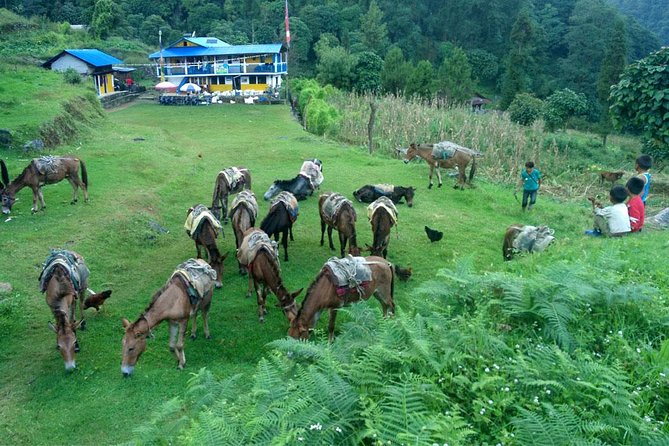
Kanchenjunga sits in Nepal’s far northeast corner and towers at 8,586 meters. It straddles the broader region of Tibet, India, and Nepal, so culturally and visually, you’re in a crossroads—not just a single “mountain landmark” zone. This matters because the trek passes through local Rai and Limbu communities and also areas with Tibetan-influenced customs. The result is a route that feels less like a checklist and more like walking through different versions of the same Himalayan world.
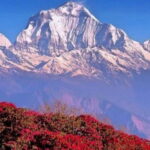
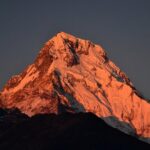
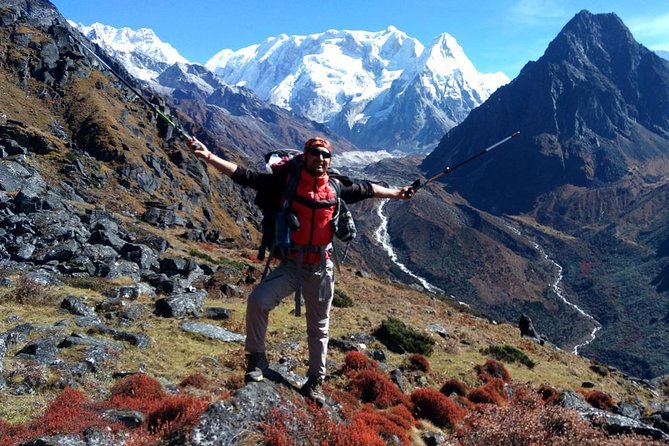
And yes, the views can compete with Everest Base Camp in drama. You’ll see Kanchenjunga and Kyabru early enough to get the excitement going, then you’ll keep earning bigger angles as you climb. By the excursion day, the trek focuses on those iconic southern-wall viewpoints, with three main summits called out at 8,420 m, 8,586 m, and 8,474 m during the approach.
If you’re someone who gets tired of crowded trails, this is one of the best ways to satisfy that urge for solitude without giving up on comfort and guidance.
You can also read our reviews of more tours and experiences in Kathmandu.
Cost and What You’re Really Paying For ($2,095.34)
At $2,095.34 per person, this trek isn’t a cheap walk in the hills. But it’s also not just you buying a route card.
Here’s where the value comes from, based on what’s included:
- Government-authorized guide and porters (with insurance, food, accommodation, and wages covered for the team).
- Kanchenjunga Conservation Area Permit and government taxes included.
- Meals during the trek (breakfast, lunch, dinner) and hygienic meal planning.
- Lodging during the trek in local guest houses/teahouses.
- Two nights in Kathmandu in a 2–3 star hotel, with breakfast.
- Road transport including the overnight bus to Ilam and the long drives into and out of the trek zone.
- First aid kit included.
- Pick up offered and mobile ticketing mentioned, so you’re not doing all the admin yourself.
What’s not included is equally important for budgeting:
- International airfare.
- Meals in Kathmandu beyond breakfast.
- Alcohol and some drinks/extra snacks (like chocolates, tea, coffee).
- Tips for your guide and porter.
- Personal travel insurance that covers your trek.
My practical take: if you want a remote, guided, permit-covered trek with meals and support built in, this price starts to make sense. If you’re the type who hates paying for logistics and prefers total self-planning, then you might feel the cost more sharply—but you’d be trading that off for more uncertainty on a remote route.
Breeze Adventure Logistics: Pickup, Group Size, and Permits That Matter
This trek is run by Breeze Adventure Pvt Ltd. The start meeting point is Breeze Adventure Pvt. Ltd, Thamel Marg, Kathmandu 44600, Nepal, and you end back at the same place in Kathmandu.
Two small logistics wins matter more than they sound:
- Pickup is offered, which reduces the chance of a scramble on the first day.
- Mobile ticketing is used, which helps you keep things simple once you’re in Kathmandu.
The group size tops out at 7 travelers. That tends to make a difference on routes like this—especially when the terrain is narrow, the climbs are steady, and the days need flexible pacing.
Another quiet win: permits. A Kanchenjunga trek requires proper authorization, and here the Kanchenjunga Conservation Area Permit and government taxes are included. When permits are handled well, you spend more time walking and less time worrying.
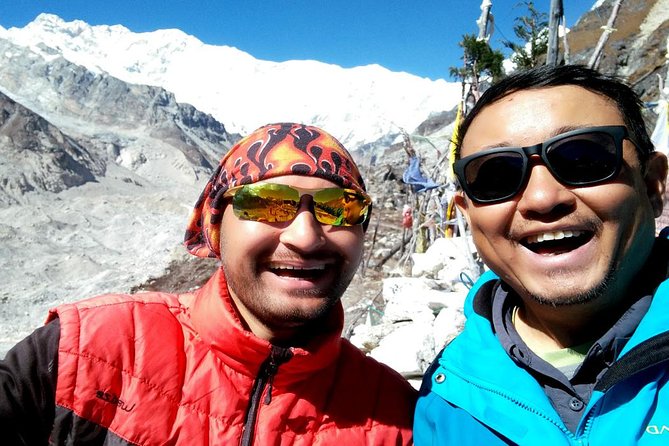
And from the feedback shared by previous trekkers, the people side is a standout. One of the guides named in the comments is Galje, praised for being always upbeat and for matching suggestions to a slower pace—like planning a Sunpati Peak climb where it fits rather than forcing it.
Day-by-Day: Kathmandu to Ilam to Taplejung
Day 1: Kathmandu → Ilam (overnight bus)
You start with breakfast and sightseeing by private vehicle, plus visits to UNESCO World Heritage Sites. Then you board an overnight bus to Ilam. This is a long day, about 10 hours of bus time. It’s not glamorous, but it’s practical because it positions you for a faster transition into the trekking region. If you’re sensitive to bus comfort, pack layers and something for sleep.
Day 2: Ilam/region → Taplejung (guest house night)
Another drive, roughly 9 hours. The day is meant to reset you after the overnight transport. You pass villages and agricultural fields—so it’s not just sitting in a vehicle. This is a good day to stay hydrated and avoid treating this trip like a couch-to-hike switch.
At the end of Day 2 you stay in a guest house, which keeps you fed and ready before the first big walking day.
Days 3 to 5: First Mountain Glimpses, Suspension Bridges, and Yamphudin
Day 3: Down through fields, then first real Kanchenjunga moments
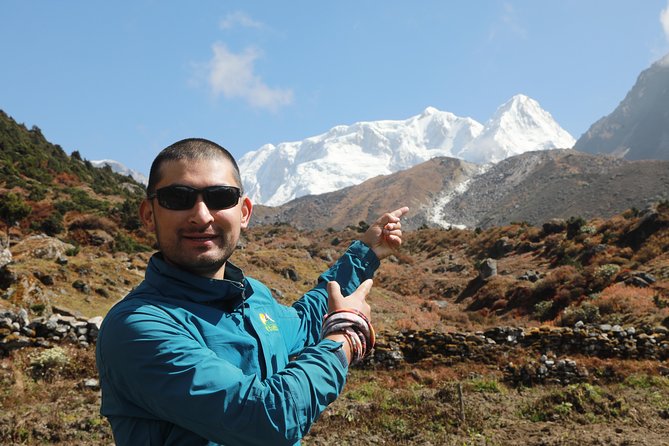
You descend through millet and rice fields, reach a suspension bridge over Phewa Khola (1,430 m), and continue to Sinchebu Bhanjyang (2,240 m). This day is short on paper—about 5 hours—but emotionally it’s huge because you start getting those early views of Kanchenjunga and Kyabru.
You also cross a pass and descend to Khesewa for the teahouse night. Expect mixed effort: some downhill, some altitude shifts, and lots of chances to stop for photos and air.
Possible consideration: first-view days can make people overexcited and walk faster than they should. If you’re trying to protect your pace, let your guide set the rhythm.
Day 4: Mixed forests, waterfalls, and a climb toward Pumpe Dada
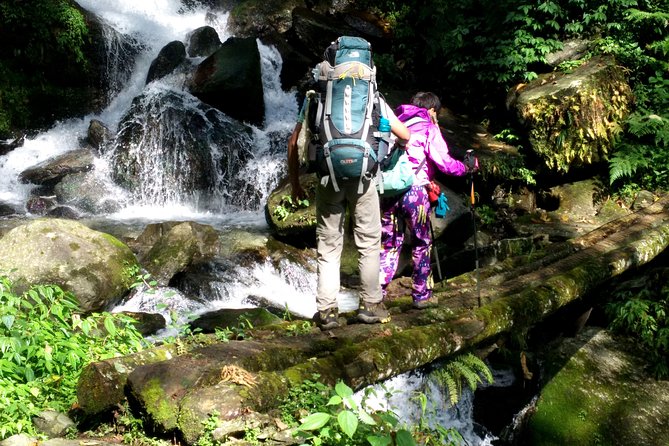
Today you hike toward the Kabeli Khola, through mixed forest and past small waterfalls. Lunch is at Yangpang with views of Mt. Jannu. You end with a short but steep uphill climb for about 20 minutes to Pumpe Dada, then sleep in a teahouse.
This is the kind of day that teaches you how the trek will work: lots of gentle-but-steady effort, plus small bursts when the trail tilts up.
Day 5: Mostly uphill along Kabeli Khola, switchbacks, then Yamphudin
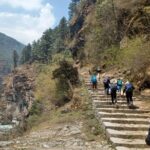
This day stays mostly uphill on an easier trail that follows the Kabeli Khola. You’ll cross under rocky cliffs after landslide rubble, walk a series of switchbacks, then cross a suspension bridge into small settlements and reach Yamphudin.
This is set up as an “easy trail, long day” combo. You’ll feel it in your legs, but it’s manageable if you keep your breathing calm.
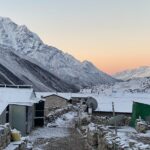
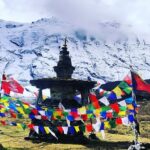
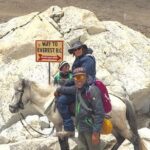
Days 6 to 8: Forest Theatre, Yalung Glacier Views, and the Run to Ramche
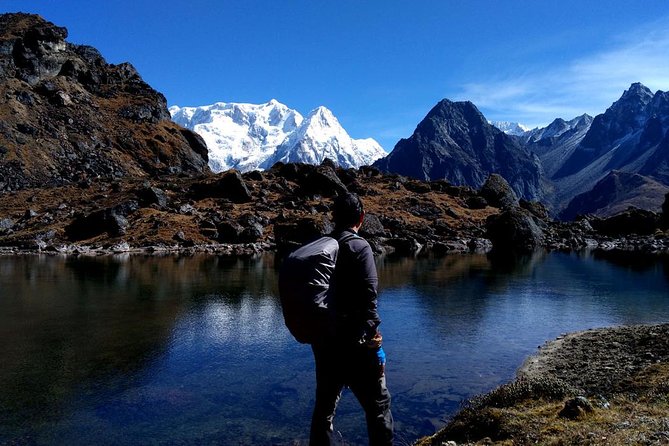
Day 6: Above Yamphudin, the trail gets quieter and steeper
Facilities are “few and far between” above Yamphudin, but the trip is planned with enough provisions. From Amje Khola it becomes a relentless climb, with a well-maintained trail.
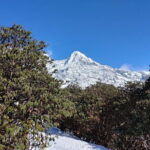
There’s also a moment for animal lovers: at Chitre, you might see grazing yaks. Then comes a standout walking feel—hiking through a forest with draping Spanish moss, which is exactly the kind of visual that makes a long climb worth it. After lunch (quick stop), you continue until you break into an opening, cross a suspension bridge, and head uphill to Tortong.
Expect a full-body day. You’re not just walking—you’re climbing.
Day 7: Lalung Valley, thick rhododendron forest, glacier spectacle
From Tortong, you begin a gradual climb toward Tseram for 3–4 hours along the Simbuwa Khola. The day includes thick rhododendron forest and views of the Yalung Glacier. You reach Cheram village for lunch, then hike up to a lake for 1–2 hours.
If the weather is clear, sunset can be a highlight. Then you descend to Tseram for the teahouse night.
This is one of the most “rewarding per step” days on the route because it layers glacier views, forest walking, and a small destination (the lake).
Day 8: Short trek, then you reach the last teahouse zone
From Tseram, you ascend to the start of the Yalung Glacier. You walk through the valley toward Lapsang, then reach Ramche, described as the last teahouse on the Kanchenjunga South Base Camp trek.
If the group is large, you might sleep in a tent instead of using the teahouse. Either way, the focus is stars and mountain night views. If you hate cold nights, plan your layering carefully.
Day 9 Excursion: The Southern Wall, Three Summits, and Glacier Time
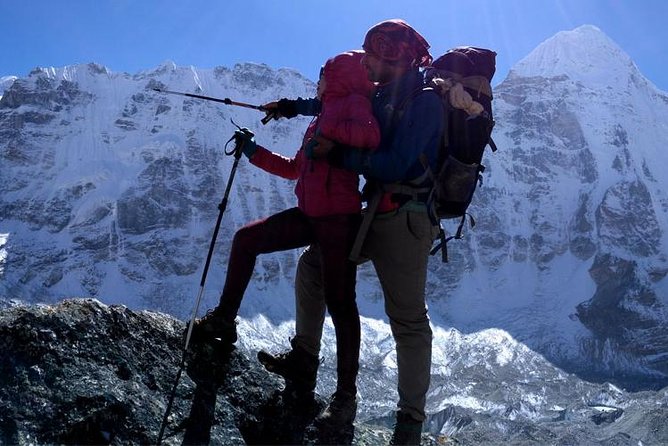
Day 9 is your full excursion around Kanchenjunga South Base Camp. You go early with a packed lunch, aiming for an up-close encounter with Kanchenjunga along the valley’s curve toward the southern wall.
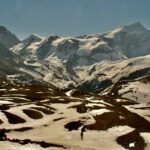
The route is described as passing along a ridge where three main summits stand out into the clouds: 8,420 m, 8,586 m, and 8,474 m. Then you descend onto the glacier and traverse to a viewpoint area (the plan ends at a lower point for the excursion).
This is the day that feels like the “payoff.” It’s not just reaching base camp; it’s spending time with the mountain in its most dramatic presentation—wide angles, big mass, and that feeling of being tiny next to a real world landmark.
Days 10 to 12: Returning Calmly via Tseram, Then the Ranipul Shortcut
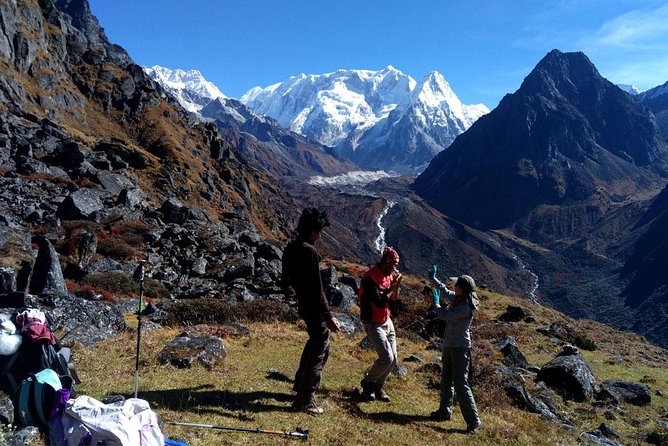
Day 10: Down to Tseram on the same trail
You head back to Tseram. It’s described as a bit long but easy, so you can let your eyes do the work while your legs do the rest.
This is where having a good guide matters. An easy day can still feel stressful if you rush. Keep your pace steady and enjoy the “watch the trail change” moments—forest textures shift, river sounds vary, and the light changes what the mountains look like.
Day 11: The ancient trade route to Ranipul (save time, skip heavy downhill)
This day follows an old Indian-to-Tibet trade route. Roads reduced its use in the past, but now local support has helped develop the trail to Ranipul, making it easier and shorter for trekkers.
You walk a bit up first, then mostly downhill to Ranipul, and you have lunch on the way. The practical benefit is that you can skip the long downhill walk to Yamphudin that would otherwise take time and beat up your knees.
Day 12: Trek ends, then drive to Ilam and overnight hotel
You wake up and have a celebratory breakfast in the teahouse. Then the hiking part is over. You drive through rolling terraced hills and quaint villages to Taplejung for lunch, then continue by vehicle to Ilam, stopping at a tea-garden area and spending the night in a hotel.
This is a nice emotional transition: less altitude pressure, more “people world” again. Ilam’s tea-country vibe is also a good way to cool down your senses after days of mountain scale.
Day 13: Back to Kathmandu for a Farewell Dinner
You start the day with a long road day, about 10 hours back to Kathmandu. Even if you’re tired, there’s usually a lift after a trek finishes—because you’ve done the hard work and now you get to land.
The day includes a farewell dinner in the evening, then an overnight hotel in Kathmandu.
Culture, Wildlife Chances, and the Stuff You Can Actually Plan For
This trek isn’t only about hitting altitude. It’s about traveling through a region where different communities share the same Nepal geography but keep distinct traditions.
You’ll meet local groups including Rai and Limbu villagers, plus Tibetan-influenced communities. Even though they’re all Nepalese, the customs and dialects can feel different from one area to the next. If you’re the type who likes small conversations, this is where you’ll get them.
Wildlife is another theme. The region is described as home to rare animals such as Himalayan Tahr, Himalayan black bear, musk deer, snow leopard, and even the Red Panda. Birders also have a shot at snow cock and pheasant. Realistically, you can’t treat that like a guaranteed checklist. But you can treat it like a reminder to walk slowly sometimes and look for tracks and movement.
One more note: “when weather is clear” shows up in the itinerary. That’s the honest truth of mountain trekking. You’ll get what you get, so keep your plan flexible and your layers ready.
Packing and Fitness: What Moderate Really Means Here
The stated fitness level is moderate physical fitness. That doesn’t mean you should show up casual. The itinerary includes multiple uphill-focused days, including a described “relentless climb” above Yamphudin and steep segments like the short uphill to Pumpe Dada.
Practical packing priorities based on the route structure:
- Warm layers for nights in teahouses (and possible tent nights at Ramche).
- Rain protection, since mixed forest and waterfall areas often mean wet ground.
- Good footwear with grip for suspension bridge approaches and rubble sections.
- A calm attitude toward walking time and altitude shifts, especially on early days and the “quiet-but-steep” middle days.
Also: you’ll have guides and porters, but you’re still walking the trail each day. If you can do steady uphill hiking for hours at a time, you’ll be in a good place.
When the Guide Matters: Galje, Kishwor, and Pace Matching
This trip is run by Breeze Adventure Pvt Ltd, and the owner name Kishwor shows up in the feedback as someone who answers questions and makes recommendations based on what you want. If you care about the “right fit,” that kind of communication matters because Kanchenjunga isn’t a short stroll.
One named guide is Galje. In the shared experience, Galje was praised for always being smiling and for making suggestions that matched a slower pace, including a climb to Sunpati Peak when it fit the group.
That’s not a small detail. On a long trek with variable terrain, a guide who can adjust—rather than pushing a strict script—often makes the difference between a tough trip and a memorable one.
Should You Book This Kanchenjunga South Base Camp Trek?
Book it if you want:
- Big mountain views without a crowded trail feel.
- A guided, permit-covered route that handles meals, lodging, and logistics.
- A small group trek where pace adjustments are possible.
- A day focused on getting close to Kanchenjunga’s southern wall and key summits.
Think twice if:
- You dislike long drives and overnight bus travel.
- You need consistently high comfort at night, because teahouses can be basic and Ramche may involve tent sleeping when lodges fill.
- You struggle with steady uphill days, especially the “relentless climb” section described above Yamphudin.
If you’re reading this, you probably already know the truth: Kanchenjunga isn’t a quick win. It’s a serious, remote trek that rewards patience, good pacing, and letting the region show itself at human speed.
FAQ
How many days is the Kanchenjunga South Base Camp trek?
The trek is scheduled for about 13 days, with travel days from Kathmandu to the trekking region and back.
Where does the tour start and where does it end?
It starts at Breeze Adventure Pvt. Ltd in Thamel Marg, Kathmandu, and it ends back at the same meeting point in Kathmandu.
What’s included in the price?
The price includes local guest house accommodations and needed road transportation during the trek, government-authorized guide and porters, insurance and wages for the guides and porters, first aid kit, the Kanchenjunga Conservation Area permit and government taxes, hygienic trek meals (breakfast, lunch, dinner), and two nights in a 2–3 star hotel in Kathmandu with breakfast.
What is not included?
Not included are international airfare, meals in Kathmandu besides breakfast, alcohol and some extra items (like chocolates, tea and coffee), tips for guide and porter, and personal insurance.
Is pickup available and what’s the group size?
Pickup is offered. The maximum group size is 7 travelers.
Can I get a full refund if I cancel?
Yes. You can cancel for a full refund if you cancel at least 24 hours before the experience’s start time. Cancellation within 24 hours may not be refunded.