REVIEW · SALKANTAY
From Cusco: 5-Night Trip with Salkantay Trek & Machu Picchu
Book on GetYourGuide →Operated by Alpaca Expeditions · Bookable on GetYourGuide
Humantay Lake gives you instant wow. This 5-day Salkantay Trek from Cusco mixes glacier views, cozy stays, and a final visit to Machu Picchu. I love the photo-stop at Humantay Lagoon and I love the way the trip spreads lodging styles across the nights. The main drawback to keep in mind is that it is not suitable if you have serious medical limits, like heart problems, back problems, or if you’re pregnant.
Because the group is limited to 16 and the guide is English-speaking, the whole rhythm stays organized without feeling like cattle herding. You also get real support built in: professional chefs and porters, plus a personal porter carrying up to 7kg per person, and even an oxygen tank for safety.
One more thing: this trek is for people who can handle sustained hiking at altitude. If you want a totally easy walk, you may find the Salkantay Pass day challenging, even with a porter helping and an included first-aid setup.
In This Review
- Key things to know before you go
- Cusco start: transfers, timing, and why the first day matters
- Salkantay Glass Cabañas: a soft landing before the trek
- Day 1: Soraypampa to Humantay Lagoon to Salkantay Pass (big views, early effort)
- Day 2: Wayracmachay, Chaullay, and the Hobbit House with outdoor jacuzzi
- Day 3: Loreta to Sahuayaku, Lucmabamba coffee farm break, and Llactapata camp
- Day 4: Llactapata lookout to Mandor waterfalls to Aguas Calientes
- Day 5: Machu Picchu day and returning to Cusco
- Lodging choices: glass cabin comfort, Hobbit house recovery, and real camp nights
- Included transport and tickets: Expedition train and bus to the citadel
- Price and value: is $650 a good deal?
- What to pack and wear for Salkantay to Machu Picchu
- Who this trek fits best (and who should skip it)
- Should you book this Salkantay + Machu Picchu trek?
- FAQ
- How long is the Salkantay Trek + Machu Picchu experience from Cusco?
- What is the price per person?
- What’s the group size?
- Is the tour guide English-speaking?
- Where do I get picked up?
- What kinds of accommodations are included?
- What transport to Machu Picchu is included?
- Is Huayna Picchu included?
- FAQ
- What gear should I bring?
- What isn’t included for sleeping and trekking gear?
Key things to know before you go
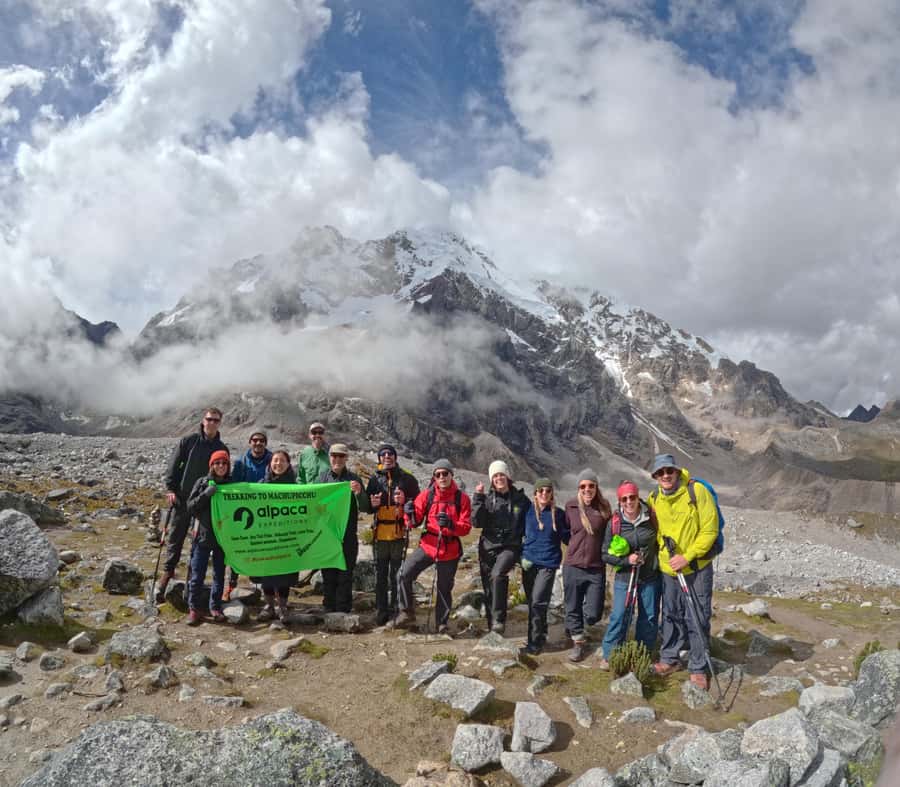
- Small group of 16 means easier pacing and more time for questions with the English live guide.
- Mixed lodging nights: glass cabin, Hobbit house with outdoor jacuzzi, campsites, and a hotel.
- Humantay Lagoon photography is built into day 1, with the views coming early in the trip.
- Support details matter: professional chefs and porters, water included, plus a personal porter up to 7kg.
- Safety gear is included: first aid kit and an oxygen tank.
- Optional Huayna Picchu costs extra (75 USD) and must be booked in advance.
Cusco start: transfers, timing, and why the first day matters
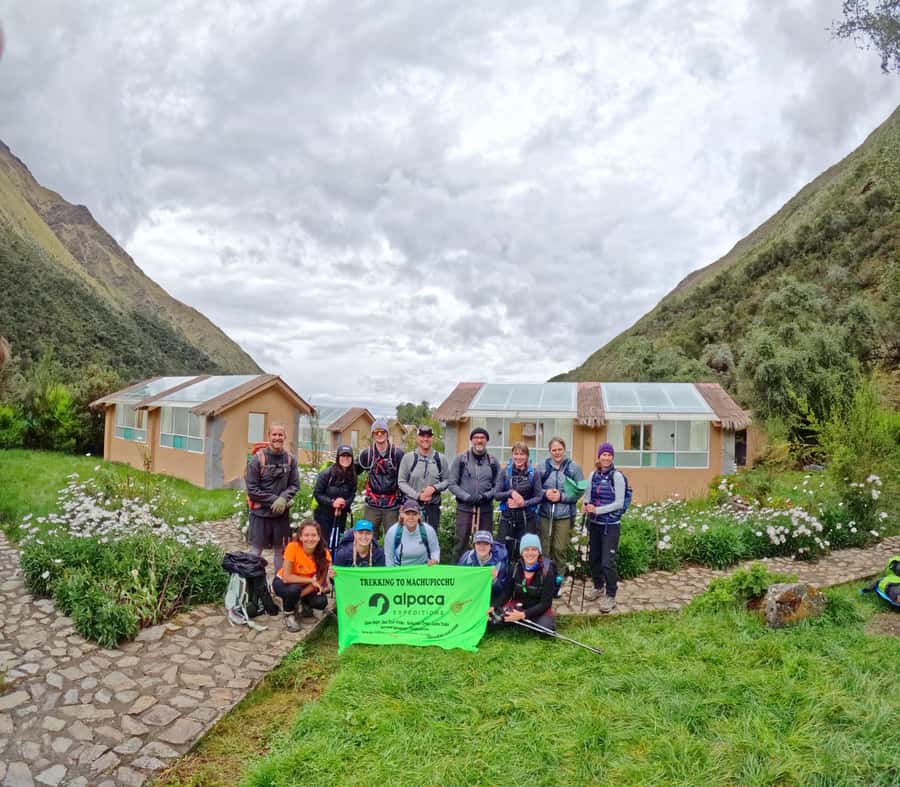
The experience begins with a Cusco hotel pickup, then a transfer to the Salkantay area timed for 3 pm arrival at the Salkantay Glass Cabañas. That early setup is practical. You’re not rushed into hiking the moment you arrive; you get time to settle, organize your gear, and sleep at altitude-adjacent elevations before the trek starts.
I like the structure here because it keeps day 1 from feeling like chaos. With an English live guide and a small group, you can ask quick questions about how the hike is paced, what to keep in your day pack, and how to dress for changing weather.
Salkantay Glass Cabañas: a soft landing before the trek
That first night in a glass cabin is more than a cute detail. After traveling, you want a place where you can rest and still feel connected to the surroundings. The glass cabin setup also makes it easier to stay motivated for day 1, because you’re already in the Salkantay region and not commuting for hours before the real hiking begins.
Expect a comfort-first transition: you’re set up for the trek with included meals later in the program, and you don’t have to think about sleeping gear because camping-style nights are handled through the tour’s included accommodations (though you will still want your own essentials, like a towel and hiking shoes).
Day 1: Soraypampa to Humantay Lagoon to Salkantay Pass (big views, early effort)
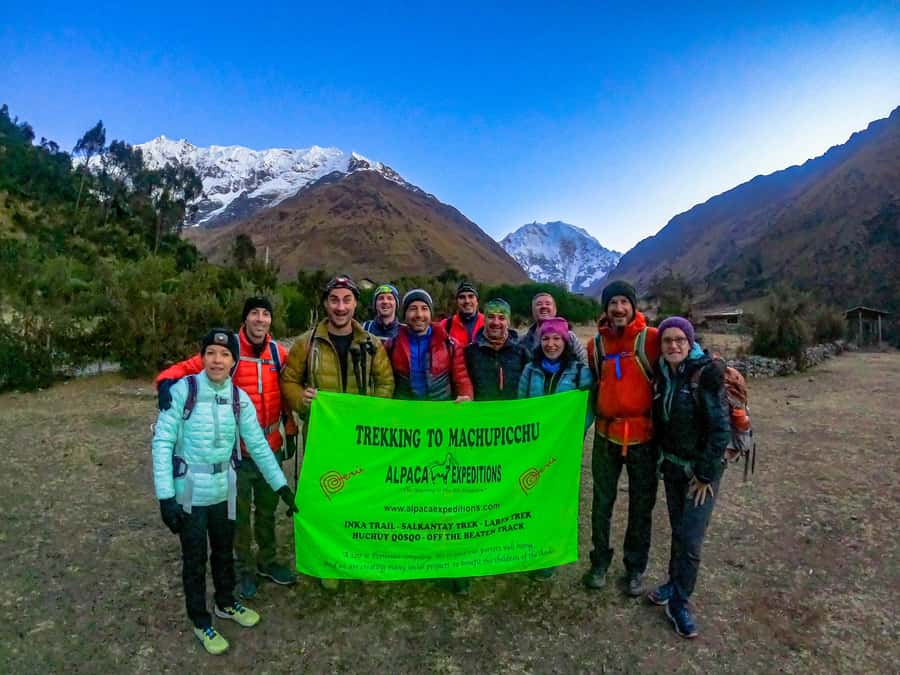
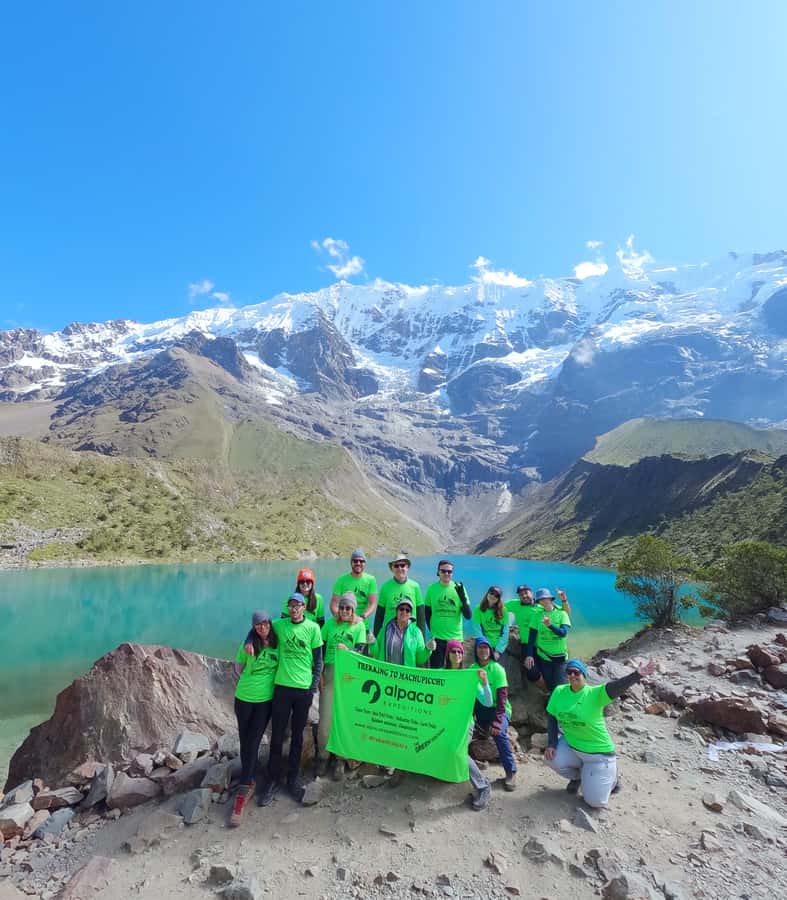
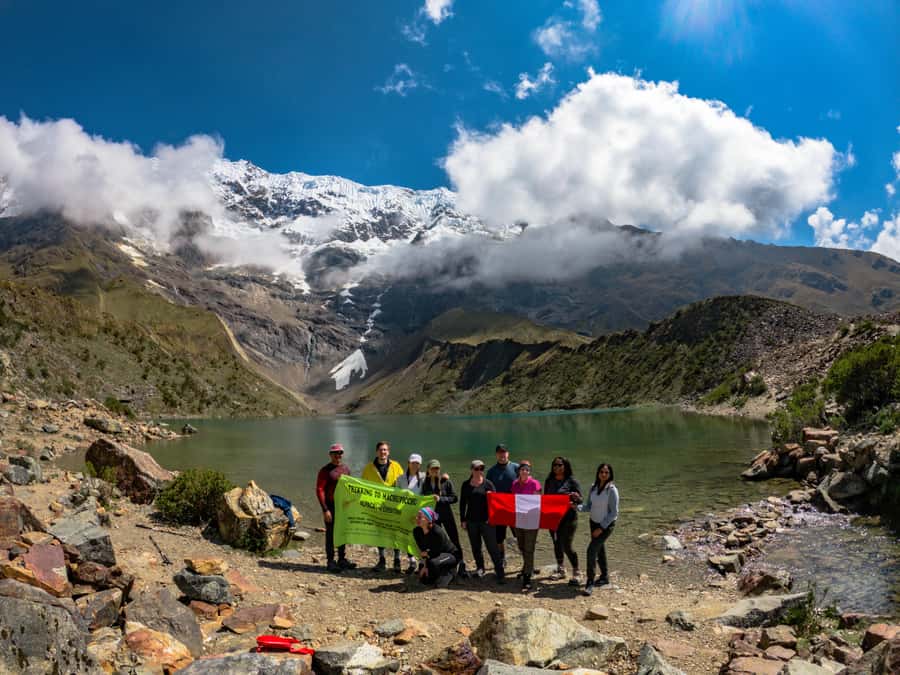
Day 1 begins with hiking starting after you’re established at the Soraypampa campsite. The route then takes you to Humantay Lagoon, up to Salkantay Pass, and onward toward Wayracpunko.
This is the day for the classic photos. Humantay Lagoon is the stop you’ll want to linger at, because it’s one of those places where the light can make your pictures look too dramatic to be real. Go slow when you arrive. Take a few minutes just to let the cold air and altitude hit you, then focus on your shots and your breathing.
The pass section is the hard part in most people’s minds—not because it’s complicated, but because it takes steady, patient hiking. You’ll feel that in your legs and your breathing, and the best move is to stick with the guide’s pacing rather than trying to “prove” anything. The trek’s rating as one of the world’s greatest treks makes sense here: it’s wide-open Andean scenery plus a high-point moment.
Practical note: the tour includes water and has a guide, first-aid kit, and even an oxygen tank, but you still need to do your part with sunscreen, sun hat, layers, and rain gear. Day 1 can switch weather fast.
Day 2: Wayracmachay, Chaullay, and the Hobbit House with outdoor jacuzzi
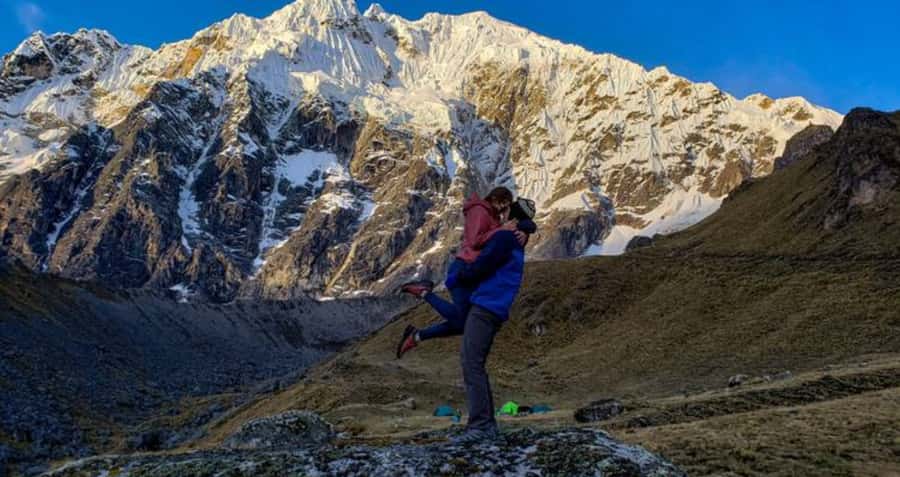
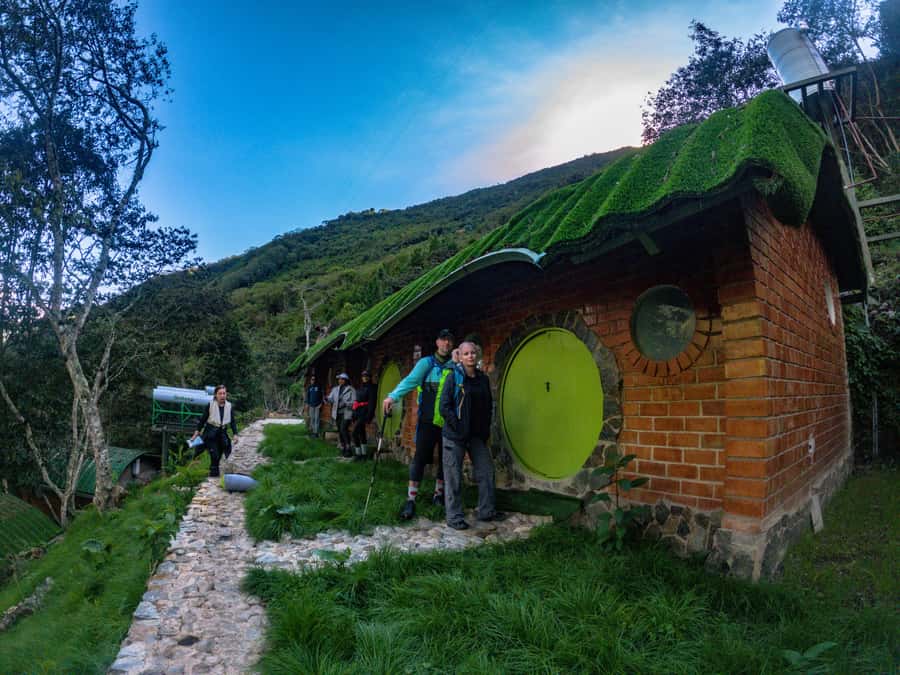
You start day 2 moving through Wayracmachay and Chaullay, heading toward Ccollpapampa (Loreta), where you spend the night in a Hobbit house. Yes, a Hobbit house. And this one has the kind of outdoor jacuzzi setup that makes sense for trekkers: your muscles get a recovery break after a long day.
I love that the tour places the novelty after work is done. This isn’t a gimmick stop where you rush in and out. It’s scheduled as your nighttime base, so the jacuzzi can actually feel useful instead of just decorative.
Day 2 is also when you appreciate that this trek travels through various ecosystems. Even without needing to memorize technical ecology, you’ll likely notice changes in temperature, vegetation, and the way the ground feels underfoot as you move. That change-of-scenes effect helps keep the trek from becoming one long repetition of the same view.
Bring insect repellent and keep your long-sleeve shirt handy. The itinerary shifts environments, and small comfort items make a big difference.
Day 3: Loreta to Sahuayaku, Lucmabamba coffee farm break, and Llactapata camp
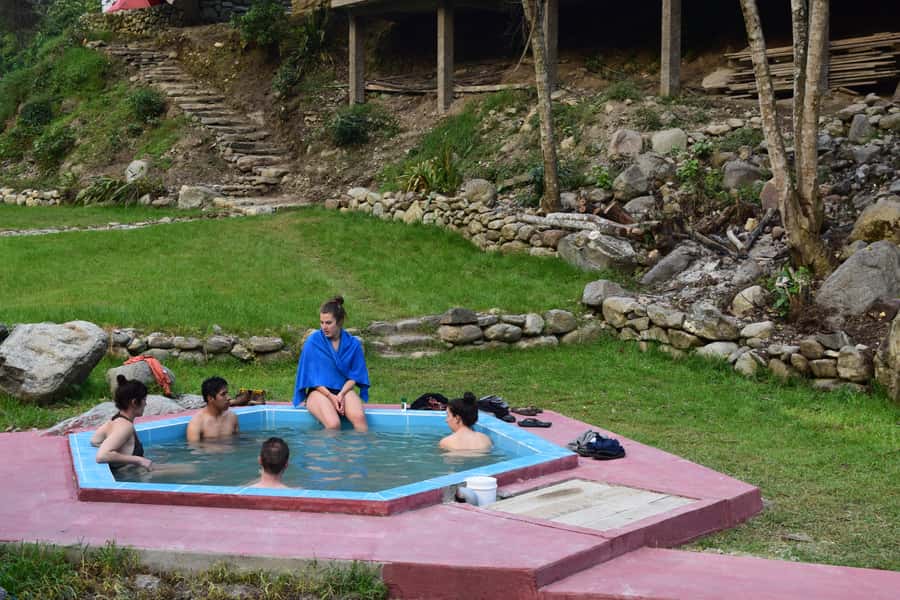
Day 3 starts from Loreta and moves on through La Playa Sahuayaku, then includes a scheduled stop at the Lucmabamba coffee farm, before reaching Llactapata for camping in front of Machu Picchu.
This day is a smart mix: you get back-to-back hiking, then a calmer human-scale moment at a working farm. Even if you’re not a coffee expert, these breaks help you reset your body. They also add texture to your trip beyond “mountain, trail, repeat.”
The big payoff is Llactapata. Camping there places you closer to Machu Picchu than you’d get if you arrived in Aguas Calientes first. It also sets you up for good views and the emotional ramp-up that happens when Machu Picchu starts feeling near instead of just planned.
Expect camp life to be part of the experience. The tour handles included accommodations and meals, but you still need your trekking basics—your hiking shoes matter most. If you’re expecting soft ground every minute, adjust your mindset. This trek is outdoors-first.
Day 4: Llactapata lookout to Mandor waterfalls to Aguas Calientes
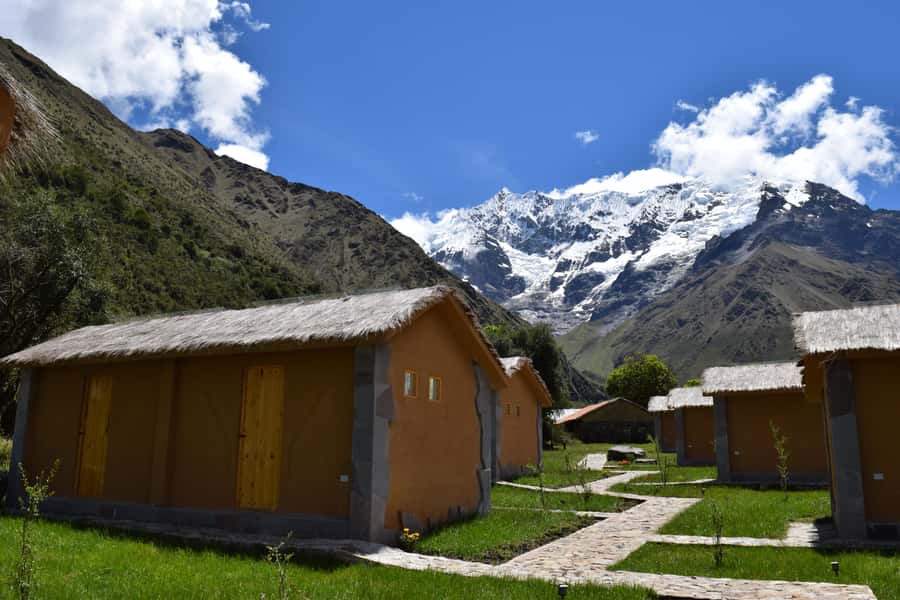
Day 4 begins with the Llactapata lookout moment, then the route continues to Mandor waterfalls, and finally down to Aguas Calientes (where you’ll have your hotel night).
This is a key transition day because it’s where the Andes feel shift into the Machu Picchu base-camp zone. The Mandor waterfalls stop breaks up the travel feel, and it gives you something active to do besides just walking. Think of it as a scenic reward that also keeps your feet moving.
I like that the itinerary then gets you to Aguas Calientes for the hotel night. After multiple nights of camping, a proper hotel night helps you sleep deeper and wake up more ready for Machu Picchu day. If you’re the type who gets anxious about being tired for the big visit, the hotel night helps solve that problem.
And yes, you’ll be using the included round-trip bus ticket to Machu Picchu, so you’re not guessing how to get up and in.
Day 5: Machu Picchu day and returning to Cusco
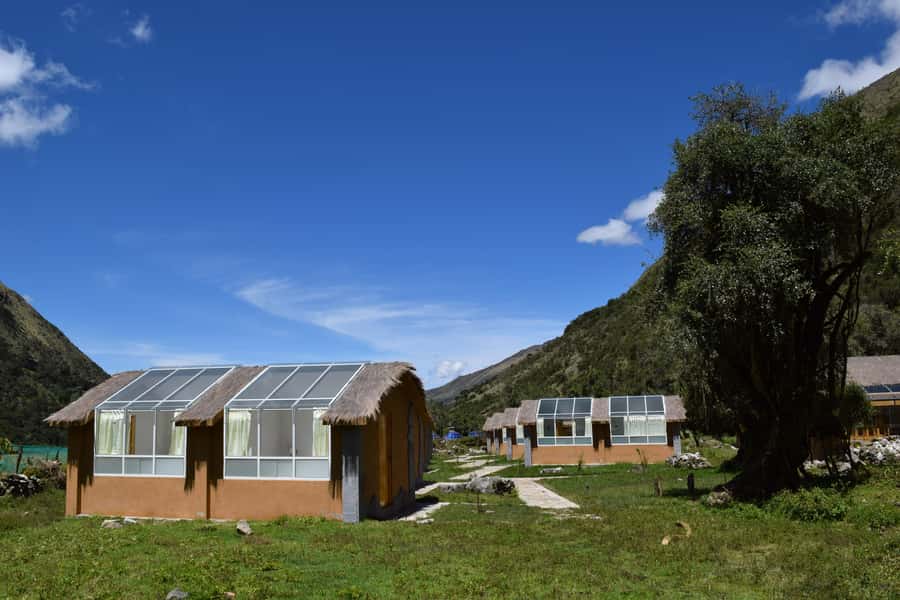
Day 5 is the main event: you’ll visit Machu Picchu and then return to Cusco. This is also the day where optional planning matters. If you want Huayna Picchu, it costs 75 USD per person and needs to be booked in advance.
Because Huayna Picchu isn’t included, you’ll want to decide early. If your time is tight or your body isn’t feeling great after the trek, you might prefer sticking strictly to Machu Picchu and saving energy for the walking inside the citadel area.
When you do Machu Picchu, take it at your own speed. The visit is memorable, but it can be more enjoyable if you don’t treat it like a checklist. Start early in the day, find a rhythm, and spend time on the viewpoints rather than racing from stop to stop.
Lodging choices: glass cabin comfort, Hobbit house recovery, and real camp nights
One of the most appealing parts of this trek is how it spreads comfort across the nights instead of stacking everything at one end. You get:
- 1 night at Glass Cabañas to ease in after the Cusco transfer
- 2 nights camping (including the Soraypampa start and Llactapata camp)
- 1 night at a Hobbit house with an outdoor jacuzzi (Loreta)
- 1 night at a Hotel in Aguas Calientes
That mix matters if you’re deciding what kind of trip you want. Some treks go “rough the whole way.” This one gives you enough comfort to keep your energy for the hiking, without turning the trek into a luxury bus tour.
Meals are included too, with breakfast x5 and dinner x4, plus lunch x4. The tour also includes professional chefs, which you’ll feel in the way meals are timed around the hike days rather than tacked on randomly.
Included transport and tickets: Expedition train and bus to the citadel
A big part of Machu Picchu trips is logistics. Here, the tour simplifies that by including:
- A train ticket for the way back in class Expedition
- Round trip bus tickets to Machu Picchu
This matters for value because it removes the most expensive, most time-sensitive parts of the plan. You don’t have to hunt schedules and worry about missing a connection. You just show up, and the day flows as planned.
Also, having a guide throughout helps you avoid the common stress spiral of navigation and timing. You’re still hiking and moving at altitude, but you’re not solving transit problems after a long day on the trail.
Price and value: is $650 a good deal?
At $650 per person, this is not a budget day hike. But it’s also not priced like a bare-bones trek. Here’s where the value comes from:
- You get all core guiding: guide included
- Meals are covered across the trek days (breakfasts, lunches, dinners)
- Multiple lodging types are included across 5 days and 5 nights
- Entry fees are included
- Key transport pieces are included (train back in Expedition class and round-trip bus to Machu Picchu)
- You also get support staff: professional chefs and porters
- A personal porter up to 7kg reduces your carried load
- Safety items are included: first aid kit and oxygen tank
In plain terms: you’re paying for a whole operating system, not just “walking with a guide.” If you were to book the train class, Machu Picchu buses, meals, and guided trek on your own, the effort and costs usually stack up fast.
What you should factor in is what’s not included: you’ll need your own day pack and headlamp (not included), and you’ll need to plan your trekking gear since sleeping bag, air mattress, and trekking poles are not included.
What to pack and wear for Salkantay to Machu Picchu
The tour gives you a clear list of what you’ll want. I’d treat it as a checklist, not a suggestion.
Bring:
- Passport
- Sunglasses and sun hat
- Towel
- Hiking shoes
- Sunscreen and rain gear
- Long-sleeved shirt, T-shirt, and outdoor layers
- Thermal clothing (useful when you’re at higher points)
- Insect repellent
- Outdoor clothing you don’t mind getting dirty
- Trekking gear you personally prefer (since some core items aren’t included)
If you’re unsure about headlamp: pack it. Nightcamp conditions can get dark quickly, and you don’t want to borrow gear from anyone.
Who this trek fits best (and who should skip it)
This is a strong fit if you want an uncrowded-feeling Andes experience with a small group limit of 16, and if you like the idea of varied scenery and varied overnight stays. If you care about photos of Humantay Lagoon and you want Machu Picchu built into a trek instead of added as a separate day trip, this program makes sense.
It is not suitable for:
- pregnant women
- people with back problems
- people with heart problems
- people with pre-existing medical conditions
If any of those apply, it’s worth looking for a different style of Peru trip that matches your medical needs and fitness level.
Should you book this Salkantay + Machu Picchu trek?
I’d book it if you want a guided, well-supported 5-day Salkantay Trek with real variety: glass cabin night one, Hobbit house recovery with outdoor jacuzzi, camp nights, a coffee-farm stop, and then Machu Picchu with included transport. The inclusion of porters, meals, train and bus tickets, plus safety gear like an oxygen tank makes the trip feel smoother than planning it piece by piece.
I wouldn’t book it if you want light effort hiking, have medical restrictions listed by the operator, or you’re missing basic gear and don’t want to buy it. Also, if Huayna Picchu matters to you, plan ahead since that add-on costs extra and must be booked in advance.
If you can hike consistently and you want Machu Picchu as the finish line of a real trek, this one is a solid match.
FAQ
How long is the Salkantay Trek + Machu Picchu experience from Cusco?
It’s a 5-day trip with 5 days and 5 nights total.
What is the price per person?
The price is $650 per person.
What’s the group size?
The group is limited to 16 participants.
Is the tour guide English-speaking?
Yes, the tour has a live tour guide in English.
Where do I get picked up?
Pickup is included from your hotel in Cusco.
What kinds of accommodations are included?
You get 1 night at Glass Cabañas, 2 nights camping, 1 night at a Hobbit house, and 1 night at a hotel.
What transport to Machu Picchu is included?
You’ll have a round-trip bus ticket to Machu Picchu, plus a train ticket for the way back in class Expedition.
Is Huayna Picchu included?
No. Huayna Picchu Mountain Pass is not included and costs 75 USD per person, booked in advance.
FAQ
What gear should I bring?
Bring items like passport, sunglasses, sun hat, towel, hiking shoes, sunscreen, rain gear, long-sleeved shirt, thermal clothing, insect repellent, and a day pack. Headlamps are also not included.
What isn’t included for sleeping and trekking gear?
You’ll need to bring sleeping bag, air mattress, and trekking poles, since they are not included.