REVIEW · KIRUNA
Kiruna: Snowshoe Trek with Warm Beverage and Sandwich
Book on GetYourGuide →Operated by Kiruna Guidetur AB · Bookable on GetYourGuide
Snow crunch, then a warm camp pause. This Kiruna snowshoe trek turns Swedish Lapland winter into an easy, guided outdoors experience where you actively look for animal traces instead of just walking in the snow. I love how fast the warm gear setup happens, and I like that the English guide brings the area to life with stories and answers while you’re out there.
You’ll trek up the mountain for about 45 minutes and stop for a warm beverage and sandwich break outside. One possible drawback: it’s still real winter walking, so if you don’t handle snowy footing well, the full 3 hours (including transfers) can feel long—and it’s not suitable for people with mobility impairments or for pregnant travelers.
In This Review
- Key Things I’d Mark on Your Must-Do List
- Getting Set Up in Kiruna: Warm Gear and a Clear Start
- The Trek Up the Mountain: Animal Tracks You Can Actually Notice
- The Outdoor Break: Warm Drink, Sandwich, and a Real Pause
- Transfers and Timing: How the 3 Hours Really Play Out
- Price and Value: What $143 Covers (and Why It’s Not Just About Walking)
- Who This Snowshoe Trek Is Best For (and Who Should Skip It)
- What to Bring: Small Prep Details That Matter in Swedish Lapland
- The Guide Factor: Why Good Narration Changes the Walk
- Should You Book This Snowshoe Trek in Kiruna?
- FAQ
- Where is the meeting point?
- How long is the experience?
- Do I need snowshoe experience before booking?
- What’s included in the tour price?
- Is hotel pick-up and drop-off included?
- What is the trek length before the break?
- What should I bring with me?
- Who can join this activity?
- Are there seasonal price changes?
Key Things I’d Mark on Your Must-Do List
- Warm overalls and boots included so you’re not scrambling for rentals
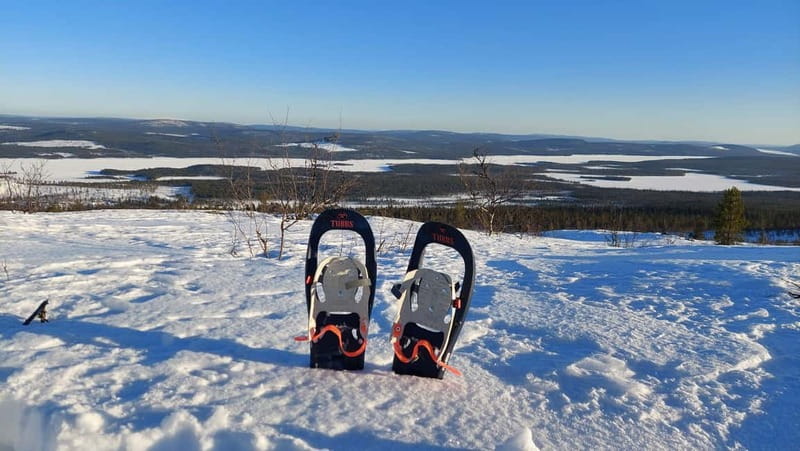
- Snowshoes and poles provided for confident, beginner-friendly pacing
- Animal-trace spotting for moose, reindeer, foxes, and hares
- About 45 minutes uphill built into a clear, guided rhythm
- Warm beverage and sandwich break outdoors to make the cold worthwhile
- Round-trip transfers included, but you’ll meet the group at Kiruna Guidetur (near Scandic Hotel)
Getting Set Up in Kiruna: Warm Gear and a Clear Start
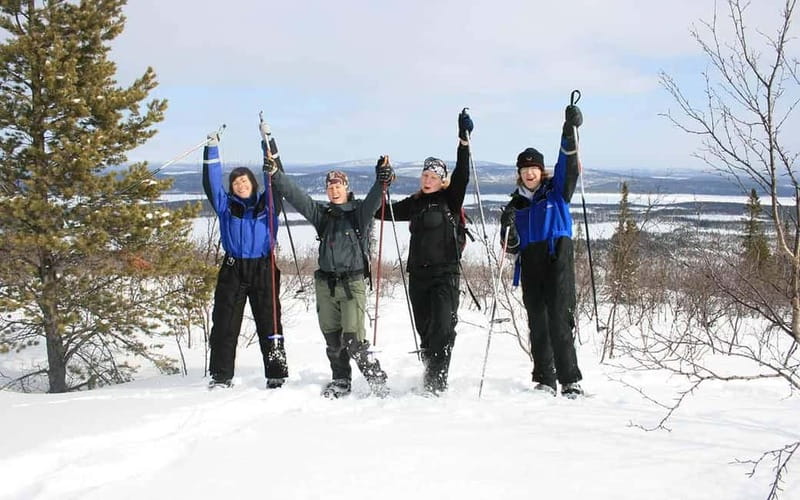
The first thing that makes this tour work is how organized the cold-weather basics are. You meet at the office of Kiruna Guidetur in the new city centre of Kiruna, very close to Scandic Hotel. From there, the guide gets you fitted with the essentials: warm overalls and boots, plus snowshoes and poles. That matters because Swedish Lapland snow can bite fast, and the right gear keeps you from spending your energy fighting numb toes instead of enjoying the trek.
This is also one of the better “first-time friendly” snow activities I’ve seen because the experience is explicitly set up for people without previous snowshoeing experience. You don’t need to be an athlete. You do need to be willing to follow instructions and take your time. Snowshoes change your stride, and poles help you stay balanced, especially on uneven snow.
A good bonus here is that the guide is in English, so the “what am I looking at?” part of winter outdoors doesn’t turn into guessing games. If you want context on Kiruna and the natural area around you, this kind of guided setup is where you get it.
You can also read our reviews of more tours and experiences in Kiruna.
The Trek Up the Mountain: Animal Tracks You Can Actually Notice
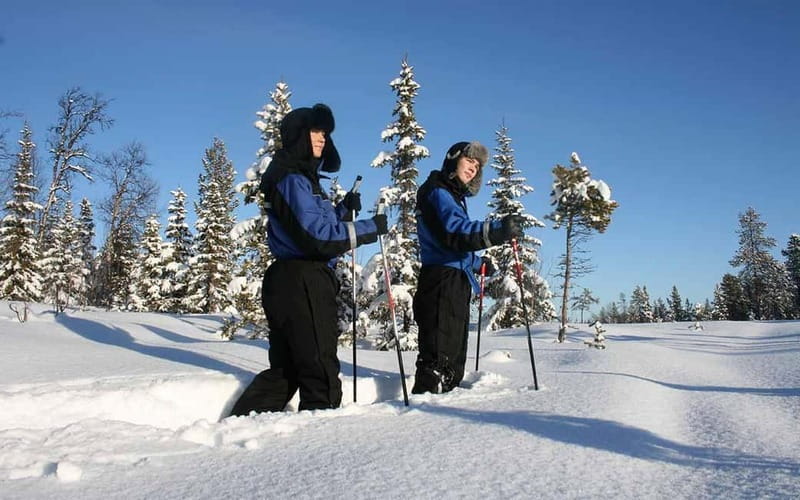
Once you’re equipped, the tour shifts into the fun part: walking out into the mountains near Kiruna. You’ll trek uphill for about 45 minutes. That climb is long enough to feel like a real outing, but it’s also short enough that the tour stays comfortable, especially because you’re moving with a guide who can pace the group.
What makes the trek special isn’t just the snow. It’s the focus on animal traces. You’re looking for signs of wildlife such as moose, reindeer, foxes, and hares. Even if you don’t spot the animals themselves, learning how to read tracks and tell what kind of movement caused them turns the walk into a scavenger hunt with meaning. And with the guide actively pointing things out, you’ll spend more time understanding what you’re seeing and less time just wondering if you’re doing it right.
This is also where snowshoeing feels different from normal winter hiking. The snow has a sound—your steps and the gentle crunch underfoot create a steady rhythm. It’s the kind of quiet that makes you notice small details, like how the air feels and how your breathing changes as you climb.
The Outdoor Break: Warm Drink, Sandwich, and a Real Pause
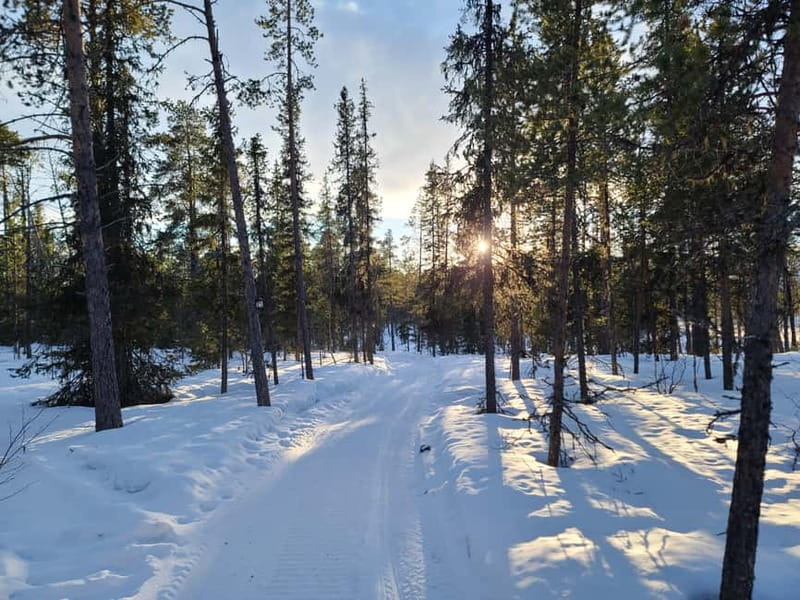
After the uphill segment, you take a break outdoors with a warm beverage and a sandwich. In cold weather, this isn’t a small add-on. It’s the difference between surviving winter and enjoying it.
The warm drink helps you reset your body temperature and relax your grip on your poles. The sandwich gives you something practical to keep energy up. The fact that the food and drink are included means you don’t have to manage a cold-jammed backpack strategy while also trying to look for animal signs. You just show up, get kitted out, and take the planned pause.
This is also the moment where the guide’s value shows. One highlight from the experience is how the guide shares useful, local context while you’re cozy near the break. If you’ve ever done a winter tour where the guide only narrates at a distance, this kind of stop-and-talk format is a relief. You can ask questions while you’re standing still, and you can actually hear the answers over the wind and snow sounds.
Transfers and Timing: How the 3 Hours Really Play Out
The tour lasts 3 hours total, and that includes round-trip transfers to and from the starting point. That’s worth paying attention to because your time box matters. You don’t just show up and hike; you also need travel time.
Plan to arrive 20–30 minutes before the starting time. That window is there for fitting, getting instructions, and getting everyone ready without rushing. If you arrive late, you may feel that cold-water stress immediately, because winter tours are unforgiving when everyone’s trying to coordinate gear quickly.
Hotel pick and drop aren’t included, so you’ll want to be comfortable getting yourself to the Kiruna Guidetur office. The upside is that the meeting point is in Kiruna’s newer city centre, close to Scandic Hotel, which makes it relatively easy to navigate compared with more remote meeting areas.
Price and Value: What $143 Covers (and Why It’s Not Just About Walking)
At about $143 per person, this tour isn’t the cheapest way to spend a morning or afternoon in Swedish Lapland. But it also isn’t just you and a pair of snowshoes. The price includes:
- a guide
- warm overalls and boots
- snowshoes and poles
- warm beverage and a sandwich
- round-trip transfers to and from the trek start
When you add up those elements, the value becomes clearer. Renting snow gear and sourcing a warm meal or drink separately would usually cost you more than you expect, especially in winter where good equipment isn’t optional. Here, you get the full package, which is important if you’re only in Kiruna briefly and you don’t want your trip plans to turn into logistics.
There’s also a seasonal pricing note: for tours between December 24th and January 6th, there’s a 300 SEK/person holiday addition. If your travel dates fall in that window, factor it in when you compare options. The holiday add-on is a straightforward cost consideration, not a hidden fee.
Who This Snowshoe Trek Is Best For (and Who Should Skip It)
This is a strong match if you want an active winter experience without needing prior training. It’s suitable for people without previous snowshoeing experience, and the minimum age is 10 years+. That makes it realistic for families with older kids who can handle cold outdoor time and walking.
It’s also a good fit if you like guided wildlife learning. The animal-trace theme—moose, reindeer, foxes, hares—turns the trek into a focused nature lesson. You’ll get more out of it if you’re the type who enjoys noticing details and asking the guide what you’re seeing.
On the other hand, this is not suitable for:
- people with mobility impairments
- pregnant women
- children under 10
So if any of those apply, you’ll save yourself stress by looking for a different winter activity.
What to Bring: Small Prep Details That Matter in Swedish Lapland
Even though you get warm overalls and boots, you still need to dress smart. Here’s what the tour expects you to bring:
- Warm clothing
- Comfortable shoes
- Water
- Snacks (optional but helpful)
You’ll also benefit from having a practical layering approach so you can manage sweat if you warm up during the climb. Winter tours can feel colder than you expect, but snowshoeing can also get your heart rate going, so bring layers you can adjust.
One important rule: smoking isn’t allowed during the activity. It’s a simple, standard outdoors policy, but it’s worth keeping in mind if you’re a smoker.
The Guide Factor: Why Good Narration Changes the Walk
A highlight from the experience is the guide’s ability to keep things interesting and useful. The best version of this tour isn’t just the physical trek—it’s what you learn while you’re moving. One booking described how the guide shared good stories while everyone chatted at the break, and how they could answer questions about Kiruna and the surrounding area.
That sort of back-and-forth makes the time feel longer in a good way. You’re not stuck in passive mode. You’re out in the snow, and you’re also building a mental map of the place: how winter affects wildlife movement, what you’re seeing in the traces, and why Kiruna’s setting shapes day-to-day nature.
Should You Book This Snowshoe Trek in Kiruna?
Yes—if you want an easy-to-join snowshoe experience that combines real outdoor time with warmth, food, and a wildlife-focused guide. The included gear lowers friction, the timing is clear at 3 hours total, and the warm beverage + sandwich break is a smart way to keep the outing enjoyable instead of miserable.
I’d skip it if you strongly dislike walking on snowy terrain, need accessibility accommodations, or you’re traveling during the holiday dates without budgeting the 300 SEK/person addition for December 24th–January 6th.
If your goal is to get close to Swedish Lapland nature, spot animal signs, and come away with stories and understanding—not just photos—this is a very solid choice.
FAQ
Where is the meeting point?
You meet at the office of Kiruna Guidetur in the new city centre of Kiruna, close to Scandic Hotel.
How long is the experience?
The total duration is 3 hours, including transfers to and from the starting point of the trek.
Do I need snowshoe experience before booking?
No. The activity is suitable for people without previous snowshoeing experience.
What’s included in the tour price?
Included are the guide, warm overalls and boots, snowshoes and poles, and a warm beverage plus a sandwich. Round-trip transfers are also included.
Is hotel pick-up and drop-off included?
No. Hotel pick and drop are not included, though transfers to and from the starting point of the trek are.
What is the trek length before the break?
You trek up the mountain for about 45 minutes before taking a break outdoors.
What should I bring with me?
Bring comfortable shoes, warm clothing, water, and snacks.
Who can join this activity?
The minimum age is 10 years+. It is not suitable for children under 10, pregnant women, or people with mobility impairments.
Are there seasonal price changes?
Yes. For tours between December 24th and January 6th, there is a 300 SEK/person holiday addition to the tour price.