REVIEW · KIRUNA
Kiruna: Snowshoe Trek with Aurora Hunt and Warm Beverage
Book on GetYourGuide →Operated by Kiruna Guidetur AB · Bookable on GetYourGuide
Snowshoes and the aurora in one evening. This is a Kiruna winter night hunt where the sky is never totally dark, even in midwinter, and your English-speaking guide takes you to a few key spots for Northern Lights chances. Guides like Jonna and Ronja are known for making the walk fun and practical, not just cold and quiet.
I love that the tour gives you warm overalls and boots, plus snowshoes and poles. You also get a real comfort break: a warm beverage and sandwich mid-trek, with enough time to reset before heading back into the snow.
One thing to plan for: the aurora is never guaranteed, and the walk can include a noticeable climb—so if you want flat and gentle only, you should mentally prepare for some uphill effort (aurora luck plus a bit of fitness).
In This Review
- Key things to know before you go
- Why this Kiruna aurora hunt is more than a night walk
- The 3-hour plan: gear up, snowshoe out, warm down
- Before you start
- On the trek
- The warm break
- Northern Lights viewing: what you can control, and what you can’t
- How to improve your experience
- Warm gear, real comfort: how to dress for this trek
- What to bring
- How to think about layers
- Price and value: what $143 buys you in Kiruna winter
- Who should book this snowshoe aurora hunt (and who should skip it)
- Not for everyone
- Common snags: time expectations, uphill surprises, and aurora odds
- Plan for more than the headline time
- Expect effort, including hills
- Aurora luck is real
- Should you book the Kiruna Snowshoe Trek with Aurora Hunt?
- FAQ
- How long is the Kiruna snowshoe trek with aurora hunt?
- Where do we meet for the tour?
- What’s included in the price?
- Are hotel pick-up and drop-off included?
- Is the tour suitable for children?
- Is the tour accessible for people with mobility impairments?
- What language is the guide?
- What should I bring?
- What time should I arrive before the start?
- Is there any extra charge during the holiday period?
Key things to know before you go
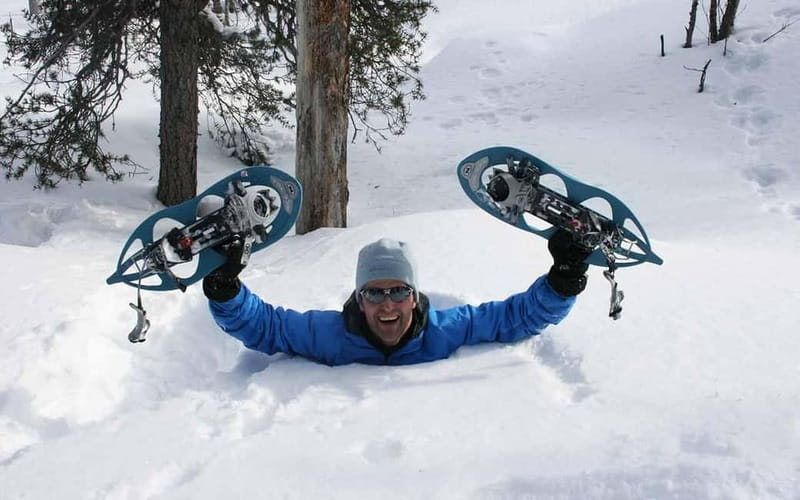
- Warm gear is included: overalls, boots, snowshoes, and poles save you from guessing what will keep you truly warm.
- Short days, not full darkness: midwinter light from stars and aurora glow keeps visibility decent for spotting.
- Your guide moves the group: you’ll visit multiple key areas instead of staring from one spot.
- Hot drink and sandwich mid-trek: a proper energy stop, not a token sip.
- Pace is set by you: it works for a range of fitness levels, as long as you’re comfortable walking in snow.
- Meeting is near Scandic: you’ll start from the Kiruna Guidetur office in the new city centre.
Why this Kiruna aurora hunt is more than a night walk
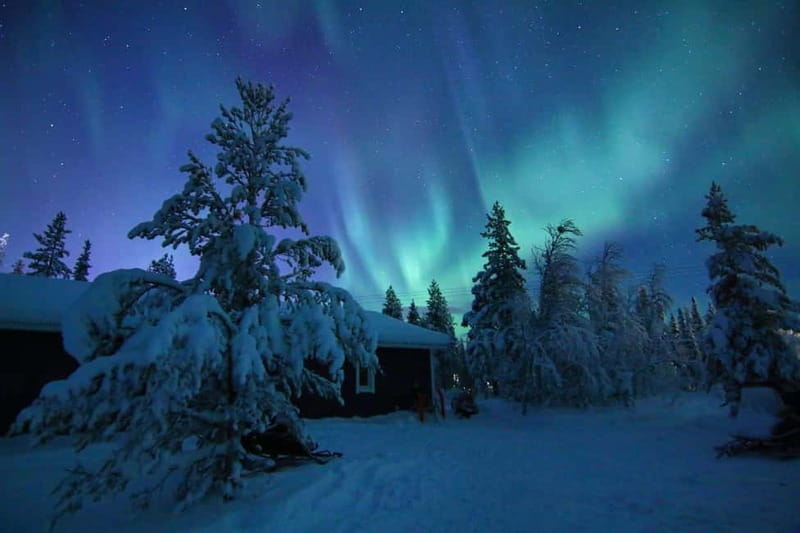
Kiruna is famous for chasing the Northern Lights, but this tour feels grounded in something you can actually do: step by step snowshoe walking in the wilderness. You’re not stuck behind a window or parked at a single viewpoint. Instead, you’re moving through the snowy area with a guide who sets the pace and chooses stops with the goal of increasing your aurora odds.
What I like most is the balance. You get the thrill of a night-sky search, but the evening is structured around comfort and basic winter survival skills. The gear is provided up front, and the mid-trek break matters because it keeps you from overheating at first, then freezing ten minutes later.
Guides such as Kevin and Carsten (and also Jonna and Ronja, depending on the date) are often described as friendly and helpful, including giving small, practical notes while you’re getting set up. That’s huge in snowshoe country: if you’re unsure how to move, you’ll feel it in your calves right away. The best part of this kind of tour is when the walk feels manageable and the aurora moment feels earned.
You can also read our reviews of more tours and experiences in Kiruna.
The 3-hour plan: gear up, snowshoe out, warm down
This is a short evening activity designed to fit a winter schedule. The total duration is listed as 3 hours, and that time includes transfers to and from the starting point of the trek. So don’t assume you’ll be back exactly at the start-time plus three hours without any buffer.
Before you start
You meet at the Kiruna Guidetur office in the new city centre of Kiruna, close to the Scandic Hotel. Plan to arrive 20–30 minutes before the starting time. That early window is what lets you get kitted out calmly—overalls, boots, snowshoes, and poles—without rushing.
On the trek
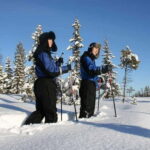
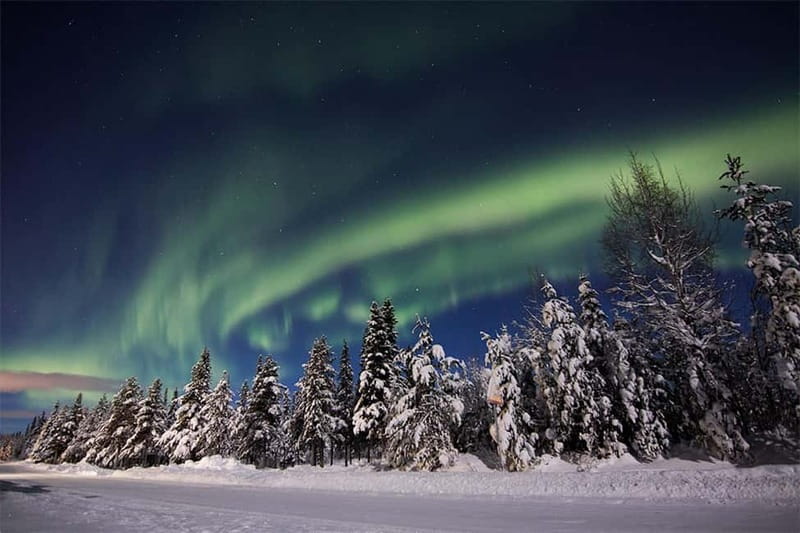
Once you’re equipped, you head out into the snow. Your guide brings you to a number of key areas where you’ll have opportunities to see the Northern Lights. Even though the midwinter days are short, it usually isn’t pitch black. The snow brightens the scene, and you can benefit from light in the sky, including the glow from stars and any aurora activity.
The pace is set by you. That means you can slow down to watch the sky, pause for photos, or keep a steady rhythm without feeling dragged along.
The warm break
About halfway through (or at a point your guide chooses), you stop for a warm beverage and a sandwich. This isn’t just about snacks. It’s a temperature reset. Drink something hot, eat something filling, and let your hands and face recover before you go back out again.
In some cases, guides also use a fire for warmth while you watch the night sky. That detail isn’t guaranteed every night, but it matches the overall vibe of the tour: practical warmth first, then aurora watching.
Northern Lights viewing: what you can control, and what you can’t
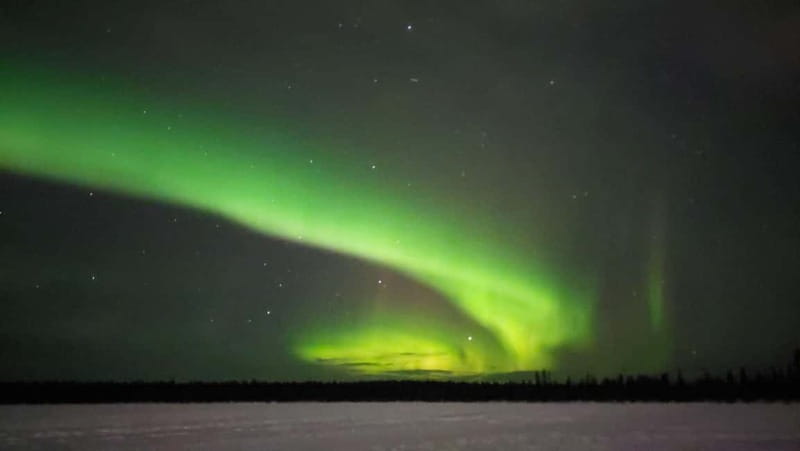
Let’s be blunt. Aurora hunting is about increasing your odds, not buying a guaranteed show. This tour does the right thing by planning for movement. Instead of parking everyone in one place and hoping, your guide takes you to multiple key areas.
The midwinter timing is also part of the strategy. Because the snow and sky light mean you’re not totally in darkness, you’ll generally be able to see the sky and terrain well enough to make spotting easier. You also spend enough time outside to react if the lights appear.
How to improve your experience
You can’t force the aurora to show up, but you can make the viewing part work for you:
- Wear layers you can adjust, since you’ll walk and then stop and stare.
- Keep your eyes on the sky without putting your face in your screen every five minutes.
- Be ready for brief movement. If the guide changes locations, it’s usually because the conditions look better ahead.
If you’re the type who needs constant entertainment, this may feel slow at times. The best aurora experience comes from patience: walking, warm break, then quiet observing.
Warm gear, real comfort: how to dress for this trek
The tour provides a lot of the hard-to-guess gear. You’ll get warm overalls and boots, plus snowshoes and poles. That’s a major value point because winter clothing and footwear can be a big spend if you don’t own the right stuff.
But you still need to dress smart underneath and around it.
What to bring
Bring:
- Comfortable shoes (for under/around the provided footwear setup)
- Warm clothing
- Snacks
- Water
You’ll likely also want to bring items like lip balm and something to protect your hands, since those are the first things to get uncomfortable in cold air. The tour includes a warm beverage, but it doesn’t replace the need for personal comfort items.
How to think about layers
Because you’re walking, you can get warm fast. Then you stop to watch the sky and cool down again. A good layering approach helps you avoid two extremes:
- Too hot while walking (then cold when you pause)
- Too cold early, then miserable the whole trek
If you tend to run cold, pack extra warmth in your personal kit. And if you’re unsure about what shoes to use, it’s worth asking at the start while your guide fits the gear.
Price and value: what $143 buys you in Kiruna winter
At about $143 per person for a 3-hour experience, this isn’t a cheap add-on. But it’s also not just a guide and a suggestion. You’re paying for a complete winter setup and a structured night hunt.
Here’s what’s included:
- Guide
- Warm overalls and boots
- Snowshoes and poles
- Warm beverage and sandwich
What’s not included:
- Hotel pick and drop
So the value question comes down to whether you benefit from having gear and winter expertise handled for you. If you’re new to snowshoeing or you don’t want to gamble on cold-weather clothing, this is where the price makes sense. The included gear removes a lot of “guesswork risk.”
Also, the walk itself is short enough to be a manageable evening activity. You’re not signing up for a full-day trek. That matters if you want to do other Kiruna sights while the light is there.
Who should book this snowshoe aurora hunt (and who should skip it)
This tour fits best if you:
- Want an active Northern Lights experience with movement
- Like walking outside rather than standing still in one spot
- Appreciate a warm break during winter (and not just cold standing time)
- Are comfortable walking in snow at a pace that can be set by you
It’s also described as accessible for people who might not be extreme hikers. Snowshoes do add effort, but the pace flexibility helps.
Not for everyone
This tour isn’t suitable for:
- Children under 10
- People with mobility impairments
If you have mobility limitations or you’re unsure about snow travel, it’s worth choosing a different aurora format that matches your needs.
And if you strongly prefer flat, low-effort walking, keep in mind that some nights include a noticeable uphill push. You don’t need to be an athlete, but you do need to be mentally okay with a workout.
Common snags: time expectations, uphill surprises, and aurora odds
A great aurora night is a partnership between you, your guide, and the sky. Here are the practical snags that can affect your mood.
Plan for more than the headline time
The tour is listed at 3 hours, but some people find the timing stretches a bit. That can happen if the group moves slowly while being fitted, or if extra time is spent searching while conditions shift. The best fix is simple: don’t schedule another tight activity right after.
Expect effort, including hills
Even when the walking is described as manageable, snowshoes naturally turn the ground into extra work. Some people also experienced an uphill segment that wasn’t fully emphasized. So if you’re planning for minimal exertion, be ready for a climb.
Aurora luck is real
Sometimes the lights show up. Sometimes they don’t. The tour is designed to improve your chances by visiting multiple areas, but the aurora is still weather and solar activity. If you’re visiting for only one aurora hunt, you might want a flexible plan around it so one cloudy night doesn’t ruin the whole trip.
Should you book the Kiruna Snowshoe Trek with Aurora Hunt?
Book it if you want a guided aurora experience that includes the hard parts handled for you: snowshoe gear, warm clothing basics, and a proper hot break. It’s especially good value when you’d otherwise have to rent gear, figure out layers, and build your own plan.
Skip it (or choose a different format) if:
- You hate walking uphill or you’re very sensitive to cold effort
- You need a guaranteed show (no aurora hunt can guarantee that)
- You have mobility constraints that make snow travel difficult
If you’re the kind of traveler who enjoys simple, authentic winter routines—gear on, snowshoe steps, warm drink, then sky watching—this tour matches that mindset. It’s not just about lights. It’s about learning how to be comfortable outside in Kiruna winter while you wait for the sky to deliver.
FAQ
How long is the Kiruna snowshoe trek with aurora hunt?
The total tour duration is 3 hours, including transfers to and from the starting point.
Where do we meet for the tour?
Meet at the Kiruna Guidetur office in the new city centre of Kiruna, close to the Scandic Hotel.
What’s included in the price?
Included: a guide, warm overalls and boots, snowshoes and poles, plus a warm beverage and a sandwich.
Are hotel pick-up and drop-off included?
No. Hotel pick and drop are not included.
Is the tour suitable for children?
No. It’s not suitable for children under 10.
Is the tour accessible for people with mobility impairments?
No. The tour is not suitable for people with mobility impairments.
What language is the guide?
The tour is guided in English.
What should I bring?
Bring comfortable shoes, warm clothing, snacks, and water.
What time should I arrive before the start?
You should arrive 20–30 minutes before the starting time to meet the guide and get kitted out.
Is there any extra charge during the holiday period?
Yes. For tours between December 24th and January 6th, there is a 300 SEK per person holiday addition to the tour price.