REVIEW · SAPA
Sapa Villages trekking and homestay 2 Days/ 1 night package tour: best selling
Book on Viator →Operated by David Tran Travel - Day Tours · Bookable on Viator
Rice terraces start right from your boots. This Sa Pa package combines a small group (max 15) with a real private room in a local home, with all meals handled. You’ll spend Day 1 walking past ~100-year-old rice terraces and end with cooking and dinner with your hosts. One possible drawback: you share a public bathroom and the schedule starts early enough that you’ll want to keep your mornings light and flexible.
For the price—$70 per person for about 2 days—this is one of the more practical ways to see rural Sa Pa without doing logistics on your own. The handoff is smooth too: you trek, shower in town, then get taken to the bus office for your ride back to Hanoi, with sandwiches prepared to keep you going.
In This Review
- Key things that make this Sa Pa trek worth your time
- The simple reason this trek feels more local than most “short tours”
- Price and value: why $70 can work (if you want this exact style)
- Day 1 from Sapa pickup to Ta Van: rice terraces, Hmong villages, and a home dinner
- 1:00pm pickup and hotel lunch
- 2:30pm walk to Y Linh Ho (Hmong)
- Lao Chai break with views (and time to breathe)
- Arrive Ta Van: warm welcome, Giay family homestay
- The homestay part: what you’ll actually have (private room, shared bathroom)
- Day 2 in the mountains: bamboo forest, Silk Waterfall, and Giang Ta Chai views
- Wake up early, then a simple outdoor breakfast
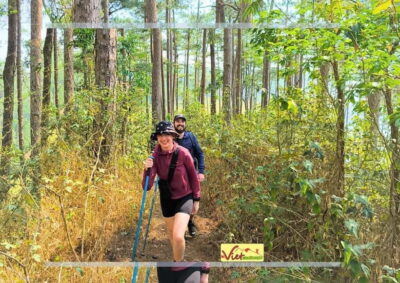
- Trek through bamboo forest to Silk Waterfall
- Picnic lunch, then head back toward Sapa
- The Hanoi transfer happens the same afternoon
- How hard is this trek, and who it suits best
- Why the guide matters: how you get more from every village stop
- Practical expectations before you go: weather, pacing, and what to bring mentally
- Should you book this Sa Pa villages trekking and homestay package?
- FAQ
- What time does the tour start, and where do we meet?
- How many people are in the group?
- Are meals and accommodation included?
- Do I get a private room or shared sleeping space?
- Is there a Lunar New Year surcharge?
- What if the weather is bad?
Key things that make this Sa Pa trek worth your time
- Small group hike (up to 15 people) for a calmer pace and easier questions.
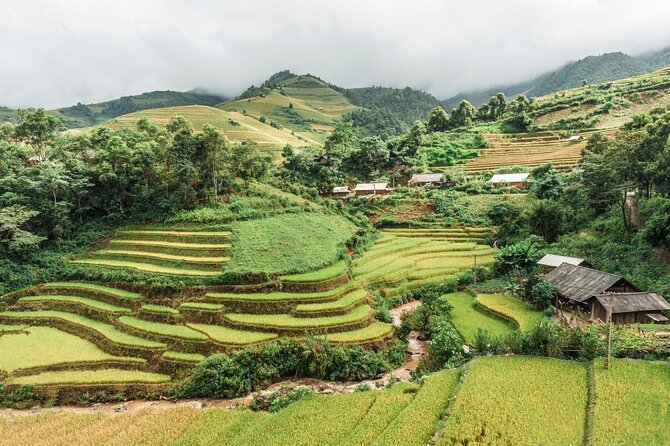
- Y Linh Ho rice terraces where locals have worked the slopes for roughly 100 years.
- Ta Van Village homestay with a Giay family welcome and shared family meals.
- Bamboo forest walk to Silk Waterfall on Day 2, plus a scenic picnic lunch.
- All meals and village entrance fees included, so your day-to-day budget stays simple.
- Pickup in Sapa town and return to the bus office after a shower—built for travelers going back to Hanoi.
The simple reason this trek feels more local than most “short tours”
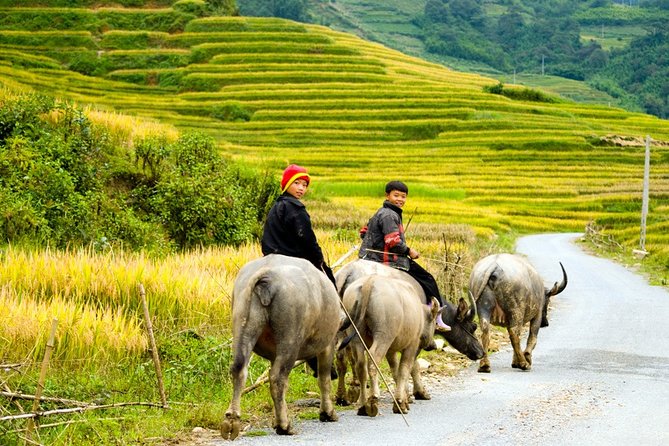
Sa Pa is famous for village trekking, but many packages feel like a quick drive-by with a photo stop. This one is different because it structures your time around actual village routes and an overnight in a home, not just a day walk.
On Day 1, you start from Sapa town (pickup around 1:00pm), then you ease into the countryside with a downhill walk toward Y Linh Ho and continuing through Lao Chai before reaching Ta Van. On Day 2, you’re back out on the trails again—bamboo forest, the trek to Silk Waterfall, and then back toward the main road so you’re not stuck in transit after lunch.
If you like rural life—how people farm, how they live, how terraces shape the scenery—this style of pacing helps you notice the small stuff: the way fields step down the hills, the way houses look built for slope and weather, and how your guide turns a walk into a cultural conversation.
Price and value: why $70 can work (if you want this exact style)
$70 per person is the big attraction here, but the real value comes from what’s included.
You get:
- Private room in a local home (2–3 people per room; double or twin beds)
- Dinner with the family
- Breakfast (Day 2) and lunch on both days (lunch is listed as included twice)
- Trekking village tours + entrance fees, guided
- Pickup and return flow in Sapa, then shuttle time toward the bus office
What’s not included:
- Drinks and beverages
- A Lunar New Year surcharge of $30 per person on Feb 14–23, 2026
So when people say it’s “good value,” I take that to mean you’re not paying extra for the big-ticket parts: meals, overnight, and guided entrances. That matters in Sa Pa, where add-ons can multiply quickly once you’re in the mountains.
One more practical point: this package is designed around a short overall window. If you want days and days of deep trekking, you’d likely compare against longer itineraries. But if you want a genuine taste of village life in a tight timeframe, this price and structure make sense.
Day 1 from Sapa pickup to Ta Van: rice terraces, Hmong villages, and a home dinner
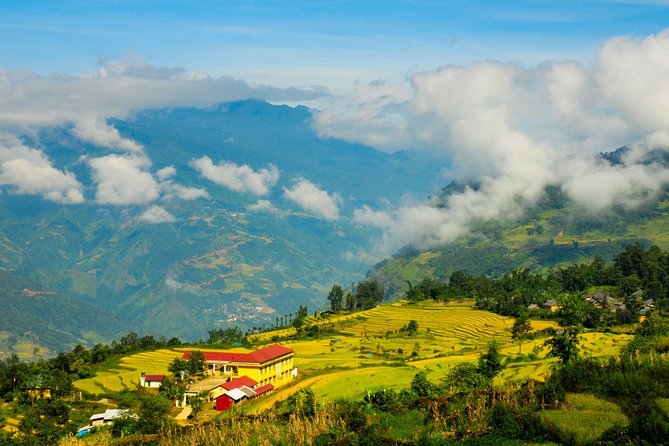
Your Day 1 is built like a slow reveal: town → terraced slopes → village networks → homestay night.
1:00pm pickup and hotel lunch
The day begins with pickup from hotels in Sapa town center. The meeting point listed is Delta Sapa Hotel (Ngõ Cầu Mây area). You head to the tour office (Delta Sapa Hotel is named in the schedule), and you’ll have lunch at the hotel before the walking starts.
This matters because you’re not forced to trek on an empty stomach or scramble for food at the last second.
2:30pm walk to Y Linh Ho (Hmong)
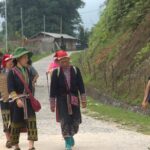
At around 2:30pm, you depart for the trek down to Y Linh Ho, a village inhabited by the Hmong minority. This is where the scenery credit is earned.
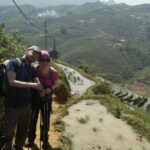
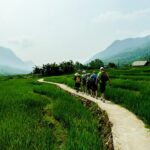
You’ll have a chance for photos of rice terraces estimated around 100 years old. Even if you don’t love history, terraces like this are the visual proof of how generations shaped the hills for farming. The down-and-across feel of the route is also a good way to adjust to the mountain pace without starting with a brutal climb.
Lao Chai break with views (and time to breathe)
From Y Linh Ho, you continue on to Lao Chai. You’ll take a short break there—drinks and scenery time—before heading onward.
That stop is important because it’s where your guide can translate what you’re seeing into something you can actually understand: how terrace farming works, why villages sit where they do, and what village life looks like outside the tourist route.
Arrive Ta Van: warm welcome, Giay family homestay
Finally you walk to Ta Van, described as an established Hmong and Giay village. You’re warmly welcomed by a Giay family, and this is where the overnight becomes real.
You’ll stay in a homestay for the night. The schedule also includes cooking and having dinner with the local family—one of the most meaningful parts of this package because it’s not just “see the house.” You’re part of the evening rhythm.
Day 1 is listed as about 7 hours total walking/experience time, so plan your expectation around a full afternoon and evening, not a quick stroll.
The homestay part: what you’ll actually have (private room, shared bathroom)
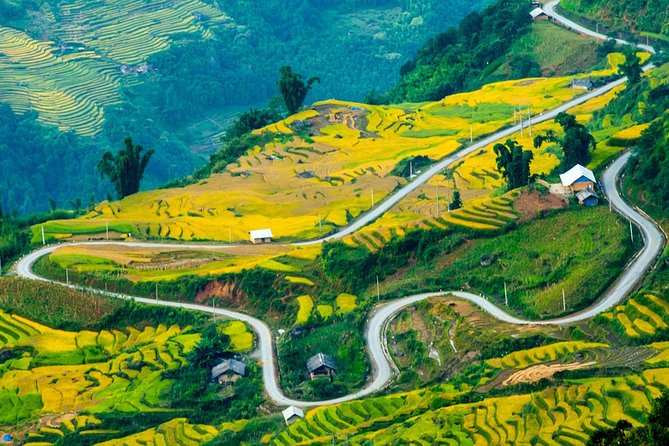
The homestay setup is one of the main reasons people like this trek—just know what private does and does not mean here.
You get:
- Private room in a local home
- Room sharing varies: 2–3 people per room, with double or twin bed options
- A sharing/public bathroom (not private to your room)
So yes, your sleeping space is yours in the home’s layout, but you’ll still share facilities with others in the homestay setup. That’s common for rural homestays, and it’s worth mentally rehearsing so it doesn’t surprise you.
Also, the overnight is designed to be participatory. Dinner isn’t just a meal you eat and leave. You’ll cook and eat with the family, and that’s what turns this from a photo itinerary into an actual cultural exchange.
Day 2 in the mountains: bamboo forest, Silk Waterfall, and Giang Ta Chai views
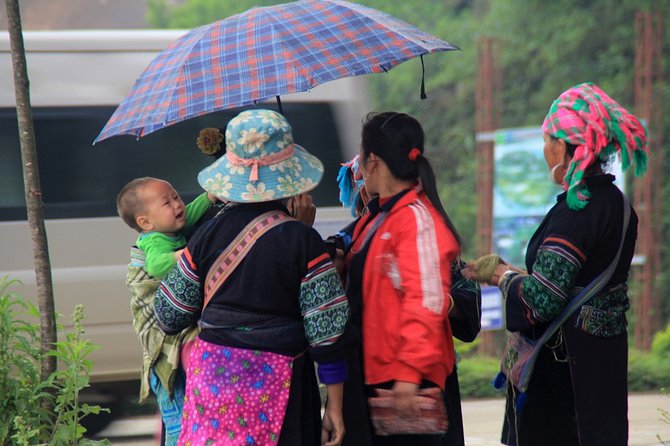
Day 2 is where the trek stretches beyond rice terraces. It’s more forest-and-water, with a payoff view at Giang Ta Chai.
Wake up early, then a simple outdoor breakfast
You’ll wake naturally—listed as a rooster or pigs—then have breakfast that includes pancakes, hot tea, or hot coffee, served outdoor for views.
I like this style because it doesn’t feel like a staged performance. It’s just life in the mountains, starting before the sun fully commits.
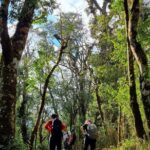
Trek through bamboo forest to Silk Waterfall
After breakfast, you head out again. The route includes trekking through:
- An enchanting bamboo forest
- Toward Silk Waterfall
The name Silk Waterfall is included in the route description. Even if the waterfall isn’t huge in the way big-city waterfalls are, you’re there for the path experience—forest air, sound of water, and the sense you’re moving away from the roads and into the village catchment area.
Picnic lunch, then head back toward Sapa
After a few hours trekking, you’ll stop for a picnic lunch with the scenery.
Then you walk back to the main road, and catch a car or mini van back to Sapa Town. You’re back around 2:00pm, then you’ll have a shower at your hotel.
The Hanoi transfer happens the same afternoon
At 3:00pm, a shuttle drives you to the bus office, where you check in for your trip back to Hanoi. Before you leave, you’ll get sandwiches to take away.
That timing is a big advantage if you’re connecting from Hanoi and back again. You’re not stuck waiting around until the next day.
How hard is this trek, and who it suits best
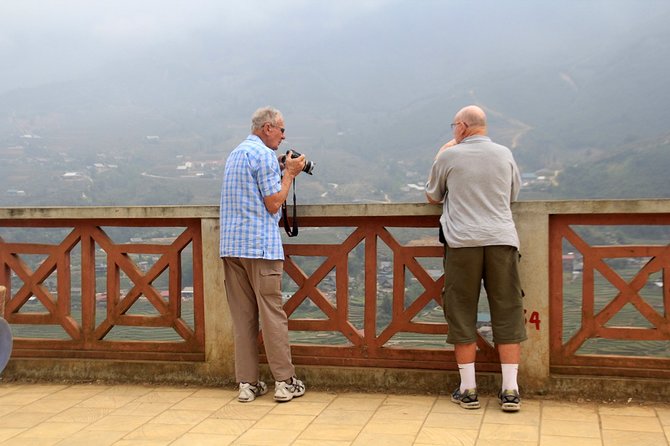
This is not described as a technical climb. It’s a guided village walk with trails that include downhill and uphill sections.
Day 1 is about 7 hours of experience time, and Day 2 is about 8 hours including trekking plus transfers back to town and to the bus office. If you’re generally able to walk for several hours and you’re fine with mountain weather shifts, it’s the kind of tour most people can manage.
Here’s who I think will enjoy it most:
- You want rural Sa Pa without planning transportation between villages.
- You like culture-through-connection: cooking, shared meals, and guided storytelling.
- You have limited time and need to return to Hanoi the same day or soon after.
Here’s who should consider longer options:
- If you’re looking for a fully remote, multi-day trek with long days and very basic facilities, this will likely feel shorter and more structured than you want.
- If you hate early wakeups and shared bathrooms, plan to stay mentally flexible.
Also, the tour notes that it has a maximum of 15 travelers. That small group size is not just a comfort perk—it often makes the pace feel more human. You’ll have more chance to stop, ask questions, and take photos without feeling rushed.
Why the guide matters: how you get more from every village stop
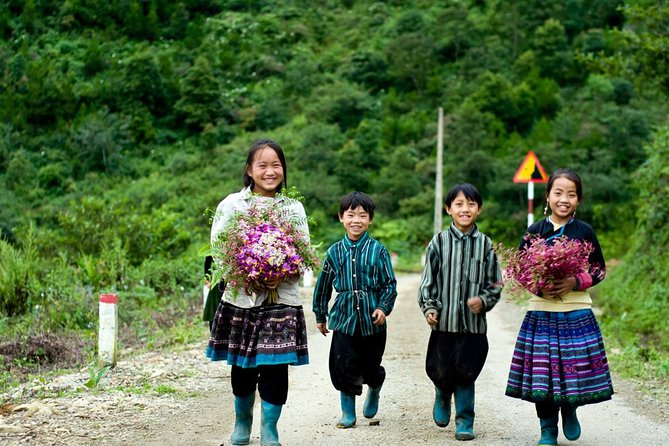
Village trekking goes two ways: you can just walk through a place, or you can understand what you’re seeing. This package leans into the second option by using a trained local guide.
Even in well-known regions like Sa Pa, not every household will have English for casual conversation. That’s exactly why your guide is the bridge—turning a walk into a story you can repeat back at your hotel later.
In the real-world experience of this company and its guides, you’ll likely hike with friendly guides such as Tran, May, Thang, Hoan, Lien, Trung, Hung, Hien, A Luc, or Jack. You shouldn’t expect all of them to be the same, but the common thread is that they help you connect dots: culture, farming, and village life.
If you’re the type who asks questions—about terraces, family life, or what daily routines look like—your guide’s role becomes one of the best parts of the trip.
Practical expectations before you go: weather, pacing, and what to bring mentally
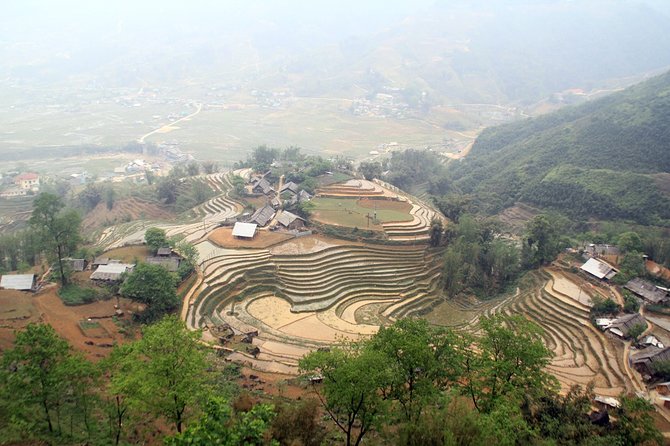
Two things matter most for this tour’s success:
Weather. The experience notes that it requires good weather. If conditions are poor, it may be rescheduled or you might receive a full refund. In Sa Pa, fog and rain can change trail safety and visibility fast.
Pacing. You’ll be walking and moving for hours across both days, but the tour is scheduled with breaks: lunch at the start, photo and rest moments mid-walk, and picnic lunch on Day 2. If you go in expecting a leisurely stroll, you might still feel it later. If you go in expecting a structured hike with cultural stops, you’ll feel in rhythm.
As for what to pack, keep it simple: comfortable walking shoes, a light rain layer, and basic sun protection. Also, plan to hydrate. Drinks aren’t included, so if you want bottled water or other beverages, budget for that.
Should you book this Sa Pa villages trekking and homestay package?
I’d book it if:
- You want Ta Van homestay life plus guided trekking without building your own itinerary.
- You like small groups and want time to talk, not just pass by.
- You value included meals, village entrance fees, and an easy transfer flow back to Hanoi.
I’d think twice if:
- You’re very sensitive to shared public bathroom setups.
- You expect a long, remote multi-day trekking adventure with no tight scheduling. This is a short, well-run mountain program—great for a taste, not a months-long lifestyle change.
If you’re on a Sa Pa “hits and culture” plan and you want a real overnight in a rural home, this $70 package is hard to beat for what it includes. Just match your expectations to its style: guided, small-group, village-focused, and designed to fit a tight time window.
FAQ
What time does the tour start, and where do we meet?
Pickup starts at around 1:00pm. The meeting point listed is Delta Sapa Hotel in Sa Pa (Ngõ Cầu Mây area).
How many people are in the group?
The tour has a maximum of 15 travelers, so it stays small.
Are meals and accommodation included?
Yes. Dinner and breakfast are included, and lunch is included on both days. Accommodation is provided in a private room at the local home.
Do I get a private room or shared sleeping space?
You get a private room at the local house, with options for double or twin beds. Rooms are shared by number of guests (2–3 people per room).
Is there a Lunar New Year surcharge?
Yes. There is a surcharge of $30 per person on Lunar New year holiday dates in February 2026 (Feb 14–23, 2026).
What if the weather is bad?
The experience requires good weather. If it’s canceled due to poor weather, you’ll be offered a different date or a full refund.