REVIEW · KATHMANDU
Ghorepani Poon Hill Trek
Book on Viator →Operated by Frolic Adventure Pvt. Ltd. · Bookable on Viator
Sunrise at Poon Hill is the headline. Ghorepani Poon Hill Trek is a short Annapurna adventure where you trade Kathmandu city time for rhododendron forests, small villages, and those famous early-morning mountain views. It’s set up for an easy-go rhythm, yet still feels like you truly moved through the mountains, not just visited them.
I especially like the well-packaged logistics: Kathmandu to Pokhara by tourist bus, private transfers around the walking sections, and clear timing for sunrise. I also like how the trip centers on Poon Hill itself, with early hiking using a flashlight so you’re in position before the sky opens up. In the reviews, guides such as Rajesh and Saroj show up as helpful and well organized.
One possible drawback: even though this trek is marketed as beginner-friendly, it may not feel “easy” in practice. If you’re worried about steep steps or long days, come with realistic expectations and a steady pace.
In This Review
- Key highlights worth your attention
- Why Ghorepani and Poon Hill is so popular in the Annapurna short-trek scene
- The trek route, explained simply: Nayapul out, Ghorepani and Poon Hill in, back again via Ghandruk
- Day-by-day walkthrough: how the schedule actually feels
- Day 1: Kathmandu to Pokhara (set the tone)
- Day 2: Pokhara to the start of the walk (toward Ulleri)
- Day 3: Ulleri to Ghorepani (forest trekking day)
- Day 4: Poon Hill sunrise (the main event)
- Day 5: Tadapani sunrise views, then back to Pokhara
- The sunrise moments: what you should expect beyond the hype
- What the walking is really like: forests, villages, and steady effort
- Transport, group size, and why the $380 price can make sense
- Guides and real-world organization: what you can rely on
- Who this trek is best for (and who should think twice)
- Should you book this Ghorepani Poon Hill trek?
- FAQ
- How long is the Ghorepani Poon Hill Trek?
- Where does the trek start and end?
- What is the price per person?
- What time does the tour start?
- How many people are in the group?
- Does the price include permits?
- What about transportation to and from Pokhara?
- Where do you stay overnight?
- How many breakfasts are included?
- Can I cancel for a full refund?
Key highlights worth your attention
- Pre-dawn hike to Poon Hill with a flashlight for that famous sunrise timing
- Short, doable circuit that loops through the Annapurna region and back to where you started
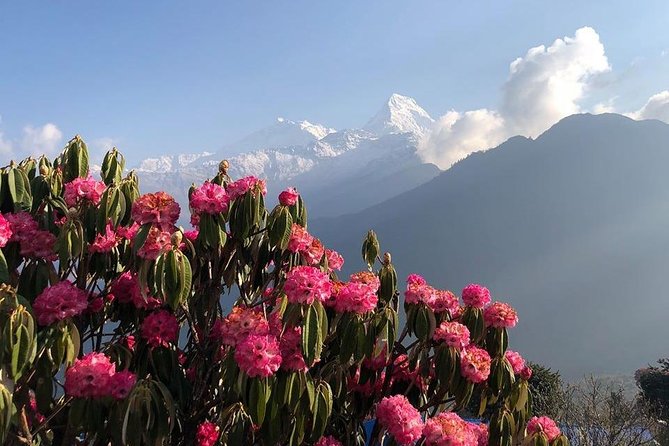
- Forests on the way up with oak, pine, and rhododendron along the trail
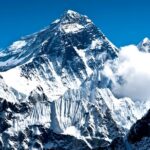
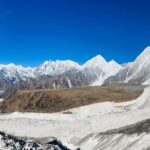
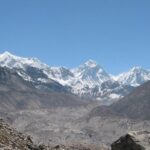
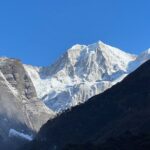
- Big mountain lineup on clear mornings including Dhaulagiri, Annapurna, and Fishtail
- Small group cap (max 16) which makes coordination simpler than mega-tours
Why Ghorepani and Poon Hill is so popular in the Annapurna short-trek scene
Poon Hill works because it hits the sweet spot. You get mountain drama without needing weeks of trekking. And you get it early in the day, when the air is usually clearer and your eyes are fresh from rest instead of fatigue.
This is also one of the more traveled routes in Nepal. The Annapurna region draws a lot of foot traffic, and on this trek you’ll likely share trails and viewpoints with other hikers—sometimes “a couple of hundred” trekkers in a day. That can be a plus if you like company and energy. It can be a downside if you want quiet and empty viewpoints, especially at sunrise.
What makes the experience feel real is the mix of scenery. Yes, the mountains are the reason most people come. But the trek also threads through forests and village life, including traditional communities like Ghandruk along the way. When you’re moving slowly through small paths, you notice more than you would from a bus window.
For most people, the value here is time. At around 5 days, you can fit in a meaningful taste of the Annapurna region—without needing a huge vacation window.
You can also read our reviews of more tours and experiences in Kathmandu.
The trek route, explained simply: Nayapul out, Ghorepani and Poon Hill in, back again via Ghandruk
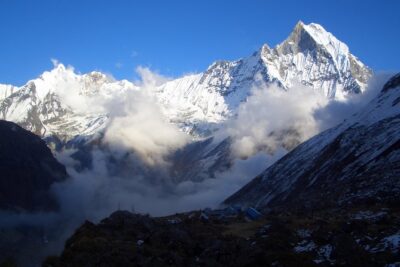
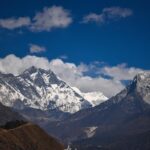
This circuit starts at Nayapul and returns to the same area after looping through the mountains via Ghandruk village. You’ll hear a lot about the Annapurna range, and you’ll see why: on clear days, the views include Annapurna I, Annapurna South, Dhaulagiri, and also Fishtail (Machhapuchhre).
The “circuit” matters because it spreads your hiking days. You’re not walking the exact same trail up and down every time. Instead, the route moves you through different villages and trail sections, which helps the trek feel varied even if you’re only doing a short duration.
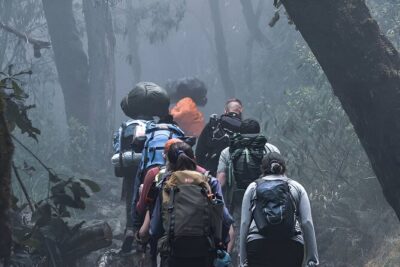
Also, the forest sections help a lot psychologically. A good portion of the walk runs through oak, pine, and rhododendron. That means more than scenery: trees can soften the harshness of sun and wind, and the trail feels less exposed.
Day-by-day walkthrough: how the schedule actually feels
This trek is designed around a steady cadence: get transported early, hike in the morning or daytime, stop for lodge breaks, and then do the big sunrise moment on Day 4.
Day 1: Kathmandu to Pokhara (set the tone)
You’ll start from Sorhakhutte near Thamel at 7:00 am, then take a tourist bus out to Pokhara. The drive is around 200 km and takes about 7 hours. It’s a long travel day, but it’s also your adjustment day: you’re transitioning from city pace to mountain pace.
Why it’s valuable: Pokhara is a natural staging area. You sleep with easier access to supplies and comfort, and you wake up ready rather than rushing around to arrange logistics.
What to consider: after a long bus day, you’ll be tired. If you’re prone to motion sickness, plan for it and keep water handy.
Day 2: Pokhara to the start of the walk (toward Ulleri)
After breakfast, you’ll take private transport from Pokhara to Nayapul (passing through Birethanti) and begin walking onward toward Ulleri. This day is mostly about movement and getting your legs working after travel.
Why it’s valuable: Ulleri is the kind of place where you feel like the trek really starts. Even if it’s not the longest day, it’s where the trail rhythm begins.
What to consider: trekking starts the moment you step off the transport. If you’re not used to elevation changes, pace yourself early.
Day 3: Ulleri to Ghorepani (forest trekking day)
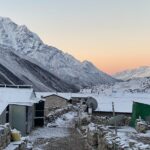
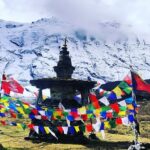
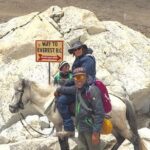
After breakfast at the lodge, you begin a gradually ascending trail. You walk about 1.5 hours from Ulleri to Banthanti, then enter forests with oak, pine, and rhododendron.
This is the day that many people remember for “getting into” the Annapurna mood. It’s not just about reaching a viewpoint. It’s about the walking: the trees, the trail textures, the slow climb that makes mornings feel productive.
What to consider: “gradually ascending” can still mean steady effort. Don’t assume it will feel flat just because the pace is slow.
Day 4: Poon Hill sunrise (the main event)
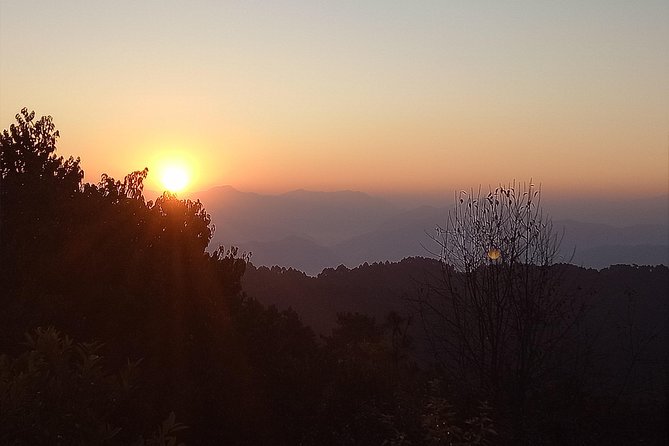
This is the signature moment. You’ll wake early and hike with a flashlight to catch the sunrise and mountain views of the Dhaulagiri and Annapurna ranges. The hike to Poon Hill takes around an hour, and then you head back afterward.
Why it’s valuable: sunrise is when Poon Hill earns its reputation. Early hiking also means cooler temperatures and fewer crowds than later in the day (though you may still see plenty of hikers).
What to consider: you’ll be up early. If mornings aren’t your thing, bring a calm attitude and layer up. Cold starts are real in these elevations.
Day 5: Tadapani sunrise views, then back to Pokhara
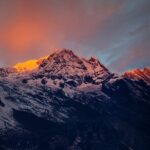
Day 5 is lighter in the sense that you’re returning toward comfort. Early morning, you’ll see sunrise views again from Tadapani, with peaks including Annapurna South, Himchuli, Fishtail, and Annapurna III and II. After breakfast, you continue trekking through the trail section toward the end of the route and arrive back in Pokhara.
Why it’s valuable: this gives you a second chance at mountain drama without forcing you into the biggest “all-at-once” effort of the trek.
What to consider: even on the final day, your legs still have work left. Go slow and keep your footing careful.
The sunrise moments: what you should expect beyond the hype
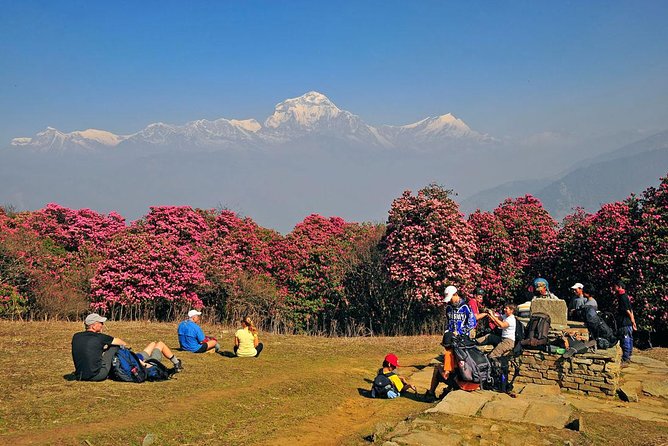
This trek is built around early mornings because mountains reward patience. Sunrise at Poon Hill is the headliner. You’ll start with a flashlight hike so you’re not scrambling in the dark.
From Poon Hill, the goal is clear: you’re aiming for sweeping views across major peaks, including Annapurna and Dhaulagiri. From Tadapani, the views are also described with specific peaks: Annapurna South, Himchuli, Fishtail, and Annapurna III and II.
Two practical tips that can make or break the experience:
- Arrive with layers. Sunrise means cold air and sudden temperature changes.
- Keep expectations flexible. Clouds happen. The trek gives you multiple chances to see peaks, which is a smart setup for short trip time.
Also, don’t ignore the crowd factor. With a couple hundred trekkers a day on this route, you’ll likely share the sunrise experience. That doesn’t ruin it; it just means you should focus on your own spot, timing, and comfort rather than imagining a private viewing.
What the walking is really like: forests, villages, and steady effort
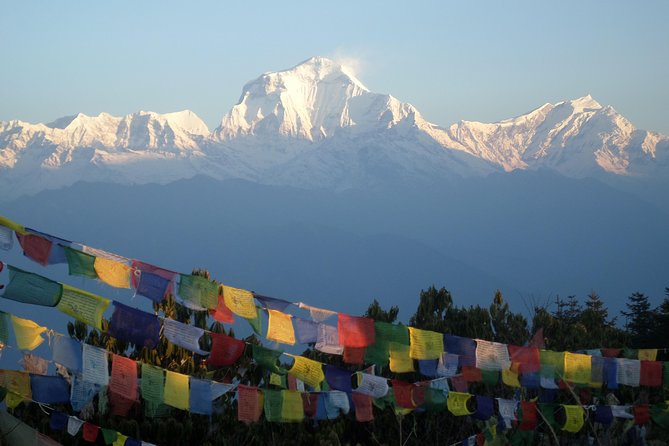
The trek’s character comes from the mix of natural and human scenery. You’ll spend time through rhododendron and pine forests, which helps break up the trek visually and emotionally. Then you transition into village life, including Ghandruk as part of the circuit.
These areas matter because the Annapurna region isn’t just peaks. It’s also communities that live with the mountains. Even on a short route, you’ll feel that rhythm: lodge to trail, trail to lodge, and brief moments in between where you notice daily life around you.
How hard is it?
- The trek is recommended for beginners, families, and elderly.
- But one review warning is important: it may not be exactly easy. Fair warning is fair. If you’re out of practice, your knees and calves will tell you quickly.
In plain terms: this trek is short, but it still asks you to walk consistently. The best preparation is comfortable shoes, a pack you can manage, and a pace that doesn’t spike your breathing.
Transport, group size, and why the $380 price can make sense
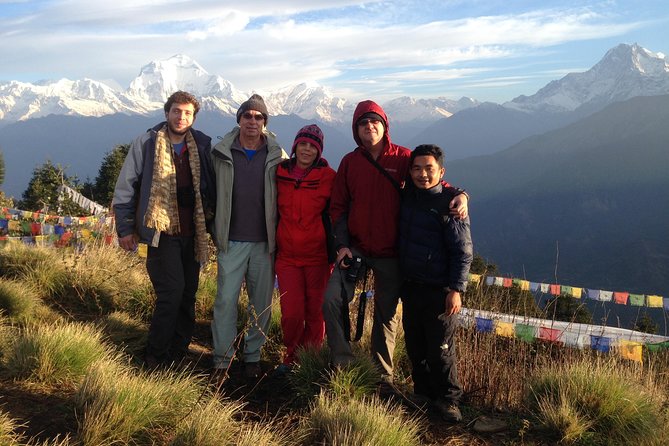
At $380 per person, this trek isn’t a budget “backpacker only” deal. You’re paying for the structure: permits, transport, and lodging organization.
Here’s what you’re getting that matters:
- ACAP permit and TIMS card included
- All fees and taxes covered
- Transport included in key segments:
- Private transport from Pokhara to Birethanti
- Private transport from Syauli to Pokhara
- Tourist bus from Kathmandu to Pokhara
- 2 nights hotel in Pokhara
- 3 nights lodge accommodation on the trek
- Breakfast (4) included
So the value story isn’t just the trek itself. It’s the reduction of planning stress. You don’t have to figure out how to coordinate each transport handoff or chase permits on your own.
Group logistics help, too. This is set up for a maximum of 16 travelers, which is a sweet spot: usually manageable, rarely chaotic. Plus, the experience notes pickup offered, group discounts, and a mobile ticket. Those details matter because they reduce the chance of the classic travel frustration: not knowing where to be, what you’re holding, or when you move.
What to keep in mind: the trip ends in Pokhara, at Hotel Splendid View (Gaurighat area). The guide drops you there, but you’ll arrange your ride back to Kathmandu or onward travel yourself.
Guides and real-world organization: what you can rely on
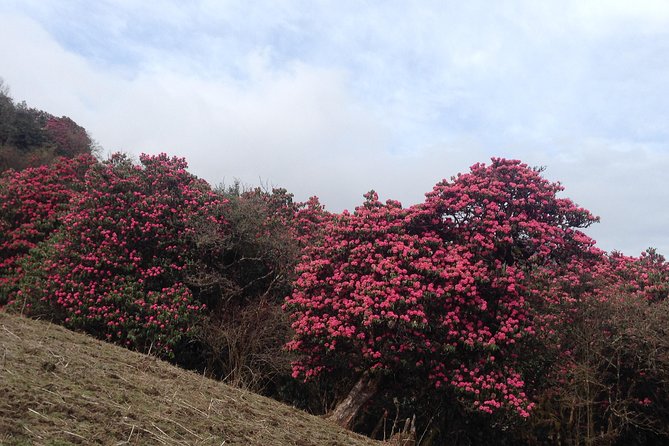
In the feedback, names like Rajesh and Saroj come up with clear praise for organization and helpfulness. That lines up with what this trek needs. A sunrise trek isn’t the place to improvise timing.
I like that this experience includes the permit paperwork support (ACAP and TIMS). In Nepal trekking, that kind of admin matters. It also reduces friction if you arrive without the right documents sorted.
One more thing: the meeting point is easy to find and specific. You start at Frolic Adventure Private Limited in Kathmandu (near Bagawan Bahal Marg). And you start early—7:00 am—so plan your night before.
Who this trek is best for (and who should think twice)
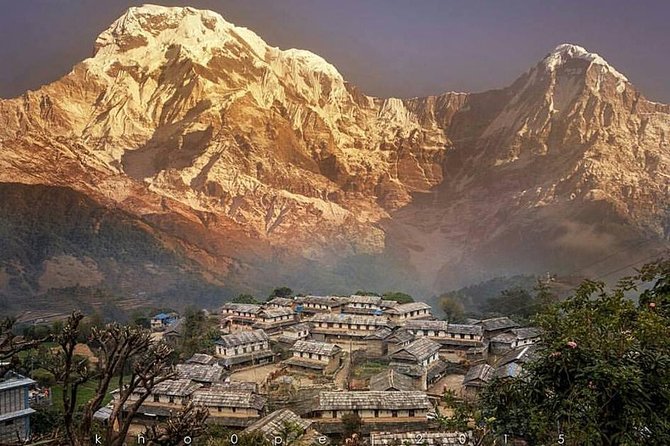
This trek is a strong fit if you want:
- A short Annapurna trek around 5 days
- Beginner-friendly direction with a guided setup
- Big mountain views without aiming for a multi-week commitment
- A sunrise experience at Poon Hill and another early-morning peak session from Tadapani
It may be less ideal if:
- You’re expecting a casual stroll. Even if it’s beginner-rated, it can still feel like real trekking.
- You hate early starts. Sunrise hikes mean getting up when most people are asleep.
- You’re seeking solitude. With high daily trekker numbers, it’s a social route.
If you’re a family group, older travelers, or first-time hikers, the structure and timing can help you stay on track—just don’t underestimate walking time.
Should you book this Ghorepani Poon Hill trek?
I’d book it if you want a classic Annapurna “best-of” short trip: forests, villages, and a pre-dawn viewpoint payoff—managed with permits and transport handled for you.
I would pause if you:
- Need a very low-effort itinerary, because the trek includes real ascents and long walking days.
- Can’t handle early mornings, since sunrise hiking is central.
- Want empty trails, because this route is popular and busy.
Overall, the decision comes down to one question: do you want mountain views in a short window with solid organization? If yes, this is a smart choice—especially if you like the idea of Poon Hill sunrise being the main event and you’re okay with sharing it with plenty of other hikers.
FAQ
How long is the Ghorepani Poon Hill Trek?
The experience is listed as 5 days (approx.).
Where does the trek start and end?
It starts at Frolic Adventure Private Limited in Kathmandu and ends at Hotel Splendid View, Gaurighat, Lake Side, Baidam, Pokhara.
What is the price per person?
The price is $380.00 per person.
What time does the tour start?
The start time is 7:00 am.
How many people are in the group?
The maximum group size is 16 travelers.
Does the price include permits?
Yes. ACAP permit and TIMS card are included.
What about transportation to and from Pokhara?
Included transport covers Kathmandu to Pokhara by tourist bus, plus private transport from Pokhara to Birethanti and from Syauli to Pokhara.
Where do you stay overnight?
You get 2 nights hotel in Pokhara and 3 nights lodge accommodation in the mountains.
How many breakfasts are included?
Breakfast is included for 4 days.
Can I cancel for a full refund?
Yes. Free cancellation is available up to 24 hours in advance for a full refund.