REVIEW · KATHMANDU
Annapurna Base Camp Trekking – 14 Days
Book on Viator →Operated by Annapurna Foothills Treks Expedition Pvt. Ltd. · Bookable on Viator
You start with rice paddies and end at 4130m.
This 14-day Annapurna Base Camp trek takes you through big altitude changes, tight valleys, and high glacial terrain with enough built-in breathing room to make the climb feel doable. What makes it especially appealing is the balance: you’re not rushed, and you still get that up-close, end-of-the-world feeling near the south-face routes of Annapurna I. And you’ll be looked after by an English-speaking Sherpa guide with a porter for every two trekkers. The only real catch is the altitude itself, so you’ll need patience and flexibility if weather shifts the plan.
I love that the itinerary is paced for acclimatization, not just check-the-box distance. Your highest day is Annapurna Base Camp around 4130m, and the schedule gives your body time to adjust rather than forcing a fast ascent. I also like the “tea houses and lodges” approach with full-board meals on the trek, because it keeps things simple and lets you focus on walking, breathing, and staring at mountains.
One drawback to consider: this is still a remote high-altitude trek. Even with good planning, weather and health can change details day to day, and the trek provider prioritizes safety over sticking to every minute of the itinerary.
In This Review
- Key highlights from this Annapurna Base Camp trek
- Why Annapurna Base Camp feels so close to the big peaks
- Kathmandu setup: two nights to get organized and rested
- Pokhara and Nayapul: switching gears from city to trail
- Hile to Ghorepani: altitude begins to matter
- Ghorepani to Tadapani to Chhomrung: village steps and big views
- Dovan and Machhapuchre Base Camp: colder air and the glacier feel
- The Annapurna Base Camp day: around 4130m and worth the wait
- Down to Bamboo and Jhinu Danda: recovery while staying in the story
- Back to Pokhara and Kathmandu: wrapping up without feeling rushed
- Food, water, and the real altitude management plan
- Price and value: what $1,250 covers (and what it doesn’t)
- The human side: guide support and how that shows up day to day
- Who should book this trek, and who should think twice
- Should you book Annapurna Base Camp for 14 days?
- FAQ
- Where does the trek start and end?
- How long is the Annapurna Base Camp trekking package?
- What permits and fees are included?
- Is accommodation included?
- Are meals included during the trek?
- How does drinking water work on the trek?
- What about guides and porters?
- Is travel insurance included?
Key highlights from this Annapurna Base Camp trek
- Acclimatization-first pacing to help you handle the jump up to 4000m-plus
- English-speaking Sherpa guide and a porter setup (one porter for every two trekkers)
- Permits and conservation fees included, so you don’t have to chase paperwork
- Tea-house lodge nights with full-board meals during the trek for real convenience
- Euro-guard filtered water refill approach using a refillable bottle
- Proven guide support names you may meet, including Ngima, Nima, Mingma, Dawa, Pasang, and Tashi
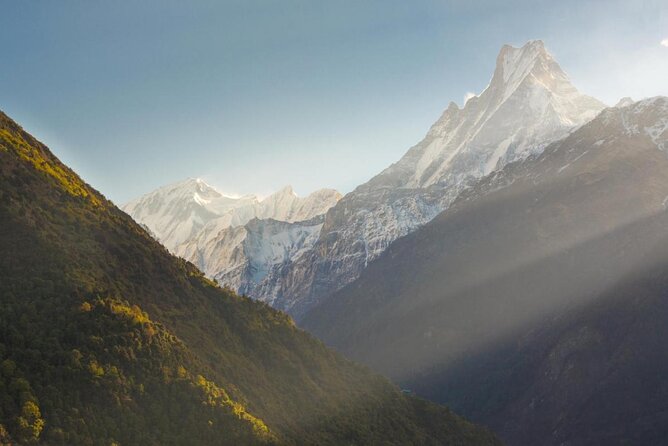
Why Annapurna Base Camp feels so close to the big peaks
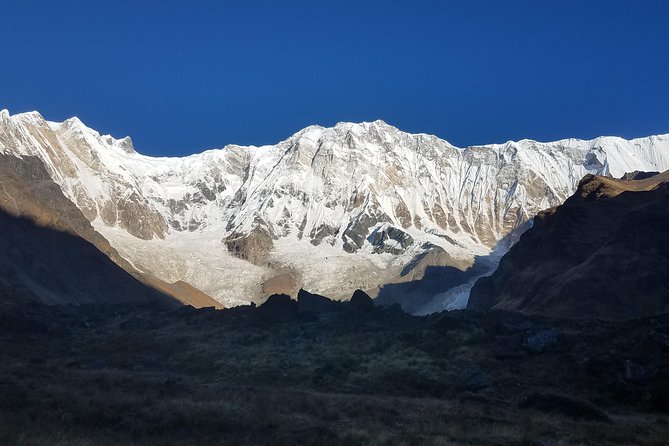
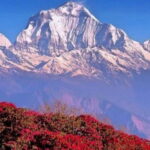
The Annapurna Base Camp trek earns its reputation because it compresses “Nepal mountain scenery” into a short window of days. You’re not just hiking past viewpoints. You move from rhododendron and bamboo country into a narrow gorge (the Modi Kola corridor), then into a higher, colder basin where the glaciers feel extremely real.
The best part is what you get right at the end: Annapurna Base Camp sits at a little over 4000m (about 4130m on this route). From there, you’re surrounded by major peaks and you feel the scale of the terrain that expedition teams spend months aiming for. It’s not a summit—so it’s more accessible than the world of ropes and summits—but it still gives you that high-altitude “why did humans build cities far away from this” feeling.
You can also read our reviews of more tours and experiences in Kathmandu.
Kathmandu setup: two nights to get organized and rested
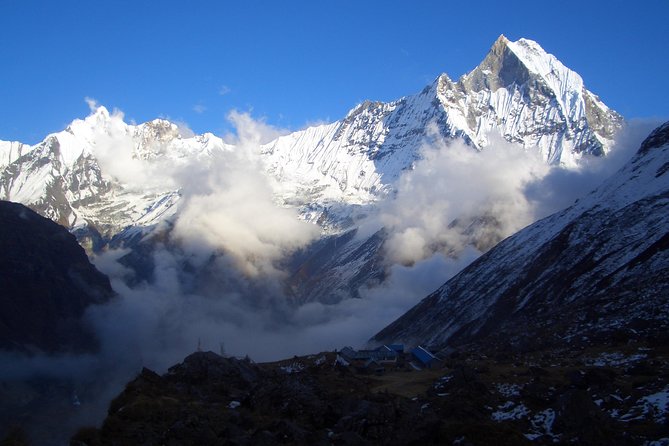
Your trek begins in Kathmandu, with a convenient meeting point in Thamel. The package includes air-conditioned vehicle transfers and two nights in Kathmandu and two nights in Pokhara before and after the remote trekking days, which matters more than it sounds.
In Kathmandu, you’ll stay at Hotel Holy Himalaya (two nights total: before and after). That gives you time to handle the small stuff you don’t want to do on the first day in the mountains: final gear checks, buying a few trekking snacks, and adjusting to Nepal’s daily rhythm. The route also includes a mobile ticket and pickup offered, so you’re not left trying to decode schedules on arrival day.
Practical takeaway: if you’re the type who needs a night to get your body clock sorted, these city nights are a real benefit.
Pokhara and Nayapul: switching gears from city to trail
Day two is a drive to Pokhara (about 900m). Pokhara is a stepping stone. It’s not the final destination, but it helps you transition—less time staring at roads, more time building trekking focus.
On day three you move to Nayapul (about 1010m) and start trekking toward Hile (about 1400m, roughly a 3-hour hike). This early day is about rhythm, not suffering. You’ll likely feel the altitude more as the trek climbs, but those opening hours are where you learn how fast to walk, when to stop for breath, and how to manage your pace with the guide.
The route here is also a taste of what’s coming: you’ll see agriculture and forest scenes before the trail rises more dramatically later. It’s a good on-ramp.
Hile to Ghorepani: altitude begins to matter
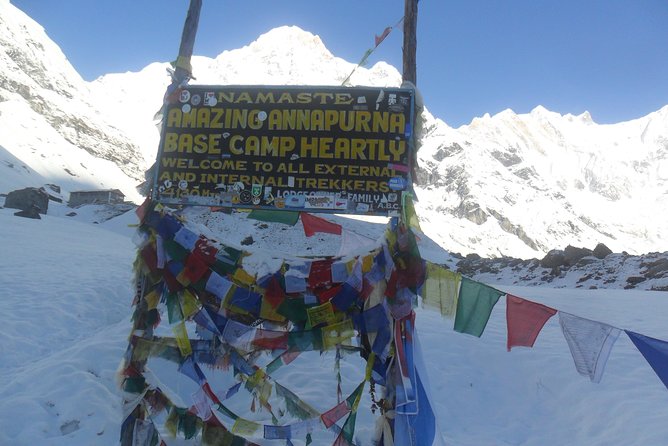
Day four takes you to Ghorepani (about 2855m, 6–7 hours). This is a key day because it’s where your breathing may start to change. It’s also where the trek starts feeling like a serious mountain journey rather than a scenic hike.
You’ll be going up for hours, and even if you feel okay, you’re still stacking altitude. That’s exactly why the later days are planned with acclimatization in mind—so you don’t just climb and hope.
Tip that makes a difference: walk slower than you think you need to. On this trek, the pace is intentionally gentle, with lots of breaks, because the altitude becomes more noticeable higher up.
Ghorepani to Tadapani to Chhomrung: village steps and big views
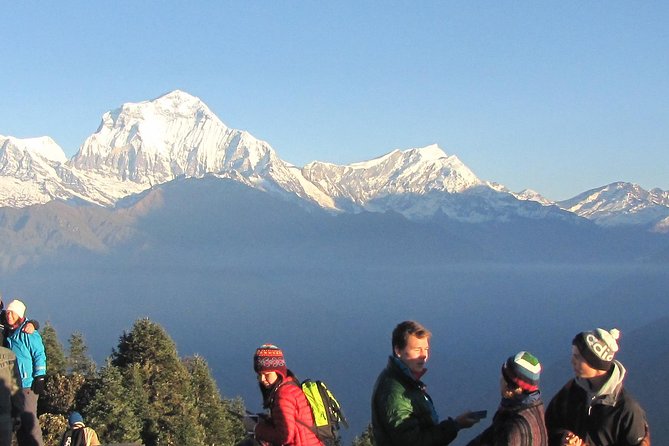
Day five goes from Ghorepani to Tadapani (about 2610m, about 5 hours). Day six continues to Chhomrung (about 2040m, about 4 hours). That combination—climb up, then work back down—helps your body adjust without you feeling like you’re always moving to a higher number.
Chhomrung is a classic Annapurna region “mountain village” stop. Even without trying to force it into a cultural checklist, these places give you a mental rest. You can refuel, talk with the people running lodges, and take a calmer look at the trail you’ll face tomorrow.
One thing I like about this section: it breaks the monotony of climbing. It’s not constant uphill suffering. You’re building stamina and breathing control while also getting regular chances to eat and reset.
Dovan and Machhapuchre Base Camp: colder air and the glacier feel
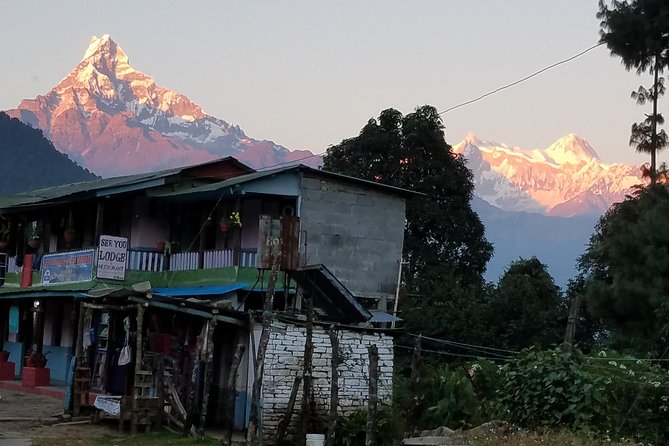
Day seven goes to Dovan (about 2550m, about 4–5 hours). Day eight takes you to Machhapuchre Base Camp (about 3700m, about 4–5 hours). If Annapurna Base Camp is the finish line, Machhapuchre Base Camp is the emotional setup day.
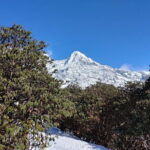
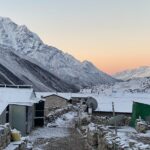
At around 3700m, the air is noticeably different. The trekking starts to feel more exposed, and the terrain tends to look more “alpine” than “forest-and-farm.” It’s also a good day for appreciating the way the trek approaches glaciers and high wilderness step by step.
This is also where I’d be most careful about overexerting. You’ll want to walk with purpose, but you don’t want to sprint uphill just because you feel strong. Altitude rewards steady effort.
The Annapurna Base Camp day: around 4130m and worth the wait
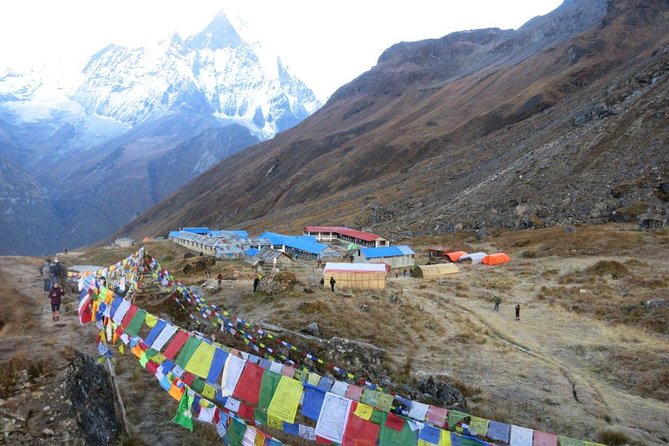
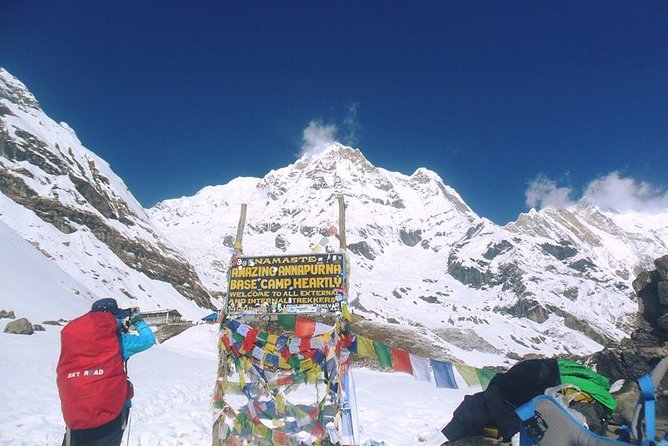
Day nine is the big one: trekking to Annapurna Base Camp (about 4130m, roughly 2–3 hours). The climb length looks shorter here than some earlier days, but don’t treat it like an easy stroll. By now, your body is operating at thin-air altitude.
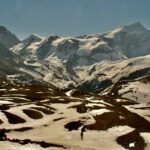
This day is where the whole plan comes together. The route leads you into a high glacial basin surrounded by major peaks, including the Annapurna I area (famous for the south face that expedition teams target). You’re not “just passing through.” You’re arriving at a point that expedition maps and climbers talk about for a reason.
How to enjoy it: take your time at the camp itself. Sit, drink, and let the view sink in. If you rush, you’ll miss the best part. And if you need extra rest, that’s normal at this height.
Down to Bamboo and Jhinu Danda: recovery while staying in the story
Day ten drops down to Bamboo (about 2340m, about 4–5 hours). Day eleven continues to Jhinu Danda (about 1780m, about 5 hours). This “down phase” matters because it helps your body recover after the peak-altitude day.
Bamboo is typically a relief stop—still high enough to feel like you’re in the mountains, but with less of the intense thin-air strain. Jhinu Danda brings you lower again, and lower altitudes often feel like a second wind.
A practical note: lower days can trick people into moving too fast. Keep the same steady pacing. Descents stress knees and ankles, especially after multiple days of walking. Walk like you plan to be comfortable tomorrow, not like you’re racing the calendar.
Back to Pokhara and Kathmandu: wrapping up without feeling rushed
Day twelve brings you to Nayapul–Pokhara (down to about 900m, about 5–6 hours). Day thirteen is the drive back to Kathmandu (about 1345m). Day fourteen is departure from Kathmandu.
This is a good closing arc because you get a proper “end of the trek” transition. You’re not immediately jumping from high camp altitude into a full day of travel chaos. The included city hotel nights, plus the scheduled transfers by air-conditioned vehicle, make the finish feel civilized.
Food, water, and the real altitude management plan
This trek is a tea houses/lodge experience, and during the trek your meals are included with full-board at local lodges. In practice, that means you don’t spend your time budgeting every meal at altitude. You’ll still want to buy extras if you’re craving something specific—chocolate bars, Coca Cola, or beer are the kinds of small treats you might pick up—but the basics are handled.
About water: you’re encouraged to drink at least 3 liters per day. In the Annapurna region, Euro-guard filters are available for refilling using your own bottle. That’s a big deal for convenience and hygiene, and it also cuts down on the need to carry heavy water weight.
Altitude management here is not guesswork. The itinerary is planned to allow acclimatization and avoid altitude problems. You’ll walk at a slow pace, take plenty of breaks, and adjust with the guide if needed.
If weather or safety conditions demand it, the provider asks for flexibility. The goal is to follow the plan, but safety comes first.
Price and value: what $1,250 covers (and what it doesn’t)
At $1,250 per person, the value is strongest when you look at what’s already included.
Your money covers:
- English-speaking Sherpa guide (license holder)
- Porter support (one porter for 2 trekkers)
- Tea-house lodge accommodations during the trek with full-board meals
- Kathmandu and Pokhara lodging (two nights each, twin-share, breakfast)
- Permits and conservation fees, plus TIMS
- Air-conditioned ground transfers (Kathmandu–Pokhara and the return, plus Nayapul–Pokhara legs)
- A first-aid medicine kit and staff costs (insurance, equipment, food, accommodation)
What’s not included:
- Personal travel insurance (strongly recommended for remote evacuation and medical treatment)
- Nepal entry visa fee
- Lunch and dinner in cities (budget $10–$14 per meal in tourist restaurants)
- Beverages on the trek and in cities
- Tips for guide, porters, and driver (customary)
My honest take: this price feels fair for a guided, permit-managed, porter-supported trek with city hotels and transfers. If you were trying to assemble it yourself, the permits, staffing, and logistics alone can eat up a lot of time and stress. Here, you’re paying to buy a smoother experience.
The human side: guide support and how that shows up day to day
The best part of this trek is how it feels in your body. Pace, breaks, and confidence matter at altitude.
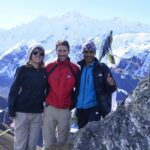
From the guidance team people have described, you’ll likely encounter a calm, attentive style. Names that have shown up in trek experiences include Ngima, Nima, Mingma, and Dawa. Porters mentioned include Mingma, Pasang, and Tashi. That pattern matters because a good guide helps you interpret the trail: when to slow down, when to rest, and how to keep going without pushing too hard.
Also, this is a private tour/activity, meaning only your group participates. If you want a more personal pace—especially with teenagers, first-time trekkers, or anyone who gets nervous about altitude—private group structure can be a quiet comfort.
Who should book this trek, and who should think twice
This trek fits well if you have moderate physical fitness and you’re ready for long walking days with altitude effects. It’s also a solid match if you prefer organized logistics: permits handled, meals covered during the trek, and support staff built in.
It might not be ideal if you want a completely weather-proof plan with zero changes. This region can be unpredictable, and the provider prioritizes safety and may change or cancel parts when necessary.
If you’re the kind of person who hates uncertainty, consider going in a season with more reliable conditions.
Best trekking seasons for the Annapurna region here are spring (February to late April) and autumn (late September to late November). Winter trekking is also possible for parts of the route like Ghorepani, Poonhill, Ghandruk, Annapurna Base Camp, and Kali Gandaki. (Christmas and New Year can be a great family time too.)
Should you book Annapurna Base Camp for 14 days?
If you want Annapurna Base Camp without DIY headaches, this is a strong choice. The acclimatization-first pacing, the porter support, and the fact that permits and conservation fees are handled for you are the big reasons to feel good about booking.
I’d especially recommend it if you’re flexible and you understand that the mountain sets the tempo. You’ll get a real trekking experience, not just a route on paper, and the tea-house lodge format keeps the day-to-day life simple.
Book it if you’re comfortable walking 4–7 hours most days, drinking enough water, and letting your pace be guided by altitude rather than ego.
FAQ
Where does the trek start and end?
It starts at Thamel, Kathmandu (44600), Nepal, and it ends back at the same meeting point.
How long is the Annapurna Base Camp trekking package?
The trek is 14 days (approx.).
What permits and fees are included?
The package includes Annapurna Conservation Fee, TIMS permits, and all required permits or official documentation.
Is accommodation included?
Yes. You get two nights in Kathmandu and two nights in Pokhara (twin-share, breakfast), plus 9 nights in local tea houses/lodges during the trek with full-board meals.
Are meals included during the trek?
Yes. During the trek, full-board meals are included at the lodges. Lunch and dinner in cities are not included.
How does drinking water work on the trek?
You should drink at least 3 liters per day. You can refill using Euro-guard filters in the Annapurna region, and you’ll need your own water bottle.
What about guides and porters?
You’ll have an English-speaking Sherpa guide. Porters are included at a ratio of one porter for every two trekkers.
Is travel insurance included?
No. The provider recommends specialized travel insurance that covers emergency evacuation, injury, lost baggage, liability, and medical treatment, and it can help coordinate a medical response based on your policy.