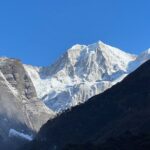
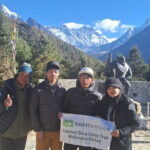
Lawudo Gompa slows everything down. This 13-day trek is built around a rare mix: Sherpa culture in the Everest region, plus retreat time at the meditation cave connected to Lama Zopa at Kopan Monastery, far from most tourist noise. I like that the trip is organized with clear pacing and support from Three Jewels Adventures, and your days at Lawudo are actually built for quiet. I also like that you get both Namche Bazaar acclimatization and an Everest viewpoint day before the retreat. One drawback to consider: weather can affect flights, so plan for uncertainty on the return legs.
I also appreciate the practical Kathmandu start and finish. You begin with Thamel arrival time, then add Swayambhunath (a classic Kathmandu viewpoint with temples and history) before you fly out early to Lukla. If you’re the type who hates logistics surprises, the team approach matters: people like Amber (owner) and guides such as Pemba are known for patient, careful handling, including changes when schedules get messy.
In This Review
- Key Things I’d Highlight Before You Go
- Lawudo Gompa Retreat Trekking: what makes it different from a standard Everest trek
- Value check: is $970 a smart deal (and what’s not included)
- Thamel arrival and Swayambhunath: your Kathmandu warm-up plan
- Flying to Lukla and trekking to Phakding: the first rhythm of the route
- Dudh Koshi to Namche Bazaar: a scenic climb with real purpose
- Namche rest day with an Everest viewpoint: acclimatize without feeling idle
- The five-hour push to Lawudo Gompa: what to expect when you leave the crowd
- Lawudo Days 7 and 8: cave visits, meditation time, and Sherpa Buddhist culture
- Treks back: Lawudo to Namche, then to Monjo, then down to Lukla
- Flights home and Kathmandu free time: dealing with weather the smart way
- The real “feel” of the trip: why the team support changes everything
- Who this trek is best for (and who might want another option)
- Should you book Lawudo Gompa Retreat Trekking with Three Jewels Adventures?
- FAQ
- FAQ
- What is the duration of the Lawudo Gompa Retreat Trekking?
- Where does the trek start in Kathmandu?
- Do I need to buy entrance tickets for temples and viewpoints?
- Are meals included during the trek?
- Is airport pickup and drop-off included?
- Are flights to Lukla included?
- Is this a private tour or a shared group?
- What kind of fitness level do I need?
- What kind of accommodation will I have on the trek?
- Is there flexibility if weather affects the flights?
- Does the retreat include meditation or teaching for visitors?
Key Things I’d Highlight Before You Go
- Lawudo Gompa’s retreat setting: meditation cave heritage linked to Lama Zopa, with huts for visitors
- A real Everest-region warm-up: Namche Bazaar trekking plus an acclimatization rest day
- Day-by-day pacing: shorter stretches on some days, plus longer downhill and uphill sections when needed
- Support that feels personal: attention from the Three Jewels Adventures team, including names like Amber, Pemba, and Lok (for transfers)
- Flexibility for weather: a built-in Kathmandu free day when flights may not cooperate
Lawudo Gompa Retreat Trekking: what makes it different from a standard Everest trek
Most Everest-area trekking is about peaks, photos, and steady mileage. This trip adds something else: a place tied to meditation and Buddhist practice, cared for by people connected to Kopan Monastery. Lawudo Gompa is described as Lama Zopa’s meditation spot and retreat cave, with a small monastery and visitor huts. It’s also set away from the usual tourist hustle, so the atmosphere feels calmer, and the mountain views matter in a more reflective way.
That blend is the core value. You don’t just get altitude scenery and tea-house convenience; you get cultural context, plus an intentional slowdown. If you come to Nepal wanting more than checklists, this route is designed for that.
You can also read our reviews of more tours and experiences in Kathmandu.
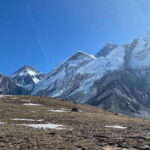
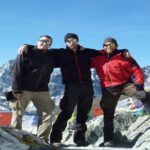
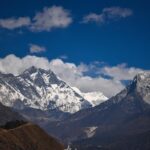
Value check: is $970 a smart deal (and what’s not included)
At $970 per person, the headline price is reasonable for a 13-day package that includes a lot of day-to-day basics in Nepal. Included items cover Kathmandu transport (air-conditioned vehicle) for pickup/drop and sightseeing, plus meals: breakfasts (7), lunches (7), and dinners (8).
But you should budget for the big missing piece: Kathmandu–Lukla/Ramechhap airfare and any private transport for the flights are not included. The itinerary uses flights to get you into the trekking area and then back out. That means your real total cost depends on the flight you book (and current pricing), and you’ll want to confirm the routing (Lukla vs. Ramechhap options) with the operator.
Also not included: bottled drinks, snacks, and alcoholic beverages. And personal travel/medical insurance is on you. None of that is unusual, but it affects final budget.
Thamel arrival and Swayambhunath: your Kathmandu warm-up plan
Day 1 starts in Thamel, Kathmandu’s classic base area. You get arrival support and time to rest, which is smart because the next day’s flight plans often require early energy. Included admission tickets are listed for this day, so you’re not stuck paying entrance fees on top of your main costs.
Day 2 is a half-day Kathmandu sightseeing blend anchored at Swayambhunath Temple. This stop is both practical and cultural. It’s a great way to get your bearings fast—views over Kathmandu, religious sites, and a sense of how layered the city feels. The tour also includes visits to older sections of Kathmandu, plus you get half-day rest time built in.
If you’re prone to rushing cities, I’d treat this day as your mental reset. You’re about to spend your next days walking uphill, then stepping into quieter retreat time.
Flying to Lukla and trekking to Phakding: the first rhythm of the route
The trekking starts after a short early flight to Lukla. From there, Day 3 walks about three hours to Phakding, with an overnight in a local teahouse. This is your first chance to feel the trail rhythm: changing footing, village pace, and the way Sherpa and local communities build trekking routes around guest traffic.
Day 3 is also your first lesson in Nepal timing. Even when the walk is not long, you’re still dealing with logistics energy from flights and packing/unpacking. That’s why the itinerary’s early start to the trek feels intentional rather than rushed.
Dudh Koshi to Namche Bazaar: a scenic climb with real purpose
Day 4 follows the Dudh Koshi River corridor to Monjo, then climbs toward Namche Bazaar. The day is a classic Everest-region shaping day: river valley walking, then a hill climb that reminds you you’re in the mountains now.
Why this matters: Namche is more than a town. It’s the acclimatization hub of the route. Getting there on Day 4 sets up a calmer, more informed rest day on Day 5.
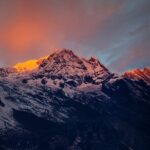
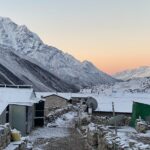
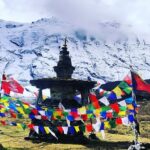
Namche rest day with an Everest viewpoint: acclimatize without feeling idle
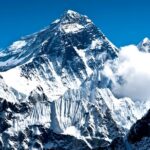
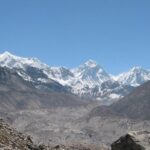
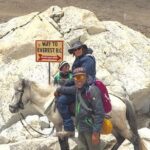
Day 5 is officially a rest day. But it doesn’t feel like a free-for-all. You’ll go to an Everest viewpoint with only a short walk from your lodge, plus you visit a local museum and Buddhist center and spend time in the market.
This is one of the best-designed days on the schedule. You get:
- body recovery (no big trek distance),
- mind recovery (museum and Buddhist center context),
- and a practical local-market feel (how people live, not just how tourists buy souvenirs).
If you want your acclimatization day to stay meaningful, this plan does it.
The five-hour push to Lawudo Gompa: what to expect when you leave the crowd
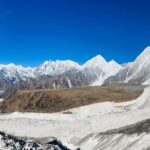
Day 6 is where the trip pivots. You trek for about five hours to Lawudo Gompa—partly gentle walking, with the last section climbing uphill. The description highlights that the nearest village is at least an hour’s walk away. That’s an important clue: once you reach Lawudo, it’s not a convenient stop. It’s a real retreat setting.
The gompa area includes the meditation cave of Lama Zopa connected to Kopan Monastery, plus a small monastery and huts for visiting guests. That means you’re not just sightseeing a monastery from the edge. You move into a visitor environment designed for spending time there.
One consideration here: the trek to Lawudo is longer and uphill at the end. Even if you’re generally fit, plan for sore legs after a few days of mountain walking plus the added climb.
Lawudo Days 7 and 8: cave visits, meditation time, and Sherpa Buddhist culture
Day 7 keeps you at Lawudo with a lighter pace. You visit the cave of Lawdo Lama, where meditation happened nearly a hundred years ago. This is one of those moments where the spiritual context is the point, not a side detail. You’re in a place linked to real practice history, and it comes across through the setting itself—silence, altitude air, simple monastery structures, and mountain views.
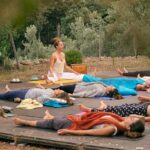
Day 8 continues in that same mode. If you practice meditation or yoga, there’s room to do so at the serene location. The itinerary also notes that if there’s a regular teaching, you can join for the day.
Here’s the practical take: you don’t need to be a meditation expert to enjoy this. What matters is your willingness to slow down. If your idea of travel is constant movement, Lawudo will feel like the opposite of what you’re used to. If you want that contrast, it’s exactly why this route exists.
Treks back: Lawudo to Namche, then to Monjo, then down to Lukla
Day 9 starts with trekking down from Lawudo after breakfast to Namche Bazaar, then continuing onward to Monjo. This day is a 5-hour mix of downhill recovery and mountain navigation. Downhill sounds easier until your knees get involved, so bring the mindset that your body needs time to reset.
Day 10 is a longer 8-hour day: trek down to Phakding for the night, then continue to Lukla. This is one of the schedule-heavy days. Teahouses help with rest and warmth, but you should plan for a full day of walking before the return flight stage.
Flights home and Kathmandu free time: dealing with weather the smart way
Day 11 handles the reality of Himalayan travel. Flights can sometimes go via Manthali instead of directly to Kathmandu. If that happens, the flight is shorter and you add a 4-hour drive to Kathmandu. If you fly direct, you can be in Kathmandu by around 10AM.
Day 12 stays flexible as a free day in Kathmandu because weather can be unpredictable. That’s not laziness; it’s risk management. The itinerary acknowledges that flights don’t always behave, and it gives you room to breathe instead of forcing last-minute stress.
Day 13 is simply airport time at Tribhuvan International Airport, with guidance to arrive about three hours before your flight.
The real “feel” of the trip: why the team support changes everything
Trekking in Nepal can go sideways fast: weather, timing, and route conditions all play a role. What you want is a team that stays calm and organized when things shift.
Based on the details available here, Three Jewels Adventures is built for that kind of care. Names that come up include Amber (the owner) and guides such as Pemba, plus Lok for airport pickup in at least some cases. People also highlight that the team explains the itinerary details clearly and handles changes with patience—useful if you’re traveling for the first time, coming off an illness, or just not used to mountain logistics.
I’d treat that as part of the value, not a bonus. When the plan needs adjustments, an organized team reduces the mental load you’d otherwise carry yourself.
Who this trek is best for (and who might want another option)
This trek fits people with moderate physical fitness. You’re doing multi-hour trekking days, including uphill segments and longer walking days on the way out. It’s not described as a light stroll.
It’s a great match if:
- you want Everest-region culture without staying stuck in peak-tourist routines,
- you’re curious about Tibetan/Himalayan Buddhism beyond surface-level sightseeing,
- you want a retreat experience that actually includes time to rest and practice,
- you prefer a private setup where your group gets focused attention.
It may not be ideal if:
- you get restless with quiet days,
- you dislike the idea of weather affecting flight days,
- you want purely scenic trekking with no spiritual focus.
Should you book Lawudo Gompa Retreat Trekking with Three Jewels Adventures?
I’d book it if you want more meaning than just altitude photos. The structure of the trip makes sense: city orientation first, then Namche acclimatization with an Everest viewpoint day, and only then a move into Lawudo where the whole point is meditation and Buddhist heritage tied to Lama Zopa at Kopan Monastery.
I would hesitate only if flight uncertainty would stress you out too much or if you want a purely high-energy itinerary every single day. For the right traveler, this is a rare combination: Everest-area trekking plus a quieter retreat setting you don’t see on the most commercial routes.
FAQ
FAQ
What is the duration of the Lawudo Gompa Retreat Trekking?
The trip is listed as 13 days approximately, from Kathmandu to the trekking area and back.
Where does the trek start in Kathmandu?
It starts with arrival and meeting with staff in Thamel, followed by sightseeing and preparations before the flight to the mountains.
Do I need to buy entrance tickets for temples and viewpoints?
Admission tickets are listed as included for Thamel and Swayambhunath. The Everest viewpoint day lists admission ticket as free, so you won’t pay for that portion in the plan.
Are meals included during the trek?
Yes. Meals are included as listed: breakfast (7), lunch (7), and dinner (8).
Is airport pickup and drop-off included?
Yes. The tour includes air-conditioned vehicle pickup/drop and Kathmandu sightseeing transport.
Are flights to Lukla included?
No. Kathmandu–Lukla/Ramechhap–Kathmandu airfare is not included.
Is this a private tour or a shared group?
It’s described as a private tour/activity, meaning only your group participates.
What kind of fitness level do I need?
The info says travelers should have moderate physical fitness level.
What kind of accommodation will I have on the trek?
The itinerary specifies local teahouses for trekking nights (for example Phakding and Monjo/Lukla stages) and notes small huts at Lawudo Gompa for visiting guests.
Is there flexibility if weather affects the flights?
Yes. The schedule includes a free day in Kathmandu, and the experience is described as requiring good weather, with an option for a different date or a full refund if it’s canceled due to poor weather.
Does the retreat include meditation or teaching for visitors?
The plan says if you practice meditation or yoga, you can do it at Lawudo Gompa, and if there is a regular teaching, you can join for the day.