REVIEW · ANCHORAGE
From Anchorage: Chugach State Park Guided Alpine Trek
Book on GetYourGuide →Operated by Go Hike Alaska · Bookable on GetYourGuide
Few places in Alaska feel this close to the sky.
This Chugach State Park ridgeline hike brings breathtaking views above Anchorage and Cook Inlet, while your guide adds hands-on alpine learning about tundra and alpine forests. The tradeoff: it’s a moderately hard hike with steep, hilly sections, so you’ll want decent fitness before you sign up.
I really like that the group stays small (limited to 12), which makes it easier for the guide to adjust pace and answer questions. Guides like Eli bring a practical safety mindset for wildlife, and that matters when you’re hiking in bear country. One more consideration: hotel pickup isn’t included, so you’ll need to get to the meeting point on your own.
Expect a day built around wide-open scenery, frequent photo stops, and wildlife scanning. On a clear day, you may even see Mt. Denali far to the north—one of those Alaska moments that feels unreal even after you’ve planned for it. And if your schedule lines up with the right conditions, you might get extras like a detour toward a waterfall (like Barbara Falls) when time allows.
In This Review
- Key things I’d pay attention to
- From Egan Civic Center to the trailhead: logistics that keep you moving
- The 5-hour alpine trek: what the hike actually demands
- Ridgelines, glaciated valleys, and Cook Inlet views
- Naturalist learning: plants you can touch, taste, and identify
- Wildlife spotting: bear country rules, with a calm guide
- What you get for $179: value breakdown and planning what to pack
- Who should book this guided Chugach alpine trek
- Guides make the difference: Eli, Brit, and Rebecca’s impact
- Should you book it? A practical decision guide
- FAQ
- Where is the meeting point?
- How long is the tour?
- How much does it cost?
- Do I get transportation from Anchorage?
- Is hotel pickup included?
- How big is the group?
- What’s included in the price?
- What should I bring?
- Are pets or drones allowed?
- What fitness level do I need?
- Who should avoid this hike?
Key things I’d pay attention to
- A small group, up to 12: easier pace control and more time for plant and wildlife questions.
- Naturalist-style talks on tundra and alpine forests: you’re not just looking—you’re learning what you’re seeing.
- Ridgeline views over Anchorage and Cook Inlet: glaciated valleys and big mountain shapes are a constant backdrop.
- Wildlife scanning is part of the hike: bears, Dall sheep, mountain goats, marmots, and bald eagles are on the radar.
- Moderate hiking requirements: steep and uneven terrain means this isn’t a casual stroll.
- What’s included lowers the friction: transportation from downtown, plus snacks, water, and optional poles/backpack.
From Egan Civic Center to the trailhead: logistics that keep you moving
You start in downtown Anchorage at the William A. Egan Civic & Convention Center. There are parking garages nearby if you’re driving, which is handy because this tour doesn’t offer pickup from hotels or accommodations. If you’re staying outside the center, plan a short ride or budget time to get there.
Once you meet the guide, you travel by minivan to the trailhead. That matters more than it sounds. Instead of spending your morning figuring out roads and parking, you’re focused on the day—show up, get geared up, and head straight into the mountains.
The tour runs about 5 hours total, and the exact start time depends on availability. For planning, treat this like a half-day commitment: you’ll hike, pause for scenery, learn in the field, and then return with the transfer back to central Anchorage afterward.
You can also read our reviews of more tours and experiences in Anchorage.

The 5-hour alpine trek: what the hike actually demands
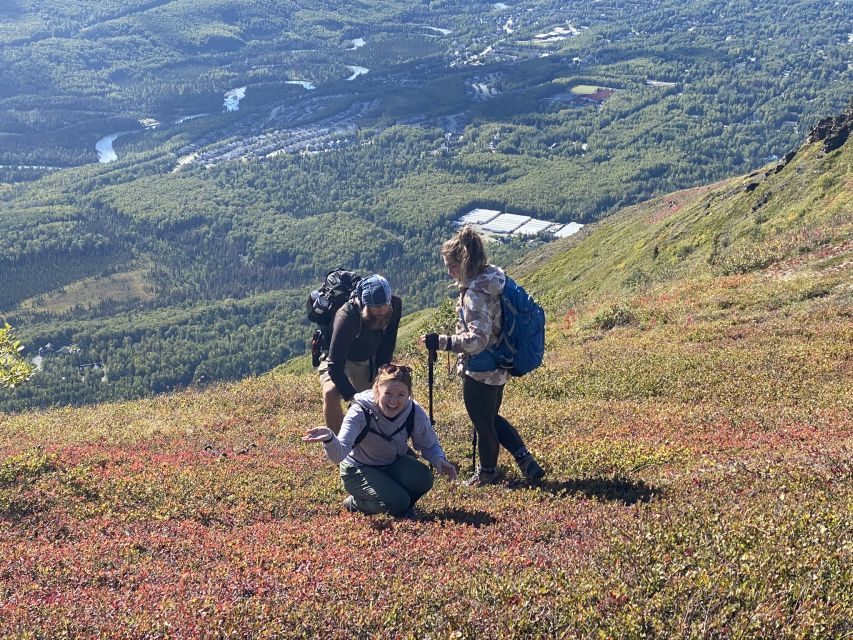
This is billed as a classic alpine hike with treeless tundra sections and forested stretches that can feel tougher than you’d expect. The big reason is terrain. Even if the distance sounds reasonable, there are steep and hilly sections that add stress to legs and joints compared to flat walking.
The fitness guidance is clear: you should be able to walk at least 8 miles on flat pavement or 5 miles over uneven, rolling terrain within 4 hours. If you’re right on the edge, take it seriously. The difference between doing well and feeling crushed often comes down to the uphill parts you didn’t train for.
You also want small-but-real hiking experience or to be in good physical condition. The tour isn’t a technical climb, but it is a real hike. Come prepared for variable weather. In Alaska, conditions can change fast, and this tour operates in the outdoors environment where wind and sunlight both matter.
If you have back problems, mobility impairments, heart or respiratory issues, or you use a wheelchair, this one is listed as not suitable. This matters because “outdoors in Alaska” can be uneven even when the trail looks simple from a distance.
Ridgelines, glaciated valleys, and Cook Inlet views
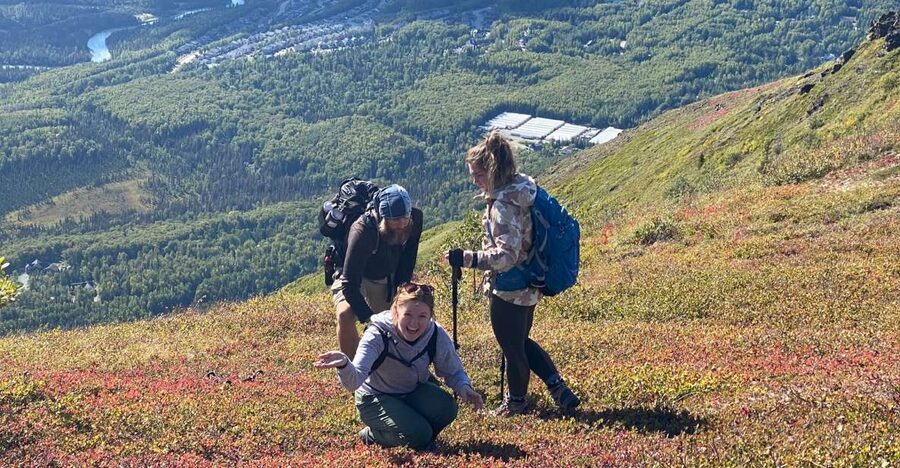
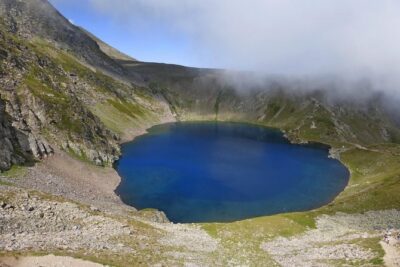
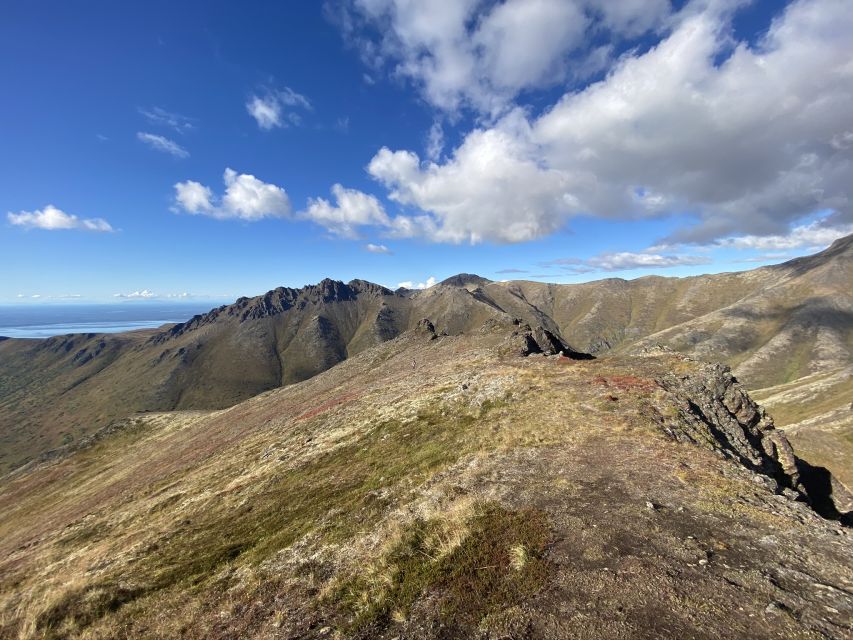
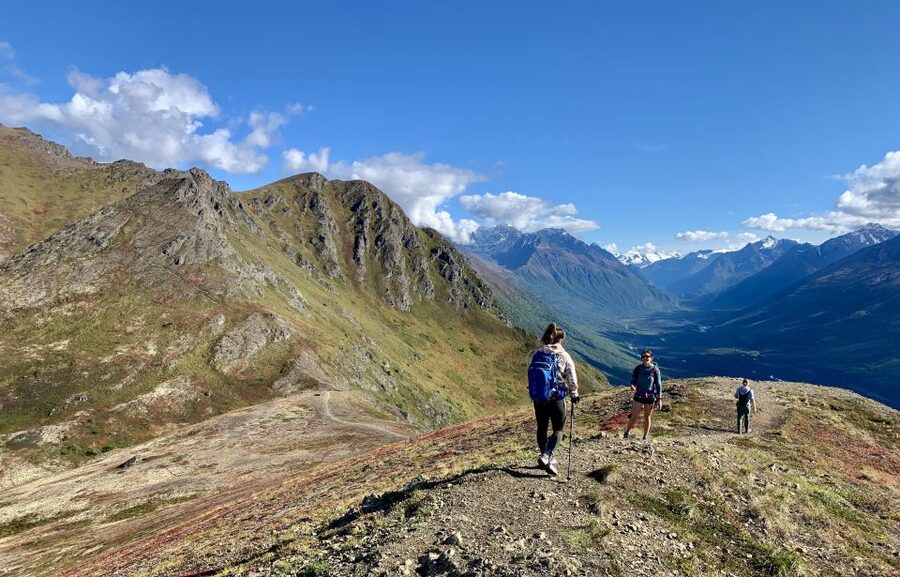
The core of this experience is the ridgeline hike through Chugach State Park, with sweeping views over Anchorage and across the interior. The scenery is shaped by glaciers—deep, glaciated U-shaped valleys and massive ridgelines define what you see at every angle.
You’ll spend time on exposed terrain where the sky feels larger and your viewpoint constantly changes. That’s part of the fun: panoramic sightlines mean it’s not just a single wow moment at the end. The guide builds in plenty of stops so you can actually take the view in, not just grind forward to the next step.
One of the best planning tips here: watch the weather forecast. On a clear day, it’s possible to see Mt. Denali from far away. That’s the kind of “wait, really?” moment you can’t manufacture. So if you have flexibility in your trip schedule, choose a day with better visibility.
Also expect a strong tundra feel: treeless sections, alpine plants close to the ground, and open space that makes wildlife spotting more likely. You won’t feel tucked into a dense forest the whole time—you’ll feel like the mountains are right there with you.
Naturalist learning: plants you can touch, taste, and identify
A huge reason this tour gets strong marks is the way it turns the hike into a field lesson. You’ll learn about Alaska’s alpine forests and tundra environment, and your guide will point out what you’re seeing as you walk.
From the guides’ backgrounds and how the trip is described, the learning isn’t just facts on a screen. It’s interactive. You’ll have chances to touch, taste, and feel certain alpine vegetation (as allowed and guided). If you’re the type who wants to understand what’s growing where and why, this is a big part of the value.
Eli, for example, is described as having a special interest in geology, local plants, wildlife, and even tectonic plates. That kind of framing changes how you look at the mountains. Instead of just saying it’s beautiful, you start noticing the “how”: why valleys look the way they do, and how the terrain connects to broader earth processes.
Another thing I’d bank on: the guide slows down when needed so you don’t feel rushed. Rebecca is specifically noted for slowing pace so participants could learn vegetation and feel comfortable on the hike. That’s a quality-of-life detail. If you’re hiking while also trying to observe plants and terrain, a faster pace can turn learning into a blur.
Wildlife spotting: bear country rules, with a calm guide
Wildlife is part of the design, not an optional bonus. You’ll keep an eye out for bears, sheep, marmots, and bald eagles, and the tour description also calls out species like moose, Dall sheep, mountain goats, and reclusive small mammals such as arctic squirrels and marmots.
Here’s the practical mindset: spotting wildlife is never guaranteed, but a guided hike improves your odds because you’re scanning in the right places and the guide understands what behavior to watch for. Eli is specifically mentioned as prepared and able to make the group feel safe if bear concerns came up.
So instead of treating bears like a scary checklist item, you’re hiking with a plan: stay alert, follow the guide’s instructions, and don’t act like you’re the first person ever to see an animal. That calm approach is what makes wildlife watching feel enjoyable rather than stressful.
Birds are a realistic possibility too. Bald eagles are called out, along with thrushes, chickadees, and jays. You might spot them soaring overhead, which is nice because you don’t have to track every animal on the ground to feel like the wildlife component is working.
What you get for $179: value breakdown and planning what to pack
At $179 per person for about 5 hours, the value isn’t just the hike. It’s the package: a guide, transportation from downtown Anchorage, and basic supplies that reduce the hassle.
Included:
- Transportation from downtown Anchorage (to and from the trail area)
- Hiking guide
- Snacks and water
- Backpack available on request
- Trekking poles available on request
That’s meaningful if you’re traveling light or don’t want to buy gear you’ll barely use. If you’re already carrying everything, the included poles and backpack options are still convenient.
What’s not included: pickup from hotels and accommodation. So your cost isn’t only the ticket price—you’re also paying in time and logistics to get to the meeting point.
For what to bring, the list is solid and worth following:
- Sunglasses and sunscreen
- Sun hat
- Hiking shoes
- Insect repellent
- Camera
- Weather-appropriate clothing
In Alaska, the right clothing matters more than packing extras. Bring layers. Even if the morning starts calm, wind and sun can change how warm you feel once you stop moving.
A couple of rules to note:
- Pets aren’t allowed.
- Drones aren’t allowed.
- Weapons or sharp objects aren’t allowed.
Who should book this guided Chugach alpine trek
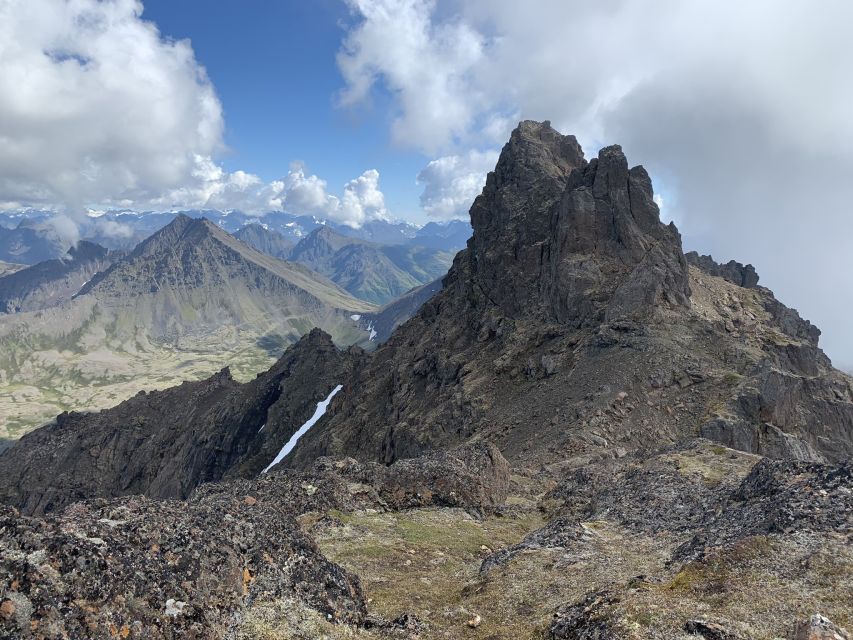
This hike fits best if you want a mix of big scenery and structured learning, and you’re comfortable hiking on uneven and hilly ground for several hours.
You’ll likely enjoy it if you:
- Like guided nature interpretation, especially tundra and alpine plants
- Want someone to point out what to look for in the environment
- Prefer small-group walking (limited to 12) over a huge crowd
- Appreciate wildlife scanning with safety-focused guidance
You should probably skip it if you:
- Have back problems, mobility impairments, heart problems, respiratory issues
- Use a wheelchair
- Have a low fitness level or can’t meet the walking requirement
If you’re a first-time hiker in Alaska, don’t ignore the “moderately hard” part. This isn’t a sit-on-a-tour-bus moment. It’s a real hike, and the best experience comes when you’re physically ready to enjoy the scenery instead of just surviving the trail.
Guides make the difference: Eli, Brit, and Rebecca’s impact
One thing that comes through strongly is how much personality and expertise matter on this kind of hike. In the feedback you provided, guides are repeatedly highlighted for being friendly, prepared, and focused on teaching.
Eli is mentioned as experienced and informative, with extra confidence in wildlife safety. He’s also described as sharing fun geology and tectonic plate context, plus plant knowledge including which plants might be eatable and which are not. That kind of field knowledge changes a walk into something you can remember.
Brit is also noted as great and supportive. In one case, Brit guided an additional stop when there was extra time, with Barbara Falls mentioned as an add-on. That suggests the guide’s job isn’t only to get you from point A to B. It’s to make time work for the best experience.
Rebecca is called out for slowing pace and focusing on vegetation learning without turning the hike into a race. That’s exactly what you want when the whole point is to observe the environment up close.
Should you book it? A practical decision guide
Book this trek if you want:
- A guided ridgeline hike with real field learning about tundra and alpine forests
- Big views above Anchorage and Cook Inlet
- A small group format with a guide who can keep everyone comfortable and attentive
- Included snacks, water, and optional gear so you can travel easier
Think twice if:
- You need a flat, low-impact walk. Steep sections are part of the deal.
- You have medical conditions listed as not suitable.
- You can’t get to the meeting point on your own since pickup from hotels isn’t included.
Finally, if you can choose your day, aim for better visibility. The chance to see Mt. Denali from far away is the kind of payoff that only shows up when the sky cooperates.
FAQ
Where is the meeting point?
Meet in front of the William A. Egan Civic & Convention Center in Anchorage. There are parking garages nearby if you need them.
How long is the tour?
It lasts about 5 hours.
How much does it cost?
The price is listed as $179 per person.
Do I get transportation from Anchorage?
Yes. Transportation from downtown Anchorage is included, and the tour returns you back to central Anchorage afterward.
Is hotel pickup included?
No. Pickup from hotels and accommodations isn’t included.
How big is the group?
It’s a small group, limited to 12 participants.
What’s included in the price?
You get the hiking guide, transportation from downtown Anchorage, snacks, water, and a backpack and trekking poles if you request them.
What should I bring?
Bring sunglasses, a sun hat, a camera, hiking shoes, sunscreen, insect repellent, and weather-appropriate clothing.
Are pets or drones allowed?
No. Pets and drones aren’t allowed.
What fitness level do I need?
You should be able to walk at least 8 miles on flat pavement, or 5 miles of uneven rolling terrain over the course of 4 hours.
Who should avoid this hike?
It’s not suitable for people with back problems, mobility impairments, heart problems, wheelchair users, people with respiratory issues, or people with low fitness.
If you want, tell me your hiking background and the month you’re visiting, and I’ll help you decide whether this fits your Alaska day plan.