REVIEW · ANCHORAGE
Alpine Classic Trek
Book on Viator →Operated by Go Hike Alaska · Bookable on Viator
A hard climb, then Alaska opens wide. Alpine Classic Trek is a small-group hike out of Anchorage aimed at getting you above the treeline for 360-degree views—and doing it with a guide who helps you spot what’s living around you.
What I love most is the naturalist-guided wildlife watching and the way the route choice targets big viewpoints instead of just “walking somewhere scenic.” You’ll also get real pacing support, which matters when the first pull is steep.
The main drawback is the effort level: you need moderate fitness, and the hike is not recommended if you have cardiac or respiratory issues, or if severe joint problems make steep, uneven ground risky. Weather can also affect the exact ridgeline you climb.
In This Review
- Key things to know before you go
- Chugach ridgelines: why this beats a quick drive for Anchorage views
- Picking your exact ridgeline: how the route adapts to weather and your group
- From the Egan Center to trail time: what the schedule feels like
- What you’ll do on the hike: the ridgeline climb, then the reward
- Wildlife spotting with a naturalist guide: what to look for
- Pace, stairs, and footing: the real fitness check
- Gear and traction
- Health notes you should not ignore
- Guides who make the climb feel doable: Stephan, Matt, Caleb, Brit(t), Greg, Madison
- Snacks, small comforts, and dietary needs
- Price and value: is $179 worth it?
- Who should book this hike (and who should choose a gentler one)
- Should you book the Alpine Classic Trek?
- FAQ
- Where does the Alpine Classic Trek start?
- How long is the tour?
- How much does it cost?
- How big is the group?
- What’s included in the price?
- Do I need my own way to get to the trailhead?
- What kind of hike fitness do I need?
- Is the tour offered in English?
- Are service animals allowed?
- What if the weather is bad?
- What should I do about dietary restrictions?
Key things to know before you go
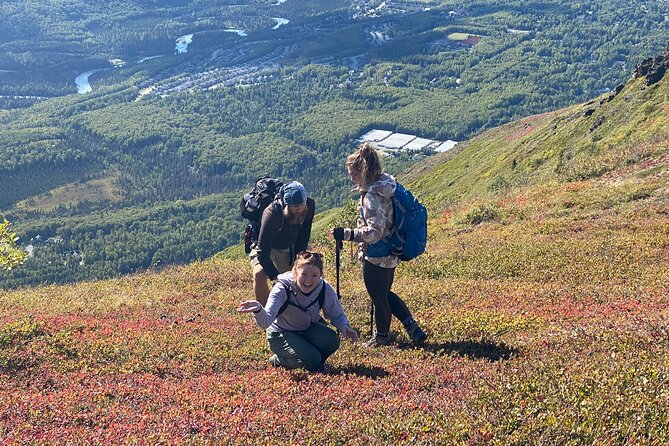
- You’ll hike a real ridgeline: options include Rendezvous Mile High Ridgeline, chosen based on weather and how the group is doing.
- 360° Anchorage views are the whole point: on clear days, you can even see Mt. Denali hundreds of miles away.
- Wildlife spotting is part of the plan: moose, bear, Dall sheep, mountain goats, plus lots of birds.
- Small-group size (max 12) keeps it easier to stop, look, and regroup.
- Micro-spikes are included if needed: you’ll get traction support when trail conditions call for it.
- Guide names you might meet: Stephan, Matt, Caleb, Brit(t), Greg, and Madison show up in past hikes.
Chugach ridgelines: why this beats a quick drive for Anchorage views
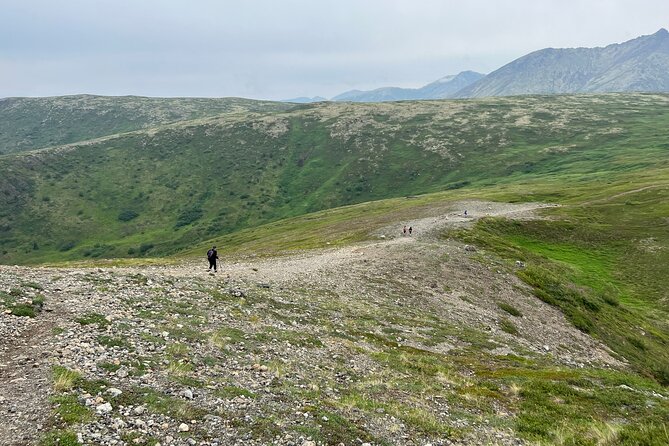
Anchorage looks good from the road. But once you’re on a Chugach ridgeline, the city stops feeling like the main event. You get scale. You get distance. You get that wide “how is it this big?” feeling.
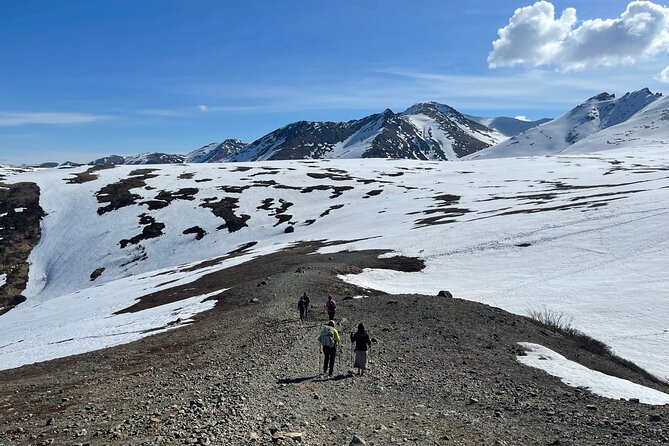
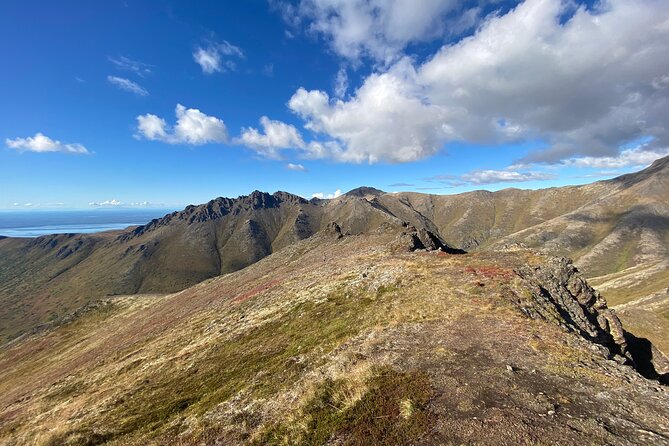
That’s the core value of this trek: you’re not just getting fresh air. You’re hiking to a high viewpoint system in Chugach State Park where the Anchorage Bowl and surrounding peaks open up in every direction. The tour plans for ridgeline trekking specifically because it rewards effort with big visual payoff—once you arrive at the top, you can see forever.
And if the day is clear, the view story gets even better. The route information promises the chance to see Mt. Denali from the ridgeline on a good day. Even if you don’t catch Denali, you’ll still get the kind of Alaska panorama that changes how you picture the state.
You can also read our reviews of more tours and experiences in Anchorage.
Picking your exact ridgeline: how the route adapts to weather and your group
This hike doesn’t force one single trail no matter what. Instead, your guide chooses between top ridgeline options—one named option is Rendezvous Mile High Ridgeline—and selects which location you’ll visit based on weather and the group’s ability that day.
That sounds like a small detail. It’s not. In Anchorage, conditions can shift quickly: wind, rain, snow, or low visibility can turn a great summit day into a frustrating one. By adapting, the tour aims to keep you moving toward views you can actually enjoy, rather than just marching toward a plan on paper.
You can also expect that ridgeline hikes here aren’t one-note. Some past hikes have included summits like Flattop and Mt. Baldy, which gives you an idea of the general “high, scenic, and a bit punchy” style you’re signing up for.
From the Egan Center to trail time: what the schedule feels like
Your meeting point is the William A. Egan Civic & Convention Center at 555 W 5th Ave, Anchorage. There’s no hotel pickup, so you’ll need to get yourself there and then meet the group at the start.
In total, the tour is about 5 hours, with about 1 hour of transportation and about 4 hours hiking. That 4-hour hike window is key. This is not a “stroll, take a photo, stroll back down” outing. You’re moving with purpose on steep, hilly terrain.
If you like having structure, this schedule helps. You know you’ll have a solid chunk of daylight and effort, and you’ll be back at the meeting point when it’s done. If you’re trying to squeeze Alaska hiking into a tight trip itinerary, this pacing is also one reason it’s a popular choice.
What you’ll do on the hike: the ridgeline climb, then the reward
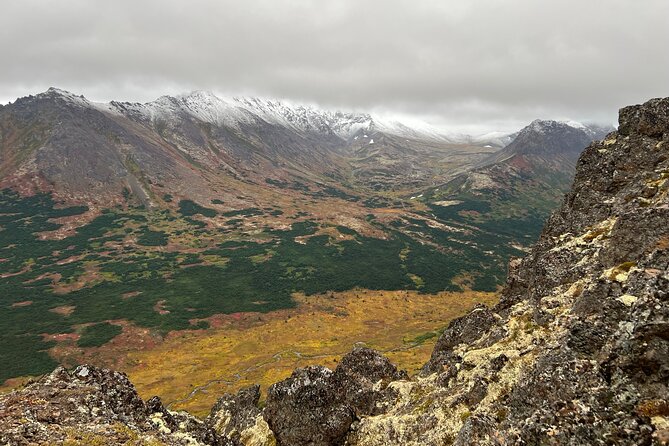
The tour experience is built around ridgeline trekking: ascent first, then the payoff at the top.
Here’s what that means in practical terms:
- Expect a tougher first stretch. Many hikes of this type have a grind early on, before your body settles into rhythm.
- Once you’re high enough, the terrain can feel flatter at times, which makes the middle and upper portions more enjoyable.
- Your guide uses the summit time wisely so you’re not rushing through the best part.
The view payoff is the big moment. On a clear day, you can see broad swaths of the Anchorage Bowl, and the promise of Denali makes the summit feel like a “you came all this way” kind of moment.
Wildlife spotting with a naturalist guide: what to look for
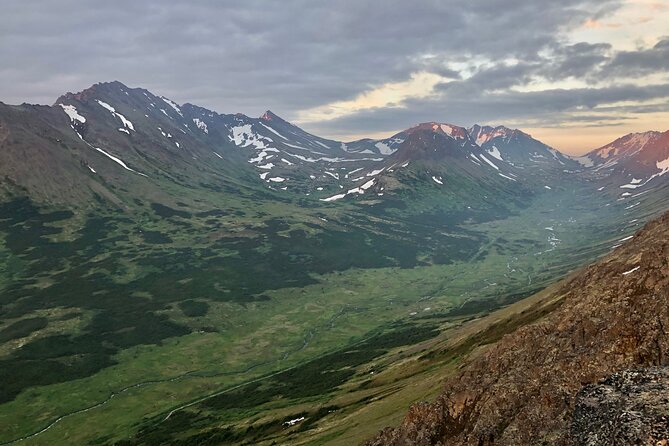
This trek isn’t just about walking up. It’s about learning how to look while you’re walking.
The plan calls out animal sightings you might encounter, including:
- Moose
- Bears
- Dall sheep
- Mountain goats
- Small mammals like arctic squirrels and marmots
- Birds such as bald eagles, thrushes, chickadees, and jays
Even when you don’t see an animal at every stop, the guide’s role is to help you notice signs and habits in the environment. That’s why the wildlife component matters: it turns the hike from scenery viewing into an active search.
Past experiences also highlight how good guides tailor their energy to the group. People have praised guides for being patient, professional, and great at sharing what’s around you—whether that’s vegetation details, wildlife behavior, or just fun local facts.
If you care about photos, this is also a benefit. Multiple hikes mention guides taking photos and making sure you’re not stuck doing everything yourself while climbing.
Pace, stairs, and footing: the real fitness check
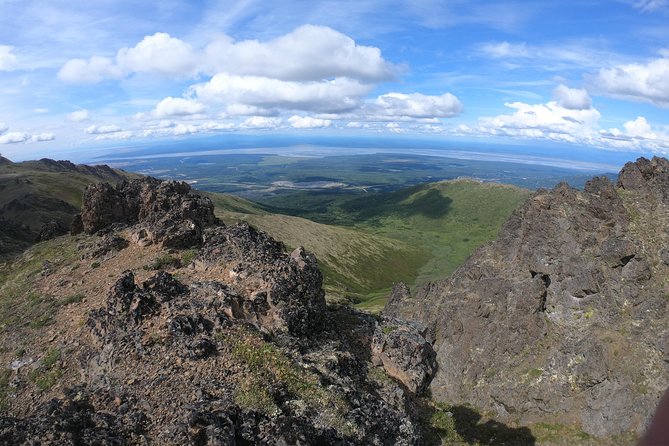
You’ll want to be honest with yourself here. This hike has a clear physical target: you should be able to walk at least 8 miles on flat pavement or 5 miles on uneven rolling terrain over 4 hours, and you should be able to climb about 150 flights of stairs over the course of the hike.
In plain language: this is for people who can handle steep, uneven ground without panicking at the incline. Many parts are hilly and demanding, and the effort isn’t distributed evenly like it would be on a flat walking path.
Gear and traction
Good news: the tour includes trekking poles, and it provides micro-spikes if trail conditions require them. That support matters because Anchorage winter or shoulder-season conditions can turn rocky trail sections slick fast.
Still, you should come prepared for a day that might change. Even with provided traction, your shoes, layering, and basic stamina are on you.
Health notes you should not ignore
This hike isn’t recommended if you have cardiac or respiratory issues/illness, and it may be difficult for those with severe joint issues. If any of that applies, it’s better to choose a gentler option in the area.
Guides who make the climb feel doable: Stephan, Matt, Caleb, Brit(t), Greg, Madison
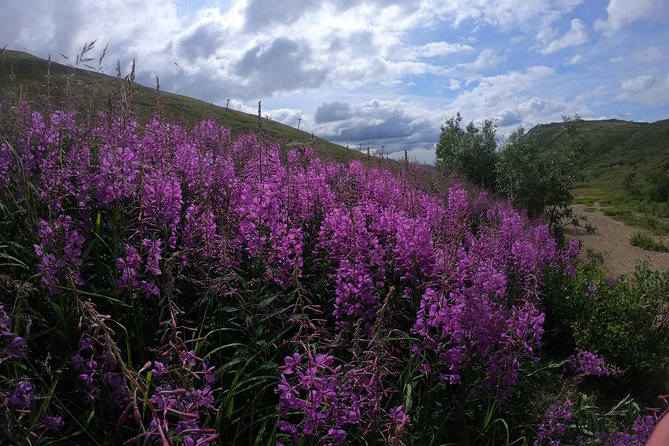
The biggest repeat theme in feedback is how guides handle both the information and the pacing.
I like this approach because Alaska hikes aren’t “one speed fits all.” One person breezes up; another needs more breaks or a slower rhythm. People have specifically praised guides like Stephan for creating a comfortable pacing style, and Matt for being kind and patient while sharing lots of practical info.
Other guides show up in past days too:
- Caleb pushing through nasty conditions like wind, rain, snow, and hail, while still trying to get the group to the top
- Brit(t) teaching about flowers and wildlife and helping with photos
- Greg making a climb feel achievable for someone returning after a break from that intensity
- Madison focusing on vegetation and keeping the hike relaxing enough for a “nice workout with a scenic view” goal
That guide mix matters. You’re buying more than a hike. You’re buying judgment in the moment—when to push, when to slow, and how to keep everyone safe while hunting for the best views.
Snacks, small comforts, and dietary needs
The tour includes a simple trail snack: a granola bar, apple, and cheese stick. It’s not a full meal, so treat it as fuel for a hike rather than a replacement for breakfast or lunch.
If you have dietary restrictions, you’re asked to let the team know, and they’ll accommodate you with a different snack option. That’s worth planning for ahead of time so you’re not guessing on the day of.
Also, you’ll want to dress like you’re hiking in Alaska, not like you’re going for a casual walk. Even though the hike is only about 4 hours, conditions can feel sharper than you expect—especially on exposed ridgelines.
Price and value: is $179 worth it?
At $179 per person, you’re paying for a guided, high-effort experience that includes real climbing support.
Here’s what you get in return:
- A naturalist guide
- Small-group format (max 12)
- Trekking poles
- Snacks
- Micro-spikes if needed
- About 4 hours of hiking plus transportation
- A mobile ticket and the tour is offered in English
So the value isn’t just “you get views.” You’re getting a structured outing with equipment and safety decisions built in. Most importantly, you’re paying for someone else to handle the “how do we get the group to the best ridgeline that day?” part.
One more practical point: there’s no accommodation pickup, so you don’t get door-to-door convenience. If that’s a downside for your schedule, factor in the time it takes to reach the Egan Center and then get to the trailhead.
Who should book this hike (and who should choose a gentler one)
This trek fits best if you:
- Want big 360° viewpoints from Chugach State Park, not just a short photo stop
- Enjoy wildlife-spotting and listening to how the guide reads the area
- Can handle steep, hilly terrain for about 4 hours
- Prefer a small group where the pace can flex
It’s less ideal if you:
- Have cardiac or respiratory issues
- Have severe joint problems
- Don’t feel confident about uneven terrain and long stair-like climbing over time
If you’re an active traveler who likes a challenge, this is a strong match. If you’re looking for an easy walk with minimal strain, you’ll likely feel disappointed when the climb starts.
Should you book the Alpine Classic Trek?
If your Alaska trip includes time in Anchorage and you want one hike that takes you to real heights for real views, I’d book this. The combination of ridgeline trekking, a naturalist guide, and the promise of Anchorage Bowl 360° panoramas makes it a high-impact choice for the effort.
My rule of thumb: if you can comfortably walk 8 miles on flat pavement or 5 miles on uneven terrain within 4 hours, and you’re okay with steep sections, you’ll likely feel like the views are worth the work—because that’s the whole design of the day.
If you’re on the edge fitness-wise, don’t guess. Pick honest footwear, plan your layers, and talk yourself into a steady pace early. This is one of those hikes where pacing beats heroics.
FAQ
Where does the Alpine Classic Trek start?
It starts at the William A. Egan Civic & Convention Center, 555 W 5th Ave, Anchorage, AK 99501, USA. The tour ends back at the same meeting point.
How long is the tour?
It’s about 5 hours total, including around 1 hour of transportation and about 4 hours of hiking.
How much does it cost?
It costs $179.00 per person.
How big is the group?
The maximum group size is 12 travelers.
What’s included in the price?
Trekking poles and snacks (granola bar, apple, cheese stick) are included. Micro-spikes are also provided if trail conditions require them.
Do I need my own way to get to the trailhead?
Yes. There are no hotel or accommodation pickups. You need to meet at the designated location or provide your own transportation to the trailhead.
What kind of hike fitness do I need?
You should have moderate physical fitness. You should be able to walk at least 8 miles on flat pavement or 5 miles on uneven rolling terrain over 4 hours, and climb about 150 flights of stairs over the course of the hike.
Is the tour offered in English?
Yes, it’s offered in English.
Are service animals allowed?
Yes, service animals are allowed.
What if the weather is bad?
This experience requires good weather. If it’s canceled due to poor weather, you’ll be offered a different date or a full refund.
What should I do about dietary restrictions?
If you have dietary restrictions, let the team know and they will accommodate you with a different snack option.