REVIEW · SEMINYAK
Mount Batur Sunrise Trekking Option
Book on Viator →Operated by Bali Trekking Tour · Bookable on Viator
I love how Mount Batur starts in the dark, then turns into sunrise views with a proper breakfast waiting at the top. What really works is the mix of starry night climbing (with flashlight and hiking poles) and that included hot breakfast while the sky changes colors. The one thing to watch: you’ll need to handle a very early start and bring your own basic gear like a jacket and trekking shoes.
Early-morning volcano days in Bali can sound “touristy.” This one doesn’t feel that way for long. When you’re climbing in the dark, you’re focused. When the sun finally crests, you get the kind of view that makes the alarm clock feel forgiven.
In This Review
- Key Things I’d Tell a Friend Before You Go
- Entering the Night Sky on Mount Batur
- Timing, Tempo, and What Moderate Fitness Really Means
- Pickup From Seminyak and the Way the Day Gets Structured
- From Summit Darkness to Sunrise Color Changes
- What Breakfast Looks Like Up There (and Why It’s a Big Deal)
- Kintamani Stops: Short Looks, Not Full-Day Sightseeing
- Satria Agrowisata Coffee Plantation and the Luwak Cost Reality
- Tirta Empul and Tegalalang: Pass-By Stops You Can Plan Around
- Guides and Group Style: When It Works, It Really Works
- Price and Value: What You’re Actually Paying For
- What to Pack for a 3:45am Start (So You Don’t Hate Life)
- Who This Sunrise Trek Is Best For
- Should You Book Mount Batur Sunrise Trekking?
- FAQ
- What time does the Mount Batur sunrise trek start?
- How long does the trek take to reach the summit?
- How long is the whole experience?
- Is pickup included?
- What’s included in the sunrise breakfast?
- Is trekking equipment included?
- What should I bring myself?
- Are there extra costs for pickup from certain areas?
- Is coffee tasting included, and how much does Luwak cost?
- What’s the fitness level requirement?
- Is the experience weather-dependent?
Key Things I’d Tell a Friend Before You Go
- Flashlight + hiking poles help you stay steady on the dark climb.
- Breakfast is included at the summit: hot tea/coffee, banana sandwich, and eggs steamed in volcanic heat.
- Moderate fitness is required and the timing is intense (start around 3:45am, depending on pickup).
- Extra stops exist, but most are short pass-by viewpoints after the trek.
- Coffee plantation stop at Satria Agrowisata includes tasting, with Luwak as an optional paid add-on.
- Guide quality matters—I’ve seen examples of both excellent and awkward moments.
Entering the Night Sky on Mount Batur
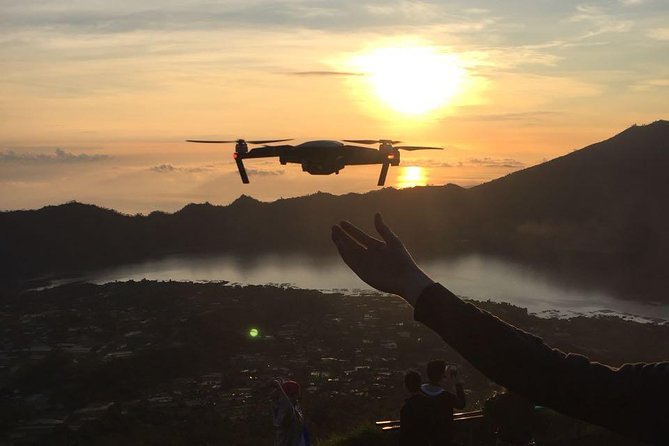
Mount Batur sunrise trekking is built around one simple idea: do the hard part before the sun. You start from the bottom of the volcano around 3:45am, when the world is still mostly black. That means you’re not admiring the scenery while you climb—you’re reading the ground, feeling your pace, and listening to your guide.
Then the sky does its magic trick. One of the best parts of this experience is what happens before the sunrise. On clear nights, you can see a lot of stars—one review described the night sky as decorated with stars. Even if you’re not a stargazer, it’s a strong mood shift from Bali’s daytime buzz.
You’ll also be climbing with the basics that keep this from feeling sketchy: a flashlight and hiking poles. Those two things matter more than you might think. The first minutes on a dark volcano trail can feel steep and uneven. Poles help your knees and your confidence.
You can also read our reviews of more tours and experiences in Seminyak.
Timing, Tempo, and What Moderate Fitness Really Means
This trip is not a casual stroll. It’s a steady climb up a volcano, in the dark, with an early return. The total day runs about 8 to 10 hours, but the real action is the climb and sunrise window.
Here’s the key timing detail: once you start hiking, the climb to the summit takes about 2 hours or less. That’s usually what keeps the trek in the “moderate” category. You’re not doing a marathon. You’re doing a focused effort with breaks.
What I’d call out plainly:
- You need moderate physical fitness. That means you can walk uphill for a couple hours without stopping every 20 seconds.
- You should be ready for cold-ish pre-sunrise air. The tour list doesn’t promise warm weather. Bring a jacket.
- The experience isn’t recommended if you’re on your period. The tour info is clear on this point.
Also, some people like to start this kind of trek a little earlier to give buffer time before sunrise. Starting around 3:30am was suggested by one traveler. In practice, the exact start can vary depending on pickup location, but the early start is non-negotiable either way.
Pickup From Seminyak and the Way the Day Gets Structured
Most people don’t want to figure out mountain transport at 2–4am. This tour handles that with an air-conditioned vehicle and pickup offered from different Bali areas.
If you’re staying in Seminyak, you’re included in the standard setup. If you want pickup from Amed, Tulamben, Lovina, or Balian Beach, the price info says there’s an extra $10 per person.
Your day flow tends to look like this:
- Very early pickup and drive to the trailhead.
- The climb to the summit in the dark.
- Sunrise and breakfast at the top.
- Short sightseeing stops after the trek.
- Coffee plantation visit.
- Pass-by stops on the way back.
One detail I like is that the tour is described as private for your group. That usually means less wandering with strangers during the early hours, and you tend to stay together.
From Summit Darkness to Sunrise Color Changes
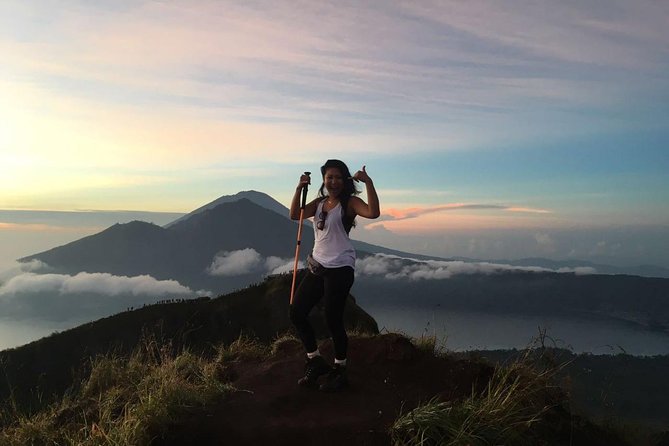
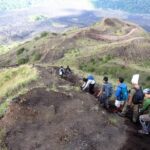
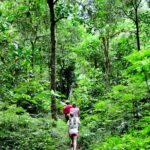
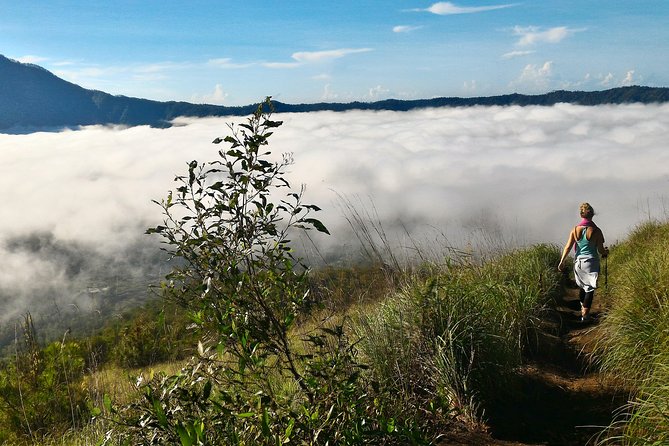
The climb to the summit is done before daylight, and that changes how you experience everything. Instead of looking around for a lot of the trek, you’re moving with a plan: step, breathe, pause, repeat. The tour info says you can take breaks on the way up.
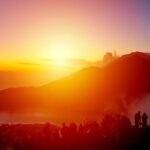
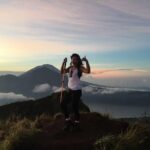
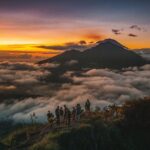
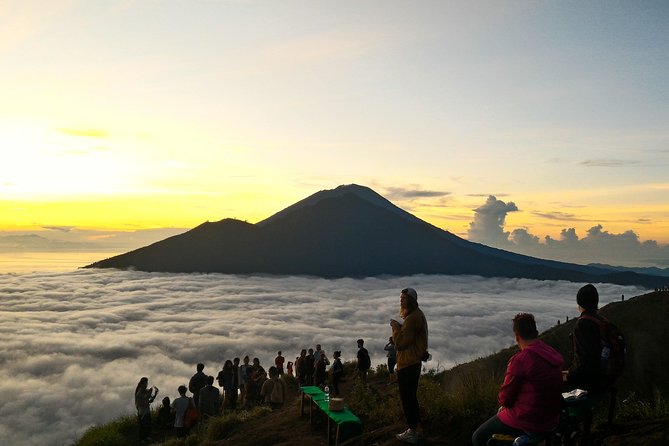
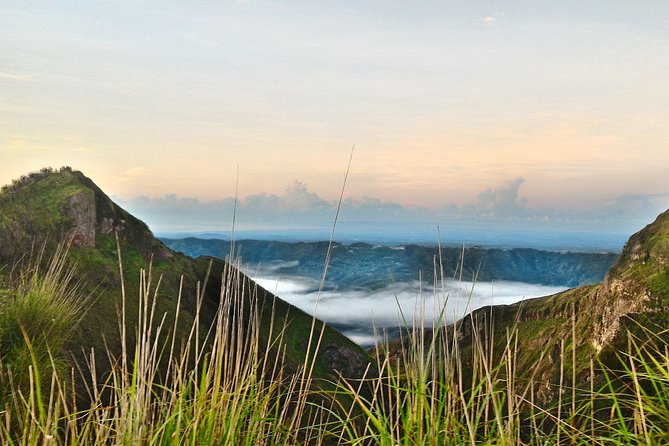
Then you reach the summit while it’s still dark. That’s when the flashlight part turns into a sunrise waiting game. The experience is built around watching the sunrise as it changes the colors of the sky.
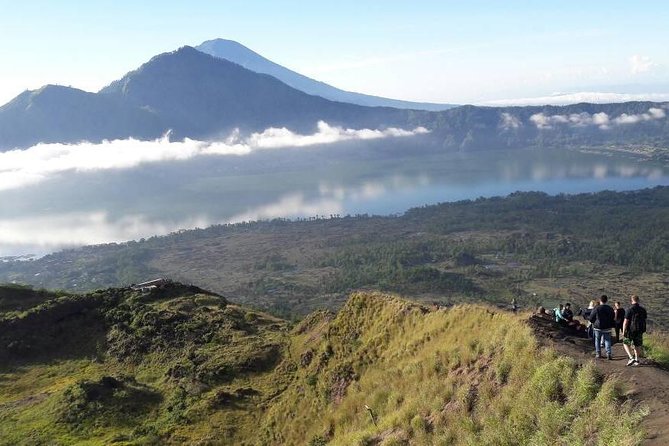
This is also the moment when people tend to realize why Batur is so popular. The view doesn’t just look good. It feels earned. You’re up there early enough that the mountain’s mood is different—more quiet, less rushed, and far more focused than most Bali sightseeing.
What Breakfast Looks Like Up There (and Why It’s a Big Deal)
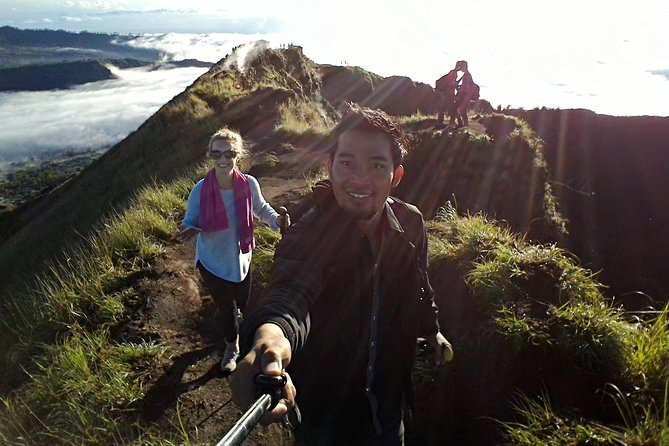
Breakfast isn’t an afterthought here. It’s included, and it happens at the summit while you’re watching sunrise. That’s a major value point because a lot of tours treat food as a snack stop later.
The included meal list is specific:
- Hot tea or coffee
- Banana sandwich
- Hard-boiled egg cooked in volcanic steam
- Seasonal fruits
- Chocolate
That steamed egg detail is genuinely fun in a very practical way. It’s part of the volcano experience, not just a random egg. The combination of warm drinks and real food also matters because you’ll likely be chilly and hungry after the climb.
And yes, you’ll want to protect your phone/camera from the cold and damp. The tour does not include a camera, and it also doesn’t include your jacket or sunblock—so plan for sunrise conditions, not tropical comfort.
Kintamani Stops: Short Looks, Not Full-Day Sightseeing
After the climb, you’ll pass through the Kintamani area. The tour includes quick stops:
- Kintamani Highland: about 10 minutes
- Kintamani Plateau: about 10 minutes
The honest expectation: these are brief. The tour info frames them as places you can stop for around 10 minutes, with the note that they’re best for a quick look after the trek.
So don’t plan on lingering with a long photo session. The value here is momentum: you get the volcano payoff first, then a couple short scenic breaks as you move through the region.
If you want extended sightseeing, you’ll likely need to add time on your own. But for a sunrise hike day that already runs 8–10 hours, these quick stops make sense.
Satria Agrowisata Coffee Plantation and the Luwak Cost Reality
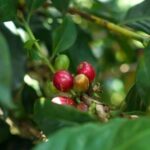
After breakfast and the short Kintamani viewpoints, you’ll visit Satria Agrowisata for about 45 minutes. This is a classic Bali-style add-on: learn about coffee and herbs, taste variations, and get a sense of how the area produces famous coffee.
The key detail for value:
- Most tasting is free
- A coffee Luwak option is listed as paid: 50K (you’d cover that add-on)
One practical way to think about it: treat this as a tasting and education stop, not a full tour of coffee production. You’ll have a set time window, so go in ready to sample what’s offered and then decide on any paid Luwak option.
If you’re not a coffee person, you might still enjoy the herb side and the change of pace after the hike.
Tirta Empul and Tegalalang: Pass-By Stops You Can Plan Around
On the return drive, the tour includes pass-by points:
- Tirta Empul (passed on the way back)
- If the route goes via it, Tegalalang Rice Terrace may also be passed
Important expectation: the data says you’ll pass these places, and it doesn’t spell out a longer visit time inside them. So treat them like photo windows and route highlights unless you confirm additional time with the operator.
This is also where having a good guide helps. A helpful guide can point out what’s worth doing quickly versus what’s better handled by a separate, longer half-day or day trip.
Guides and Group Style: When It Works, It Really Works
The trek experience depends heavily on the guide’s vibe and communication. In the feedback I saw, names came up often enough to make this feel real, not generic.
I’ve seen praise for guides like Eko, described as helpful and friendly, with breakfast preparation and explanations of Bali culture and Mount Batur history. Another traveler highlighted a guide named Jero, and one of the most enthusiastic notes also mentions Jero & Made together as a highly recommended setup.
But I’ve also seen a clear caution: one traveler was happy with the trek and driver yet felt the trip got overshadowed by guide behavior—specifically, the guide repeatedly talked about tipping during the climb.
So here’s my practical takeaway: the hike is set by the mountain. Your experience is set by your guide. If you’re booking, read the tone of the operator’s communications and then go in with patience. Early morning can make anyone grumpy; the best guides keep it kind and focused.
Price and Value: What You’re Actually Paying For
The listed price is $59.94 per person. That’s not just for walking up a volcano. You’re paying for a full early-morning operation with included items that would cost extra separately.
What’s included:
- Pickup with air-conditioned vehicle
- Trekking equipment (not shoes)
- Entrance fees
- Breakfast at the summit with food and hot drinks
- Hard-boiled egg cooked with volcanic steam
- Seasonal fruits and chocolate
- Guided trek with flashlight and poles (equipment and set-up are part of the experience)
What’s not included:
- Jacket, sunblock, and trekking shoes
- Camera (you bring yours)
- Personal expenses
That inclusion list is why the price can feel fair. If you had to pay separately for a guide, entrance, and breakfast at a remote time, this would add up fast. For most people, the biggest out-of-pocket you’ll face is simply gear you didn’t pack.
One more value note: the tour mentions group discounts and a mobile ticket. Even without knowing the exact discount structure, it suggests they’re geared toward organized groups rather than chaotic last-minute pickups.
What to Pack for a 3:45am Start (So You Don’t Hate Life)
Here’s what you should bring, based on the tour’s own shopping list:
- Jacket
- Sunblock
- Trekking shoes
- A spare t-shirt, and possibly hat and glove if they’re available (the info says they might be available)
Also bring:
- Water (not listed as included)
- A layer for your hands if you run cold
- Your camera, but protect it from early chill
The reason I’m being firm about shoes: you’re climbing in the dark. You want grip and support. The tour provides trekking equipment, but shoes are your problem.
Who This Sunrise Trek Is Best For
This is a great fit if you:
- Want a moderate volcano hike without turning it into a multi-day expedition
- Love early starts if it means you get the sunrise payoff
- Want a guided experience with equipment and food handled
- Prefer a structured day with a few scenic stops after the trek
It’s not a great fit if you:
- Are looking for a leisurely walk
- Hate cold mornings
- Need a trek that’s recommended for menstruation periods (the tour says not recommended)
If you’re traveling solo, a sunrise trek can still work well because you’re grouped with a guide and equipment set-up. If you’re with friends, the private-group style can feel calmer.
Should You Book Mount Batur Sunrise Trekking?
I’d book it if you want the real Mount Batur experience: dark climb, starry sky mood, and sunrise from the summit with breakfast included. The price looks reasonable for what you get, especially with trekking equipment and volcanic-steam egg baked into the morning.
I’d think twice if you know you’ll struggle with very early mornings or cold conditions, or if you dislike situations where tipping talk might dominate the vibe. The good news is that guide reviews include real success stories with names like Eko and Jero—and that’s usually the deciding factor.
If you’re prepared (jacket, shoes, sunblock) and you go with the right mindset—calm, patient, and ready for a sunrise that you worked for—you’ll likely feel like you got Bali’s volcano moment in a focused, memorable way.
FAQ
What time does the Mount Batur sunrise trek start?
The hike starts from the bottom of Mount Batur at about 3:45am.
How long does the trek take to reach the summit?
The climb to the summit takes 2 hours or less.
How long is the whole experience?
The full experience runs about 8 to 10 hours.
Is pickup included?
Pickup is offered, with an air-conditioned vehicle.
What’s included in the sunrise breakfast?
Breakfast includes hot tea or coffee, banana sandwich, hard-boiled egg cooked in volcanic steam, seasonal fruits, and chocolate.
Is trekking equipment included?
Yes. Trekking equipment and entrance fees are included.
What should I bring myself?
Bring a jacket, sunblock, and trekking shoes. The tour also suggests a spare t-shirt, and possibly a hat and gloves if available.
Are there extra costs for pickup from certain areas?
Yes. Pickup from Amed, Tulamben, Lovina, or Balian Beach costs an extra $10 per person.
Is coffee tasting included, and how much does Luwak cost?
Coffee tasting at Satria Agrowisata is included. One Luwak coffee is listed as paid at 50K, while other tastings are free.
What’s the fitness level requirement?
You need moderate physical fitness. The experience is also noted as not recommended during menstruation.
Is the experience weather-dependent?
Yes. It requires good weather, and if canceled due to poor weather, you’ll be offered a different date or a full refund.