REVIEW · KATHMANDU
Pikey Peak Trekking
Book on Viator →Operated by Sherpa Expedition & Trekking · Bookable on Viator
Sunrise from Pikey changes your brain. You hike up to Pikey Peak (4,067m) for wide-open views across the eastern and central Himalayas, including Everest, Makalu, Kanchenjunga, Annapurna, Lhotse, and more when the weather cooperates. The route also threads through well-worn settlements in the Solu Khumbu region, so it is not just about the summit photo.
I like the way this trek packs big-view payoff into an 8-day timeframe, with stops in villages that keep things human and real. I also like that meals are handled well: you get breakfast plus full-board meals during the trek. One consideration: you still reach 4,067m, so you need a moderate fitness level and you should take the climb slow.
You meet at the Tribhuvan International Airport area at 6:15am, and the tour is private—only your group. Based on past trips, you may also be led by guides such as Dawa Sherpa, Jay Bir, Hiese Lama, or Nee-ma Sherpa, which helps if you care about local knowledge and steady pacing.
In This Review
- Key things I’d watch before you go
- Why Pikey Peak is a special view in the Solu Khumbu
- The route logic: Phaplu, then Kerung, Pattale, Jhapre, Pikey, Lamajura, Junbesi
- Phaplu: your launching point and home base feeling
- Kerung: quieter trail days and real settlement life
- Pattale and Jhapre: where the trek feels more intimate
- Pikey peak (4,067m): the reason you’re here
- Lamajura and Junbesi: the “come down gently” part
- Sunrise and sunset at Pikey: how to plan your day without stress
- Food and comfort: what full-board meals really means on the trail
- Altitude and fitness: the moderate challenge up to 4,067m
- Kathmandu to Phaplu: logistics that affect your whole trip
- Guides and the value of local know-how
- Price and value: is $1,435.90 a good deal?
- Who this trek suits best
- Book it, or skip it: my decision guide
- FAQ
- What is the meeting point and start time?
- How long is the Pikey Peak Trek?
- What is the highest point on the trek?
- What’s included in the price?
- What is not included?
- Is this a private tour?
Key things I’d watch before you go
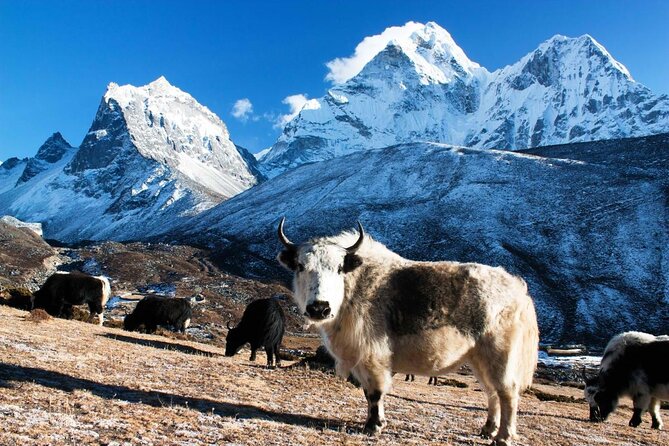
- Everest-range skyline: You’re set up for major Himalayan peaks from one of the tallest hills in the Solu Khumbu region.
- Sunrise and sunset potential: The top is built for early light and late color.
- Village-to-village trekking: Kerung, Pattale, Jhapre, Lamajura, and Junbesi keep the trail culturally grounded.
- Full-board meals included: Breakfast plus meals during the trek means fewer decisions on the trail.
- Private group experience: You are not sharing your pace or your days with strangers.
Why Pikey Peak is a special view in the Solu Khumbu
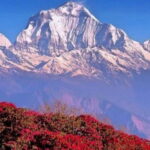
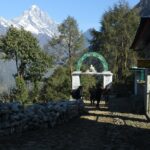
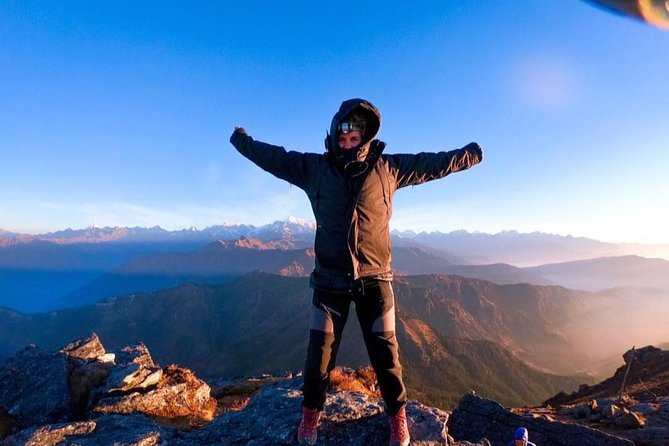
Pikey (4,067m) sits in the Solu Khumbu region at an altitude that is high enough to feel like the Himalayas, but still fits well into a classic trekking week. The real reason people come is the viewpoint. From the top, you can see a long sweep of mountain ranges across eastern and central Nepal—big names like Mt. Everest, Makalu, Kanchenjunga, Annapurna, Gaurishankar, Lhotse, Nuptse, and even Mera peak show up in the view list when skies are clear.
This is the kind of trek where geography does the storytelling. You are not hiking for one dramatic peak only. You are hiking for scale—watching ridgelines stack up and realizing how much of the Himalaya forms one connected wall. Add in the fact that sunrise and sunset are a named attraction, and Pikey becomes less like a random summit and more like a timed viewpoint experience.
There is another smart angle here: Pikey is often chosen by people with limited time who still want the “I’m looking at the big giants” feeling. You’re not chasing a technical climb. You’re working your legs up to an overlook that can deliver wide perspective and a calm, rural trekking rhythm as you move between settlements.
You can also read our reviews of more tours and experiences in Kathmandu.
The route logic: Phaplu, then Kerung, Pattale, Jhapre, Pikey, Lamajura, Junbesi
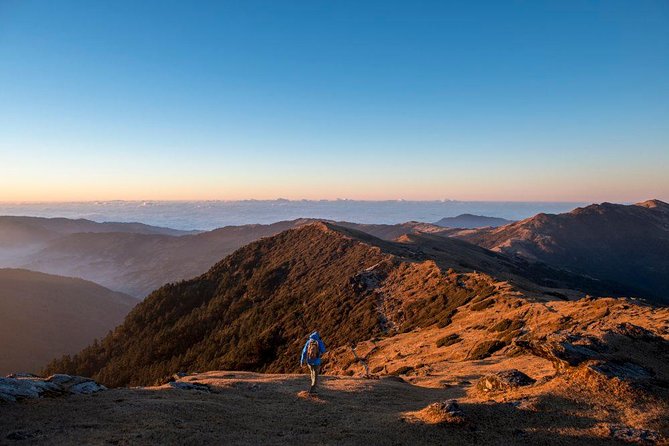
Your trek starts and ends at Phaplu, with the walking route passing through Kerung, Pattale, Jhapre, Pikey peak, Lamajura, and Junbesi. That order matters because it shapes the mood of the trip: you start grounded, build toward the high viewpoint, then come back down through more local stops rather than turning the same way the whole time.
Here is what that means for you on the ground.
Phaplu: your launching point and home base feeling
Starting at Phaplu keeps the trek away from the most chaotic tourist hubs. It is a practical base town for beginning your walk and then returning to the same area at the end. You’ll likely spend time getting your bearings early, then transition into trekking mode. Since the tour begins with an early Kathmandu pickup (6:15am meeting time), you should expect a day that starts before you feel ready.
Kerung: quieter trail days and real settlement life
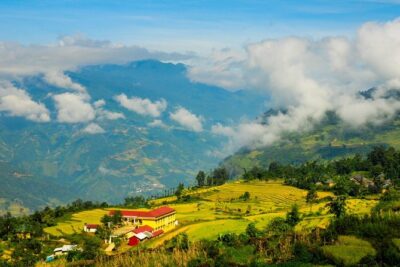
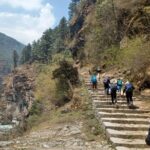
Kerung is one of the first village stops on the way. A place like this typically gives you something you cannot buy: simple routines, steady foot traffic, and that lived-in feel that makes a trek more than scenery. On a route like this, Kerung is also a good reminder that you are moving through communities, not passing them like a drive-by postcard.
Pattale and Jhapre: where the trek feels more intimate
Pattale and Jhapre continue the theme. These are the kind of stops where your day’s effort gets “absorbed” by daily life around you. You get breaks, food support, and the steady rhythm that helps you keep going even when altitude starts to tug at your breath.
If you like culturally focused trekking, these segments are the value. If you only care about summit views, you might find yourself wanting to fast-forward. Still, the point of this route is that the approach is part of the experience.
Pikey peak (4,067m): the reason you’re here
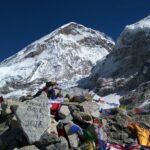
This is the centerpiece. The top is where all those mountain names turn from map labels into real visual geography. You’re climbing to a vantage point designed for wide views and for timing your experience around light. When conditions are good, you can track major ranges across multiple directions—so even one clear day at the peak can feel like several different viewpoints.
The practical side: at 4,067m, the air will feel thinner. You do not need to treat this as a mountain-expedition climb, but you should respect the altitude. Your goal is steady movement, not speed.
Lamajura and Junbesi: the “come down gently” part
Lamajura and Junbesi show up after the peak portion, which usually means you’ll be shifting from summit mindset to return rhythm. These village stops help the trek feel like a full loop with a cultural throughline, not like an up-and-down mission.
Also, the return segments are where you notice the difference between tough and smart pacing. If you rush early, you pay late. If you pace well, the downhill feels like relief rather than punishment.
Sunrise and sunset at Pikey: how to plan your day without stress
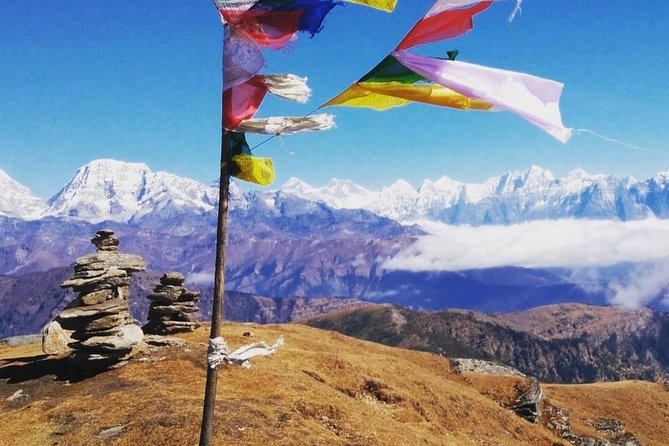
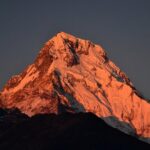
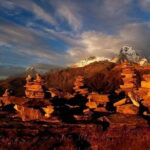
Sunrise is one of the biggest draws here. The trek is designed around the idea that early light makes the Himalaya feel bigger and more defined. When you’re at a viewpoint like Pikey, sunrise is not just pretty—it’s clarity. The light angle can help reveal layers of ridges and separate distant peaks.
The challenge is timing. Your tour starts with a 6:15am meeting time in Kathmandu, and that usually means you will be getting into motion very early at some point during the trek. That is part of the deal with viewpoint trekking. If you hate early mornings, you’ll feel it.
So here’s the balanced way to handle it:
- Keep your pace conservative on the approach.
- Protect your energy for the summit/peak window.
- If weather clouds in, be ready to adapt. You cannot force the sky.
The upside is huge. A clear sunrise view from a hill at 4,067m gives you that rare feeling of standing above the world’s scale. Even if you’ve seen Himalayan photos before, seeing the peaks arranged in real space does something different.
Food and comfort: what full-board meals really means on the trail
The listing includes breakfast and full board meals during the trek. It also notes that hard and soft drinks are not included. In practice, this matters because trekking days are decision-heavy if meals aren’t handled for you.
With full board, you can focus on walking, resting, and acclimating to altitude rhythm. You do not spend your energy hunting for food options or negotiating every stop. For an 8-day trek, that simplicity adds up.
Food also affects mood. When meals are covered, it is easier to keep a steady routine: eat, hydrate, warm up, and move on. That helps you deal with the altitude factor at Pikey.
If you drink alcohol or expect lots of soft drinks, plan your budget for that gap. The trek covers meals, not extras.
Altitude and fitness: the moderate challenge up to 4,067m
This experience is listed for people with moderate physical fitness. That is a helpful label. It signals that you should be able to hike day after day, but it also hints that you are not signing up for a technical climb.
Still, 4,067m is high enough that you feel it. You might notice:
- faster breathing with effort
- tired legs on steeper moments
- the need for slower, more patient movement
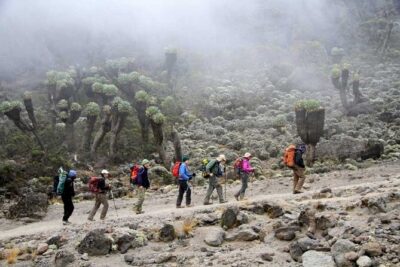
The smart approach is to treat the ascent like a pacing game. Move steadily. Rest when you need to. Let your lungs catch up. Even with guides and meal support, the summit experience depends on how you manage your body.
One more practical note: the tour is private, so you can adjust pacing to your group’s comfort level. That can be a big deal if someone in your party is feeling altitude faster than the rest.
Kathmandu to Phaplu: logistics that affect your whole trip
The meeting point is Tribhuvan International Airport, Ring Rd, Kathmandu, and the start time is 6:15am. The activity ends back at the meeting point, so you get a round-trip connection rather than an open-ended end in the middle of nowhere.
You also get a mobile ticket, which is a small thing until it saves you stress at check-in. The tour is private, so only your group participates. That usually means your schedule is more flexible to fit real walking pace, not a rigid parade route.
You might also appreciate the simple practical tag: service animals are allowed, and the meeting location is near public transportation. Even if you do not use those details personally, it suggests the organizer expects practical needs, not just theory.
Guides and the value of local know-how
The route crosses several village areas, and that is where guide knowledge matters most. Past trips on this trek include guides such as Dawa Sherpa, Jay Bir, Hiese Lama, plus members of the Sherpa Trekking and Expedition team like Nee-ma Sherpa and C-erpa Pasang.
You do not need a fancy pitch for why this helps. A good guide supports:
- pacing that fits altitude and your group
- navigation through settlement segments like Kerung, Pattale, Jhapre, Lamajura, and Junbesi
- practical decisions around sunrise timing and trail comfort
If you want the trek to feel calm and organized, the guide team quality is part of the value you’re paying for.
Price and value: is $1,435.90 a good deal?
At $1,435.90 per person for an approximately 8-day private trek in the Solu Khumbu region, the price is not “cheap.” But it may be fair depending on what you compare it to.
Here’s where the value shows up based on what is included:
- Private tour: only your group participates
- Meals covered: breakfast plus full-board meals during the trek
- Organized support: the route is planned end-to-end, starting from Kathmandu
The main cost you will still handle yourself is drinks (hard and soft drinks are not included). If you control your extra spending and your goal is a well-run trek with meals taken care of, the price feels more rational.
If you are the type who needs frequent restaurants, bottled drinks every hour, and zero early mornings, then you’ll feel the cost more. If you want walking days with fewer logistics headaches, then paying for structure makes sense.
Who this trek suits best
I think Pikey Peak trekking fits best if you want:
- a panoramic Himalayan viewpoint without going for a technical climb
- a route through Solu Khumbu settlements with real village stops
- a classic 8-day structure starting from Kathmandu
- a private experience with steady guidance
It is also a good match if you want the Everest-range view in a time-efficient way. You are getting a list of major peaks in sight from Pikey, and you get the added bonus of sunrise and sunset as the main attraction.
If you want a fully comfortable hotel-style vacation every night, this is not built for that. It is a walking trek with full-board meals, not a resort package. If early starts make you cranky, plan ahead for the 6:15am start from Kathmandu and the early-morning viewing style.
Book it, or skip it: my decision guide
Book this trek if your top priorities are big mountain views from Pikey, a sunrise-capable peak experience, and a route that moves through multiple villages like Kerung, Pattale, Jhapre, Lamajura, and Junbesi. The inclusion of breakfast and full-board meals during the trek is also a real quality-of-life upgrade. Private also helps—your group pace matters on a 4,067m summit hill.
Skip it if you have very low tolerance for altitude discomfort or you hate waking up early for mountain viewing. It’s listed for moderate fitness, but you still need to meet the basics: you will be hiking, and you will reach 4,067m.
If you want a “big Himalaya” experience with a practical time window, Pikey Peak is one of the smarter ways to do it.
FAQ
What is the meeting point and start time?
You meet at Tribhuvan International Airport, Ring Rd, Kathmandu 44600, Nepal at 6:15am.
How long is the Pikey Peak Trek?
The trek is listed as 8 days (approx.).
What is the highest point on the trek?
Pikey Peak is listed at 4,067m.
What’s included in the price?
The trek includes breakfast and full-board meals during the trek.
What is not included?
Hard and soft drinks are not included.
Is this a private tour?
Yes, it is a private tour/activity, and only your group will participate.
If you want, tell me your hiking background and whether sunrise viewing is the top priority for your trip, and I’ll help you judge if Pikey fits your pace.