REVIEW · KATHMANDU
14 Days Private Everest Base Camp Trekking Tour
Book on Viator →Operated by Yolo Hike · Bookable on Viator
One wrong step at altitude can ruin your trip. This itinerary is built around smart pacing, from Lukla flights to Kala Patthar sunrise. You get a private guide-and-porter setup, plus tea house comfort when you need it most, while still walking the classic route to Everest Base Camp and Kalapatthar.
What I like most is the way the trek is paced for acclimatization. You’ll have dedicated altitude support days in Namche Bazaar and Dingboche before pushing higher. I also like that logistics are handled end to end: airport transfers in Kathmandu, trekking permits/fees, domestic flights, and meal plans are all included.
One consideration: even with good pacing, this is still a high-altitude hike. You’ll want strong fitness, because rocky sections, steep climbs, and early mornings are part of the deal.
In This Review
- Key Highlights You’ll Care About
- Kathmandu First: Thamel Strolls and Getting Your Legs Under You
- Lukla Flights to Phakding: Where the Trek Actually Begins
- Sagarmatha National Park Checkpoints and the Namche Busy-Day
- Namche Acclimatization + Everest View Hotel: The Day That Pays Off Later
- Tengboche Monastery and the Rhythm of Climbing Through Forest
- Dingboche: Pine, Rhododendron, and a Strong View Day
- Nangkartshang Peak Acclimatization: Small Effort, Big Benefit
- Lobuche and Gorakshep: The Rocky Build-Up to Base Camp
- Kala Patthar at Dawn: Everest’s Best Light
- Heading Back Down: Namche, Lukla, and a Real Sense of Finish
- Price, Value, and What This Tour Includes for $1,490
- Accommodation Reality: Tea Houses and the Comfort Choices That Matter
- Fitness, Altitude, and Who This Private Trek Fits Best
- Practical Booking Tips Before You Go
- Should You Book This 14-Day Private Everest Base Camp Tour?
- FAQ
- Where does the trek start?
- How long is the Everest Base Camp trek?
- Is this a private tour?
- What flights are included?
- What if my flight goes from Ramechap instead of Kathmandu?
- Are park permits included?
- What kind of lodging do you get during the trek?
- What meals are included?
- Is cancellation free if plans change?
Key Highlights You’ll Care About
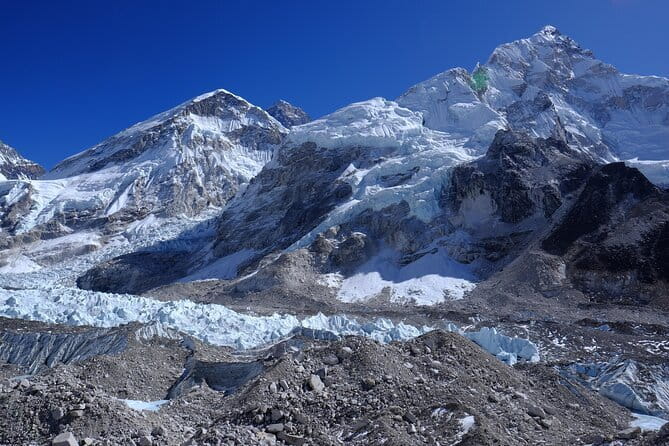
- Private guide with porter support: a certified guide plus 1 porter for every two trekkers keeps you focused on walking
- Built-in acclimatization: Namche Bazaar and Dingboche days help you gain altitude with a plan
- Sagarmatha National Park entry handled: park fees and government taxes are included
- Kala Patthar at dawn: sunrise timing matters for Everest visibility and the overall payoff
- Comfort details on the route: private bathrooms are included in Phakding, Namche, and Lukla
Kathmandu First: Thamel Strolls and Getting Your Legs Under You
Your trip starts with a representative greeting you at Tribhuvan International Airport in Kathmandu. Then it’s a private-vehicle transfer to your Kathmandu lodging. After you freshen up, you’ll have an easy buffer day to walk the area around Thamel.
This first day matters more than it seems. It’s not for hiking. It’s for settling your schedule and getting organized—charging devices, checking gear, and making sure you’re calm about the early flight days ahead. Your guide team is working in the background, but you should still use the time to confirm what you’ll carry on the trail versus what you’ll leave in storage.
What you’ll like: two nights in Kathmandu on a twin-sharing basis means you aren’t burning energy on travel fatigue. You also have a simple plan: arrive, sleep, explore nearby, and rest.
You can also read our reviews of more tours and experiences in Kathmandu.
Lukla Flights to Phakding: Where the Trek Actually Begins
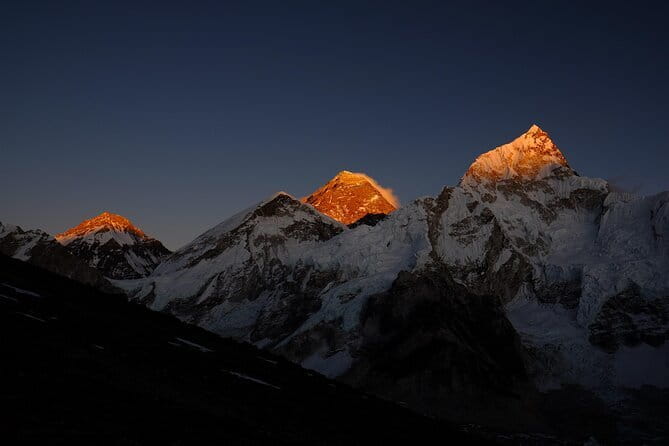
The next morning you shift from city life to mountain logistics. You’ll be transferred to the airport in Kathmandu or to Ramechap depending on the flight schedule, then fly to Lukla. The flight time is about 25 minutes from Kathmandu or about 20 minutes from Ramechap.
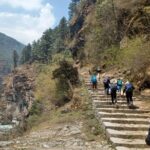
Then comes the moment that makes Everest treks feel real: the quick flight followed by the transition to your first walking day. From Lukla you head toward Phakding, following a stone-paved path for a few hours before reaching the settlement of Phakding for your overnight.
Phakding is a good first-night anchor. You’re still low enough to get your rhythm. You’re also close to river crossings and bridge systems that start showing up regularly on the Khumbu trail.
Possible drawback: Lukla flights can be weather-sensitive in general, and Everest itineraries often hinge on them. This tour includes the flights, but you’ll still want to build your mindset around early-day schedules and the reality that mountainous weather can disrupt timing.
Sagarmatha National Park Checkpoints and the Namche Busy-Day
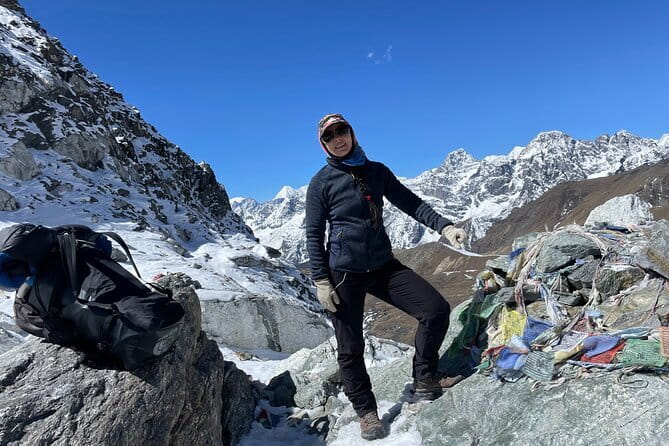
Day 3 is where the trek becomes official. You pass through the Monjo checkpoint for Sagarmatha National Park. It’s a straightforward day on paper—walk time is around 6 hours—but it includes the kind of scenic details that make people fall in love with this region.
You’ll cross two suspension bridges—the Larpchen Bridge and the Hilary Bridge—each with prayer flags adding color against the mountains. Then you work your way toward Namche Bazaar, where the scale of the town hits you: lots of teahouses, trail traffic, and people moving in different directions all day long.
This is also one of your first social moments. You’ll likely see trekkers from many countries, and even if you keep to yourself, it helps to know you’re not alone on the big plan.
Namche Acclimatization + Everest View Hotel: The Day That Pays Off Later
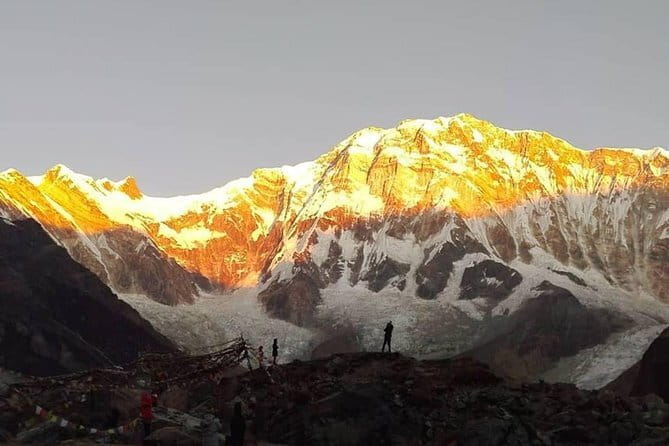
Day 4 is a key acclimatization block. You’ll stay in Namche and take advantage of the area with short hikes, plus a visit to Everest View Hotel—positioned as a high-altitude viewpoint.
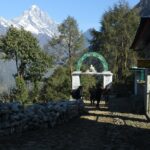
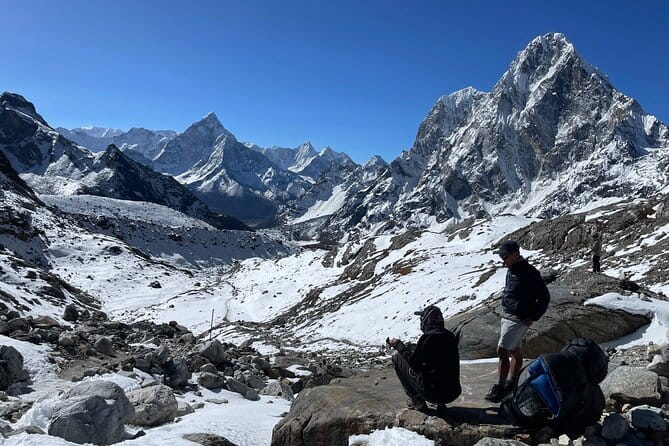
This day is about altitude management. Even if you feel fine, the goal is to help your body adjust before you start gaining elevation more aggressively. In Namche, you get big mountain sight lines: Mount Everest (weather permitting), along with Ama Dablam, Nuptse, Lhotse, Thamserku, and Cholatse.
After that viewpoint time, you return to Namche for the night.
What I like about this structure: it removes guesswork. Instead of telling you to figure out acclimatization on your own, the schedule includes a built-in buffer where the reward is real views.
Tengboche Monastery and the Rhythm of Climbing Through Forest
On Day 5 you head toward Tengboche Gompa, one of the most spiritual stops on the classic Everest trail. You explore the monastery, then move through pine and rhododendron forest zones and small settlements.
The walking pattern here is classic Khumbu: climb, descend, cross bridges, then continue. You’ll also pause for lunch between village areas. A notable point in the route description is the separation area for routes to Gokyo and Everest, so you get a sense of how big the Everest trekking network really is.
By the end of the day, you reach Tengboche and stay overnight.
How this day feels in real life: it’s scenic and varied, not just one long grind. But it’s still uphill work, so keep your pace steady and avoid the temptation to race other groups.
Dingboche: Pine, Rhododendron, and a Strong View Day
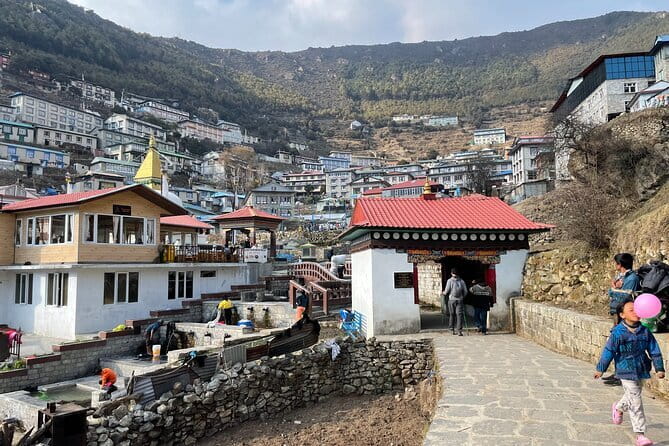
Day 6 takes you to Dingboche. The day includes a descent through Debuche and then a move back through forests, with mountain views growing sharper as you gain altitude.
You’ll stop for lunch around the Imja Valley and pass through parts of the trail that include cultivated areas (the route description calls out buckwheat and potatoes). Then you continue to Dingboche for the night.
Dingboche is often a turning point because it’s higher, quieter, and more focused on the Everest Base Camp route than the lower villages.
What you should know: the tour description notes this is the easiest day in the journey, which can be a relief after earlier climbs. Use that easier pace to hydrate well and keep your breathing calm.
Nangkartshang Peak Acclimatization: Small Effort, Big Benefit
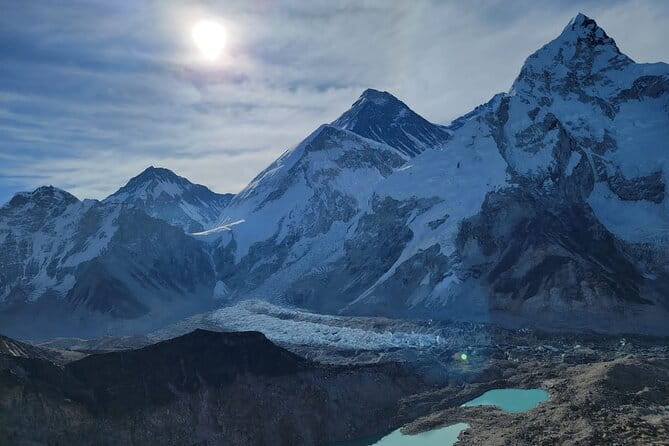
On Day 7 you don’t fully push higher. Instead, you do a purposeful acclimatization hike to Nangkartshang Peak (5083 m).
Why this matters: you’re already at the edge of where altitude can start affecting sleep, appetite, and stamina. A short climb at the right time helps your body adjust before you step into more rocky, higher terrain.
You also get standout views in clear weather: Taboche, Island Peak, Ama Dablam, Lhotse, and Everest. After the hike, you return to Dingboche and rest.
One practical tip: treat acclimatization hikes like training walks, not summit races. If you feel breathless, slow down fast.
Lobuche and Gorakshep: The Rocky Build-Up to Base Camp
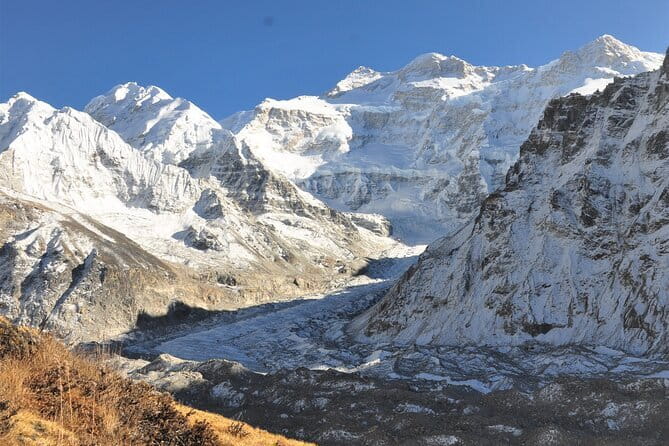
Day 8 moves you from Dingboche to Lobuche. The route description calls out a gradual climb and notes it’s rockier and comparatively uphill than earlier days. You reach the Thukla viewpoint and then descend for hours to Lobuche.
Thukla is one of those stop points where your brain starts shifting from hiking to anticipation. The views include Mount Lobuche plus other peaks in the distance, with manes and small chortens adding atmosphere along the route.
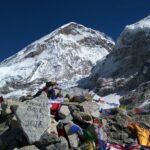
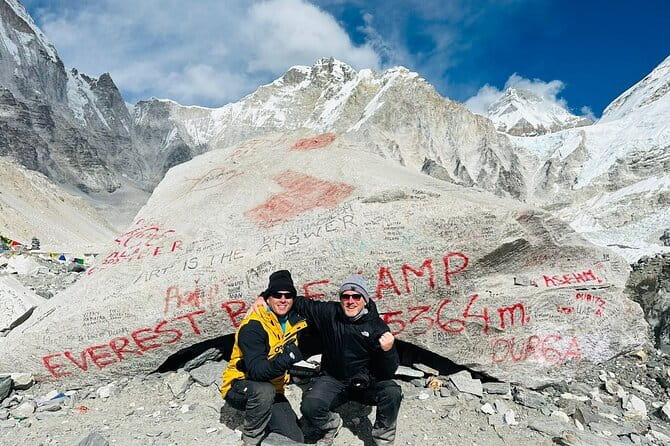
Day 9 is the big one: Everest Base Camp. You start early from Lobuche and head toward Gorakshep. After breakfast at Gorakshep, you continue trekking up to Everest Base Camp (5346 m).
At Base Camp, you’re at the starting point for Everest climbers. The place has a distinct feel: not just a viewpoint, but a hub of activity and history-in-the-making tied to the mountaineering season.
What you’ll like: it’s the emotional payoff day. You get the classic Base Camp moment, with mountains tightening around you as you walk in.
What to watch for: it’s also a long day. Keep your pace controlled. Many people burn too much energy in the early sections.
Kala Patthar at Dawn: Everest’s Best Light
Day 10 is your Kalapatthar (Kala Patthar) sunrise mission. The itinerary is clear: Base Camp alone may not give a full view of Everest, so you go to Kalapatthar in the dawn hours.
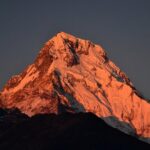
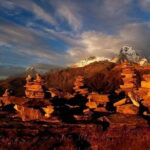
From Kala Patthar, you get sunrise over Everest. The route description highlights the color shift on the Everest summit—yellowish and reddish tones—before you descend back toward Pheriche for the night.
This is one of the best reasons to do the trek on this schedule. Sunrise visibility is never guaranteed, but the timing and the elevation give you your best odds. Even when clouds roll in, you still get a serious high-mountain experience.
One consideration: sunrise means very early wake-up and cold morning conditions. Dress for wind and temperature drops, and keep the excitement on a leash until you’re warm.
Heading Back Down: Namche, Lukla, and a Real Sense of Finish
Day 11 takes you back down the way you came, returning to Namche Bazaar for another night. It’s around a 5-hour trek, and the route is straightforward: walk, breathe easier, and keep your legs from getting too stiff by moving steadily.
Day 12 is the return to Lukla. You follow the route back through suspension bridges and down via the Dudh Koshi river area. In Lukla, you get time to explore and pick up small souvenirs.
Day 13 returns to Kathmandu via Lukla Airport, with a vehicle transfer on arrival. The day also includes a short celebration for completing the trek.
Day 14 is the ending: assistance to Tribhuvan International Airport and then your flight home.
Why the down days matter: the scenery stays impressive, but the mental payoff grows. You’re watching the mountains shrink in distance while your sense of accomplishment grows.
Price, Value, and What This Tour Includes for $1,490
At $1,490 per person (14 days approx.), this trek prices as a mid-range private guided option with flights and major fees included. Here’s what that money is really buying you:
- Private airport-to-airport transfers in Kathmandu (private vehicle)
- 2 nights in Kathmandu on a twin-sharing basis
- Best available tea house lodge during the trek on a twin-sharing basis
- Private bathroom in Phakding, Namche, and Lukla
- Certified guide plus 1 porter for every two trekkers (with salary, food, accommodation, insurance covered)
- Flight ticket for Kathmandu–Lukla–Kathmandu
- Sagarmatha National Park fees plus government taxes and services charges
- Meals included: breakfast 13, lunch 11, dinner 13
When you add it up, the value is in removing planning stress. This isn’t just a guide carrying a map. The tour includes the big moving parts—domestic flights, permits/fees, and lodging selections—so you can focus on walking and acclimatizing.
One note: soft drinks and personal expenses are not included, and that’s normal for trekking programs. Water and snacks can add up, so budget for what you’ll want in between meals.
Accommodation Reality: Tea Houses and the Comfort Choices That Matter
Tea house trekking is a trade. You get warmth, basic meals, and a bed; you also give up luxury.
This tour improves the comfort equation with private bathrooms in Phakding, Namche, and Lukla. That’s not universal on Everest itineraries, so it’s a meaningful quality-of-life upgrade. You’ll still be in simple lodge conditions elsewhere, but the included bathroom setup reduces the daily friction.
In Kathmandu, you get two nights in a Kathmandu hotel on a twin-sharing basis. That matters because you’re using those days to recover before flying into Lukla.
Fitness, Altitude, and Who This Private Trek Fits Best
The tour calls for strong physical fitness. That’s not marketing wording. This is high altitude, repeated climbs, early starts, and rocky stretches.
This trek is best for:
- You if you want a classic Everest Base Camp experience with time to acclimatize
- You if you like organized pacing and want a guide doing the heavy lifting on logistics
- You if you’re comfortable with tea house living and simple conditions
It’s less ideal if you want a totally low-effort itinerary. Even with a private guide and porter support, you’ll still be doing long days—especially around Lobuche to Base Camp and the dawn climb to Kala Patthar.
Practical Booking Tips Before You Go
A few things I’d plan early so the trek stays fun:
- Gear for cold mornings: Kala Patthar is sunrise time, so early cold matters.
- Think about what you carry: with a porter on board (1 porter per two trekkers), you can pack less aggressively for essentials only.
- Keep your pace slow on acclimatization days: you’ll be tempted to push when you feel good. Don’t.
- Expect schedule intensity around flights: Lukla flight days are short windows of time. Keep buffers in mind.
If you’re the kind of person who hates uncertainty, you may appreciate that Yolo Hike’s operation style is built around coordination. The company’s team has been credited with handling permits/registrations and matching trekkers with guides, including names like Anil Bhatta coordinating in Kathmandu and guides such as Ashok on the trail.
Should You Book This 14-Day Private Everest Base Camp Tour?
I’d book this if you want the classic Everest Base Camp route with a private setup, solid acclimatization days, and the comfort upgrades that make a big difference at altitude—like private bathrooms in key villages and a guide/porter ratio that keeps your load manageable.
I would hesitate if you’re unsure about your altitude fitness. This trek is built around doing the work safely through pacing, but it still asks a lot from your legs and lungs.
If you’re prepared for hiking in high mountain conditions and you want a structured, low-stress plan that lands you at Everest Base Camp and Kala Patthar at dawn, this is a strong choice.
FAQ
Where does the trek start?
The meeting point is Tribhuvan International Airport in Kathmandu, Nepal, with a representative greeting you on arrival.
How long is the Everest Base Camp trek?
The duration is 14 days (approx.).
Is this a private tour?
Yes. It’s a private tour/activity, and only your group participates.
What flights are included?
Flight tickets are included for Kathmandu–Lukla–Kathmandu.
What if my flight goes from Ramechap instead of Kathmandu?
The transfer is arranged based on the flight schedule, and Lukla flights are described as about 20 minutes from Ramechap and about 25 minutes from Kathmandu.
Are park permits included?
Yes. Sagarmatha National Park fees with government taxes and services charges are included.
What kind of lodging do you get during the trek?
You stay in tea house lodges on a twin-sharing basis. Kathmandu includes 2 nights on a twin-sharing basis. The tour also specifies private bathrooms in Phakding, Namche, and Lukla.
What meals are included?
Breakfast is included for 13 days, lunch for 11 days, and dinner for 13 days.
Is cancellation free if plans change?
Yes, free cancellation is available up to 24 hours in advance for a full refund. Canceling less than 24 hours before the start time does not receive a refund.