REVIEW · KATHMANDU
Sundarijal-Chisapani-Nagarkot Trek with Changunarayan
Book on GetYourGuide →Operated by Himalayan Social Journey · Bookable on GetYourGuide
Sunrise hikes over the Kathmandu valley. This tight 5-day adventure pairs Bhaktapur’s medieval streets with the big payoff of Nagarkot mountain views at sunrise and sunset. I like how the trip compresses both culture and countryside into a route that feels efficient, not rushed. One thing to plan around: the mountains can be weather-dependent, and the trek runs rain or shine, so you’ll want the right gear for wet trails and view gaps.
The best part for me is the balance: you get overnight time in the mountains (not just a drive-by photo stop), plus guided city time in Kathmandu Valley’s historic core. If you want a calm, safe feeling with private transport and an English-speaking guide, this is built for that. Just know it includes real walking days, and it’s not designed for wheelchairs or limited mobility.
In This Review
- Key things I’d bookmark before you go
- Why Sundarijal to Nagarkot works as a 5-day Kathmandu Valley combo
- Bhaktapur and Changunarayan: medieval Kathmandu Valley without wasting time
- Day 1 in Kathmandu: a welcome dinner and a calm landing
- Trek Day 2 (Sundarijal to Chisapani): 3–4 hours of mountain perspective
- Trek Day 3 (Chisapani to Nagarkot): the 6–7 hour “get your legs back” day
- Nagarkot at sunrise and sunset: where the Himalayas start behaving
- Day 4: Bhaktapur via Changunarayan, then back to Kathmandu
- Where you’ll sleep: Kathmandu comfort, mountain simplicity
- Price and value: what $390 covers (and where your wallet may add up)
- Guides and the human factor: good coordination, varying city-guide fit
- Trek comfort and packing rules you should respect
- Who should book this trek, and who should skip it
- Should you book Sundarijal–Chisapani–Nagarkot with Changunarayan?
- FAQ
- How long is the Sundarijal–Chisapani–Nagarkot trek with Changunarayan?
- What are the trekking days and walking times?
- What is the highest altitude on the trip?
- Are airport transfers included?
- Is lunch and dinner included?
- What languages are offered by the live guide?
- Is this trip suitable for wheelchair users or people with mobility impairments?
Key things I’d bookmark before you go
- Bhaktapur + Changunarayan in one city-focused stretch, so you see the medieval story without a long detour
- Sundarijal to Chisapani (3–4 hours) at about 2,300m, giving you mountain context early
- Chisapani to Nagarkot (6–7 hours) with a full day’s worth of countryside walking
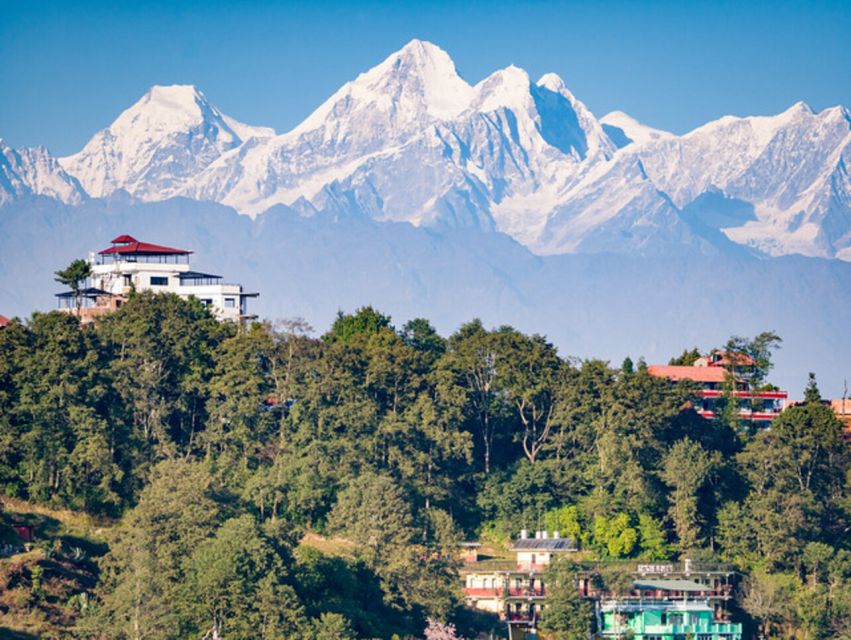
- Nagarkot sunrise and sunset for clear-sky chances at a wide range of peaks, including Mt. Everest
- Private transportation and airport pickup that reduces stress on arrival and departure
- Overnight in simple mountain lodges (including an attached bathroom in Chisapani) rather than sleeping cold and chaotic
Why Sundarijal to Nagarkot works as a 5-day Kathmandu Valley combo
If Kathmandu Valley is your base, most trips either go all-in on cities or all-in on trekking. This one blends them, and that matters. You start with the kind of culture that makes Kathmandu feel older than its traffic: palaces, religious sites, and the medieval art and urban layout that shaped the valley for centuries. Then you step out into countryside where the air thins a bit and the views start doing the talking.
The trek itself is moderate in length, not an all-day slog every day. You’ll hike on two main trekking days, then shift gears into sightseeing and transfers. That makes the schedule feel doable even if you’re not a hardcore hiker.
The key tradeoff is that you can’t control the weather from here. Views of the Everest region depend on skies. The itinerary still gives you sunrise and sunset in the right place (Nagarkot), but fog, cloud cover, or rain can soften the “wow” factor. Think of the mountains as the variable, not the route.
You can also read our reviews of more tours and experiences in Kathmandu.
Bhaktapur and Changunarayan: medieval Kathmandu Valley without wasting time
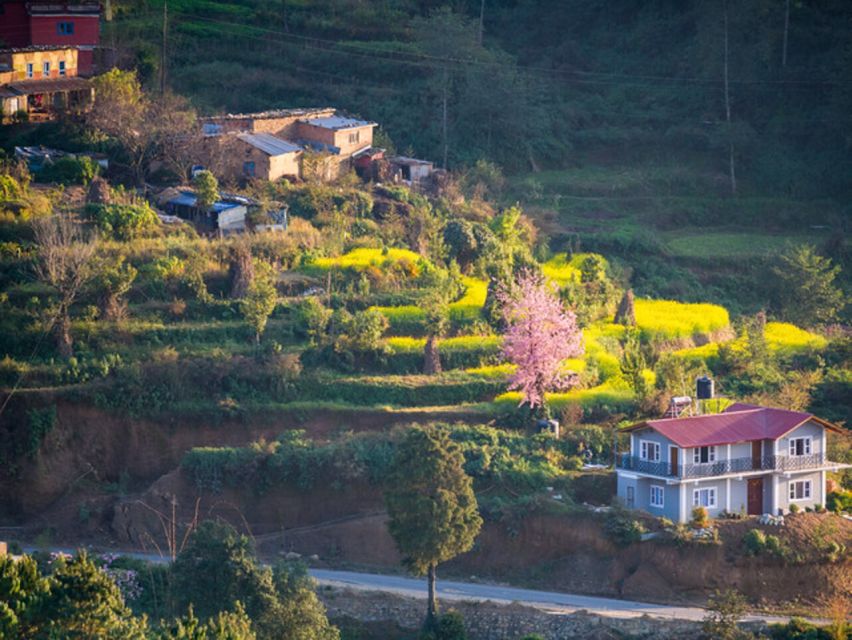
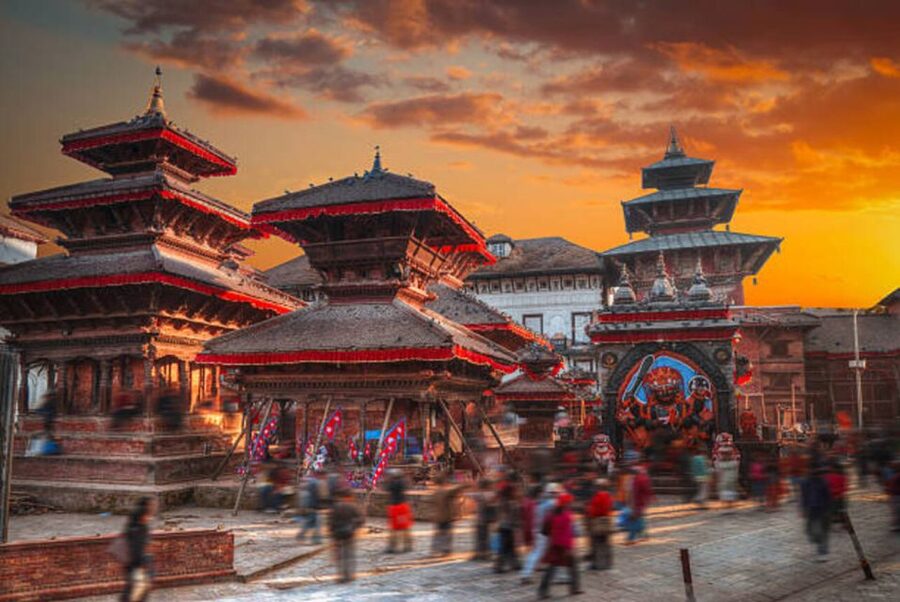
Bhaktapur is the kind of place that rewards slow walking: carved windows, temple squares, and an urban feel that seems built for wandering rather than speed. This trip gives you a focused chunk of time there, so you’re not bouncing between ten sites with no breathing room.
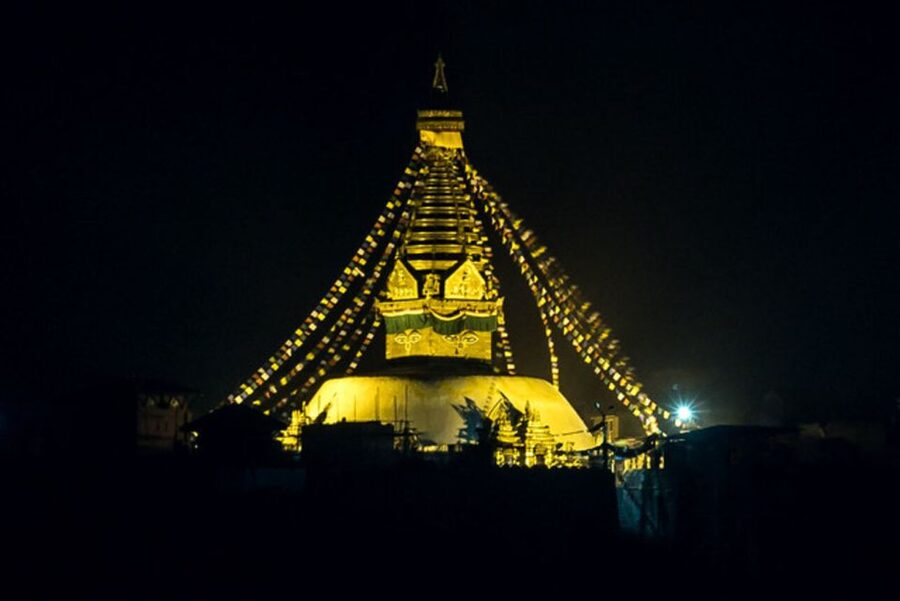
Then there’s Changunarayan, which brings a different flavor to the day: religious history tied to the story of the valley itself. You get a transition from modern-day Kathmandu energy into the older spiritual geography of the region. If you care about how communities use art and religion to mark identity across generations, this stop helps connect the dots.
A practical note: entry fees and local national park fees are not included, so you’ll want cash or a card ready for the day you enter these areas.
Day 1 in Kathmandu: a welcome dinner and a calm landing
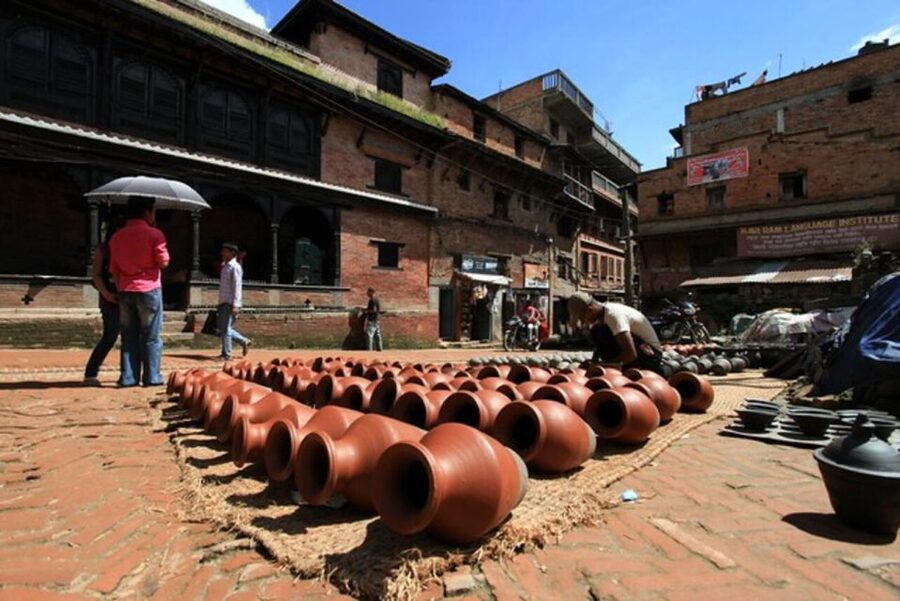
Your first day starts with airport pickup and transfer into Kathmandu. You’re staying at Himalayan Suite Hotel, and the plan is simple: get settled, then get oriented. The welcome dinner on Day 1 is there for a reason. It helps you meet your guide and crew, and it gives you a low-pressure way to start understanding how the next days will flow.
Kathmandu is at about 1,400m, so you’re not dealing with altitude on arrival. That’s good because it leaves you clear-headed for the next morning. If your sleep is a bit off after flying, this kind of day-one buffer matters.
Trek Day 2 (Sundarijal to Chisapani): 3–4 hours of mountain perspective
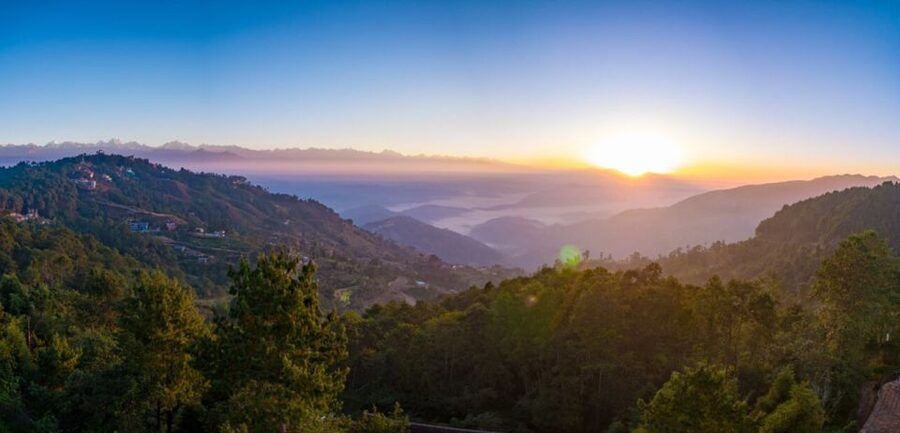
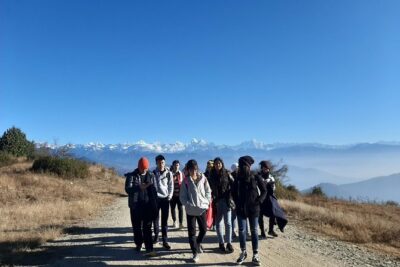
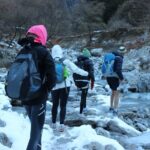
Day 2 is where the trip changes gears. You drive to Sundarijal and start trekking toward Chisapani. Expect around 3–4 hours of walking, and the elevation target is roughly 2,300m.
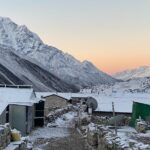
Chisapani is a great early “mountain” overnight because you’re not just looking at peaks from far away. You’re hiking into a countryside view zone. That means the scenery slowly sharpens as you move, rather than appearing instantly in one dramatic reveal. You also get your first real sense of why this area matters to Kathmandu residents: it’s nearby enough for escapes, but high enough to feel different.
You’ll sleep in a guest house in Chisapani with an attached bathroom, which is one of those quiet upgrades that makes trekking days feel less like survival mode. Breakfast is included the next morning, so you’re not trying to organize meals before heading out.
One reality check: since this trip runs rain or shine, Day 2 could be muddy. If you’re the type who gets irritated by wet shoes, plan to bring proper footwear and accept that trails may be slick.
Trek Day 3 (Chisapani to Nagarkot): the 6–7 hour “get your legs back” day
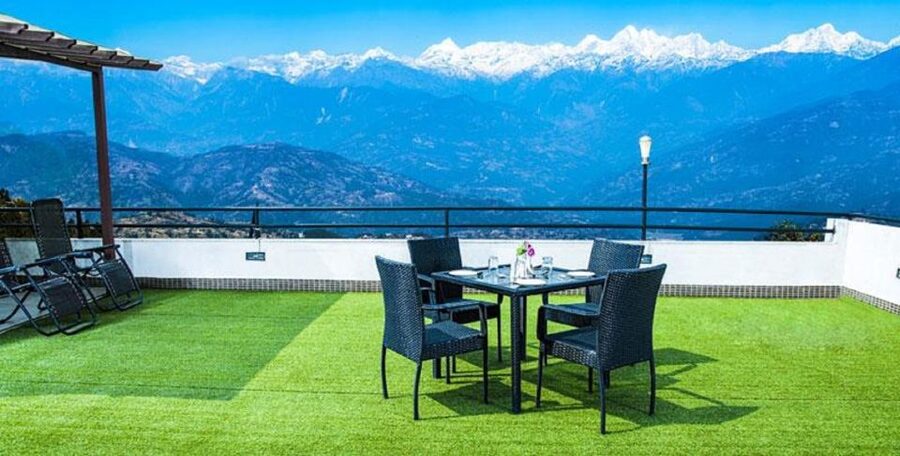
This is the longer trekking day: about 6–7 hours walking from Chisapani to Nagarkot. The altitude target is around 2,175m, so you’re staying in mountain territory without climbing into extreme altitude demands.
This day is where pace matters. A long walk like this is partly about endurance, but it’s also about rhythm. If you go out too fast early, you’ll feel it when the trail steadies and the views keep coming. If you keep a steady pace, the hike turns into that rare thing: physical effort plus scenery that keeps improving rather than repeating.
Nagarkot is the destination you’ve been walking toward. It’s a viewpoint town, and the itinerary is built around that. You’re sleeping in Hotel Himalayan Villa in Nagarkot, which sets you up for the big visual payoff the next day. The hotel part matters too: after 6–7 hours on foot, you’ll appreciate a real room and a chance to recover.
Nagarkot at sunrise and sunset: where the Himalayas start behaving
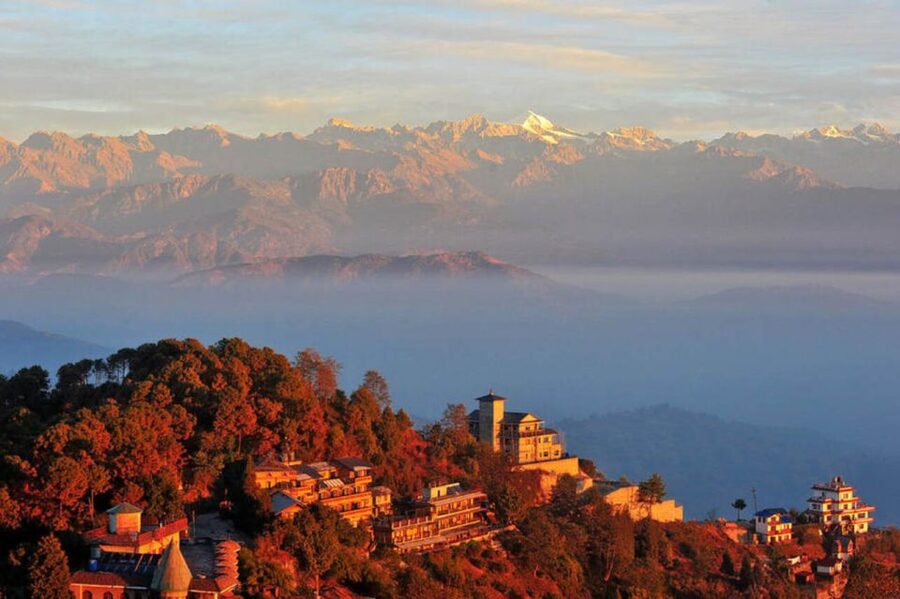
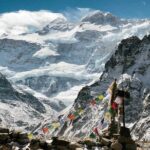
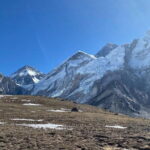
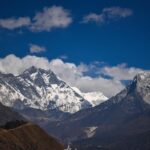
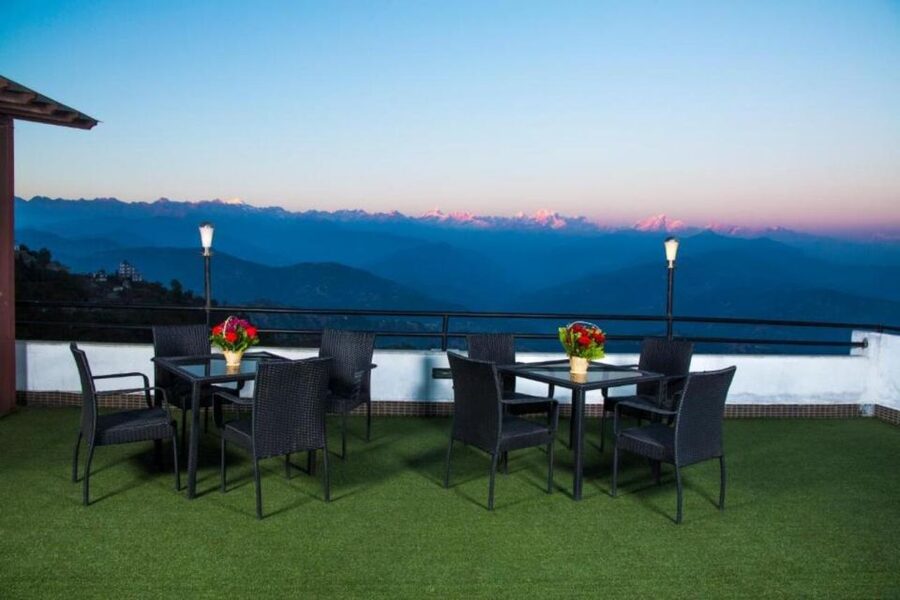
Nagarkot is the star for a reason. This is where you get to chase sunrise and sunset views, and the region’s mountain ranges are on full display when conditions cooperate. The itinerary specifically positions you for the eastern Nepal peak panorama, including Mt. Everest when visibility is good.
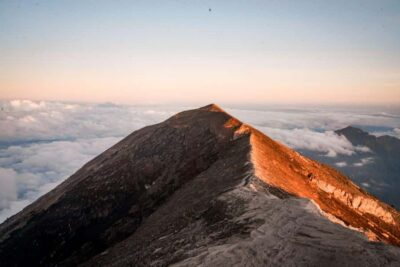
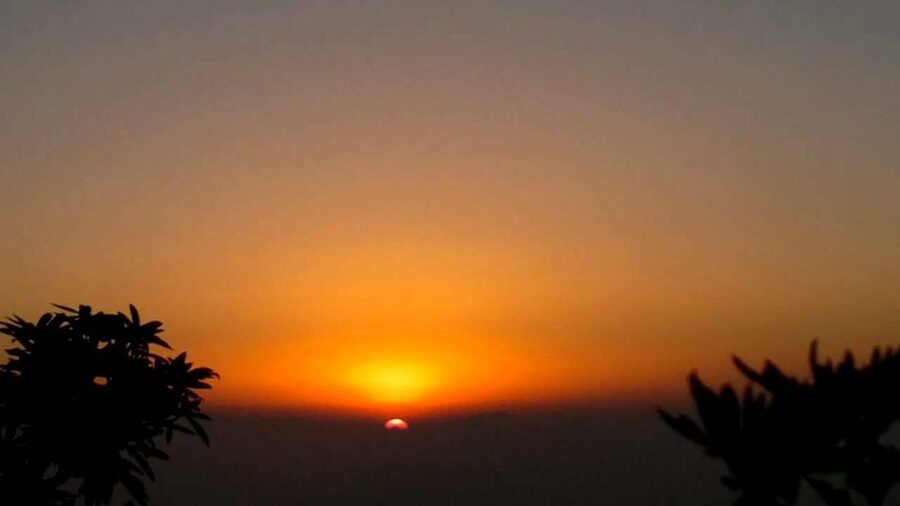
Here’s the practical truth: at sunrise, you’ll want patience and warm layers. At sunset, you’ll want clear timing and a willingness to wait for the light to change. If clouds move in, your best move is to shift from “Everest must appear” thinking to enjoying the whole gradient of peaks. Even without the iconic silhouette, the layered mountain effect is a whole experience.
Also, remember you’re still in a trekking schedule. Sunrise likely means an early start. If you’re not a morning person, treat this like an investment: you’re trading sleep for a view that most Kathmandu hotels cannot replicate.
Day 4: Bhaktapur via Changunarayan, then back to Kathmandu
Day 4 starts with travel and sightseeing. You go from Nagarkot toward Bhaktapur, and the route includes the Changu Narayan temple area (tied to Changunarayan sightseeing). This is a smart way to transition out of mountains: you finish trekking life with cultural context rather than jumping straight into Kathmandu traffic.
Bhaktapur sightseeing is the payoff for the medieval focus. This is your chance to slow down in temple squares and see why Bhaktapur is often treated like a living museum. The trip then drives you back to Kathmandu for the night.
You’ll return to Himalayan Suite Hotel for your second Kathmandu night. Day 4 is also the day where you can feel the “compact adventure” format: you’re not spending a whole week in cities, and you’re not trekking for days in a row either. It’s a balanced itinerary designed for people with limited time.
Where you’ll sleep: Kathmandu comfort, mountain simplicity
This trip uses three types of lodging:
- Kathmandu: Himalayan Suite Hotel, twin sharing, breakfast included
- Chisapani: guest house with attached bathroom, breakfast included
- Nagarkot: Hotel Himalayan Villa for a night in the viewpoint town
I like this setup because it keeps the difficult part simple. You’re not dragging yourself through guesthouses with shared bathrooms after long hikes. At the same time, you’re not demanding “luxury in the Himalayas” either. That’s the right expectation for value.
If you’re sensitive to noise, a viewpoint town can get active around sunrise and sunset as people head out for photos. It’s usually manageable, but it’s worth keeping in mind.
Price and value: what $390 covers (and where your wallet may add up)
At $390 per person for 5 days, this isn’t a budget-only trek, but it also isn’t priced like a private luxury expedition. The value comes from what’s included:
- Airport pickup and drop
- Accommodation in Kathmandu and Nagarkot with breakfast, plus the Chisapani guest house with breakfast
- Welcome dinner on Day 1
- Private transportation as per the itinerary
- English-speaking guide (and the tour supports English and Japanese)
- Trekking crew support, including crew meals and accommodation
What’s not included is where you should prepare financially:
- Lunch and dinner during the trip (except the welcome dinner on Day 1)
- City sightseeing entry fees in Bhaktapur and Changunarayan
- National park fee
- Personal expenses
So your real cost depends on how you handle meals and fees. If you’re someone who likes to eat out every chance you get, your final total will be higher. If you’re comfortable with local meals and keeping snacks simple, this can be a strong value for a route that mixes city culture with two meaningful hiking days and two hotel nights.
From a safety and organization standpoint, the trip is designed to feel well managed. People consistently describe the operation as smooth, attentive, and safe, with helpful drivers and hotel staff.
Guides and the human factor: good coordination, varying city-guide fit
A trip like this relies heavily on the guide. Your English speaking guide provides the storytelling and context for both culture days and hiking logistics. That’s important because it changes sightseeing from checklist mode into understanding mode.
One caution: the city tour portion may use freelance guides, depending on scheduling. That can be totally fine, but it also means the experience can vary slightly based on the specific person leading that day. If you’re picky about guide style, ask what you can about who will be with you for the city segments when you book.
Trek comfort and packing rules you should respect
This tour has some hard rules that matter for packing:
- You can’t bring luggage or large bags (so plan on a smaller pack for the trekking days).
- Baby strollers, handcarts, baby carriages, and electric wheelchairs aren’t allowed.
- It takes place rain or shine, so you should assume wet conditions are possible.
Also bring your passport (a copy is accepted). The tour is set up for private group logistics, so you’ll likely get coordinated pickup times for hotel pickup in Kathmandu.
For Day 2 and Day 3, it’s smart to keep only what you truly need. If your bag feels like it’s moving against your back all day, you’ll feel it after hour three.
Who should book this trek, and who should skip it
This is a good fit if you want:
- A compact 5-day mix of Kathmandu Valley culture and real mountain time
- Sunrise and sunset viewing from a dedicated viewpoint town
- A private-group feel with private transfers and an English-speaking guide
- Moderate hiking days rather than a huge multi-day trek
It’s not a good fit if you:
- Are pregnant, have mobility impairments, or use a wheelchair
- Need an itinerary that avoids uneven paths or long walking days
If you’re an average traveler who walks a lot at home and can handle 3–4 hours plus 6–7 hours on consecutive trekking days, you’ll likely find it very manageable with the provided support.
Also, if you’re sensitive to view conditions, keep expectations flexible. The route is built for Everest chances, but skies are the final decision.
Should you book Sundarijal–Chisapani–Nagarkot with Changunarayan?
Book it if you want your Nepal time to feel like two trips stitched together: cultural Kathmandu Valley highlights plus mountain nights where sunrise and sunset are the point. The inclusion of airport transfers, real lodging in Kathmandu and Nagarkot, and built-in trekking support makes this easier than piecing together separate city tours and trekking logistics.
I’d hesitate if you only want a very light hike or if you rely on wheelchair access. I’d also be cautious if you’re expecting guaranteed Everest visibility. The itinerary gives you the right viewing opportunities, but weather still calls the shots.
If you want a well-paced, safety-minded, organized adventure with Bhaktapur on one side and Nagarkot viewpoints on the other, this is a strong choice.
FAQ
How long is the Sundarijal–Chisapani–Nagarkot trek with Changunarayan?
It runs for 5 days.
What are the trekking days and walking times?
You trek from Sundarijal to Chisapani for about 3–4 hours (Day 2), then Chisapani to Nagarkot for about 6–7 hours (Day 3).
What is the highest altitude on the trip?
The highest listed altitude is Chisapani at about 2,300m. Nagarkot is listed at about 2,175m.
Are airport transfers included?
Yes. Airport pickup and drop are included, with a representative meeting you outside the terminal gate holding your nameplate.
Is lunch and dinner included?
No. Lunch and dinner are not included during the trip, except for the welcome dinner on Day 1.
What languages are offered by the live guide?
The live tour guide is listed as English and Japanese.
Is this trip suitable for wheelchair users or people with mobility impairments?
No. It is not suitable for wheelchair users or people with mobility impairments.