REVIEW · POKHARA
Ghorepani Poonhill Trek
Book on Viator →Operated by Outshine Adventure Pvt Ltd · Bookable on Viator
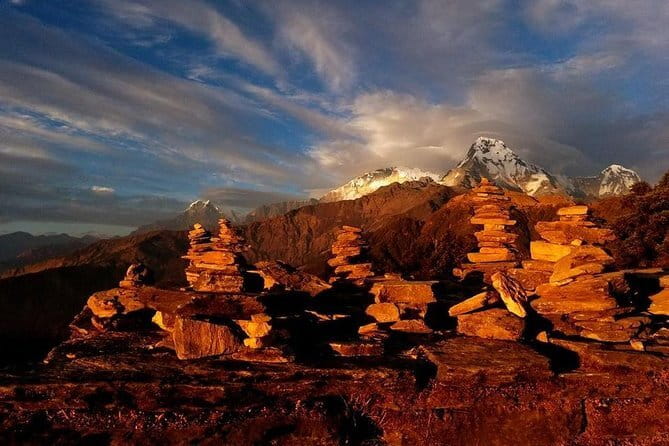
Poon Hill does the heavy lifting for you. This short Annapurna-region trek is built for people who want big Himalayan views without committing to weeks on the trail, with a classic early-morning payoff and easy walking between villages. What I love most is the Poon Hill sunrise views and the Magar/Gurung cultural stops that turn the hike into something more than just steps on dirt.
The main consideration is timing and cold: you’re hiking early for sunrise, and the trail includes both steep segments (especially on day one) and long descents through forest. If you’re planning extra comfort, remember the price includes a sleeping bag and down jacket only if needed, and you’ll still want travel insurance plus a little budget for drinks and tips.
In This Review
- Key things that make this trek feel worth it
- The value behind the $490 price tag (and what you actually get)
- Getting started in Nepal: meeting point, transfer, and day-one energy
- Ulleri to Ghorepani: forest walking and first real peak drama
- The Poon Hill sunrise hike: early steps, major peak list
- Tadapani to Ghandruk: a forest descent and real village rhythm
- Ghandruk to the finish: easy descent, Kimchi, Seulibazzar, and back to Pokhara
- What the guide and porter setup means for you on the ground
- Accommodation, meals, and permits: the not-so-sexy stuff that keeps things smooth
- Who this trek suits best (and who might find it stressful)
- Should you book it? My straight call
- FAQ
- How long is the Ghorepani Poonhill trek?
- Does the tour include pickup or transfer from Pokhara?
- What meals are included during the trek?
- Are permits included?
- How early do you hike to Poon Hill?
- What documents are needed before departure?
Key things that make this trek feel worth it
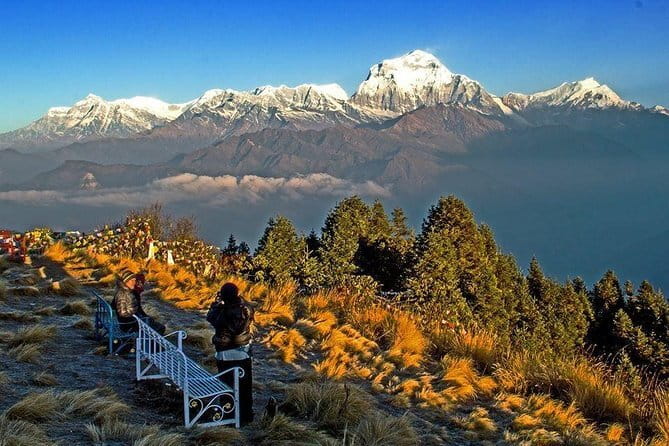
- Poon Hill is the big moment, with an early-morning climb for sunrise views across major peaks like Dhaulagiri and Annapurna.
- Village-based trekking through Magar and Gurung communities, with time to see how local life fits around the mountains.
- Meals + lodge stays are handled, so you’re not spending your brainpower on every tiny logistical decision.
- Porter support is included, with a sharing setup (one porter for two people, carrying up to 25 kg per porter).
- You get a licensed, English-speaking guide, plus TIMS and Annapurna conservation permits already covered.
The value behind the $490 price tag (and what you actually get)
At $490 per person, this trek is positioned as a “lightweight adventure” with a lot done for you. You’re paying for the essentials that usually eat up budget and time on your own: standard meals (breakfast, lunch, dinner during the trek), guesthouse/lodge accommodation, a licensed English-speaking mountain guide, and the required permits (Annapurna conservation park permits and TIMS card).
You also get transport support—surface transfer from and back to Pokhara by private vehicle—which matters on routes like this. Otherwise, you can end up spending energy coordinating rides at the wrong moments. On top of that, there’s porter help, which makes a big difference if this is your first trek or you just want to avoid the “why did I pack that?” regret.
Two costs to keep in mind because they’re not included: travel insurance and tips for staff/driver. Drinks and laundry also aren’t covered, so plan on keeping your budget sane by sticking to water and tea while you’re walking.
You can also read our reviews of more tours and experiences in Pokhara.
Getting started in Nepal: meeting point, transfer, and day-one energy
This trek starts with a meet-up at the Outshine Adventure Kathmandu office before you head to Pokhara. From Pokhara, you take a private vehicle ride toward the trailhead area, and then the real work begins on foot from Birethanti, a village with shops and teahouses.
Day one is where you feel the terrain. You ascend steeply for about the first two hours, then it turns gentler as you continue to Ulleri (a Magar village at 2,070m). The day is designed to ease you in: tough enough to feel like a trek, short enough in spirit that you don’t need trail legs yet.
If you’re the type who hates being cold and tired at the same time, day one is also a useful reality check. The route asks you to move through early effort, then reward you with a calmer climb as you gain altitude.
Ulleri to Ghorepani: forest walking and first real peak drama
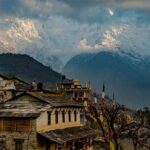
On day two, you head toward Ghorepani, a spot known for Himalayan views and lodge-based overnight stays. This portion of the trek is described as quite easy, and it runs through forest and rhododendron trees—exactly the kind of scenery that keeps a moderate pace from feeling monotonous.
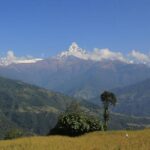
What makes this day special is the way the trail offers glances of big mountains along the way. You pass viewpoints oriented toward Machhapuchhare (the Fish Tail), Hiunchuli, and Annapurna to the south. You’re not waiting until sunrise for your first payoff here; you get partial views while you walk.
Practical takeaway: because day two is more relaxed, it’s a good day to test your layering system. Early morning versus afternoon can feel totally different up on the trail, and rhododendron-forest walking can hide wind changes until you’re suddenly standing in open air.
The Poon Hill sunrise hike: early steps, major peak list
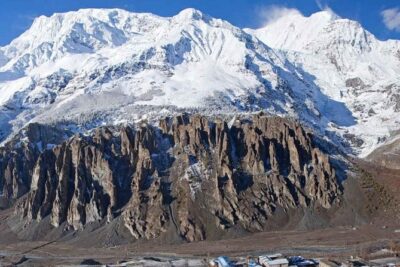
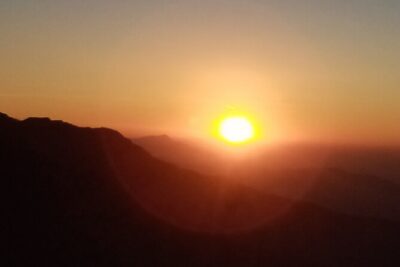
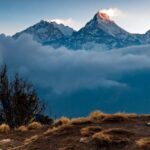
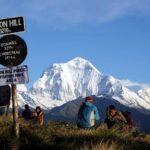
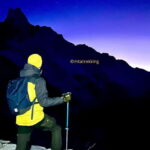
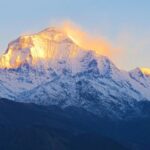
Day three is the famous one. You start with an hour early morning hike to Poon Hill at 3,232m for sunrise views. The viewpoint is framed for a wide panorama, and the listed peaks include Dhaulagiri (8,167m), Tukuche Peak (6,920m), Nilgiri (6,940m), Varaha Shikhar (7,847m), Annapurna I and South, plus Machhapuchhare and multiple Annapurna peaks.
That is a lot of names for one viewpoint—because you’re not just seeing one mountain. You’re getting a whole wall of them, which is why this trek works so well for people who want “big Nepal” in a short timeline.
After the viewpoint moment, you hike down to Ghorepani and enjoy a hot breakfast at the lodge. Then you continue trekking to Tadapani (2,650m). This is described as passing through colorful jungle with pine and rhododendron trees for most of the route.
One consideration: sunrise hikes are always about tradeoffs. You’ll be tired, and you may feel cold while moving in the dark. If you’re prone to getting stiff, use this time to keep your pace steady and avoid big bursts that make you sweat fast and then chill.
Tadapani to Ghandruk: a forest descent and real village rhythm
Day four shifts into forest descent and village time. The trek drops gently through dense woods—rhododendron, oak, and other trees—while bird sounds fill the air. It’s one of those days where you can focus on breathing and footing instead of constantly calculating steep climbs.
You reach Ghandruk, described as a big Gurung village and home to many Gorkha soldiers. Because of its mountain views, it’s a popular destination for trekkers, but the bigger win here is the chance to spend time in a community that’s built around the Annapurna region.
This day works especially well if you like cultural context, not just scenery. Instead of treating the mountains as a photo backdrop, you’re walking into places where people have lived with these peaks their whole lives.
Ghandruk to the finish: easy descent, Kimchi, Seulibazzar, and back to Pokhara
On day five, the route is set up as a relatively easy trek down. You descend from Ghandruk all the way toward Kimchi, then cross Seulibazzar via Birethanti. From there, you drive back to Pokhara.
This “finish with momentum” ending is smart. It avoids the common mistake of turning the last day into a punishment march. You get enough walking to feel like you completed something, but you’re not stuck with heavy climbs at the end.
By the time you’re back in Pokhara, you’ve had the classic ingredients: steep-to-steady uphill day one, forest-and-views day two, sunrise panorama day three, culture-focused day four, and a calmer descent day five.
What the guide and porter setup means for you on the ground
A major reason this trek gets praised is how the team takes care of the group. In particular, guides including Bishnu and Edu are mentioned for taking excellent care of trekkers, and another guide, Shiva, comes up in a first-timer story where the trekking route felt manageable and culturally rewarding.
This matters because a short trek has less time to “figure things out later.” When someone’s guiding in a practical way—route timing, pacing, and knowing the area—you avoid wasting energy on uncertainty.
Porter support is included, with a sharing approach: one porter for two people, carrying up to 25 kg per porter. That means you keep your personal load realistic while still getting help for the heavier items. If you’ve ever overpacked on a first trip, this helps you correct that habit without feeling like you’re carrying a suitcase up a mountain.
Accommodation, meals, and permits: the not-so-sexy stuff that keeps things smooth
This trek includes standard meals during the trek—breakfast, lunch, and dinner—plus accommodation in “best available” lodges/guesthouses. Translation: you can plan around consistent meal times instead of hunting for food after a long day.
You also get the required paperwork handled for you: TIMS card and Annapurna conservation park permits. If you’ve ever tried to sort permits while traveling, you know it can derail your schedule. Having those covered keeps the experience focused on the walking and the views.
Down jacket and sleeping bag are also provided by Outshine Adventure if you need them. That’s useful because early morning at altitude can get cold, and it’s annoying to realize you brought the wrong jacket after you’re already in trekking mode.
Who this trek suits best (and who might find it stressful)
This Ghorepani Poonhill trek fits people with moderate physical fitness who want an easy-to-moderate Annapurna circuit taste. It’s also a good match if you’re trekking for the first time, because the schedule is short and the route is described as relatively easy on key days, with early morning sunrise as the one big intensity spike.
You might want to consider carefully if you:
- struggle with cold early mornings
- don’t like steep starts (day one climbs steeply for the first two hours)
- want a fully hands-off experience but know you still need to bring layers and stamina
If you prefer a gentle, scenic walk with structured support and built-in cultural interaction, this trek is a strong fit.
Should you book it? My straight call
Book it if you want Poon Hill sunrise plus real village trekking in about five days, without spending your trip solving permits, transport, meals, and guide logistics. The value is in the package: guide + meals + lodges + transfers + porter support + permits for a fixed price.
Consider another option if you’re looking for a long, high-effort mountain expedition. This is short, view-focused, and comfort-supported. It won’t feel like a hardcore grind. But if your goal is lifetime memories of Annapurna panoramas with Gurung and Magar culture along the way, it’s hard to beat.
If you do book, plan for early mornings, pack smart layers, and keep some budget aside for travel insurance and tips so the experience stays smooth from start to finish.
FAQ
How long is the Ghorepani Poonhill trek?
It’s listed as 5 days approximately, following a day-by-day route that ends with a drive back to Pokhara.
Does the tour include pickup or transfer from Pokhara?
Yes. Surface transfer from and to Pokhara is included by private vehicle.
What meals are included during the trek?
Standard meals are included: breakfast, lunch, and dinner during the trek (with breakfast and lunch counted as 5 each, and dinner as 4).
Are permits included?
Yes. The Annapurna conservation park permits and a TIMS card are included.
How early do you hike to Poon Hill?
You start about an hour early in the morning for the hike to Poon Hill for the sunrise view.
What documents are needed before departure?
A passport copy is required for all participants.