REVIEW · SICILY
Etna Southern Slope Guided Easy Trek
Book on GetYourGuide →Operated by Sicily Touring Tour Operator · Bookable on GetYourGuide
Etna teaches fast when you walk its ash. This guided naturalistic, volcanological excursion takes you onto Europe’s highest active volcano from about 1,900m, threading together the eruptions that shaped the southern slope—including a lunar-feeling walk across lava.
What I like most is how the guide turns rock into a story you can actually follow. I also love the pacing: the trek is classed as medium difficulty, but there are well-timed pauses so you can ask questions and make sense of what you’re seeing—often with guides like Mario or Thomas bringing serious passion for Etna. One drawback to plan around: it won’t run in rain or stormy weather, and this is active walking, not a slow sightseeing stroll.
In This Review
- Quick hits before you go
- From Rifugio Sapienza at 1,900m: where the trek really starts
- How the guide connects 1766, 1892, and 2001 without turning it into a lecture
- Monti Silvestri and the upper craters: seeing the shape that matters
- 2001 lava and the volcanic fracture: the eruption in physical form
- Calcarazzi craters and the 1766 story: why old eruptions still control the terrain
- The best payoff: the panorama from the upper Silvestri rim
- Price and value: what $46 buys you in 2.5 hours
- Easy trek, medium effort: pacing, terrain, and smart packing
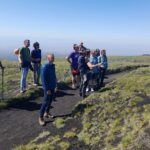
- Meeting the guide and getting the most from the walking stops
- Who should book this Etna Southern Slope guided trek (and who shouldn’t)
- Should you book the Etna Southern Slope Guided Easy Trek?
- FAQ
- How long is the Etna Southern Slope Guided Easy Trek?
- Where does the trek start?
- What is the meeting point?
- What language is the guide?
- What does the tour include in the price?
- What should I bring?
- What eruptions and areas does the trek cover?
- Is it suitable for everyone?
- What if the weather is bad?
Quick hits before you go
- Start from Rifugio Sapienza (~1,900m) near the Etna cable car departure area on the southern side
- Walk the southern slope craters of Monti Silvestri, plus the Silvestri crater area at the upper rim
- Trace the 2001 eruption by walking on its lavas and reaching the volcanic fracture that generated it
- See the Calcarazzi craters tied to 1766 and understand how eruptions leave long fingerprints
- Guides focus on volcanology in plain language, with time for questions and explanation
- Rated “easy trek” but still medium effort on uneven volcanic ground, so wear proper hiking shoes
From Rifugio Sapienza at 1,900m: where the trek really starts
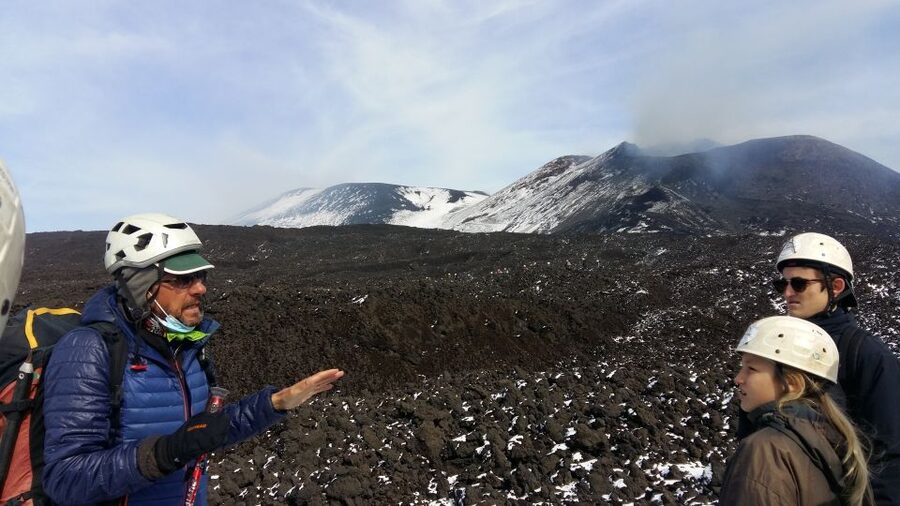
Most Etna outings focus on the drama at the top. This one starts with the geology, right where the southern slope opens up near Hotel/Restaurant Rifugio Sapienza. You begin around 1,900m, and that altitude matters because it helps you feel the scale of Etna’s activity without committing to an all-day summit hike.
The meeting point is easy enough: go inside the Esagonal bar and look for the flag with the Sicily Touring symbol. From there, you’ll be directed to the group and the start.
You’re also close to the departure station of the Etna cable car on the southern slope, which gives the day a nice built-in logic. You’re not just dropped somewhere remote and told to figure it out. You start in the Etna system, then walk through it—craters, fractures, and lava flows.
One practical note: the day is designed for moving efficiently. With a 2.5-hour duration, you’ll spend most of the time on your feet, with stops for explanations and viewpoints.
You can also read our reviews of more tours and experiences in Sicily.
How the guide connects 1766, 1892, and 2001 without turning it into a lecture
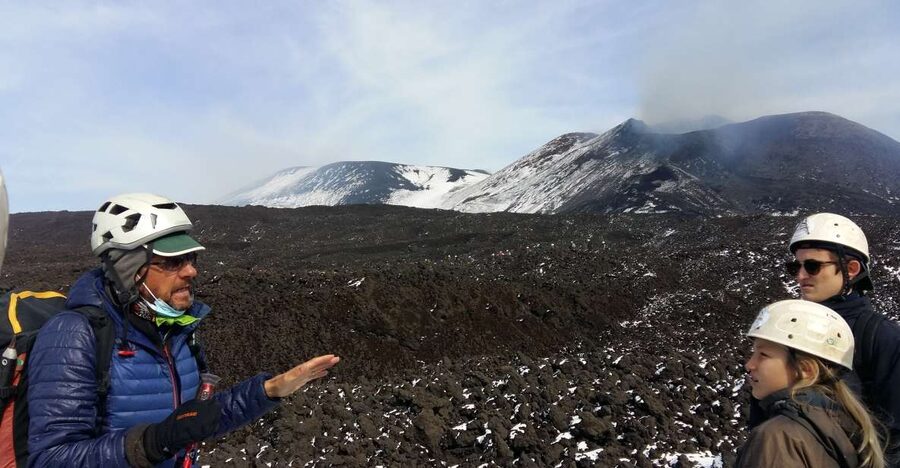
This trek is built around eruptions that are far enough apart in time to feel like separate chapters, but close enough that you can physically connect the evidence. The route takes you through the eras of 1766, 1892, and 2001, using the southern slope as the “textbook.”
Here’s what I think makes this approach valuable for you:
- You don’t just see a crater and move on. You connect one eruption’s features to another.
- You learn the idea that volcanic activity isn’t one single event. It’s repeated pressure, failure, and flow—plus long aftermath in rock.
- You get a guided explanation while you’re still standing near the exact material the story is about.
The guide’s job is to translate what you’re looking at—upper craters, lava, fractures—into something you can remember after the hike. In groups led by passionate guides like Mario and Thomas, the common theme is quick, detailed explanations delivered in a way that actually sticks. You can also ask questions, and the answers are given in a pedagogical, straightforward manner.
Is it scientific? Yes. But it doesn’t feel like you need a geology degree. The best part is that you can pace your own understanding as you go: look, ask, walk, look again.
Monti Silvestri and the upper craters: seeing the shape that matters
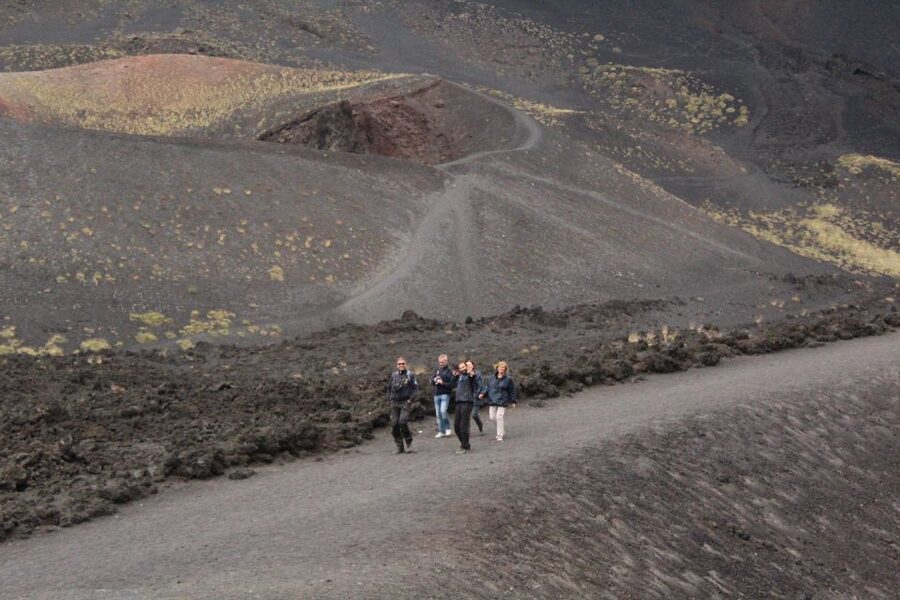
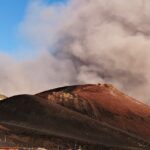
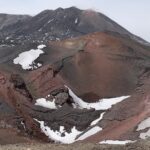
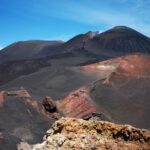
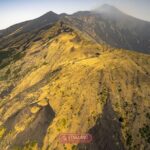
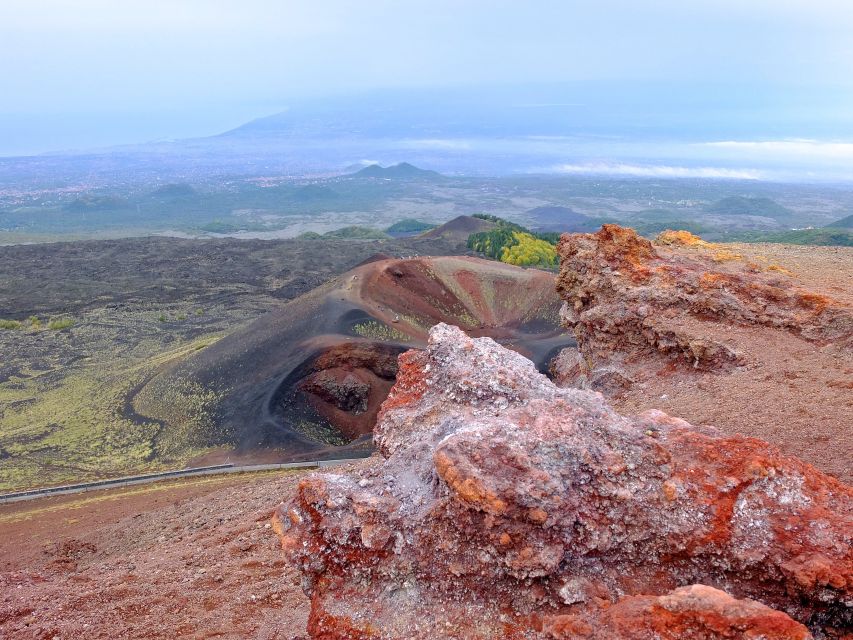
After starting at Rifugio Sapienza, the walk crosses toward the upper craters of Monti Silvestri. If you’ve only seen Etna from far away, this is where things click. Craters aren’t just holes. They’re the geometry of past pressure release—rim shapes, breaks, and layers of volcanic material that tell you how the volcano behaved at the time.
You’ll spend time around the Silvestri Craters, including reaching the highest point of the upper Silvestri craters later for a big panorama (more on that in a moment). During the earlier parts, the focus is on walking the volcanic features with the guide pointing out what’s relevant rather than rattling off dates nonstop.
A small but real benefit of this structure: by the time you hit the viewpoint, you’ve already practiced seeing. You’ll know what parts of the terrain are connected to specific eruptions in the route, so the views feel less like “pretty pictures” and more like “evidence.”
One consideration: because the trek follows volcanic ground and crater edges, you should expect uneven surfaces. That’s not a reason to avoid it. It’s a reason to wear hiking shoes and take your time.
2001 lava and the volcanic fracture: the eruption in physical form
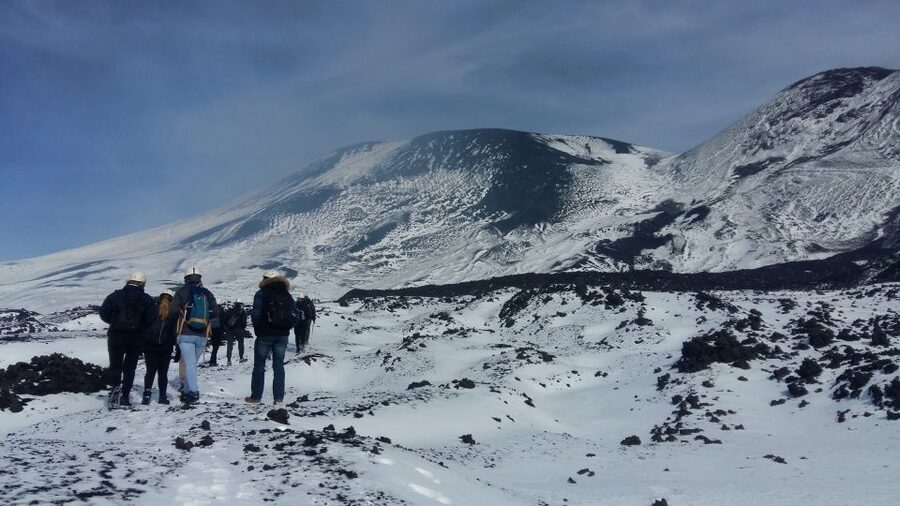
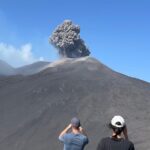
The heart of this trek is the 2001 eruption area. The route includes walking on the lavas of the 2001 eruption and then reaching the volcanic fracture that generated it.
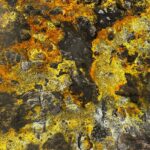
This is where you can’t help but feel the volcano as an event, not a myth. Lava is tactile history. You’re seeing the aftermath of something that changed the slope’s shape and left behind new rock textures. Even if you don’t know the technical terms, you’ll understand the concept: pressure opened, material moved, and the land re-wrote itself.
Why this matters for you, practically:
- You get a close connection between explanation and real terrain.
- The fracture point gives the story a clear “cause and effect” moment—what happened physically when the eruption began.
- It breaks up the walk so it doesn’t become only crater-hopping. There’s a clear segment tied to one modern eruption chapter.
From a travel decision standpoint, this is a strong reason to book this particular trek instead of a more general Etna overview. Many shorter outings show you Etna from a distance. Here, you walk through the consequences.
Calcarazzi craters and the 1766 story: why old eruptions still control the terrain
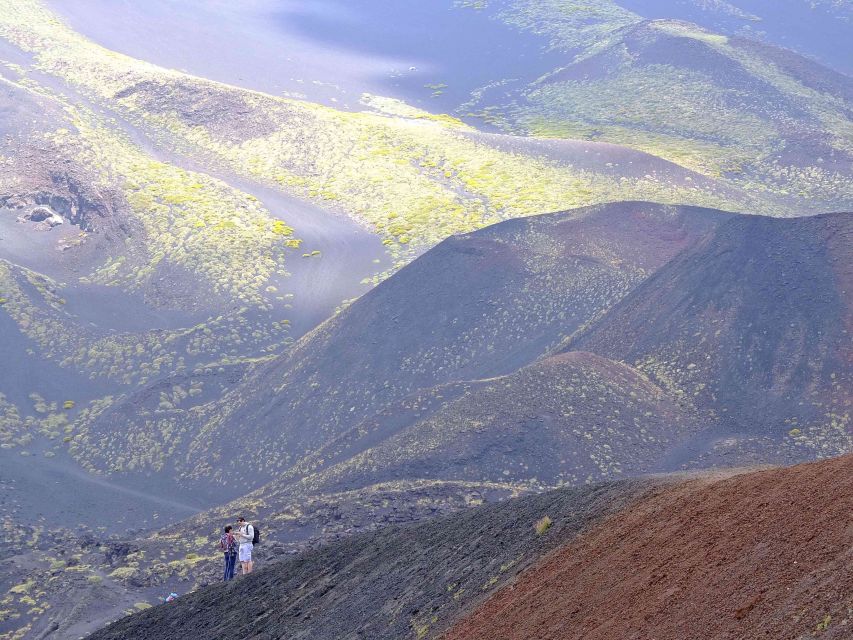
After the 2001 section, the trek continues toward the Calcarazzi craters of the 1766 eruption. This segment is about continuity. Older eruptions might feel less immediate, but they’re often what sets the framework for where later activity occurs.
You’ll also cross the Calcarazzi Mountains during the walk. Again, the guide’s job is to keep you oriented: which features link back to 1766, and how the terrain around you fits into the volcano’s repeating patterns.
If you like travel that makes you look twice at the ground under your feet, this part delivers. You’ll stop treating Etna as a single landmark and start seeing it as a layered system—craters and fractures that are still shaping the surface you’re walking on.
And because you’re doing this on foot, the time spent between stops isn’t wasted. You’re building a mental map of the southern slope as you go.
The best payoff: the panorama from the upper Silvestri rim
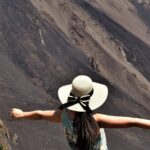
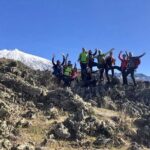
At the end of the upper-crater circuit, you reach the highest point of the upper Silvestri craters. This is the moment that turns the whole trek into a complete experience.
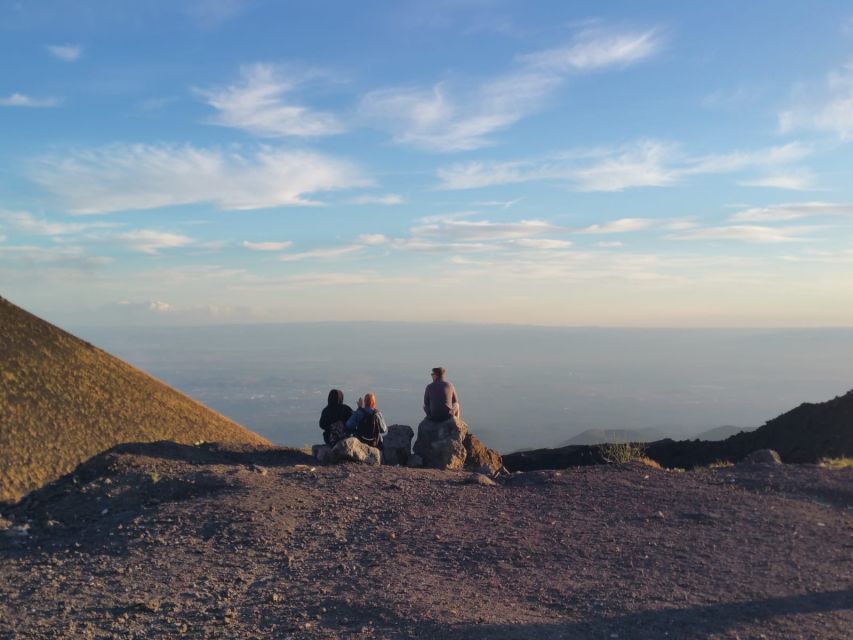
You’ll have a breathtaking panorama over the Etna foothills and toward the Ionian coast of Catania. It’s the kind of viewpoint that lets you reset your perspective after walking through tight volcanic features. Instead of just close-up craters, you see how the volcano sits in the wider region.
Practical tip: bring your phone and plan for a few photos, but don’t let the camera steal your attention. The reason the viewpoint hits so well is that you’ll recognize what you walked through. You’re not just taking in scenery; you’re looking at the system you just studied.
Also, remember you’re at altitude and exposed to mountain weather changes. The tour states it won’t run in rain or stormy conditions, but you should still come prepared with rain gear, because the southern slope environment can change quickly.
Price and value: what $46 buys you in 2.5 hours
The price is $46 per person, and it’s important to look at what you’re getting for the money.
Included:
- Nature guide service
Not included:
- Food and drinks
- Clothing and mountain equipment
So you’re paying primarily for guided interpretation and route leadership—not for a full packaged day. In return, you get a focused 2.5-hour segment on Etna’s southern slope that hits multiple major eruption references: 1766, 1892, 2001, plus Silvestri and Calcarazzi features.
Is it worth it? For me, yes, because:
- The guide is what turns volcanic terrain into understanding.
- You cover meaningful ground for a short timeframe.
- The route gives you specific eruption-linked stops, not just generic viewpoints.
If you were to do this on your own, you’d likely struggle with knowing what you’re looking at while you’re standing in the middle of it. Here, the guide handles that part.
Easy trek, medium effort: pacing, terrain, and smart packing
The excursion is described as medium difficulty, even though it’s positioned as an easy trek. That wording usually means you’re not climbing a mountain, but you are dealing with uneven volcanic ground and crater edges.
Here’s how to make it comfortable:
- Wear hiking shoes with traction.
- Bring water (you’re out for 2.5 hours, and you’ll need it).
- Bring rain gear and comfortable layers.
- Dress for comfortable walking, not for looking stylish at altitude.
If you get motion sickness easily, this one is not for you. The tour is explicitly listed as not suitable for people with motion sickness, along with other health limits. That tells you the route and approach can be rough enough that your body may not enjoy it.
Also, it won’t take place in rain or stormy weather. So if Etna is calling during a wet week, be ready for schedule changes or choose a different day.
Meeting the guide and getting the most from the walking stops
The experience lives and dies on the guide. The reviews associated with this trek consistently highlight guide passion and the ability to explain details quickly and clearly—like Mario bringing that love for the volcano into nearly every sentence, and Thomas being professional and passionate, with questions answered in a way that makes sense.
When you’re on a volcanic terrain walk, asking one good question can multiply the value of the entire hike. If you’re the type who likes to understand what you’re seeing, you’ll likely enjoy this format because you get chances to ask, not just one big briefing at the start.
My advice: come with one small curiosity in mind.
- Are fractures a sign of where magma rises?
- How do lava flows change the ground over time?
- Why do different eruptions leave different crater features?
Even if your question is simple, the guide can usually connect it back to what you’re standing near.
Who should book this Etna Southern Slope guided trek (and who shouldn’t)
This is a strong fit if you want:
- A short, guided Etna experience (2.5 hours)
- Specific stops tied to famous eruptions
- A walk that prioritizes understanding—not just photos
- Views toward the Ionian coast of Catania after you’ve learned what you’re looking at
It’s not a fit for:
- Pregnant women
- People with heart problems
- People with low level of fitness
- People with motion sickness
- People over 95 years
That list matters because it signals the trek isn’t designed to be gentle in the body. Uneven ground, altitude conditions, and the active nature of crater walking can make it uncomfortable or unsafe for some.
If you’re generally steady on your feet and ready for a guided, eruption-focused hike, this one is a smart choice.
Should you book the Etna Southern Slope Guided Easy Trek?
Book it if you want a concentrated Etna session that’s actually about volcanology, not just a quick look. The route’s focus on the 2001 lava and fracture, plus Silvestri and Calcarazzi features tied to earlier eruptions, gives you a clear sequence you can remember.
Skip it if you can’t handle medium effort on uneven ground, if motion sickness is a problem, or if weather is unpredictable for your dates—because it won’t run in rain or stormy conditions.
If your goal is value, this is one of the better ways to spend a half-day on Etna: guided, specific, and short enough to fit into a Sicily itinerary without eating your entire day.
FAQ
How long is the Etna Southern Slope Guided Easy Trek?
It lasts 2.5 hours.
Where does the trek start?
It starts at about 1,900 m altitude at Hotel/Restaurant Rifugio Sapienza, near the departure station of the Etna cable car on the southern slope.
What is the meeting point?
Meet inside the Esagonal bar. Look for a flag with the Sicily Touring symbol where the guide welcomes you.
What language is the guide?
The live tour guide is available in English and Italian.
What does the tour include in the price?
The tour includes nature guide service.
What should I bring?
Bring hiking shoes, water, rain gear, and comfortable clothes.
What eruptions and areas does the trek cover?
You’ll walk around the craters on the southern slope, visit the Silvestri Craters and Calcarazzi Mountains, and see the Volcanic Fracture of 2001 plus lavas tied to the 2001 eruption and craters tied to 1766 (and also references to 1892).
Is it suitable for everyone?
No. It is not suitable for pregnant women, people with heart problems, low fitness, motion sickness, or people over 95 years.
What if the weather is bad?
The tour will not take place in rain or stormy weather.