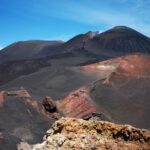
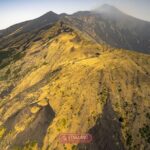
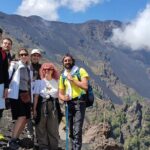
Etna feels close up. You hike to the Central Crater with official volcanological guides and you get 360-degree summit views that make Sicily feel tiny. The drawback? You need strong physical fitness, and the plan depends on weather at altitude.
For about 6 hours, you’ll ride by 4×4 up from Piano Provenzana around 2,900 meters, then walk roughly 6 km round-trip to about 3,300 meters. You’ll come back the way the mountain allows that day, which can mean different crater terrain and volcanic deposits.
In This Review
- Key points before you go
- Summit Craters on Etna: why this experience feels different
- From Via Provenzana to Piano Provenzana: the start that sets the tone
- The 6 km round trip to the Central Crater at 3,300 m
- The summit moment: 360° views over Sicily and the Aeolian Islands
- How the return route changes with weather
- Small-group guide power: what Arturo and Claudio-style guiding delivers
- What’s included, what costs extra, and where $71.01 fits in
- Timing and meeting point: keeping the day stress-free
- Who this trek suits best (and who should rethink it)
- Weather matters more than you think on Etna
- Practical tips that make a big difference
- Should you book the Mount Etna summit craters trek?
- FAQ
- How long is the Mount Etna summit craters small-group trek?
- Where does the tour start and end?
- What’s included in the price, and is the 4×4 ride included?
- What language is the tour offered in?
- Is the trek suitable if I have health issues?
- What happens if weather is poor?
Key points before you go
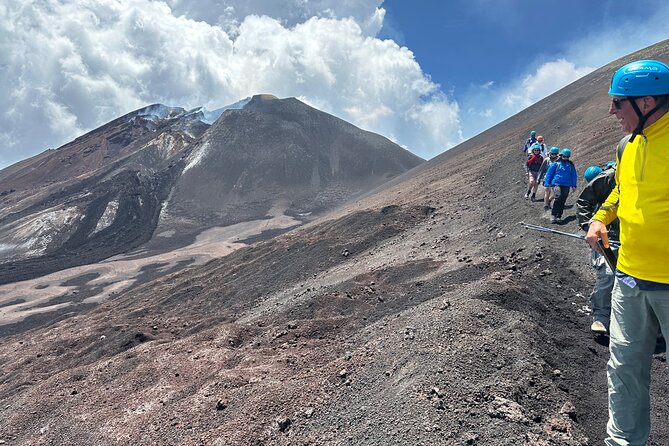
- Up to 10 people keeps the pace human and the questions flowing.
- Official volcanological guides like Arturo and Claudio focus on what you’re seeing, not just facts.
- Gear is handled with trekking poles, trekking shoes, and insurance included.
- A real summit walk targets the Central Crater area at about 3,300 meters.
- Route changes with weather on the way down through volcanic channels and deposits.
- Food isn’t included, so you’ll want to plan for snacks and water.
Summit Craters on Etna: why this experience feels different
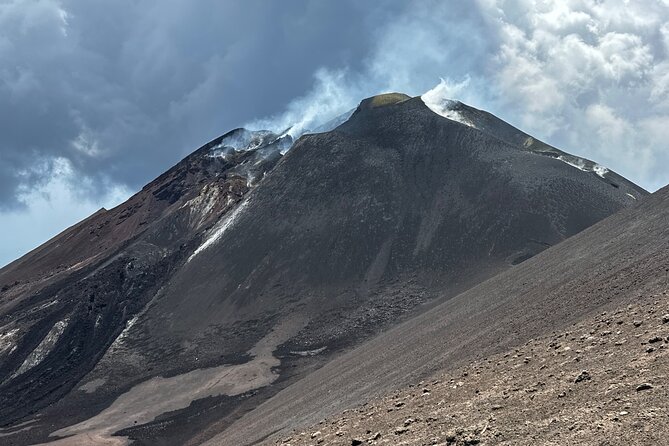
Mount Etna is the kind of place where the science is right there in front of you. The terrain looks almost alien, and the guide’s job is to help you read it like a living map. When you reach the summit area, you also get that full-scope feeling—coastlines, islands, and lava terrain all in one view.
What I like most is the mix of walking and storytelling. You’re not just handed a bus ticket and dropped off; you’re moving across the volcano with someone explaining what you’re standing on. In guides such as Arturo and Claudio, you can expect clear explanations of geology and history, plus time to answer questions.
The other big win is the small-group size. With a max of 10 travelers, the day feels more controlled. You spend less time waiting and more time looking—at craters, volcanic channels, and distant horizons.
You can also read our reviews of more tours and experiences in Sicily.
From Via Provenzana to Piano Provenzana: the start that sets the tone
Your day begins at Via Provenzana, 37 in Linguaglossa (95015), and the activity ends back at the same meeting point. From there, you’ll connect to the first key part of the plan: the 4×4 ride up to around 2,900 meters at Piano Provenzana.
That ride matters more than it sounds. You gain altitude quickly, which helps you reach the summit areas within a half-day schedule. It also means the hike portion is the focus, not a long grind just to get close to the crater zone.
One practical point: the notes say a 4×4 fee of 50 euro per person is not included. So even though the experience includes the summit hike and guide, you’ll want to confirm exactly what portion you pay for in the base price versus what you pay on the day for the vehicle ride.
The 6 km round trip to the Central Crater at 3,300 m
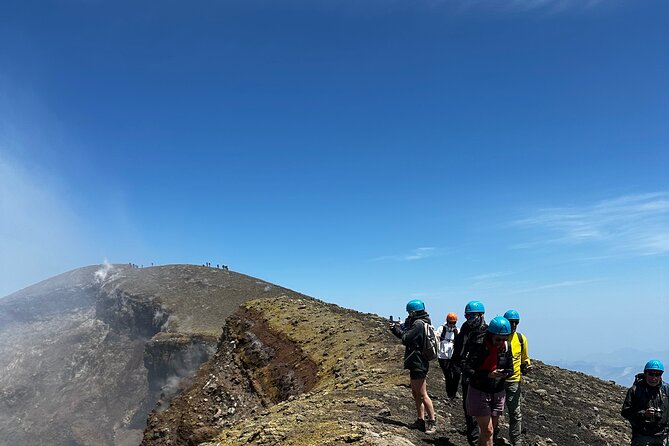
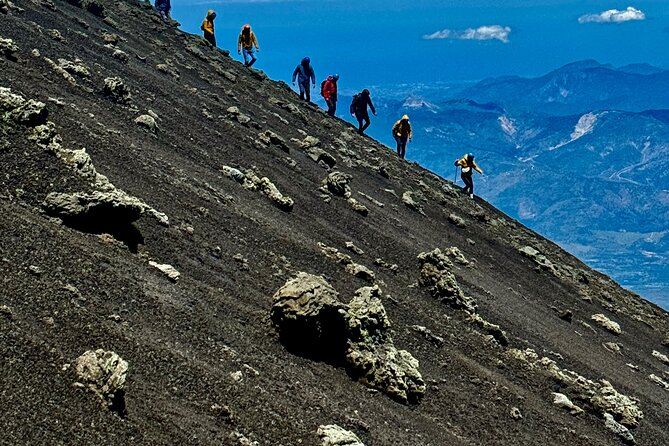
Once you’re up around Piano Provenzana (near 2,900 meters), the real trek starts. It’s a round-trip route of about 6 km, climbing toward the Central Crater area at roughly 3,300 meters above sea level.
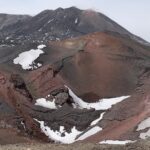
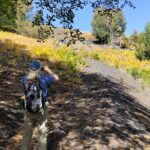
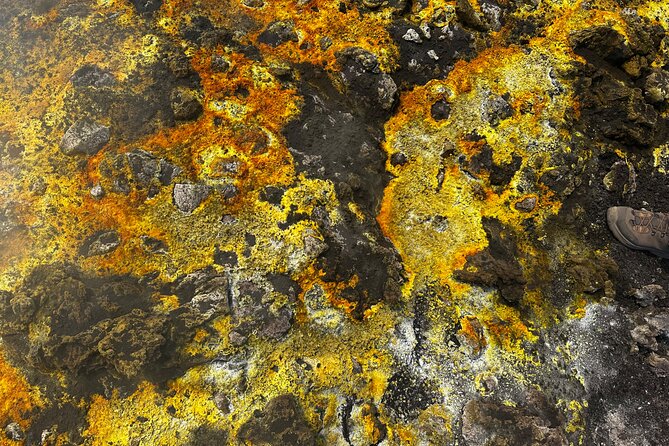
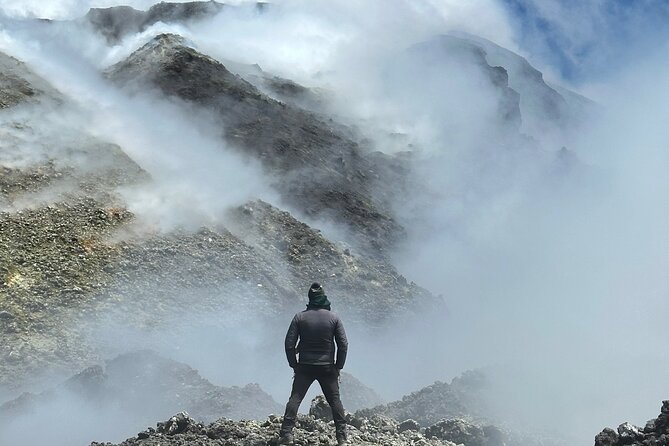
This is not a flat walk. You’re hiking in a volcanic environment where footing can feel different from trails back home—rocky ground, volcanic deposits, and channels the mountain has carved. The good news is you’re not hiking alone. A volcanological guide stays with the group and helps keep you oriented as the terrain changes.
The pacing is also worth noting. The day is built to fit into about 6 hours total, including the time to get up and back down. So the hike section is likely steady rather than slow and wandering. If you’re the type who likes to stop often to take photos, you can do it, but you’ll still be moving.
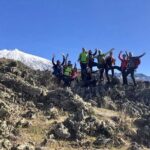
You’ll also get the thrill of actually reaching the summit craters zone—this is the part people talk about for a reason. Standing there, you get views that stretch across the island and far beyond, with a feeling that you’re on the edge of something powerful.
The summit moment: 360° views over Sicily and the Aeolian Islands
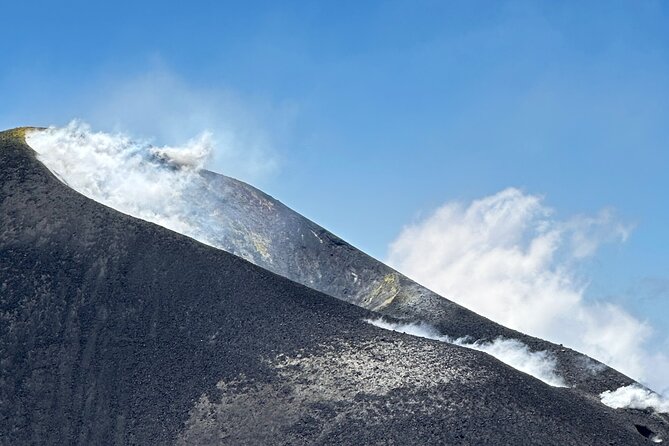
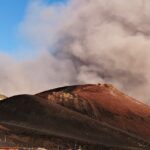
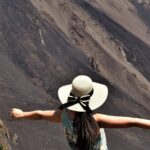
When you reach the top, the experience shifts from hiking to absorbing. This is where the volcano’s scale shows up. You’ll stand on an extraordinary panoramic point, looking out across Sicily, and on clear days you can even see as far as the Aeolian Islands.
This is one of those rare days where the view is not a distant backdrop. The craters and volcanic terrain are right there underfoot and around you. That’s why the guide matters: they point out what you’re seeing and connect the shapes to volcanic activity.
From the reviews you provided, the summit walk has been described as surreal and lunar-like—exactly the kind of scene that makes you slow down without thinking. One standout detail is that a guide can also bring enough context to make the scenery feel meaningful, not just dramatic.
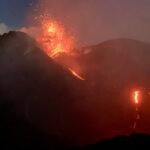
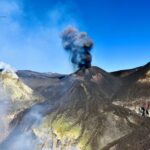
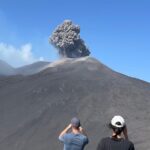
And yes, sometimes conditions line up even better. There’s at least one report of seeing a small eruption during the hike. That doesn’t happen on command, but it’s a reminder: Etna can put on a show when it wants to.
How the return route changes with weather
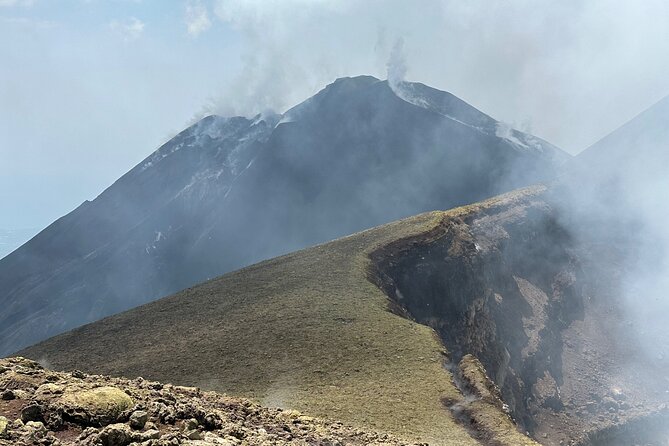
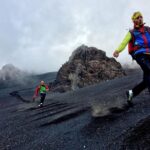
Getting back down is not a repeat of what you just did step-for-step. The return path is chosen based on weather conditions. That means you might walk through volcanic channels and over areas with deposits shaped by past activity.
This flexibility is actually a plus. Weather on Etna can change quickly, and the best route is the one that matches what the mountain offers that day—visibility, safety, and footing. If it’s cloudy, the guide’s choices can help you still get workable views. If conditions are clear, you may get different angles and different stretches of the volcanic terrain.
It also helps explain why the day feels alive rather than scripted. You’re not guaranteed the exact same line each time. But you are guaranteed that you’ll return to the meeting point at Piano Provenzana with a 4×4 descent at the end.
Small-group guide power: what Arturo and Claudio-style guiding delivers
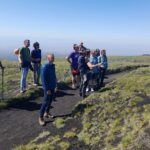
A huge part of this trek’s value is the guide. These are not generic hiking guides. They’re volcanological guides, the kind who can talk about what you’re seeing in plain language. In the names mentioned—Arturo and Claudio—there’s a theme: professional, attentive, and ready with answers.
What I’d watch for when choosing this kind of tour is how the guide handles your questions. On a summit hike, curiosity is normal. You’ll want to ask about crater formation, lava terrain, and what different features mean. The guides in this experience are praised for explaining geology and history in a way that makes the summit feel understandable.
That also changes how you experience the summit moment. Instead of just looking, you’re comparing features. You’re learning what formed them and why it matters. It’s one of the best ways to make a high-altitude adventure feel like more than a photo stop.
What’s included, what costs extra, and where $71.01 fits in
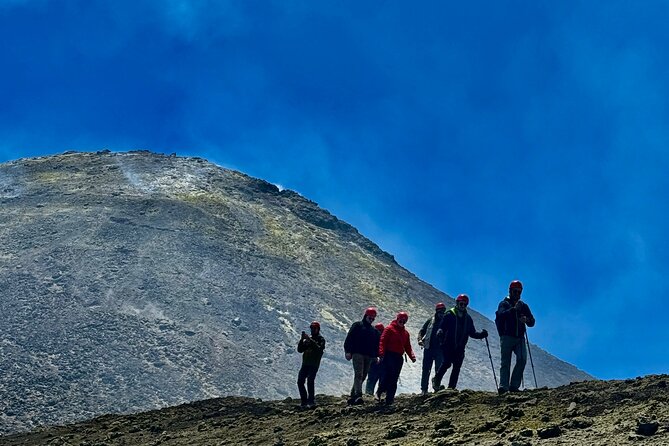
The price listed is $71.01 per person, and the experience includes an admission ticket, plus a volcanological guide. You also get trekking poles, insurance, and trekking shoes. For many people, that gear-and-guide package is where the value shows.
But there’s also a line item you should not ignore: a bus ticket 4×4 for 50 euro per person is listed as not included. Since the hike starts after the 4×4 takes you up to about 2,900 meters, this cost can affect your total budget.
So how do you judge value fairly?
- You’re paying for high-altitude access with an official guide.
- You’re getting gear support (poles and shoes) and insurance.
- You’re walking to a major crater zone, not just doing a short viewpoint stroll.
If you’re comparing to other Etna options, think about what you’d have to pay yourself for the guide plus transportation plus rentals. Here, much of the “field support” is already included, and that reduces the stress of planning.
Food and beverage are not included, so budget for snacks and water. A crater hike is not the time to rely on finding convenience stores mid-route.
Timing and meeting point: keeping the day stress-free
You’ll meet at Via Provenzana, 37, 95015 Linguaglossa CT, Italy. The activity ends back at this same meeting point, which is helpful if you’re trying to keep your logistics simple in a town that’s not your main base for the day.
Duration is around 6 hours. That’s a workable chunk for a half-day adventure, but it still requires commitment. You’ll want to plan your earlier schedule so you’re not rushing across town at the start time.
Also note that confirmation is received at booking time. That usually helps you avoid last-minute confusion about whether you’re on the list.
Finally, language is offered in English, which matters if you want the geology and volcano talk to land clearly. This type of summit hike is better when you understand the guide’s explanations.
Who this trek suits best (and who should rethink it)
This is a hike that asks for stamina. The tour notes say travelers should have strong physical fitness, and it’s not recommended for anyone with heart or respiratory problems. That’s consistent with the altitude and the fact that you’ll hike up and back from crater elevations.
So this is best for you if:
- You’re comfortable hiking in rough terrain for a few hours.
- You can handle altitude and a steady climb.
- You like learning while you walk, not just collecting views.
It may not be for you if you know you’ll struggle with climbs, long steep sections, or medical limitations. Even if you’ve done other hikes, altitude changes the game. Take the fitness requirement seriously.
If you’re unsure, don’t guess. Compare this with your comfort level on steep, rocky trails and how your body reacts at higher elevations.
Weather matters more than you think on Etna
This trek requires good weather. The plan depends on it, especially for the return route and the overall safety of the day.
That means you should treat your booking like you’re choosing a weather day, not just a date on the calendar. If conditions aren’t workable, the experience can be canceled and you’ll be offered a different date or a full refund.
One more reason to care about weather: summit visibility. The best payoff includes seeing Sicily stretched out and, when conditions allow, the Aeolian Islands in the distance. You don’t need perfect weather, but clear enough skies make the summit moment much more rewarding.
Practical tips that make a big difference
A few things will help you get the most out of the day without adding stress.
First, bring your own food and beverage. Since nothing is provided for snacks, plan for energy and hydration during a several-hour outing.
Second, use the gear you’re given. Trekking poles and trekking shoes are included, and the volcanic terrain can punish the wrong footwear. Let the provided kit do its job.
Third, come ready for a guided summit walk, not a casual stroll. Even though the group is small and the guide helps with explanations, you still need to keep up with the route.
And lastly, keep your expectations flexible. The route down can change with weather, and that can shift how you experience the volcanic channels and deposits on the way back.
Should you book the Mount Etna summit craters trek?
If you want a summit experience that mixes a real hike with expert volcanological guiding, I’d say yes. The strong points are the official guide narration, the fact that you walk to the crater zone at about 3,300 meters, and the small group size that makes the day feel well managed.
I’d hesitate only if you have fitness limitations or any heart or respiratory concerns. I’d also double-check the 4×4 fee, since it’s listed as not included and can change your total cost.
If you’re traveling in Sicily and you want one unforgettable volcano day that feels both thrilling and understandable, this is a solid choice. Book it with a weather window in mind, pack food and drink for yourself, and you’ll be set for a summit view that stays with you.
FAQ
How long is the Mount Etna summit craters small-group trek?
It lasts about 6 hours.
Where does the tour start and end?
The meeting point is Via Provenzana, 37, 95015 Linguaglossa CT, Italy, and the tour ends back at the same meeting point.
What’s included in the price, and is the 4×4 ride included?
The experience includes a volcanological guide, trekking poles, insurance, trekking shoes, and an admission ticket. A 4×4 ride ticket (listed as 50 euro per person) is not included.
What language is the tour offered in?
The tour is offered in English.
Is the trek suitable if I have health issues?
It’s recommended for travelers with strong physical fitness, and it’s not recommended for people with heart or respiratory problems.
What happens if weather is poor?
The experience requires good weather. If it’s canceled due to poor weather, you’ll be offered a different date or a full refund.