REVIEW · POKHARA
3-Day Ghandruk Loop Trek from Pokhara
Book on Viator →Operated by Breakfree Adventures Pvt. Ltd. · Bookable on Viator
Annapurna, but faster than you think. This 3-day mini-trek lets you experience the Annapurna region and the classic mountain viewpoints around Ghandruk without needing weeks on the trail. I like that it’s structured and practical, with lodge stays and meals handled in advance, and I also like the way you get a local trekking team working with you as you climb. One possible drawback: you’ll spend a lot of time walking with early starts, so it’s not the best choice if you want a super relaxed pace.
You start with a hotel pick-up and ride to Nayapul, then follow the “loop” feel of the Annapurna trail to Ghandruk, Pothana, and finally Phedi. The promise here is focus: you see the famous peaks, meet village life along the way, and get back to Pokhara while there’s still daylight left in your trip planning.
In This Review
- Key highlights at a glance
- The quick Annapurna payoff: why this loop makes sense in 3 days
- Day 1: Pokhara pick-up to Nayapul, uphill to Ghandruk, then Gurung museum
- Day 1 in the bigger picture: views you can actually use
- Day 2: sunrise over the Himalayas, then the loop trail via Modi Khola, Landruk, Deurali to Pothana
- Why Pothana is worth the work: ridge views and mountain focus
- Day 3: early ridge time at Pothana, then down to Phedi and back to Pokhara
- Price and value: what $330 covers (and what you’ll pay for yourself)
- Logistics that make the trek feel smoother: private group, mobile ticket, and pre-booked stays
- Your guide and porter team: real support on a short trek
- What this trek feels like on the ground: villages, ridges, and named peaks
- Who should book the 3-day Ghandruk Loop (and who should skip it)
- A quick practical note on timing and photos
- Should you book this Ghandruk Loop trek from Pokhara?
- FAQ
- What is included in the 3-day trek package?
- Where does the trek start and where does it end?
- Do I need permits, and are they included?
- How many photos do I need to bring?
- Are drinks included with meals?
- Is tipping mandatory?
Key highlights at a glance
- Quick Annapurna loop experience with a guided route from Nayapul to Ghandruk and onward to Pothana and Phedi
- Gurung village culture, including a visit to the Gurung museum in Ghandruk
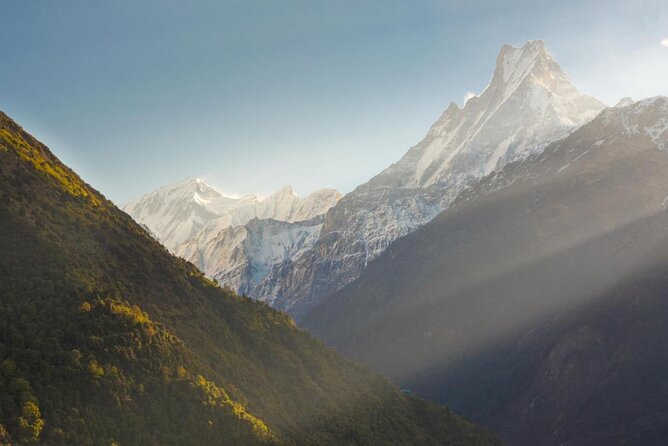
- Photo-friendly viewpoints tied to specific spots like Ghandruk, Pothana ridge, and the Annapurna/Fishtail panorama
- Built-in logistics: private vehicle transfers plus pre-booked guest house/lodge accommodation and meals
- Support on the trail with an English-speaking trekking guide and a porter system (1 porter for 2 trekkers)
The quick Annapurna payoff: why this loop makes sense in 3 days
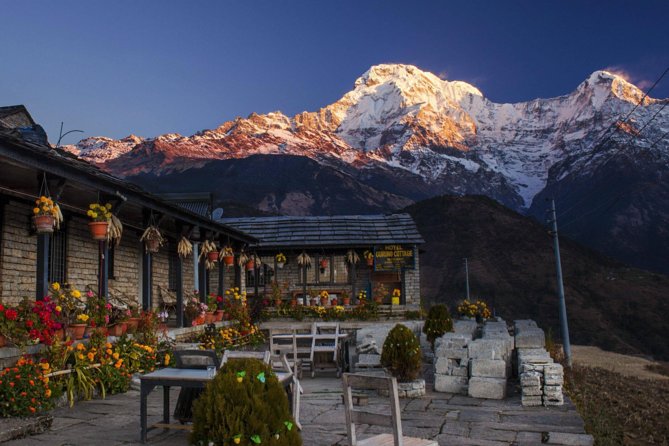
Most Annapurna trekking dreams are measured in weeks. This itinerary is designed for people who still want that iconic feeling—big snowy peaks overhead, stone-and-stair village paths below, and a guide who knows how to keep the days moving—without committing your whole vacation.
In practical terms, you’re getting the “first loop” style trekking experience in a tight timeframe. That matters because the hardest part of planning a trek is often not the hike itself—it’s lining up lodging, meals, and local permits so the trail days stay simple.
The route also focuses on variety. You climb from Nayapul up to Ghandruk, then you rotate through intermediate villages and ridges like Landruk, Deurali, and Pothana, before finishing at Phedi for the vehicle pickup back to Pokhara.
You can also read our reviews of more tours and experiences in Pokhara.
Day 1: Pokhara pick-up to Nayapul, uphill to Ghandruk, then Gurung museum
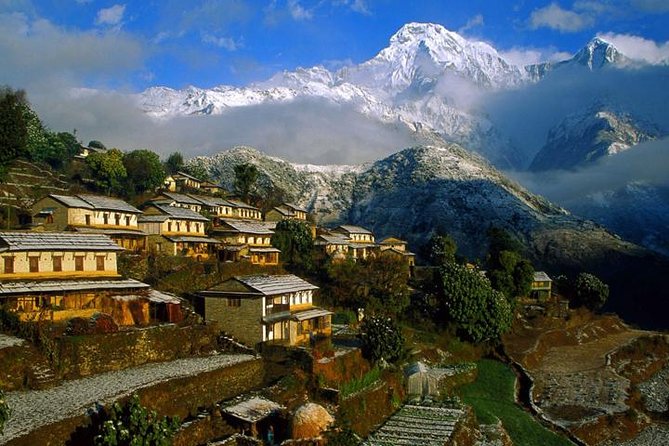
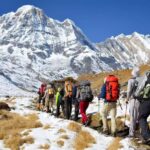
Day 1 starts with meeting at your Pokhara hotel, then driving to Nayapul. From there, the trek begins with an ascent toward Ghandruk, with mountain views along the way—think Annapurna range and Manaslu among other peaks as the scenery opens up.
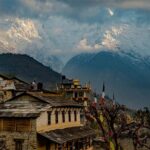
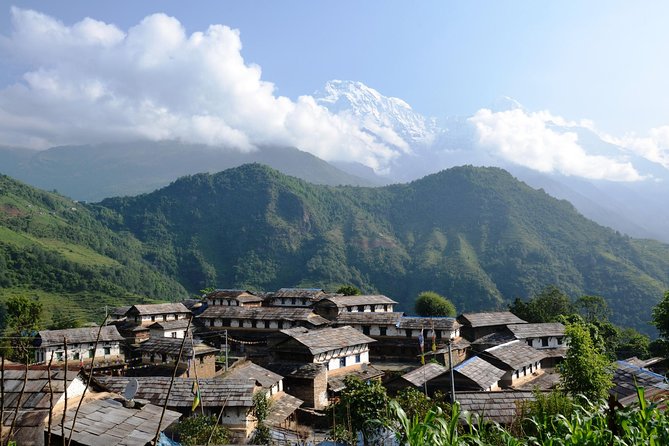
Ghandruk is your main arrival point on Day 1, and it’s one of the stops that makes this trek feel real instead of just scenic. It’s a Gurung village in the Annapurna region, and you’ll have time to visit the Gurung museum, which gives you a cultural angle right where the trekking views are most dramatic.
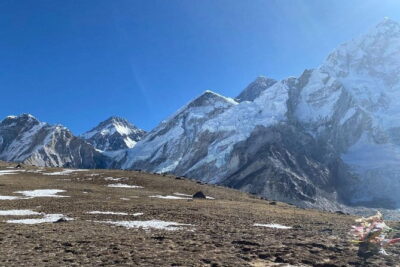
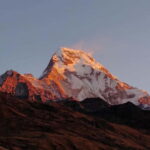
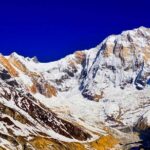
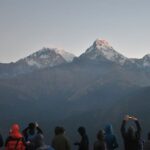
As you settle into Ghandruk, you can spot mountains associated with this area, including Annapurna South, Gangapurna, Annapurna II, Hinuchuli, and Fishtail (Machhapuchhare). Even if you’re not a mountaineering nerd, seeing named peaks from a village viewpoint helps you connect what you’re looking at to the wider Annapurna story.
The main “consideration” for Day 1 is the climb early in the trek. It’s not described as an endless slog, but it’s your first walking day after the transfer, so it’s smart to start steady and not race the ascent.
Day 1 in the bigger picture: views you can actually use
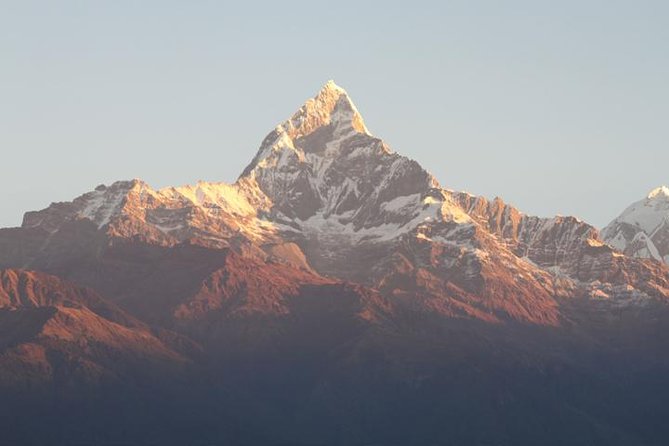
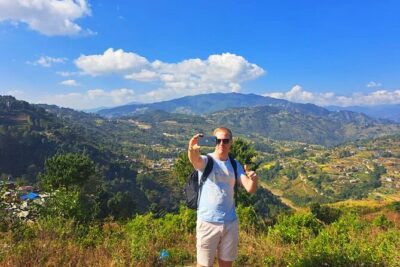
One thing I like about this route is that the best views aren’t only saved for a single famous viewpoint. You get scenery en-route as you ascend, and then you get the famous panorama angle from Ghandruk, where the snow-capped Himalayan chain is a star attraction.
You also get a logical add-on with the museum stop. It turns Ghandruk from a waypoint into a place. If you care about why these villages exist and who lives here, that cultural stop makes the day feel fuller.
Day 2: sunrise over the Himalayas, then the loop trail via Modi Khola, Landruk, Deurali to Pothana
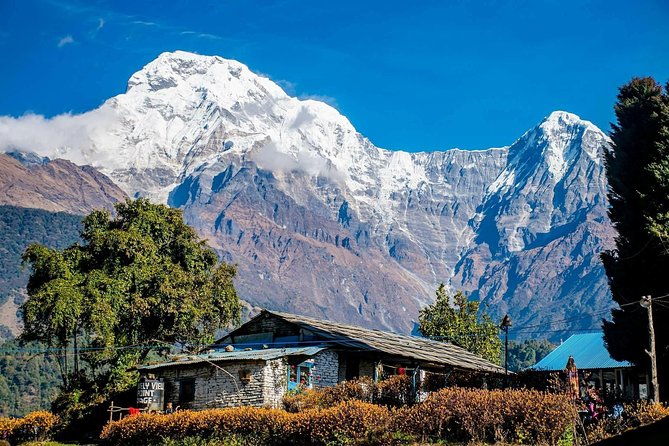
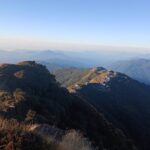
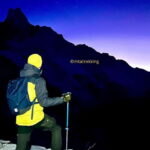
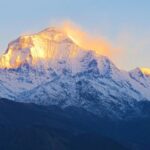
Day 2 begins with an early sunrise moment. After that, you eat breakfast and start trekking toward Pothana, with a route that includes a descent to Modi Khola before you begin climbing again toward Landruk.
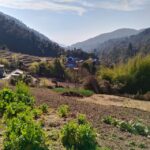
This “down, then up” rhythm is part of what makes the loop feel like a trek instead of a straight transfer. Landruk sits along the route, and the trail also passes paddy fields, which can make the walking feel calmer and more grounded as you move between bigger viewpoint moments.
From there, you reach Deurali, described as being en-route to Pothana, then continue on until you arrive at Pothana. By the time you reach Pothana, you’re positioned on the ridge area where the morning views can be especially impressive the next day.
The main trade-off on Day 2 is effort management. Since the day includes sunrise timing, breakfast, descent, and then climbing, it’s your longest “moving day” in feel, even though the trek is only listed as about 3 days total.
Why Pothana is worth the work: ridge views and mountain focus
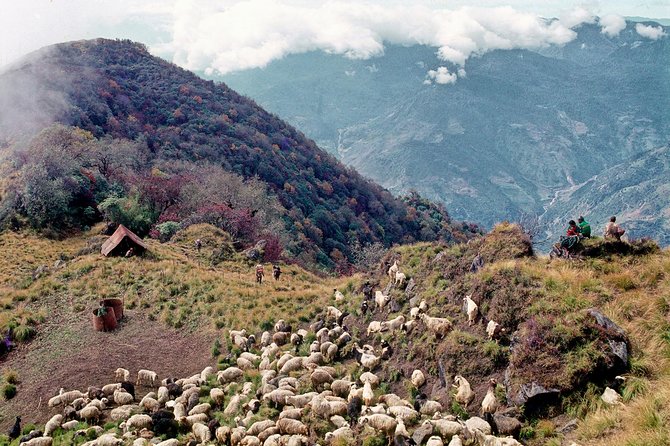
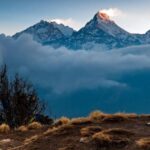
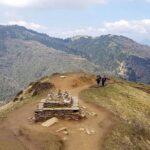
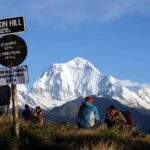
Pothana is the payoff point on this day because it’s described as a ridge location with great views of the Annapurna massif and Fishtail, plus other mountains. That matters because ridges tend to give you wider sightlines, and the schedule sets you up to enjoy the views with daylight on your side.
You also get the sense that the guide team isn’t just moving you forward—they’re timing the experience. Sunrise in the morning and ridge viewpoints later is a pattern that rewards getting through the day’s walking.
Day 3: early ridge time at Pothana, then down to Phedi and back to Pokhara
Day 3 starts with early time at Pothana. The focus is viewpoint time: Pothana is on a ridge and offers views of the Annapurna massif, Fishtail, and other mountains, so it’s built to feel like a natural final highlight before you head out.
Then the trek begins toward Phedi. Along the way, you’ll pass through areas with good Himalayan views and lush green forests, which adds visual variety as you finish the loop. When you reach Phedi, the vehicle is waiting, and you drive back to Pokhara with drop-off at your hotel.
This is one of the biggest practical strengths of the itinerary. Many treks end with you walking until you’re done, then sorting the logistics afterward. Here, the final part is planned: walk to Phedi, then car back to Pokhara, so you’re not stuck negotiating transport after an intense few days.
The final “watch-out” is just mental: day 3 often feels deceptively short on paper, but you’ll still be walking from ridge to trail end. The upside is that the vehicle pickup removes the stress of ending with uncertainty.
Price and value: what $330 covers (and what you’ll pay for yourself)
At $330 per person, the value is mostly in what’s already packaged. Your itinerary includes private vehicle transfers from Pokhara to Nayapul and from Phedi back to Pokhara. It also includes accommodation during the trek at guest houses/lodges, plus all meals during the trekking days (breakfast, lunch, and dinner).
On top of that, you’re paying for local support. You’ll have an English-speaking trekking guide and necessary porters, with the porter-to-trekker ratio listed as 1 porter for 2 trekkers. That isn’t just comfort—it’s a big help for keeping the trekking days manageable when you’re hiking with altitude-related fatigue and carrying your own essentials.
Permits and fees are also covered: TIMS card fees and the ACAP Trek permit, plus government taxes, VAT, and office service charges. The trek’s paper trail is handled for you, as long as you bring the required photos (see FAQ).
What’s not included is clear and mostly predictable for Nepal treks. Personal expenses like phone calls and laundry are on you, and drinks are not included (including tea/coffee, bottled water, and other beverages). Tips are expected but not mandatory, which means you’ll still want to budget something for your guide and porter if you feel the service was worth it.
Logistics that make the trek feel smoother: private group, mobile ticket, and pre-booked stays
This is a private tour/activity, meaning only your group participates. That matters because your day timing stays consistent, and you avoid the common friction of being blended into a larger group pace.
You also get pickup offered and a mobile ticket, which usually makes the start day less chaotic. And since lodge stays and meals are handled as part of the plan, you’re less likely to spend your travel hours hunting for the next meal stop or worrying whether a guest house is full.
For a short trek, smooth logistics are the difference between feeling like a real adventure and feeling like a complicated schedule. Here, you get enough structure to focus on the walking, the views, and the villages.
Your guide and porter team: real support on a short trek
One of the most praised parts of this experience is the team behind it. In an example from the trek’s service history, the guide was Ramesh and the porter was Bhattabaikuntha, and the pair was specifically described as friendly, helpful, and safety-minded—exactly what you want when you’re compressing a classic region into only 3 days.
Even without naming names, the key element is the setup: an experienced English-speaking trekking guide, plus porters with a stated ratio. For you, that translates to less time second-guessing the route and more confidence dealing with day-to-day trekking realities.
There’s also an emotional value that often gets ignored in trek math. When your team feels approachable and organized, the trail stops becoming a test and starts feeling like a shared experience.
What this trek feels like on the ground: villages, ridges, and named peaks
This route isn’t only about walking uphill to one big summit moment. It’s about shifting viewpoint and scene type.
- Ghandruk gives you a village setting plus a museum stop and named mountain sightlines like Annapurna South and Machhapuchhare (Fishtail).
- Landruk and Deurali add the in-between rhythm—paddy fields, village paths, and ridge transitions.
- Pothana brings you back to a mountain-centered finale, with ridge views described for the Annapurna massif and Fishtail.
- Phedi closes the loop with the practical ending: reach the trail end and get in the vehicle.
If you like seeing life in the mountains rather than only taking pictures of peaks, this mix works well. You’ll have a steady flow of village experiences paired with viewpoint goals.
Who should book the 3-day Ghandruk Loop (and who should skip it)
This is a strong fit if you want the Annapurna region without turning the trip into a month-long commitment. The itinerary is also described as suitable for most travelers, which usually means it’s designed for broad participation.
You’ll likely enjoy it most if you want:
- guided assistance with route confidence
- pre-arranged lodges and meals
- a manageable trek length with a clear start and finish in Pokhara
You might consider skipping it if you want a lot of free time to wander independently or if your ideal hike is slow and flexible with long breaks. This schedule includes sunrise timing and defined trekking segments, so you’ll follow the trek plan.
A quick practical note on timing and photos
The trek uses TIMS and permit requirements, so plan to bring two passport size photos for the TIMS and permit. The tour confirmation happens at booking time, and you’ll receive what you need to proceed.
Also, keep in mind the overall cancellation window: full refund is available if you cancel up to 6 days in advance of the experience start time, with smaller refund amounts closer to departure. If your plans are still forming, this is worth watching.
Should you book this Ghandruk Loop trek from Pokhara?
I’d book it if your goal is an efficient Annapurna taste: classic scenery, Gurung village culture, and a guided plan that handles meals, lodges, permits, and transport. At $330, the value is strongest when you like convenience and you want a short trek that still feels like it hits the highlights.
I’d hesitate if you want total flexibility, because the sunrise and walking schedule are part of the package. If you’re the type who wants to linger with no timetable, you may feel constrained.
If you fall into the first group—short on time, excited about Annapurna views, and happy to let a guide team do the route and logistics—this is a smart way to turn Pokhara into a real trekking story.
FAQ
What is included in the 3-day trek package?
The package includes private vehicle transfers (Pokhara to Nayapul and Phedi back to Pokhara), accommodation at guest houses/lodges during the trek, and meals (breakfast, lunch, and dinner) during the trekking days. It also includes an English-speaking trekking guide, porters (1 porter for 2 trekkers), TIMS card fees, ACAP Trek permit, and all government taxes/VAT/office service charges.
Where does the trek start and where does it end?
You’re picked up from your hotel in Pokhara and driven to Nayapul, where the trek starts. The trek ends at Phedi, where your vehicle is waiting to drive you back to Pokhara for hotel drop-off.
Do I need permits, and are they included?
Yes. TIMS card fees are included, and the ACAP Trek permit is included as well. You do need to bring photos for the TIMS and permit.
How many photos do I need to bring?
You should bring 2 passport size photos for the TIMS & permit.
Are drinks included with meals?
No. Any kind of drinks are not included, including tea/coffee, hot chocolate, boiled water, bottled water, and other beverages.
Is tipping mandatory?
Tipping for the guide and porters is expected but not mandatory. If you feel the service was good, you may want to budget some amount for tips.