REVIEW · CHIANG MAI
Chiang Mai: Jungle Trek, Elephants care & Bamboo Rafting
Book on GetYourGuide →Operated by Trips Chiang Mai · Bookable on GetYourGuide
Knee-deep jungle days can be worth it. This one strings together jungle trekking, a Karen Hill Tribe village visit, a possible waterfall swim, and finishing with bamboo rafting on a calm river. It’s the kind of day that makes Chiang Mai feel less like a city and more like a living outdoor world.
What I like most is the mix: you’re not just walking—you stop at a local market, then hike through rice fields and rainforest, and finally cool down on the water. You also get an English-speaking guide and a packed lunch, so you’re not spending the day hunting for food or translating everything by hand.
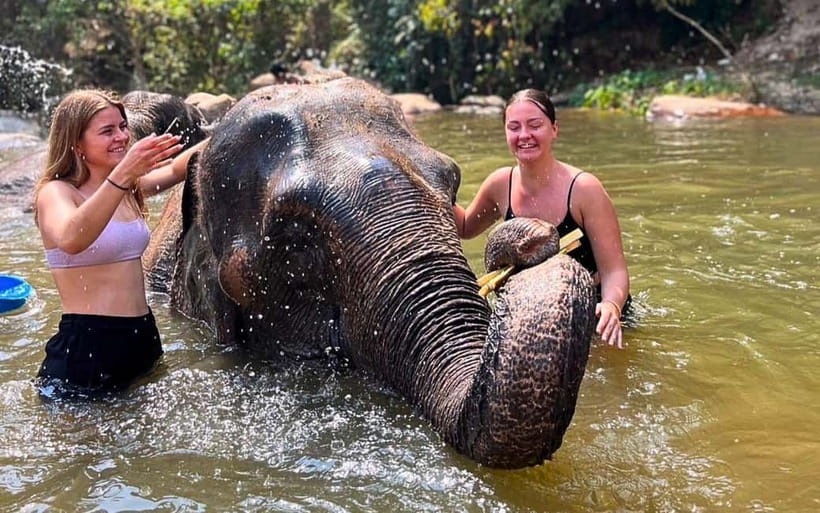
One thing to consider: the tour title may mention elephant care, but the day plan and included items here focus on trekking, Karen village, waterfall time, and bamboo rafting. If elephants are a must-have, confirm what’s actually included before you book.
In This Review
- Key things to know before you go
- How the day runs in Chiang Mai: pickup, market stops, and the big pacing shift
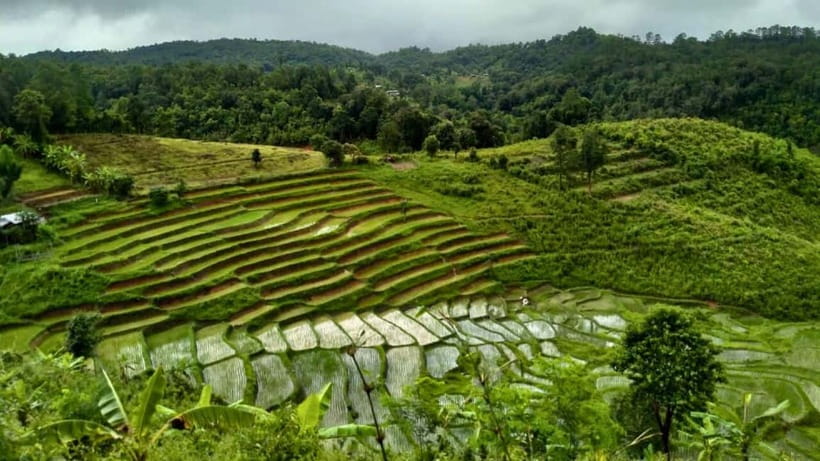
- Jungle trekking in Mae Win and rice fields: what you’re really signing up for
- Waterfall time: swim optional, but bring what you need
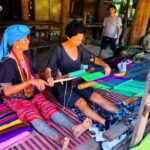
- Karen Hill Tribe village visit: learn the traditions, not just take photos
- Bamboo rafting on the jungle river: the day’s calm payoff
- What to do if rafting gets canceled
- Market, Mae Wang district, and photo stops: the small moments that make the day feel real
- Price and value: is $54 for a full day outdoors a fair deal?
- What to bring (and what not to forget) for a day that mixes heat and wet spots
- Bring
- Plan for restrictions
- Who this Chiang Mai jungle trek fits best (and who might feel out of place)
- Should you book? My practical take
- FAQ
- How long is the Chiang Mai jungle trek and bamboo rafting tour?
- What time does pickup start?
- Do I get an English-speaking guide?
- Is lunch included?
- How long is the bamboo rafting?
- Can bamboo rafting be canceled?
- How long is the jungle trekking?
- Will I definitely be able to swim at the waterfall?
- What should I bring for this tour?
- Who should not book this tour?
- Is elephant care included?
Key things to know before you go
- Hotel pickup in Chiang Mai city center with a stated pickup window (08:15–08:45 AM)
- Rain-dependent bamboo rafting during the rainy season if water levels are unsafe
- Karen Hill Tribe village + rice farming context, with guided time and lunch
- Waterfall swim is group-decided, so bring swimwear even if you might not get in
- 2–5 hours trekking depending on group pace and the day’s trail conditions
- Active-but-manageable pacing for a one-day outdoor program, with two trekking segments
How the day runs in Chiang Mai: pickup, market stops, and the big pacing shift
This is set up like a full “country day” from morning to evening, with you leaving the city and spending most of the time outside. Pickup runs from 08:15 to 08:45 AM, then you head out by van with scenic drives that gradually swap buildings for hillside and farmland.
You’ll start with a short leg-stretch break at a local stop along the way—think coffee, quick restroom, and grabbing anything you forgot. After that, the van ride continues for about 50 minutes through mountain roads, and then you hit a local market for roughly 20 minutes. This isn’t a museum-style stop. It’s meant to show how ingredients and seasonal fruit get picked up for the day.
What matters here is pacing. After the market, the schedule shifts from “ride and glance” to “hike and do.” By the time you reach the Mae Wang / Mae Win area, your day becomes physical—plus there’s water involved later, either from the waterfall swim or the rafting.
Also: this runs with an English-speaking guide, but you should still expect basic group logistics to move fast. If you prefer slow, detailed explanations at each step, you’ll want to ask questions early and often.
You can also read our reviews of more tours and experiences in Chiang Mai.

Jungle trekking in Mae Win and rice fields: what you’re really signing up for
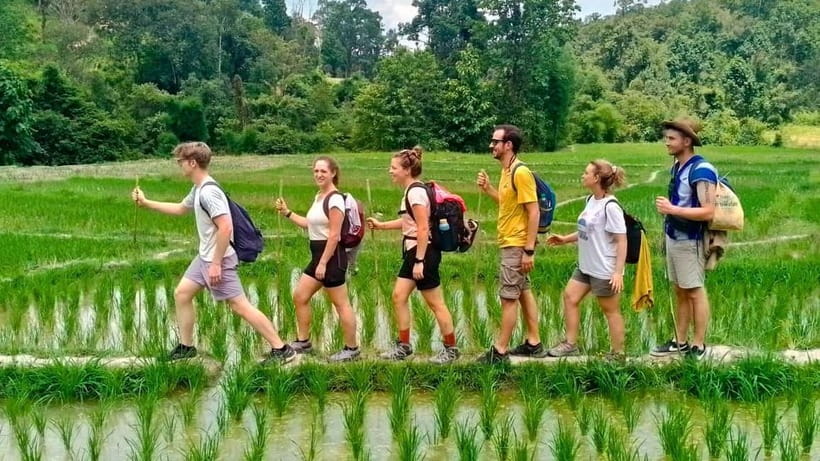
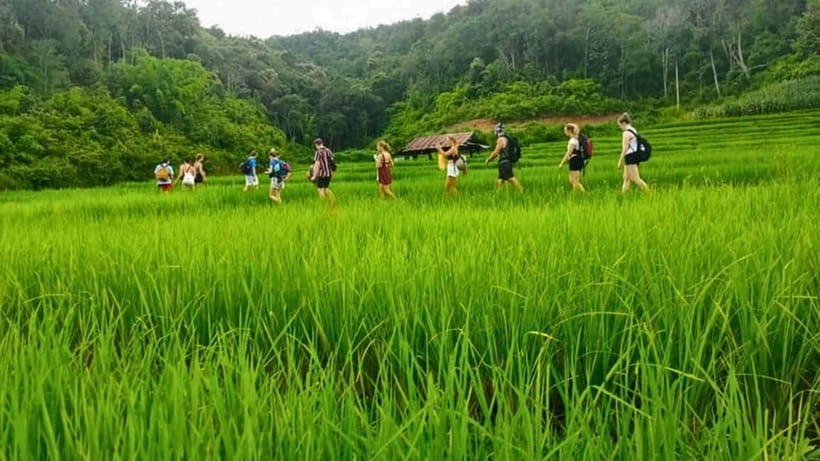
The main workout part is a guided hike through rainforest and scenic areas that can include rice fields and downhill trails. The stated trekking time is 2.5 hours, with a second trekking segment described as around 2 hours later in the day. Real-world timing can shift based on the group’s pace, and the tour notes that trekking can range from 2 to 5 hours overall.
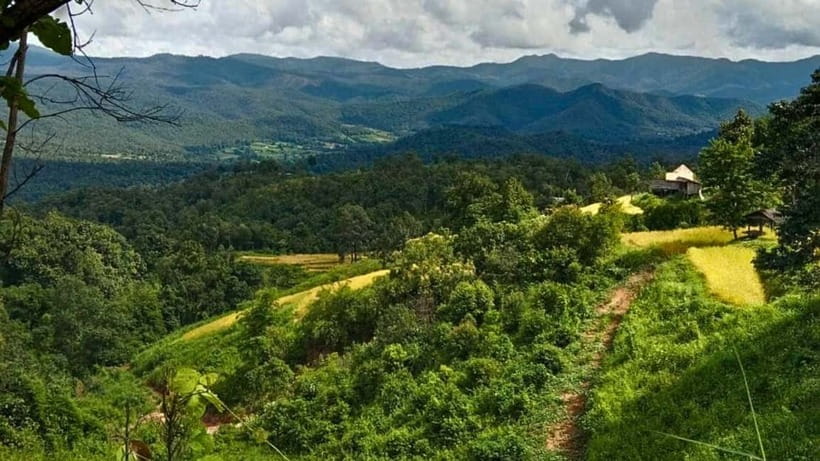
What makes this part worth it is the mix of environments. You’re not just in one kind of greenery. You move between lush jungle paths and open agricultural views where the rice farming becomes part of the story—not just a scenic background.
Expect your guide to point out local plants and talk about wildlife (at least at a general level). You’ll also learn about the role of agriculture in Karen culture, including rice farming as something tied to daily life and tradition. That kind of context turns a hike from exercise into understanding.
One practical note: the time outdoors starts early in the day and you’ll likely get hot. The tour asks you to bring both sunscreen and a jacket/rain gear. That’s not overkill. Even in Chiang Mai, weather can change, and rain can turn trails slick.
Waterfall time: swim optional, but bring what you need
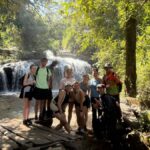
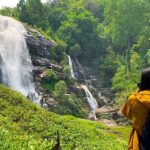
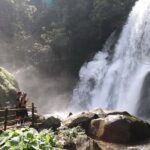
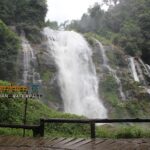
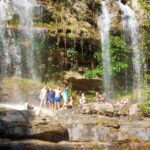
At the waterfall, you cool off and then you’ll eat packed lunch in the serene surroundings. Swimming at the waterfall is decided by group majority—so you can’t count on a guaranteed swim.
Still, you’re smart to pack for it:
- Swimwear
- Water shoes (especially helpful on slippery or rocky spots)
- A change of clothes
If the group decides not to swim, you’ll still get the waterfall stop and lunch, but you’ll want dry clothes after. This is one of those moments where preparation pays off.
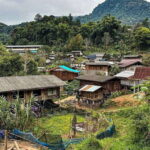
Karen Hill Tribe village visit: learn the traditions, not just take photos
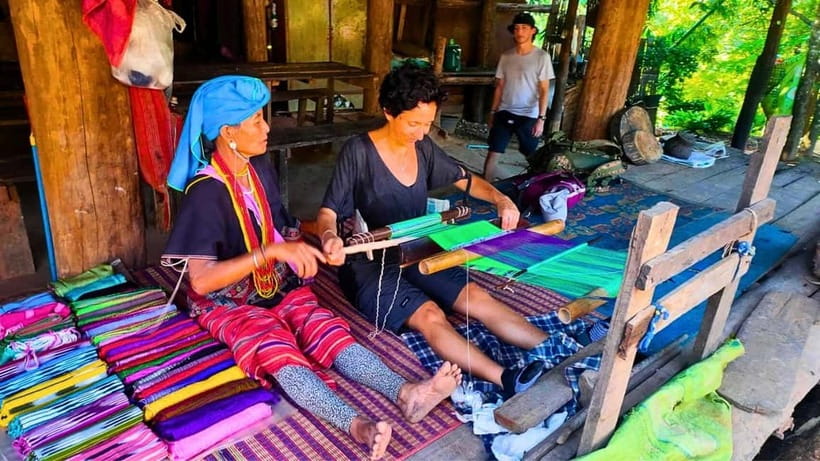
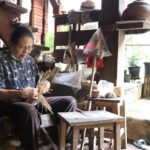
The Karen Hill Tribe Village segment is built to be more than a photo stop. You’ll have guided time, walking/hiking elements, and then free time mixed into the visit. There’s also time that includes lunch and sightseeing, depending on how the day’s flow lands.
The tour’s promise here is cultural learning—especially around traditions tied to agriculture and daily life. In practice, that usually means questions and answers with your guide and some time observing how people live and organize community activities.
I like that the itinerary explicitly ties the Karen story to rice farming. Too many rural stops are just “look and move on.” Here, the goal is to help you connect what you see on the trail (fields, farming rhythms, plant use) to the culture you meet.
What to watch: this kind of visit works best when you keep your expectations respectful and simple. You don’t need to turn it into a classroom. Just listen, ask, and be mindful with cameras—especially when you’re mixing photo time with walking and lunch.
Bamboo rafting on the jungle river: the day’s calm payoff
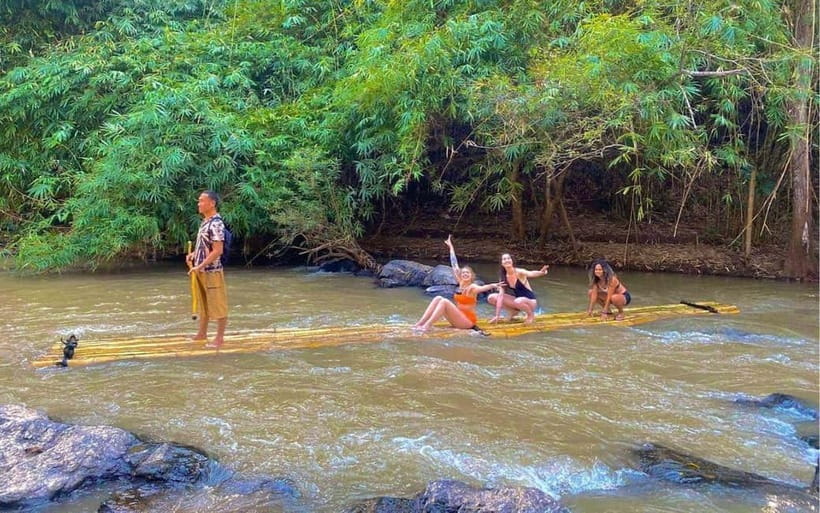
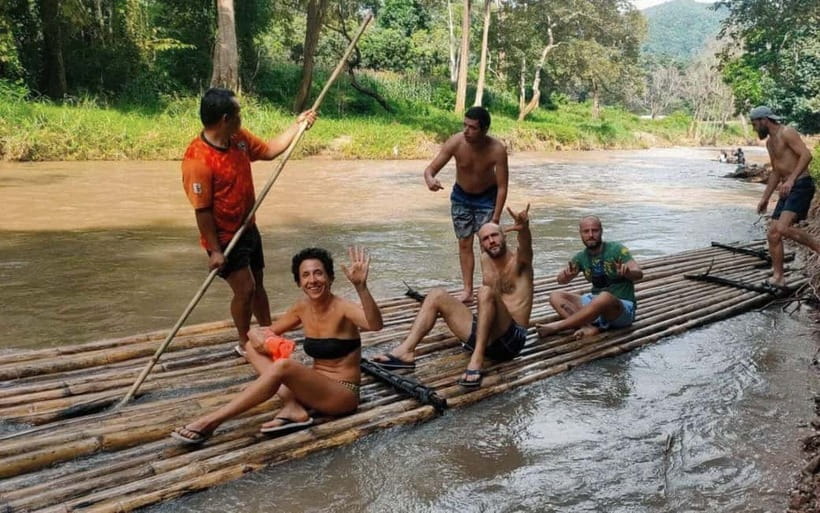
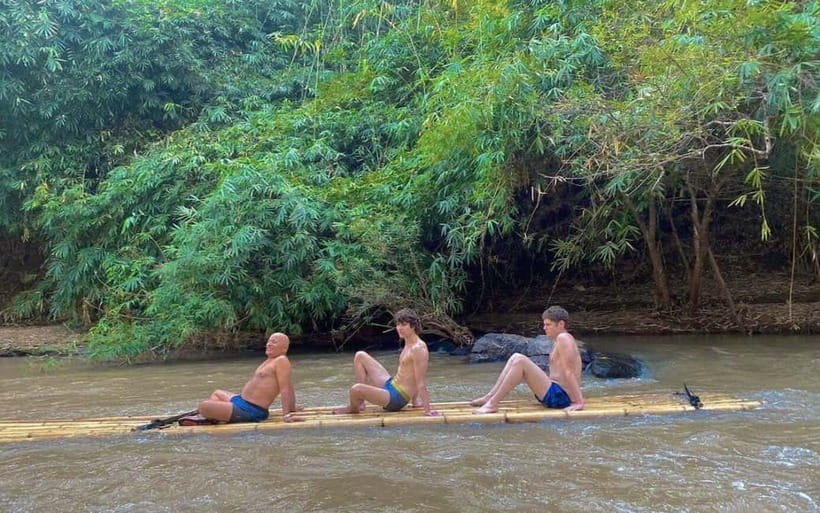
After all the walking, you’ll get around one hour of bamboo rafting along a peaceful jungle river. This is typically the part people remember because it feels different from hiking: slower, cooler, and more about being in the moment than keeping up.
But there’s one big planning reality: rafting is weather dependent. During the rainy season, bamboo rafting may be canceled if national park water levels are considered unsafe. That means you should treat bamboo rafting as a key highlight—but not a guaranteed one if Chiang Mai weather turns.
If rafting does run, you’ll be on a traditional bamboo raft and gliding along the river. It’s a great contrast to the trail—your body gets a break, and you get a new set of views from the water.

What to do if rafting gets canceled
If the water plan changes, don’t panic. You’ll still have the trek and village/waterfall pieces, which are the other major blocks of the day. Still, if rafting is your top priority, check your travel timing. Choosing a day with better weather increases the odds it happens.
Market, Mae Wang district, and photo stops: the small moments that make the day feel real
Between the pickup and the jungle sections, you get a few stops that add texture without adding much fatigue.
There’s a Mae Wang District stop of about 20 minutes that includes visiting, shopping, and a walk. There are also shorter photo stop / visit / guided tour moments along the route (including around the Mae Win area). These are quick, but they help break up the long day.
The local market stop is especially useful because it’s where your guide picks up fresh ingredients and seasonal fruit for the group. You’re not just passing by. You’re seeing how the day’s food gets built.
If you’re the type who likes understanding how Thailand works day-to-day, these stops are a win. If you’re mainly focused on hiking and rafting, you may treat them as “okay, cool, next” and move on.
Price and value: is $54 for a full day outdoors a fair deal?
At $54 per person for a one-day program, the value depends on two things: how much you’ll enjoy the outdoors, and whether the “highlight package” stays intact.
Here’s what you do get included:
- Roundtrip hotel pickup and drop-off
- English-speaking guide
- Bamboo rafting
- Packed lunch
That’s a solid bundle for a day that’s effectively moving you between countryside zones. Pickup and drop-off in Chiang Mai city center alone saves time and hassle versus arranging everything yourself.
The value gets weaker only if one of the major outdoor pieces doesn’t run (especially bamboo rafting in rainy conditions) or if you arrive expecting something not clearly covered in the plan. Also, the tour title mentions elephants care, but the provided itinerary and included list don’t show elephants. If elephants are part of your travel goal, confirm the elephant component in writing before booking—don’t rely on the wording of the title.
What to bring (and what not to forget) for a day that mixes heat and wet spots
This tour is hands-on: hiking, a waterfall area, and rafting. The best packing approach is simple—cover your bases.
Bring
- Sunglasses and a sun hat (you’ll be outdoors for hours)
- Swimwear and a change of clothes
- Hiking shoes plus water shoes (or at least something that can get wet)
- Sunscreen, insect repellent, and a long-sleeved shirt
- Rain gear and a jacket (weather can shift fast)
- Comfortable clothes you can hike in
- Waterproof bag and tissues/hand sanitizer
- Personal medication
The guide will be running the day, but you’re still responsible for your comfort. The difference between a fun wet day and an annoying one is often footwear and having dry clothes ready.
Plan for restrictions
This tour does not allow pets, and it’s not suitable for wheelchair users. It also notes that it’s not suitable for pregnant women. If you’re traveling with mobility concerns, you’ll want to look for a different kind of Chiang Mai tour.
Who this Chiang Mai jungle trek fits best (and who might feel out of place)
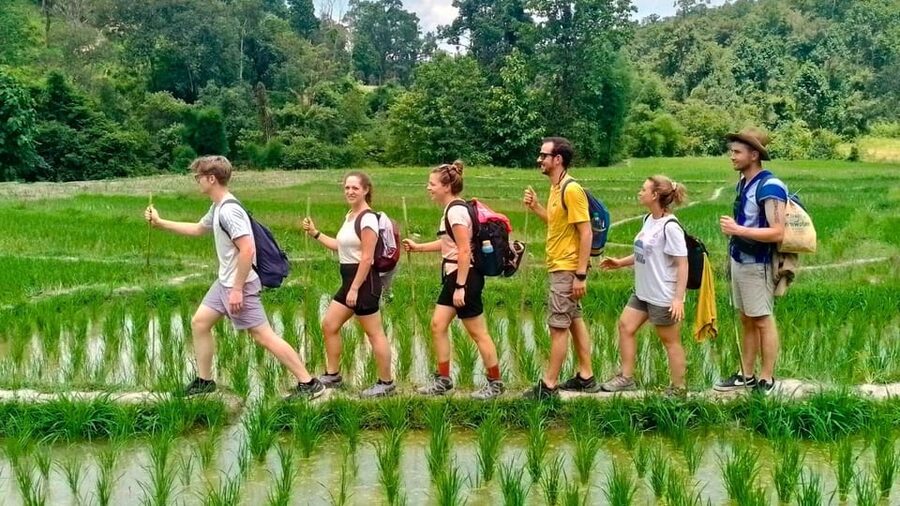
This is a good match if you want a countryside day with a clear structure: transport out of town, then guided nature + culture, then water fun at the end. It’s also a good fit for travelers who like guided explanations but don’t need a museum-style experience.
It may not be the best fit if you:
- Don’t do well with active hiking (you’ll do 2–5 hours total trekking depending on the day)
- Get grumpy in the heat without breaks
- Need guaranteed waterfall swimming or guaranteed rafting (both can vary by group choice and weather)
The tour is suitable for children age 4 and above, which suggests the trekking is intended to be manageable with the right pace. If you’re bringing kids, the biggest practical help is good shoes, bug protection, and snacks/water routines that match your child’s needs.
Should you book? My practical take
Book this tour if you want a classic Chiang Mai “outside day” with jungle trekking, cultural time in a Karen Hill Tribe village, and the chance for a waterfall swim plus bamboo rafting. The price feels reasonable because pickup, guide, lunch, and the rafting block are bundled together.
Don’t book (or at least confirm first) if you’re specifically booking for elephant care. The tour title includes elephants, but the provided itinerary and included items here don’t list elephants. If that’s your must-do, ask the operator to confirm exactly what you’ll see and what’s included before you pay.
FAQ
How long is the Chiang Mai jungle trek and bamboo rafting tour?
It’s listed as a one-day experience, with pickup in the morning and return to Chiang Mai city center around 05:30–06:00 PM.
What time does pickup start?
Hotel pickup is scheduled in the 08:15–08:45 AM window, depending on your hotel location.
Do I get an English-speaking guide?
Yes. The tour includes an experienced English-speaking guide.
Is lunch included?
Yes. You’ll have a packed lunch during the day.
How long is the bamboo rafting?
Bamboo rafting is listed as about 1 hour.
Can bamboo rafting be canceled?
Yes. The tour notes bamboo rafting may be canceled during the rainy season if the national park considers water levels unsafe.
How long is the jungle trekking?
The trekking portion is described as 2.5 hours, and the full trek time can range from 2 to 5 hours depending on group pace.
Will I definitely be able to swim at the waterfall?
Swimming is decided by group majority. If most people agree, swimming will be included.
What should I bring for this tour?
Bring sunglasses, a sun hat, swimwear, a change of clothes, hiking shoes, sunscreen, rain gear, insect repellent, water shoes, and a waterproof bag (plus any personal medication).
Who should not book this tour?
It’s listed as not suitable for pregnant women and wheelchair users.
Is elephant care included?
The included items listed are pickup/drop-off, an English-speaking guide, bamboo rafting, and a packed lunch. Elephant care isn’t shown in the included items or the day plan provided here, so if elephants are a priority, you should confirm with the operator directly.