REVIEW · CHIANG MAI
Chiang Mai: 2-Days Chiang Mai Amazing Trek
Book on GetYourGuide →Operated by Thai Eco Trek Adventures · Bookable on GetYourGuide
Two days, and Chiang Mai slows down. This tour weaves together temples, forest trekking, and a Karen hill tribe overnight, ending with a relaxing bamboo raft float through jungle scenery. It’s a great way to see more than just the city lights, without turning your trip into a full-time logistics job.
I especially love two moments: the wide-open views and Lanna-style details at Doi Suthep Temple, and the quieter, nature-framed feeling at Wat Pha Lat. I also liked how guides (including Pun and later Top) made the walk practical and fun, connecting what you see—plants, birds, and everyday life—to what you’re doing next.
The main catch is comfort. The hill tribe village stay is basic, and you’ll want to bring a small personal kit because comforts you expect at home may not be there. And since you’re on mountain trails, good shoes matter more than you think.
In This Review
- Key highlights you’ll actually feel
- Temples first: Doi Suthep and Wat Pha Lat in one rhythm
- A countryside market stop that keeps it local
- The forest trek you can actually picture
- Karen hill tribe homestay: the part that changes the trip
- Day 2: waterfall stops, streams, and herbal medicine lessons
- Bamboo rafting: the gentle ending you didn’t know you needed
- Price and value: what $108 buys you in real terms
- Who this trip suits best (and who should be cautious)
- What to pack so the trek feels good, not miserable
- Should you book this 2-Day Chiang Mai Amazing Trek?
- FAQ
- How much does the 2-day Chiang Mai eco trek cost?
- Where does the tour take place?
- How long is the experience?
- What’s included in the price?
- Is the trek physically demanding?
- What should I bring?
- What is the overnight accommodation like?
- Is the tour guided in English?
Key highlights you’ll actually feel
- Doi Suthep Temple: big views plus Lanna architecture when you’re already in mountain air
- Wat Pha Lat: a calmer temple stop with a peaceful, forest setting
- Hill tribe homestay dinner: a real sit-down meal with your host family
- Riverside and waterfall trekking: forest paths with terraced farmland and jungle water moments
- Herbal medicine and biodiversity lessons: short, guide-led explanations as you walk
- Traditional bamboo rafting: a gentle end to the trip with wildlife chances
Temples first: Doi Suthep and Wat Pha Lat in one rhythm
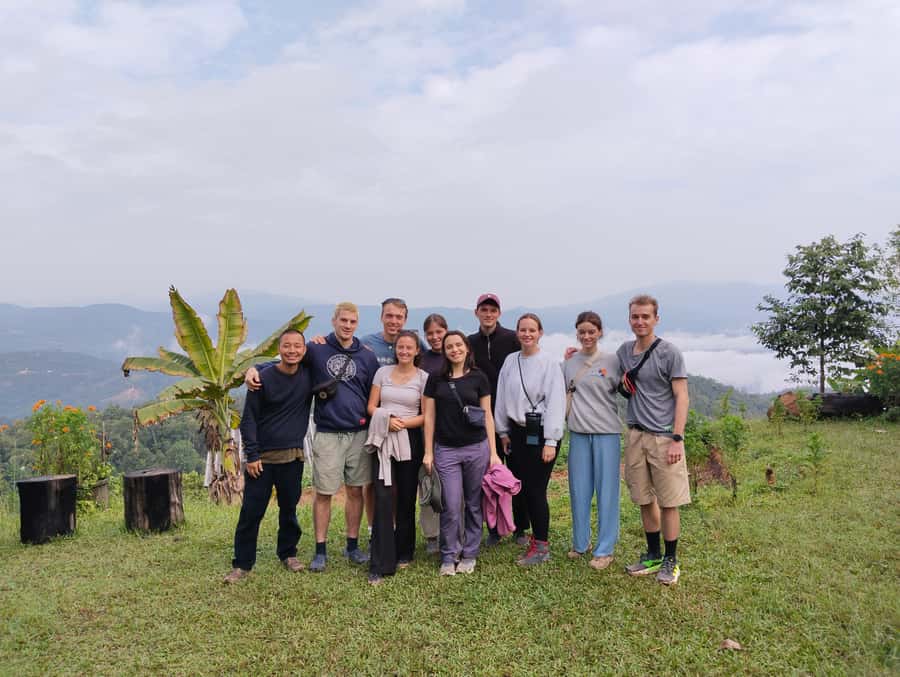
This tour starts by driving up the mountain area so you can begin in the right mood: cooler air, a slow climb, and the sense that the day has a purpose beyond sightseeing. You’ll visit two temples that feel like bookends.
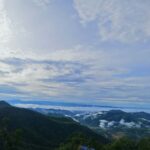
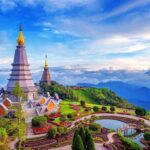
At Doi Suthep Temple, you’re going for views and spiritual atmosphere. The setting is high and open, so the temple is more than a photo stop. You’ll get sweeping panoramas that help you understand why Chiang Mai’s hills and forests are tied to local beliefs and daily life. The architecture and sacred vibe are part of the experience, but the payoff is that it makes the rest of the day feel connected, not random.
Then comes Wat Pha Lat, the quieter counterpart. This one sits in a more peaceful, natural setting, so the experience feels different even if you’ve seen a lot of temples in Thailand. You’ll have a chance to slow down and enjoy the calm energy of a lesser-known retreat.
Practical thought: if you’re the kind of traveler who gets temple-fatigue after too many stops, this pairing works well because they don’t feel like copies of each other. You get the iconic highlight, then the breath of quiet.
You can also read our reviews of more tours and experiences in Chiang Mai.

A countryside market stop that keeps it local
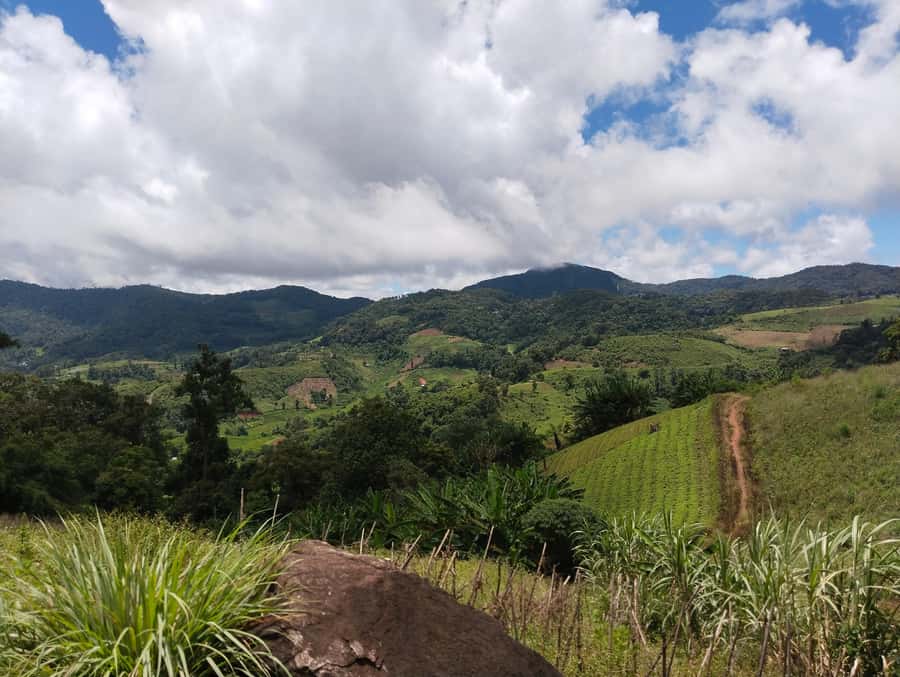
Between temple time and trekking time, you’ll visit a countryside market and taste something simple and typical. This isn’t about buying souvenirs. It’s more about watching daily rhythms—how people shop, snack, and move through the day.
There’s also time for a Thai snack sample, and then you’ll eat a fresh seasonal lunch at a local restaurant. I like this approach because it breaks up the morning and stops the day from feeling like a checklist. Food here also acts like a reset for your energy before the walking starts.
Tip I’d follow: if you’re sensitive to spicy food, say so at lunch. You want your stomach happy for the trails and the next morning trek.
The forest trek you can actually picture
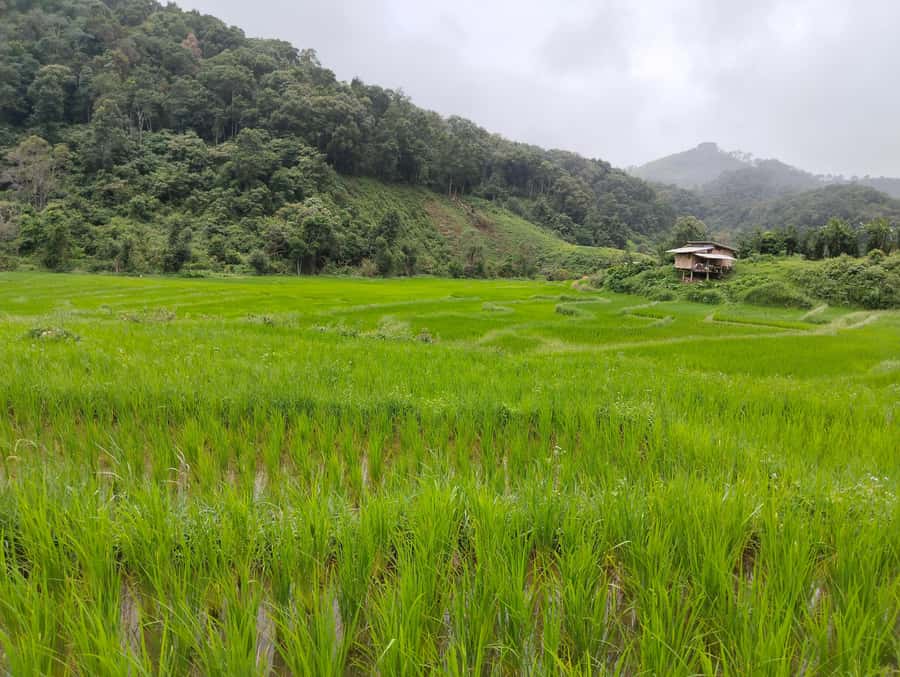
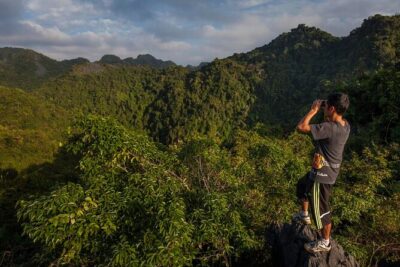
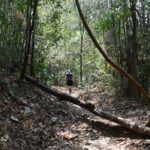
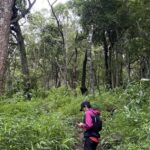
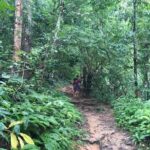
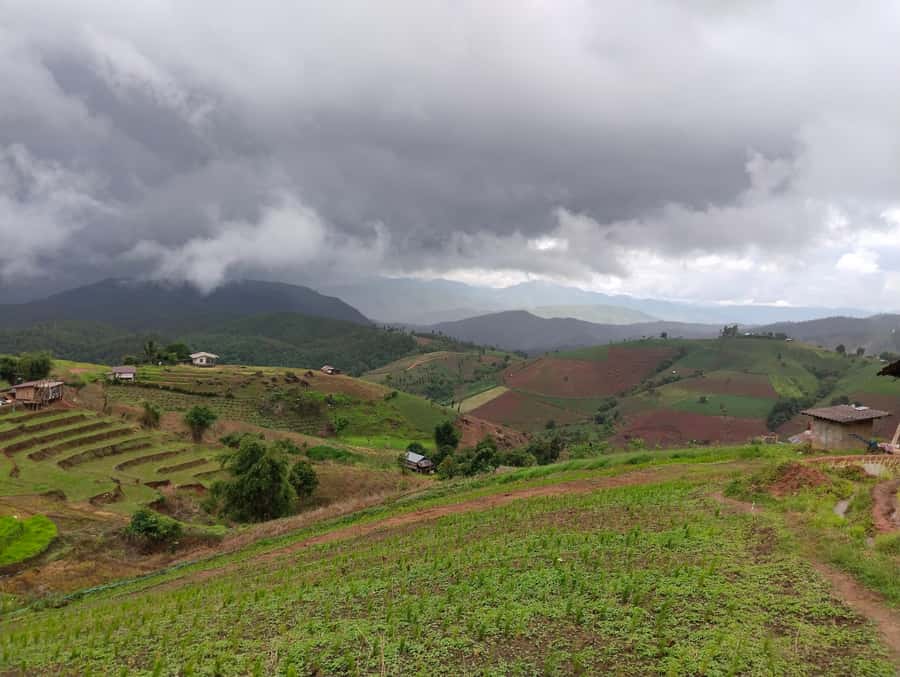
Once the trekking begins, the day turns into something more tactile. You follow guided routes through lush forest areas, using riverside trails as natural guides. Expect a mix of walking and stopping—enough movement to feel like an adventure, without the sense that you’re being marched through scenery.
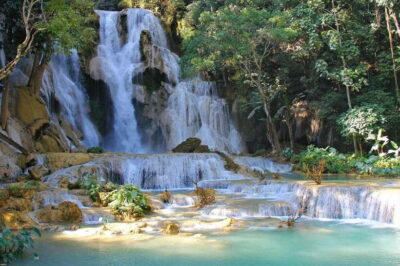
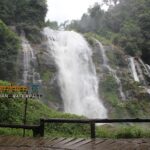
Along the way, you’ll reach a hidden jungle waterfall. It’s not just a scenic pause. It’s a chance to see how water shapes the whole area: the vegetation, the cooler patches, and the way the path changes around it.
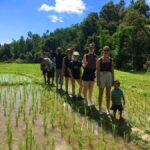
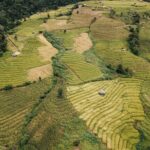
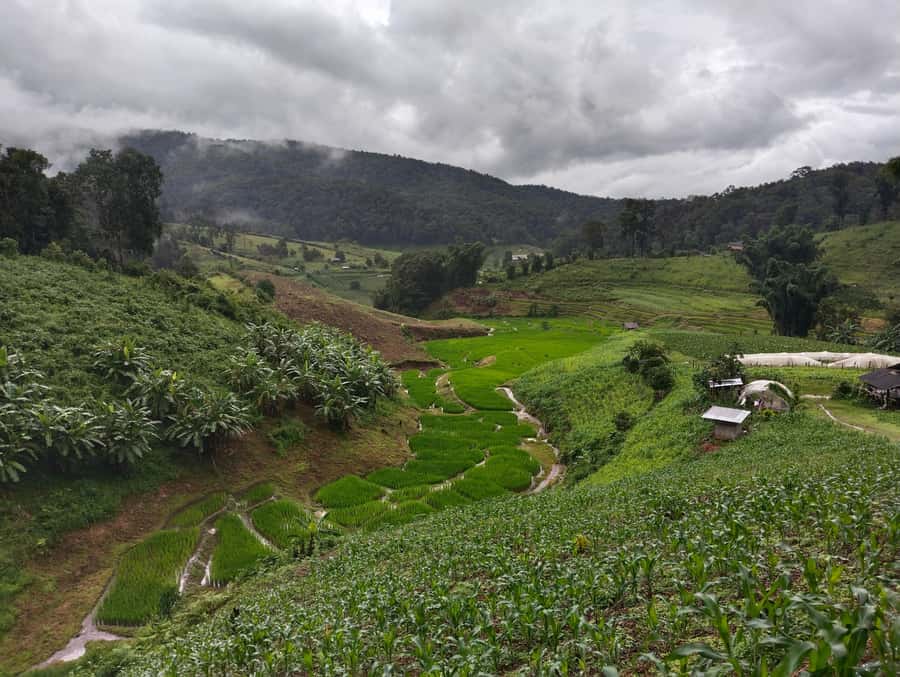
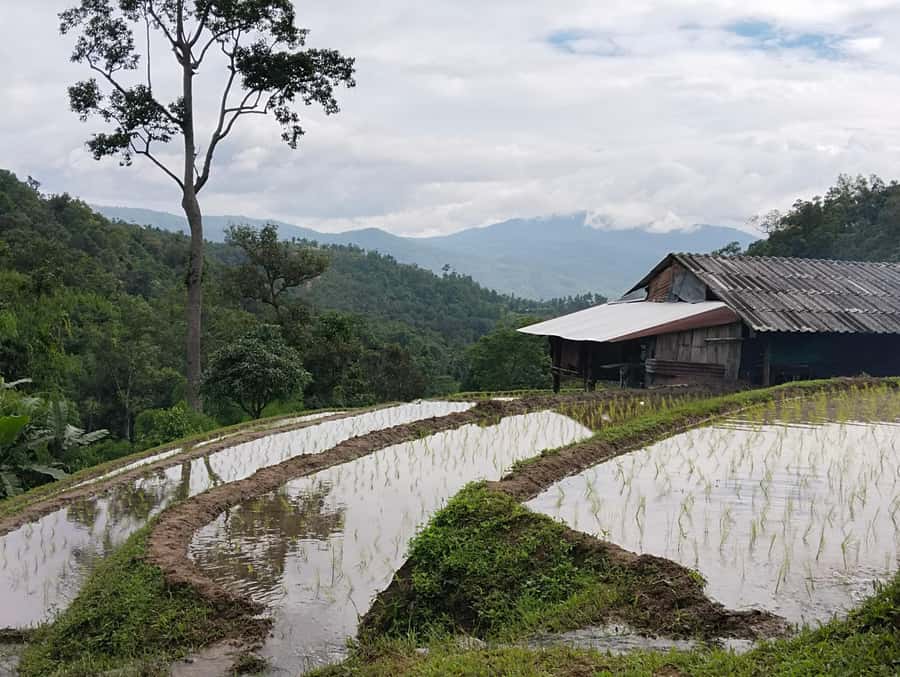
You’ll also see terraced farmland and learn about sustainable practices and local ecosystems from your guide. That’s the value of doing this with a live guide. It helps you connect what looks pretty (terraces, plants, stream bends) to why locals care for the land the way they do.
Physical reality check: the trek involves moderate physical activity. It’s not described as technical climbing, but you are still on mountain paths. If rain is in the air, expect slick ground and plan for slower steps.
What to do before you go: break in your shoes. Don’t rely on brand-new sandals for this kind of walking. Your feet will thank you.
Karen hill tribe homestay: the part that changes the trip
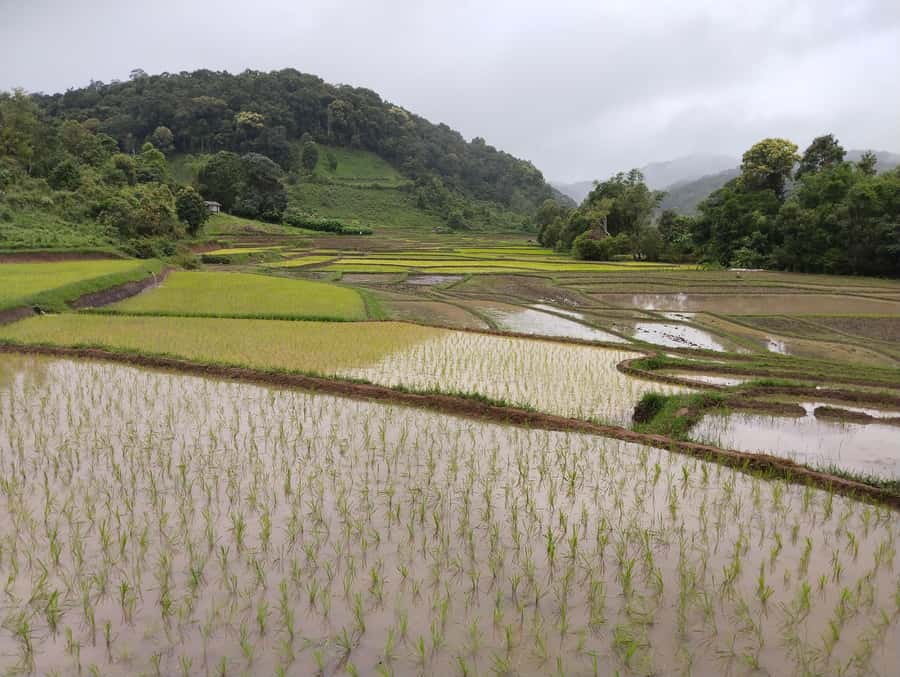
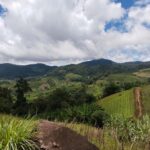
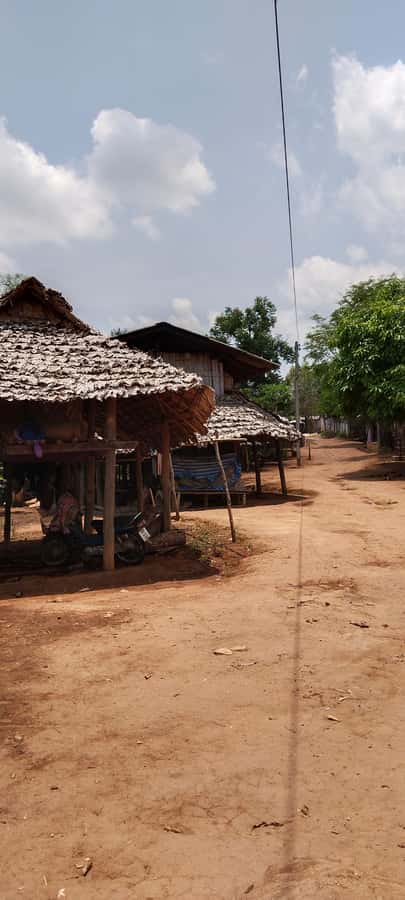
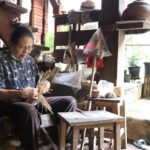
The overnight is where this tour becomes more than just nature sightseeing. You arrive in a Karen hill tribe village surrounded by mountains, meet the people, and share the day’s quiet energy with your hosts.
You’ll enjoy a home-cooked dinner with your host family. This is one of the most memorable parts because it slows everything down. You’re not rushing to a next landmark; you’re sharing a meal and learning how hosts live day to day. In at least one stay, you were in a small private dwelling with a bathroom and a mosquito net provided, which made the night more comfortable than you might expect.
Now the honest bit: accommodation is basic. That means it’s not a hotel setup. So bring a small comfort kit, including items like soap, a towel, and toilet paper if you have them. It’s also smart to pack simple essentials for overnight hygiene so you’re not improvising in the dark.
Sleeping under the stars is a big part of the appeal. Just don’t assume your surroundings will be silent or perfectly controlled. In hill environments, nights can come with insects and sounds, so insect repellent and comfortable clothes really help.
Day 2: waterfall stops, streams, and herbal medicine lessons
Day two starts with a homemade breakfast with your host family. This matters because it keeps the experience human-scale. You’re not eating something bland and fast before your next activity—you’re part of the rhythm of the village morning.
Then it’s back into the forest for more off-the-beaten-track walking. You’ll follow winding trails, cross small streams, and visit waterfalls again as you continue deeper on your route. Even if day one already impressed you, day two tends to feel different because you’re moving with a fresh energy and the guide can point out new patterns in the terrain.
One of the neat parts here is the learning component. As you walk, you’ll learn about herbal medicine and the region’s biodiversity. This isn’t a classroom lecture. It’s tied to what you can see around you, which makes it easier to remember.
You’ll also stop for lunch in a relaxed setting before the final activity. This keeps your day from turning into a nonstop grind. By the time you sit down to eat, you’ll notice how much trekking changes your appetite and your attention. It’s easier to appreciate simple food when you’ve earned it with movement.
Bamboo rafting: the gentle ending you didn’t know you needed
After two days of walking and waterfall sightings, the bamboo rafting feels like a reset. You float downriver on a traditional bamboo raft through serene jungle scenery, with a peaceful pace that helps your body recover.
This part is also where you may notice wildlife more easily. You’re not trudging through dense forest now—you’re gliding past it. The guide may help you spot local life along the way, and even when you don’t see much, the quiet atmosphere is still the point.
Practical note: wear clothes you don’t mind getting a bit damp. And keep your valuables secured. You want to enjoy the scenery without worrying about your phone the whole time.
Price and value: what $108 buys you in real terms
At $108 per person, this isn’t a cheap “just show up” trip—but it’s also not overpriced for what’s included. You get a live guide, hotel pick-up and drop-off, lunch on both days, dinner on day one, and breakfast on day two. You also get both key temple visits (Doi Suthep and Wat Pha Lat), the local market stop, the eco trekking experience, the hill tribe homestay, and the bamboo rafting activity.
So the real value isn’t one single thing. It’s the combination: transportation plus meals plus guided experiences plus the overnight cultural component. If you tried to build this yourself, you’d spend time lining up guides, coordinating the homestay, arranging rafting, and managing transportation around the trail days. This tour handles those pieces in one package.
Where value can dip for you: if you’re only interested in city attractions and don’t care about homestays or trekking, then paying for the full package may feel like extra.
Who this trip suits best (and who should be cautious)

This is a smart fit if you want a nature-and-culture mix and you like guided days that stay structured. It also works well if you enjoy learning while you move, especially because your guide connects local plants, farming practices, herbal medicine, and biodiversity to what you’re seeing.
It’s also a good pick if you’re traveling with kids who can handle moderate walking. One family described the trek as doable for their children, with occasional waterfall stops breaking up the route.
Be cautious if:
- You hate walking on mountain trails, even when they’re described as moderate.
- You need hotel-level comfort at night, because the village accommodation is basic.
- You’re not okay with insects and the outdoors as part of the deal. Bring repellent and expect nature to be present.
If you’re in good health and you pack thoughtfully, you’ll likely find the structure keeps the day enjoyable rather than exhausting.
What to pack so the trek feels good, not miserable
The tour suggests a solid packing list, and I agree with the priorities. Bring:
- Comfortable shoes with grip
- A hat
- Sunscreen
- Water
- Comfortable clothes
- Camera (and plan for some damp conditions)
- Insect repellent
For the homestay night, add one more layer of preparedness:
- A small soap kit
- A towel
- Toilet paper (if you rely on it)
You’ll walk on mountain paths and then sleep in a village setting. Small items make a big difference when your options are limited.
Should you book this 2-Day Chiang Mai Amazing Trek?
I’d book it if you want a trip that feels lived-in: temples with real mountain context, forest trekking with waterfall moments, and a Karen hill tribe homestay that makes the cultural side more than a photo. The bamboo rafting ending is also a smart balance—quiet movement right after two active trekking days.
Don’t book if you’re only chasing city sights, or if basic overnight conditions would ruin your trip. This experience rewards people who can enjoy simple comfort and a bit of wild nature.
If you go with the right shoes, a small comfort kit for the night, and a flexible attitude toward mountain weather, this can be one of the most memorable ways to experience Chiang Mai Province in two days.
FAQ
How much does the 2-day Chiang Mai eco trek cost?
The price is $108 per person.
Where does the tour take place?
It takes place in Chiang Mai Province, Thailand.
How long is the experience?
It’s a 2-day tour.
What’s included in the price?
It includes hotel pick-up and drop-off, a live tour guide, lunches on both days, dinner on day one, breakfast on day two, bamboo rafting, eco trekking, visits to Doi Suthep Temple and Wat Pha Lat, a local market visit, and a hill tribe village homestay.
Is the trek physically demanding?
The trek involves moderate physical activity, and you’ll be walking on mountain trails.
What should I bring?
Bring comfortable shoes, a hat, sunscreen, water, comfortable clothes, a camera, and insect repellent.
What is the overnight accommodation like?
Accommodation is basic in the hill tribe village homestay.
Is the tour guided in English?
Yes, the tour language is English.