REVIEW · CHIANG MAI
Chiang Mai: Hmong Village, Doi Suthep and Wat Pha Lat Trek
Book on GetYourGuide →Operated by Chiang Mai Everywhere · Bookable on GetYourGuide
A day like this starts quietly, then suddenly opens wide. I like how this route strings together Wat Pa Lat and Doi Suthep in one outing, so you get both a calm forest temple and Chiang Mai’s big, iconic viewpoint. I also like the cultural stop at a traditional Hmong village, with time for photos, crafts, and coffee. The main drawback is simple: you are on your feet for trekking portions, so it is not a comfy sit-everywhere day.
You’ll feel the contrast all day: forest shade, temple steps, then a highland village above the clouds. Because the group is kept small (limited to 9), the pace is easier to manage than on larger bus tours, and the guide can adjust to what your group wants. Still, expect a moderate fitness level for the hiking segments, and plan for humidity and insects.
In This Review
- Key moments worth planning around
- Why Wat Pa Lat and Doi Suthep belong in the same day
- Hotel pickup and how the day actually starts
- Monk’s Trail to Wat Pa Lat: forest walking, not a theme park
- Doi Suthep-Pausing at the iconic temple and golden chedi
- Doi Suthep-Pui National Park: the reset between temples
- Hmong hill tribe village and coffee above the clouds
- Pace and fitness: what to expect from the hikes
- What to bring (and what you’ll thank yourself for later)
- Price and value: is $57 a good deal?
- Who should book this Chiang Mai temple and Hmong village tour
- Should you book this tour or plan your own day?
- FAQ
- FAQ
- How long is the tour, and what does it cover?
- What is the price for this experience?
- Where do you get picked up and dropped off?
- Is this tour a lot of hiking?
- Is the tour suitable for people with mobility issues?
- What’s included in the price?
- What should I bring for the day?
Key moments worth planning around
- Monk’s Trail forest walking that still feels like a pilgrimage route
- Wat Pa Lat Temple: a peaceful Lanna-era stop with meditation vibes
- Doi Suthep golden chedi and a serious panoramic view over Chiang Mai
- Doi Suthep-Pui National Park time to reset away from the road
- Hmong village visit with crafts, culture, and a coffee break
- Small-group pacing that can feel more personal than big-city day tours
Why Wat Pa Lat and Doi Suthep belong in the same day
Most Chiang Mai temple days are either all convenience or all sightseeing. This one does something smarter: it gives you a quiet morning temple that most people miss, then lifts you up to the headline attraction, Doi Suthep. That change in mood is the point. You go from forest stillness to wide open skyline views, without having to plan separate days.
And the best part is that it makes sense geographically and emotionally. Wat Pa Lat is approached on a serene path used by monks and locals for pilgrimage-style walking. Then you switch gears by car to Doi Suthep, where the temple grounds do what they are famous for: sweeping city views and a golden chedi holding sacred relics of the Buddha.
If you like Chiang Mai at street level, this day still delivers. You just get it from above.
You can also read our reviews of more tours and experiences in Chiang Mai.



Hotel pickup and how the day actually starts
Pickup is included from your hotel in Chiang Mai City, with options around the Old Town (and also Nimman). The key detail: you should be ready in the lobby about 10 minutes before your scheduled pickup time.
This matters more than you’d think. A 7-hour tour can feel tight if you are late getting organized. Once you’re in the car, you’ll move between temple areas, a national park stop, and the Hmong village without needing your own transport or navigation.
Group size is limited to 9 participants, and the tour uses small vehicles (sedan for 3 people, MPV for 4–5, and a van for 5–9). Translation: you’re less likely to feel like you’re trapped in a big bus day where everyone gets dumped off and picked up on someone else’s schedule.
Monk’s Trail to Wat Pa Lat: forest walking, not a theme park
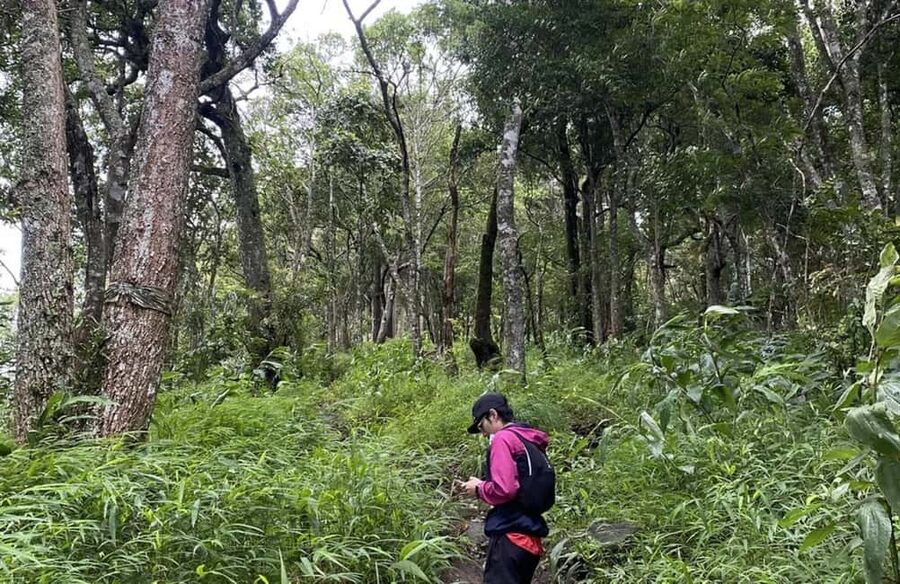
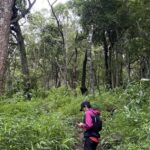
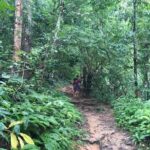
The day begins by heading to the start of the Monk’s Trail, described as a serene forest path that monks once used to climb toward the temple area you’ll visit. Even today, monks and locals still walk this route as a kind of pilgrimage.
This is where you should slow down and notice details. The trail is in lush greenery, and you’re surrounded by the sounds of nature rather than city noise. For me, that shift is what makes the later temple stops feel earned. You’re not just going through buildings. You’re arriving after some walking.
At roughly 2+ hours of hiking time total across the day (including later segments), the Wat Pa Lat walk is your first real taste of “outside time.” It’s not described as extreme, but it is still trekking, so wear real walking shoes and expect uneven ground.
When you reach Wat Pa Lat, the tone changes fast. This temple is built around the 14th century during Thailand’s Lanna Kingdom era. It’s framed as a resting and meditation place for monks traveling to Doi Suthep. That gives the whole visit a different vibe than the typical photo-at-the-entrance stop. Take a breath. Let the place do its job.
Practical note: if you come straight from the hotel without insect repellent, you’ll wish you had brought it. The trail is outdoors, and the tour specifically recommends repellent.
Doi Suthep-Pausing at the iconic temple and golden chedi
After Wat Pa Lat, you head to Wat Phra That Doi Suthep by car. Doi Suthep is the iconic one for a reason. The temple grounds include the golden chedi, which houses sacred relics of the Buddha, and the whole area is built for you to look out.
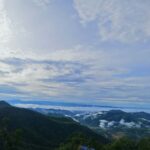
You get about 30 minutes to visit the temple itself. That timing is good if you want meaningful temple time without losing the day to endless stairs. You’ll also get a chance to appreciate the panoramic view over Chiang Mai from the temple area.
Here’s how to make the most of your time: don’t rush to the first viewpoint you see. Look for a spot where you can see the city spread out below and then turn your head slowly. The view is wide enough that it rewards a few minutes of quiet looking.
Also, remember that Doi Suthep is a major attraction. You should expect crowds to be part of the experience on many days. In practice, you’ll still enjoy it more if you stay calm and keep your focus on the chedi and the viewpoint rather than trying to “win” the busiest photo spot.
Doi Suthep-Pui National Park: the reset between temples
After the temple visit, there’s a stop at Doi Suthep-Pui National Park for about 1 hour. This portion is valuable because it breaks up the day. Otherwise, it can become temple → car → temple → car → village, all back-to-back.
In a national park stop, you’re getting something slightly different: a chance to be in nature again, without the same “temple visit” expectations. You may have time for light walking or simply taking in the air, depending on the day’s flow.
I like this kind of scheduled reset. It gives your body a chance to cool down and your brain a chance to stop thinking in checkboxes.





Hmong hill tribe village and coffee above the clouds
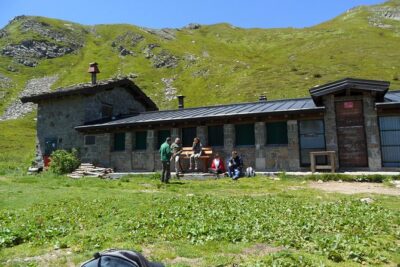
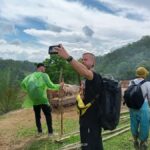
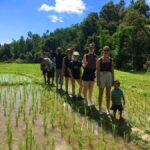
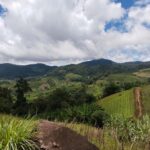
The Hmong village stop is where the trip shifts from temples to people. The Hmong are an ethnic minority originally from the highlands of southern China, Laos, Vietnam, and Myanmar. Here, you get time to see traditional lifestyle and culture, plus handicrafts.
The schedule gives you a break with a mix of structured and free moments:
- photo stops and time to visit
- free time and walking
- a 1.5-hour hiking portion tied to the village area
There’s also coffee at the village, which is a simple but smart inclusion. Coffee helps you settle in during a day that already has trekking and temple time. It also makes the village stop feel less rushed and more like a shared pause rather than just a quick look.
One thing to remember: this isn’t a hard sell experience. You are visiting a community and learning from what you’re shown. Approach it like a respectful guest. Ask questions when you get the chance, but don’t press for more than is offered.
If you care about culture beyond temple architecture, this is the part that tends to stick with you. A Hmong village visit adds texture to Chiang Mai that you won’t get just walking streets in town.
Pace and fitness: what to expect from the hikes
This tour is 7 hours, with multiple active segments. The walking includes a monk’s trail trek and a village-area hike that is described as 1.5 hours. Even though that sounds straightforward, the real world depends on weather, trail conditions, and group pace.
A helpful tip from real experience: the hiking time can feel shorter on some days. For example, one participant found the hiking portion to be closer to about an hour rather than the full stretch. That’s a reminder to pack smart and stay flexible. You might walk less than the timetable on one stretch, but you should still be prepared for the full idea: you will be hiking.
This tour is not suitable for:
- people with mobility impairments
- people with heart problems
- people with low level of fitness
So be honest with yourself. If you can do a steady uphill walk for stretches and you’re comfortable on uneven outdoor ground, you’re likely fine.
What to bring (and what you’ll thank yourself for later)
The tour’s packing list is short, but it hits the essentials:
- Hiking shoes (not sneakers that slip on uneven ground)
- Insect repellent
- Hat and sunglasses
- Weather-appropriate clothing and outdoor clothing
- Daypack for water and personal items
If you’re thinking, I’ll be fine with sandals, I’d rethink it. The day includes forest paths and trekking time. Your feet will do better with proper grip and support.
Also, bring a little flexibility. Weather can shift quickly in northern Thailand, and the tour keeps you outdoors for portions of the day.
Price and value: is $57 a good deal?
At $57 per person for a 7-hour small-group guided circuit, I think the value is strongest for three reasons.
First, you’re paying for a guide and an English-speaking team, plus entrance fees. Temple days can quietly become expensive once you add transport and ticket costs.
Second, you’re getting transport that handles the hard part: moving between temple areas, the national park stop, and the Hmong village without you needing your own car or figuring out routes.
Third, small-group size helps you avoid that bus-tour feeling. With a limit of 9 participants, you’re more likely to get a smoother pace and a guide who notices if someone needs a breather.
If you were planning this yourself, you’d spend time coordinating transportation, timing, and access to less-frequented stops like the route to Wat Pa Lat. You’re essentially buying saved decision-making.
So the question isn’t just price. It’s whether you want a guided flow that turns a big day into something manageable. If yes, $57 looks fair.
Who should book this Chiang Mai temple and Hmong village tour
I’d point you toward this tour if you want:
- a mix of serene temple time plus major viewpoint payoff
- a culture stop that goes beyond looking at artifacts
- a guided hike that is active but not designed to be an all-day endurance test
- a small-group day with hotel pickup and drop-off
You should skip it if you:
- need low-impact activities only
- struggle with uphill walking or uneven terrain
- have a heart condition or mobility concerns
This is for people who like being outside and getting up to viewpoints, not for people who want the most comfortable “sit and photograph” day possible.
Should you book this tour or plan your own day?
If you like structure and you want to hit three different kinds of Chiang Mai experiences in one go—forest pilgrimage walking, a world-famous temple viewpoint, and a Hmong village culture stop—then yes, book it. The combination is the point: it’s not just temples, and it’s not just hiking.
I would book it especially if:
- you don’t want to rent a car
- you want entrance fees and guide support handled
- you value smaller groups and a smoother pace
If you’re on the fence, do a quick reality check on your hiking comfort. This tour is built around trekking segments and an outdoor village visit, so comfort with walking is the deciding factor.
FAQ
FAQ
How long is the tour, and what does it cover?
The tour lasts 7 hours and includes hotel pickup and drop-off, a forest trail hike to Wat Pa Lat, a visit to Wat Phra That Doi Suthep with panoramic views, a stop in Doi Suthep-Pui National Park, and a Hmong village visit with walking and a coffee break.
What is the price for this experience?
The price is listed as $57 per person.
Where do you get picked up and dropped off?
Pickup is available from your accommodation in Chiang Mai City, including the Old Town and Nimman areas. Drop-off is also in Chiang Mai, with options around the Old City.
Is this tour a lot of hiking?
Yes. The schedule includes trekking on the Monk’s Trail and a 2+ hour hike total across the day, including a 1.5-hour hiking segment during the Hmong village portion.
Is the tour suitable for people with mobility issues?
No. The tour is not suitable for people with mobility impairments, people with heart problems, or people with low fitness.
What’s included in the price?
Included: hotel pickup & drop-off, an English guide, car transport, entrance fees, and hiking time. The tour also specifies vehicle types based on group size (sedan, MPV, or van).
What should I bring for the day?
Bring sunglasses, a hat, hiking shoes, insect repellent, weather-appropriate outdoor clothing, and a daypack.