REVIEW · MACHU PICCHU
Salkantay trek to Machu Picchu – 5D/4N – Premium
Book on GetYourGuide →Operated by Grupo Conde Travel · Bookable on GetYourGuide
Altitude, campfires, and Machu Picchu. This Salkantay Trek to Machu Picchu (5D/4N) takes the popular alternative to the Inka Trail, with real camping at SalkantayPampa and a guided finish at the citadel.
What I like most is the human side of it: a professional bilingual guide can make the days feel connected instead of just a grind to the next camp. If you get Eduardo, you’ll appreciate how he shared what’s happening in the region—nature, traditions, and the people—without turning it into a lecture.
One thing to consider: the experience depends a lot on smooth logistics. If the plan slips, you can lose time (and even more so if someone falls ill), so it’s smart to confirm emergency support and how guides are handled day to day before you commit fully.
In This Review
- Key points before you go
- Why this Salkantay route feels different from the Inka Trail
- The trail basics: distance, pace, and what moderate to challenging really means
- Day-by-day: what each stop adds to the story
- Day 1: Cusco → Humantay Lake → Basecamp SalkantayPampa
- Day 2: SalkantayPampa → Chaullay
- Day 3: Chaullay → Lucmabamba
- Day 4: Lucmabamba → Llactapata → Hydroelectric → Aguas Calientes
- Day 5: Machu Picchu → back toward Cusco
- Guides, meals, and camp comforts that actually matter
- Camping at SalkantayPampa: the authentic feel, without going full survival mode
- Machu Picchu day: how the included bus and train reduce stress
- What to pack (and what to leave behind)
- Value and what you’re paying for at $510 per person
- Who should book this Salkantay premium trek
- Should you book? My practical take
- FAQ
- FAQ
- How long is the Salkantay trek and how far do you hike?
- Is the trek easy?
- What’s included in the price?
- Do you provide meals and are vegetarian options available?
- Do I get to climb Huayna Picchu or Montaña Machu Picchu?
- What language is the tour guide?
- What should I bring and what is not allowed?
Key points before you go
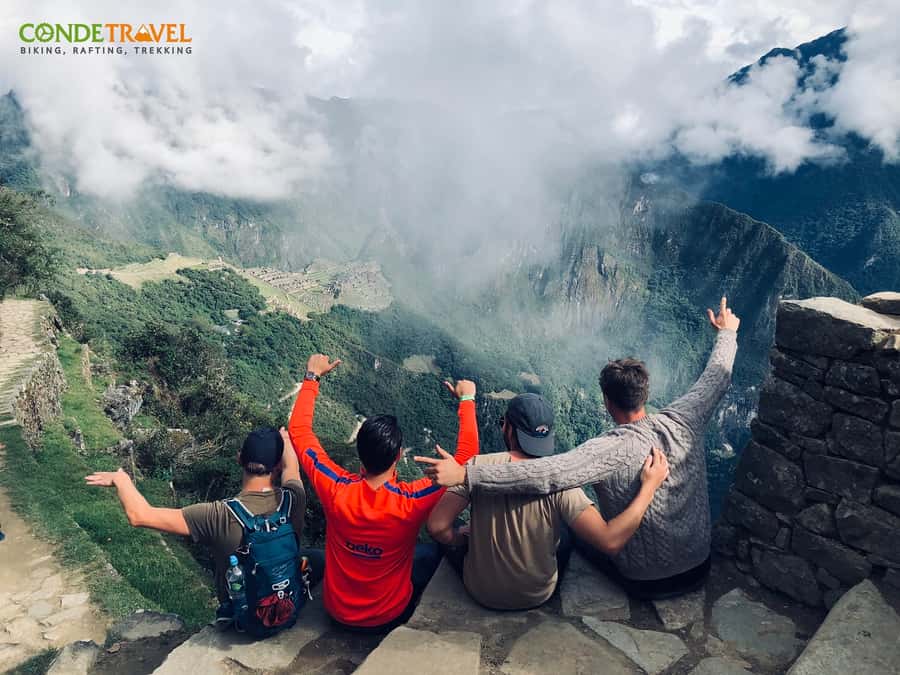
- Small group size (up to 15) means you’re less “on a conveyor belt” and more able to ask questions on the trail
- Camping at SalkantayPampa gives you that authentic trek feel, with a proper dining tent and kitchen
- 64 km / 39 miles over 5 days is manageable on paper, but it’s still moderate to challenging in practice
- Machu Picchu entrance + round-trip bus included keeps the biggest day from becoming a puzzle
- Train back to Ollantaytambo is built in, then you’re transported on to Cusco
- Huayna Picchu and Montaña tickets are not included, so your schedule may change if you want them
Why this Salkantay route feels different from the Inka Trail
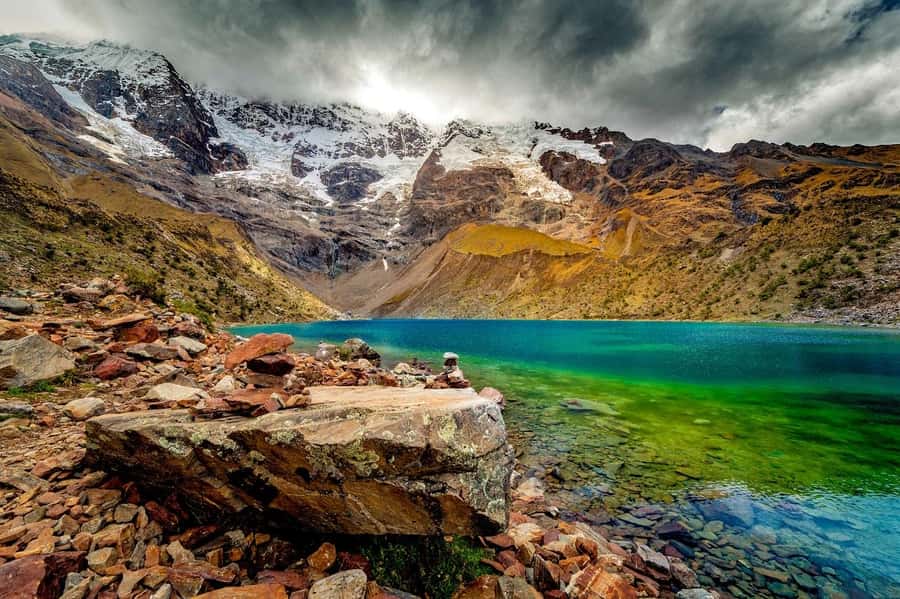
Salkantay is one of the best-known alternatives to the Inka Trail, and that matters because it’s popular for a reason: you get big mountain scenery, smaller village stops, and a gradual build toward Machu Picchu instead of only one “main event” day.
Also, this is a 5 days / 4 nights format with a mix of trekking days and a final hotel night at Machu Picchu Pueblo (Aguas Calientes). That combo helps if you want adventure without having to manage every moving piece yourself.
The premium part isn’t magic. It shows up in the support system: guide, chef and assistants, and the fact that you’re not hauling everything. You bring your daypack, but the operation handles the camp side and the meals.
The trail basics: distance, pace, and what moderate to challenging really means
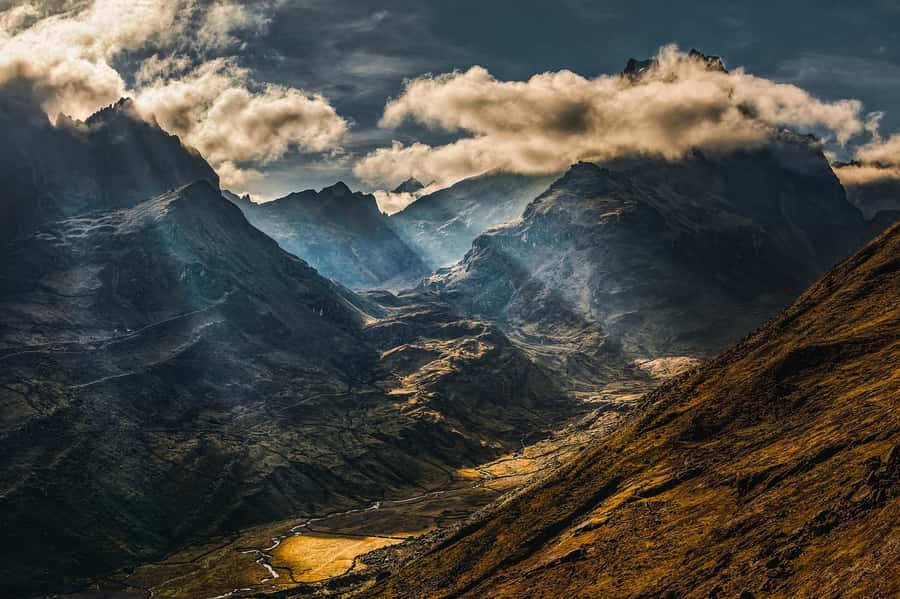
You’ll hike about 64 km / 39 miles total across five days. Day by day, the trek breaks into blocks that range roughly from 14 km to 18 km, with walk times listed around 6 to 7 hours per day.
On paper, that’s straightforward. In reality, altitude and footing do the talking. You’ll be walking long enough that you need consistent pacing, and on a route like this, your legs will notice every switchback. If you’re an on-and-off hiker, you’ll want to train a bit before you go—especially for uphill days and for the days where you’ll still feel stiff the next morning.
This tour also comes with clear boundaries. It’s not suitable for people with mobility impairments, wheelchair users, people over 70, pregnant women, or anyone with heart problems, back problems, or significant health constraints. And if you’re under 5 years old, it’s also not a fit.
Day-by-day: what each stop adds to the story
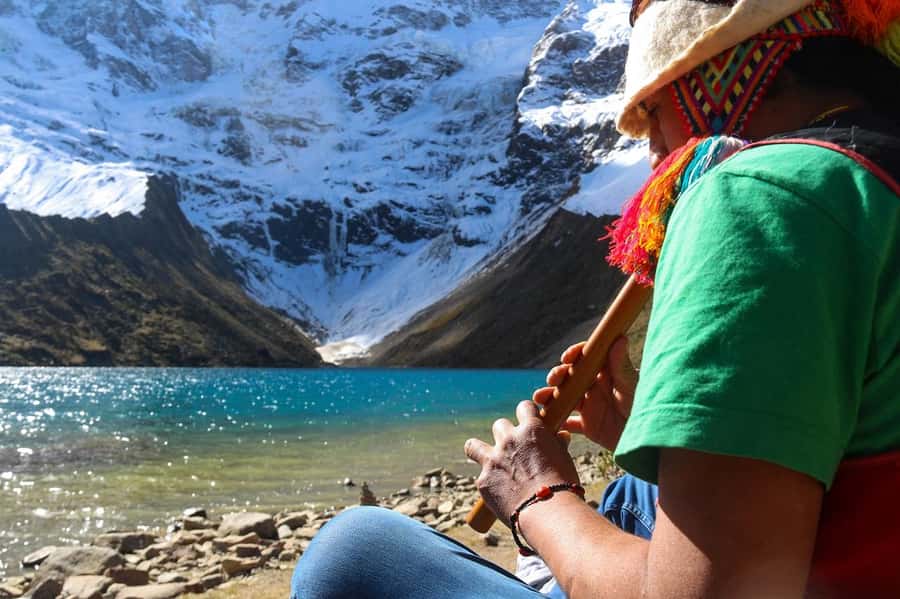
Here’s how the trek flows and what each section means for your day.
Day 1: Cusco → Humantay Lake → Basecamp SalkantayPampa
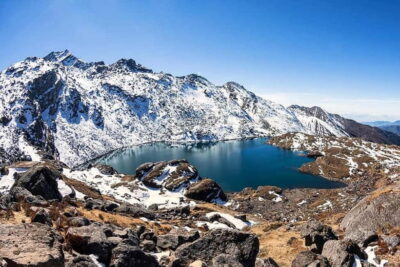
You start in the Cusco area and head toward Humantay Lake, then continue on foot to Basecamp SalkantayPampa for an approx. 16 km / 7-hour hike.
This first day is doing two jobs. First, it gets you into the trekking rhythm. Second, it sets expectations about the weather and clothing you’ll need because you’ll want layers quickly. Even before the longer trekking days start, you’ll feel the change from city comfort to outdoor time.
SalkantayPampa is where this trip becomes real camping. You’re not just “stopping for a night.” You’ll have the camp setup—spacious dining tent and a kitchen—so you can focus on recovery instead of logistics.
Day 2: SalkantayPampa → Chaullay
Day two pushes you to Chaullay with an approx. 18 km / 7-hour day.
This is where trekking days start to feel patterned: you’ll walk, stop for breaks, and eventually arrive when you’re ready for dinner and rest. A good guide makes a big difference here. You’re not only moving through terrain—you’re learning how local communities relate to it, what the trail connects, and why the route matters.
The positive sign to watch for on this day: how steady the pace feels. If your group is moving too fast early, it can haunt you later.
Day 3: Chaullay → Lucmabamba
Next up is Lucmabamba at approx. 16 km / 6 hours.
This day often feels like the “steady middle” of the trek. You’ve built some stamina, and you’ve had enough time on the trail to get used to the rhythm of walking long distances. If you’re going to adjust anything—water rhythm, snack breaks, footwear comfort—this is one of the days where small changes can still pay off.
It’s also a good day to slow down mentally. If your guide is the strong type, you’ll get more out of the scenery than photos can capture.
Day 4: Lucmabamba → Llactapata → Hydroelectric → Aguas Calientes
Day four is a chain of sections: Llactapata, then Hydroelectric, and finally Aguas Calientes. The trek time is listed at approx. 14 km / 6 hours.
This is also the day that starts shifting from trekking mode to arrival mode. Llactapata is a major staging point on many Salkantay routes, and the transition through Hydroelectric helps connect the trek to the rail-and-shuttle reality of Machu Picchu.
When you reach Aguas Calientes, you’re set up for the next day’s Machu Picchu visit. You’ll also sleep in a hotel for one night here, which helps your body reset after days of camping.
Day 5: Machu Picchu → back toward Cusco
Your final day is the Machu Picchu citadel experience, then you return to Cusco.
The practical setup is already taken care of: you get a round-trip bus to Machu Picchu citadel, plus the train back from Aguas Calientes to Ollantaytambo, followed by transportation from Ollantaytambo to Cusco.
This is the part where your mindset matters. It’s easy to treat Machu Picchu like a checklist. I think the smarter way is to treat it like the culmination of everything you did on days one through four. After long walking days, the place feels more earned.
Guides, meals, and camp comforts that actually matter
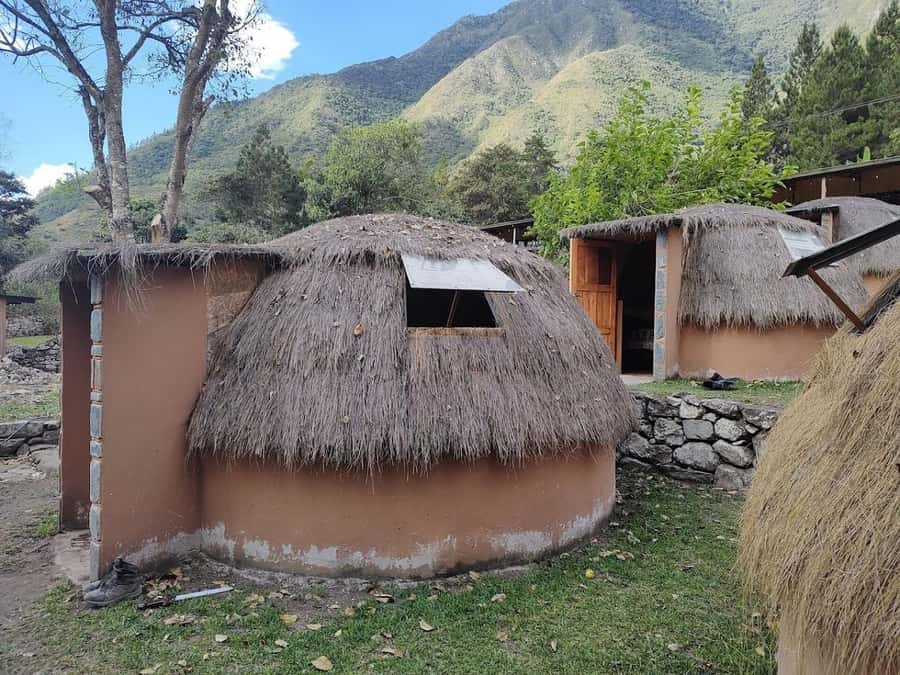
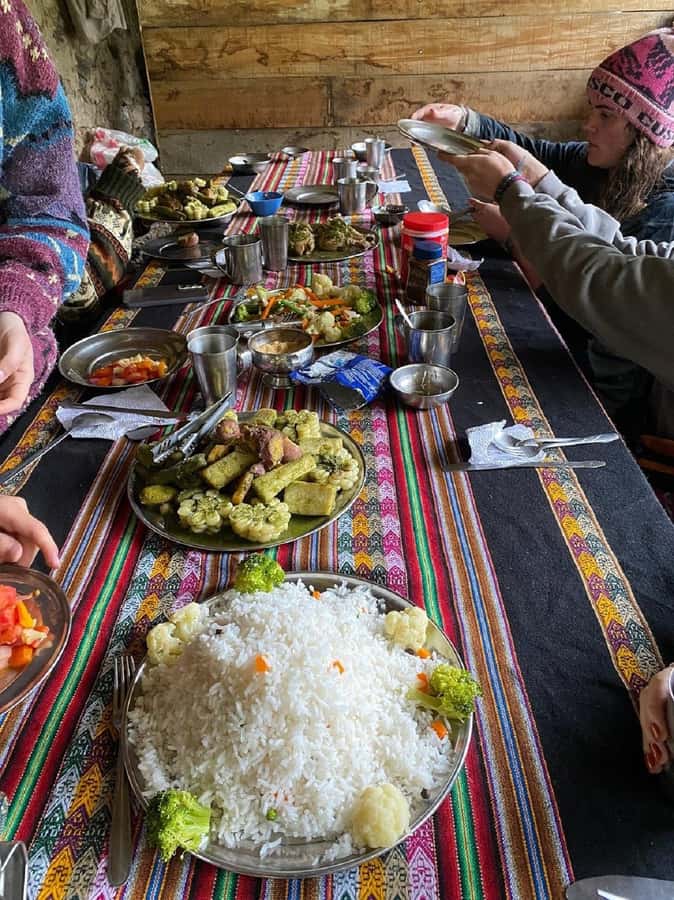
This is a supported trek. You’ll travel with a professional bilingual guide, plus a chef and assistants who run the food side. That matters because when your day is built around walking, you don’t want your energy wrecked by uncertain meals or messy camp setup.
Vegetarian options are available, which is a real benefit if you eat plant-based. You’ll also be given food as stated in the itinerary. The ones not included are your first breakfast and last day lunch and dinner, so you should budget for those meals.
Sleeping gear is partially handled. You get a sleeping bag, which you’ll use at the campsite. Still, bring your own common sense gear too—your layers, your shoes, your small flashlight, and your daypack.
And don’t ignore the “small” stuff in the packing list:
- a daypack for what you carry during hikes
- a garbage bag (you’ll be glad to have it when you need to pack out trash)
- a flashlight for camp timing
- a charged smartphone because you’ll want a navigation check and photos
Camping at SalkantayPampa: the authentic feel, without going full survival mode
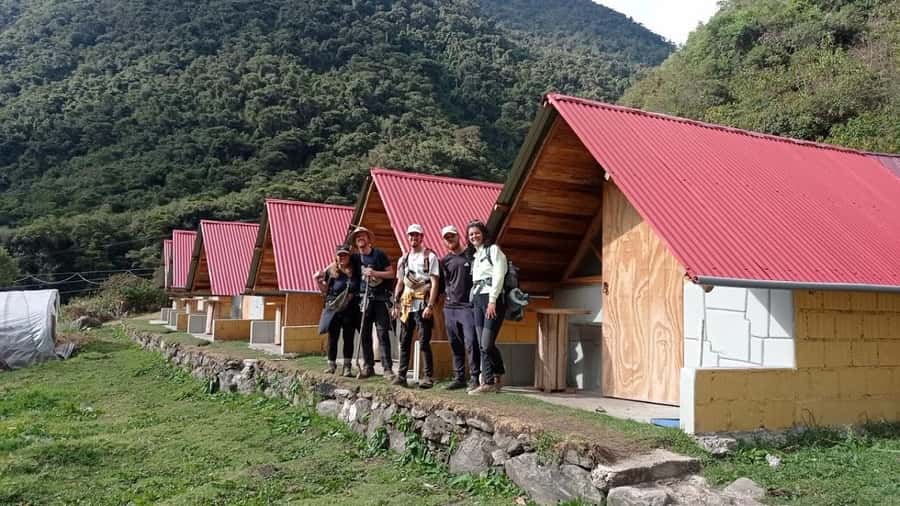
The basecamp at SalkantayPampa is a highlight, mainly because it’s not pretending to be glamorous. You’re camping for a reason: you’re walking this route to feel close to the mountains and the rhythm of a multi-day trek.
What makes this trip feel practical is the support structure. You’re not just handed a sleeping bag and told good luck. The camp has a spacious dining tent and kitchen, so meals don’t happen in the middle of chaos.
One note from experience-based feedback I’ve seen: if anything feels unclear at the start, speak up early. There have been situations where people reported missed parts of the plan and confusion about what would happen next. The fix is simple: ask how the days connect, who you’ll be with, and what happens if someone gets sick.
Machu Picchu day: how the included bus and train reduce stress
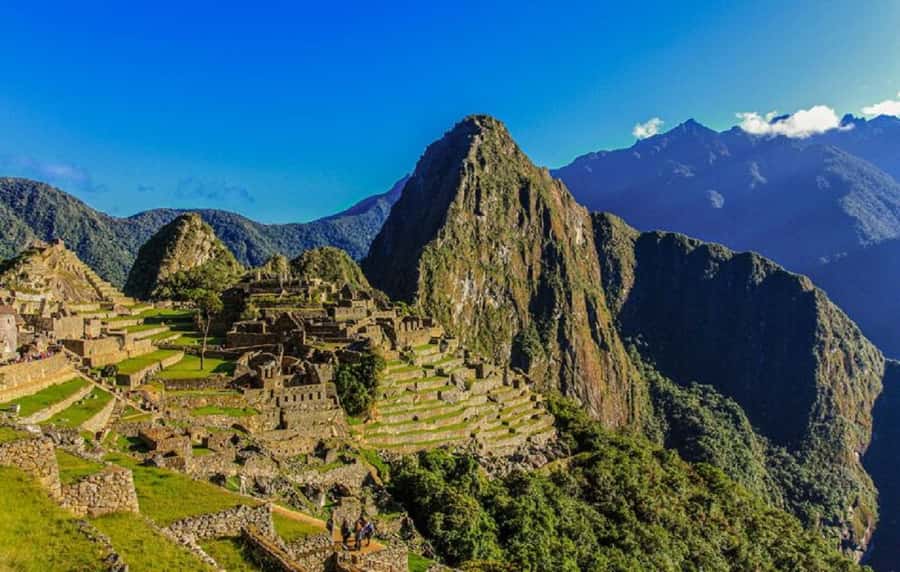
Machu Picchu is the main draw, but the real question for you is how much hassle you want around it. On this trip, the heavy logistics are built in.
You’ll get:
- Round-trip bus to the citadel from the Aguas Calientes side
- Entrance ticket to Machu Picchu
- Train back from Aguas Calientes to Ollantaytambo
- Transport from Ollantaytambo back to Cusco
Also, plan your ticket choices up front. Huayna Picchu and Montaña Machu Picchu entrances are not included, so if you want the extra climb/add-on viewpoints, you’ll need separate planning.
This is where timing sensitivity matters. In at least one case, people described losing time around getting Machu Picchu-related tickets. If you have tight expectations for when you want to see what, give yourself some flexibility on the arrival side.
What to pack (and what to leave behind)
If you do nothing else, follow the packing guidance. This trek is high-walk-days plus cold nights, so you need clothes that can handle temperature swings.
Bring:
- passport
- hat
- snow clothing (yes, the list says this)
- biodegradable sunscreen
- comfortable clothes and closed-toe shoes
- flashlight
- cash
- charged smartphone
- daypack
- personal medication
- camera
Avoid:
- oversize luggage
- alcohol and drugs
- open-toed shoes
- electric wheelchairs, crutches
- anything that adds unnecessary bulk
If you’re worried about your footwear, don’t wait until you arrive. Break in shoes or you’ll pay for it on day three.
Value and what you’re paying for at $510 per person
At $510 per person, you’re paying for more than just a guide and a viewpoint. The value is in the bundled structure:
- entrance tickets (including the Mollepata–Salkantay route and Machu Picchu)
- a small-group guided trek with an English-speaking lead
- camping support: 3 nights campsite, sleeping bag, and camp kitchen/dining setup
- food as listed (with a few meals not included)
- hotel night in Machu Picchu Pueblo
- the Machu Picchu day bus
- the train and land transfers on the way back
The best way to judge value is to think about what costs energy for you. If you’re the type who wants fewer problems—tickets handled, transport arranged, camp managed—this price begins to make sense. If you’re the type who enjoys independent travel and already knows how you’ll handle tickets and transport, the bundled cost may feel less necessary.
Also: this is non-refundable, so make sure you truly can commit once you book.
Who should book this Salkantay premium trek
Book it if you:
- want the well-known Salkantay route to Machu Picchu rather than the classic Inka Trail
- like the idea of camping at SalkantayPampa with actual meal support
- want fewer logistics worries thanks to included train, bus, and transfers
- will appreciate a guide who can connect the dots between nature and local life (Eduardo is a good sign if you get him)
Skip it if you:
- need a fully accessible route (this isn’t built for wheelchair users, mobility impairments, or people using crutches)
- want a child-friendly version (under 5 is not suitable)
- have major health limitations like heart problems, serious back problems, or pregnancy
Should you book? My practical take
I’d book this if you’re ready for a real trek and you want your Machu Picchu day to be smoother than the average DIY scramble. The camping setup, sleeping bag, and included Machu Picchu transport are the kind of value that keeps your energy for the walking and the views.
Just do two things before you commit:
- Ask the guide/organizer how the plan will run day by day and who you’ll be with, because guide consistency can make or break your experience.
- Ask what emergency support looks like on the trail—people have reported situations where the backup plan felt inadequate, and you don’t want to find out after you’re already sick or stressed.
If you take those steps and you show up ready to walk, this trek can deliver exactly what you came for: big mountain days, a real camp experience, and Machu Picchu as the payoff.
FAQ
FAQ
How long is the Salkantay trek and how far do you hike?
It runs for 5 days and 4 nights, with about 64 km (39 miles) of hiking total.
Is the trek easy?
It’s listed as moderate to challenging. Expect about 6–7 hours of walking on the trek days.
What’s included in the price?
The tour includes transfers, train back from Aguas Calientes to Ollantaytambo, transport to Cusco, round-trip bus to Machu Picchu, entrance tickets (Mollepata–Salkantay route and Machu Picchu), 3 nights campsite, 1 night hotel in Aguas Calientes, a bilingual guide plus chef and assistants, sleeping bag, and food as mentioned in the itinerary.
Do you provide meals and are vegetarian options available?
Yes. Food is included as stated in the itinerary, and vegetarian options are available.
Do I get to climb Huayna Picchu or Montaña Machu Picchu?
Not with this package. Huayna Picchu and Montaña Machu Picchu entrance tickets are not included.
What language is the tour guide?
The guide is English-speaking, and the tour team includes a professional bilingual guide.
What should I bring and what is not allowed?
Bring your passport, hat, closed-toe shoes, snow clothing, sunscreen, a daypack, flashlight, and a garbage bag, among other items listed. Oversize luggage, alcohol and drugs, open-toed shoes, strollers, and certain mobility devices like crutches are not allowed.