REVIEW · SA PA
Sapa: Muong Hoa Valley View & Villages Trek with Local Guide
Book on GetYourGuide →Operated by ASu Sa Pa Trekking Tour · Bookable on GetYourGuide
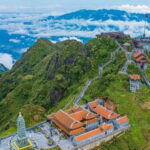
Fansipan shows up early, and it sets the tone. This Muong Hoa Valley trek from Sapa takes you through Black Hmong villages like Hang Da and Hau Thao, with a guide (Su) who paces the day to match real conditions.
What I love most is the mix of big scenery and small, human details: you’ll walk past rice terraces in the Muong Hoa valley and then meet village life in motion. I also like that lunch is not just a pit stop; it’s eaten at a local family setup, so the meal feels tied to the day instead of separate from it.
One drawback to weigh: it’s a 14–16 km trek that can turn tricky in wet weather, with slippery downhills. If rain is in the forecast, plan on slower steps and grippy shoes.
In This Review
- Key moments you’ll remember
- From Sapa’s main church to first mountain views
- The Muong Hoa valley: rice terraces and the river-and-valley view
- Hang Da and Hau Thao: Black Hmong village life at walking speed
- Lunch with a local family: fueling a long day (and why it matters)
- Trek reality check: distance, timing, and wet-weather footing
- Cost and value: what $19 buys on the ground
- How to get the most out of the day (without overplanning)
- Should you book this Muong Hoa trek?
- FAQ
- Where do I meet for the trek?
- How long is the trek?
- What time does the tour end?
- What’s included in the price?
- What language will the guide speak?
- What should I bring and what is not allowed?
Key moments you’ll remember
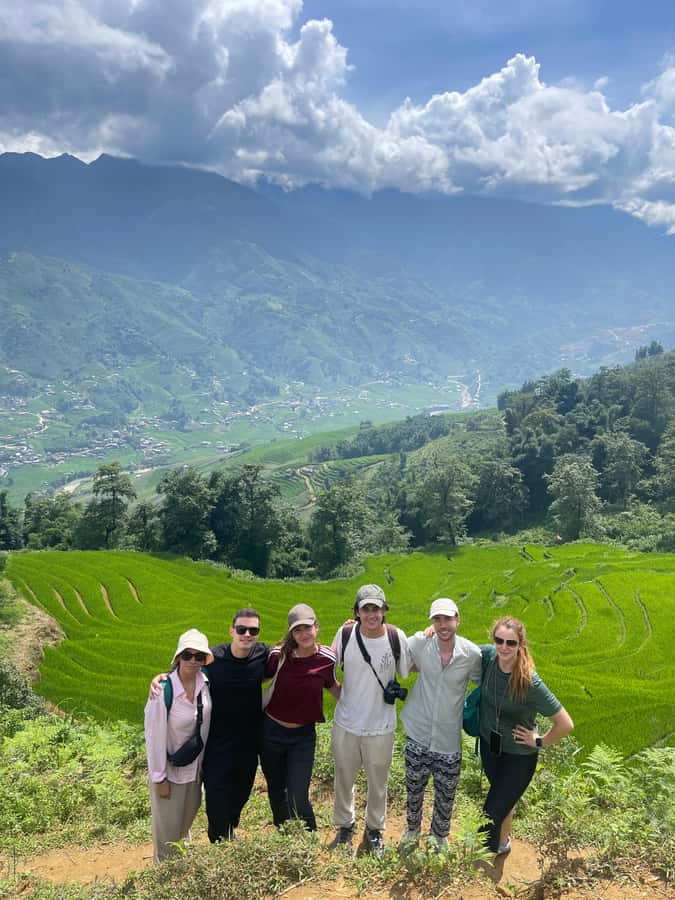
- Su guides the pace: you’ll get encouragement and explanations that connect what you see to how people live
- Fansipan and Sapa in one look: an early uphill climb leads to mountain-and-town views
- Muong Hoa rice terraces: the valley’s signature fields are the star of the middle of the walk
- Hang Da and Hau Thao: you’ll pass through Black Hmong villages and see daily routines up close
- Animals along the way: you might spot buffalos, cows, and pigs during the trek
- A family lunch: the day’s center meal is served by a local family restaurant setup
From Sapa’s main church to first mountain views
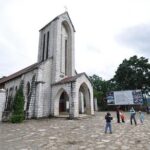
This is a proper village trek day, not a quick photo loop. You meet your guide in front of Sapa’s main church, then get a short intro before the walking starts. The schedule is built around getting you to the best early viewing angle while your energy is still high.
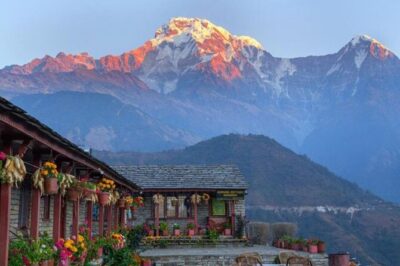
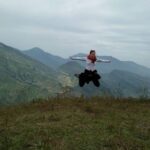
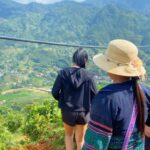
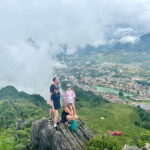
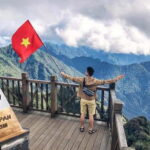
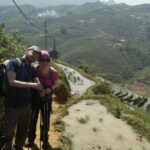
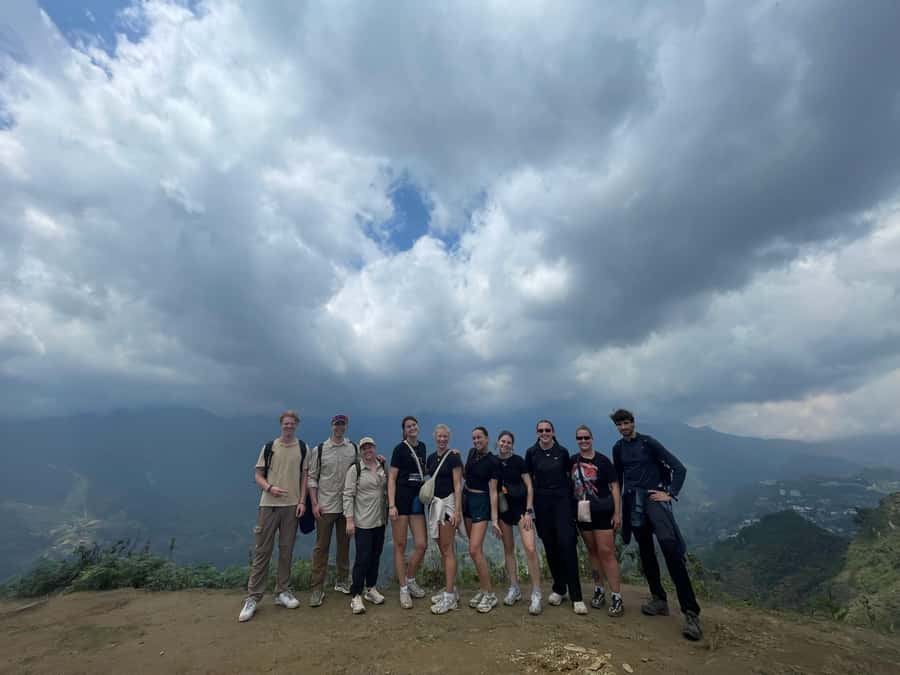
The first stretch is uphill on a small trail—about 2.5 km—and it’s where you’ll earn your first payoff. From the mountain views, you can see Fansipan (the highest peak in Indochina) and get a wide view over Sapa town. Even if the weather isn’t perfect, this early viewpoint helps you understand where you are in the valley maze.
Practical note: if clouds roll in, don’t stress. The walk keeps moving through different angles and village paths, so you’re not just standing around waiting for a clear sky.
You can also read our reviews of more tours and experiences in Sa Pa.
The Muong Hoa valley: rice terraces and the river-and-valley view
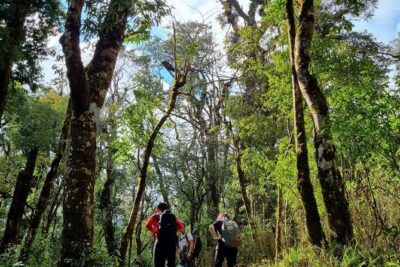
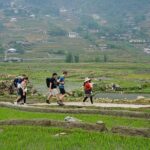
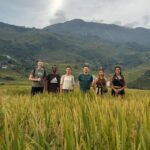
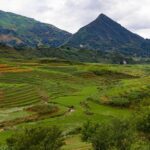
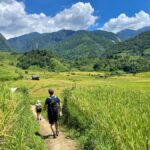
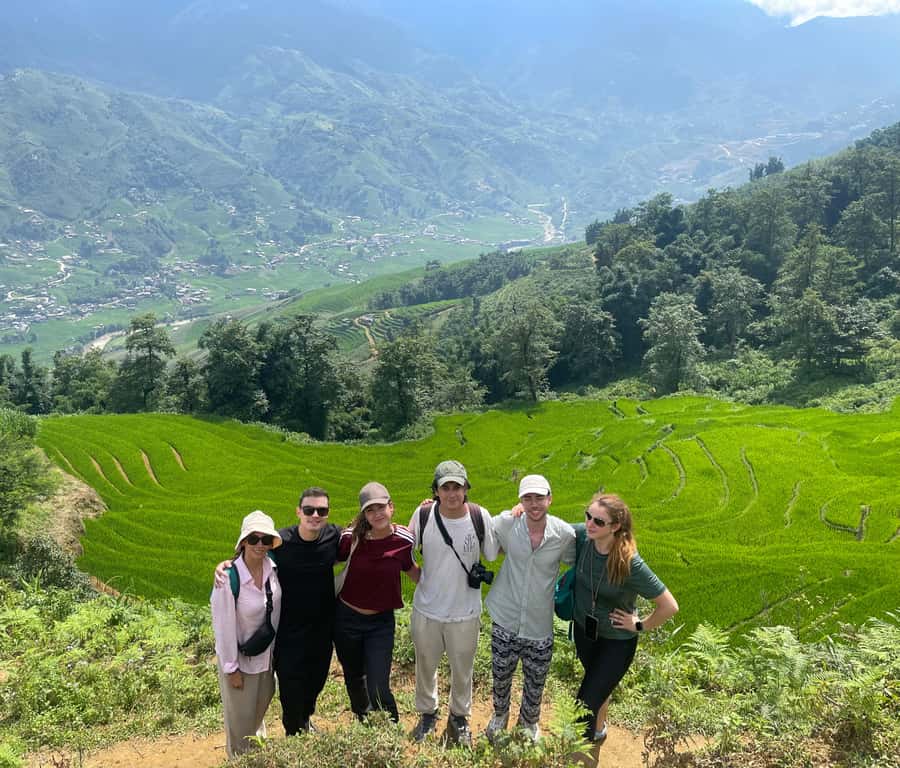
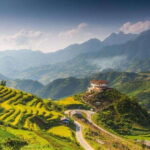
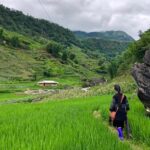
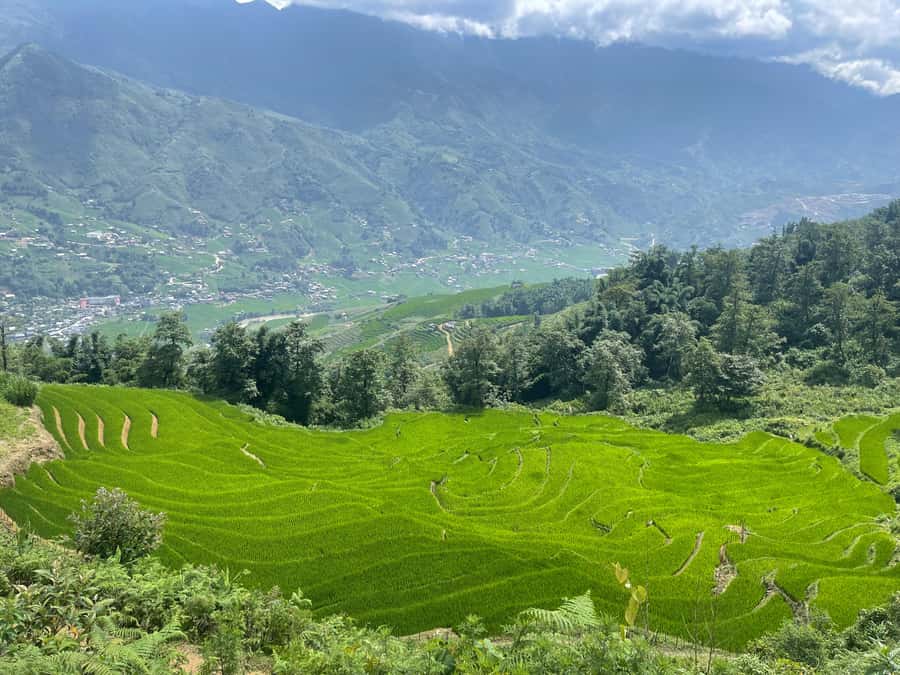
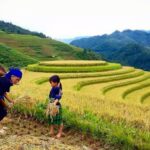
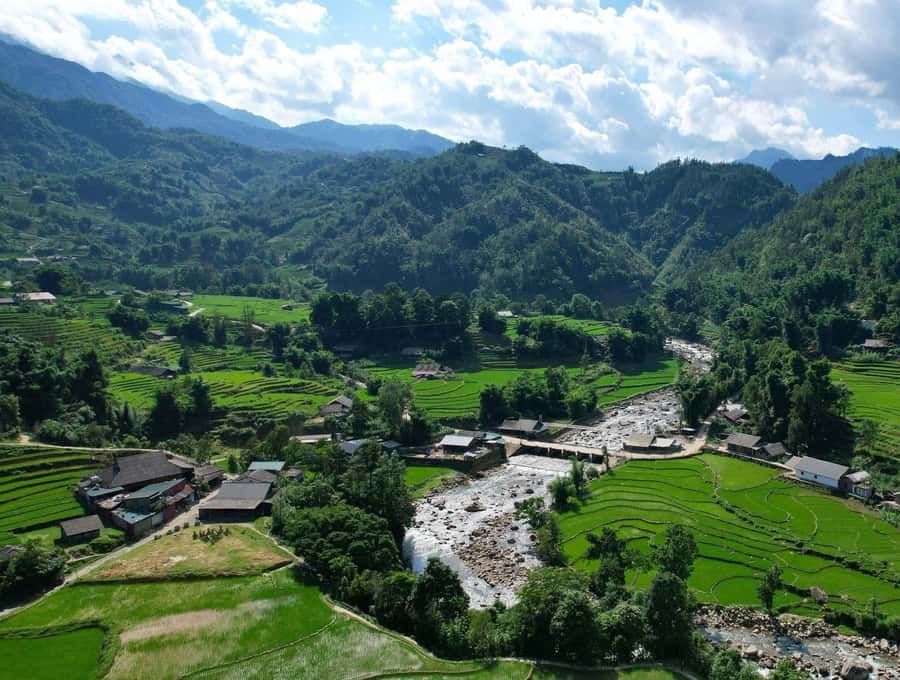
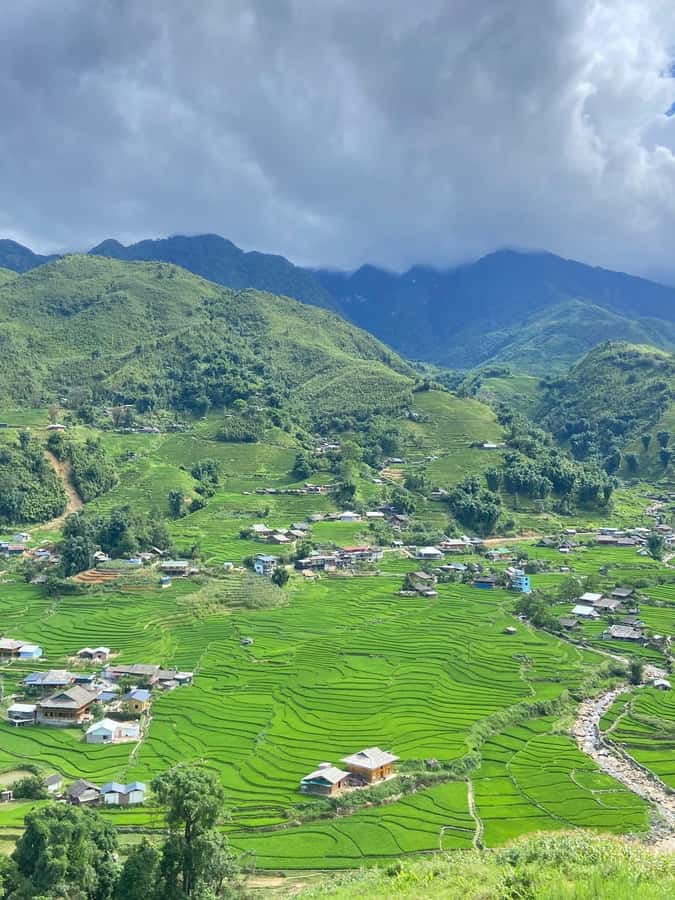
After that uphill segment, the trek guides you into the heart of the Muong Hoa valley. This is the part that gives the day its visual identity: the famous rice terraces. You’ll move through terrace areas that feel like they stretch longer than your legs are willing to admit.
The guide’s storytelling is where this section becomes more than “pretty fields.” You’re not just looking at agriculture—you’re learning what the valley means locally, and how the terrain shapes daily work. If you’re there at the right time, you may also catch people working on the fields, including planting or harvesting.
You also get a key view of the river and valley system. It’s the kind of sight that makes the geography click—why these communities settled where they did, and how water and elevation connect to farming.
If you want photos, go slow here. The best shots usually come from steady pauses rather than rushing. And if it’s misty, remember the camera will do fine if you keep your hands dry and your lens clean.
Hang Da and Hau Thao: Black Hmong village life at walking speed
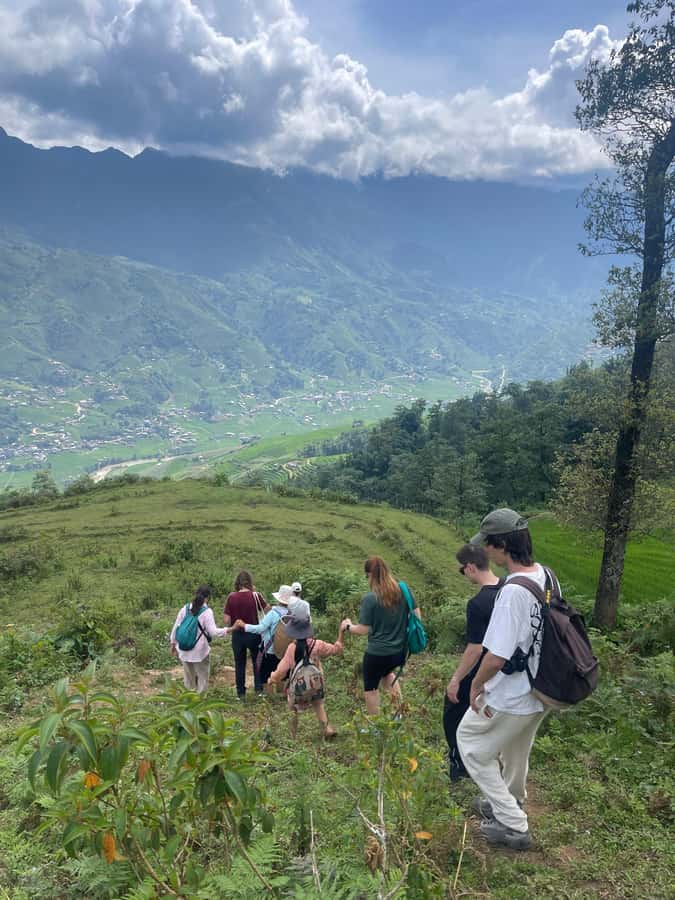
The trek continues by descending through the mountainside to the village areas. One of the most interesting transitions is moving from terrace views down toward Hang Da, a Black Hmong village. This is where you shift from scenery appreciation to everyday observation.
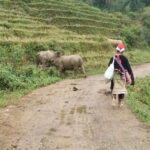
You may notice farm animals along the way—buffalos, cows, and pigs are on the route sometimes—which adds a “this is real life” texture. The walking paths feel integrated into the village rhythm, so you’re not stuck on a separate tourist trail.
Next comes Hau Thao, another Black Hmong village. The route then continues toward Muong Hoa village. Along the way, the guide points out how people live, what traditions matter, and how the communities interact with the terrain.
A small but important tip: you’re likely to see moments where some people try to get money from tourists. One review advice I strongly agree with is not to hand money to children—child labor is a serious issue in Sapa, and giving money can keep the cycle going. If you want to help, put your energy into respectful engagement and talk with your guide first about what support makes sense.
Lunch with a local family: fueling a long day (and why it matters)
Lunch is served at a small restaurant setup run by a local family. This is included, so you’re not scrambling for food choices during the hike. The meal is part of the day’s pacing: you’ll stop, eat, then continue walking again for the afternoon village segment.
The value here isn’t just the food. When a tour includes lunch with locals, it changes the vibe. Instead of racing from viewpoint to viewpoint, you’re slowing down in the middle of real routines.
Expect a simple meal and plan to pace yourself afterward. If you’re the type who likes to move right away after eating, you may still feel the post-lunch energy dip—the trek is long.
Also, bring your own snacks if you need them. The tour includes 1 bottle of water (500 ml) per person, but a long walk through humid conditions can make you want extra sips.
Trek reality check: distance, timing, and wet-weather footing
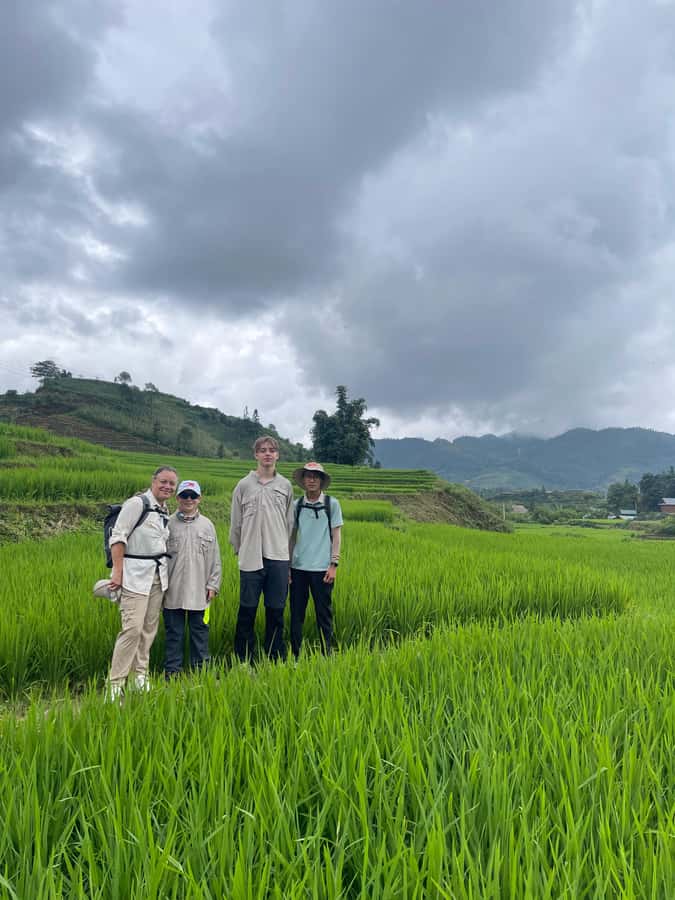
The route runs long—14–16 km—and it can be challenging, especially in wet weather. Even with a supportive guide, the downhills can be slippery. That lines up with what you should plan for: muddy paths, uneven steps, and moments where you’re carefully placing your foot instead of cruising.
Timing-wise, the tour ends back at the meeting point around 3:30 PM. That means you’re committing to a full morning-to-afternoon block. You’ll likely start by walking steadily, have a meal in the middle, and then finish with more village walking before heading back.
What to wear changes everything here:
- Comfortable, non-slip shoes matter.
- Bring a hat and sunscreen, because the day can swing from misty to bright.
- If it’s rainy, accept that you might get muddy. That’s part of the experience—just don’t wear shoes that hate mud.
It’s not for everyone. The tour isn’t suitable for people who are pregnant, have back problems, have mobility impairments, are afraid of heights, are currently dealing with a cold, or experience altitude sickness issues. If any of those apply, you’ll likely struggle more than the tour’s pace can comfortably support.
Cost and value: what $19 buys on the ground
At about $19 per person, this tour is priced in the budget-friendly range for Sapa. The big value drivers are simple and concrete:
- An English-speaking guide
- Lunch at a local family restaurant setup
- Entrance fees to the villages
- Transport back to Sapa after the tour ends
- A 500 ml water bottle
A lot of “cheap” treks cut corners by leaving you to manage logistics. Here, you don’t. You’re paying for a guided walk plus key included costs, which keeps your day from turning into separate ticket hunts.
The tradeoff is that you’re paying with effort. You’re signing up for a long trek, and the terrain is part of the bargain. If you want an easy walk with minimal footing risk, this isn’t that kind of experience.
How to get the most out of the day (without overplanning)
You don’t need to overthink this trek, but a little preparation makes it smoother.
Bring:
- Comfortable shoes
- Hat and sunscreen
- Camera
- Snacks
- Water (you get one bottle, but extra helps)
Plan your mindset:
- This is a walk that mixes views with village paths, so your best photos come when you’re patient.
- When your guide stops to explain something, it’s usually because it helps you read the scene correctly—rice terraces, routes, and daily work all connect.
Also, follow the basic rules:
- No smoking
- No littering
- Avoid using extra plastic bottles if possible, since plastic isn’t allowed
Finally, if you’re coordinating by messaging, leave your WhatsApp number when booking. The guide contacts you before the tour to confirm details and share updates about the trek.
Should you book this Muong Hoa trek?
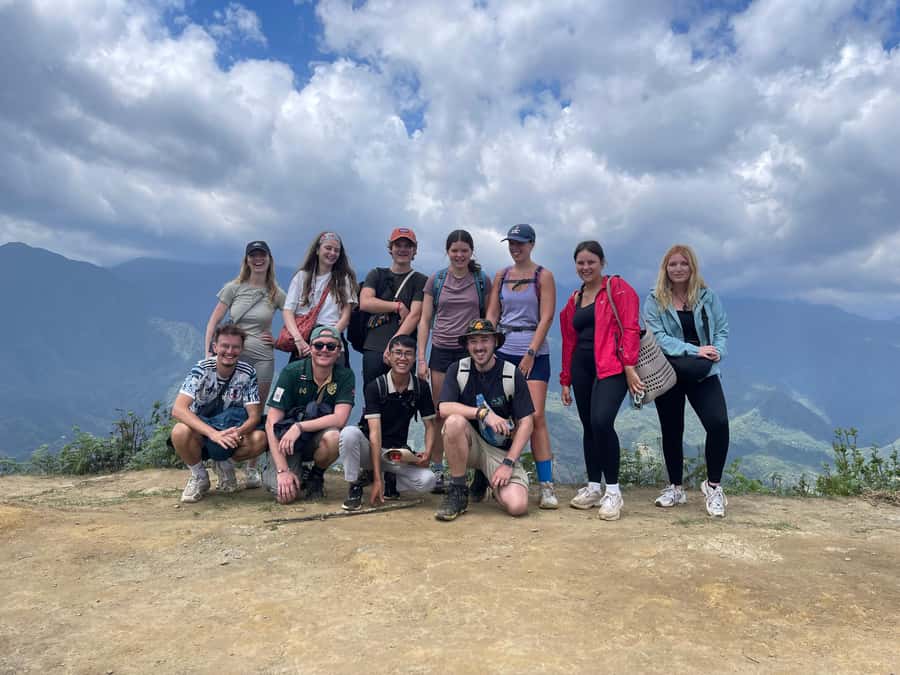
Book it if you want a day that mixes real village walking, Muong Hoa rice terrace scenery, and a guide who helps you understand what you’re seeing. The combination of guided context (including Black Hmong culture), included lunch, and an English-speaking guide makes the price feel fair for a full, half-day trek.
Skip it (or choose a gentler option) if long distances or slippery footing are dealbreakers. Also pass if you’re dealing with medical limitations listed by the tour (pregnancy, back problems, mobility issues, fear of heights, a cold, altitude sickness).
If you go, go prepared. Good shoes and a patient pace will do more for your enjoyment than chasing perfect weather.
FAQ
Where do I meet for the trek?
Meet your guide in front of Sapa’s main church. You’ll get the details by message before the tour.
How long is the trek?
The trek is about 14–16 kilometers and can be challenging, especially if conditions are wet.
What time does the tour end?
The tour ends back at the meeting point at around 3:30 PM.
What’s included in the price?
Included are an English-speaking guide, lunch at a local family, entrance fees to the villages, transport back to Sapa after the tour, and 1 water bottle (500 ml) per person.
What language will the guide speak?
The guide offers English and Vietnamese.
What should I bring and what is not allowed?
Bring comfortable walking shoes, a hat, a camera, snacks, sunscreen, and water. Smoking is not allowed, and you should avoid littering and plastic bottles.