REVIEW · SA PA
Mountain Views And Villages Trek
Book on GetYourGuide →Operated by TREKKING TOUR SAPA CO., LTD · Bookable on GetYourGuide
Sapa’s trails start with big views fast. This 1-day trek in Dong Bac takes you from town up to Sa Seng mountain (about 1,900m) for panoramic overlooks of Sapa, the Muong Hoa Valley, and the big river below, then strings together Black Hmong village visits. I especially like the mix of photo stops + real walking, and the fact that you get an English-speaking guide who can explain what you’re seeing—like Hmong rice farming and house construction. The main thing to consider is the terrain: it’s described as an uphill push and then downhill walking, and you’ll need solid grip on possibly slippery paths.
You also get cultural stops that feel more than just sightseeing checkboxes. The route includes Hang Da and Hau Thao (both Black Hmong villages), plus a stop near the Sapa church area for photos and a break, and you’ll get lunch at a local-family restaurant (Manh Dien). I like that the day is built around seeing daily life—things like rice work and marriage customs—without turning the whole trip into a museum script. One drawback: village visits can include persistent selling, so go in with a plan for how you’ll handle offers.
If you like active days and you’re okay setting boundaries, this trek can be a great value. With a price of $38, you get lunch, village entry fees, a small bottle of water, an English guide, and transport back to Sapa—so you’re not piecing together multiple tickets. Still, it’s not a fit for everyone; it’s not suitable for people over 70, and you’ll want warm shoes, rain protection, and insect repellent.
In This Review
- Key things I’d circle before you go
- Sapa pick-up and the uphill start near Ham Rong and the Sapa church area
- Sa Seng summit: your best chance to see Sapa and the Muong Hoa Valley together
- Muong Hoa rice terraces: more than a photo backdrop
- Hang Da Village (Black Hmong): daily life, guides who explain, and a sales reality check
- Lunch at Manh Dien Restaurant: included, but manage expectations
- Hau Thao Village and Hmong marriage customs: what you’re really there to learn
- The in-between photo stop near 8V4V+9HV and what “visit” usually means
- Getting back to Sapa around 15:30: plan your evening calmly
- Price and value: why $38 can work, and when it won’t
- What to pack for this Sapa trek (so you’re not miserable)
- Should you book Mountain Views And Villages Trek?
- FAQ
- What time does the tour pick you up in Sapa?
- How long is the trek?
- What’s included in the $38 price?
- Are village visits part of the plan?
- What should I bring for comfort and safety?
- Is the tour suitable for older travelers?
Key things I’d circle before you go
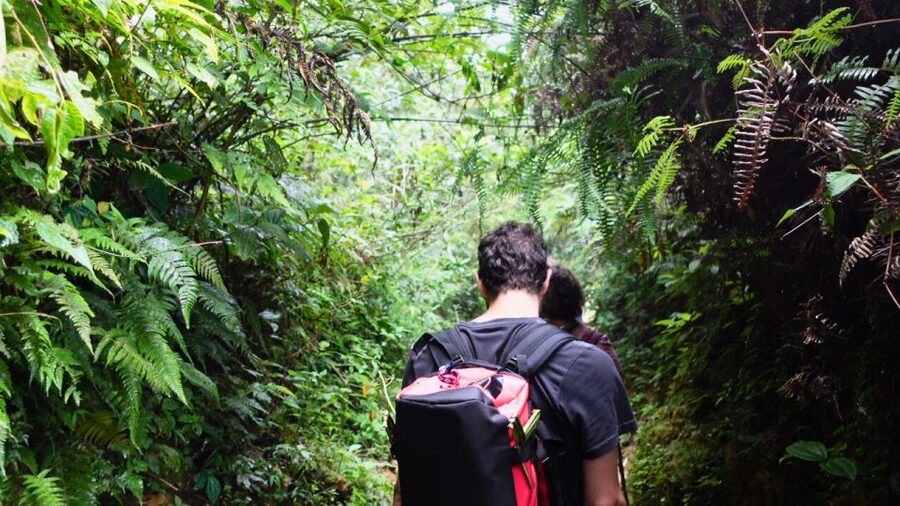
- Sa Seng summit at ~1,900m: the view is the day’s big payoff, with Sapa and Muong Hoa Valley in one sweep.
- Muong Hoa rice terraces from above: you see the terraces and the river far below from a vantage point, not just at ground level.
- Black Hmong village stops (Hang Da + Hau Thao): you’ll learn about traditions like rice cultivation and house construction.
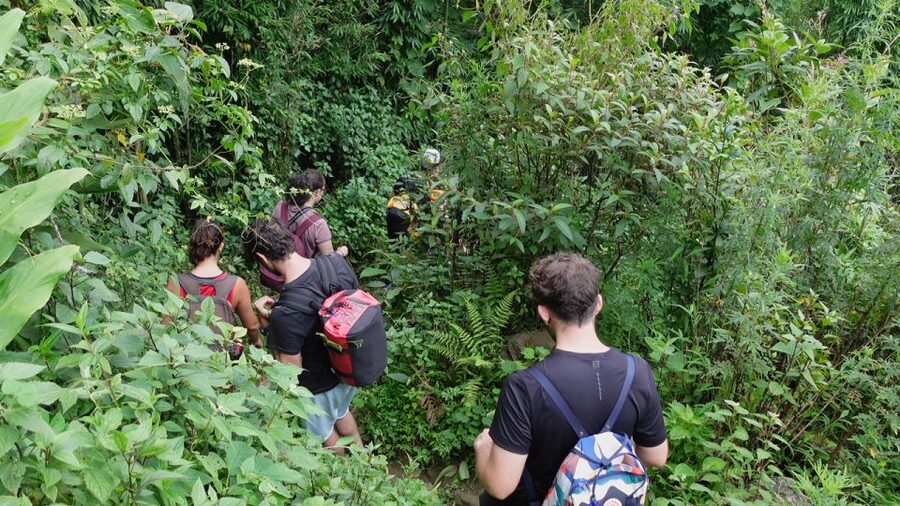
- Walking on uneven paths: the route includes uphill and downhill sections, so good traction matters more than fashion.
- Lunch at Manh Dien Restaurant: it’s included, but your meal choice may feel limited depending on how the day runs.
- Return to Sapa by ~15:30: the timing keeps you from feeling stuck in the mountains all evening.
Sapa pick-up and the uphill start near Ham Rong and the Sapa church area
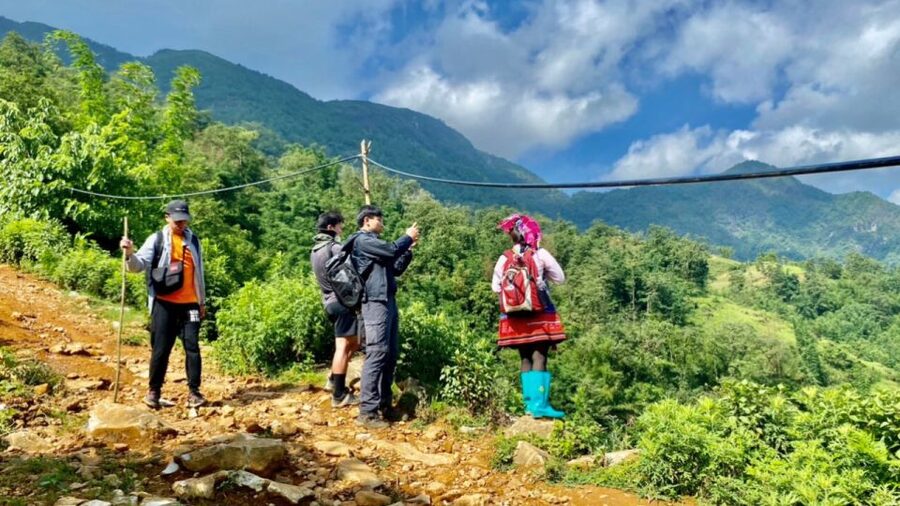
The day is set up to be easy to join even if you’re staying in central Sapa. You’ll either be picked up in the hotel lobby around 9:00 AM (you’re asked to wait about 5 minutes early), or you can meet at the iconic Sapa church area. After a short introduction, you head out along a trail that starts climbing—about 1 km uphill—before you reach the Sa Seng mountain summit area.
There are two early stops that help you get your bearings. First, there’s a photo stop and a walk at Ham Rong Mountain (around 80 minutes). Ham Rong is a great “warm-up” for what’s coming next because it gives you a sense of altitude and weather. Then you get a break and a photo stop around Nhà Thờ Giáo Điểm Sả Xéng (about 30 minutes), which is handy if the morning is foggy or drizzly and you want a moment to reset.
Practical tip: if you want clear photos, mornings can be hit-or-miss with mist in Sapa. Bring a lens cloth and plan to shoot in batches—one at the first viewpoints, another closer to the summit.
You can also read our reviews of more tours and experiences in Sa Pa.
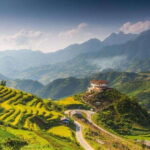
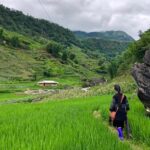
Sa Seng summit: your best chance to see Sapa and the Muong Hoa Valley together
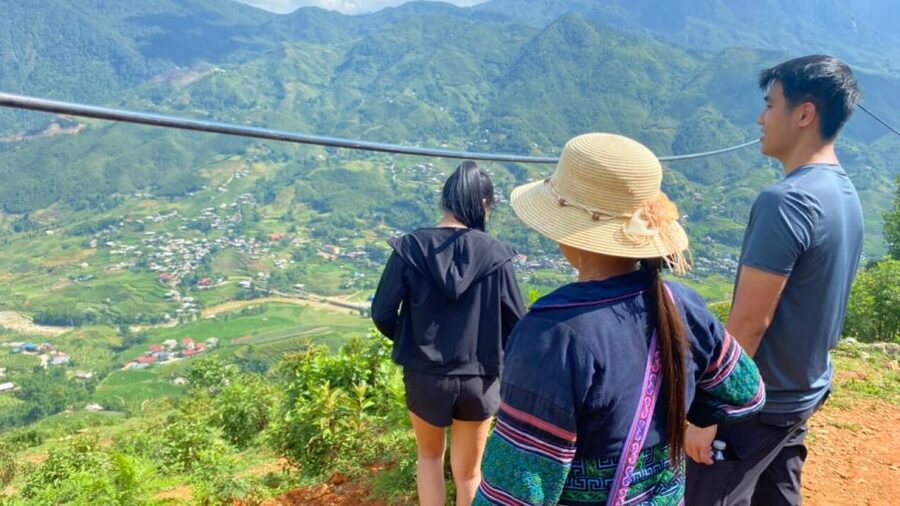
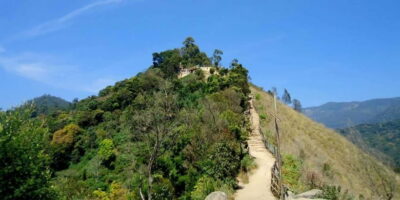
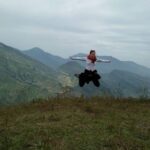
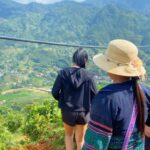
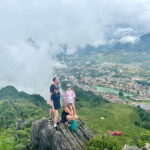
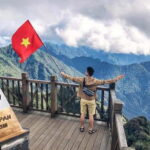
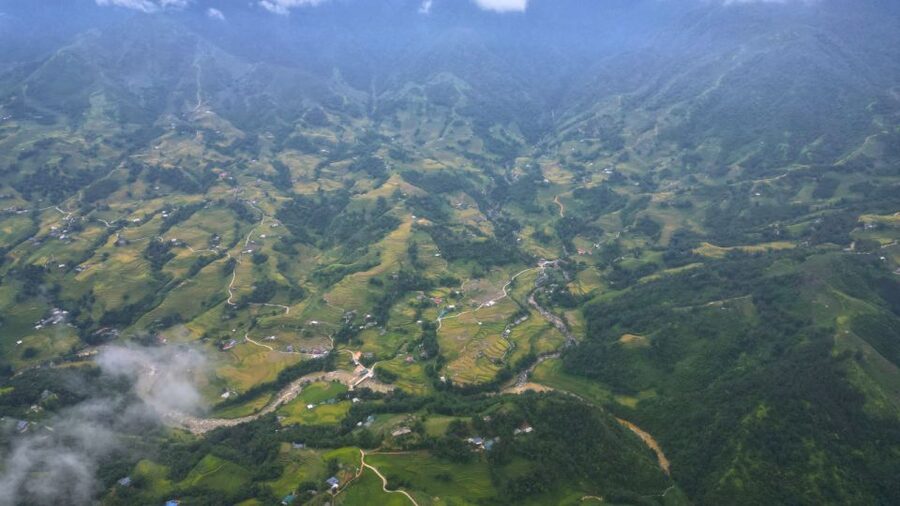
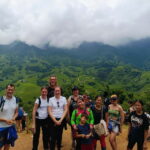
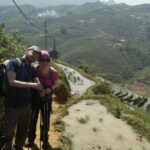
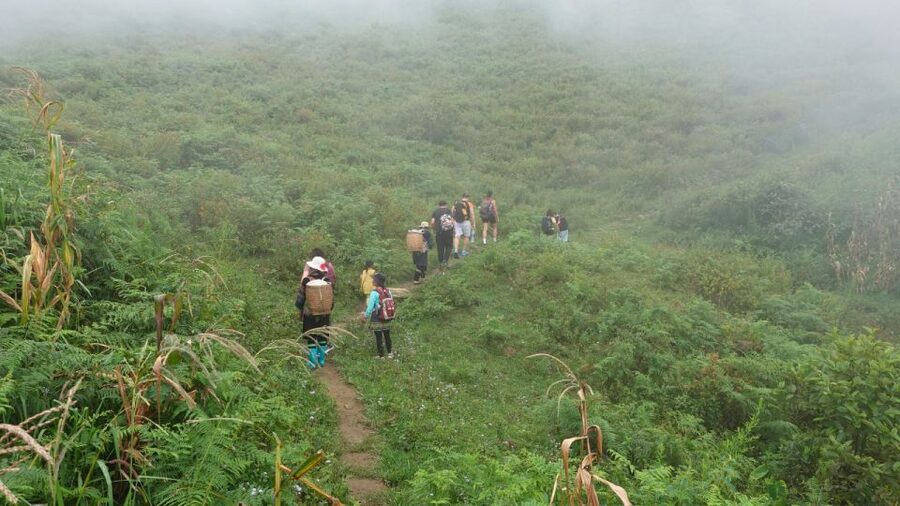
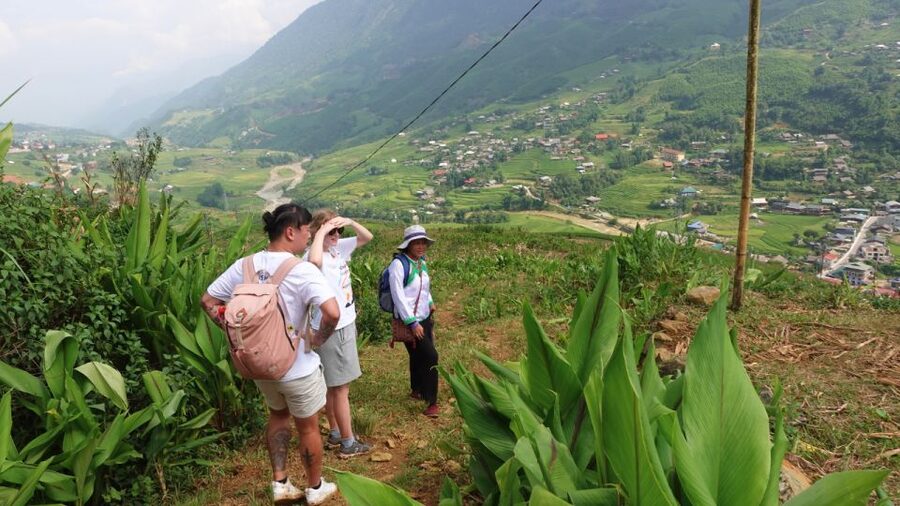
This is the heart of the trek. After about an hour of challenging trekking (the tour is very open about the uphill effort), you reach the summit of Sa Seng mountain. From here, you’re set for panoramic views of Sapa town, the Muong Hoa Valley, and the largest river and valley in the area.
Why this matters: a lot of Sapa days show rice terraces as a patchwork from the road. Getting up to Sa Seng means you can read the terrain—how the valley folds, how the terraces step down, and how the river threads through everything. It’s the kind of view that makes the rest of the day feel purposeful.
What to expect at the summit: you’ll likely have time for photos and to breathe. You might not be at the summit long, because the day moves on toward villages and lunch. But the viewpoints are clearly designed to be “watch, shoot, and then keep going.”
Terrain note: this part of the day is where sturdy shoes earn their keep. Even if it’s sunny, paths can be slick from mountain moisture.
Muong Hoa rice terraces: more than a photo backdrop
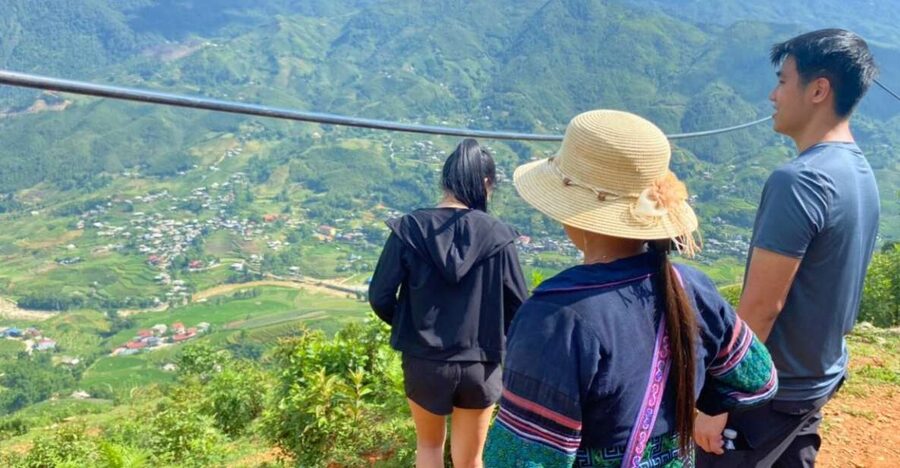
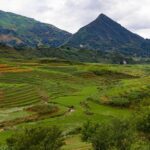
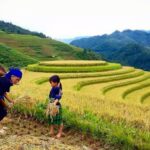
From Sa Seng, the tour continues with the terrace views in mind. The key moment is how you see the terraces: from a viewpoint overlooking Vietnam’s famous rice-terraced fields in Muong Hoa valley.
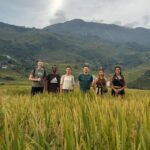
The value here is perspective. From above, the terraces don’t just look pretty—they show how the hillsides are farmed and managed. You can spot the grid-like steps and how water management ties the valley together. Even without getting technical, you’ll notice why the Hmong tradition of rice cultivation is so central to life here.
If you’re the type who likes to understand what you’re seeing (not just pose for a picture), this is where you’ll get your mental “map” for later village stops. You’ll start to connect the fields you can see from the summit with the rice work you may be shown after lunch.
Hang Da Village (Black Hmong): daily life, guides who explain, and a sales reality check
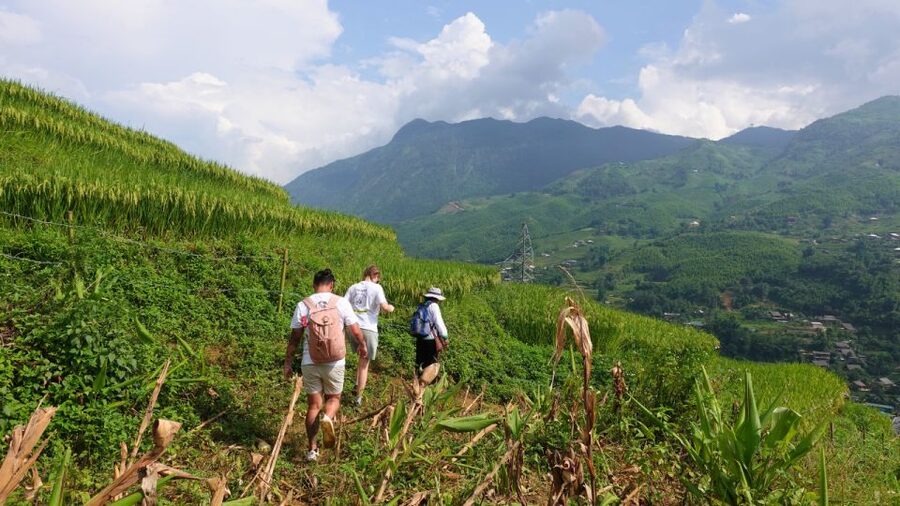
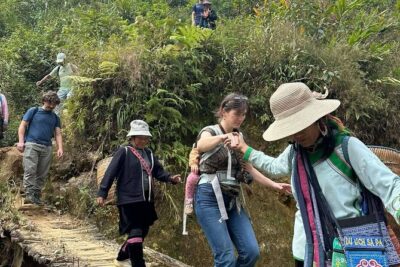
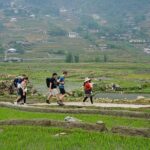
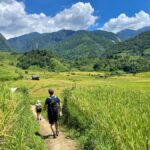
Next comes Bản Hang Đá (Hang Da village), home to the Black Hmong ethnic minority. You’ll walk downhill to the village for about 1 hour, with a break and photo time built in.
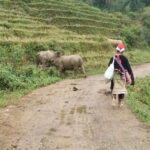
This stop is about more than houses and costumes. Your guide is there to explain Hmong customs and the work behind them—especially rice farming and house construction techniques. You may also see local animals around the path or village areas. The tour description specifically calls out the possibility of encountering things like buffalos and pigs.
Here’s the practical side: village visits can come with offers to buy items. In one on-the-ground experience, a traveler didn’t like feeling pushed toward purchases after being helped on steep track sections. A small purse was offered at a high price, and the visitor felt the final moments became sales-focused—especially after interacting with multiple vendors at lunch. So bring a simple mindset: appreciate the culture, but decide ahead of time whether you’ll buy anything, and how you’ll say no.
Small etiquette tip that works almost everywhere: take photos only when it feels welcomed, ask first, and if you don’t want to buy, keep your answer calm and consistent. You won’t get a better trip by being tense—you just won’t end up stressed either.
Lunch at Manh Dien Restaurant: included, but manage expectations
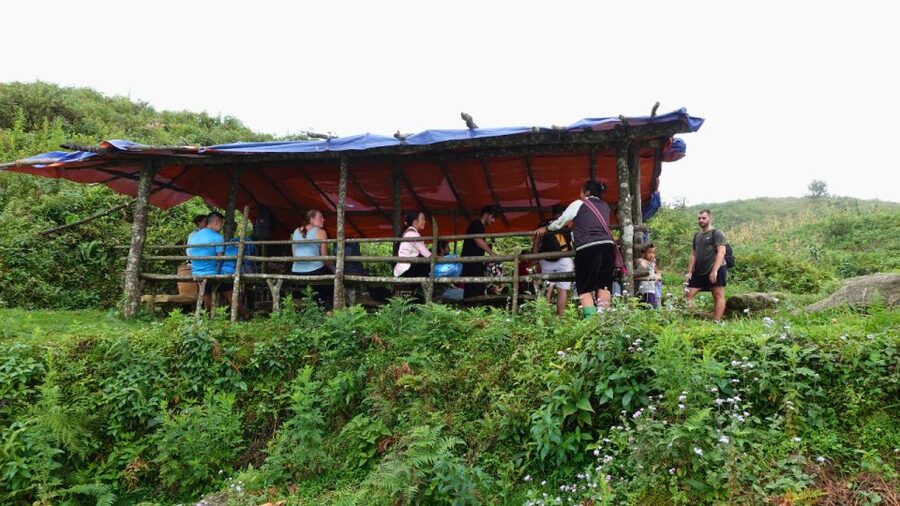
Lunch is included at Manh Dien Restaurant, with about 1 hour on the schedule. The tour description says it’s run by a local family, and that’s usually a good sign that the meal is part of village life rather than a tourist factory.
That said, lunch options can be limited by the day’s flow. In one experience, the lunch choices were described as rice, noodles, and then the guide arranged a meal combination including tofu and chicken. If you’re picky, that’s worth noting. In that case, the tofu wasn’t loved by everyone at the table, and the portioning left one person still hungry.
So, how should you handle this? If you have dietary needs, don’t rely on “tofu may be available” as a guarantee. If you can’t eat certain ingredients, ask your guide before lunch. And if you want insurance against underwhelming food, bring a small snack in your daypack (water is included, but extra snacks aren’t mentioned).

Hau Thao Village and Hmong marriage customs: what you’re really there to learn
After lunch, the day shifts to Hau Thao village, another Black Hmong community stop connected by a quiet road. This part of the trek is where the cultural teaching becomes more specific. Your guide introduces unique Hmong marriage customs, along with rice cultivation and house construction techniques.
This stop is valuable because it turns “culture” into something you can picture: why people build their homes the way they do, how marriage traditions fit into community life, and how rice farming shapes the calendar. Even if you only catch a slice of the explanation, you’ll likely connect it back to the terraces you saw earlier.
You may also see village activities related to rice planting or harvesting—depending on the season and daily schedule. The tour doesn’t promise a specific fieldwork moment, but it does set the expectation that life here can be tied directly to the farming cycle.
The in-between photo stop near 8V4V+9HV and what “visit” usually means
The itinerary includes another stop after Hau Thao: a photo stop and “visit” around 8V4V+9HV, listed for 1.5 hours. The exact nature of this spot isn’t described in detail, so treat it as part viewpoint, part short village or roadside interaction.
In practical terms, this time often functions like a buffer. It’s where your group can catch its breath, get more pictures, and ask questions if your guide has a moment. If you want great photos, use this time for wide shots before the final return.
Getting back to Sapa around 15:30: plan your evening calmly
Your return is set for roughly 15:30, with transport waiting on the main road after you reach Giang Ta Chai village. That helps you keep the evening flexible—ideal if you want to eat in Sapa without rushing back in the dark.
There’s also a luggage tip that’s genuinely useful. If you have a hotel in Sapa, leave your main luggage there. If you don’t, the provider says you can leave luggage at their office at 09 Thac Bac Str, and that a shower is available after the tour. For a sweaty trek day, this is one of those small details that can make the difference between an okay day and a comfortable one.
Price and value: why $38 can work, and when it won’t
At $38 per person, this tour is priced to include the essentials you’d otherwise pay separately. You get:
- English-speaking guide
- Lunch
- Village entry fees
- 1 small bottle of water
- Transport back to Sapa
- Plus the day’s structured itinerary with multiple stops
That value is strongest if you want everything organized: transport, guidance, and a coherent route that connects summit views to village visits.
When it might not feel like value: if you’re highly budget-conscious but don’t want any shopping pressure at village stops, your experience can turn frustrating if you feel “managed” toward purchases after helpful interactions. Also, if your expectations are for long teaching sessions, the schedule is still a moving trek, and time at each stop is limited.
A smart middle-ground: go hungry for views and learning, but treat shopping as optional. If you do want to buy something, set a budget before you ever reach the stalls.
What to pack for this Sapa trek (so you’re not miserable)
The tour’s packing list is pretty standard—and you’ll be glad it’s specific. Bring:
- Comfortable clothes you can sweat in
- Warm shoes with traction
- Rain gear (Sapa weather can change fast)
- Insect repellent
- Sunscreen
- Camera
Add one more practical item: bring a small plastic bag for wet items. You’ll likely deal with damp trail sections.
Avoid baby strollers, and note that alcohol and drugs aren’t allowed. Also, the tour isn’t suitable for people over 70, which likely reflects the uphill/downhill walking and general terrain.
Should you book Mountain Views And Villages Trek?
Book it if you want a single-day Sapa hit that combines big summit views and Black Hmong village visits without requiring you to plan transport or navigate the route alone. The day is designed for people who like walking, can handle uneven paths, and are curious about how rice farming and village life work.
Skip it (or at least choose a gentler alternative) if:
- You’re not comfortable with steep, potentially slippery trails.
- You dislike sales pressure at village stops.
- You have dietary constraints and can’t be flexible at lunch.
- You’re in the age range where walking this kind of terrain is a stretch.
If you do book, go in with a simple strategy: wear grippy shoes, treat sales as optional, and ask your guide questions during the cultural explanations. That’s where this trek pays off.
FAQ
What time does the tour pick you up in Sapa?
Pickup is around 9:00 AM from your hotel lobby (you’re asked to wait about 5 minutes early) or you can meet at the iconic Sapa church.
How long is the trek?
The tour runs for 1 day, with the full experience returning you to Sapa at about 15:30.
What’s included in the $38 price?
The price includes lunch, an English-speaking guide, village entry fees, 1 small bottle of water per person, and transport back to Sapa after the village portion ends.
Are village visits part of the plan?
Yes. The itinerary includes Hang Da village and Hau Thao village (both Black Hmong communities), plus photo stops and breaks at other points along the route.
What should I bring for comfort and safety?
Bring a camera, comfortable clothes, warm shoes, rain gear, insect repellent, and sunscreen.
Is the tour suitable for older travelers?
It’s listed as not suitable for people over 70, likely due to the uphill and downhill walking.