REVIEW · SA PA
Sapa: Private trek to Muong Hoa Valley
Book on GetYourGuide →Operated by Vietnam Nomadtrails · Bookable on GetYourGuide
Shoes on. Sapa turns into trails fast. This private trek into Muong Hoa Valley is a hands-on way to walk through Black Hmong and Dzay villages, see the famous rice terraces up close, and learn the day-to-day rhythm of life in the hills. I especially like that an English-speaking guide brings the story to the path, with guides such as Cha sharing a lot of interesting detail and Zheng customizing the pace to your comfort level.
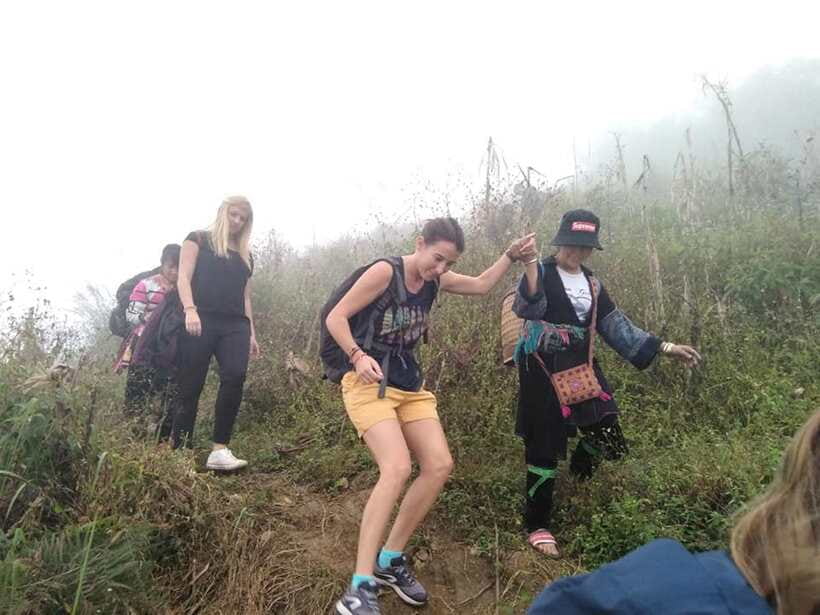
One thing to plan for: it’s a solid 12 km on foot, and during May–September the trails can be slippery, especially on steeper stretches. Also, it isn’t suitable for everyone—pregnancy, heart problems, and mobility impairments are deal-breakers for this route.
In This Review
- Key highlights I’d actually plan around
- From Sapa town to Muong Hoa Valley: the walk starts with purpose
- Black Hmong villages: customs you can see in daily routines
- Lao Chai rice terraces: the view stop with real impact
- Lunch by the river (or in a local restaurant): fuel that doesn’t feel like an afterthought
- Ta van with the Dzay: craft skills you can actually watch and discuss
- Why the private format matters on steep, slippery terrain
- Transportation, pickup, and getting back to Sapa center
- Price and value: what $47 gets you in a real way
- What to bring for a 12 km hill hike (and what to skip)
- Who should book this Muong Hoa Valley trek—and who shouldn’t
- Should you book this private Sapa trek to Muong Hoa Valley?
- FAQ
- How long is the Muong Hoa Valley private trek?
- What distance do we trek during the tour?
- Is pickup from my hotel included?
- What language is the guide?
- Is lunch included?
- Are entrance fees included?
- Is water provided?
- Are slippers allowed?
- Is the tour suitable for pregnant women or people with mobility issues?
- Is there free cancellation, and how does it work?
Key highlights I’d actually plan around
- Muong Hoa Valley views with a full walk through village areas, not just a quick photo stop
- Black Hmong villages where you’ll interact and get a feel for daily life and customs
- Lao Chai rice terraces as a major viewpoint, timed into the trek
- Lunch included near the riverbank or at a local restaurant, described as both good and plentiful
- Ta van houses and crafts with weaving and coloring techniques from Dzay locals
- Private format that adapts when paths get steep or slick
From Sapa town to Muong Hoa Valley: the walk starts with purpose
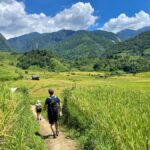
This trek is built around moving on foot from Sapa town toward Muong Hoa Valley, one of northern Vietnam’s most well-known mountain valleys. The best part is that you’re not just transported to a viewpoint—you transition from town life into hillside village life, step by step.
Your English-speaking guide sets the tone early. In the guides I’ve seen discussed for this experience (including Cha and Zheng), the common thread is clarity and flexibility: you get context as you walk, and the route can be adjusted if the terrain feels too steep or slippery for your group. Since it’s a private trek, that matters. You can keep the hike enjoyable instead of forcing a pace that feels like a workout you didn’t buy.
Time-wise, you’re out for about 5 hours, and starting times depend on availability. That length hits a sweet spot for many people: long enough to feel like you left town for real, short enough to still keep your afternoon open.
You can also read our reviews of more tours and experiences in Sa Pa.

Black Hmong villages: customs you can see in daily routines
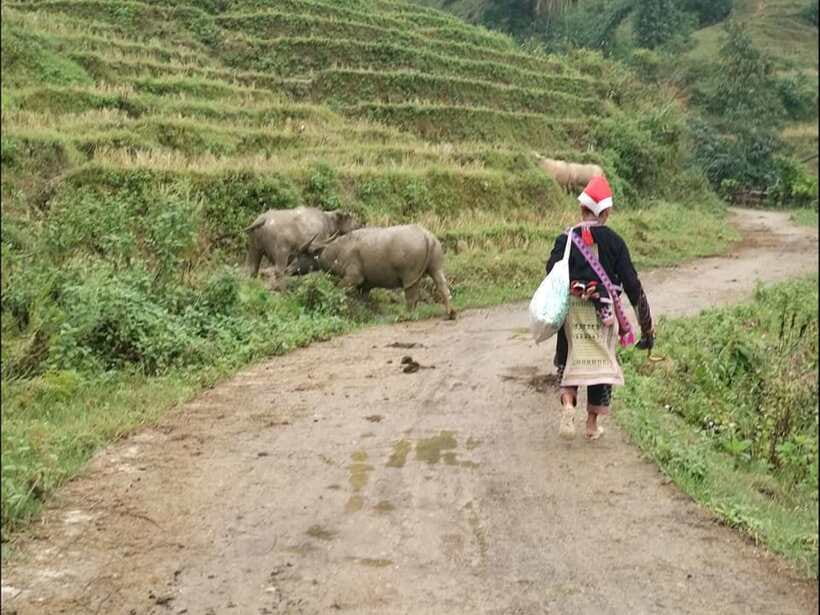
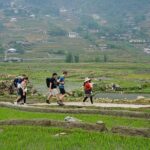
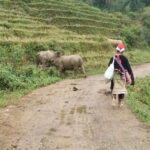
The trek takes you through villages of the Black Hmong tribe, and that’s where the experience gets personal. You’ll interact with locals and get a front-row view of ordinary life—how people move through their day, how the landscape and farming shape routines, and how traditional culture shows up in everyday choices like clothing and village work.
A key detail here is that the guide isn’t there just to translate words. They help you notice what’s worth noticing. The descriptions of Cha’s guiding style highlight lots of interesting details, from pickup all the way through lunch and the ride back. That kind of guidance is what turns a walk past houses into a meaningful cultural experience.
The practical side: village paths can feel tight, uneven, and sometimes muddy. If you’re expecting flat ground, you’ll want to recalibrate. Think “walking with attention” rather than “easy stroll.”
Lao Chai rice terraces: the view stop with real impact
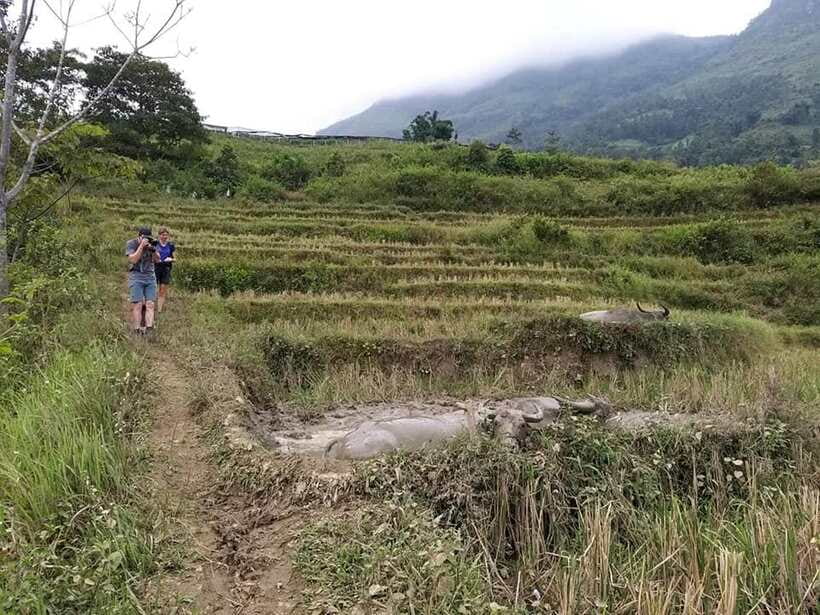
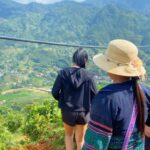
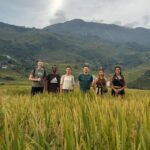
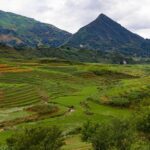
Reaching Lao Chai is the moment many people come for. This is where you get spectacular views of some of the most beautiful rice terraces in Vietnam. Even if you’ve seen terrace photos online, standing there with the hills around you feels different—because you can see how the terrain shapes every row and how the village sits within it.
What makes this stop particularly valuable is timing. It’s reached after trekking through village areas, so the terraces don’t feel random or disconnected. They feel like part of the same working landscape you’ve been walking through.
You’ll also likely get the sense of why these terraces matter beyond scenery. Terraces are labor, water management, and seasons. Your guide can help connect what you’re seeing to how people live here, so you’re not just looking—you’re understanding.
Lunch by the river (or in a local restaurant): fuel that doesn’t feel like an afterthought
Lunch is included, and the meal happens near the riverbank or at a local restaurant. I like this setup because it prevents the common problem with hikes: you end up eating something fast and forgettable at the end of a long day. Here, lunch is treated as a real break in the middle.
One review notes that lunch was very good and plentiful, which is exactly what you want after walking roughly 12 km. Another plus: because the timing is built into the trek, you’re not stuck hunting for food while everyone waits around.
If you’re sensitive to timing or food preferences, it’s still smart to plan for a straightforward meal style. The tour includes lunch but doesn’t mention customization for special diets, so bring a practical mindset. Eat well, hydrate, and get ready for the afternoon walking.
Ta van with the Dzay: craft skills you can actually watch and discuss
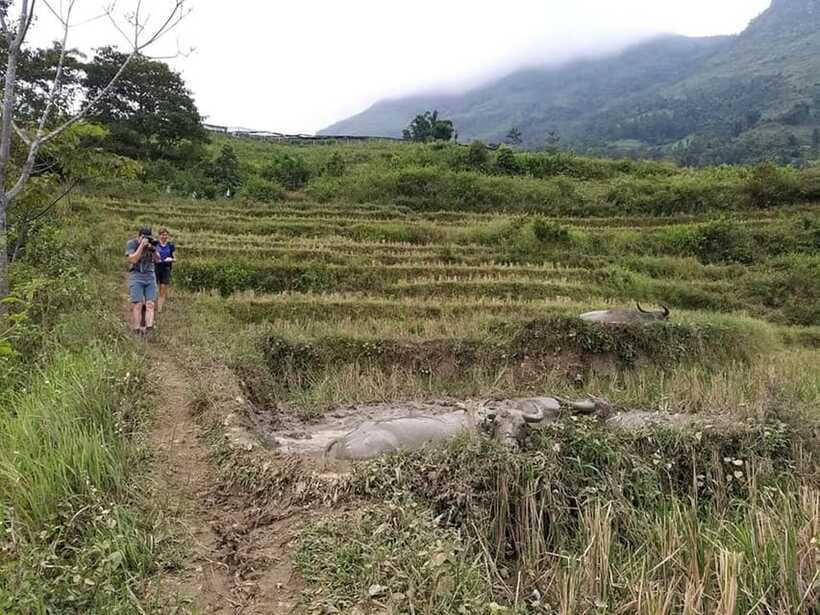
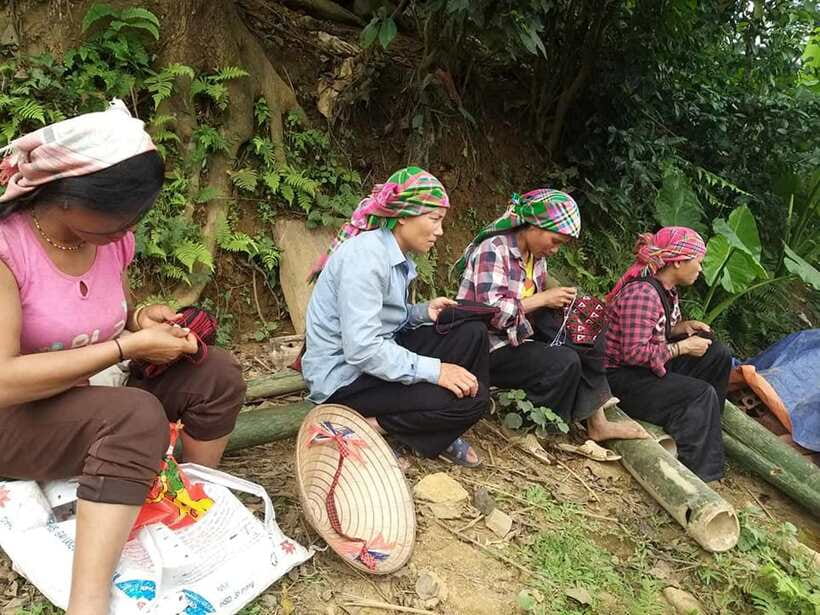
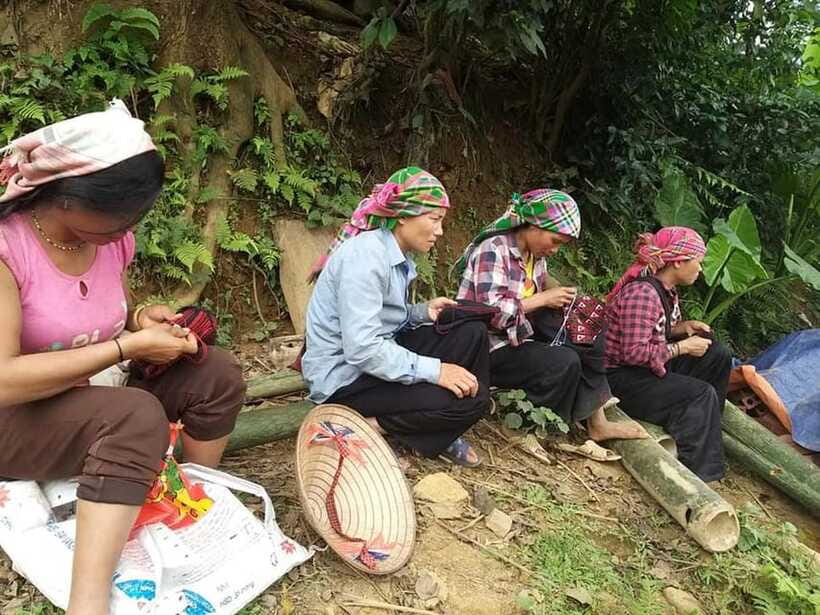
After lunch, the trek continues to Ta van village, home to the Dzay ethnic group. This part shifts from terrace views toward close-up village life. You’ll visit local houses and learn more about rural life, including customs and costumes.
The craft element is a standout. You’ll discover traditional handicrafts like weaving and coloring their handicrafts. Even if you don’t sit there for hours, the value is in seeing the skill in action and hearing what the guide explains about how and why items are made the way they are.
This is also where your guide’s style really shows. Zheng was described as accommodating and knowledgeable, and that matches what you’ll want here: time to ask questions, clear explanations, and pacing that doesn’t rush the house visit portion.
Just remember: this is a working village. You’ll be moving through real spaces, not a staged museum. Keep your tone respectful and your pace calm, and you’ll get more out of it.


Why the private format matters on steep, slippery terrain
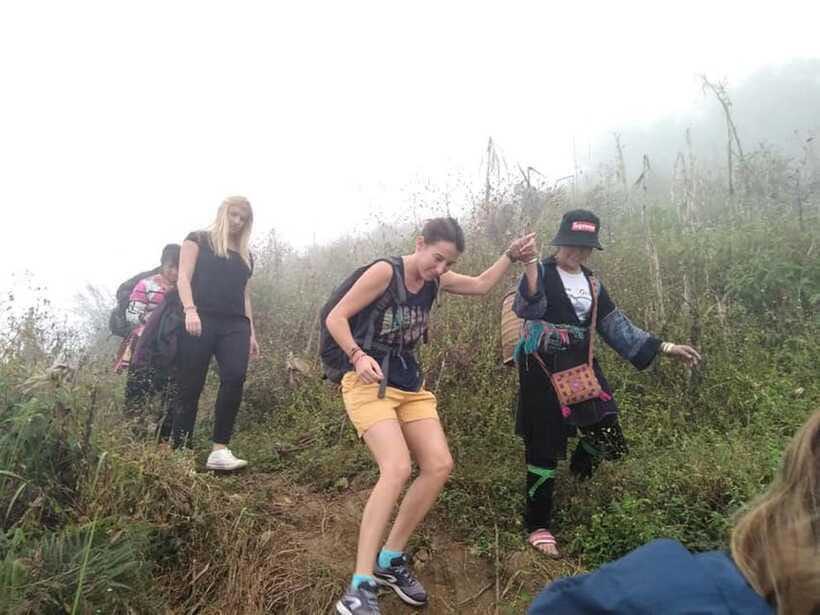
The route includes steep stretches and can be slippery in the summer months (May through September). That’s not a complaint—it’s simply Sapa reality. What makes the experience smoother is that the guide can adapt the trekking path based on conditions and your comfort level.
In the feedback shared for this trek, you can see the difference: one guide is described as friendly and changing the route when paths were steep and slippery. Another is described as customizing the hike based on the group’s comfort. With a private setup, that flexibility is easier to deliver.
So if you’re a strong hiker, you might move with confidence. If you’re not, you can still enjoy the day without feeling like you’re falling behind everyone. The key is to tell your guide your comfort level early and be honest about any concerns before the hardest sections show up.
Transportation, pickup, and getting back to Sapa center
The logistics are simple. You’ll get hotel pickup and drop-off in Sapa Town only, and you’ll start the trek from the area in town before heading out on foot.
After the walking portion, you’ll reach the main road where the driver is waiting, then return by private car back to the Sa Pa center. That end detail matters because it prevents the common fatigue trap: you’re not walking until you’re done, you’re walking until the day hits its planned finish—and then you transfer to a ride.
The tour also includes transportation in the overall price, plus water for the hike. That’s practical value. In a mountain setting, buying water separately can turn into an annoying add-on.
Price and value: what $47 gets you in a real way
At $47 per person, this trek is priced like a mid-range Sapa experience. What makes it feel fair is the mix of included services: an English-speaking guide, lunch, entrance fees, water, and pickup/drop-off within Sapa town.
A lot of cheaper options in this area look similar until you add up extras—sometimes guide time, sometimes entry costs, sometimes transport. Here, the included list is straightforward. You pay for the whole package and spend less time negotiating details.
There are a couple of add-ons worth knowing:
- If you request a French-speaking guide, there’s a $15 per person surcharge, paid at the meeting point.
- During Lunar New Year (26 Jan to 2 Feb 2025), there’s a $35 per person surcharge paid directly on the trip.
If you’re comparing value, think about what you’d pay separately: guide + transport + meal. Even with conservative assumptions, $47 starts looking like it covers the work behind a smooth day.
What to bring for a 12 km hill hike (and what to skip)
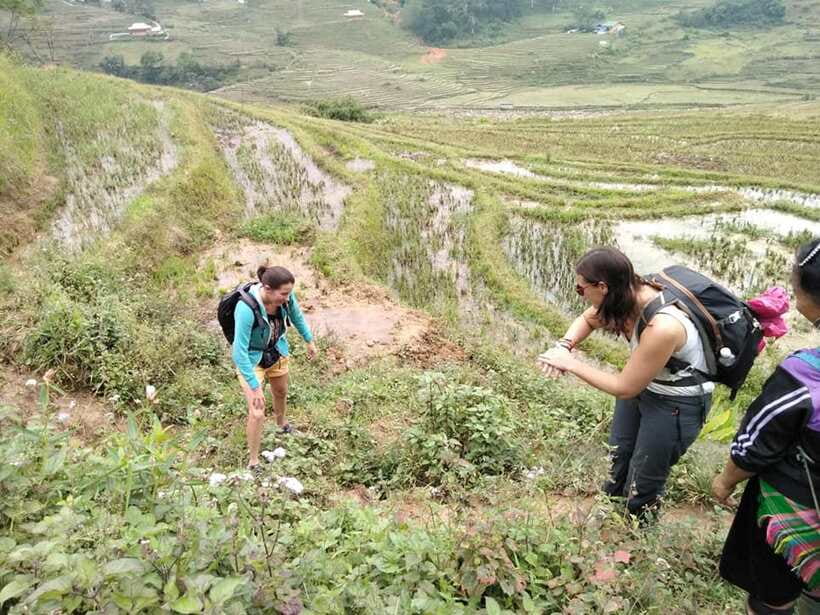
The tour asks you to bring comfortable clothes and comfortable shoes, and it’s clear about one no-go: slippers aren’t allowed. Good footwear isn’t optional here.
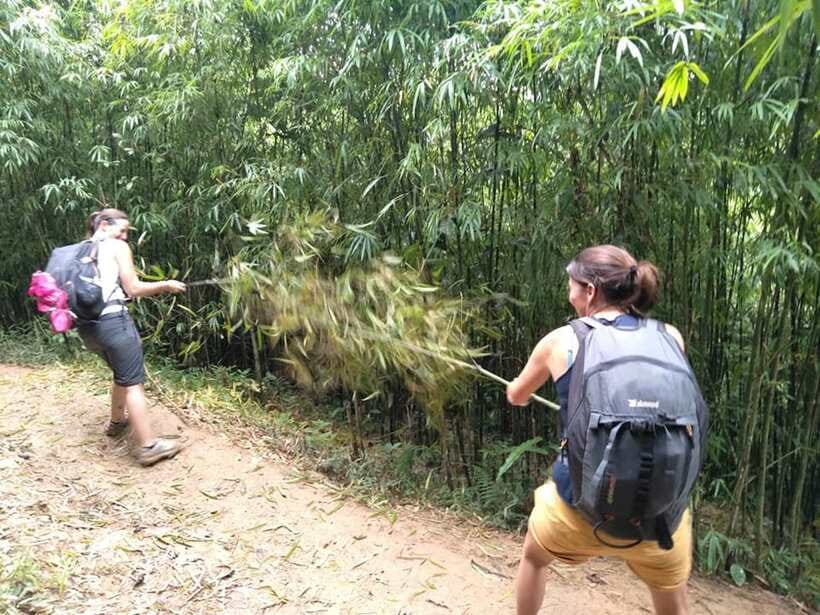
Because you’ll trek around 12 kilometers, and because conditions can get slippery between May and September, plan for solid grip. If you don’t want your day turned into a cautious shuffle, pack hiking shoes with tread. This is one of those times where slightly better shoes reduce stress more than almost anything else.
A practical packing checklist:
- Supportive trekking shoes (especially for rainy-season grip)
- Comfortable long pants or clothes you can move in
- A small layer for cool mountain air (not listed, but smart in northern Vietnam)
Also, this is not listed as suitable for people with mobility impairments, so if balance and step height are major issues for you, choose a different activity.
Who should book this Muong Hoa Valley trek—and who shouldn’t
This trek fits best if you want a blend of scenery, village interaction, and crafts in one half-day format. It’s ideal for people who like guided walking, are comfortable with uneven paths, and enjoy learning about culture through real-life settings like houses and village routines.
It’s less suitable if:
- You’re pregnant
- You have heart problems
- You have mobility impairments
Those limits are there for a reason. The route involves a decent distance and challenging ground at times.
Should you book this private Sapa trek to Muong Hoa Valley?
If your goal is a meaningful half-day outside Sapa—walking through Black Hmong and Dzay village areas, reaching Lao Chai terraces for the big view, then ending with Ta van craft and house visits—this is the kind of tour worth booking. I like that it’s private, runs about 5 hours, includes lunch, and comes with pickup/drop-off in Sapa town. The guides mentioned, including Cha and Zheng, also sound like they focus on explanations and adjusting to conditions, which makes the hike more enjoyable and less stressful.
I’d think twice if you hate steep, slippery walking, or if you’re traveling with mobility or health limitations that make uneven trails unsafe. In that case, you’ll likely spend the day worrying instead of taking it in.
If you can handle 12 km on village paths and you want a real look at how these communities live, this private Muong Hoa Valley trek is a strong value at $47.
FAQ
How long is the Muong Hoa Valley private trek?
The duration is about 5 hours.
What distance do we trek during the tour?
You’ll trek around 12 kilometers.
Is pickup from my hotel included?
Yes, pickup is included, but only from hotels in Sapa town.
What language is the guide?
The tour includes an English-speaking guide.
Is lunch included?
Yes, lunch is included.
Are entrance fees included?
Yes, entrance fees are included.
Is water provided?
Yes, water is included.
Are slippers allowed?
No. Slippers are not allowed.
Is the tour suitable for pregnant women or people with mobility issues?
No. It is not suitable for pregnant women, people with heart problems, or people with mobility impairments.
Is there free cancellation, and how does it work?
Yes. You can cancel up to 24 hours in advance for a full refund.