REVIEW · SA PA
Fansipan Trekking – 1 Day
Book on GetYourGuide →Operated by Sapa Original Trek Company Limited · Bookable on GetYourGuide
One of Vietnam’s hardest day hikes. This Fansipan trek from Sapa is a serious climb (up to 3143 m) with an English-speaking guide and some big “wow” views once you clear Tram Ton. I especially liked the professional organization that starts with pickup and ends with a smooth return to town, plus the guide attention that keeps the day from feeling chaotic.
My second favorite part was the human touch: the forest walk isn’t just scenery, it’s context, and I’ve seen guides like Mr Cho share how the local life connects to the woods while still keeping an eye on pace. The one thing to plan for is effort: it’s a 10–12 hour trek and roughly 24 km total, so it’s not a casual stroll, even though the support helps.
In This Review
- Key moments that make this trek worth it
- Fansipan in one day: what you’re really signing up for
- Pickup in Sapa: the day starts when you want it to
- Tram Ton pass to lunch around 2800 m: the rhythm of the climb
- Reaching the summit: views, patience, and pacing
- The descent to Tram Ton and back to Sapa: don’t underestimate it
- The guides: English support and a real sense of care
- Weather and temperatures: plan for cold hands, quick changes
- What to bring (and what actually matters on this route)
- Permits and registration: the small admin step that prevents big problems
- Price and value: why $77 can make sense here
- Who this trek suits best
- Should you book the 1-day Fansipan Trekking?
- FAQ
- How long is the Fansipan trekking day?
- What distance and elevation gain should I expect?
- When do you pick me up in Sapa?
- Is lunch included, and where do we eat?
- Will I need to pay for the cable car?
- What languages are available?
- What weather should I plan for?
- What should I bring for this trek?
- Who is this tour not suitable for?
Key moments that make this trek worth it
- English-speaking guides who actually explain the route and the forest, not just point forward
- High-quality day-planning: pickup from central Sapa and return around late afternoon
- Picnic lunch at altitude (about 2800 m) so you eat without losing the momentum
- A real climb, not a gimmick: ~1400–1600 m total height gain across 24 km
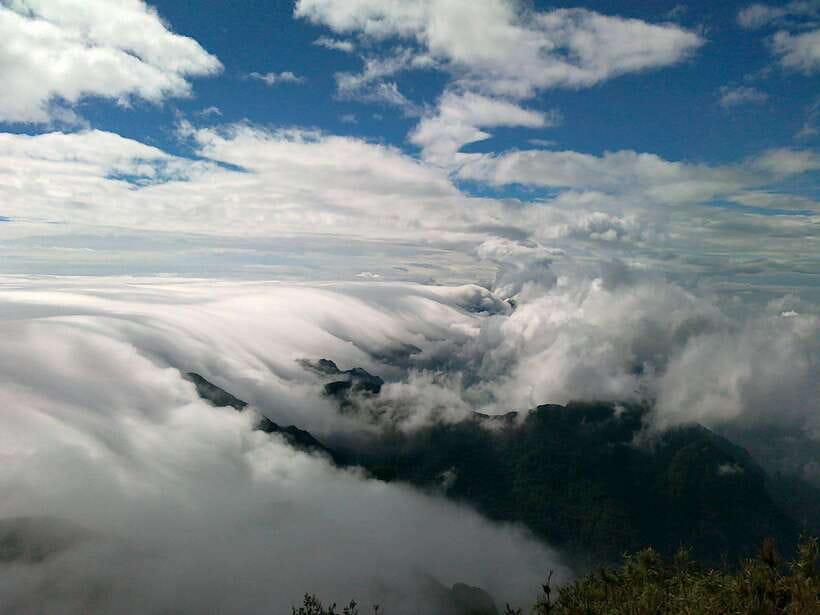
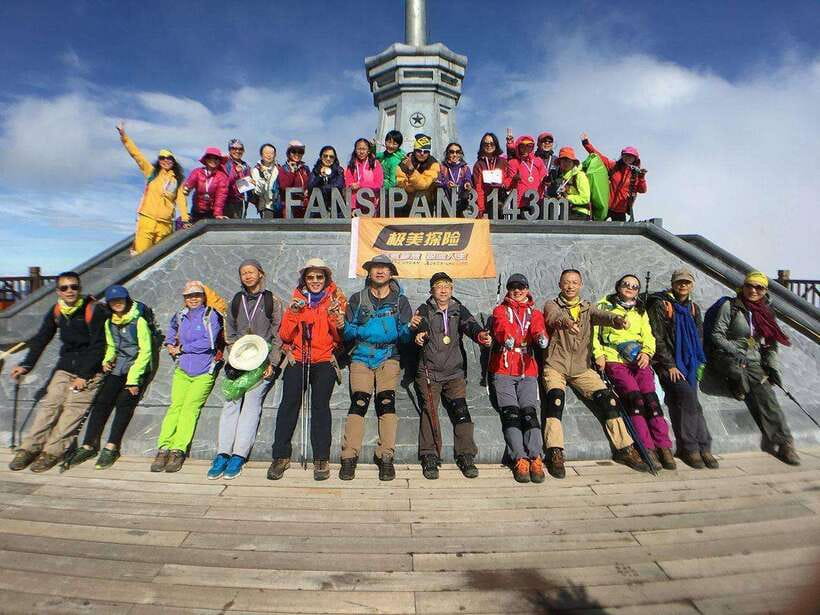
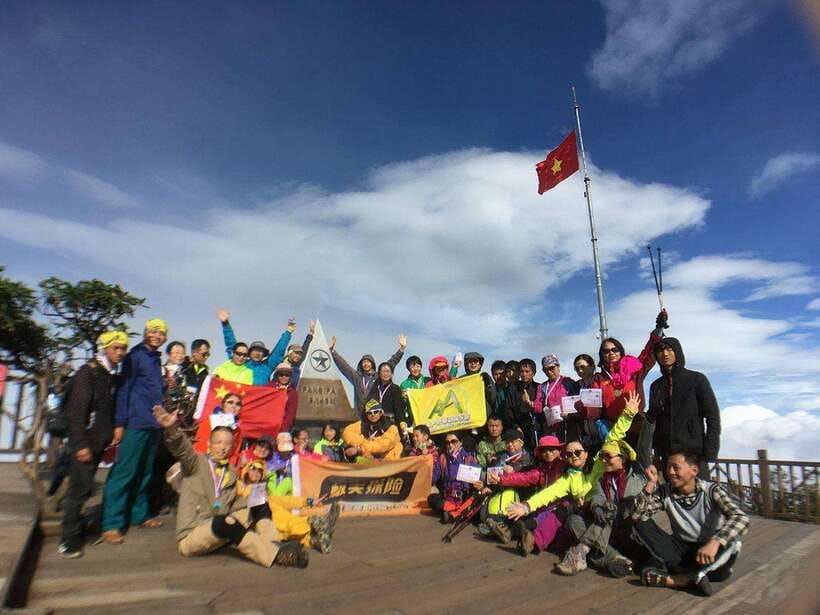
- Photo time at the top with views over Sapa and toward Vietnam–China mountain ranges
- Route choice on the way down: you can trek back or use the cable car (ticket paid by you)
Fansipan in one day: what you’re really signing up for
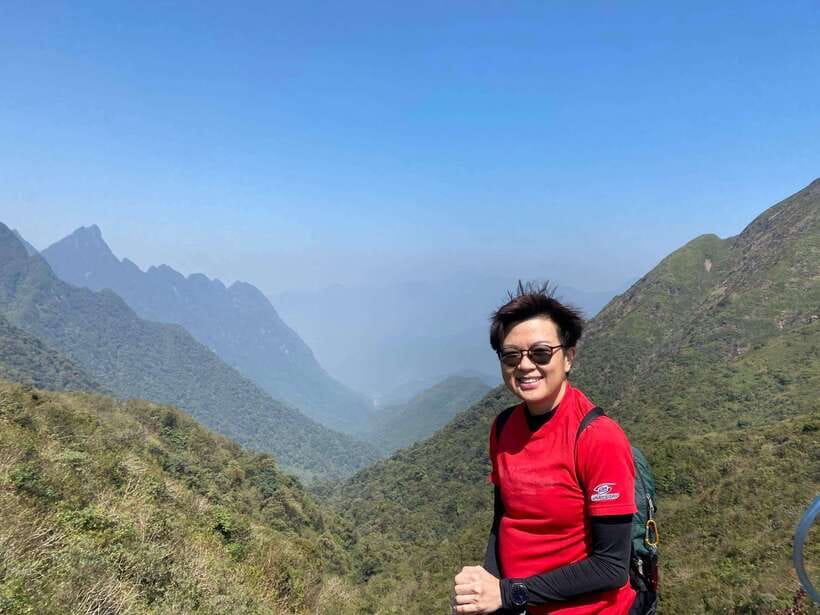
Fansipan is the highest peak on the Indochina Peninsula, and that fact matters because it shapes everything about this trip. You’re not just “going to a mountain.” You’re committing to a long, steep day where breathing, footing, and weather all tug at your plans.
Expect about 12 km hiking in each direction (roughly 24 km round-trip). The climb isn’t only distance. You’ll rack up about 1400–1600 m of elevation gain, and that’s why the timing is strict: you’ll usually be out there around 10–12 hours on foot, plus travel time. If you’re looking for a quick nature walk, this is not that.
The upside? When it works, the payoff feels earned. You’ll start from Tram Ton pass at around 2000 m and work upward through bamboo, older forest sections, and streams. By the time you reach the summit, you’re set up for those wide, dramatic views over Sapa and the wider border-mountain area.
You can also read our reviews of more tours and experiences in Sa Pa.

Pickup in Sapa: the day starts when you want it to
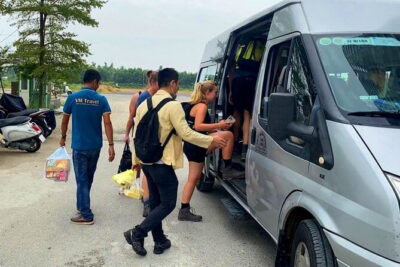
This is set up as a true day tour. In the early morning, a driver picks you up from hotels around the center of Sapa town (not from villages or remote homestays). If you’re traveling alone, you may use a scooter for the transport portion to fit the plan.
Timing is typically early: around 5:30–6:00 AM you’re moving toward Tram Ton pass, which is about 2000 m above sea level. Starting like this helps you beat crowds, catch clearer light (often), and get back before conditions turn dark or cold.
Because the pickup is centered on Sapa, the day feels simpler. You’re not piecing together extra rides, and you can focus on the hike and your kit.
Tram Ton pass to lunch around 2800 m: the rhythm of the climb
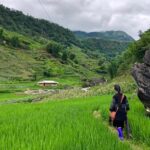
Tram Ton pass is your trailhead and your first altitude checkpoint. From there, you head into forest routes with bamboo and older trees, plus small streams and occasional colorful flower areas (depending on season and trail conditions).
This section is where you build your rhythm. The ground can be uneven, and the air gets cooler as you climb. That’s also why having the right clothing matters more than you think. If you go too light, you’ll feel it. If you go too warm, you’ll sweat and get chilled later.
Lunch lands around 2800 m. The tour includes a picnic lunch carried by the guide, typically bread, fried chicken and eggs, tomato and cucumber, two kinds of fresh fruit, and small Vietnamese snacks. One practical point: eating at altitude can feel different, so it’s helpful that the meal is planned in, rather than you guessing where to find food.
If you have dietary needs, you should tell the operator in advance so they can adjust (for example vegetarian or allergy requests).
Reaching the summit: views, patience, and pacing
You’re aiming to arrive at the top around 12:00–13:00, but speed controls that window. Some people reach sooner, others later, and the guide’s job is to keep you safe while still giving you a fair chance for photos and summit time.
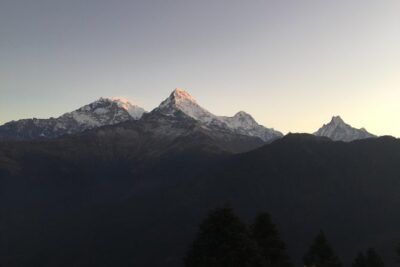
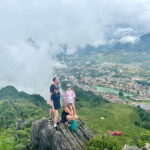
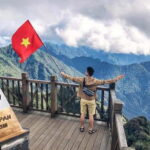
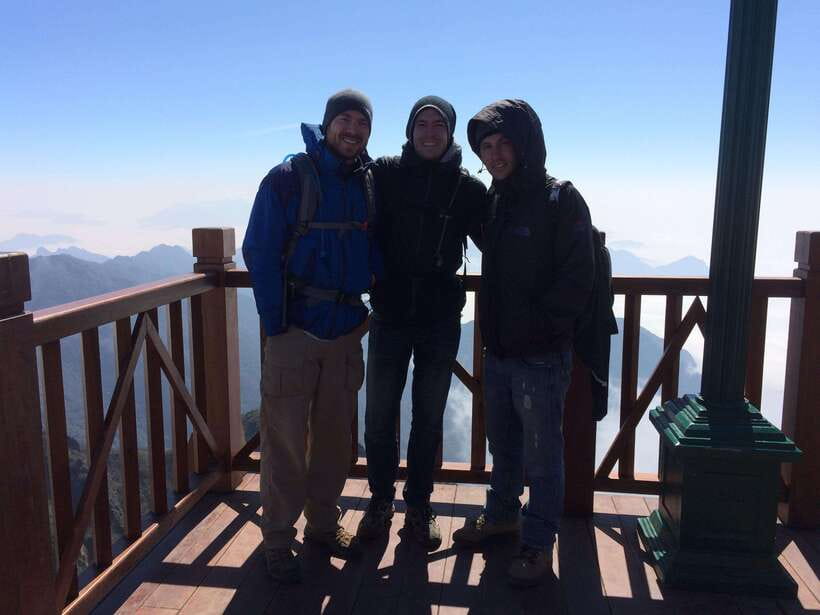
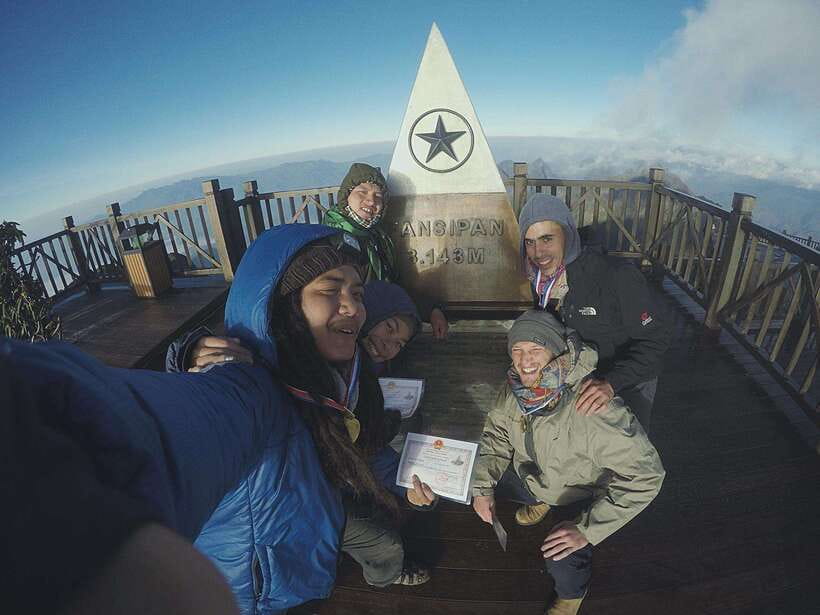
At the top, you’ll get a lot of amazing views: Sapa town below, plus mountainous terrain stretching toward Vietnam–China areas. This is the moment where good effort turns into a visible reward. If the weather is clear, the summit feels wide and open. If it’s misty, it can still be dramatic, but visibility is the tradeoff.
One detail I appreciate: summit time doesn’t need to be rushed. The plan includes time for pictures, and you’ll start down soon enough to avoid getting caught in worsening conditions.
The descent to Tram Ton and back to Sapa: don’t underestimate it
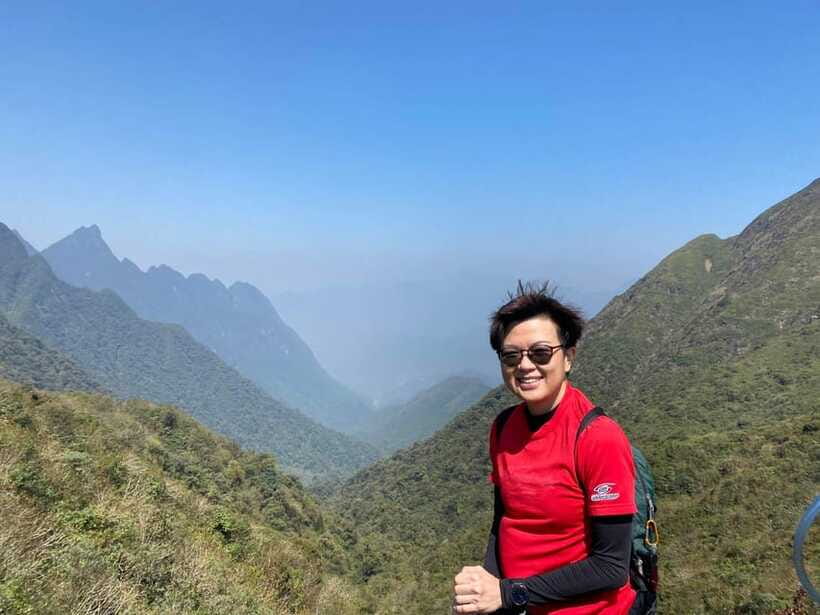
Going down can feel easier until your legs start to complain. The return hike is still part of the same 10–12 hour trek block, just moving in a different kind of stress: slower joints, more attention on footing, and the risk of getting chilly after exertion.
You’ll begin descending after summit time and aim to finish around 17:00–18:00 by trekking down, depending on speed. If you use the cable car on the way down, the return timing shifts earlier—around 14:00–15:00, again depending on your pace.
That cable car option is useful for strong walkers who still want a safety net. You pay the cable car ticket yourself. If you think you might slow down on the way down, this can be the difference between finishing refreshed and finishing exhausted.
The guides: English support and a real sense of care
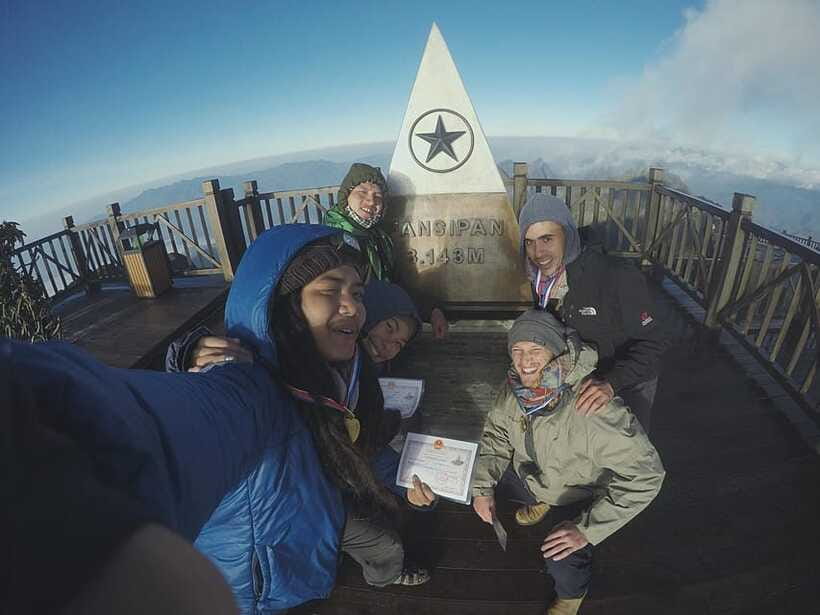
This tour’s reputation isn’t built on hype. It’s built on the guides doing the work: communication, pacing, and attention from start to finish.
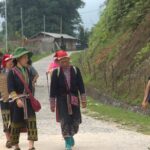
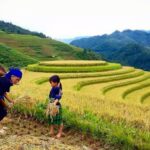
The English level is a standout. You’ll feel it when explanations stay clear—about the forest environment, route choices, and what to expect next. In one case, the guide shared personal knowledge from local life tied to the forest, then kept everyone moving steadily. Another guide (also praised for enthusiasm and attentiveness) stayed polite and engaged the whole day.
A good example of how they manage pacing: one guide will often move ahead to set the flow and motivate you, then wait for you to regroup—so you’re not alone in the slow parts, but you’re also not stuck waiting forever.
If you like hikes where you can ask questions and still get a smooth plan, you’re in the right place.
Weather and temperatures: plan for cold hands, quick changes
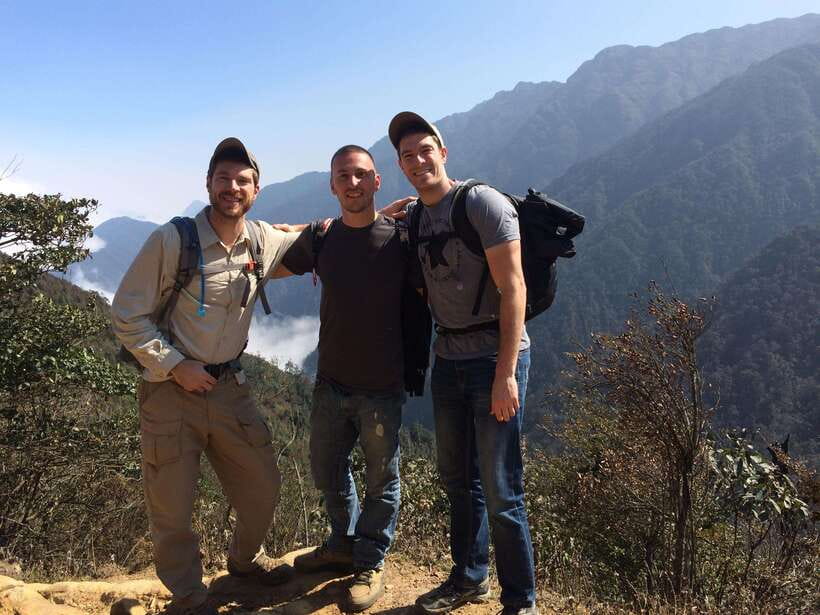
Fansipan weather changes fast, and this matters because your comfort affects your stamina. The tour gives season guidance that’s genuinely practical.
- November to April (winter): often sunny, sometimes misty or with rain that isn’t heavy. Temperatures can range from -2 to 12°C.
- May to October (summer): still cold on Fansipan. It can be sunny with mist and possible heavier rain, but not necessarily full-day or every-day. Temperatures are roughly 5 to 15°C.
Even if the forecast looks manageable, treat this as a cold hike with rain potential. Cold winds + wet trail sections + tired legs is the combo that ruins a day.
What to bring (and what actually matters on this route)
The provided plan sets you up with a few essentials, but you still need to bring your own comfort and safety gear.
Pack around these priorities:
- Warm clothing (think layers you can adjust while climbing)
- Hiking shoes with grip
- Rain gear (not optional if you want a calm day)
- Gloves and long pants
- Hat
- Sunscreen (yes, even in cold weather)
- Head-light (because timing matters if conditions shift)
- Toilet paper
- Waterproof bag (useful for keeping phone and extra layers dry)
- Trekking poles are suggested; if you prefer, you might find a bamboo stick in the jungle, but don’t count on it
They provide 1.5 liters of water per person. Still, bring your own small stash if you know your drinking habits.
Also bring some cash, since the cable car ticket (if you choose it) is paid by you.
Permits and registration: the small admin step that prevents big problems
This hike runs with permits, and the operator needs specific details for every member in your group. You’ll be asked for items like:
- full name
- date of birth
- gender
- passport number
- nationality
- dietary requirements (if any)
If you’re booking late or for a group, double-check the information before submission. It’s not glamorous, but it keeps your trekking day from turning into a paperwork scramble.
Price and value: why $77 can make sense here
At $77 per person, the value depends on what you care about. For this kind of 1-day high-altitude trek, you’re not just paying for a guide to walk beside you. You’re paying for:
- an English-speaking guide
- transport from central Sapa and return
- entrance fee to Fansipan, including a medal and certificate
- insurance
- picnic lunch and 1.5 liters of water
- a managed route with a planned schedule (early pickup, timing for summit, and descent)
If you were to DIY this hike—securing a competent guide, handling transport timing, sorting permit needs, and making sure you return safely—costs can climb fast. Here, the price buys the “friction removal.” You show up, hike, and finish without extra logistics.
It’s still tough, though, so only treat it as good value if you’re ready for a demanding day.
Who this trek suits best
This is best for:
- hikers who are comfortable with a long day and steep conditions
- people who want English explanations and guide-led pacing
- travelers who like having a clear plan rather than figuring everything out on the fly
It’s not suitable for:
- children under 14
- pregnant women
- people over 70
If you’re on the edge physically, consider how you handle downhill fatigue. Cable car down can help, but the uphill effort is still real.
Should you book the 1-day Fansipan Trekking?
Book it if you want the highest peak in Vietnam in a single day and you value a guided, organized experience with clear communication. You’ll likely enjoy the mix of forest route, the planned picnic lunch at altitude, and the summit views over Sapa—especially if you’re the type who likes earned rewards.
Hold off if you’re sensitive to long distances, steep climbs, or cold/wet weather. This trek asks for strong legs and steady attention. Also, if your schedule is tight and you hate the idea of adjusting based on timing and weather, you might feel stressed.
If you’re fit, prepared, and okay with a challenging day, this is a solid way to do Fansipan.
FAQ
How long is the Fansipan trekking day?
The trek lasts about 12 hours total, depending on starting times and your hiking speed.
What distance and elevation gain should I expect?
You’ll hike roughly 12 km each way (about 24 km total) with about 1400–1600 m of height gain.
When do you pick me up in Sapa?
Pickup is typically around 5:30–6:00 AM from hotels around the center of Sapa town.
Is lunch included, and where do we eat?
Yes. You get a picnic lunch, and it’s eaten along the route around a campsite area at about 2800 m. The guide carries the lunch.
Will I need to pay for the cable car?
If you choose the cable car to go down, you pay the cable car ticket yourself. The trek route also allows you to hike back down the same way.
What languages are available?
The tour guide speaks English.
What weather should I plan for?
Weather can change quickly. From November to April it can be cold and sometimes misty or rainy, with temperatures from about -2 to 12°C. From May to October it’s still cold, with possible rain and mist, roughly 5 to 15°C.
What should I bring for this trek?
Bring warm clothing, hat, hiking shoes, sunscreen, rain gear, gloves, long pants, cash, and a waterproof bag. A head-light and toilet paper are also recommended.
Who is this tour not suitable for?
It’s not suitable for children under 14, pregnant women, or people over 70.