REVIEW · SA PA
From Hanoi: 2-Days Sapa Trek Lao Chai/Cat Cat, Fansipan Peak
Book on GetYourGuide →Operated by Duy Amma · Bookable on GetYourGuide
Sapa feels like a world above Hanoi. This two-day plan stacks ethnic minority village trekking with the big payoff of Fansipan, the Roof of Indochina, plus photo stops and mountain views. I especially like the mix of Cat Cat waterfall scenery with real village life you can actually walk through and see at close range.
One thing to consider: the trekking portion needs proper boots and steady legs. If you’re expecting flat, easy walking, you may find parts of the route a bit demanding.
The result is a trip that feels efficient and well run, with a clear flow from Hanoi to Sapa and back. It’s also the kind of itinerary where small comfort details matter—like sunscreen, footwear, and going in with the right expectations about altitude on Fansipan Peak.
In This Review
- Key things that make this Sapa trek worth your time
- Two days that actually connect: from Sapa villages to Fansipan clouds
- Hanoi to Sapa by sleeper bus: why this timing makes sense
- Day 1 trek choice: Cat Cat village and the waterfall payoff
- Day 1 trek choice: Lao Chai and Ta Van in Muong Hoa Valley
- Moana check-in and the Sapa town reset after trekking
- Day 2 Fansipan Peak: cable car to 3,143 meters and the summit pagoda
- Meals, pacing, and what the guide really adds
- Price and value: what $137 covers, and what costs extra
- Who should book this Sapa trek (and who should rethink it)
- Should you book this Sapa trek with Duy Amma?
- FAQ
- FAQ
- What are the main trekking options on day one?
- Do I need to pay extra for the Fansipan cable car?
- Is an English-speaking guide included?
- How long is the trip in total?
- What meals are included?
- Where do I stay overnight?
- What should I bring for the trek?
- How do I choose between Cat Cat and Lao Chai/Ta Van?
Key things that make this Sapa trek worth your time

- Fansipan cable car to 3,143 meters for big Hoang Lien Son mountain views and a summit pagoda stroll
- Cat Cat or Lao Chai/Ta Van trekking options, both focused on Black Hmong and Day ethnic minority villages
- Stilt houses, rice terraces, and real daily life you can observe on foot
- Cat Cat waterfall for a memorable viewpoint without needing a long detour
- Muong Hoa Valley trails and suspension bridges that add variety beyond village lanes
- A guide and team experience that’s known for organization and quick responses, so you’re not stuck guessing
Two days that actually connect: from Sapa villages to Fansipan clouds
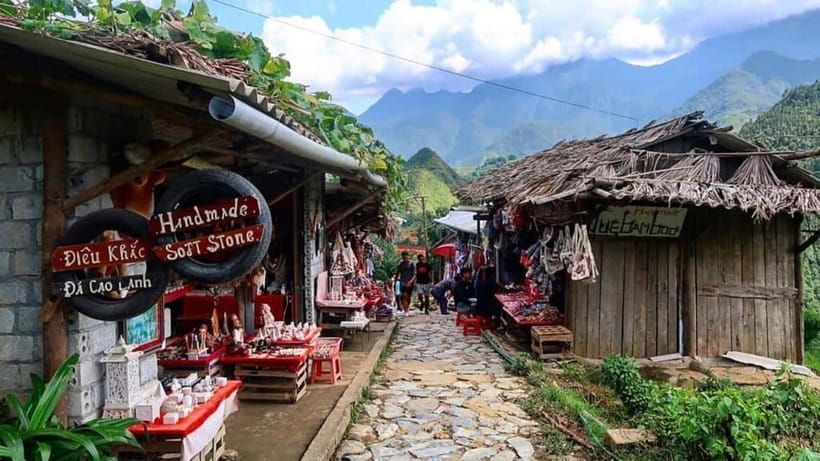
This is the rare Sapa trip that doesn’t feel like two separate tours stapled together. You move from the comfort of Sapa town into village trekking with cultural encounters, then you swing up to the height of Fansipan Peak on day two. You get that shift from everyday mountain life to the wide-open view from the roof of Indochina—and you do it without losing half your time to awkward transfers.
The itinerary also gives you choices. On day one, you can go for Cat Cat (a downhill style trek with waterfall views) or Lao Chai/Ta Van (Muong Hoa Valley, rice paddies, and suspension bridges). That means you can match the route to what you want most: waterfall photography and village lanes, or valley scenery and bridge crossings.
You’ll be based in Sapa for one night, so you can actually rest between trekking and the cable car day. And the meals are handled—two lunches, one dinner, and one breakfast—so you can spend your energy on the views and the walking, not hunting food.
You can also read our reviews of more tours and experiences in Sa Pa.


Hanoi to Sapa by sleeper bus: why this timing makes sense
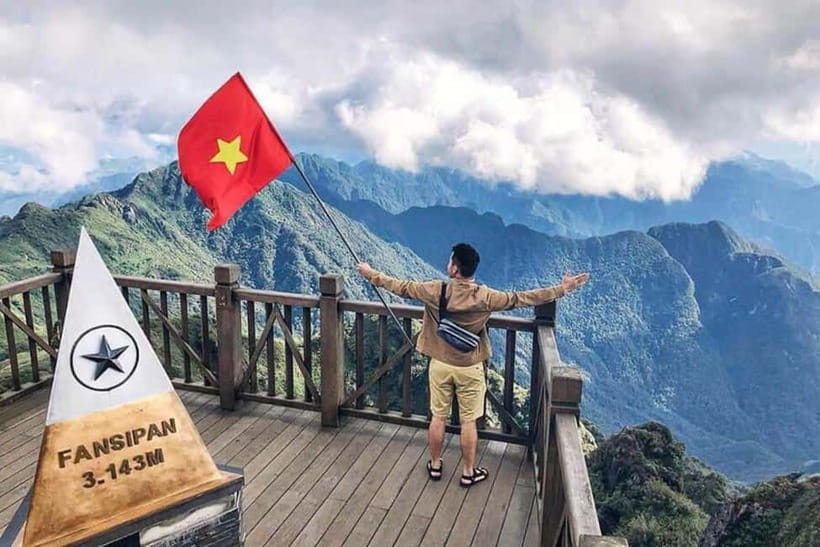
You start with a comfortable sleeper bus from Hanoi to Sapa. The idea here is simple: you trade daytime transit for nighttime comfort, then you arrive around midday. That matters because Sapa trekking doesn’t wait for you. If you arrived late, you’d lose the afternoon portion that makes day one fun.
The bus ride also sets your expectations. You’re not doing a quick day trip. You’re using time well—arrive midday, eat a warm welcome lunch, choose your trek option in the afternoon, then return for dinner and sleep. When you’re ready for the cable car the next day, you’re already in the right altitude zone and you’re not rushing.
Day 1 trek choice: Cat Cat village and the waterfall payoff
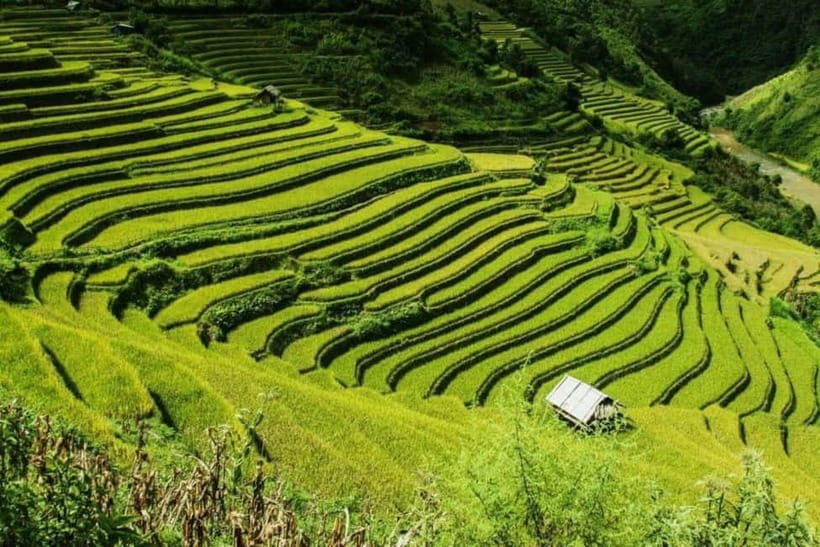
If you pick the Cat Cat Village option, you’ll head downhill toward Cat Cat, a Black Hmong village known for its picture-worthy setting. The best part of this route is how quickly the scenery changes once you’re on foot. You move past traditional wooden homes, and you get a look at daily life rather than only a staged viewpoint.
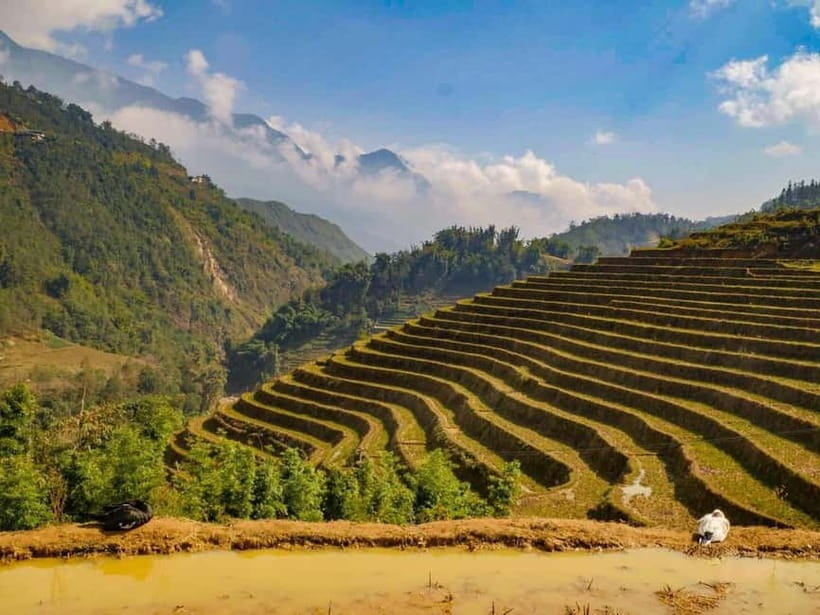
This trek is also built around the Cat Cat waterfall. You’ll see it as part of the experience—surrounded by lush rice terraces—so it’s not just a random stop. It’s a natural highlight that ties together the village setting with the broader mountain environment.
Practical reality check: downhill treks can be deceptive. Your legs work differently when you’re going down, and knees can feel it on the return paths. So if you’re the type who wants easy going, consider that “downhill” still means you need good grip on uneven ground.
Day 1 trek choice: Lao Chai and Ta Van in Muong Hoa Valley
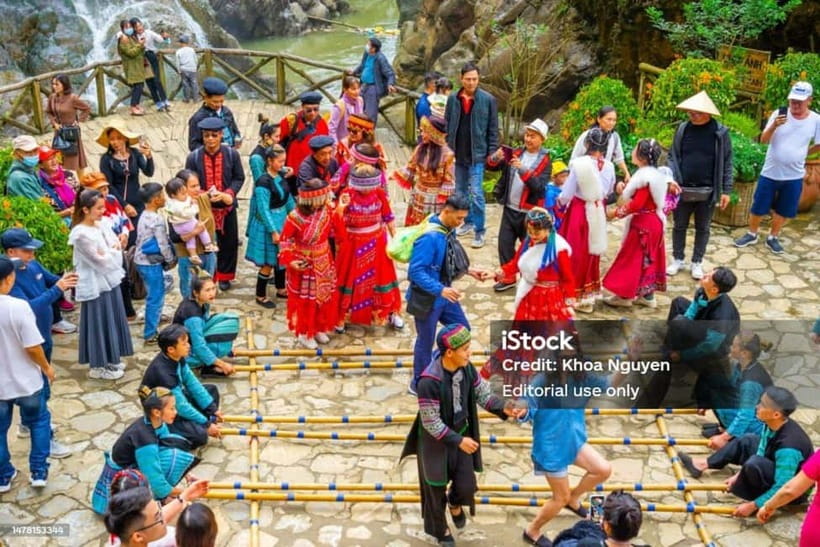
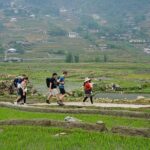
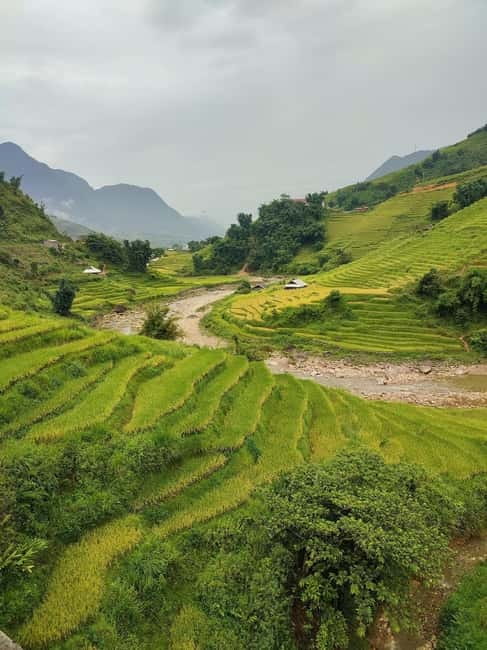
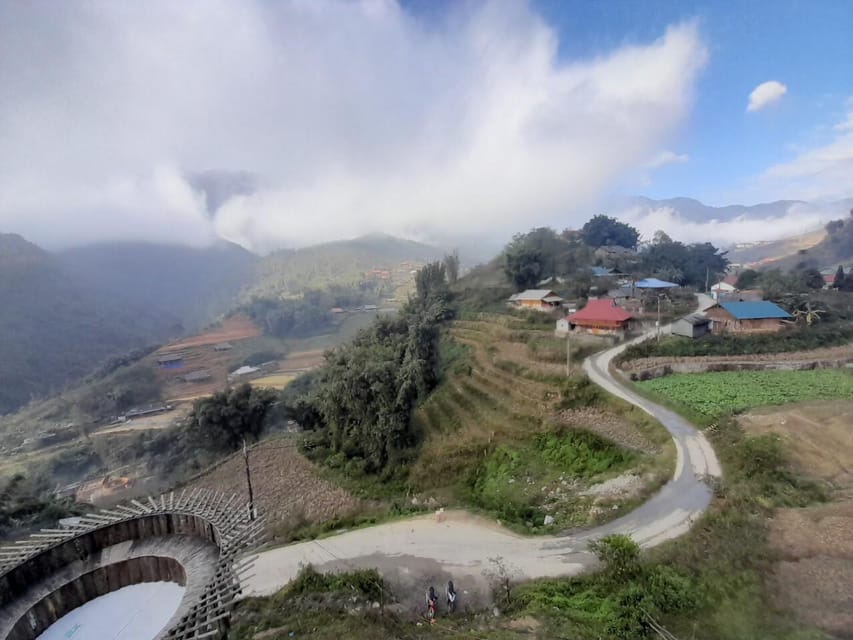
The Lao Chai – Ta Van option is for people who want valley walking. You’ll head into the Muong Hoa Valley with a trail through rice paddies, then reach Lao Chai and Ta Van—villages associated with the Black Hmong and Day people.
What makes this route feel different is the scenery rhythm. Rice paddies, suspension bridges, and village lanes create a more varied walk than a single-track village descent. Crossing suspension bridges adds a bit of “hands-on” travel energy—you’re moving across the landscape, not just looking at it.
Cultural value matters here too. The tour is designed for real interactions and learning local daily life and culture. In practice, that means you’re not only photographing scenery; you’re watching how people live in these mountain communities and asking questions through the guide.
If you’re nervous about heights, suspension bridges might feel intimidating. But the tour includes guidance and timing, so you’re not doing this alone or improvising.
Moana check-in and the Sapa town reset after trekking
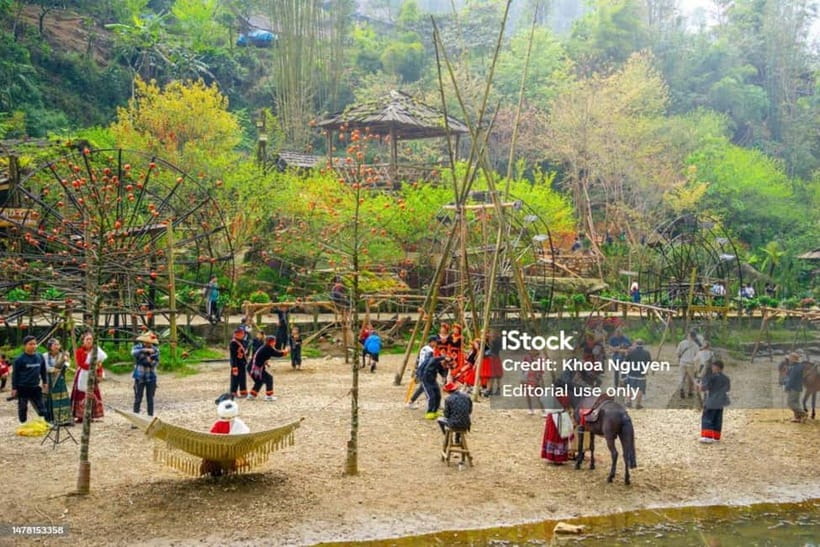
Between trekking and the hotel, you’ll have time in Sapa town for a warm landing. The plan also includes a Moana check-in stop, which is basically a fun photo moment built into the schedule.
That small stop can be handy. When you’ve spent hours walking, a quick photo session and town reset gives you an easy mental shift. Then dinner and sleep help you recover for day two.




Day 2 Fansipan Peak: cable car to 3,143 meters and the summit pagoda
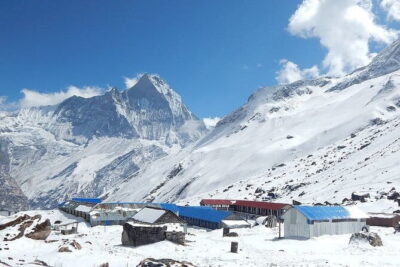
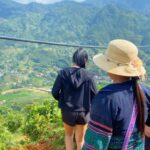
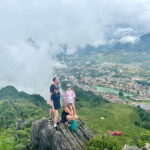
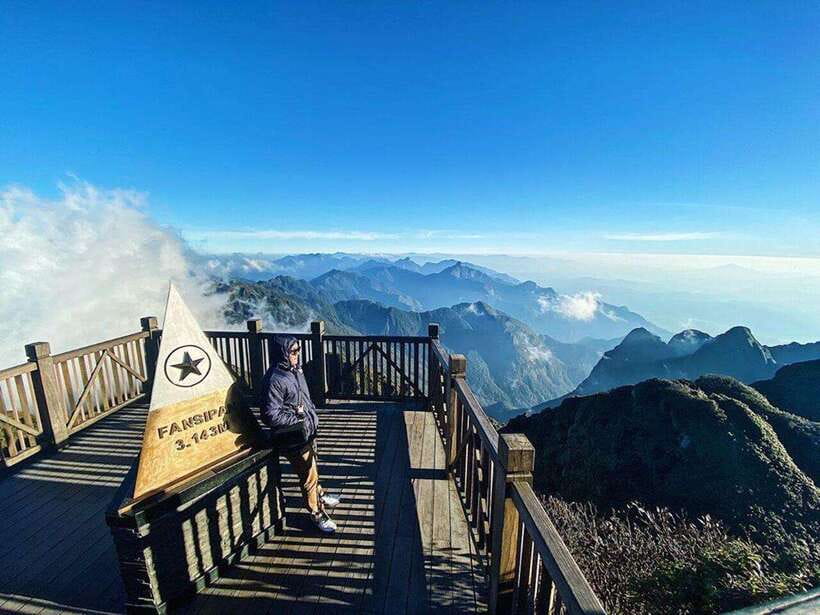
Day two starts with breakfast in Sapa, then it’s off to the Fansipan cable car station. The big headline: you ride up to 3,143 meters. That’s high enough that the top can feel dramatically different from the town—colder air, thinner-feeling atmosphere, and that classic mountain “above the clouds” vibe.
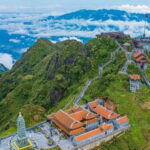
At the top, you stroll around the summit pagoda complex. This is a key detail because it turns the cable car day from only a viewing experience into a walk-and-explore moment. You’ll be moving through a structured summit area, taking in the views of the Hoang Lien Son mountain range as you go.
One caution: cable car days can tempt you to treat the top like a quick lookout and rush back down. Don’t. Slow down and plan for a longer pause at viewpoints. Even a few extra minutes can be the difference between a fast glance and a satisfying view.
Then you descend, enjoy a hearty lunch in Sapa, and return to Hanoi by sleeper bus in the early afternoon. You’ll arrive in the evening with the kind of tired that feels good—full of photos, not full of stress.
Meals, pacing, and what the guide really adds
Food on this trip is practical and scheduled: two Vietnamese lunches, one dinner, and one breakfast. That’s more than convenience. In a short two-day itinerary, it keeps you from losing time in Sapa traffic and lets you stay focused on trekking and the peak.
The included guide also matters. You get an English-speaking local guide as standard, and the operator can arrange other language support with a surcharge. This isn’t just about translation. A good guide helps you understand what you’re seeing in Cat Cat or Lao Chai/Ta Van, and it can turn village visits into meaningful conversations.
The tour team is also known for being organized and responsive, and for accommodating what you need. That shows up in small ways: staying on schedule, managing timing between stops, and making sure you’re not left to figure out the plan on your own.
Price and value: what $137 covers, and what costs extra
The price is listed as $137 per person, and for a two-day, two-direction experience (Hanoi to Sapa and back) that includes trekking and a hotel night, it can be good value.
Here’s what you’re paying for that’s genuinely useful:
- Round-trip sleeper bus between Hanoi and Sapa
- One-night hotel in Sapa
- Meals: 2 lunches, 1 dinner, 1 breakfast
- English-speaking local guide (plus permits/entrance fees)
- Trekking to Cat Cat or Lao Chai/Ta Van depending on your choice
What’s not included is the Fansipan cable car ticket (800,000 VND, about $32). So treat that as the main add-on cost.
Also note: if you travel solo, there can be a single-room service charge. And if you want a luxury limousine upgrade, that’s an extra option. None of that is unusual in Vietnam, but it affects total cost—so I’d budget for those items early instead of hoping they don’t apply to you.
Who should book this Sapa trek (and who should rethink it)
This experience fits you best if:
- You want two very different Sapa experiences in one short timeframe: village life and Fansipan Peak
- You like photos that come from walking—waterfall views, stilt-house lanes, rice terraces, and valley paths
- You want a guide-led cultural experience rather than wandering randomly
- You’re comfortable with moderate hiking and uneven ground
You might rethink it if:
- You’re very mobility-sensitive or hate the idea of downhill or bridge crossings
- You need everything to be low-effort—this is trekking plus a summit day
- You’re expecting Fansipan to be fully hands-off; you’ll still be walking at the top and down areas on foot
The altitude piece is also worth respecting. The cable car takes you high, and the summit walk is part of the experience. Bring water, pace yourself, and don’t treat it like a sprint.
Should you book this Sapa trek with Duy Amma?
If you want a well-structured two-day trip that gets you from Hanoi to Sapa villages and up to Fansipan Peak without wasting time, this is a strong choice. The value comes from the full package: sleeper bus, hotel night, guide, meals, and entrance/permit coverage, plus a trek option that lets you choose your vibe.
I’d book it if you’re excited about walking through Black Hmong and Day communities, seeing stilt houses and rice terraces, and then cashing in on the big mountain payoff at Fansipan. I’d also feel good booking because the tour is run with an organized, responsive approach and accommodates needs when plans shift.
If you’re unsure which trek option matches your style, pick based on your must-haves: Cat Cat for waterfall and downhill village scenery, or Lao Chai/Ta Van for Muong Hoa Valley trails and suspension bridges.
FAQ
FAQ
What are the main trekking options on day one?
You choose between the Cat Cat Village trek or the Lao Chai – Ta Van trek. Cat Cat focuses on a downhill route and includes views around Cat Cat Waterfall. Lao Chai – Ta Van focuses on Muong Hoa Valley trails through rice paddies and includes suspension bridge crossings.
Do I need to pay extra for the Fansipan cable car?
Yes. The Fansipan cable car ticket is not included. It’s listed as 800,000 VND (about $32).
Is an English-speaking guide included?
Yes. An English-speaking local guide is included. Other language guides are available with a surcharge.
How long is the trip in total?
It’s a 2-day experience. You travel between Hanoi and Sapa by sleeper bus and return to Hanoi after the Fansipan day.
What meals are included?
The tour includes 2 Vietnamese lunches, 1 dinner, and 1 breakfast.
Where do I stay overnight?
You get 1-night hotel accommodation in Sapa.
What should I bring for the trek?
Comfortable trekking shoes and sunscreen are recommended.
How do I choose between Cat Cat and Lao Chai/Ta Van?
You decide in the afternoon on day one after arriving in Sapa. If you want Cat Cat Waterfall and a village downhill feel, pick Cat Cat. If you want valley walking, rice paddies, and suspension bridges, pick Lao Chai – Ta Van.