REVIEW · MHAMID
4 Days Trekking To The Heart Of Desert
Book on Viator →Operated by Desertbrise Travel · Bookable on Viator
Silence in the Sahara resets your sense of time. From M’Hamid, you walk big dunes at a human pace with a professional nomadic guide and camel drivers, then watch the sky shift from sunrise to unforgettable desert sunsets. I also love how the day follows the rhythm and intensity of the sun, with breaks for tea and lunch in the shade and evenings set for quiet reflection.
One thing to consider: this is a sun-led trek, so you should expect a slower rhythm when the light gets intense and plan for a long, early start from Marrakech (departure at 8:00 am).
In This Review
- Key highlights worth caring about
- From Marrakech to the High Atlas: the ride that sets the tone
- Tichka Pass and UNESCO kasbah power: Ait Benhaddou and the Draa Valley
- Reaching M’Hamid: where the trekking actually begins
- Palm grove walking and tamaris shade: the desert with a breather
- Sidi Naji sanctuary: local tradition you can sense, not just read about
- Night under the dunes: bivouac calm and what you notice without crowds
- Days 3–4: what you should expect without overpromising
- Price and value: what $341.63 really buys you
- Who this desert hike suits best (and who might want another option)
- Should you book this Sahara trek from M’Hamid?
- FAQ
- How long is the trek?
- Where does this tour start and end?
- What’s included in the price?
- What is not included?
- Do you hike with a camel caravan?
- Where do you set up camp?
- What food and breaks can I expect during the trek?
- Is this a private tour?
Key highlights worth caring about
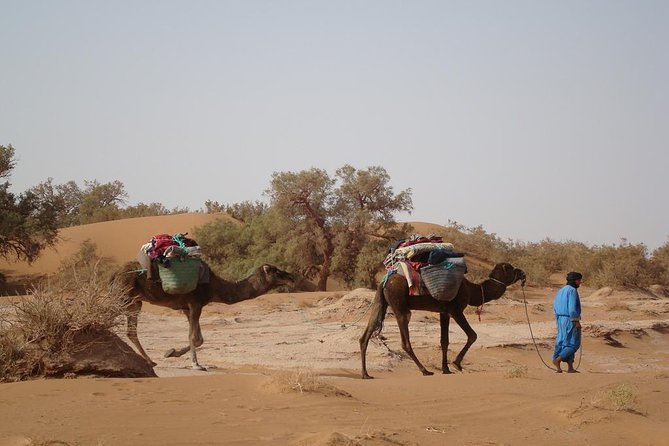
- Camel caravan for luggage: you walk; the gear rides.
- M’Hamid sunrise desert time: you’re in the dunes when the day changes.
- Tamaris shade breaks: tea and lunch outdoors, not rushed.
- Sidi Naji sanctuary stop: a historic place tied to local oral tradition.
- Ait Benhaddou on the way: UNESCO kasbah views before you even reach the desert.
- Private experience: it’s just your group, not a crowded bus parade.
From Marrakech to the High Atlas: the ride that sets the tone
Most desert treks start with a bus ride. This one starts with a proper Morocco road trip. You leave Marrakech early, heading for the High Atlas Mountains through the Tichka Pass (2260 m), which is the kind of climb where the air feels sharper and the views keep widening as you go higher.
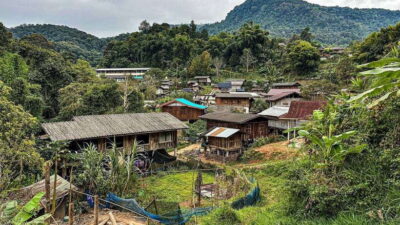
This is more than a transfer. The drive through Berber villages and dramatic mountain scenery gives you an intro to how people live in this part of Morocco: stone villages, valleys with different colors, and kasbahs that look like they’ve been there forever. It also matters because it shapes your expectations. You’re not dropping straight into “tour mode.” You’re traveling through the country first.
A practical note: starting at 8:00 am means you’ll want an easy morning before pickup. If you’re prone to being grumpy when the day starts too early, pack snacks and water and keep your expectations flexible.
You can also read our reviews of more tours and experiences in MHamid.

Tichka Pass and UNESCO kasbah power: Ait Benhaddou and the Draa Valley
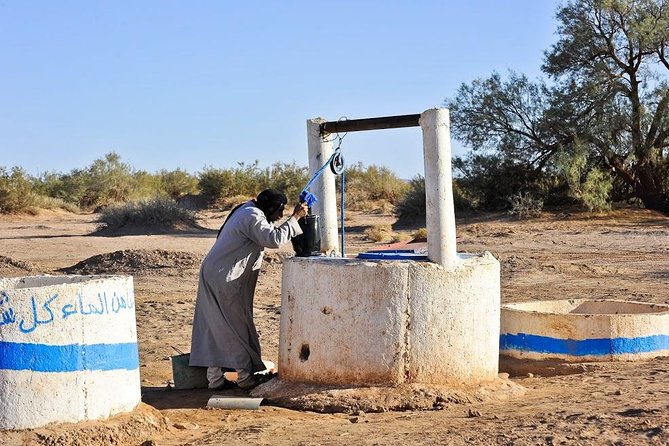
Day 1 includes major “wow stops,” but they’re not random roadside photos. You’ll pass by kasbahs along the way, including Tamnougalte and the big one: Ait Benhaddou, a 16th-century UNESCO site.
Ait Benhaddou is famous for a reason. Even if you don’t care about film history, the place has a strong visual rhythm: earth-toned walls, layered architecture, and a setting that still feels cinematic. It’s the kind of stop that makes you understand why Hollywood keeps coming back to this region.
Then the route continues through the palm-lined Draa River valley. Zagora, known as a date capital, comes into the picture as well. This part helps connect the Morocco you know (cities, roads, culture) to the Morocco you’re about to walk into (oasis palms, sandy edges, and eventually the deep dunes).
Reaching M’Hamid: where the trekking actually begins
After the travel day, the focus shifts. From M’Hamid, you start the walk from the camp with your guide and the camel caravan.
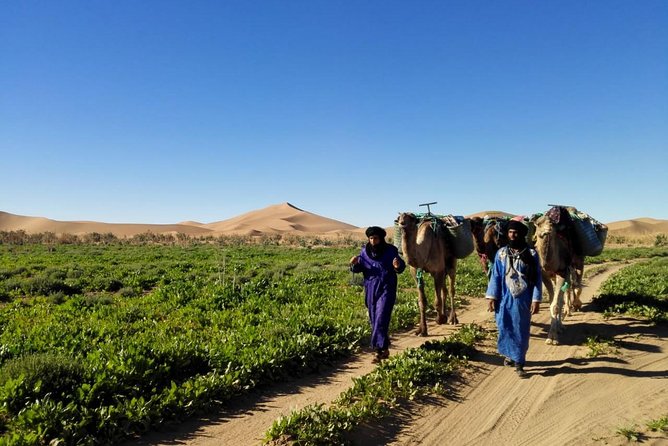
Here’s the key practical idea: while you hike on foot, the luggage rides. That keeps the experience from turning into a heavy-pack slog, and it lets you move at the pace that makes sense in desert conditions. The goal is not to “speed through.” It’s to experience the dunes up close and to feel how the day changes hour by hour.
Your mornings are about orientation and rhythm: walking, stopping for shade, and keeping an eye on the small details you’d usually ignore. You’ll also be in the company of a team that knows the rhythm of the desert. In past departures, camel drivers such as Mohamed and nomadic guides like Khalil have been part of this kind of journey, and the route can be adjusted when families need extra care.
If you’re traveling with kids or anyone with health concerns, that adaptability matters. One family example included Abidin being careful with a sick son and changing the route to suit. You should still communicate needs clearly before you go, but it’s reassuring to know flexibility is possible.
Palm grove walking and tamaris shade: the desert with a breather
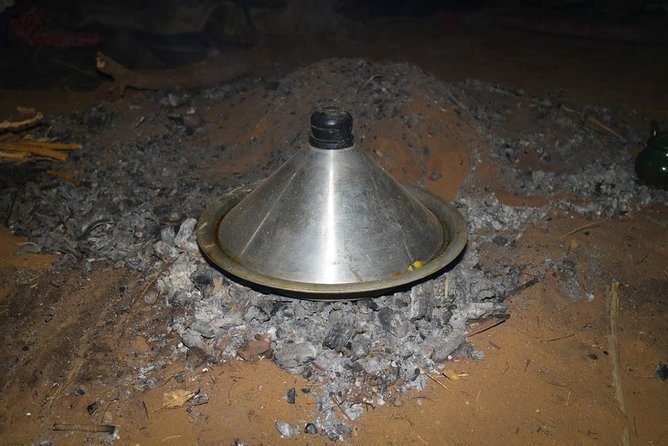
Early in the trekking phase, you head toward the Palm Grove. That stop isn’t just scenic. It’s a mental shift. The desert can feel like only sand and silence, but palms and shade bring back a sense of life and texture.
You’ll have tea and lunch served in the shade of tamaris. Tamaris shade is a detail worth remembering because it changes your experience of heat. You’re not just “waiting out the sun.” You’re pausing in a natural cooling spot while still surrounded by desert elements.
Then you rest, and the next segment carries you toward a place with a different kind of meaning: the sanctuary of Sidi Naji.
Sidi Naji sanctuary: local tradition you can sense, not just read about
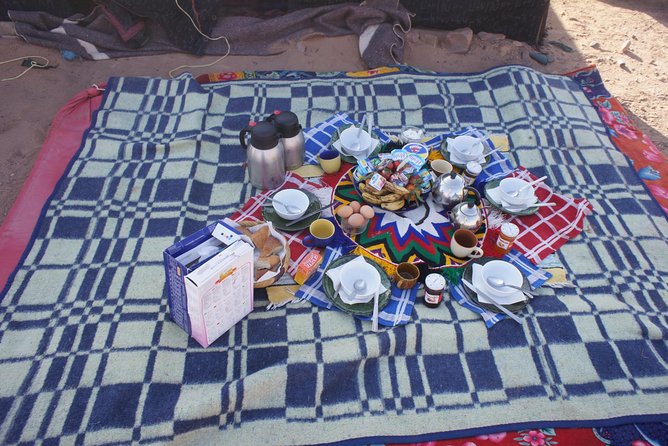
After a break, you move on toward the sanctuary of Sidi Naji. This is one of those stops that adds depth without turning the day into a museum visit.
Oral tradition links this marabout’s presence to the site for 18 grandfathers, which is an unusual detail in the best way. It’s the kind of story that reminds you the desert isn’t just scenery. It’s also a living cultural space, where memory gets carried across generations in ways that aren’t written on placards.
It’s also a good contrast moment. You’ve been walking dunes. Then you arrive at a sanctuary tied to local custom and history. The mood shifts naturally: more quiet, more listening, less running around for photos.
After that, you set up the bivouac at the foot of the sand dunes for the night. That’s where desert trekking stops feeling like sightseeing and starts feeling like being part of the landscape.


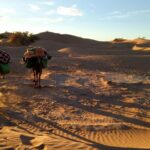
Night under the dunes: bivouac calm and what you notice without crowds
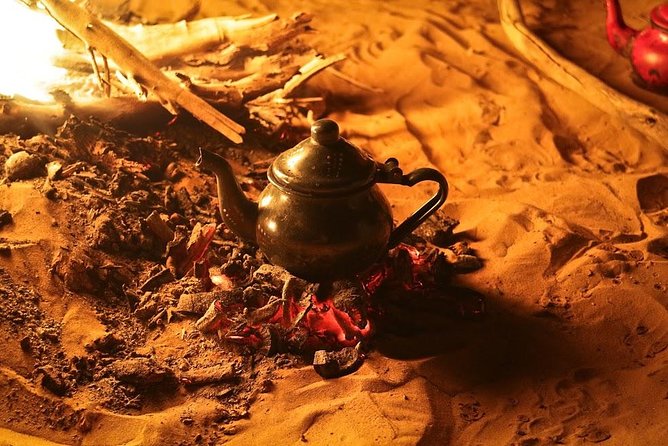
The best desert nights aren’t about comfort gimmicks. They’re about what the sky does when the day ends and what the mind does when you stop negotiating with traffic, schedules, and noise.
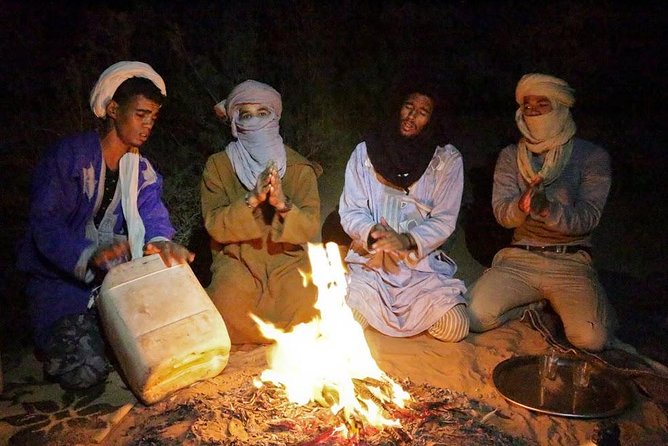
This trek is described as bringing relaxation, silence, and total forgetfulness of civilization in the heart of the Moroccan Sahara. Whether you use those exact words or not, the effect is real: when you’re far from streetlights and far from the constant motion of modern life, your senses work differently.
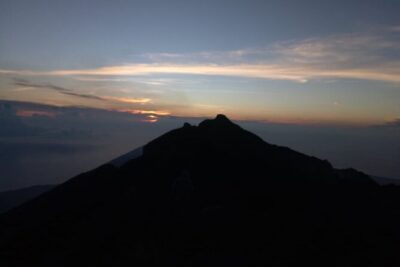
At least one evening is clearly timed for the bivouac set at the foot of the dunes. From there, sunrise and sunset become part of the routine, not a separate side quest. You don’t just see the desert’s colors; you’re there for the changes.
A quick reality check: you’re moving with the sun’s rhythm. That means your day is built around daylight and heat patterns, not around strict clock schedules you might be used to.
Days 3–4: what you should expect without overpromising
You’re looking at a trek package titled 4 Days Trekking To The Heart Of Desert, but the provided duration shows 2 days (approx.) while also listing 3 nights accommodation and 4 lunches. That mismatch happens sometimes with desert operators, where travel time and trekking time get counted differently.
So here’s the honest, useful approach: plan for a multi-day trek experience centered on walking from M’Hamid, camel-supported luggage, and evening camp/bivouac life. The core elements already spelled out (camel caravan, tea/lunch shade breaks, Sidi Naji sanctuary, and dune nights) are the “engine” of the trip. The remaining days should keep you in that same rhythm: on-foot desert walking during the day, camp time at night, and time to observe animals and plants in the dunes.
Before you lock it in, you’ll want to confirm the exact day-by-day route with Desertbrise Travel so you know how the additional trekking day(s) are mapped. That’s not nitpicking. In the desert, route details change what you see.
Price and value: what $341.63 really buys you
At $341.63 per person, this trek isn’t the cheapest option. But it also isn’t just “a walk.” You’re paying for:
- A professional guide in the desert
- Camel support for luggage
- Multiple meals (breakfast, lunch, dinner, plus 4 lunches listed)
- Mineral water
- 3 nights accommodation
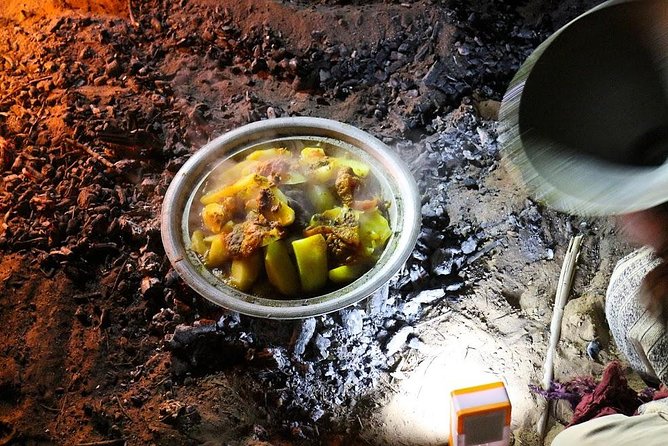
- Included desert cooking and camp logistics (implied by dinner and multi-night structure)
The big value play here is that your desert day is not DIY. Finding the right routes, keeping time, setting bivouac, and managing the comfort basics takes real local expertise. When the trek is done well, you end up paying to remove friction.
There’s also a hidden value: the transfer from Marrakech includes a major circuit through places like Tichka Pass and Ait Benhaddou. You’re not only buying dunes. You’re buying a full Morocco-to-Sahara transition.
If you’re trying to compare costs, do it this way: what would it cost to arrange safe desert guiding plus camel transport plus all those meals on your own? Even if you can find parts of it cheaper, the hassle usually costs you time and energy.
Who this desert hike suits best (and who might want another option)
This trek fits best if you want:
- A quiet desert experience rather than a crowded, stop-every-30-minutes itinerary
- A real guide-led walk where you can study desert plants and animal life along the way
- A balance of walking and rest, including tea and lunch in shade
- The comfort of having luggage carried by camels
It might not be the best choice if you want:
- A heavily structured, clockwork tour with constant activities
- A lot of built-in free time in cities (this keeps you in the desert zone once trekking begins)
- A completely frictionless schedule if you’re very sensitive to early mornings (pickup is at 8:00 am)
For families, it can be a strong option because route adjustments are possible when needs arise, as seen in cases involving a careful guide approach.
Should you book this Sahara trek from M’Hamid?
If your priority is the feel of the dunes—sunrise light, silence at night, walking with a nomadic team, and meaningful stops like the sanctuary of Sidi Naji—then this is the kind of trip worth booking.
My decision rule: book it if you can say yes to sun-led pacing and you’re okay with a true off-the-grid mood. Skip it if you want constant action, lots of entertainment, or a trip that feels like a city tour with desert decor.
Also, because the “4 days” title and the “2 days (approx.)” duration don’t line up perfectly, do one quick check before paying full attention: ask Desertbrise Travel how many trekking days you’ll walk, and how the 3 nights accommodation breaks down in practice. If they confirm the plan clearly, you’ll feel confident going in.
FAQ
How long is the trek?
The experience lists a duration of 2 days (approx.), but it also includes 3 nights of accommodation. It’s best to confirm how the days are counted for your specific departure.
Where does this tour start and end?
It starts in Marrakech (with a start time of 8:00 am) and ends back at the same meeting point.
What’s included in the price?
Included are breakfast, lunch, dinner, 3 nights accommodation, mineral water, your guide, and camels, plus 4 lunches.
What is not included?
Tips are not included.
Do you hike with a camel caravan?
Yes. Camels carry the luggage while you walk with the guide.
Where do you set up camp?
At least one night includes a bivouac set at the foot of the sand dunes.
What food and breaks can I expect during the trek?
In the trek phase from M’Hamid, tea and lunch are served in the shade of tamaris, with time to rest before continuing.
Is this a private tour?
Yes. It’s private, meaning only your group participates.
If you want, paste the departure date you’re considering, and I can help you sanity-check whether the schedule you’re expecting (especially “4 days” vs “2 days approx.”) matches the one you want.