REVIEW · MHAMID
3-Days Private Sahara Desert Trek
Book on Viator →Operated by Z Marrakch Travel · Bookable on Viator
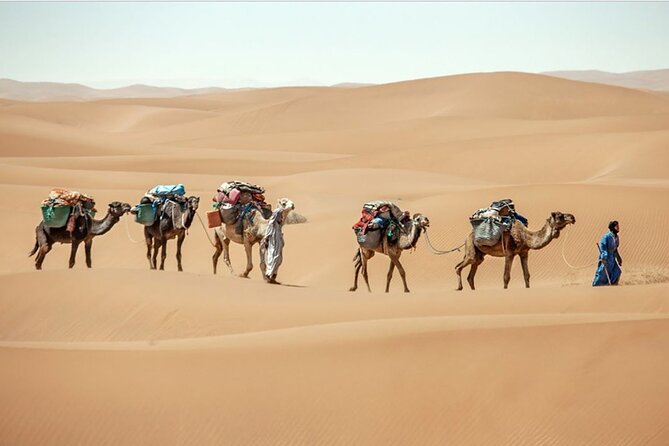
One horizon, three desert nights. This private Sahara trek from M’Hamid pairs dune walking with camel travel, with evenings built around firelight, tea on the sand, and starry sleep. You’ll focus on Erg Sidi Naji and Erg Dwib, so the trip feels like real movement through the desert, not just a photo stop.
I especially like how the logistics are handled for you. Camels carry equipment, so you can keep the day mostly about walking, photos, and watching the dunes change as the light shifts. I also love the food rhythm: you get 2 breakfasts, 3 lunches, and 2 dinners, which matters when you’re far from shops and menus.
One thing to consider: the trek needs good weather, and the walking across sand requires moderate physical fitness. If you’re not feeling steady on your feet, this part can be the hardest.
In This Review
- Key Things I’d Pay Attention To
- Why M’Hamid Works For A Real Desert Trek
- The 8:30 am Start And What You’re Really Signing Up For
- Day 1: Walking Toward Erg Sidi Naji, Firelight Dinner, And Stargazing
- Day 2: Camel Trek Toward Erg Dwib, Sunset Tea, And Tajine Under Stars
- Day 3: Breakfast, A Nomad-Style Rhythm Back To M’Hamid, And A Shower
- Camels, Food, And The Team Behind The Scenes
- How Far $222.04 Goes In The Sahara (And What Makes It Value)
- What Could Feel Hard: Fitness, Weather, And Sand Time
- Practical Tips That Match The Trek You’ll Actually Do
- Should You Book This 3-Day Private Sahara Trek From M’Hamid?
- FAQ
- How long is the 3-day private Sahara desert trek?
- Where does this tour take place?
- What time does the trek start?
- Is pickup available?
- Is this tour private or shared?
- What’s included in the price for meals?
- Do you sleep in a tent or outside?
- Is the tour dependent on weather?
- Are service animals allowed?
- What does cancellation look like?
Key Things I’d Pay Attention To
- Private by design: only your group participates.
- Two named dune areas in three days: Erg Sidi Naji and Erg Dwib.
- Sunset tea is part of the program: tea on the dune, then dinner.
- Nomad-style nights: sleep in a tent or under the stars.
- Meals are included: 2 breakfasts, 3 lunches, 2 dinners.
- Start time is fixed: meet at 8:30 am for day one.
Why M’Hamid Works For A Real Desert Trek
M’Hamid is one of those bases that makes a Sahara trek feel doable. You’re not stuck planning around complicated transfers all day. Instead, you get an early start and then you’re walking and riding your way into dune country with a dedicated team.
I like that the trip is structured around time you actually spend in the desert. Two of the big moments are tied to specific dune areas, Erg Sidi Naji and Erg Dwib, and that gives the days a clear sense of progress.
You’re also set up for the classic Sahara rhythm. Day one begins with a morning setup, day two adds a camel trek feel, and day three slows down toward M’Hamid. That pacing helps most people enjoy the experience without feeling rushed.
You can also read our reviews of more tours and experiences in MHamid.
The 8:30 am Start And What You’re Really Signing Up For
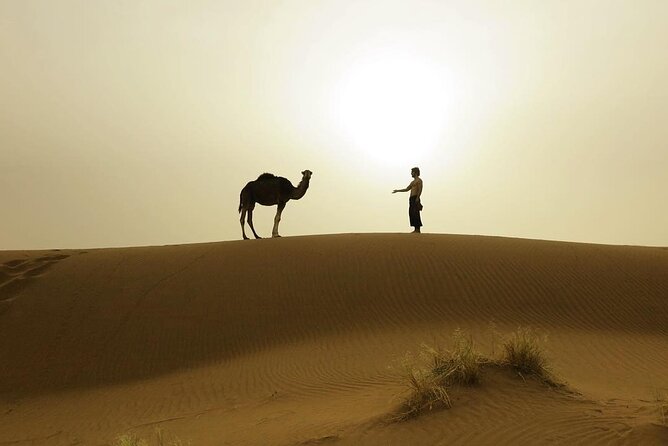
Your day starts at 8:30 am, and you meet your desert trek team after breakfast at the hotel or camp. Even if you’ve never done a trek like this, the schedule is straightforward: you start, you move through dunes, and then you return for showers and service.
This is a private tour/activity, so it’s not a big mixed group experience. In practice, that tends to make things easier when your walking pace varies or when kids (or adults) need a slightly slower rhythm.
You also travel with the people who make it work on the ground. The package includes camel drivers/guide and a cook, plus the camels that handle the equipment and logistics. That’s the difference between seeing the Sahara and actually traveling through it.
Day 1: Walking Toward Erg Sidi Naji, Firelight Dinner, And Stargazing
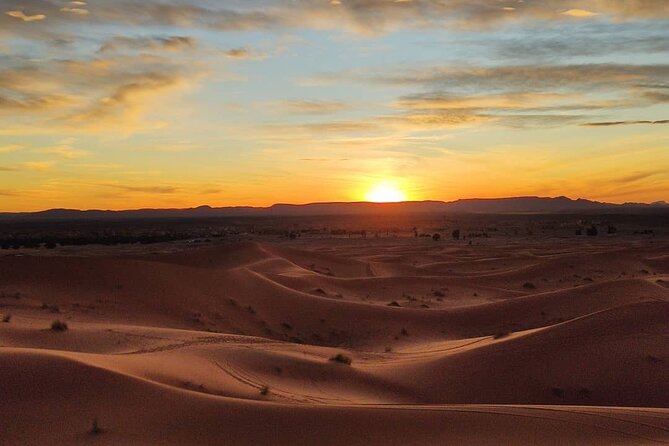
Day one is all about getting your feet into the desert texture. After breakfast, you meet your team and head out by walking toward the dunes of Erg Sidi Naji. This is the day you feel the desert right away: sand under your step, the change in visibility as you move between dune slopes, and that sense of quiet that only shows up once you’re away from the road.
In the evening, you’re not just left to figure things out. You gather around the fire, then have dinner and either sleep in the tent or under the stars. That choice is important. If you like the idea of watching the sky open up over the Sahara, under-the-stars sleep is the payoff. If you’d rather be sheltered, the tent option still keeps you in the desert night.
This is also where the guide and cook matter. Reviews highlighted caring, attentive hosting, including named guides like Hassan and Mustapha/Mustpha for making people feel safe and comfortable. You want that kind of calm energy on day one, when everyone is still learning the pace.
Day 2: Camel Trek Toward Erg Dwib, Sunset Tea, And Tajine Under Stars
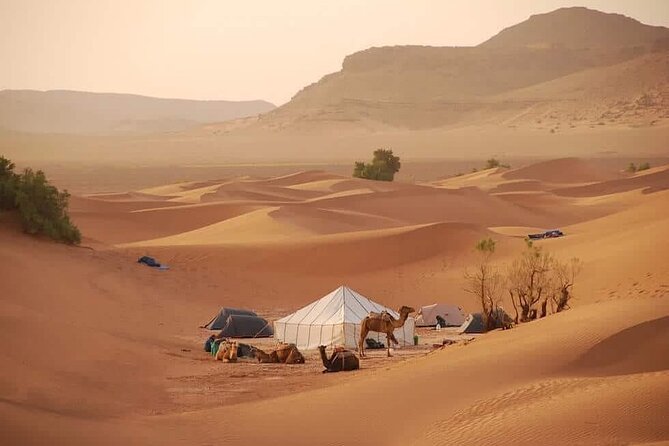
Day two shifts the feel. In the morning, the camel trek starts and heads toward the dunes of Erg Dwib. You’re continuing through desert travel, but now you also get that caravan-style movement that makes the Sahara feel like a living route instead of a walking loop.
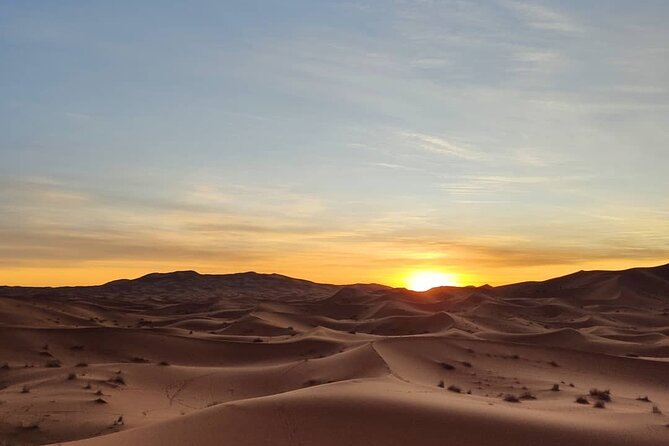
One of the best moments built into the day is the tea ceremony at sunset on the dune. Tea in the desert works because it turns a time of day into an event. Instead of rushing to the next viewpoint, you stop, sit, and watch the sky change while the desert takes on that softer, quieter look.
Dinner follows with tajine under the stars. That’s a big deal in a trek like this: you’re eating while your day is still in motion. Reviews also praised the cooking, including mentions of a very good cook and a warm team mood, with guides like Assan cited for keeping people comfortable and happy.
Then you do it again at night: tent or stars. Either way, you’re in the desert long enough to feel the day fully land.
Day 3: Breakfast, A Nomad-Style Rhythm Back To M’Hamid, And A Shower
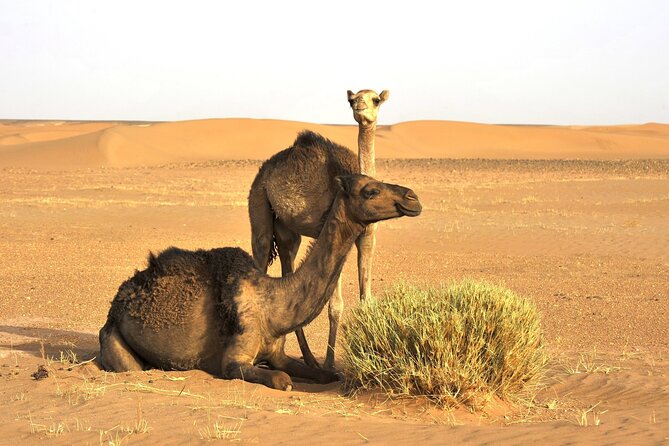
Day three keeps the mood moving but shifts toward comfort. After breakfast, your desert adventure continues in a nomadic rhythm until you reach M’Hamid. The focus is on finishing the trek while still feeling like you’re part of the route, not just getting transported out.
The best practical moment is the shower at the end. After two desert nights, that simple thing can feel like a miracle. It also helps you travel the rest of your trip without turning the trek into a whole-day recovery project.
Once you arrive back in M’Hamid, your service ends. That clean finish matters if you’re also planning other days in Morocco. You’ll know where you stand, and you can build the rest of your schedule around being back by the end of the third day.

Camels, Food, And The Team Behind The Scenes
A lot of Sahara experiences sell the same idea: dunes, camels, stars. This one is more convincing because the package covers what you actually need to make the days work.
Here’s what’s included that changes your experience:
- Camels transport equipment and logistics, so you’re not carrying the full weight of camp life.
- Your team includes camel drivers/guide and a cook.
- Meals are included: 2 breakfasts, 3 lunches, 2 dinners.
That meal pattern is more generous than people expect. Lunches matter most when you’re walking earlier in the day and want steady energy without stopping for food. Dinner is the romantic part, but lunches are what keep you from feeling drained.
Also, pay attention to the human side. In reviews you’ll see names showing up: Hassan and Mustapha/Mustpha were praised for friendliness and safety, and Assan was highlighted for attentiveness and cooking. Even without knowing who you’ll get, it’s a good sign that the team approach is consistent: take care of people, keep things calm, and make the desert feel manageable.
How Far $222.04 Goes In The Sahara (And What Makes It Value)
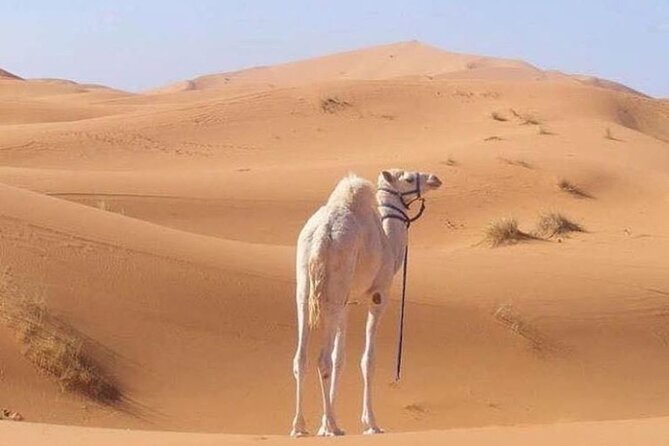
At $222.04 per person for a 3-day private trek, the value depends on what you’re comparing it to.
This price isn’t just for the dunes. It’s bundled with:
- Private guiding and camel-driver support
- A cook
- Camel transport for logistics/equipment
- Multiple meals across the days
- Sleeping arrangements (tent or stars)
That’s why private pricing can still feel fair here. You’re paying for the work that happens out of sight. In a desert trek, the best experience is the one that feels organized. When camels carry equipment and a cook handles meals, you spend your time in the experience instead of troubleshooting it.
Also, the trip is designed to be booked ahead, and it’s typically reserved about 117 days in advance on average. If you’re traveling in busier seasons, booking early helps you lock in the dates you want.
If your goal is a quick, budget-only taste of the Sahara, this might feel expensive. If your goal is a full three-day experience with meals and real travel time, it’s easier to justify.
What Could Feel Hard: Fitness, Weather, And Sand Time
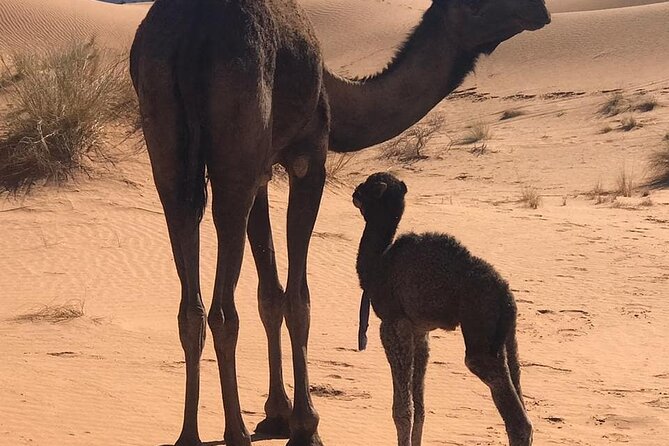
This trek is listed for people with moderate physical fitness. That’s not a formal athletic requirement, but you should assume walking on sand takes more effort than walking on pavement.
The other big consideration is weather. The experience requires good weather, and if it’s canceled due to poor weather you’ll be offered a different date or a full refund. That’s how you protect the quality of the trek. Sand travel can turn messy quickly if conditions aren’t right.
Finally, remember that sleeping can be outdoors. You’ll have the option of a tent or sleeping under the stars, and that choice affects comfort. If you’re sensitive to night conditions, pick the tent option when available.
Practical Tips That Match The Trek You’ll Actually Do
You’re walking to Erg Sidi Naji, then traveling by camel and continuing toward Erg Dwib, and you’ll be sleeping in the desert environment. So your preparation should match those realities.
I’d plan for:
- Comfortable shoes with decent grip for sand walking
- Light layers you can adjust through the day and night
- A small day bag for essentials, since the camels handle the heavier logistics
- Willingness to slow down and follow the rhythm of the dunes
Also, think about your expectations for the photos. The dunes aren’t a showroom. Light changes quickly, and wind can be part of the experience. If you treat it like a real trek (not a controlled set), you’ll enjoy it more.
Should You Book This 3-Day Private Sahara Trek From M’Hamid?
Book it if you want a real 3-day desert experience with food included, camel-led logistics, and a private setup where you’re not competing for attention. The highlights are built in: walking into Erg Sidi Naji, sunset tea on the dunes of Erg Dwib, dinner by the desert night, and a shower back in M’Hamid.
Skip it or rethink if you’re not comfortable with desert walking or if weather issues would stress your schedule. Since the trek depends on good conditions, you’ll want flexibility.
If you want the Sahara feeling close and personal—firelight evenings, tea moments, and sleeping under stars—this is the kind of trip that makes those memories stick.
FAQ
How long is the 3-day private Sahara desert trek?
The experience lasts 3 days (approx.).
Where does this tour take place?
It’s based in M’Hamid, Morocco.
What time does the trek start?
The meeting time is 8:30 am.
Is pickup available?
Yes, pickup is offered.
Is this tour private or shared?
This is a private tour/activity, so only your group participates.
What’s included in the price for meals?
You get 2 breakfasts, 3 lunches, and 2 dinners.
Do you sleep in a tent or outside?
You can sleep in a tent or under the stars, depending on the option used during the trek.
Is the tour dependent on weather?
Yes. The experience requires good weather, and if it’s canceled due to poor weather you’ll be offered a different date or a full refund.
Are service animals allowed?
Yes, service animals are allowed.
What does cancellation look like?
Free cancellation is available, and you can cancel up to 24 hours in advance for a full refund.