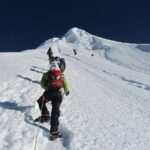
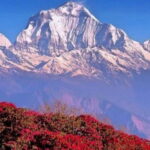
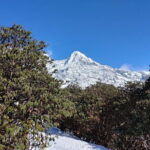
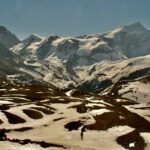
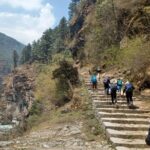
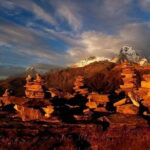
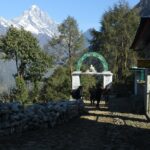
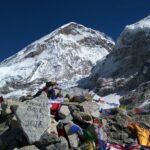
Mustang rewards your legs with real distance and culture. This Upper Mustang trek takes you across the Mustang region, including Muktinath, while you walk between Tibetan-style villages, old monasteries, and local cultural towns from Jomsom through Kagbeni into the Upper Mustang area.
The trip structure also helps you stay focused on the walking days: breakfast daily during the trek and lunch and dinner while you’re on the route, plus welcome and farewell meals back in Kathmandu.
One possible drawback is simple: you’ll hike roughly 4–6 hours daily, and the experience depends on good weather. If conditions aren’t right, plans may shift, so you’ll want a flexible mindset.
In This Review
- Key highlights that matter
- Upper Mustang Trek in 16 Days: what you’re really signing up for
- Jomsom start: easing in before the long views
- Kagbeni: where the route turns into real village life
- Into Upper Mustang: monasteries and cultural towns day after day
- Muktinath: why this stop is worth planning around
- Your daily rhythm: 4–6 hours of walking, meals that keep you going
- Kathmandu welcome and farewell dinners: the soft landing and the clean exit
- Price and logistics: does $2,205.13 make sense?
- Guide and staff style: what the best experiences tend to signal
- Who should book Upper Mustang, and who should pause?
- Should you book this Upper Mustang Trek?
- FAQ
- How long is the Upper Mustang Trek?
- Where does the trek start?
- How much walking is expected each day?
- What meals are included?
- Is bottled water included?
- Is WiFi included on the trip?
- Is this a private tour?
- What if weather is bad?
Key highlights that matter
- Whole Mustang route focus, with time for Tibetan culture and Muktinath
- 4–6 hours of daily walking, making it doable for people with moderate fitness
- Old monasteries and local cultural towns, not just scenery stops
- Private tour so your group sets the rhythm and attention stays personal
- Meals handled on the trek (breakfast/lunch/dinner) plus Kathmandu welcome and farewell dinners
- Practical reality checks: no WiFi on board, and you’ll need to plan for bottled water since it’s not included
Upper Mustang Trek in 16 Days: what you’re really signing up for
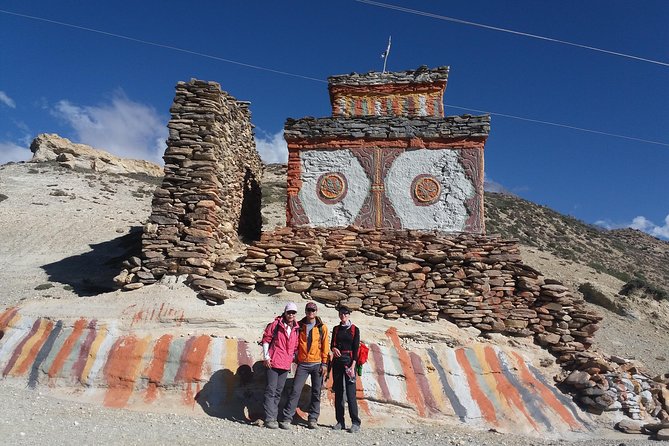
Upper Mustang has a way of making time feel slower—because the terrain is honest and the culture is very present. This 16-day trek keeps you moving through the Mustang region on foot, starting from Jomsom, then passing through Kagbeni, and continuing into the Upper Mustang zone. Along the way, you’re set up to visit old monasteries and local cultural towns, while also making time to see Muktinath.
What I like about this style of trip is how clear the goal is. You’re not spending all your energy on logistics or constant transportation changes. Instead, your main job is to walk, rest, eat, and absorb. That’s also why the daily hiking window—about 4 to 6 hours—matters so much for value. It gives you enough time in the day to experience the route without turning every hour into survival mode.
The private-group setup is another big plus. Since it’s only your group participating, the pace and stop choices can be shaped around your comfort level. In a remote region like Mustang, that kind of control can make the difference between a trek that feels smooth and one that feels rushed.
You can also read our reviews of more tours and experiences in Kathmandu.
Jomsom start: easing in before the long views
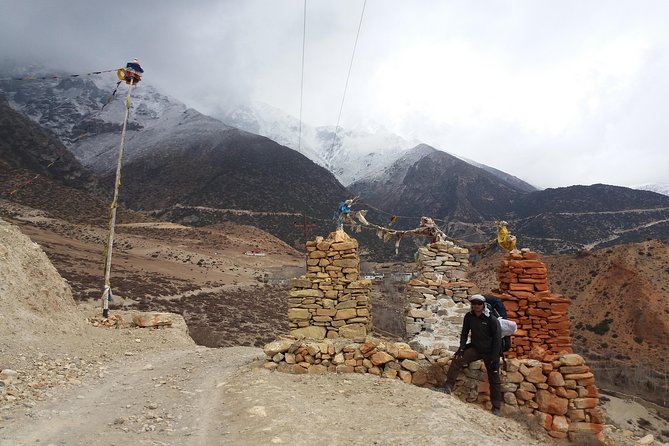
Your trek starts in Jomsom, and that’s an important detail. Jomsom acts like your gateway into Upper Mustang. You’re stepping into a place where walking isn’t just a nice activity—it’s the main way you see the region.
Even without a day-by-day schedule listed here, you can expect your first trekking days to feel like a setup. You’ll get into a steady rhythm: a morning start, a block of walking through the day, then a stop for food and rest. If you’re someone who gets stiff early, this matters. Starting from a trekking base rather than jumping straight into a steep push helps your body find its tempo.
Also, Jomsom is where you begin to feel the Mustang identity: a Tibetan-influenced cultural region shaped by arid terrain and tight village life. You’ll start seeing the kinds of stone-built settlements and monastery structures that make Upper Mustang stand out as a cultural trek, not just a hike for big photos.
Kagbeni: where the route turns into real village life
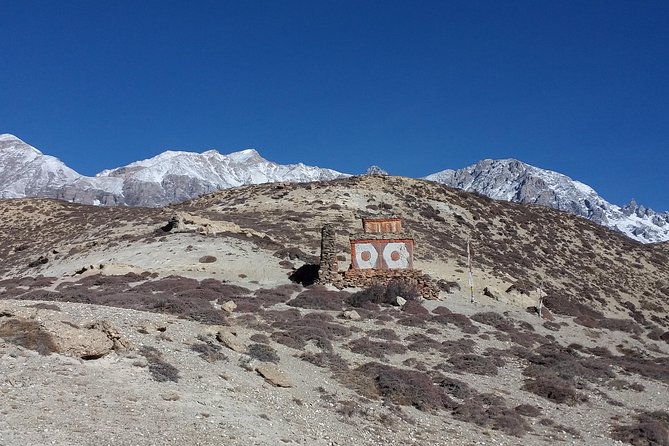
After Jomsom, the trek routes you through Kagbeni. Kagbeni is the kind of stop that changes your mindset. You go from “I’m trekking in a special region” to “I’m walking through actual daily life.”
Here’s what that means for you on the ground: you’re more likely to notice small things—how people organize their towns, how monasteries fit into the village setting, and how the culture is part of the route instead of something you only see once. The tour’s focus on local cultural towns and old monasteries pays off most in places like Kagbeni, because you’re not just passing by cliffs. You’re moving through communities.
This is also where I’d watch your pacing. Kagbeni can look tempting for quick stops and extra photos, but the trek is designed for multiple days. If you’re rushing to capture everything, you’ll arrive tired later. A calm rhythm usually brings better experiences here.
Into Upper Mustang: monasteries and cultural towns day after day
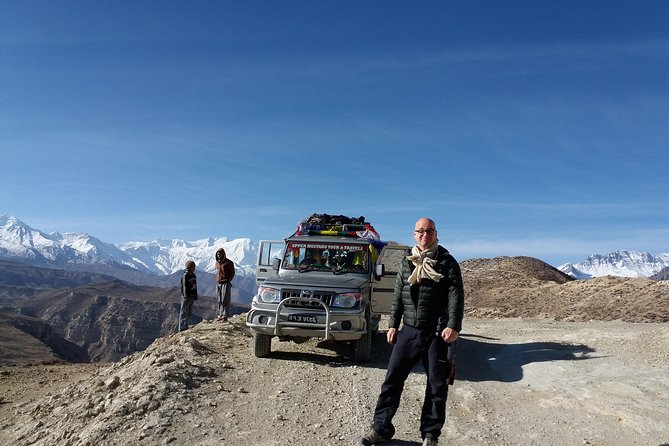
Once you’re into Upper Mustang, the trek becomes more about repetition in the best way: steady walking, daily variation, and frequent cultural anchors. The route is described as walking most days 4–6 hours, depending on the day, with visits to old monasteries and local cultural towns.
That daily structure matters because it supports real engagement. When you’re only on the move for part of the day, you have enough energy to walk into monastery areas, observe village life, and take in the atmosphere without feeling like you’re on a nonstop transport day.
It also helps with the human side. Remote trekking can feel isolating for some people, especially when WiFi and modern comforts are absent. The tour includes meals on the trek, including lunch and dinner, and those breaks become social and grounding moments. If your group has a good guide and trekking staff dynamic, those pauses can turn into the best part of the day.
Muktinath: why this stop is worth planning around
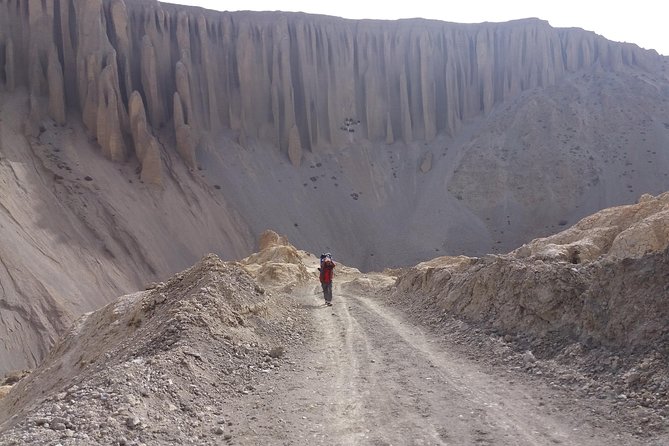
You’ll also see Muktinath as part of the overall Mustang experience. Muktinath isn’t just another viewpoint; it’s tied to pilgrimage and spiritual routines, which is why it feels different from purely scenic stops.
For you, the practical takeaway is timing and respect. Places like Muktinath tend to have ongoing activity, so the best experiences come from slowing down and being present, not treating it like a quick checkbox. Even if your trek day is already timed for walking, this kind of cultural stop works best when you give it mental space.
It’s also a value marker for the itinerary. Many treks in the region focus heavily on villages and cliffs. Including Muktinath adds a cultural and spiritual anchor that gives the trip more shape beyond the trek route itself.
Your daily rhythm: 4–6 hours of walking, meals that keep you going
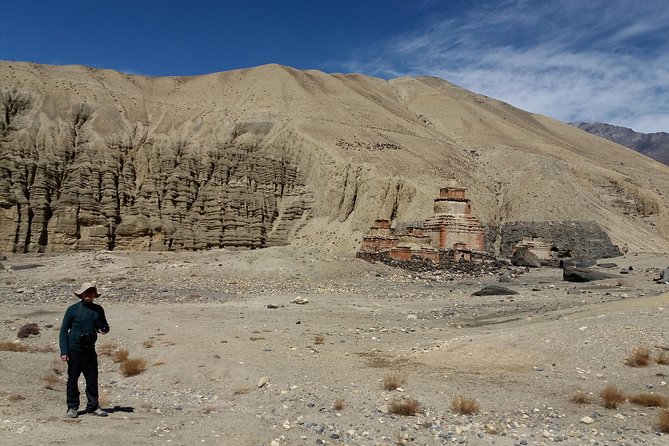
This trek is built around a straightforward hiking pattern: 4–6 hours of daily walking, with the duration depending on the day. That’s a good match for people who want real trekking time but still want the day to end without feeling broken.
How to think about that 4–6 hour window:
- You’re working at a steady pace, not sprinting between stops.
- You’ll likely need to manage clothing layers and sun exposure, since the region can be harsh.
- You’ll benefit from a consistent hydration routine, even though bottled water isn’t included.
Food is a real part of why this tour has solid value. Your package includes breakfast every day during the trip, plus lunch during the trek and dinner during the trek, along with welcome and farewell dinners in Kathmandu. That matters because it reduces decision fatigue. You’re not constantly searching for meals or guessing what’s available far from towns.
At the same time, the list of items not included is useful. WiFi on board is not part of the deal, and soda/pop isn’t included. Plan for that ahead of time and you’ll enjoy the silence more.
Kathmandu welcome and farewell dinners: the soft landing and the clean exit
Back in Kathmandu, the tour includes welcome and farewell dinner(s). These meals are more than a nice gesture. They’re where you get a chance to orient mentally before the trek and then decompress after.
Before you leave for the walking days, a welcome dinner can help you meet the people you’ll be trekking with and understand the trip rhythm. After the trek, the farewell dinner gives you a clear end point—so you can process the experience without rushing into the next activity.
If you’re the kind of traveler who likes closure, this matters. Many treks return you to the city and then it’s chaos again. Here, the structure gives you a calmer landing.
Price and logistics: does $2,205.13 make sense?
At $2,205.13 per person (for the approximately 16 days), you’re not paying only for views. You’re paying for guided logistics in a remote trekking region, plus a meal plan that covers the full trekking period.
Here’s what’s included that drives the value:
- Daily breakfast during the trip
- Lunch and dinner during the trek
- Welcome and farewell dinners in Kathmandu
And here are the items that affect your real costs:
- WiFi on board is not included
- Bottled water isn’t included
- Soda/pop isn’t included
That’s a fair trade for a trek where the bigger costs tend to be guiding, staffing, and day-to-day operational support. The private-group nature also matters. When it’s only your group, the guide and trekking staff attention is focused rather than split among many people.
One more practical note: the tour includes pickup offered and uses a mobile ticket, which reduces the usual city hassle of finding the right transport and confirmation paperwork. Those details aren’t glamorous, but they save time and stress.
Guide and staff style: what the best experiences tend to signal
In the feedback tied to this kind of Nepal trekking service, certain patterns show up: guides and trekking staff who are professional, friendly, and ready to go a little further when it counts.
Names like Shaktiman appear in guest praise for good humor and for going the extra mile. Another guide name that comes up is Ram Adhikari, described as professional and stage-focused. Then there’s Sajana, noted for helping shape an itinerary around limited time and keeping the experience fun, not stiff.
You shouldn’t assume the exact same guide you see named in other contexts will be your guide. Still, these repeated signals are useful: they hint that the operator’s strength is not only route planning, but also how people are handled day to day—an underrated part of a long trek.
Who should book Upper Mustang, and who should pause?
This is best for you if:
- you have moderate physical fitness
- you want a culture-heavy trekking route with old monasteries and Tibetan-influenced towns
- you prefer a guided, structured trip where meals are handled
- you value a private tour so your group can move at a sensible pace
You might want to pause if:
- you’re looking for an easy walk with lots of downtime
- you’re not willing to handle remote trekking realities like limited connectivity and planning for water
- you’re not flexible about potential weather-driven changes, since the experience requires good weather
The experience isn’t trying to be a luxury spa trip. It’s a real trek with real rewards—views, cultural stops, and a route that keeps you connected to the region.
Should you book this Upper Mustang Trek?
If your dream trip includes Upper Mustang + Tibetan culture + Muktinath, this itinerary structure is a strong match. The included meal plan reduces daily stress, and the 4–6 hours of walking framing is realistic for people with moderate fitness who want a serious trek without turning the whole trip into suffering.
I’d book if you’re the kind of person who enjoys steady days outdoors, likes cultural stops more than just scenery stops, and can handle the fact that weather matters here. If you’re sensitive to hiking time or need constant comfort, you may find another style of travel more satisfying.
Bottom line: this looks like a meaningful value package for Mustang, where the real payoff comes from walking through the culture and not just taking photos from a vehicle.
FAQ
How long is the Upper Mustang Trek?
It’s listed as 16 days (approx.).
Where does the trek start?
The trek walking starts from Jomsom, then goes via Kagbeni to Upper Mustang.
How much walking is expected each day?
You should expect about 4–6 hours of walking per day, depending on the day.
What meals are included?
The package includes breakfast every day during the trip, plus lunch and dinner during the trek, and welcome and farewell dinner in Kathmandu.
Is bottled water included?
No. Bottled water is not included.
Is WiFi included on the trip?
No. WiFi on board is not included.
Is this a private tour?
Yes. This is a private tour/activity, and only your group participates.
What if weather is bad?
This experience requires good weather. If it’s canceled due to poor weather, you’ll be offered a different date or a full refund.