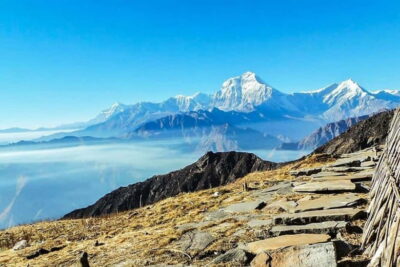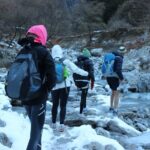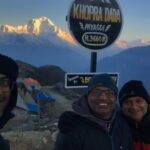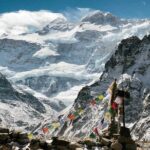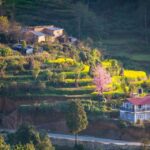
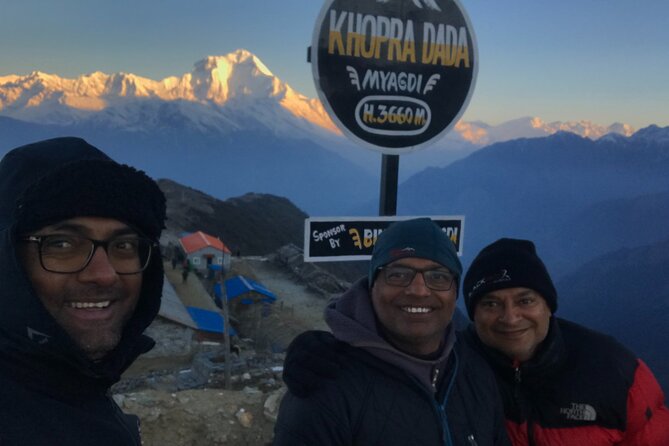
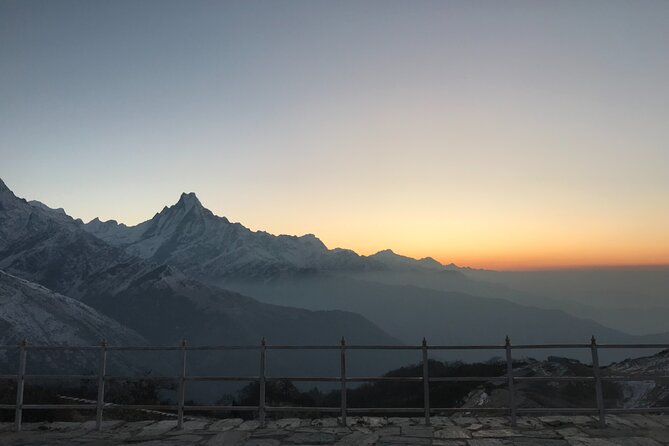
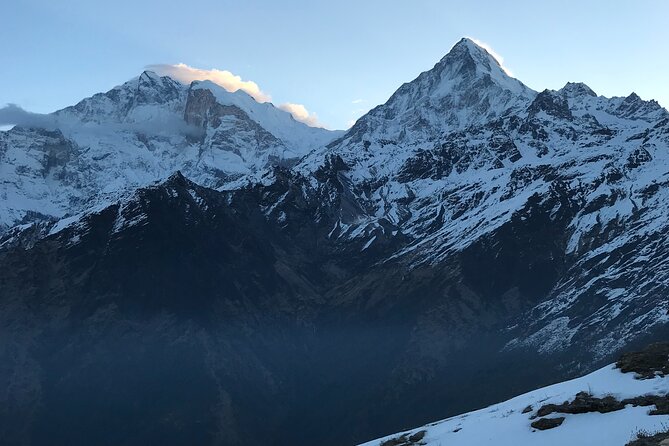
13 days later, you still remember the ridgeline. Khopra Danda Trek is a newer option in the Annapurna region that follows the classic Ghorepani Poon Hill path at first, then branches off toward spectacular ridge views around 3637m. You’ll be looking at Annapurna, Dhaulagiri, Manaslu, Mardi, and more as the days stack up.
I also like how the itinerary mixes big-sky mountain moments with real village rhythm: stone paths, guesthouse nights, and the calm of Khopra community lodges. And one practical win—small group size (up to 25 travelers) means you’re less likely to feel like you’re trekking through a crowd.
One thing to plan for: the high, sacred Khayer Lake day (up to 4660m) includes camping, and the trek info says you’ll carry the required gear and food from Khopra Danda for that day. If you pack too heavy, that’s when the trek starts to feel tougher.
In This Review
- Key highlights I’d circle on your planning list
- Khopra Danda Trek: a newer Annapurna route with classic warm-up days
- 13 days from Kathmandu to the Annapurna rim: how the timing works
- Day 1 in Kathmandu Durbar Square: start with history you can actually see
- Day 2 Pokhara drive and city time: don’t rush, get ready
- Tikhedhunga to Ghorepani: the stone-steps grind that sets the rhythm
- Poon Hill morning: golden mountain light, then down to keep moving
- Tadapani to Dobato and onward: quieter villages, higher air
- Khopra Danda ridge day: the main reason most people choose this trek
- Khayer Lake at 4660m: sacred water, tents, and a harder carry day
- Descent to Tatopani and the hot-water reset you’ll be thankful for
- Back to Pokhara by jeep, then Kathmandu: end of trail, end of altitude
- Price and value: what $1,120 is buying you
- Who this trek suits best (and who should think twice)
- Practical tips that match this exact route
- Should you book Khopra Danda Trek with Hike On Trek?
Key highlights I’d circle on your planning list
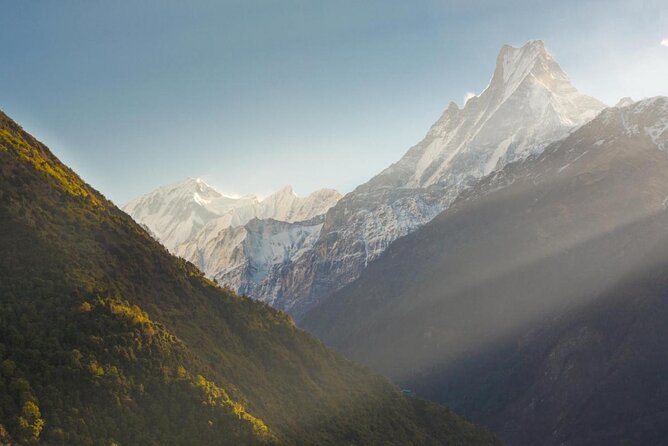
- Ridge views at 3637m: your main payoff day comes with a big mountain panorama.
- Classic early route, newer ending: you get familiar Poon Hill scenery, then step into the Khopra side.
- Khayer Lake at 4660m with tents: sacred lake energy, but it’s a gear-and-effort day.
- Tatopani hot-water ponds: a real muscle-soother on the way out.
- Mix of guesthouses and one camping night: you’ll know what to expect each night.
- Mobile ticket + flexible return options: a smoother logistics feel at the end.
Khopra Danda Trek: a newer Annapurna route with classic warm-up days
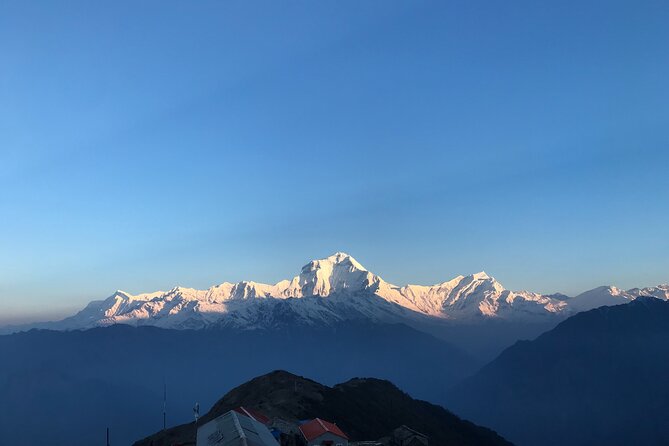
If you’ve done only one kind of Annapurna trek—either the popular loop or the short-view itineraries—Khpo Danda hits a sweet spot. It starts in the Ghorepani/Poon Hill zone (so you’re not “guessing” how the trail works), then shifts toward a ridge line where the views feel more spread out.
The trek’s promise is simple: reach about 3637m and take in some of the most famous peaks in the region. The itinerary also keeps you moving gradually enough that, with moderate fitness, you can acclimate while still feeling like you’ve earned each viewpoint.
You can also read our reviews of more tours and experiences in Kathmandu.
13 days from Kathmandu to the Annapurna rim: how the timing works
This trip is listed as about 13 days, starting with city sightseeing in Kathmandu, then a drive to Pokhara, then multiple trekking days that walk you from lower settlements up through Ghorepani and onward to Khopra Danda. The finishing stretch sends you back toward Pokhara by jeep and then onward to Kathmandu.
Walking times on the schedule vary from about 4–7 hours a day, with a few longer-feeling segments (especially the early step-heavy climb and the high Khayer Lake push). That matters because trekking success isn’t just about distance—it’s about how steady your pace is when you’re tired.
For me, the biggest planning advantage is that the trek is structured around overnights in established places: guesthouses on most nights, then tents on Khayer Lake night. You’re not stuck improvising where you’ll sleep.
Day 1 in Kathmandu Durbar Square: start with history you can actually see
After meeting at Tribhuvan International Airport, you spend your first day in Kathmandu sightseeing, including Kathmandu Durbar Square. It’s scheduled for about 3 hours, and admission is listed as included.
This is a good first-day choice because it helps you get oriented fast—where the traffic is, how winding the streets are, and what the city feels like at ground level before you leave it. Also, it’s easier on your energy than trying to do a big hike on day one.
Day 2 Pokhara drive and city time: don’t rush, get ready
You drive from Kathmandu to Pokhara for about 4–5 hours, then spend around 7 hours sightseeing. Entrance tickets there are listed as free on the schedule.
Pokhara is where the trip “clicks” from travel mode into trek mode. You’ll get a chance to sort basics and mentally set expectations: early starts ahead, quieter mornings, and trail food choices. If you’re the kind of person who likes to double-check your socks, rain layers, and snacks, this day gives you breathing room.
Tikhedhunga to Ghorepani: the stone-steps grind that sets the rhythm
Day 3 is the start of the real trekking. You drive from Pokhara to Nayapul (about 1.5 hours), then walk to Tikhedhunga (1750m). The trek portion is around 5 hours, and you’ll follow the trail along the Modi Khola.
Day 4 is the big stair day: you hike through more than 3000 stone steps to Ulleri and then up toward Ghorepani. It’s listed at 6–7 hours, and you sleep in a guesthouse overnight.
This is where you’ll learn your pacing. Steps can be deceptively tiring because they force a constant rhythm. My practical advice: plan your breathing, not your speed. If you keep it steady on the steps, the rest of the trek feels less like a battle and more like a climb with a payoff waiting at the top.
Poon Hill morning: golden mountain light, then down to keep moving
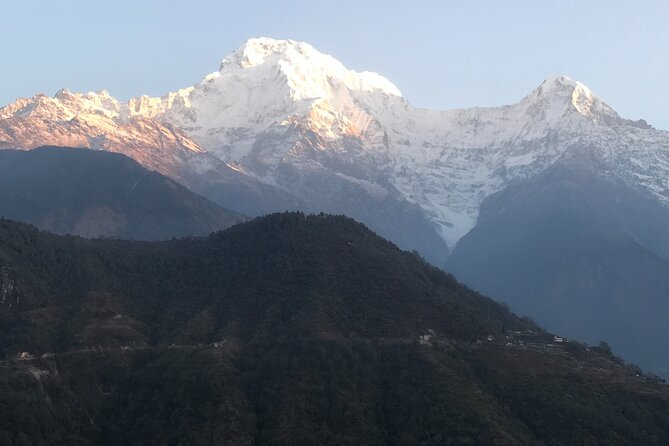
From Ghorepani, you’ll go to Poon Hill for sunrise viewing. The schedule also notes you can watch mountains turn golden in the morning. Then you return to Ghorepani and continue on to Tadapani through Deurali, taking about 6–7 hours total for that day’s walking.
A practical note: Poon Hill admission is listed as not included for the schedule you’re following. That’s the kind of detail that’s easy to miss when you’re excited—so if you’re budgeting carefully, keep it in mind.
Overnight is in a guesthouse in Tadapani, which is helpful because this part of the trek is about momentum. You’re gaining altitude, but you’re also getting your body used to the routine of early starts and steady climbs.
Tadapani to Dobato and onward: quieter villages, higher air
Day 6 takes you from Tadapani to Dobato (3350m). The plan is about 5–6 hours and around 6.5 kilometers. You’ll pass villages and encounter flora and fauna along the way, and the route stays focused on moving you higher while still letting you recover between long climbs.
Day 7 begins with an early push toward Muldai viewpoint, reaching 3637m to collect morning views of 25 mountains in the Annapurna and Dhaulagiri ranges. After that, you go back to Dobato and continue toward Chistibung, with a short hop to Bayli Kharka before reaching Chistibung.
You sleep overnight in Chistibung. This is the day that helps you transition from “we’re trekking” to “we’re actually on the ridge line journey.” The viewpoint morning is the kind of moment you remember later, when you’re waiting for lunch or sorting your gear.
Khopra Danda ridge day: the main reason most people choose this trek
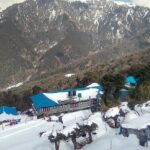
Day 8 is a shorter trekking day: about 3 hours from Chistibung to Khopra ridge, then you spend the rest of the day resting in Khopra community lodges. The schedule lists the walking time as 4 hours total for the day, with admission not included.
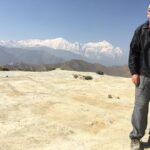
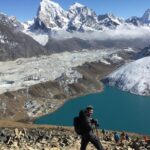
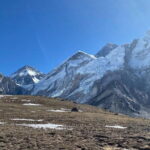
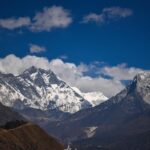
This is the core payoff. From the ridge, you’re set up for panoramic views that include Dhaulagiri, Annapurna, Nilgiri, and many other peaks in the Annapurna and Dhaulagiri ranges. And because the day is shorter, you can actually enjoy the view instead of sprinting through it.
Khopra community lodges are specifically called out as offering strong hospitality, and this is one of the places where your day feels human again: a hot drink, a simple meal, and a slower pace after earlier uphill days.
Khayer Lake at 4660m: sacred water, tents, and a harder carry day
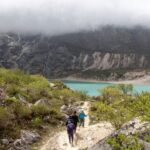
Day 9 is where the trek turns intense. After breakfast, you hike up to Khayer Lake at 4660m, taking about 5 hours. The lake is described as sacred and includes a Brahma temple along with it.
You set up tents for the overnight stay. The schedule is explicit that you must carry all required stuff and food for this day from Khopra Danda.
That last detail is the one you should take seriously while planning your pack. Even if you’re fit, carrying extra weight at altitude can slow you down and make you breathe harder. If you’re deciding between packing light and bringing everything you own, this is the day that rewards restraint.
Descent to Tatopani and the hot-water reset you’ll be thankful for
Day 10 takes you down to Tatopani after lunch. The schedule lists about 5 hours. Tatopani is described as the end point of the Annapurna Circuit trek and is famous for hot water ponds, which you can use to ease muscle pain after trekking.
This is a big emotional turning point. You’ve climbed high and camped; now your body gets a chance to loosen up. It’s also a great day to slow down a bit—let gravity do the work, but keep your footing careful on the descent.
You sleep overnight in Tatopani.
Back to Pokhara by jeep, then Kathmandu: end of trail, end of altitude
Day 11 is a drive back to Pokhara by jeep. The route follows off-road trail until Beni and then black-topped road from Beni through Nayapul, which connects back with the Ghorepani Poon Hill starting area. Overnight is in Pokhara, with about 5 hours of travel listed.
Day 12 gives options for getting back to Kathmandu: a tourist bus for countryside views or a flight. Day 13 then includes an airport representative transfer to Kathmandu International Airport about 3 hours before your flight, with around 30 minutes listed for that transfer.
This setup is practical. You don’t have to immediately re-enter “big city life” on arrival at Pokhara, and then you get to choose how you want your final travel day to feel.
Price and value: what $1,120 is buying you
The trip price is listed at $1,120.00 per person, and the schedule notes a mobile ticket. It also caps groups at 25 travelers.
So what’s the value? For a trek in Nepal’s Annapurna region, you’re paying for a full multi-day package: city sightseeing time at the start, transport between Kathmandu and Pokhara, structured trekking days with planned overnights (guesthouses plus tents for Khayer Lake), and a supported return with road travel and airport handling.
Here’s the balanced way to look at it:
- You get strong organization—meaning fewer guesswork moments.
- You also get a route that blends a well-known segment (Poon Hill area) with a newer ending toward Khopra Danda.
- The main “cost” you’ll pay yourself is physical effort on stair sections and the high Khayer Lake camping day.
If you want a trek that feels both scenic and managed, without being so rigid it kills spontaneity, the pricing can make sense.
Who this trek suits best (and who should think twice)
This trek is recommended for travelers with moderate physical fitness. That’s the right match for an Annapurna trek that includes:
- a step-heavy climb early on,
- several multi-hour trekking days,
- one high-altitude camping night at Khayer Lake (4660m).
You’ll likely love it if you want:
- a classic sunrise style experience (Poon Hill),
- a ridge day where views feel wide and dramatic,
- and a not-too-rough overall pace, with one or two standout hard segments.
You might think twice if you’re not comfortable carrying extra items for a tent/camping night or if you hate altitude days. Khayer Lake is beautiful, but it’s not the place to “wing it” with a heavy pack.
Practical tips that match this exact route
- Plan for altitude and pace on the Khayer Lake day. Your breathing is your main limit.
- Keep your pack tight—the schedule explicitly says you carry the required stuff and food from Khopra Danda for Khayer Lake night.
- Don’t underestimate the stone steps from Tikhedhunga to Ghorepani. Break the climb into a steady rhythm.
- Bring layers for mornings. Early viewpoint days tend to feel colder than midday.
- Use the hot-water ponds in Tatopani. It’s scheduled specifically for muscle comfort, so treat it like part of your recovery plan.
And one more small detail: the experience provider is Hike On Trek, and one booking story in the feedback points to Samir helping shape an itinerary. If you care about timing preferences or want clarity on day-to-day pace, reaching out early to the planning contact is worth it.
Should you book Khopra Danda Trek with Hike On Trek?
I’d book it if you want the best of both worlds: familiar Annapurna scenery up through Ghorepani and Poon Hill, then a newer ridge route toward Khopra Danda with big mountain views around 3637m. The Khayer Lake camping night at 4660m is the kind of experience that makes this trek feel memorable, not cookie-cutter.
I’d pause before booking if you’re worried about a tougher day with camping logistics and extra carrying. This route works best when you go in knowing that one segment (Khayer Lake) is the main challenge.
If you’re aiming for an authentic Annapurna experience with a clear structure, manageable group size, and multiple “wow” moments built in, Khopra Danda Trek is a strong choice.