REVIEW · SA PA
Sapa: Private Muong Hoa Valley and Homestay Trekking 2-Day
Book on GetYourGuide →Operated by Sapa Trekking Hiking Tours · Bookable on GetYourGuide
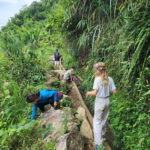
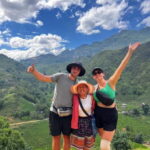
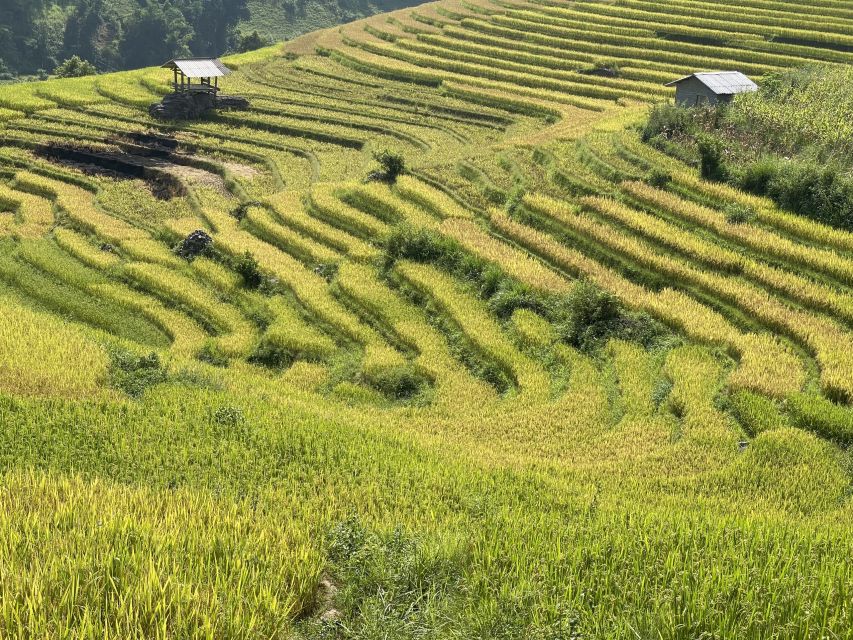
Rice terraces start the story in Sapa. I love the way you connect six villages across Black Hmong, Red Dao, and Giay areas, and I also like that you get one night in a local homestay instead of just passing through. One possible drawback: you’ll be walking on real village paths, so pack for uneven, sometimes muddy ground.
This tour is built for people who want more than a viewpoint photo. An English-speaking guide helps you understand what you’re seeing—terraces, houses, clothing, and everyday routines—so the hike feels tied to culture, not just distance.
It’s also set up with practical support. You get hotel pickup in Sapa center (or Sapa Church), plus raincoat and trekking stick use, 1.5 liters of water per person per day, and meals eaten with locals.
In This Review
- Key Things I’d Put On Your Radar
- Muong Hoa Valley: Rice Terraces With a Real Village Route
- Day 1: Y Linh Ho and Lao Chai Terraces, Then a Giay Homestay Night
- Y Linh Ho: terraces + a traditional house stop
- Lunch in a local home
- Lao Chai: terraces near the forest + Black Hmong wooden houses and clothes
- Late afternoon: arrive at the Giay homestay
- Day 2: Bamboo Forest, Giang Ta Chai Waterfall and Lake, Then Hau Thao
- Morning trekking: terraces again, plus bamboo forest and waterfall
- Lunch: Black Hmong meal in a Black Hmong house
- Hau Thao: indigo dye, Hmong wedding talk, and a trumpet moment
- Return to Sapa
- What the Included Homestay Actually Changes
- English Guide Support: Du (Zu) and Pang Chou Style
- Price and Logistics: Is $78 Good Value for Sapa?
- Practical Tips for a Sapa Two-Day Trek Like This
- Who This Tour Fits Best
- Should You Book Sapa: Private Muong Hoa Valley and Homestay Trekking 2-Day?
- FAQ
- Where does pickup happen in Sapa?
- How long is the tour?
- Which ethnic minority groups are included?
- How many villages are visited?
- What meals are included?
- Is a homestay included?
- What trekking support is provided?
- Is transport back to Sapa included?
- Is the tour guided in English?
- Is travel insurance included?
Key Things I’d Put On Your Radar
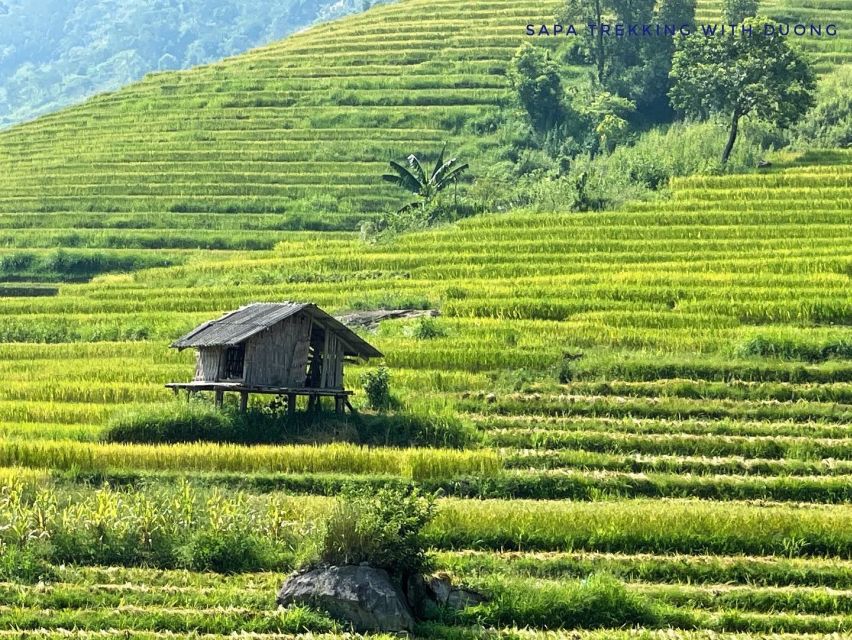
- Six village visits in Muong Hoa: Y Linh Ho, Lao Chai, Ta Van, Giang Ta Chai (waterfall/lake stop), Hau Thao, plus a Giay homestay base
- Three ethnic groups, side-by-side: Black Hmong, Red Dao, and Giay, with time to compare homes, food, and traditions
- Terraces plus forest and waterfall time: rice fields early, then bamboo forest and a waterfall/lake rest stop on day two
- Homestay night with Giay hosts: learn Giay culture and food, then sleep in the rhythm of village life
- Meals included in local houses: lunches and dinner are part of the experience, not an afterthought
- Gear and water included: raincoat, trekking stick, and 1.5L water per person per day reduce the “what do I need?” stress
Muong Hoa Valley: Rice Terraces With a Real Village Route
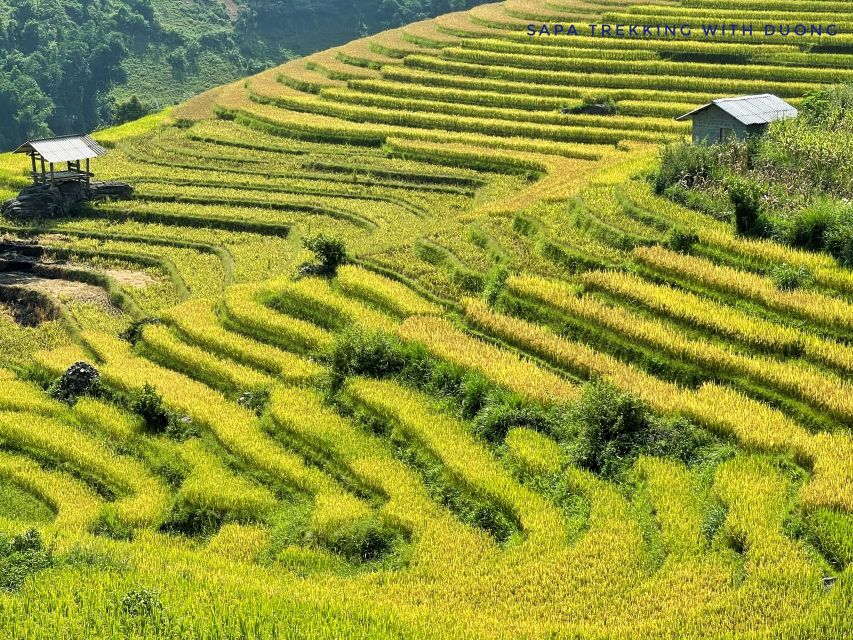
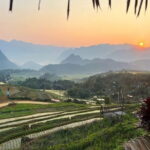
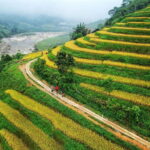
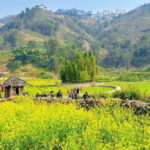
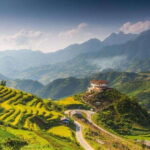
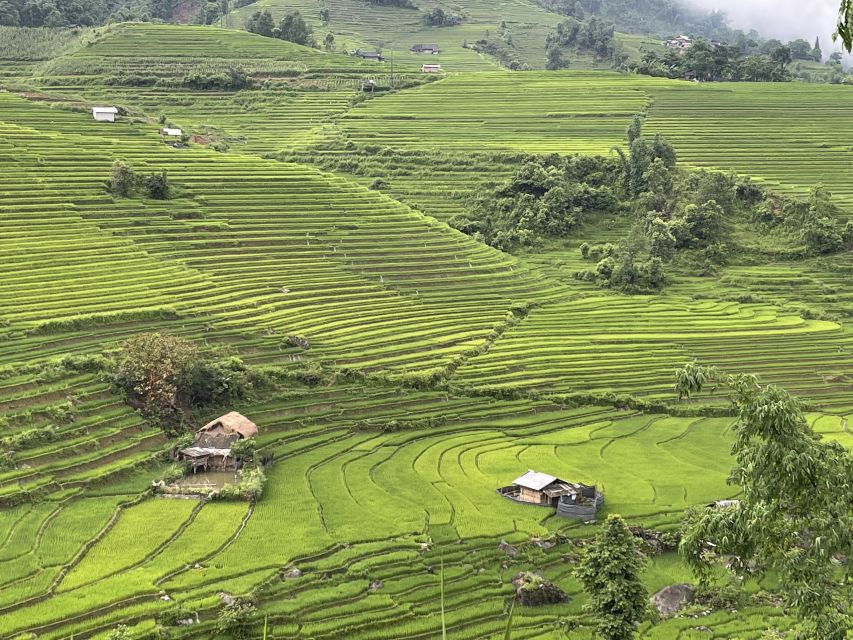
Muong Hoa Valley is one of those Sapa areas where the scenery is obvious. What makes this trek different is that you don’t just look at the terraces—you move through them between villages and people. You’ll spend time where Black Hmong families are planting rice, and where you can see daily life happening along the trail.
This matters because terraces aren’t only pretty. They’re also work, built and maintained over time. When your guide points out what you’re seeing—planting, house styles, traditional clothing fibers, and village routines—the walk becomes easier to understand. That’s the big value here: turning a hike into a guided cultural route.
If you prefer a strictly low-effort stroll with minimal walking, this may feel like too much. But if you want a structured two-day Sapa experience that connects views to culture, this is a strong match.
You can also read our reviews of more tours and experiences in Sa Pa.
Day 1: Y Linh Ho and Lao Chai Terraces, Then a Giay Homestay Night
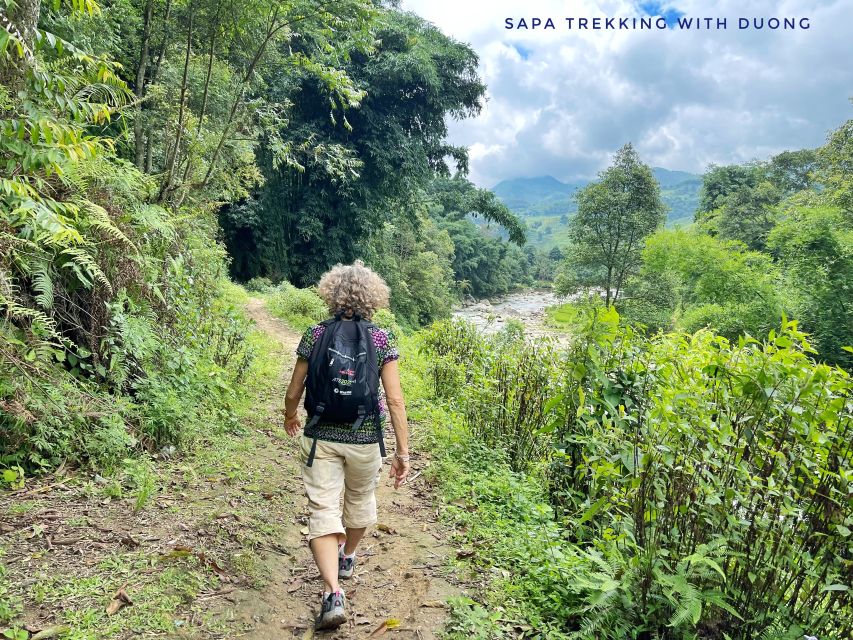
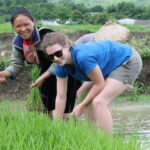
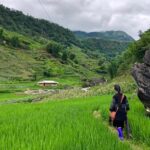
Day one starts with a hotel pickup in central Sapa around 9:30AM (also offered from Sapa Church). After that, you begin walking toward Y Linh Ho. Around 10:30AM, you arrive in the village area and start with the terraces—specifically rice fields where you can see Black Hmong people planting rice.
Y Linh Ho: terraces + a traditional house stop
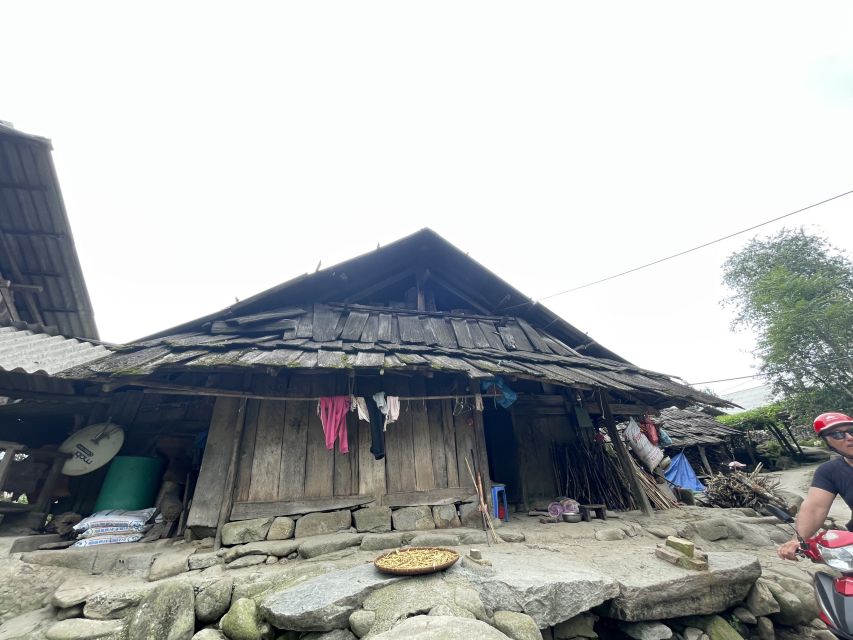
This is a great first-leg stop because it grounds you fast. Instead of starting with a long climb and saving the “what am I looking at?” explanation for later, you’re learning as you go. You also visit a Black Hmong traditional house and get a chance to understand more about daily life and culture—exactly the kind of context that makes later village stops click.
A small practical note: village house visits can mean you spend short periods inside. Wear layers you can adjust, and keep your day bag organized so you can move quickly between trail and house.
Lunch in a local home
Around 11:30AM, lunch is served at a local home. This is one of the best ways to understand what a village day tastes like. The menu isn’t described in detail, but it’s positioned as local food eaten with the people you’re visiting—which usually means fewer tourist-style assumptions.
If you’re picky about food or you strongly dislike trying new dishes, this is where you’ll want to set expectations. Still, the upside is that you’re eating as part of the village rhythm, not on a bus schedule.
Lao Chai: terraces near the forest + Black Hmong wooden houses and clothes
After lunch, the hike continues around 1:00PM toward Lao Chai San village. You’ll explore one of the village areas near the forest and get to walk through some of the best terrace scenery in Sapa along the way.
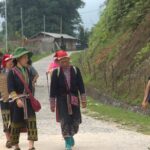
By 2:00PM, you arrive at Lao Chai. Here you focus more on Black Hmong traditional life: wooden house details and traditional clothing you can see up close. Seeing clothing in context is worth it on a trek like this. In many places, clothes become souvenir items. Here, you’re seeing them as part of a living identity.


Late afternoon: arrive at the Giay homestay
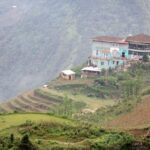
Around 4:30PM, you reach the Giay homestay and shift from Black Hmong-focused stops to a Giay setting. That timing is useful. You’re tired enough to appreciate a real rest, but not so late that you miss the cultural talk.
At the homestay, you get time to learn Giay culture, food, and traditions. The tour also specifically sets up a comparison: what feels different between Black Hmong and Giay people in terms of culture, home, and traditions.
I like this approach. Too many treks do “one ethnic group today.” Here you see the contrasts that make Sapa feel bigger than one storyline.
You stay one night.
Day 2: Bamboo Forest, Giang Ta Chai Waterfall and Lake, Then Hau Thao
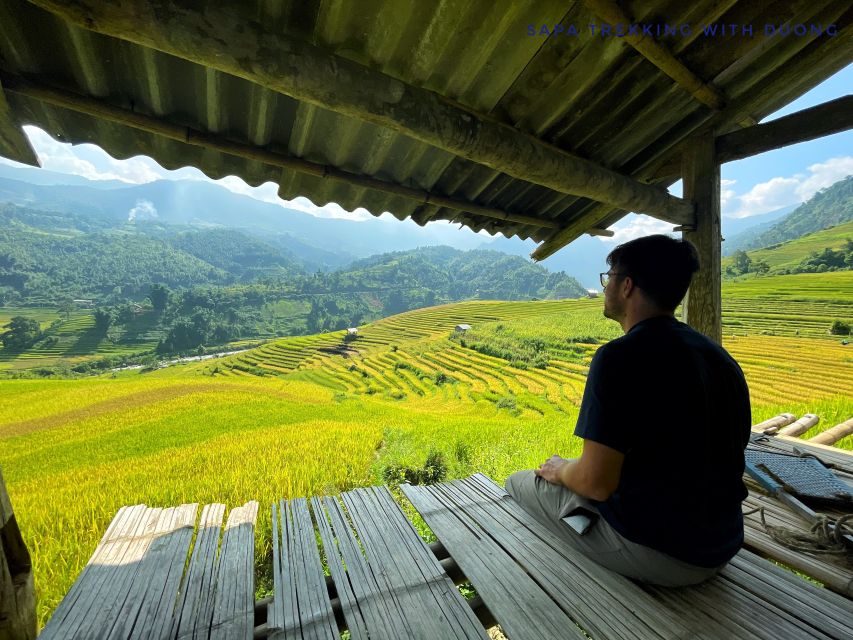
Day two begins earlier. You wake up around 7:00AM, wash up, and have breakfast. There’s also mention of morning coffee or tea, so this day starts gently rather than immediately pushing you onto a steep climb.
Morning trekking: terraces again, plus bamboo forest and waterfall
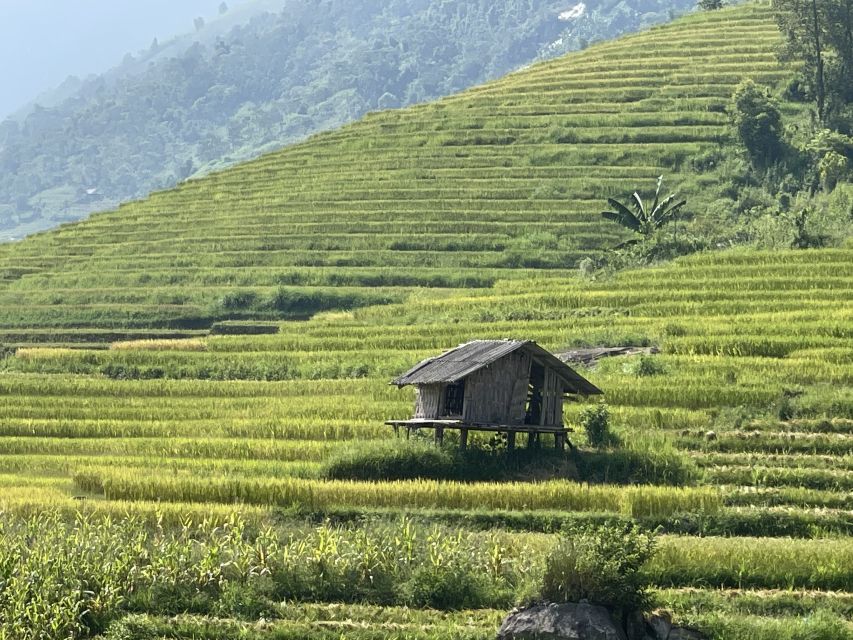
Around 9:30AM, you start hiking through terraces of rice fields, bamboo forest, and toward waterfall scenery. This is a nice change from day one. Day one is more “village and terraces.” Day two adds more variety: forest tones and water views.
At about 9:30AM, you head toward Giang Ta Chai waterfall and lake. You’ll stop to rest there and listen to stories of Black Hmong people. This kind of story stop is often where the tour earns its pay. You get a reason to pause, not just another “stand here, take a photo” break.
Lunch: Black Hmong meal in a Black Hmong house
Around 11:30AM, lunch is served at a Black Hmong house, with dishes made by local people in that village. The tour is clear that this is traditional food you can’t easily replicate elsewhere.
I’d treat this lunch as a highlight meal. If you’re the kind of person who regrets not eating more during travel, you’ll probably feel satisfied here because it’s tied to the route—not a detour.
Hau Thao: indigo dye, Hmong wedding talk, and a trumpet moment
Around 1:00PM, you continue trekking to Hau Thau village, described as the last village of day two. On the way, you’ll see daily life and learn how Hmong people raise indigo trees used for unique clothing dye work.
There’s also a cultural conversation about Hmong wedding customs. And then you get a special performance moment: listening to the oldest men of Black Hmong blow the trumpet.
Even if you’re not sure what you’ll hear, it’s the kind of experience that makes a trek feel less like sightseeing and more like attending part of a community’s world. It also turns the hike into something memorable without needing “big monuments.”
Return to Sapa
By 3:00PM, you return to Sapa using a private taxi. That’s a good finish time for a two-day trip. You’re not arriving too late to enjoy a quick meal or shower in town.
What the Included Homestay Actually Changes
The biggest reason to pick this tour is the overnight at a Giay homestay. Many Sapa treks offer a night with a view. This one offers a night with people, plus dedicated time to learn Giay culture and food.
What you should expect:
- You’ll spend time learning after you arrive, not just sleeping and leaving early.
- You’ll get a more direct comparison between Black Hmong and Giay life, since day one and day two both include Black Hmong-focused stops.
What you should be ready for:
- Homestay comfort levels can vary by family and by season. The tour includes dinner and breakfast, plus a learning component, but it does not promise a “hotel experience.”
- You’ll be tired after hiking, so bring a calm attitude. The homestay part works best when you’re okay with slowing down.
This is also the place where good hosting makes or breaks a trek. In the feedback connected to this experience, hosts were described as making people feel at home, and guides were praised for being friendly and encouraging.
English Guide Support: Du (Zu) and Pang Chou Style
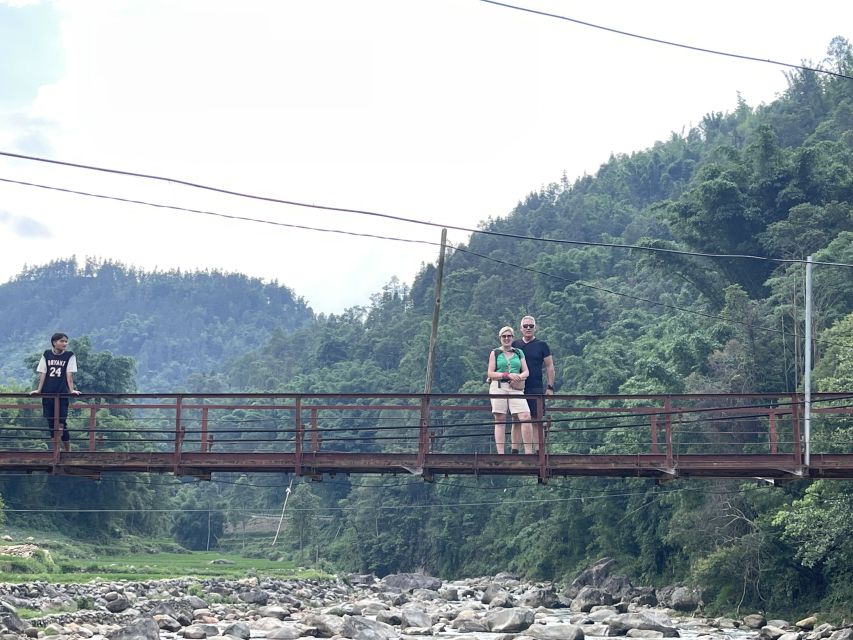
A trek like this rises or falls on your guide. The tour includes a local English-speaking guide, and the feedback specifically calls out guides such as Du (Zu) and Pang Chou.
Du (Zu) was praised for being friendly and explaining things clearly and energetically. Pang Chou was highlighted for giving a first-hand experience of ethnic minority culture and landscapes, and her husband was also described as a warm part of the homestay support.
Why that matters for you: this itinerary is full of small cultural moments—house styles, clothing, indigo dye stories, and trumpet music. If your guide can translate those moments into understandable context, the day feels lighter. You stop guessing and start seeing.
Also: because it’s private, you’re more likely to get answers to questions that come up naturally while you walk.
Price and Logistics: Is $78 Good Value for Sapa?
At $78 per person for two days, this tour is priced as a midrange cultural trek. The value comes from what’s included, not just the walking.
Included items that change the math:
- Pickup and drop-off from Sapa center (or Sapa Church)
- Village entry fees
- Local English-speaking guide
- 1 night homestay (with dinner included)
- Meals: 1 breakfast, 2 lunches, 1 dinner
- Water: 1.5L per person per day
- Raincoat and trekking sticks
- Taxi back to Sapa after day two
What’s not included:
- Travel insurance
- Tips for the guide/driver
- Extra drinks along the way
So the real question isn’t only “is it cheap.” It’s “are you paying for the hard-to-organize parts.” Here, you are. Transport, homestay, and most food are already handled. You don’t have to scramble for lunch stops or figure out entry fees.
If you plan to use insurance anyway (a smart idea for any trek), and you’re comfortable tipping, this can be a solid deal—especially compared with piecing together a day-by-day route yourself.
Practical Tips for a Sapa Two-Day Trek Like This
You don’t need to overpack, but you do want to show up prepared.
- Wear shoes meant for uneven paths: rice terraces and village trails can get slippery.
- Use the raincoat if the sky turns. Weather can change quickly in northern Vietnam, and the tour includes one per person.
- Bring a light day layer: even if it’s warm, you might feel cooler near forest and waterfall stops.
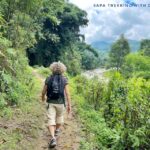
- Plan for real walking time: this is a guided route through multiple villages across two days.
- Respect homestay rules: ask before photos and follow the host family’s lead on basic house manners.
- Have small cash for extras: extra drinks aren’t included, and you’ll likely want options without waiting.
If you’re traveling with a tight schedule in Sapa, note the day two finish at 3:00PM. That’s helpful because you still have time for your own dinner plans in town.
Who This Tour Fits Best
This is a good match if:
- You want a two-day Sapa trek that hits multiple villages, not just one photo stop
- You care about seeing how Black Hmong, Red Dao, and Giay communities live, eat, and dress
- You like guided story moments—terraces, houses, indigo dye talk, and trumpet music
- You’re okay with a homestay night and eating meals as part of the village day
You might want to skip it if:
- You want a mostly flat, short walk
- You strongly dislike homestays or cultural walking tours
- You can’t handle moderate hiking and weather changes
Should You Book Sapa: Private Muong Hoa Valley and Homestay Trekking 2-Day?
If you’re choosing between quick treks and deeper cultural walks, I’d book this one. It has a smart structure: terraces and house visits on day one, then bamboo forest, waterfall/lake rest, and culture-rich stops on day two, plus a homestay night that turns “sightseeing” into a real exchange.
The tradeoff is effort. You’re on the trail for real, and homestay comfort isn’t “hotel guaranteed.” But if you’re traveling for experience over convenience, this tour gives you a lot of village time for one price.
If your priority is learning—through houses, meals, clothing, and stories—this is one of the more complete ways to see Muong Hoa in just two days.
FAQ
Where does pickup happen in Sapa?
Pickup is included at your hotel in Sapa center or at Sapa Church.
How long is the tour?
It runs for 2 days. Starting times can vary, so you’ll want to check availability for the exact schedule.
Which ethnic minority groups are included?
The route focuses on Black Hmong and Giay, with Red Dao also included as part of the ethnic village exploration.
How many villages are visited?
You’ll explore 6 villages across the route in Muong Hoa valley.
What meals are included?
You get 1 breakfast, 2 lunches, and 1 dinner, with meals included during village stops.
Is a homestay included?
Yes, you stay 1 night at a homestay of the Giay people.
What trekking support is provided?
A trekking stick per person and a raincoat per person are included.
Is transport back to Sapa included?
Yes. After the last village on day two, you return to Sapa by private taxi.
Is the tour guided in English?
Yes, the guide is English-speaking. The tour also includes an English audio guide.
Is travel insurance included?
No, travel insurance is not included.