REVIEW · CALI COLOMBIA
Cali: Pico de Loro Trekking Adventure – Farallones de Cali
Book on GetYourGuide →Operated by Valley Adventours · Bookable on GetYourGuide
Pico de Loro is a real test of stamina. This 10-hour hike in the Farallones de Cali National Natural Park pairs a steep ascent with big views, plus a stop at the environmental education center El Topacio so you understand what you’re walking through. You also get the chance to move through one of Colombia’s older protected areas, known for serious biodiversity.
I like two things a lot: first, the small group setup (limited to 7), which makes the pace feel human and allows the guides to adjust when the trail gets rough. Second, I love the way the climb is built for acclimatization, with short breaks for environmental interpretation and getting your body ready for the final push.
One heads-up: this is not a casual hike. You’re going from about 1,600 to 2,860 MASL and you can face sections with very steep angles (45° to 75°), so if you have respiratory or heart concerns—or a recent fracture—this will be the wrong challenge.
In This Review
- Key things you’ll care about
- Farallones de Cali and Pico de Loro: what makes this hike worth your effort
- The physical reality: distance, altitude, and the steep sections you must plan for
- El Topacio: the stop that turns a hike into a nature lesson
- A practical walk-through of your day on the trail
- 1) Meet and get briefed in Spanish
- 2) El Topacio stop for environmental education
- 3) Start the ascent from about 1,600 MASL
- 4) Interpretation breaks and acclimatization stops
- 5) The steep sectors (the section that makes you respect the mountain)
- 6) Reach Pico de Loro and enjoy the payoff views
- 7) Descend carefully back down the 4.5K descent
- Guides, group size, and the difference between tough and dangerous
- Price and value: why $49 can be a good deal here
- What to bring (and how to pack for wet, steep, and long)
- Who this is for (and who should skip Pico de Loro)
- Weather reality: cloudy doesn’t ruin the day, but it changes what you feel
- Should you book this Pico de Loro trek?
- FAQ
- How long is the Pico de Loro trekking adventure?
- What distance do we hike?
- What altitude does the trek start and finish at?
- How steep is the trail?
- What days is the tour available?
- How big is the group?
- What languages are the guides?
- What is included in the price?
- Is transport included or do I get pick up?
- What should I bring for weather and comfort?
Key things you’ll care about
- Steep altitude change: 1,600 MASL start to a final 2,860 MASL
- Real climbing work: 9K total, split into 4.5K ascent and 4.5K descent
- A guide-led nature context: stops include environmental interpretation and the El Topacio center
- Forest-and-bird-country: the park is known for 540 bird species across multiple ecosystems and thermal floors
- Timing is limited: runs Monday through Friday only
- Spanish-only experience: guides are Spanish-speaking, including the hiking guide
Farallones de Cali and Pico de Loro: what makes this hike worth your effort
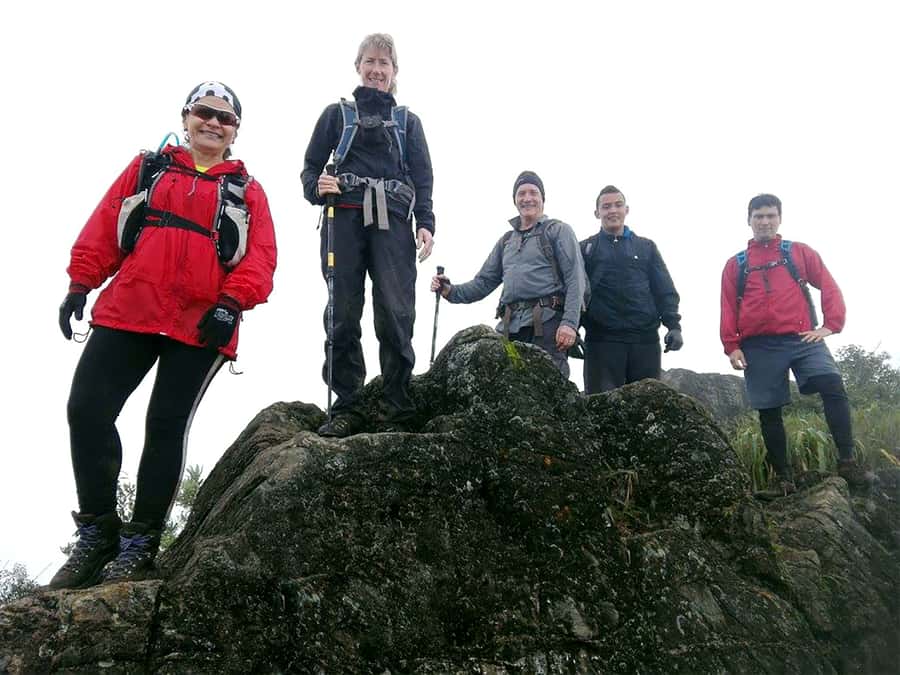
This trek is centered on Pico de Loro, the most prestigious trail within the Farallones de Cali National Natural Park, a protected area in Valle del Cauca that’s part of Colombia’s wider system of conservation sites. If you’re the type who likes more than just a physical workout, you’ll appreciate that the park isn’t treated like a backdrop. It’s treated like the main event.
The reason is what lives here. The park includes 4 ecosystems and 4 thermal floors, which is a fancy way of saying conditions can change as you gain elevation. Add in indigenous influence, thick jungle areas, and lots of hydrographic wealth, and you get a trail where the surroundings don’t feel repetitive. You’re not just climbing; you’re moving through zones.
And then there are the birds. The park is described as having 540 species of birds, and some are in danger of extinction and unique to the world. You won’t control what you see, but the chances of spotting birdlife are a real part of the experience, especially when the guides pause for environmental talk.
The physical reality: distance, altitude, and the steep sections you must plan for
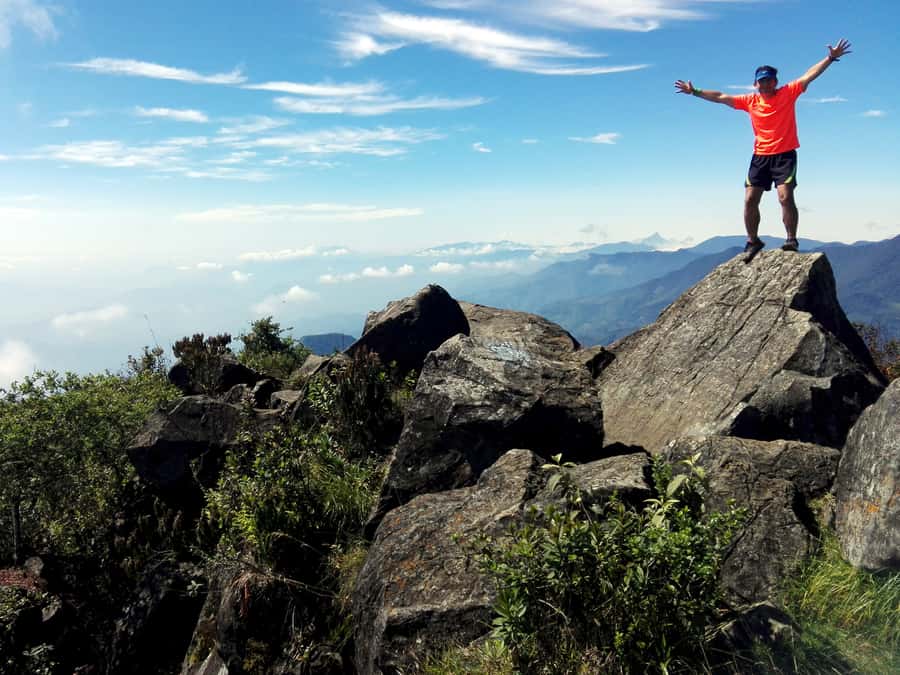
Here’s the math you should take seriously. The trek covers 9K total, with 4.5K ascent and 4.5K descent. The trail starts around 1,600 MASL and reaches a final altitude of about 2,860 MASL. That’s a big jump in a day.
You should also expect a lot of uphill angle. During the hike there can be changes in level between 45° to 75° in some sectors. That’s the kind of slope where your pace will slow, your legs will burn, and your breathing will matter more than your speed.
The good news: the plan includes short breaks and stops for environmental interpretation and acclimatization. That’s not just about teaching—it’s about keeping the group safe and helping you handle the altitude and effort. In a small group (up to 7), those pauses feel more tailored.
Still, you need to come prepared to earn the views. One review specifically called out the last 1.5K as extremely hard—and rewarding once you reach the top. Plan your mindset for that.
El Topacio: the stop that turns a hike into a nature lesson
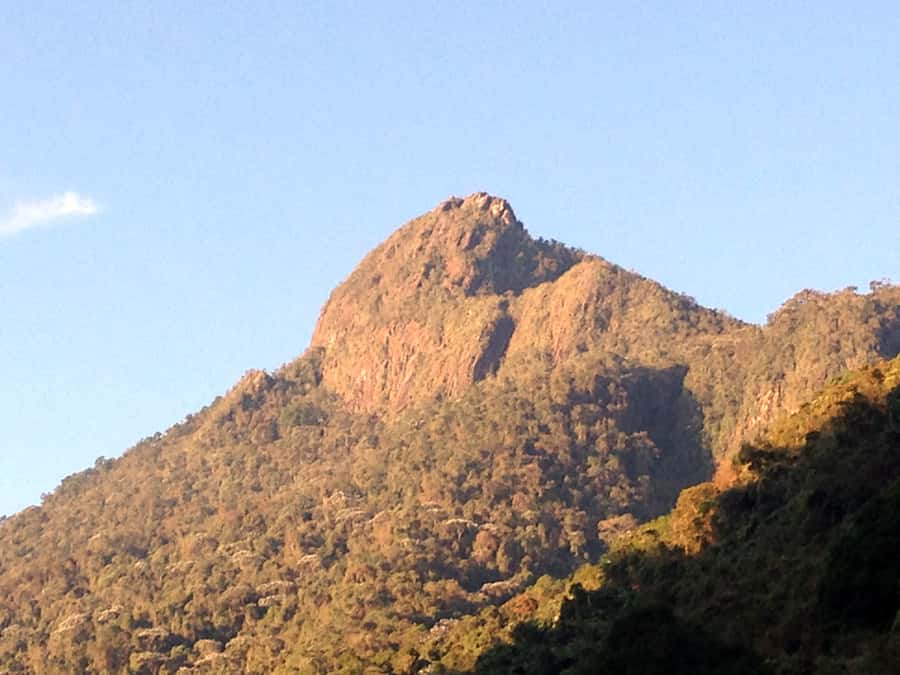
One of the included parts that I think makes this outing better than a straight-to-the-summit trek is the visit to the environmental education center El Topacio. You don’t just hike through the park; you’re given context for what you’re walking in and what the protected area is trying to protect.
This matters because Pico de Loro isn’t described as being in a single, simple setting. It’s part of a park with multiple ecosystems and thermal floors. When you get the interpretation breaks, you’re more likely to notice changes: how the vegetation might shift, why different areas matter for wildlife, and how water and jungle ecosystems support that bird diversity.
If you like your travel active but also meaningful, this is the piece that adds depth without turning the day into a classroom.
A practical walk-through of your day on the trail
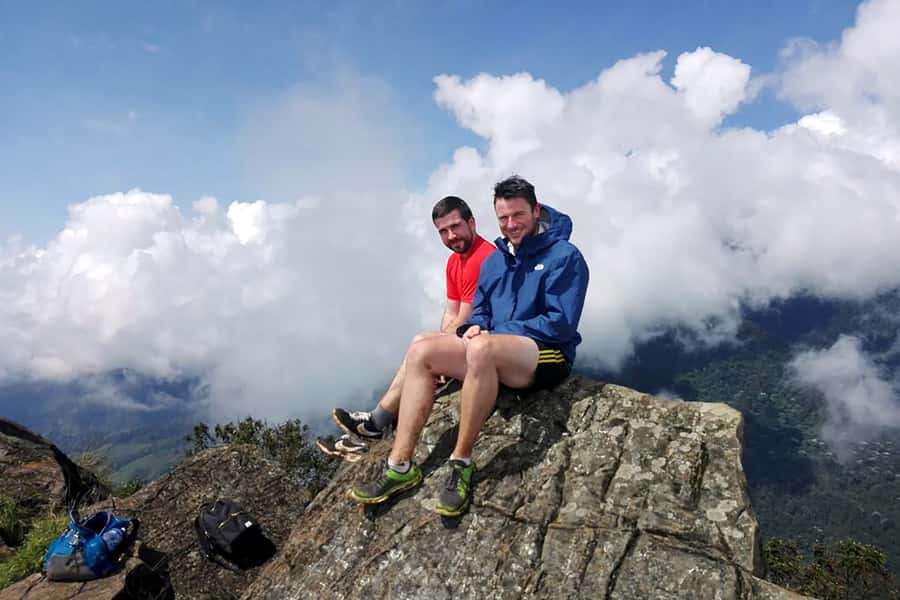
You didn’t get a detailed hour-by-hour schedule here, so I’ll describe the flow in a way that matches how this kind of guided ascent usually works and what’s explicitly included.
1) Meet and get briefed in Spanish
You’ll meet at a set meeting point (and there’s no transport included). The guides are Spanish-speaking, including both the local guide and the expert hiking guide. Expect a briefing that sets the tone: what the trail requires, how the group will move, and what you should do during stops.
Because the group is small, the briefing feels more direct and less like a crowd herding exercise.
2) El Topacio stop for environmental education
Next comes the environmental education center visit. This is where you build the mental map for the hike. You’ll learn about the park’s conservation value and the kinds of ecosystems and species it protects.
3) Start the ascent from about 1,600 MASL
Then you head into the hike itself. With the total ascent being 4.5K, you’ll feel it right away. In the lower part, it’s often about finding your rhythm: steady steps, controlled breathing, and staying consistent rather than sprinting early.
4) Interpretation breaks and acclimatization stops
Throughout the trek there will be short breaks and stops for environmental interpretation and acclimatization. This is the part you want to take seriously. Don’t treat stops like time to rush ahead. Use them to recover, hydrate, and listen.
These pauses also help you handle the altitude change. Even if you’re fit, 2,860 MASL doesn’t care about your confidence.
5) The steep sectors (the section that makes you respect the mountain)
In some parts you may face slopes with angles from 45° to 75°. This is where trekking poles (optional) can help, and where shoes with grip matter. If you go too fast, you’ll pay for it later—especially when the trail keeps climbing.
One review noted that the final stretch is the hardest part. This is usually where you’ll feel the cumulative fatigue. Keep your pace conservative and let the group spread out naturally if needed.
6) Reach Pico de Loro and enjoy the payoff views
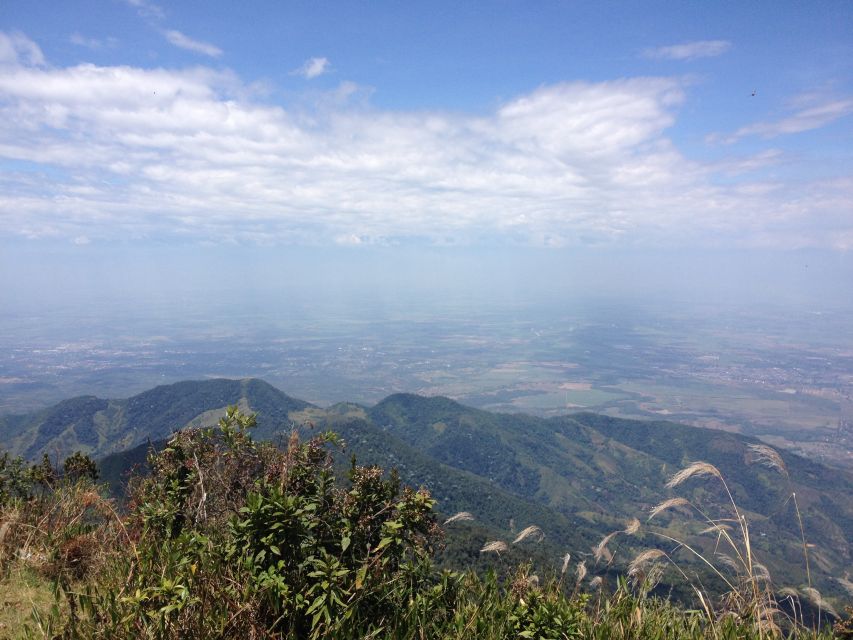
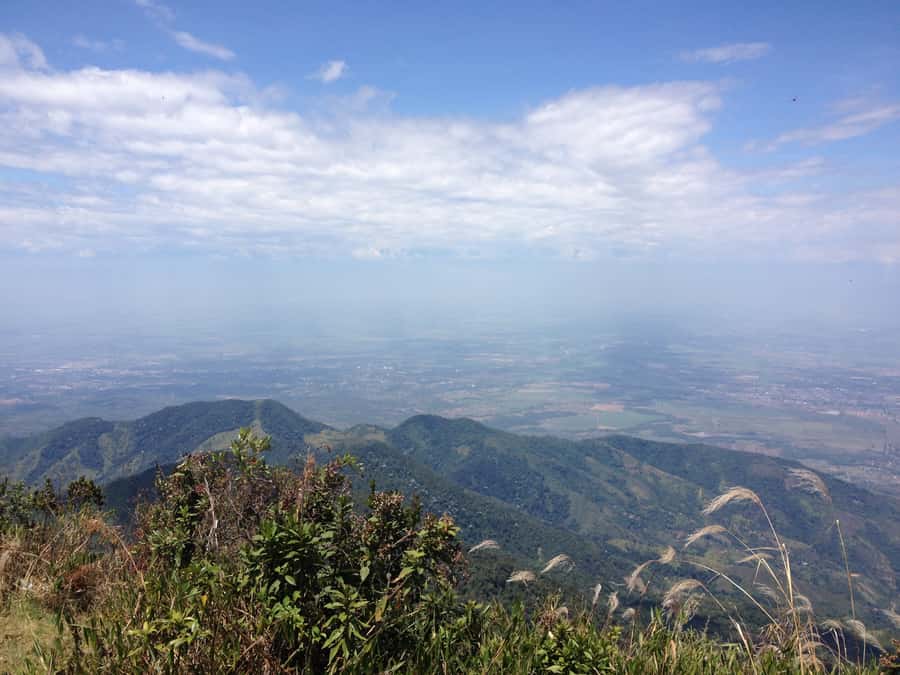
Once you reach the summit area, this is the “why.” The highlights promise beautiful views, and that’s exactly what the climb is buying you. Your reward is not just scenery; it’s the satisfaction of completing one of Cali’s famous mountains under real hiking conditions.
7) Descend carefully back down the 4.5K descent
You still have 4.5K of descent. Downhill can be as tiring on your body as climbing, especially with steep sections. Focus on stable footing and controlled steps.
The mountain gives you less forgiveness on the way down, so take the last part slow and steady.
Guides, group size, and the difference between tough and dangerous
This is a physically challenging trek, but it’s also designed to be handled with the right support. You’ll have a local guide in Spanish plus an expert hiking guide in Spanish, and the day includes medical insurance and assistance.
That combination matters. A steep trail can go wrong when people are pushing past their limits or the group moves too fast. In the reviews, Julián stood out for being patient, knowledgeable, and respectful of each person’s walking ability. That style is exactly what you want on a route like this—firm enough to keep safety in mind, flexible enough for real bodies.
The small group limit (7) is also a quiet advantage. You’re less likely to feel lost, and the guide can keep an eye on the group without losing people in the shuffle.
Price and value: why $49 can be a good deal here
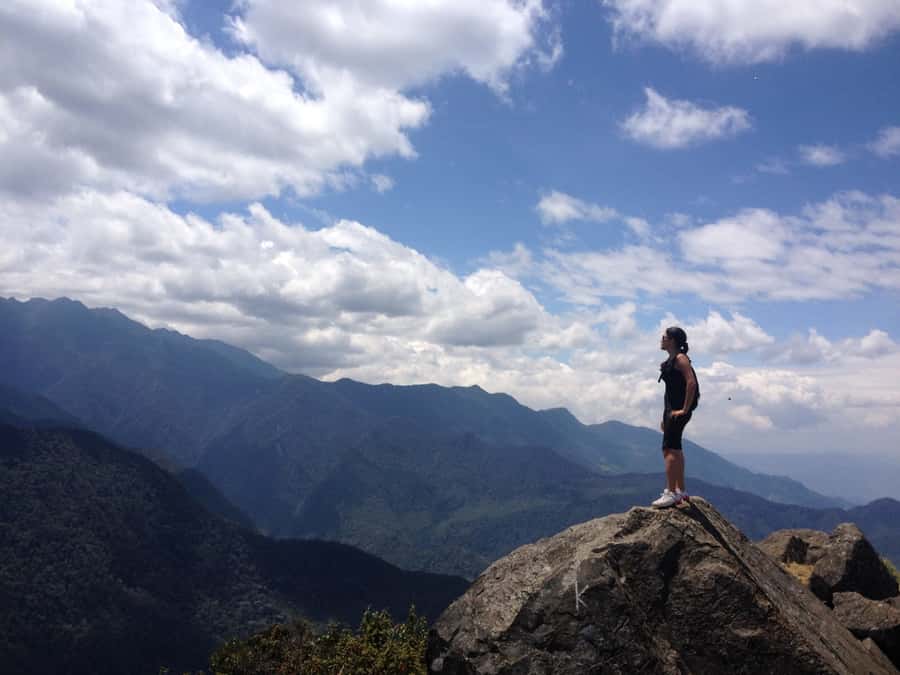
At $49 per person for a 10-hour guided hike, this can feel like a bargain—especially because it includes more than just a guide walking you around.
You’re paying for:
- park entrance/entry fee to the natural reserve
- local guide and expert hiking guide (both in Spanish)
- medical insurance and assistance
- the environmental education center visit (El Topacio)
- the ascent to Pico de Loro
What’s not included is also important for judging value: transport and pick up/drop off aren’t provided. So your real cost depends on how you get yourself to the meeting point.
If you already have local transport figured out (or you’re staying close), this price looks strong. You’re not just buying a view; you’re buying access, guidance, and safety coverage for a steep mountain day.
What to bring (and how to pack for wet, steep, and long)
The gear list here is practical, and I’d treat it as a checklist, not suggestions.
Bring:
- passport or ID card
- hiking shoes (good grip is crucial)
- sunglasses and sun hat
- sunscreen
- insect repellent
- comfortable clothes, plus long-sleeved shirt and pants
- snacks
- towel
- sandals
- swimwear
- rain gear
Optional but useful:
- walking poles
- camelback
I especially like the advice about keeping a small briefcase with extra items. Pack extras so you’re not digging through your bag mid-hike:
- extra clothes
- rain poncho or waterproof jacket
- hat
- sunscreen
- mosquito repellent
And here’s a key point: the tour is not canceled in bad weather. What you take to the trail must be waterproof. Bring a waterproof or plastic bag for items you want to protect during the day. That’s not a detail; it’s what keeps you comfortable when conditions turn.
Who this is for (and who should skip Pico de Loro)
This trek is only for experienced hikers in good physical condition and optimal health. If you have respiratory problems, heart problems, recent fractures, or similar limitations, don’t try to “tough it out.” The trail’s steep angles and altitude change are not forgiving.
It’s also marked as not suitable for:
- pregnant women
- people with back problems
- people with mobility impairments
- people with heart problems
- wheelchair users
On the positive side, this fits people who:
- want a challenging mountain day with a clear purpose
- enjoy guided nature interpretation, not just walking
- like small groups and a guide who adapts to the group
- can handle a steep final push (that hard last 1.5K)
Also, if Spanish is not your comfort zone, plan for that. The tour runs with Spanish-speaking guides and interpretation, so you’ll get the most out of it if you can follow basic hiking instructions.
Weather reality: cloudy doesn’t ruin the day, but it changes what you feel
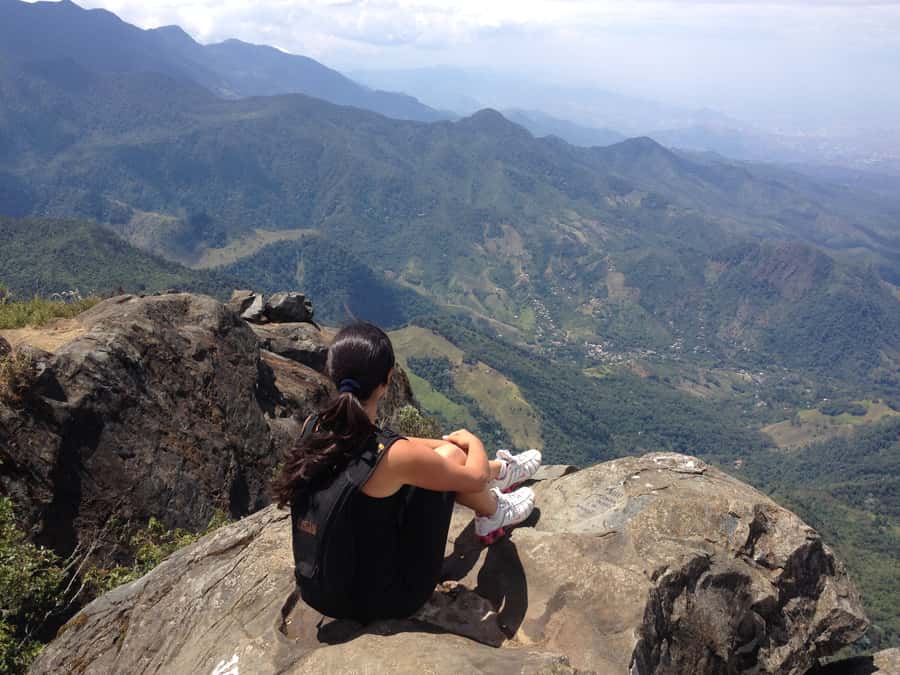
One review mentioned the day was cloudy, and the experience was still incredible. That matches the reality of mountain hikes: visibility can shift, but the journey and effort remain the same.
The bigger issue is not cloud cover. It’s moisture and footing. Since the tour isn’t canceled for bad weather, your rain protection becomes part of your safety plan. Waterproof items, rain gear, and keeping essentials protected are what will make the day feel manageable instead of miserable.
If you’re the type who plans a busy schedule for after the hike, note that one review said the next day was better left free of strenuous plans. Your legs will ask for that favor.
Should you book this Pico de Loro trek?
Book it if you check these boxes:
- you’re a confident hiker with good endurance
- you’re comfortable with steep grades and a big altitude gain
- you want guided nature context, including El Topacio
- you can travel on Monday to Friday and reach the meeting point without pickup help
- you’re okay with Spanish as the main tour language
Skip it if you’re dealing with health limitations like heart or respiratory issues, recent fractures, significant back problems, or mobility constraints. This isn’t the place for testing your limits. It’s for proving you’re ready.
If you are ready, you’re signing up for a mountain climb that’s hard enough to feel real and guided enough to feel safe. And when the hard final stretch kicks in, you’ll be able to think, I trained for this, then enjoy the views once you earn them.
FAQ
How long is the Pico de Loro trekking adventure?
The total duration is 10 hours.
What distance do we hike?
The total distance is 9K, with 4.5K ascent and 4.5K descent.
What altitude does the trek start and finish at?
It starts around 1,600 MASL and reaches a final altitude of about 2,860 MASL.
How steep is the trail?
There can be sections with changes in level between 45° and 75° in some parts of the route.
What days is the tour available?
This tour is available exclusively from Monday to Friday.
How big is the group?
It’s a small group limited to 7 participants.
What languages are the guides?
The guides provide a live tour in Spanish, including the local guide and the expert hiking guide.
What is included in the price?
Included are local guide services, expert hiking guide, entrance fee to the natural reserve, medical insurance and assistance, a visit to the environmental education center El Topacio, and the ascent to Pico de Loro.
Is transport included or do I get pick up?
Transport is not included. There is no pick up or drop off at accommodation, and you need to arrive at the meeting point yourself.
What should I bring for weather and comfort?
Bring hiking shoes with good grip, sunglasses, sun hat, sunscreen, insect repellent, snacks, comfortable clothes (long-sleeved shirt and pants), rain gear, and plan for waterproof storage for your items since the tour is not canceled for bad weather.